The Mini Aussie Origin Story
Quiz Complete!
Mini Australian Shepherd Herding Traits in Everyday Life
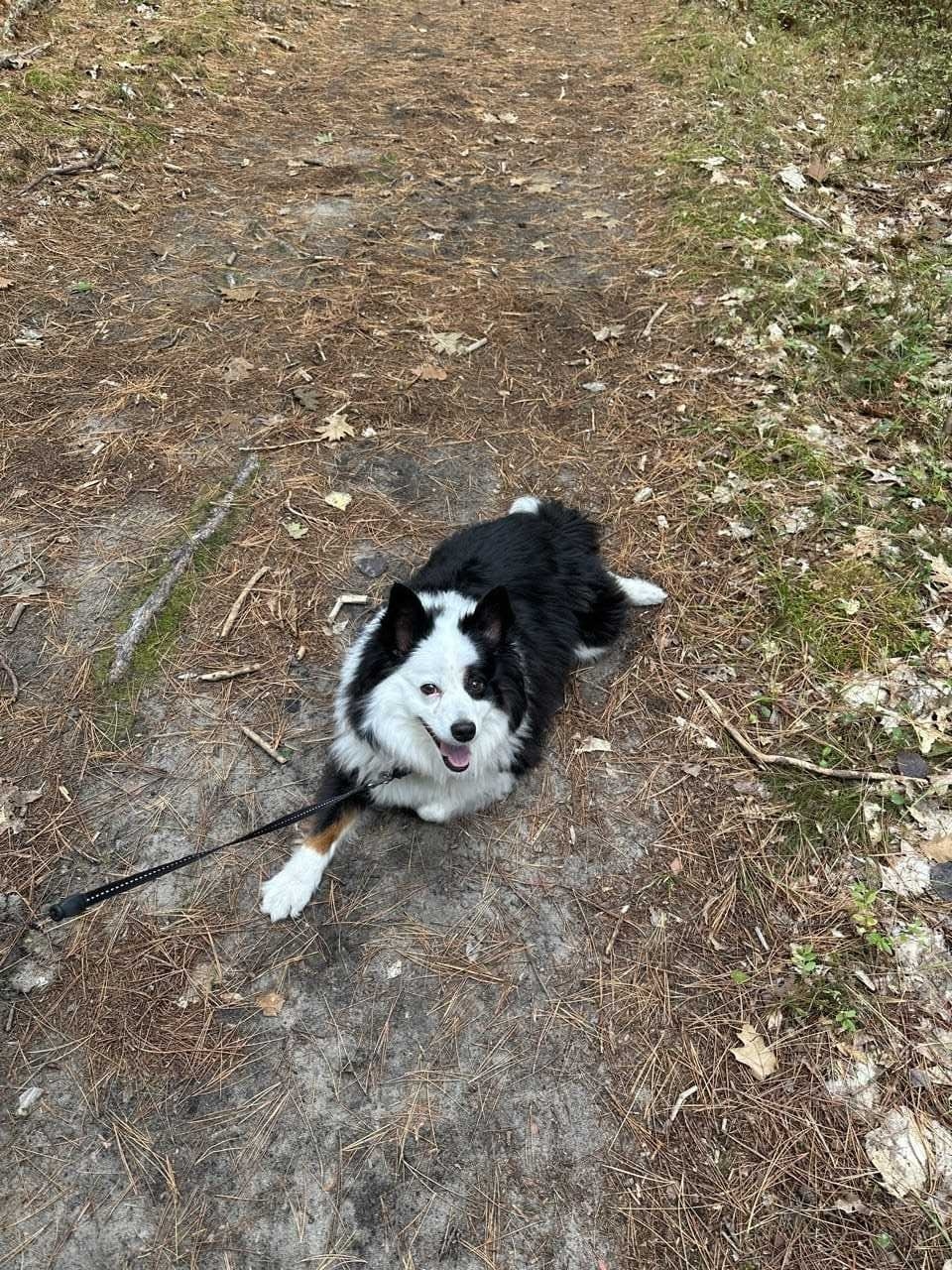
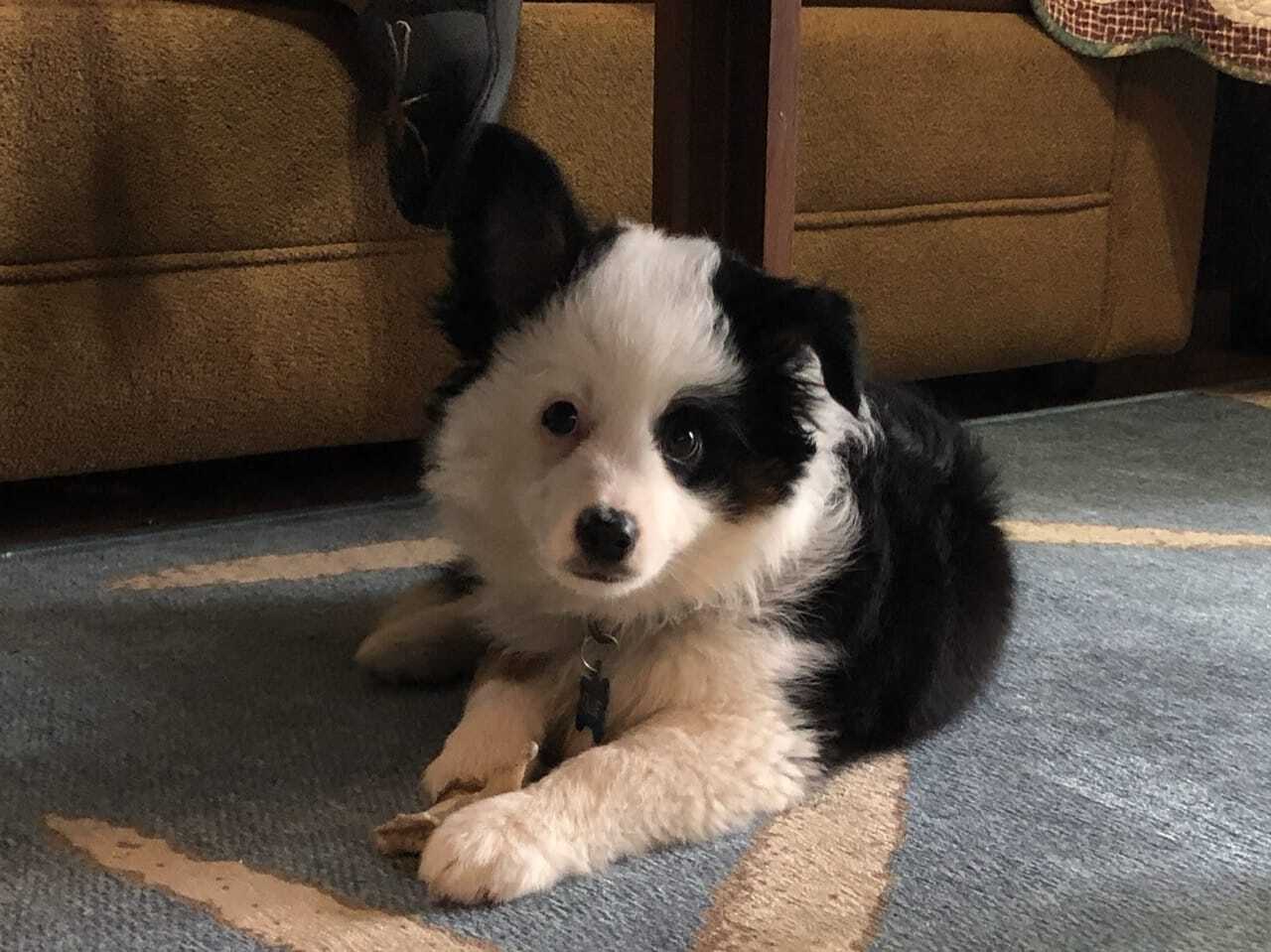
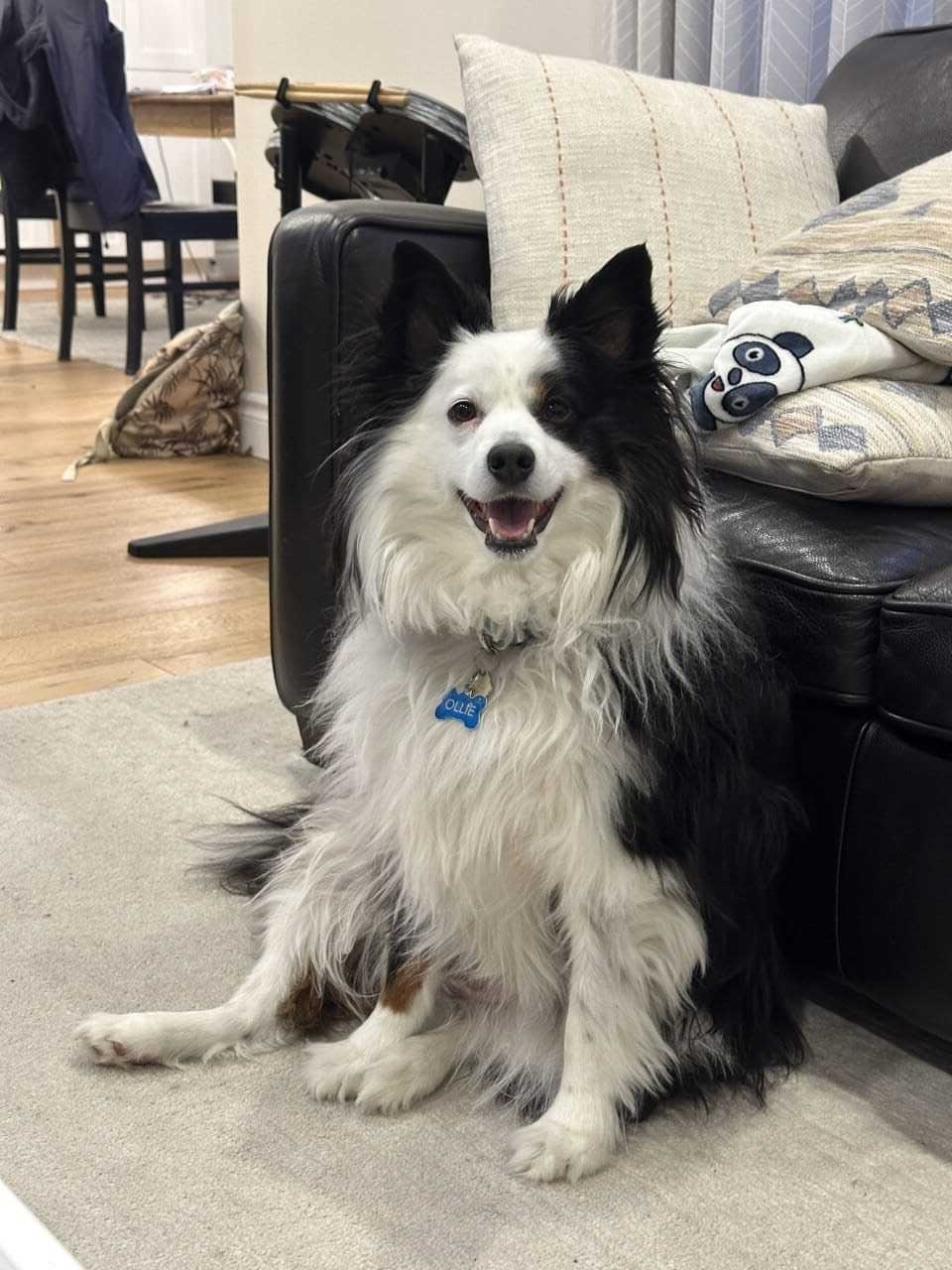
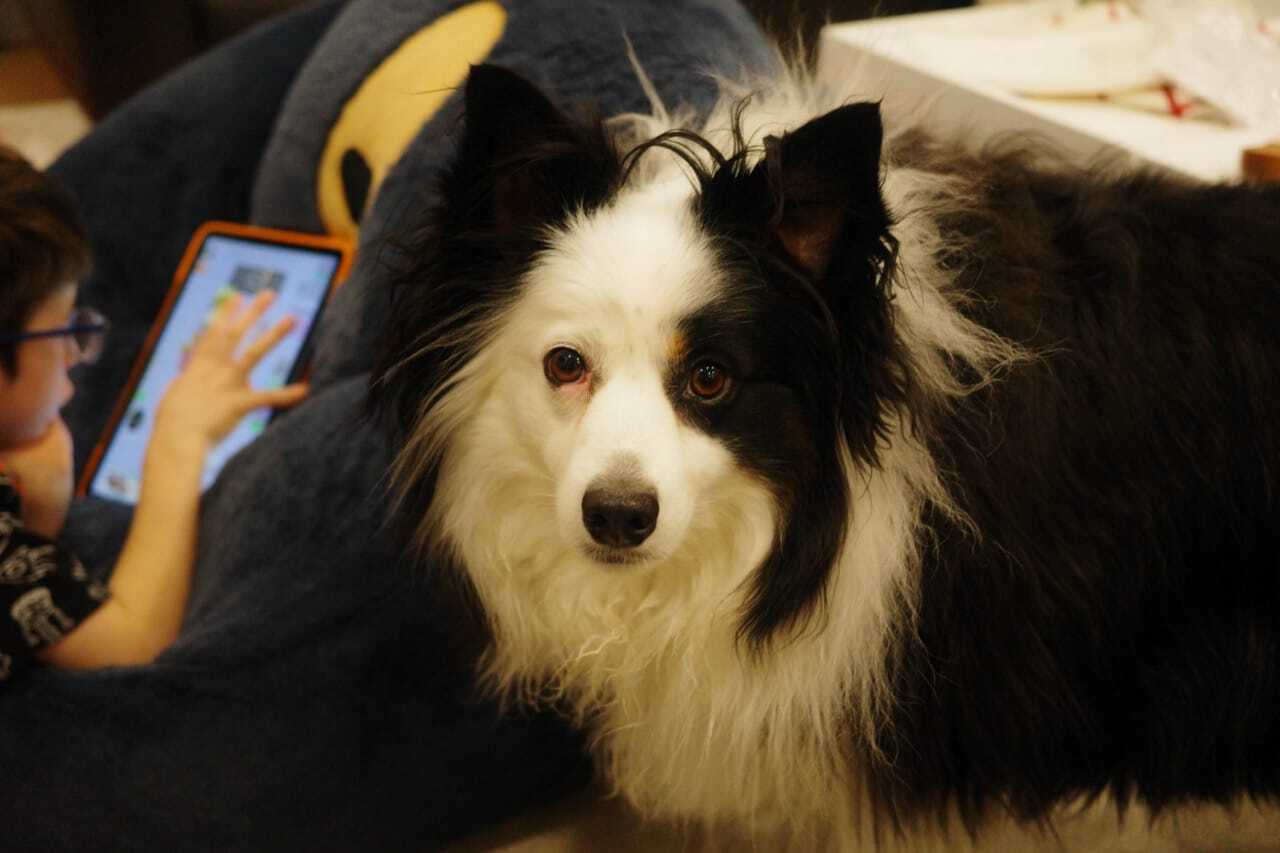
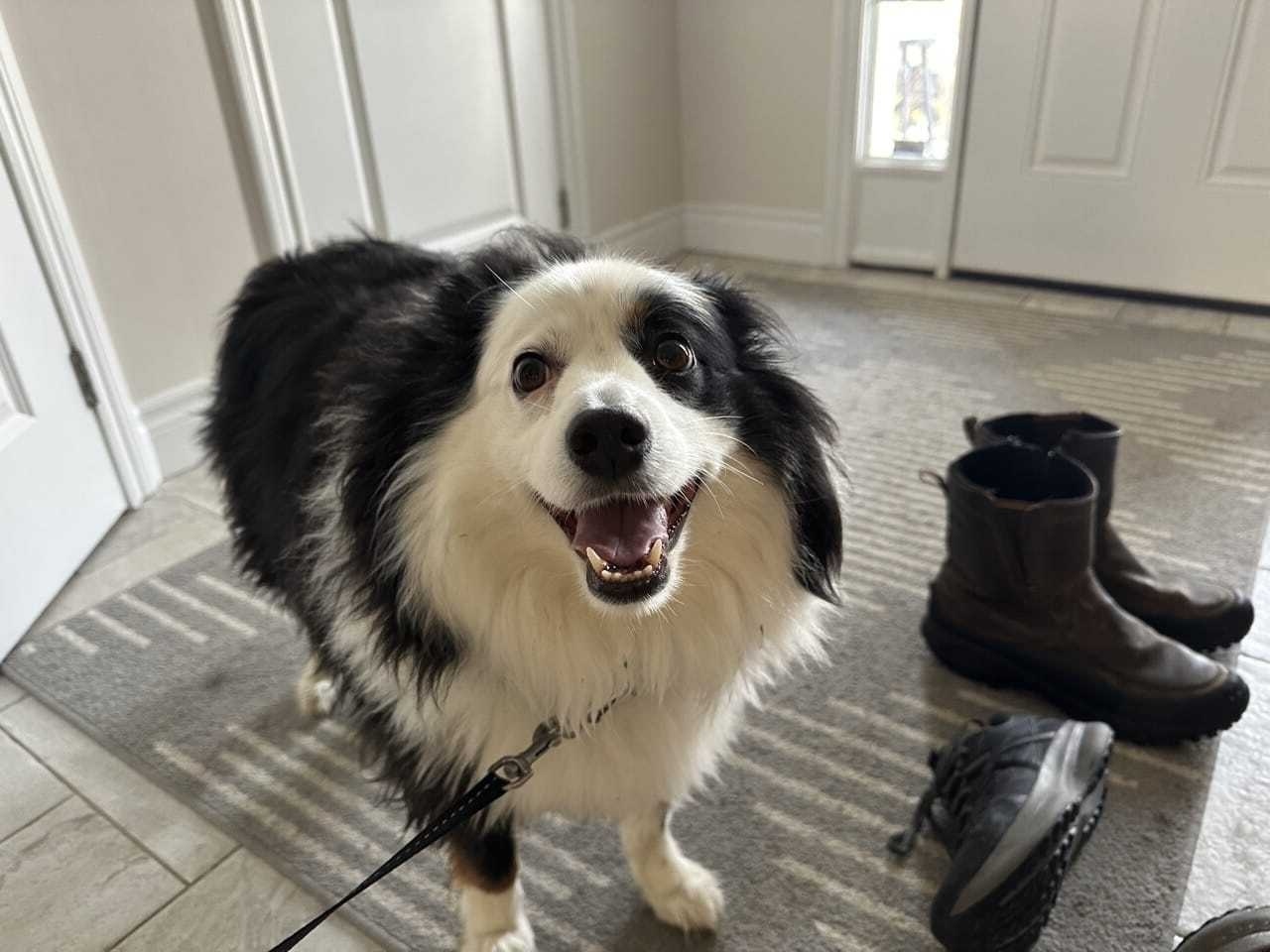
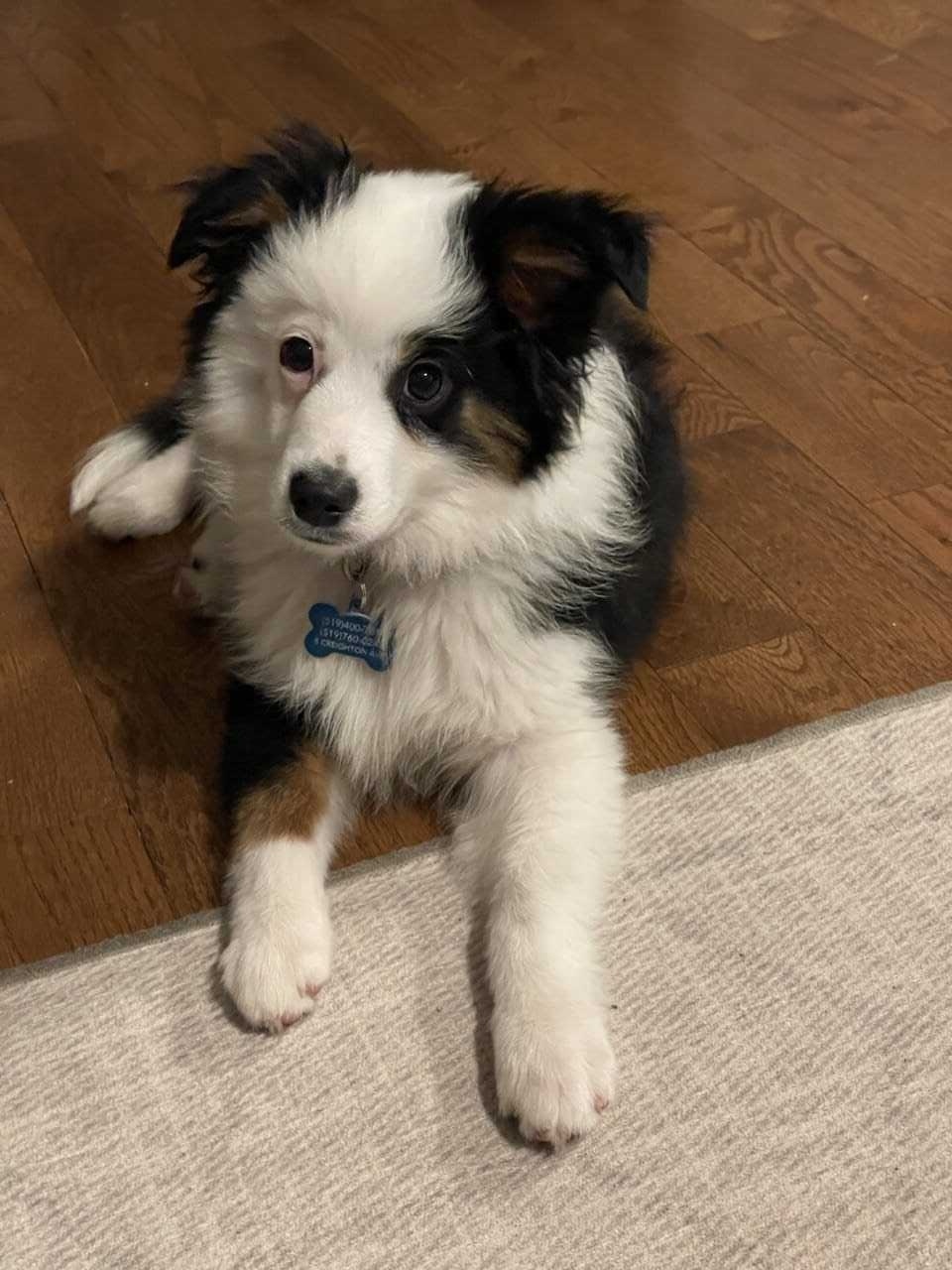
Mini Australian Shepherds may be smaller than many ranch dogs, but their working heritage is anything but small. They were bred down in California from small Aussies in the 1960s, and they kept the instincts of ranch dogs that had to think quickly, take direction, and react in an instant when an animal broke away. That history shaped a dog with a compact, athletic build, intense focus, and a mind that constantly looks for a job.
A hallmark of herding dogs is their relationship with motion. Mini Aussies are often highly sensitive to movement, noticing the jogger at the edge of the park or the child on a scooter before anyone else does. On livestock, that sensitivity helps the dog track shifting bodies and anticipate a turn. In a modern home, it can mean the dog is easily “switched on” by fast activity and may try to manage it. Some will circle, cut in front, or use their body to block and steer, which can look like bossiness but is really an old skill showing up in a new setting.
Many herding breeds use a concept called balance, the instinct to position themselves where they can influence an animal or group relative to the handler. You might see a Mini Aussie naturally try to stand between you and something moving, or trot to a spot that seems oddly strategic during play. Another herding element people talk about is eye, the intense stare some dogs use to control stock. Mini Aussies can show a focused gaze and a crouched, ready posture, though individuals vary. The dog that locks onto a ball with laser intensity is often using the same mental gear it would use to hold a line on livestock.
Heel-nipping is another behavior with roots in real work. A quick nip at the heels can motivate stubborn animals to move, especially when the dog is working close. In family life, that instinct can misfire toward running kids, other pets, or even guests moving through doorways. It is not a sign of a bad dog, but it does need training and management. Teaching a strong recall, rewarding calm behavior around motion, and giving the dog appropriate outlets like tug games with rules can help redirect that drive.
Physically, the breed’s build supports sudden turns and bursts of speed. A well-made Mini Aussie is agile, with efficient movement that allows quick acceleration and tight pivots. That athleticism comes with stamina, too. These dogs were expected to keep going, not just sprint once and quit. In a home, a short walk may not be enough, especially for young adults. What often tires them best is a mix of physical exercise and problem-solving, because their brains were selected to work as hard as their bodies.
The problem-solving side is easy to underestimate. Herding requires reading pressure and space, noticing patterns, and responding to subtle cues from a handler. Many Mini Aussies become experts at learning routines and predicting what you will do next. That can be charming, like anticipating the leash, or challenging, like inventing their own games when bored. Structured tasks tend to bring out the best in them: obedience practice, scent games, agility-style obstacles, or learning to settle on a mat while the household is busy.
Living with a Mini Australian Shepherd is often most enjoyable when you treat their instincts as useful information rather than quirks. If they fixate on moving objects, they may need guidance and an alternate job. If they shadow you constantly, they may be showing the natural desire to work in partnership. With clear rules, positive training, and regular outlets for both speed and thinking, the same traits that once helped manage livestock can become the foundation of an engaged, entertaining companion.