Mini Aussie, Big Personality


Quiz Complete!
Everyday Life With a Mini Australian Shepherd: Turning Energy and Brains Into Good Habits
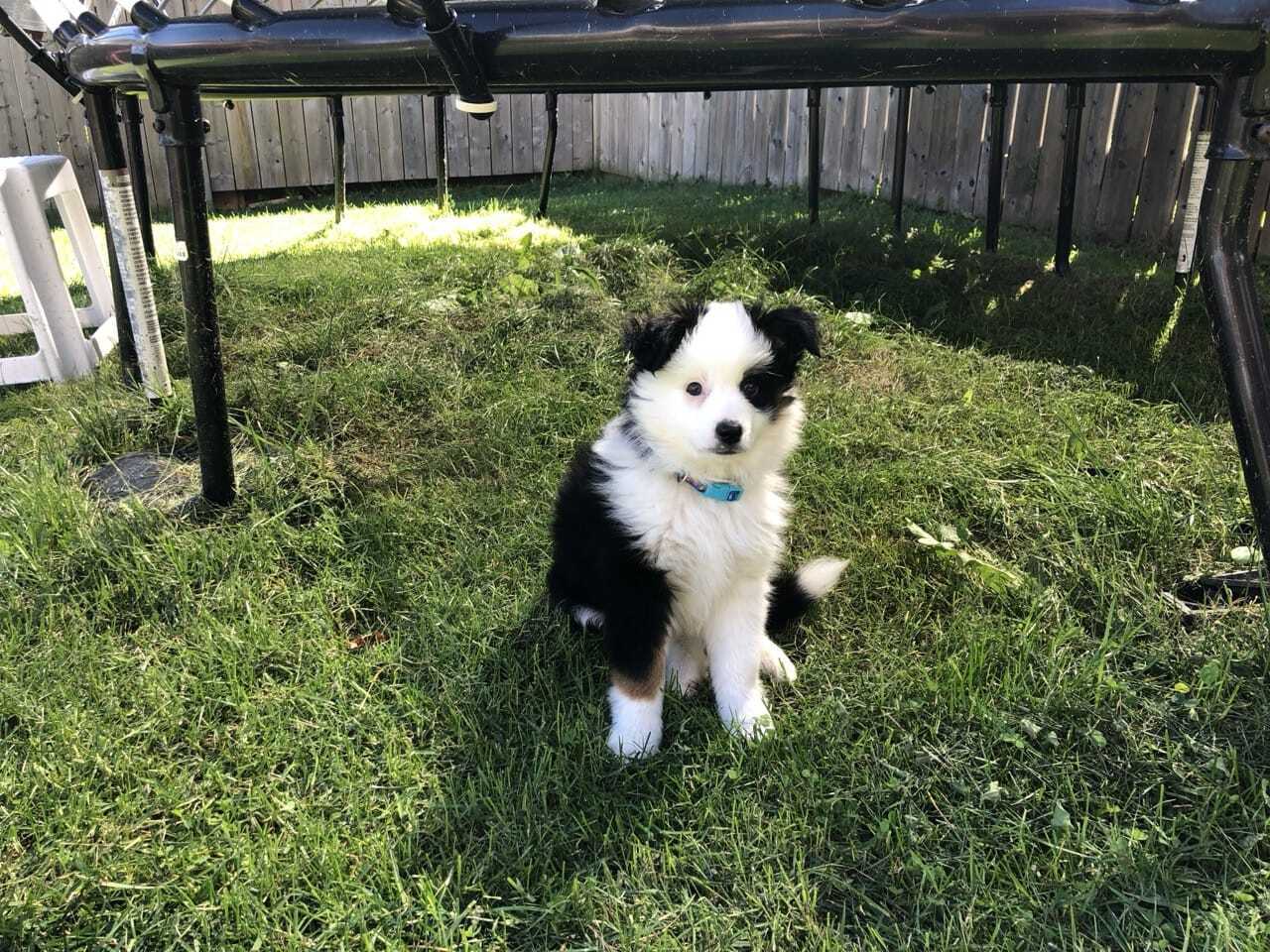
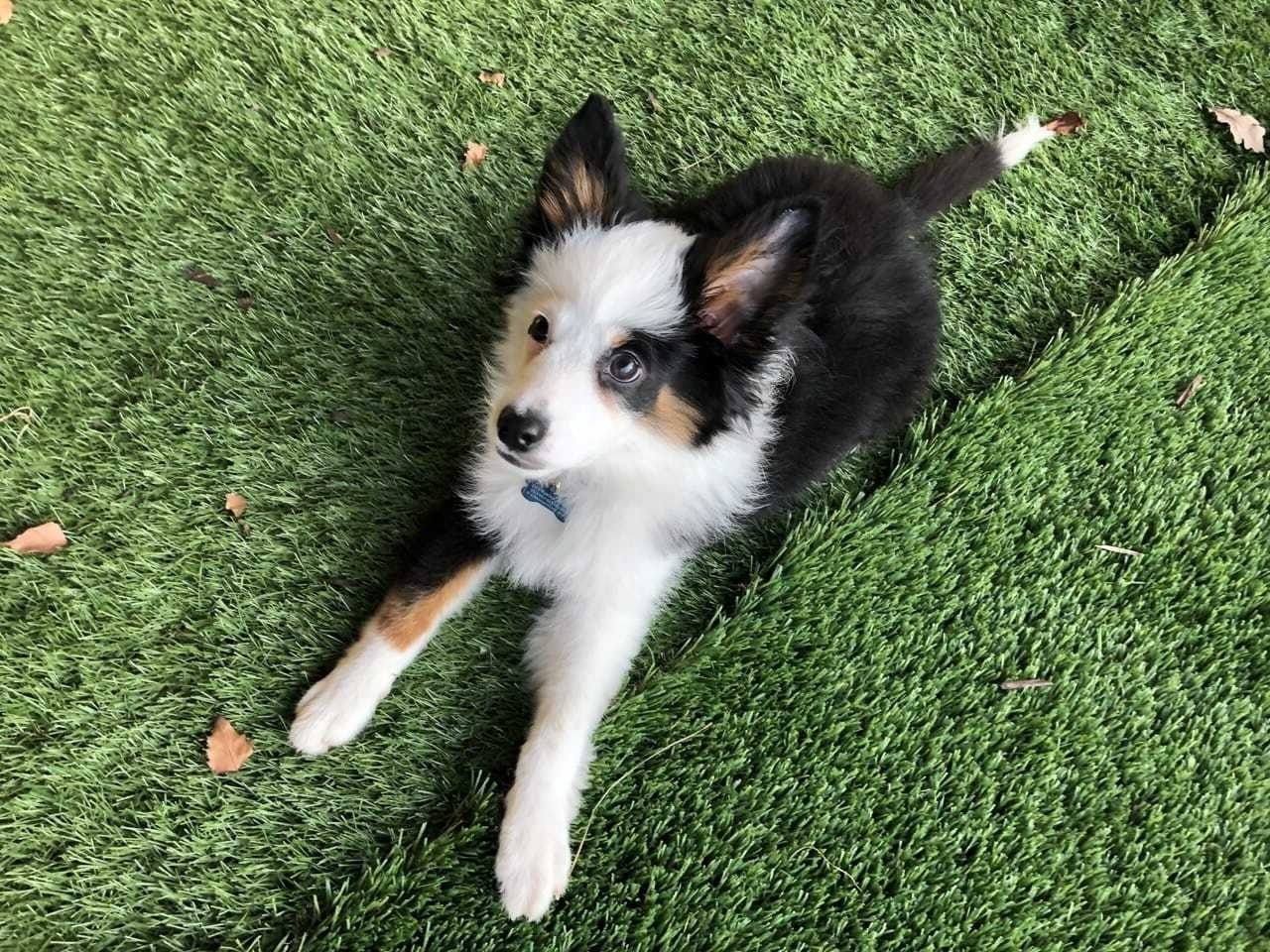
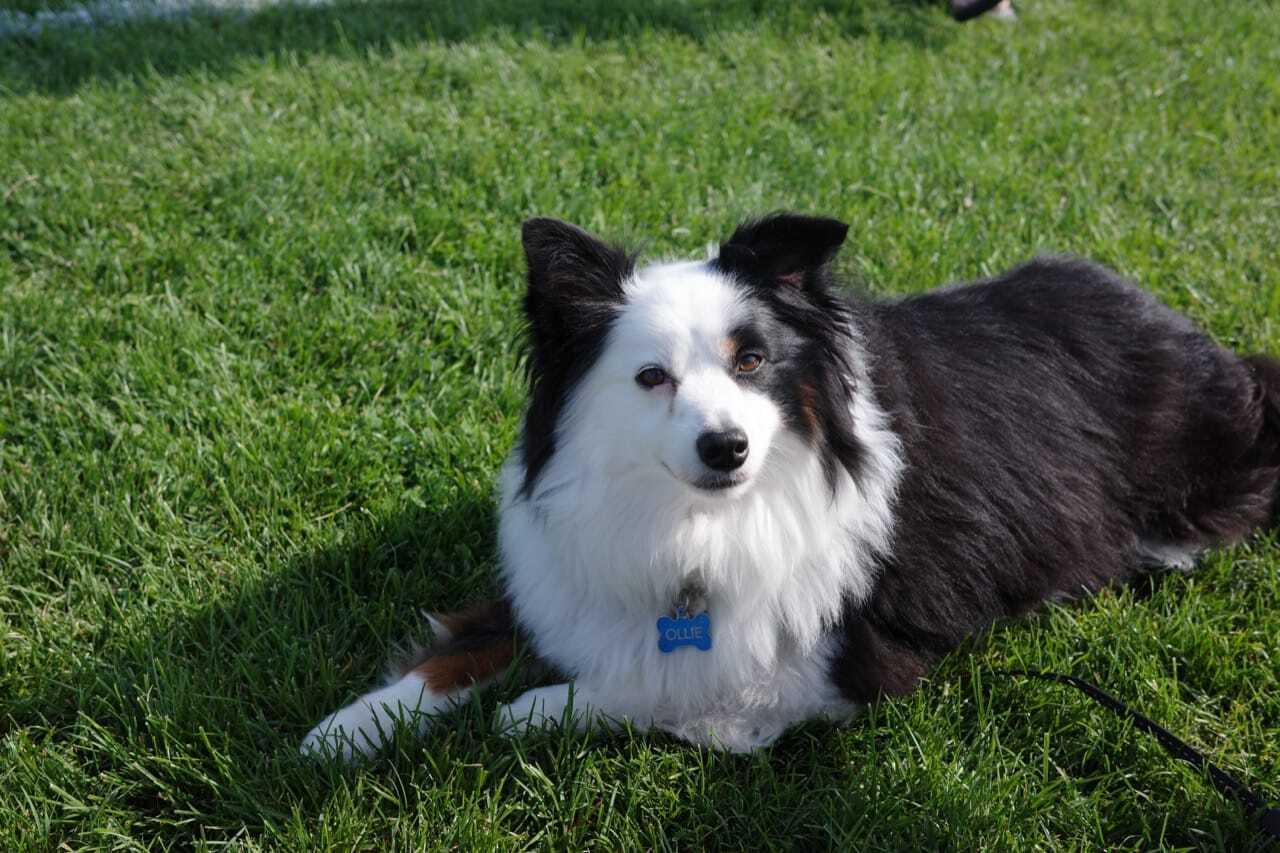
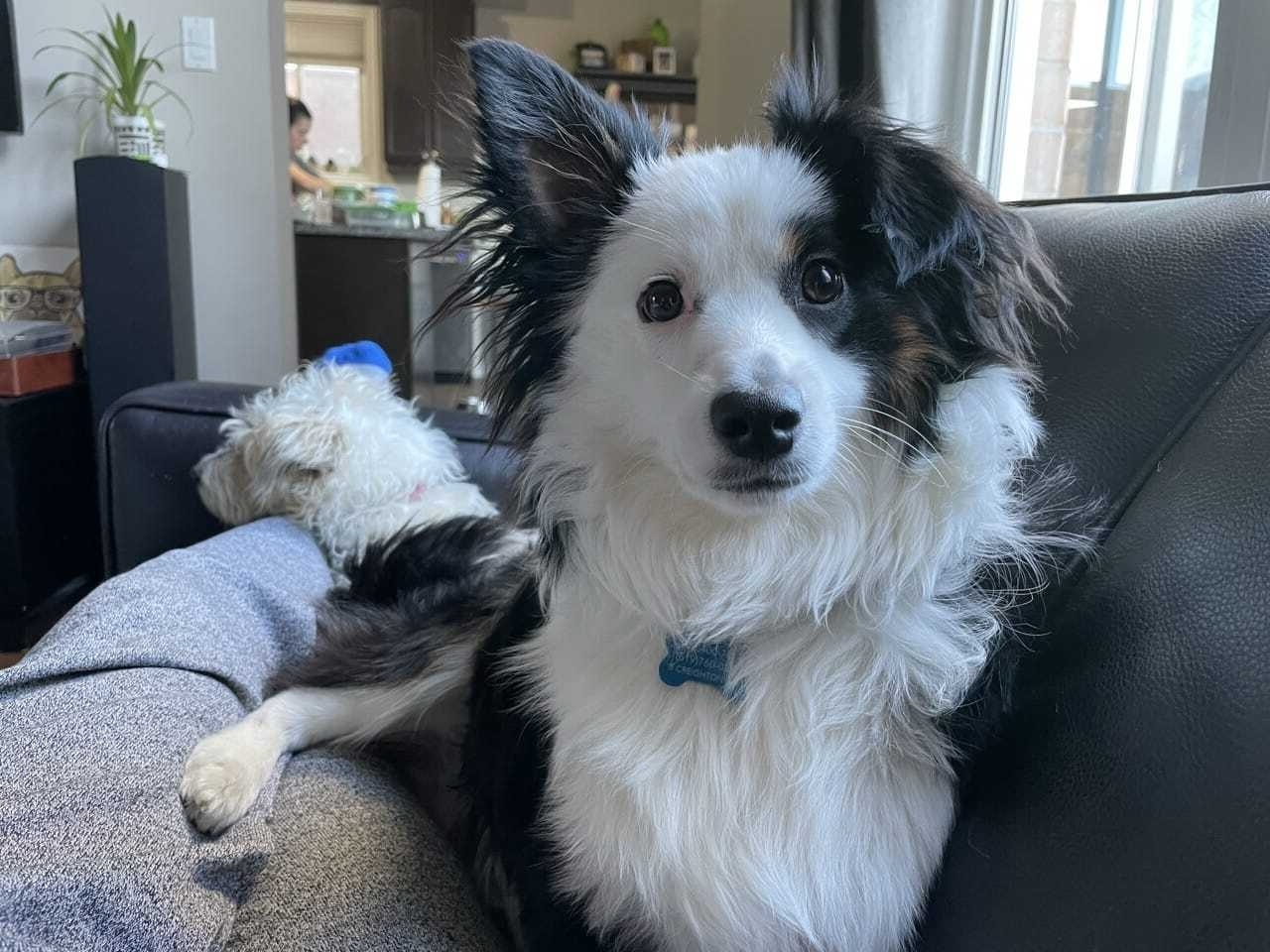
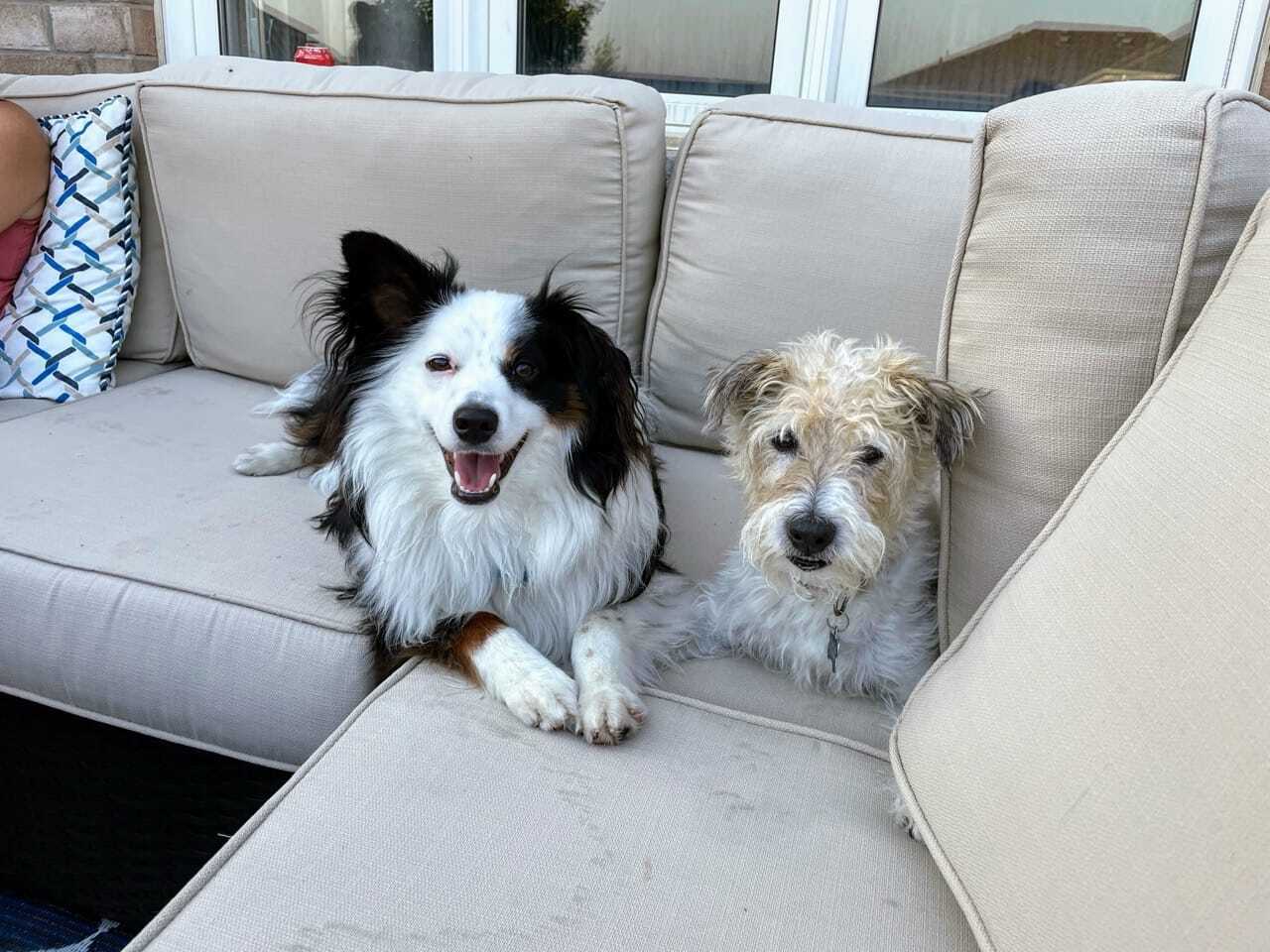
Living with a Mini Australian Shepherd can feel like sharing your home with a clever coworker who is always clocked in. These dogs were developed from herding stock, and even in a family setting that heritage often shows up as watchfulness, quick reactions, and a strong urge to manage movement. Some Mini Aussies will naturally try to round up running kids, joggers, or even other pets by circling, staring, or nipping at heels. It is not spite or aggression; it is instinct plus excitement. The practical fix is to give the dog a clear job and teach an alternate behavior before the habit becomes automatic. If your dog gets revved up when the children play, call them over to you for a quick routine like sit, hand target, and a treat scatter on the floor. You are not just stopping the behavior, you are replacing it with a pattern that is compatible with family life.
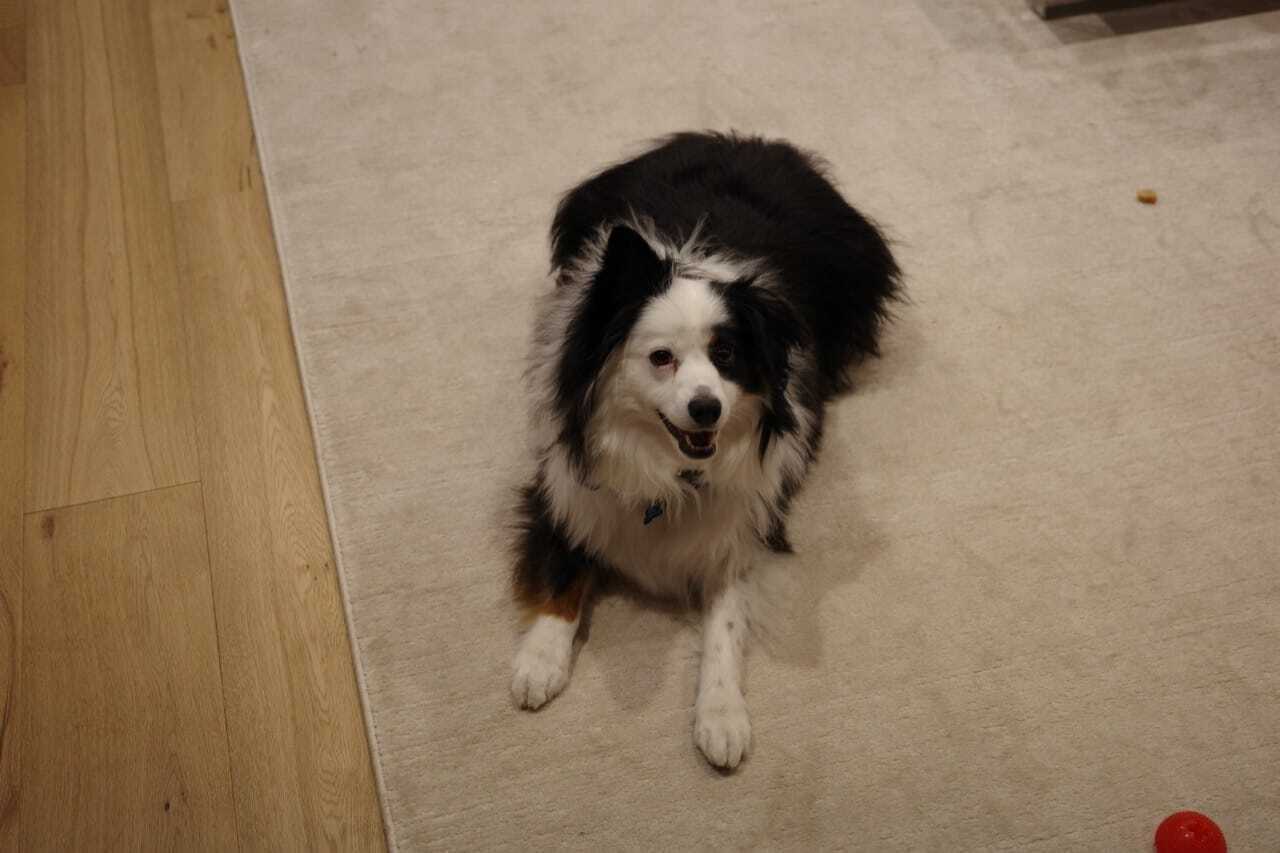
Because they are smart, training can either be your secret weapon or the source of trouble. A Mini Aussie that learns quickly also learns which rules are flexible, which people are easy to persuade, and how to entertain themselves when bored. Short, frequent sessions work best, especially when you mix obedience with real-life skills. Practice calm greetings at the door, waiting at thresholds, and settling on a mat while you cook. These are the moments that determine whether your dog feels like an enjoyable companion or a constant project. Reward the behaviors you want to see more of, and be consistent about what earns attention. If jumping makes people talk, touch, or push the dog away, the dog may interpret that as success.
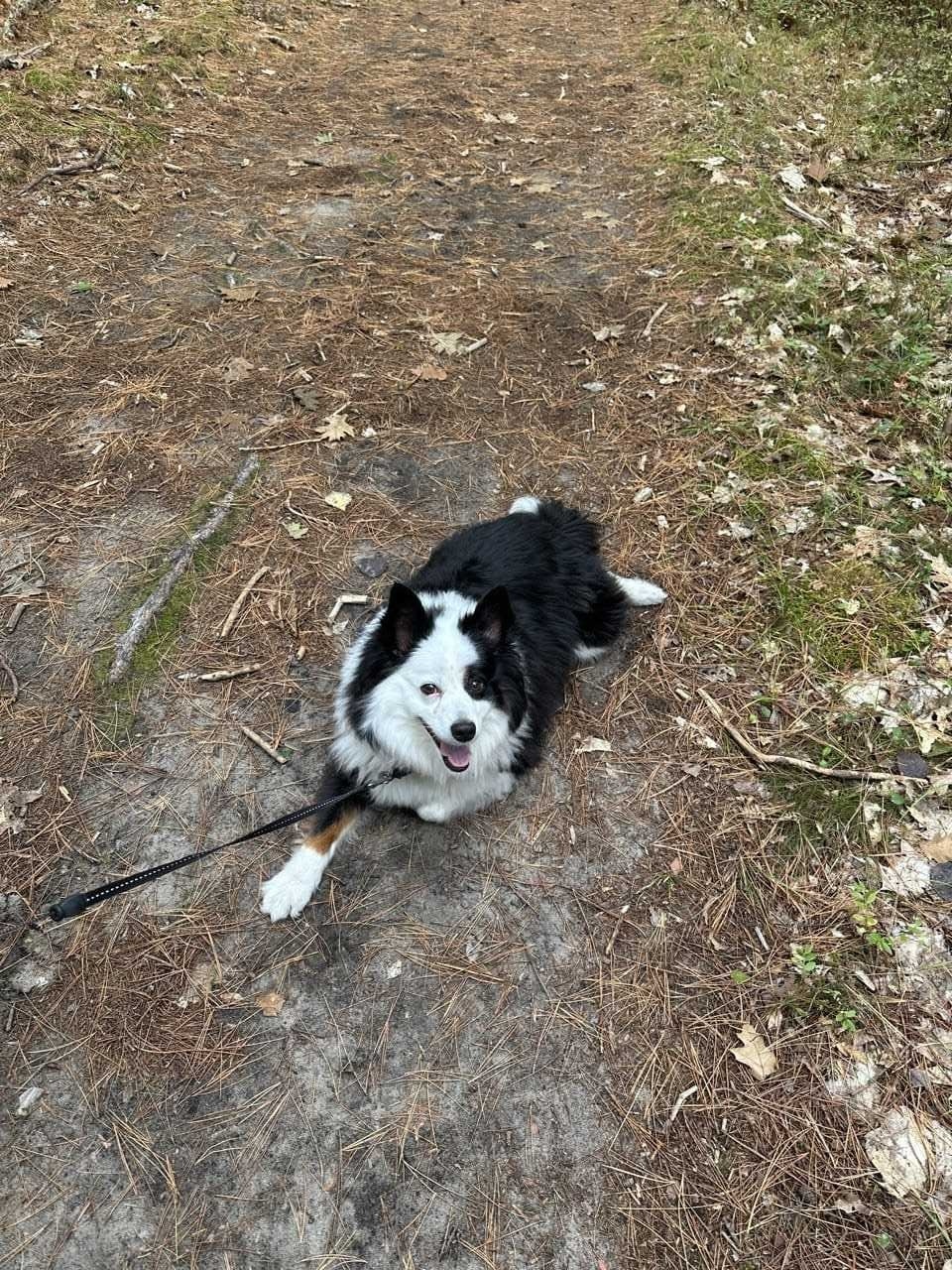
Daily outlets matter, but they are not only about running your dog until they are tired. Many Mini Aussies can jog for miles and still come home ready for more, so it helps to combine physical exercise with mental work. Food puzzles, scent games, trick training, and simple search tasks can take the edge off in a way that endless fetch sometimes cannot. Herding breeds often enjoy structured games with rules, like waiting for a release cue before chasing a toy. That pause builds self-control, which is the real goal for a dog who is always scanning for the next thing to do.
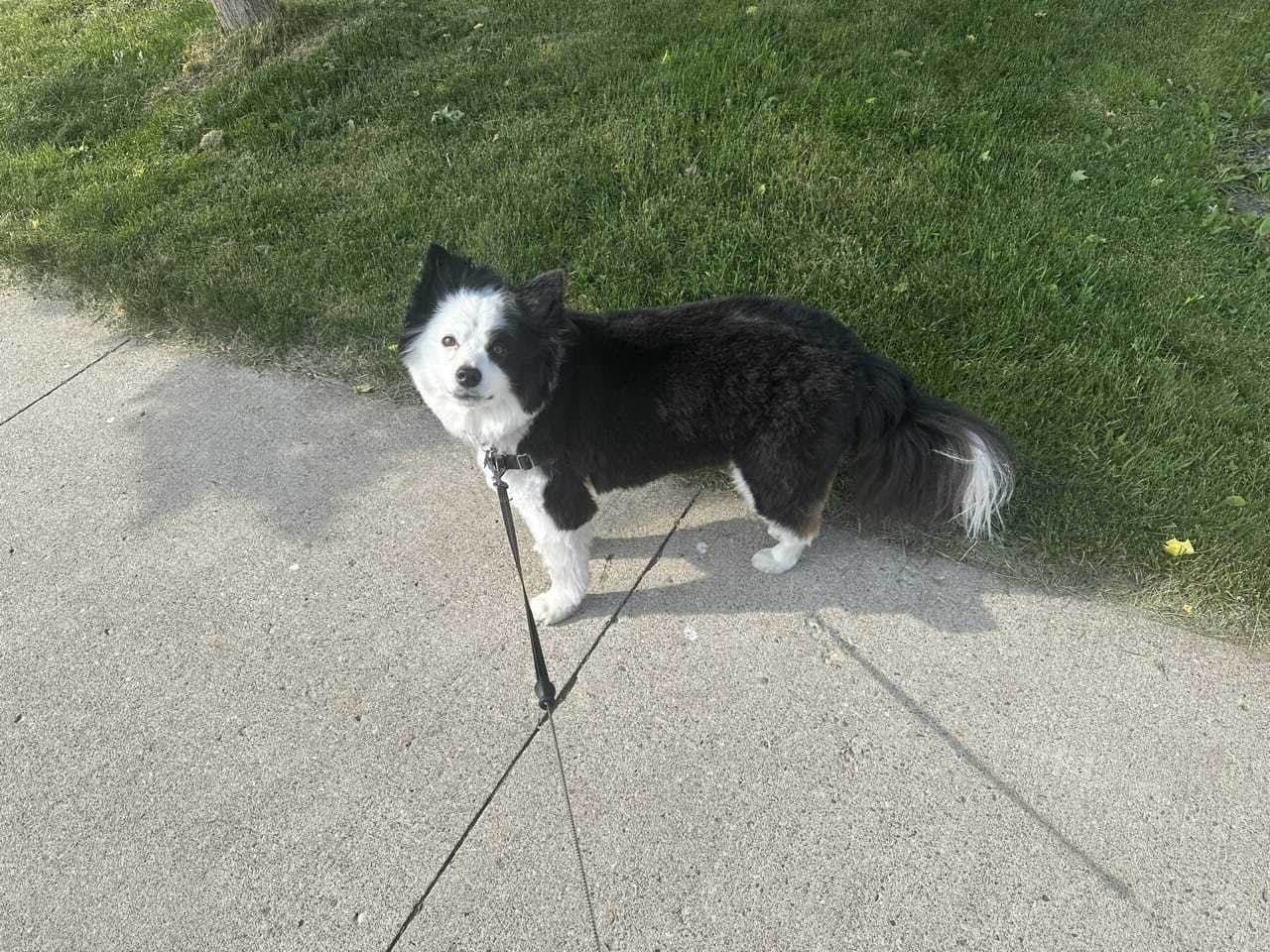
A reliable recall is one of the best investments you can make. Start in low-distraction areas and pay well when your dog turns toward you. Use a long line outdoors until the habit is strong, and avoid calling your dog for things they dislike, such as nail trims, unless you can follow it with something positive. Many owners accidentally teach their dog that coming when called ends the fun. Instead, call, reward, and then release them back to play so your cue stays powerful.
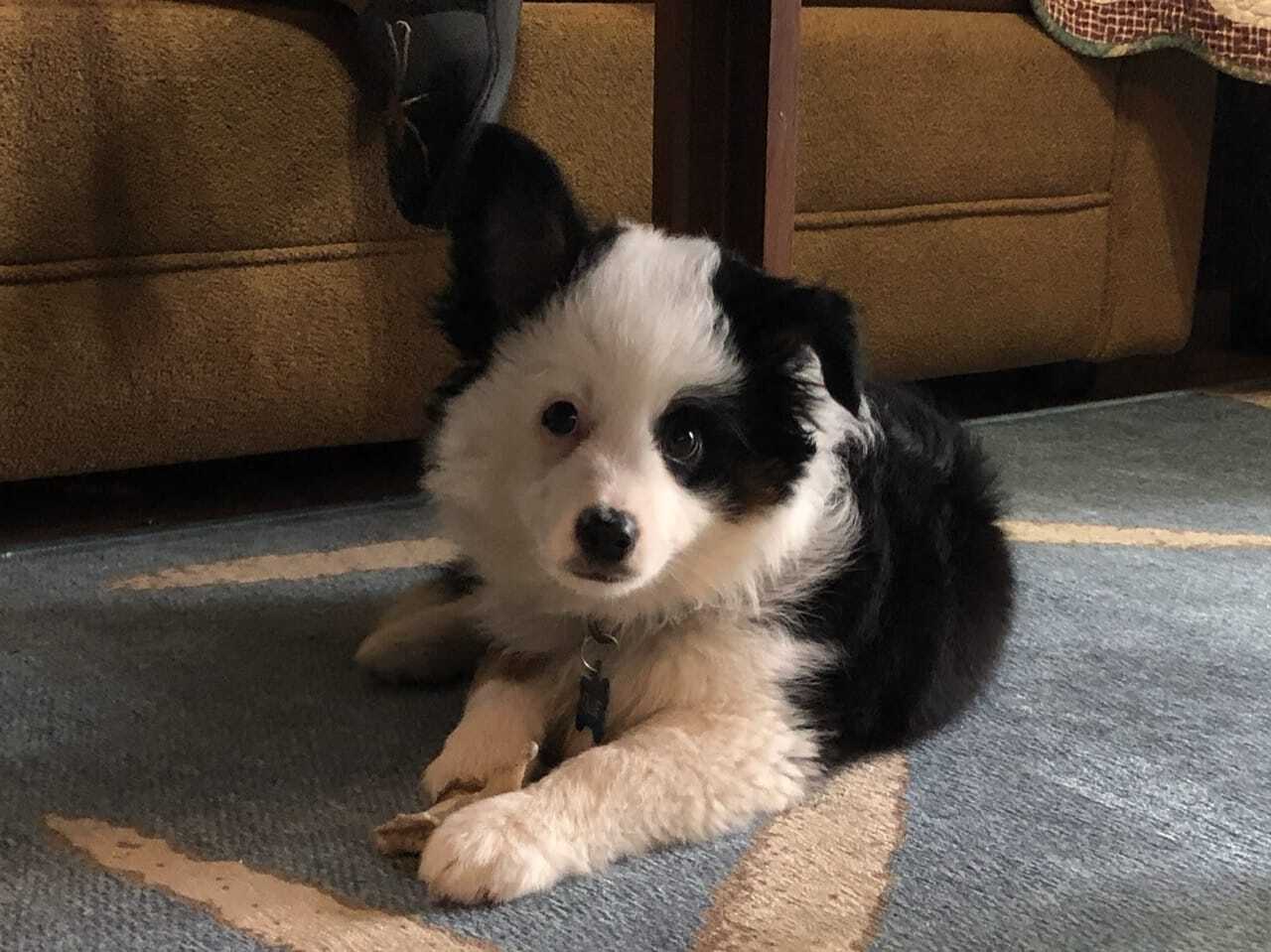
Early socialization is not about forcing your puppy to meet everyone. It is about creating positive, controlled experiences with different surfaces, sounds, people, and friendly dogs, while protecting your pup from overwhelming situations. Mini Aussies can be reserved with strangers, so gentle exposure and rewarding calm observation often produces a confident adult.
Coat care is another everyday reality. Mini Australian Shepherds typically have a double coat that sheds, often more heavily during seasonal changes. Regular brushing helps remove loose undercoat and reduces mats, especially behind the ears, around the ruff, and along the hindquarters. Baths are fine when needed, but over-bathing can dry the skin, so brushing and spot cleaning are often enough. Keep nails trimmed for healthy movement, and check ears after swimming or dusty outings.
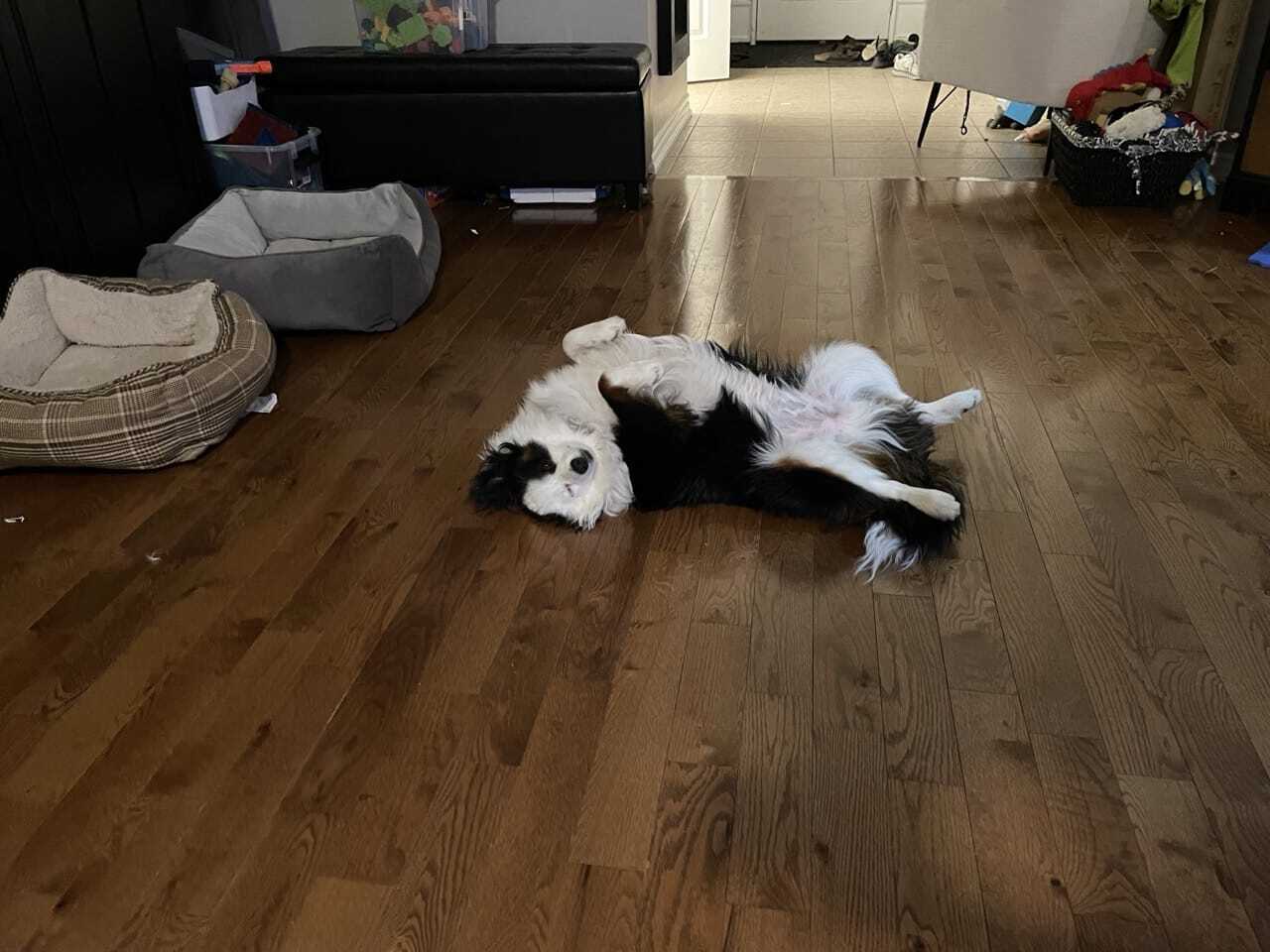
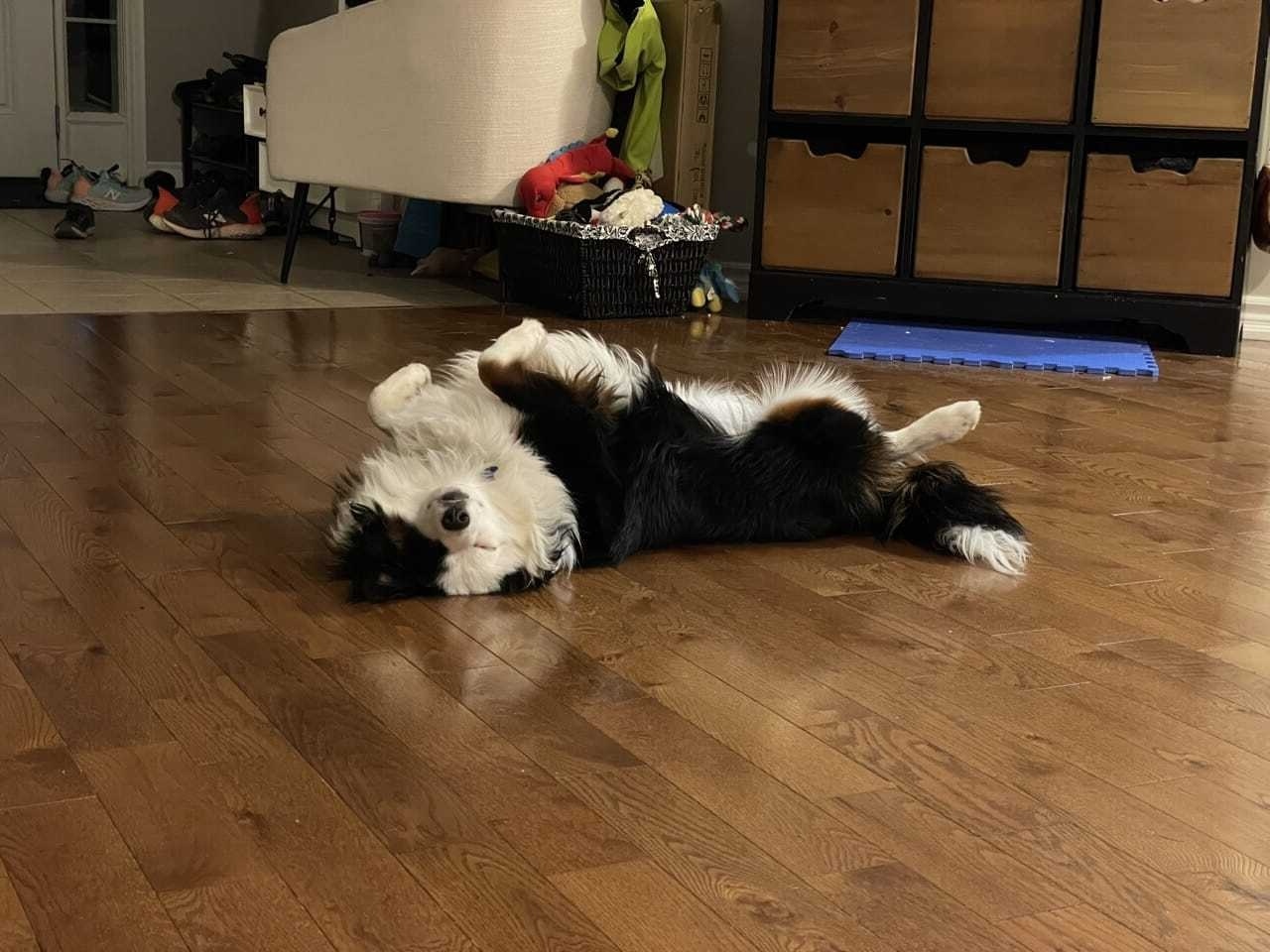
With the right routines, these dogs thrive as enthusiastic family members. Give them a job, teach them how to relax, and you get the best version of that bright herding brain: focused, responsive, and happily involved in whatever the household is doing.