Yorkie Rat Catchers of the Mills


Quiz Complete!
From Mill Floors to Living Rooms: The Working Roots of the Yorkshire Terrier
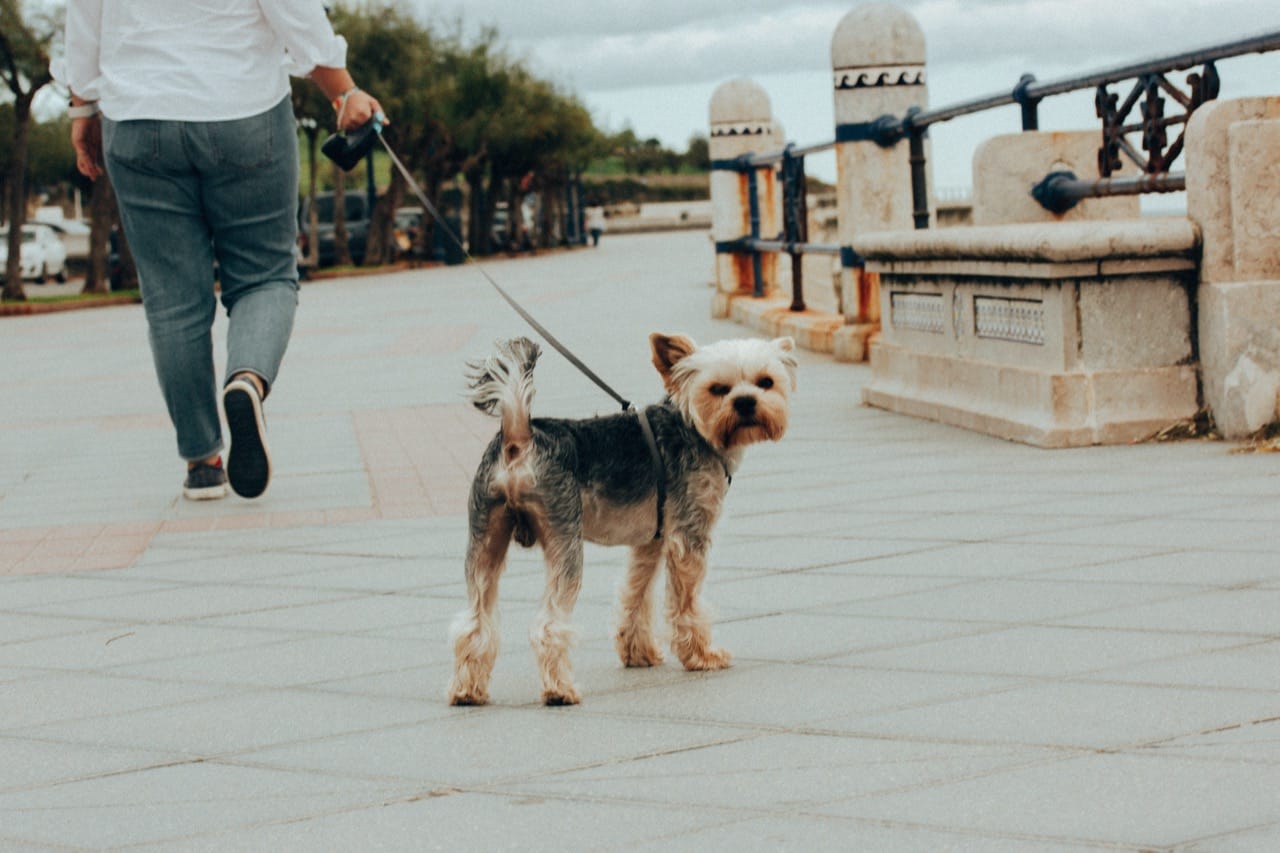
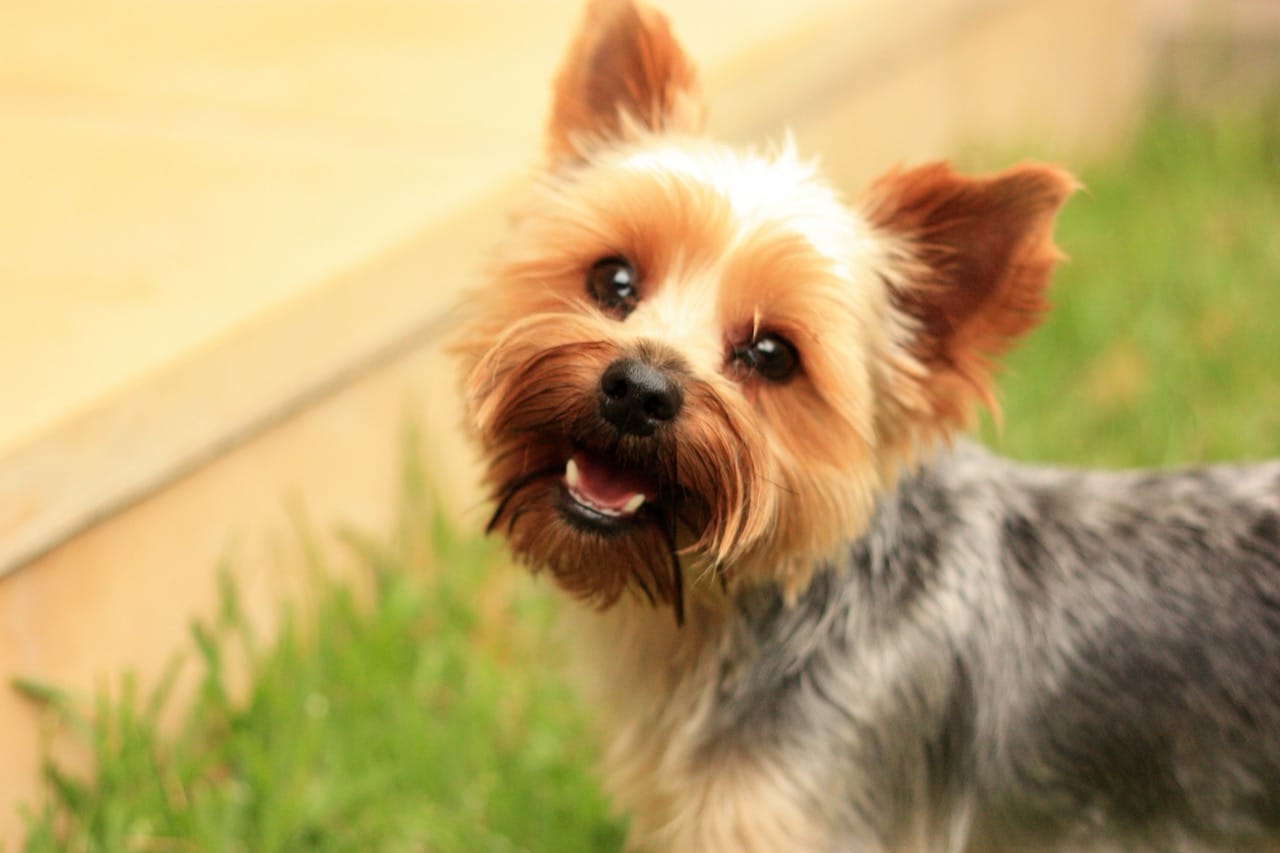
Yorkshire Terriers are often associated with silky coats and a confident strut, but the breed’s earliest reputation was built in far less glamorous places. In 19th century northern England, especially Yorkshire and nearby industrial areas, small terrier type dogs were valued for one main reason: they could hunt vermin where people worked and lived. Textile mills, workshops, and crowded housing created perfect conditions for rats and mice, and a tiny dog that could squeeze into tight spaces was not a fashion accessory. It was a practical tool for keeping pests under control.
The Yorkie’s small size was not an accident. A compact body meant the dog could slip between machinery, along narrow alleys, and into storage areas where rodents hid. It also made the dog easier to keep in an urban environment where space was limited. Despite being small, terriers were bred for boldness and persistence, because vermin control required a dog that would engage quickly and keep going even when the target fought back or disappeared into a corner. That terrier determination is still easy to spot today when a Yorkie fixates on a toy, a moving leaf, or a suspicious sound under the couch and refuses to drop the matter.
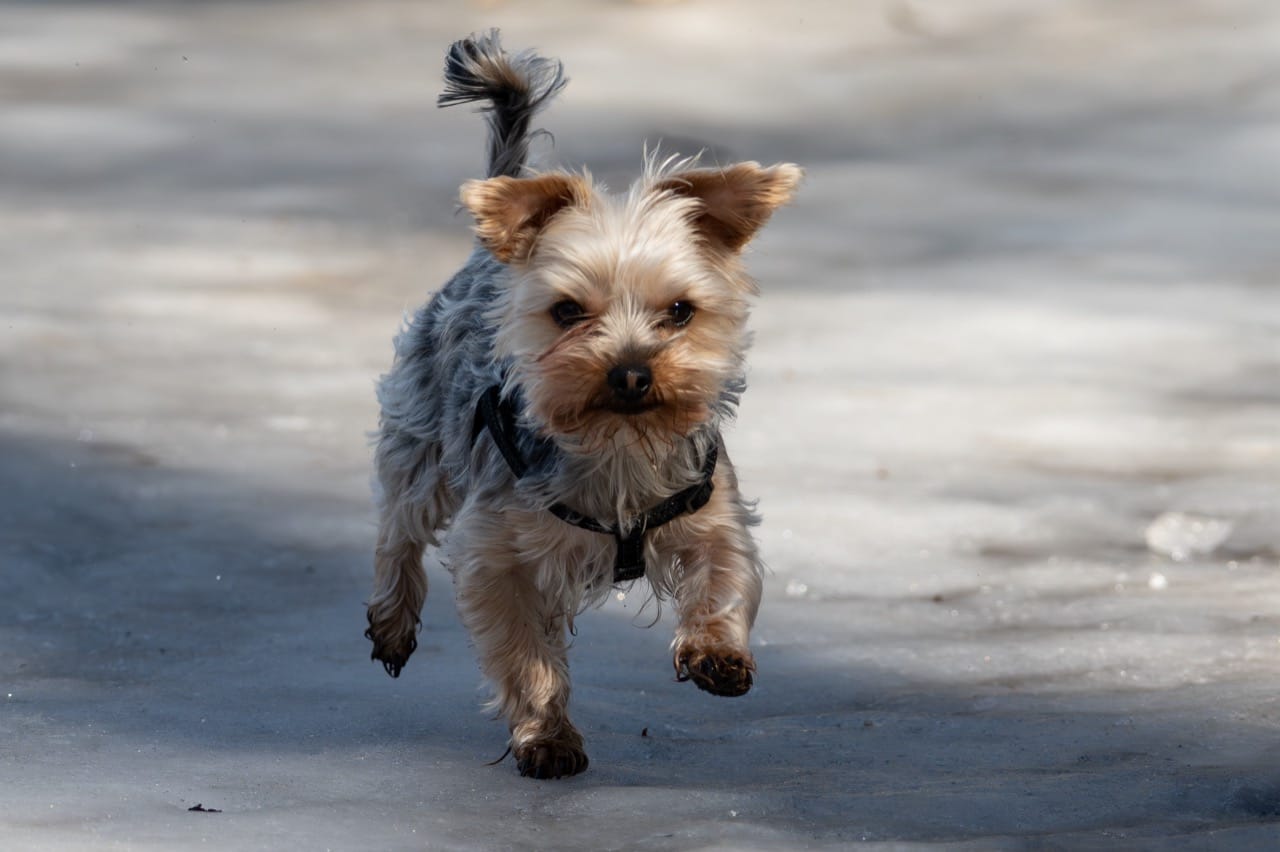
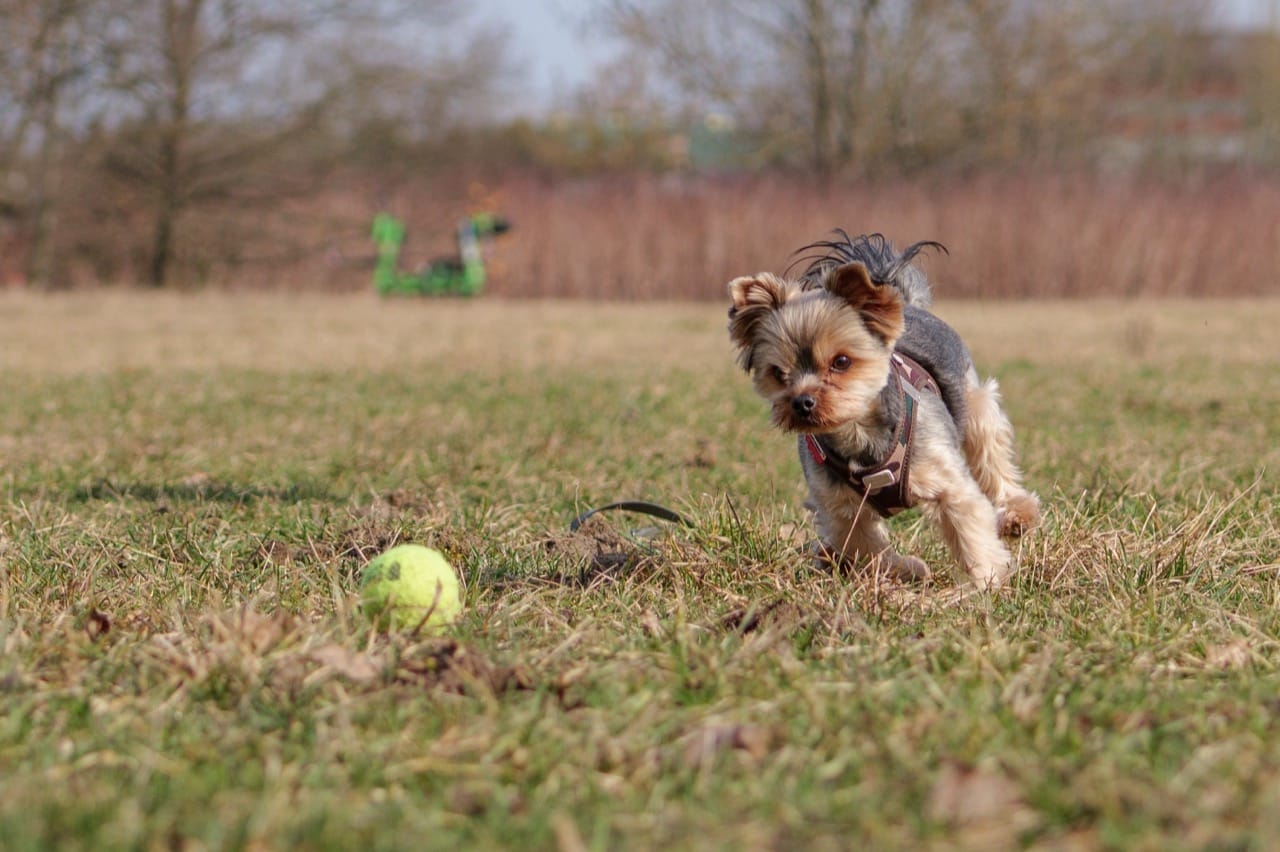
Many modern owners are surprised by how intense a Yorkie can be. That intensity is a leftover of working selection. A strong prey drive often shows up as chasing quick movement, pouncing, and a tendency to shake toys as if dispatching prey. Even if a Yorkie has never seen a rat, the instinct to pursue is deeply rooted. This is also why recall can be challenging in distracting environments. A sudden darting squirrel can flip a switch in the brain that is older than the dog’s role as a companion.
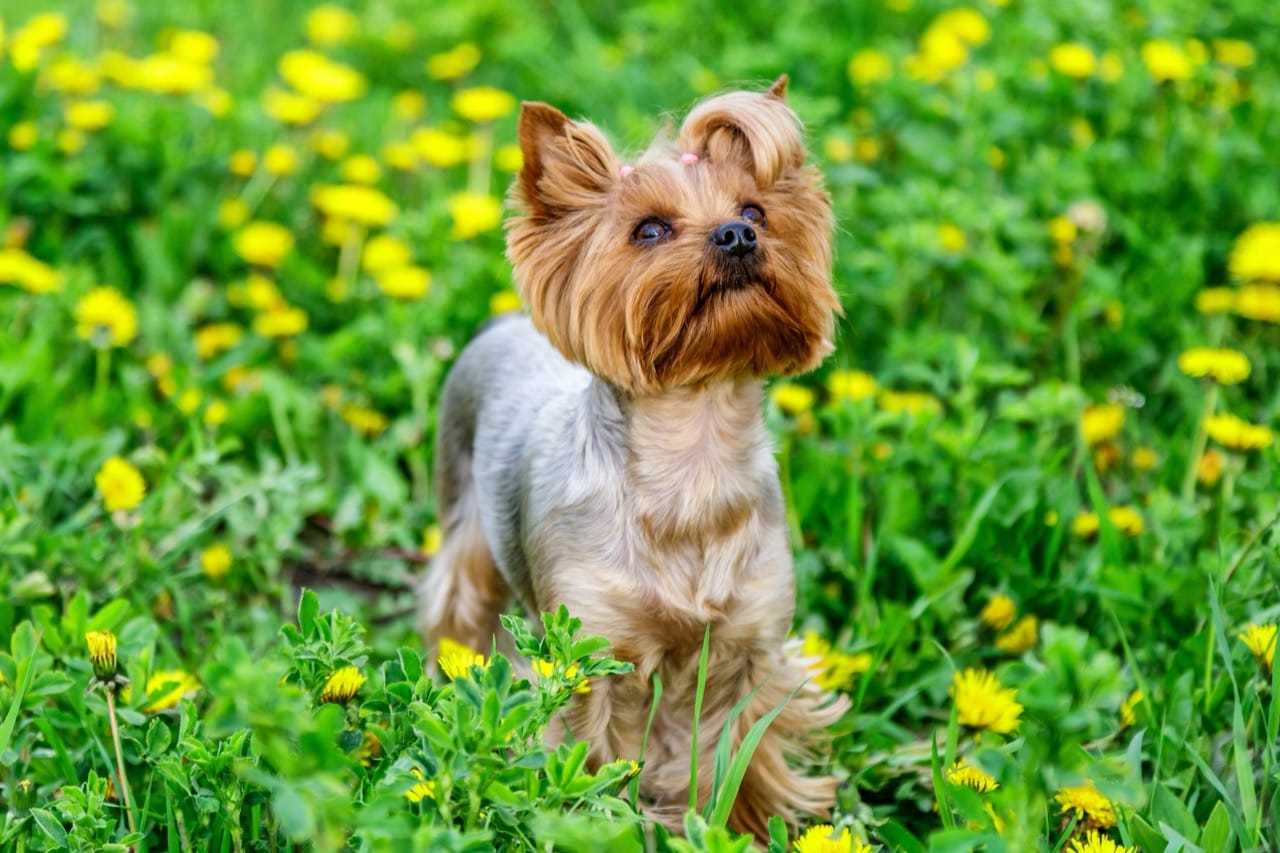
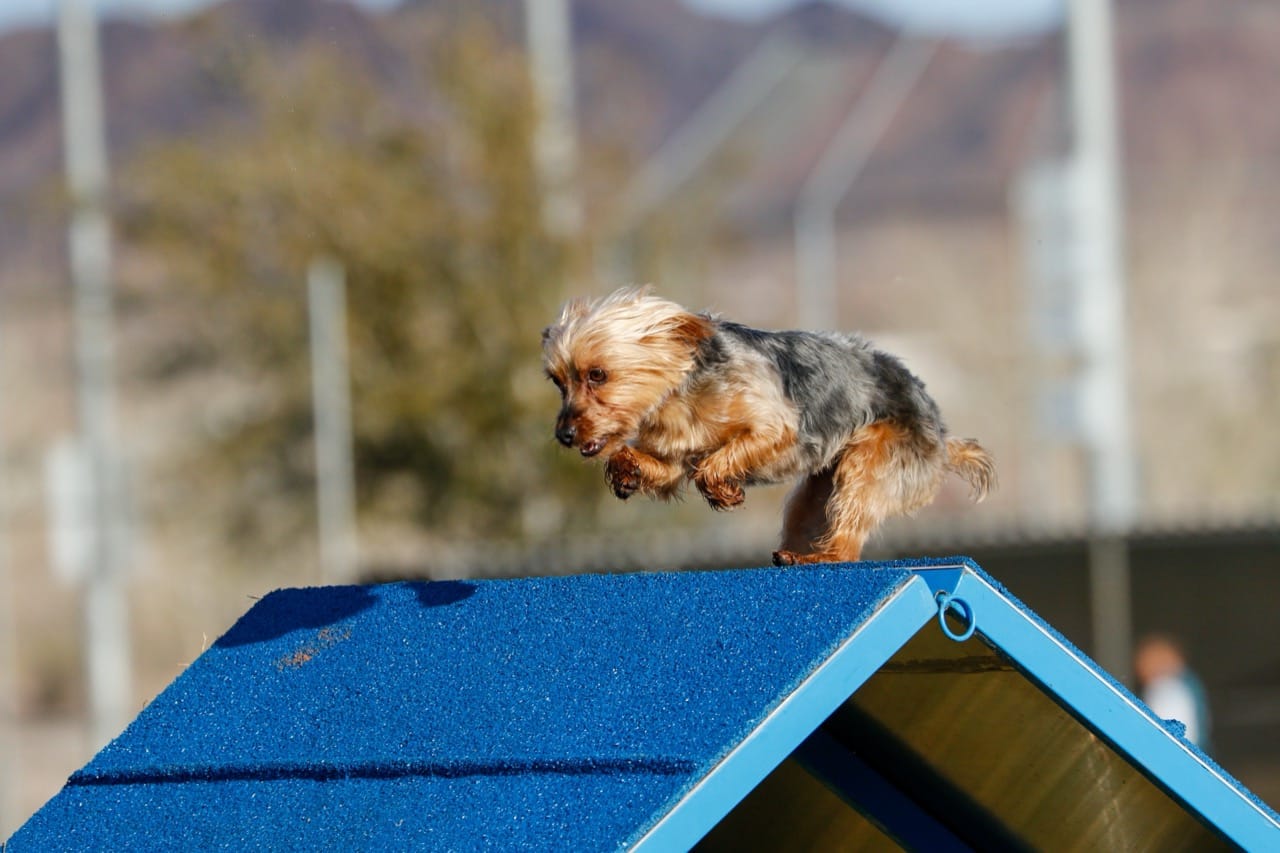
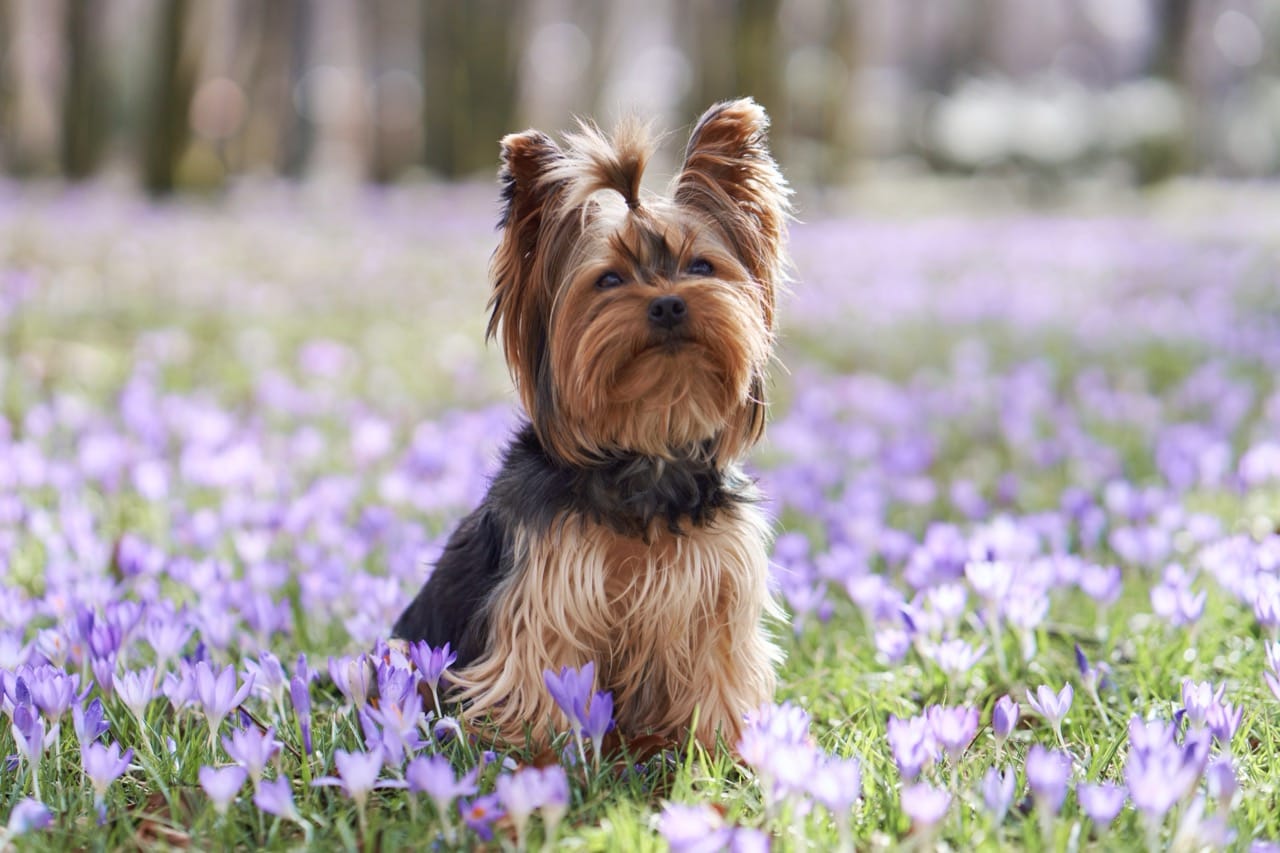
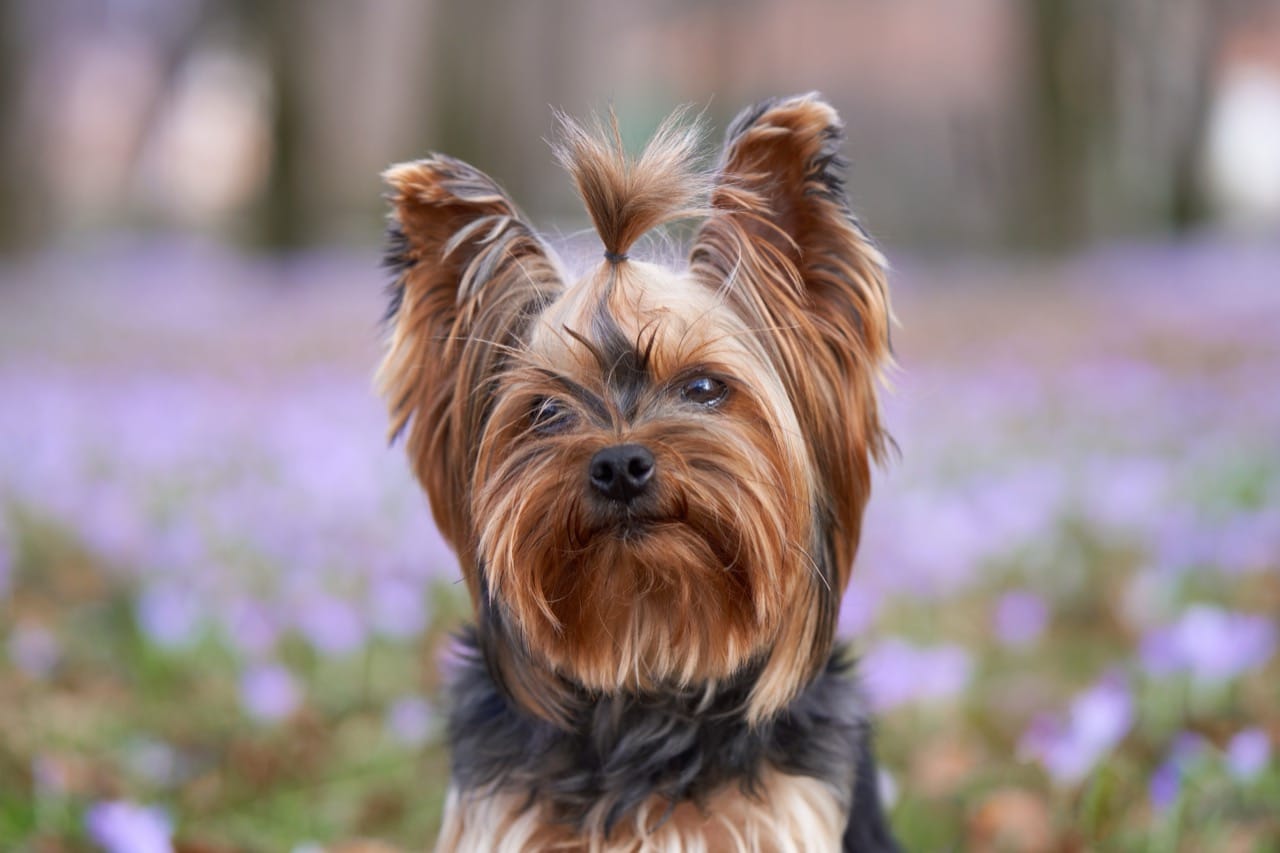
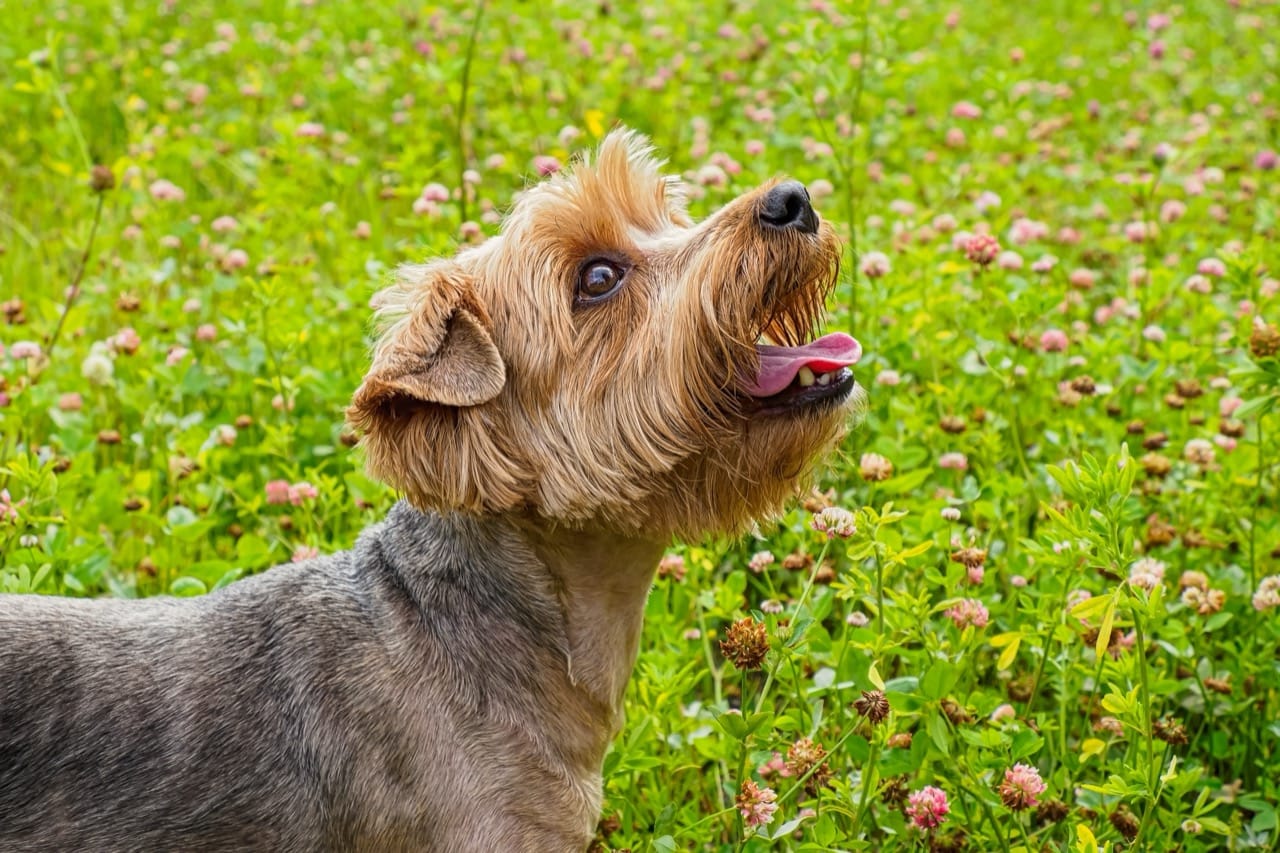
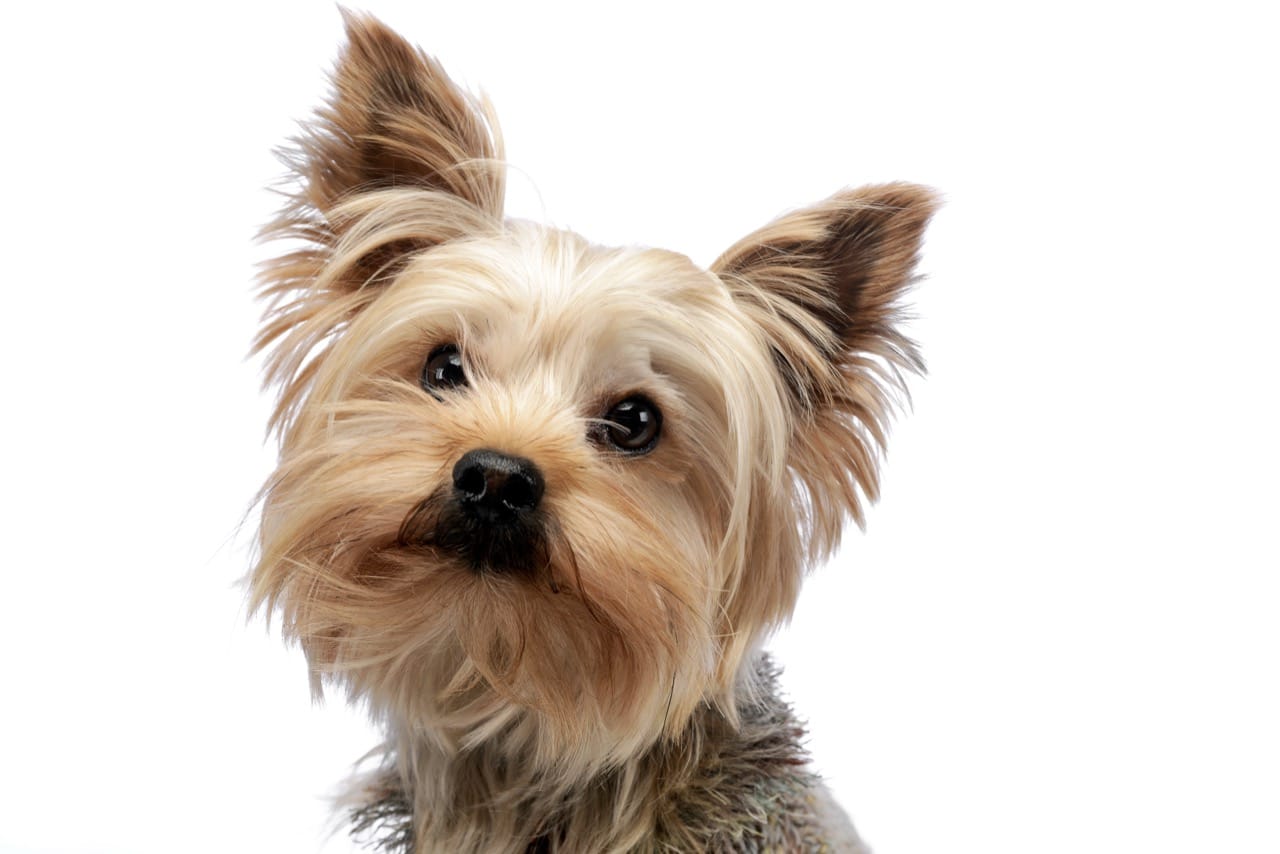
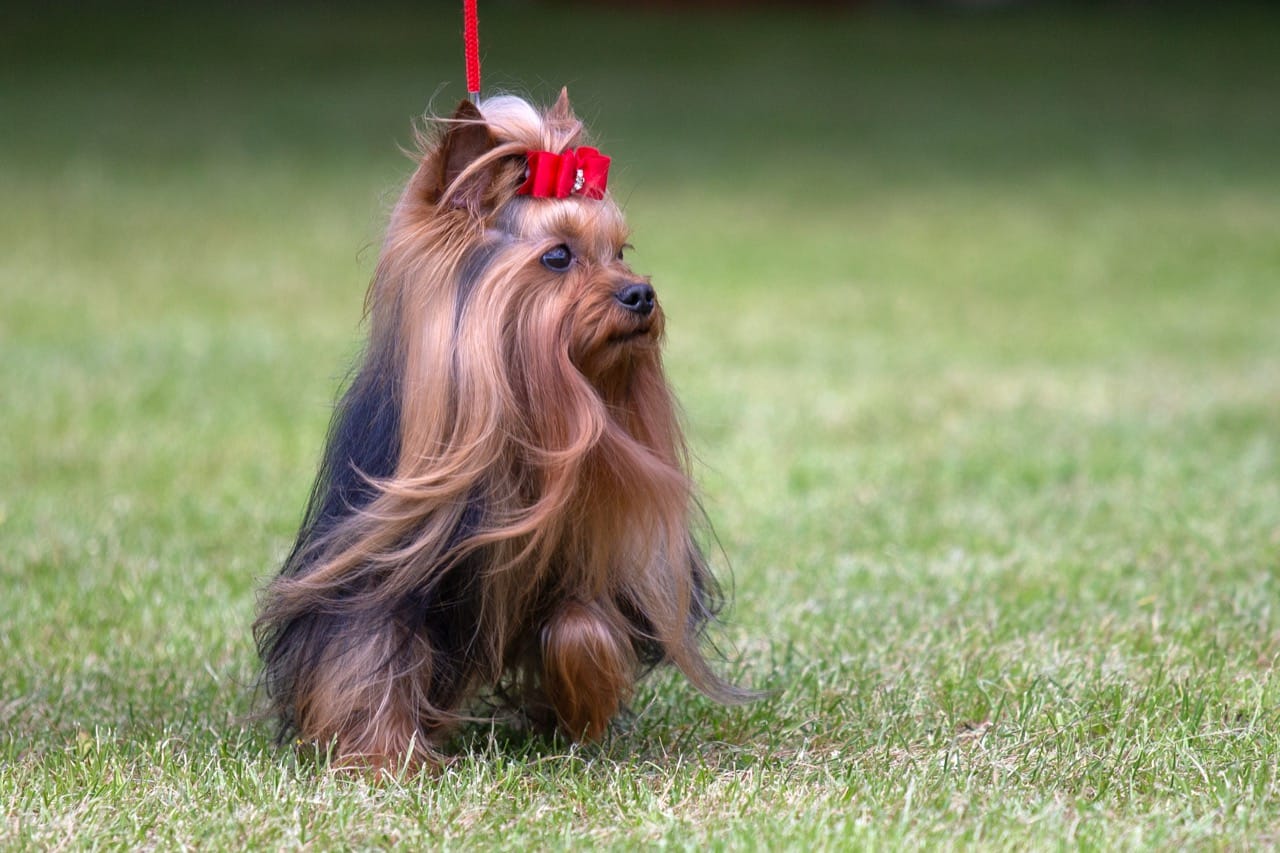
The famous coat tells its own story. The Yorkie’s hairlike coat is part of what made the breed stand out as it moved from working settings into homes where appearance mattered more. But the coat still reflects practical realities: it can pick up debris easily and needs maintenance, especially if kept long. Many owners choose shorter trims that are easier to manage and more compatible with an active terrier personality. Underneath the shine, the body is athletic and quick, built for rapid turns and bursts of speed rather than lounging all day.
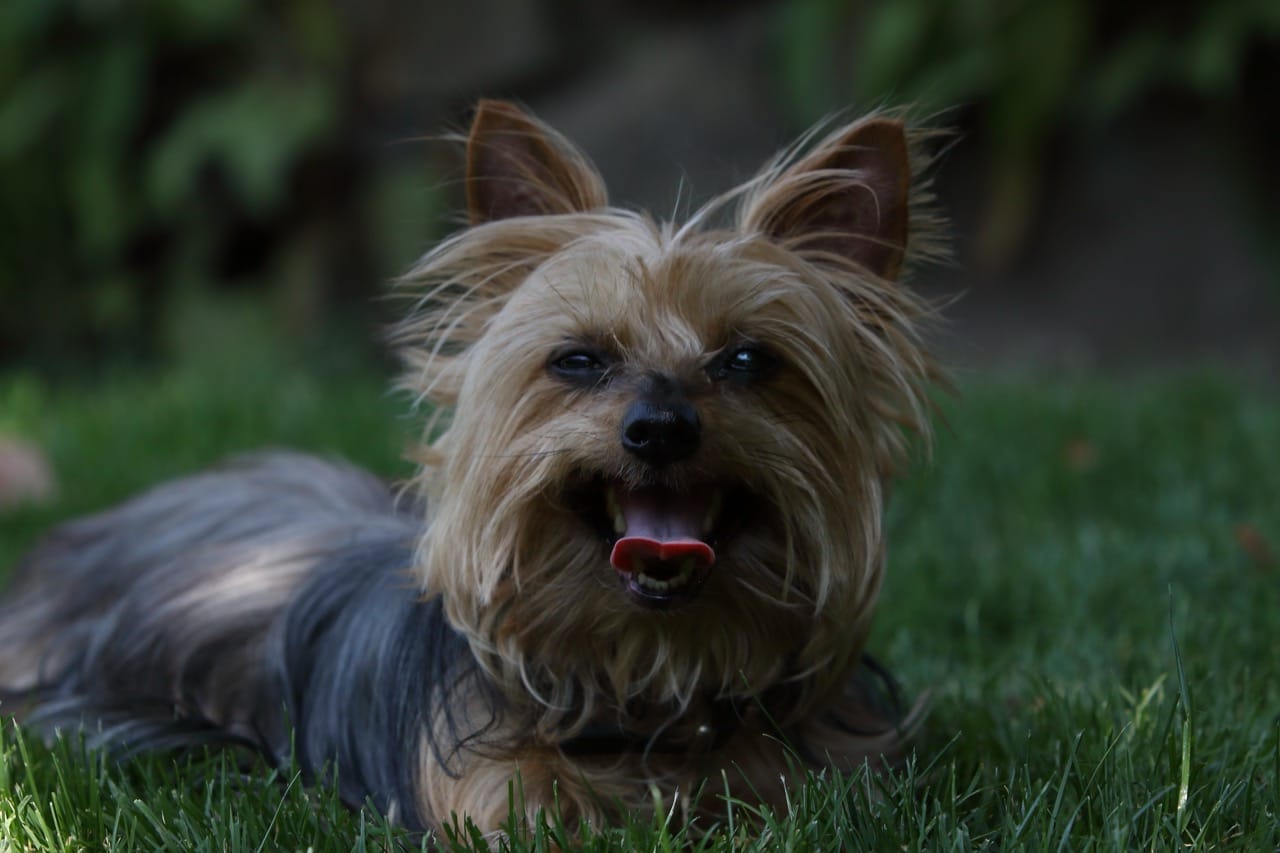
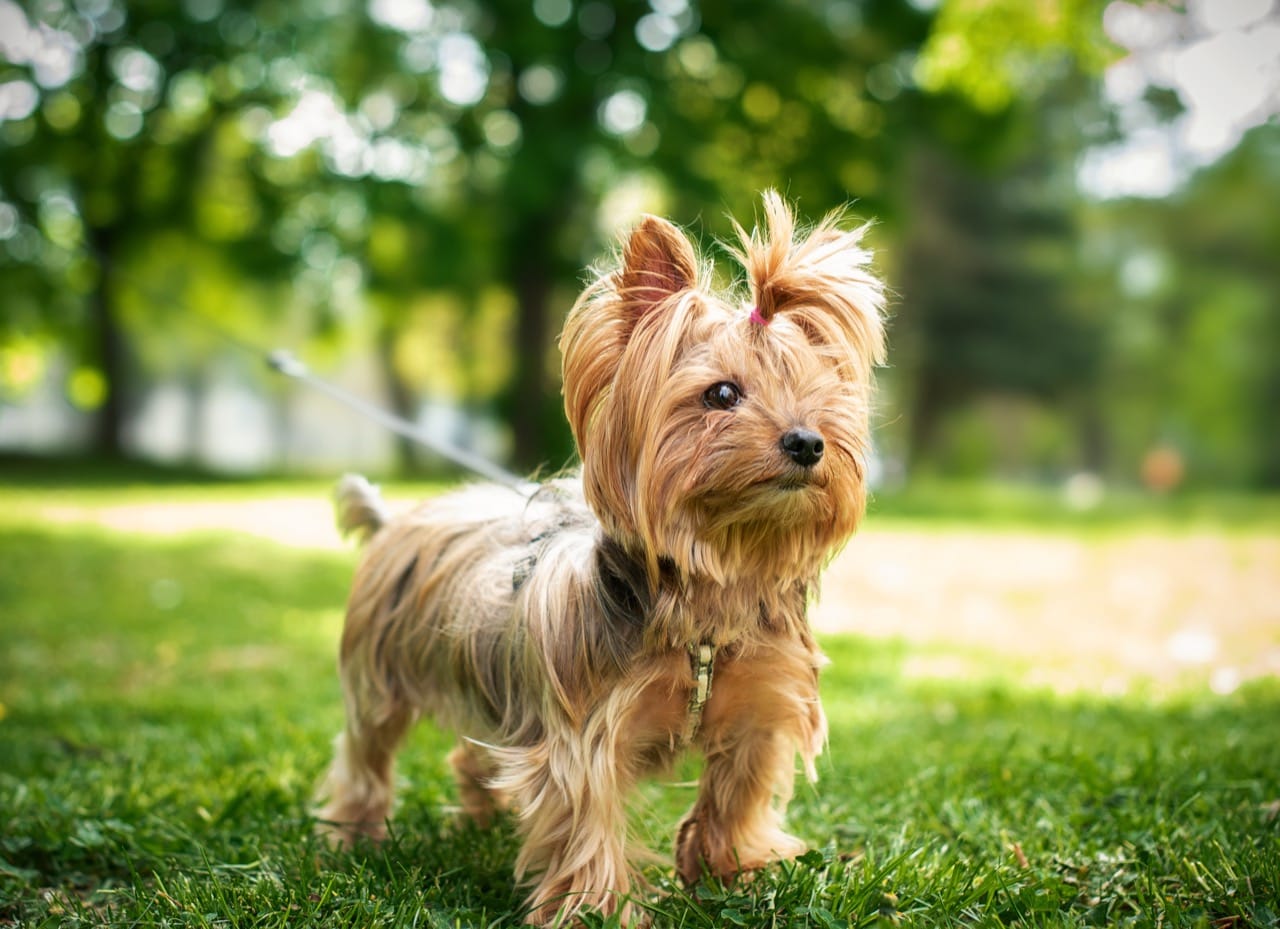
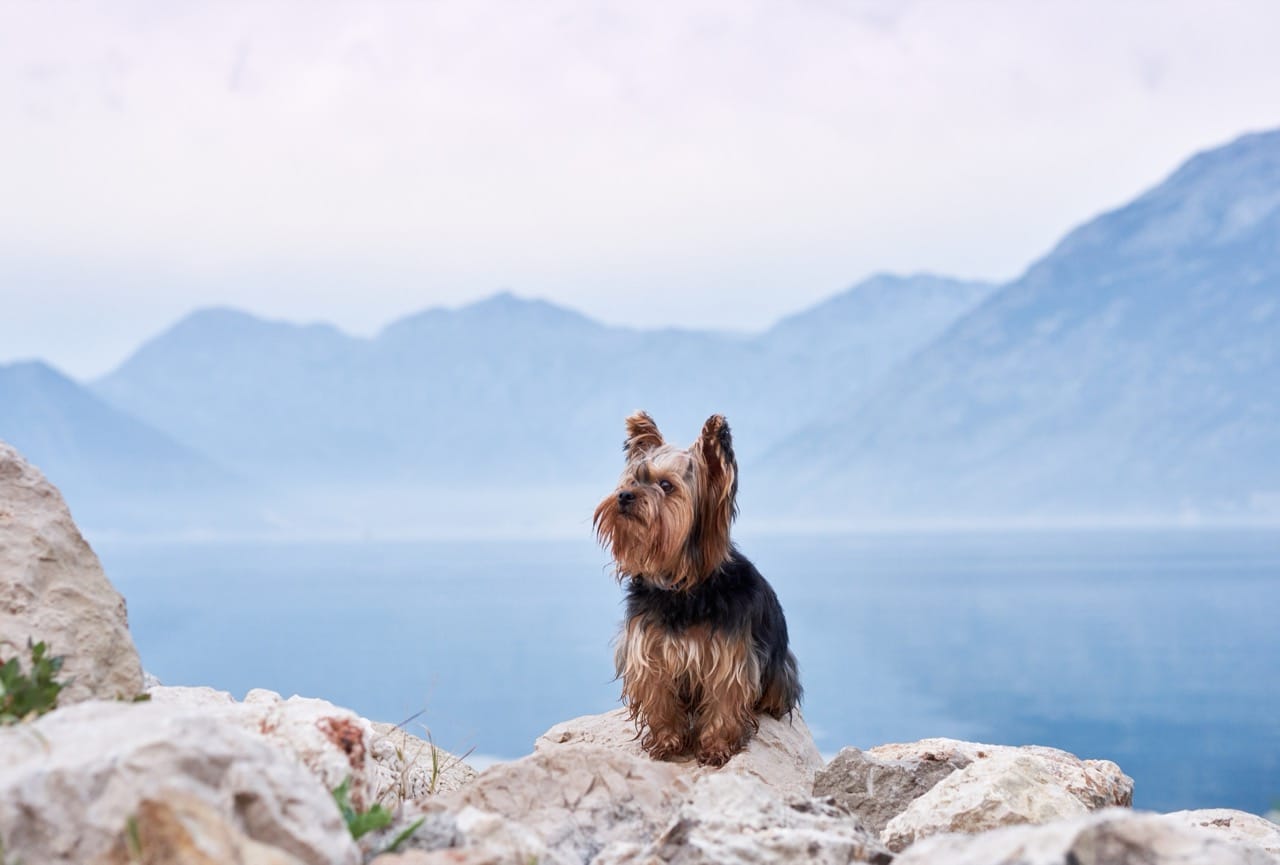
Yorkies are also natural alarm systems. Terriers tend to be alert and reactive by design. Today that can translate into barking at hallway sounds, door knocks, or anything that seems out of place. It is not stubbornness so much as a job description that never fully faded. With training and calm routines, many Yorkies learn better judgment, but their default setting is to notice everything.
Understanding these roots can make everyday life with a Yorkie smoother. Games that mimic hunting, like controlled fetch, scent games, and short training sessions with clear rewards, often satisfy the working brain. Safe boundaries matter too, because a fearless dog in a small body can overestimate its size when confronting bigger animals. The charm of the Yorkshire Terrier is that it can look delicate while acting like a tough little professional. The breed’s history explains why the dog on your couch may still be ready to patrol the house, chase a flicker of movement, and announce, with full confidence, that something interesting is happening.