Bulldogs Before the Sofa
Quiz Complete!
Bulldog Origins and the Traits Built Into Their Bodies
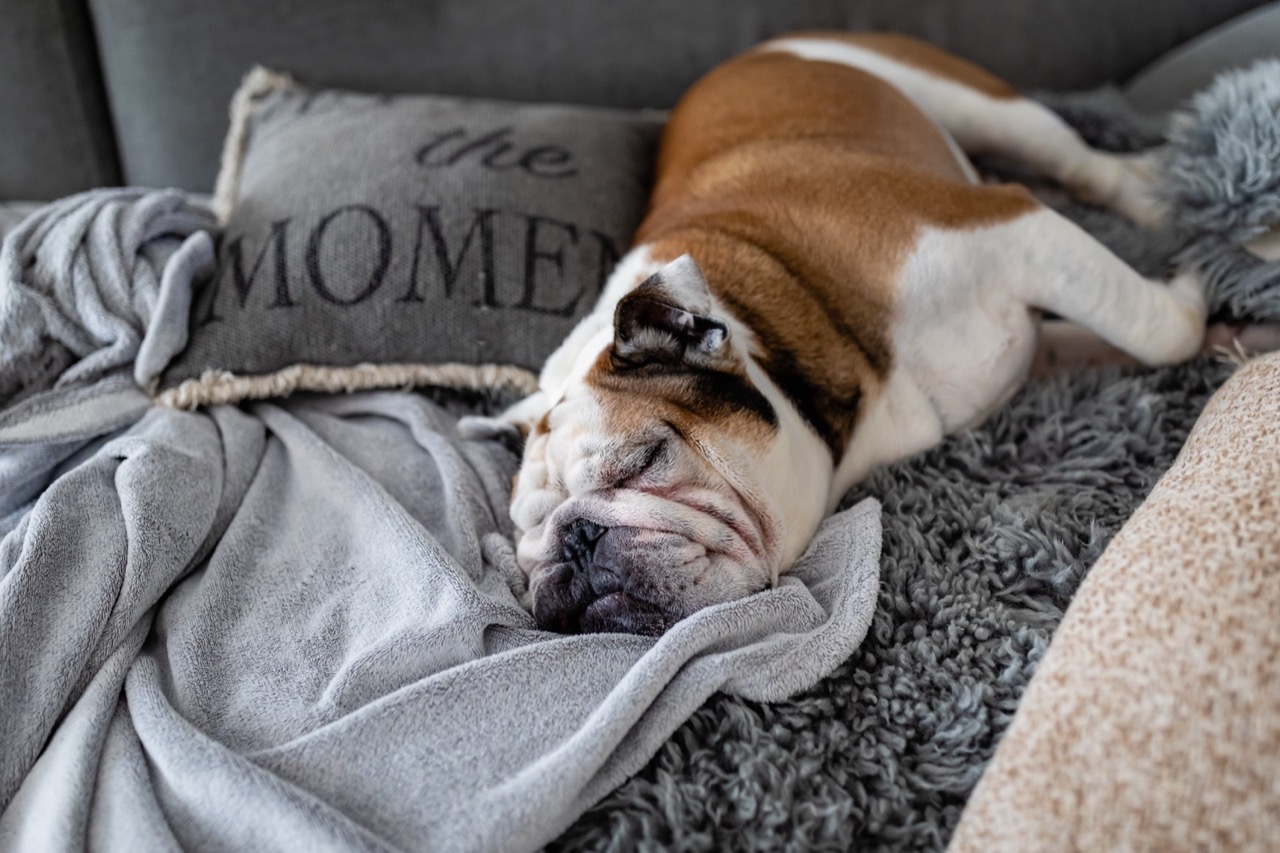
Modern Bulldogs often come across as comic, unhurried companions, but their signature look was not designed for lounging. The early Bulldog in Britain was shaped for bull baiting, a now outlawed blood sport in which a dog was expected to seize a tethered bull by the nose and hold on despite being shaken, kicked, or dragged. That grim job rewarded a very specific kind of athlete: low to the ground, hard to dislodge, and determined enough to stay engaged under extreme pressure. After bull baiting was banned in 1835, show breeders took over the old blueprint, exaggerated its head and build, and steered the dog toward life as a companion.
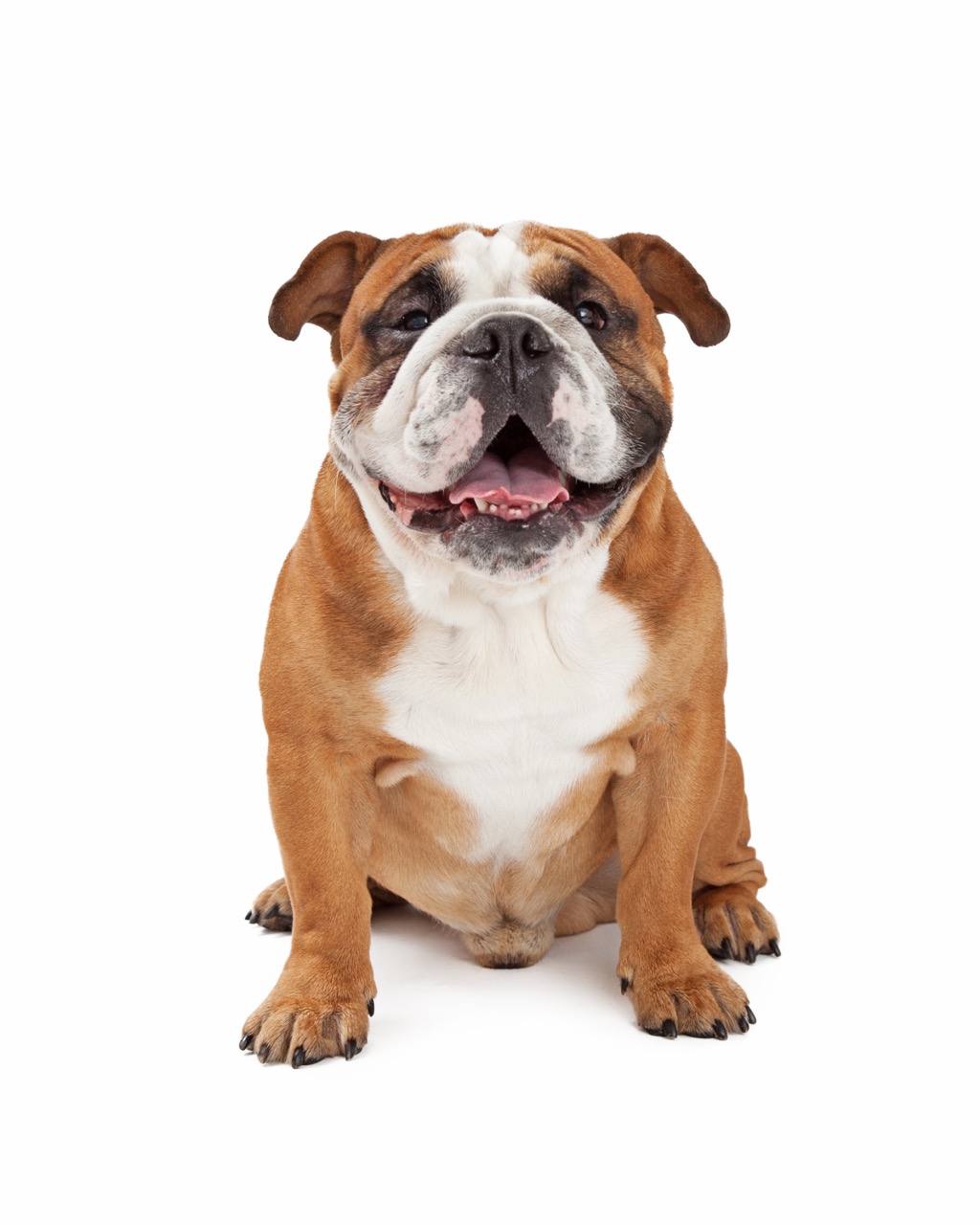
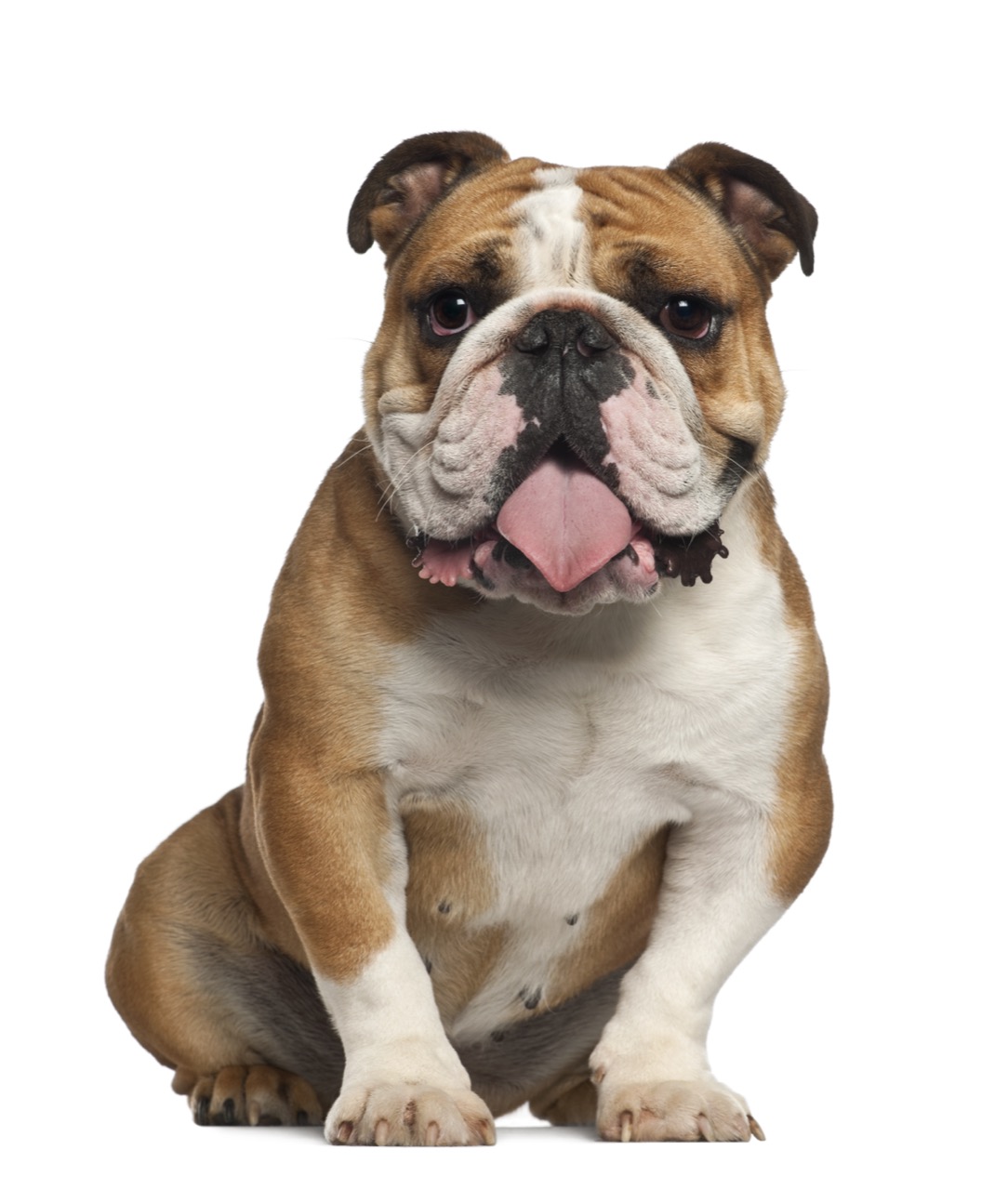
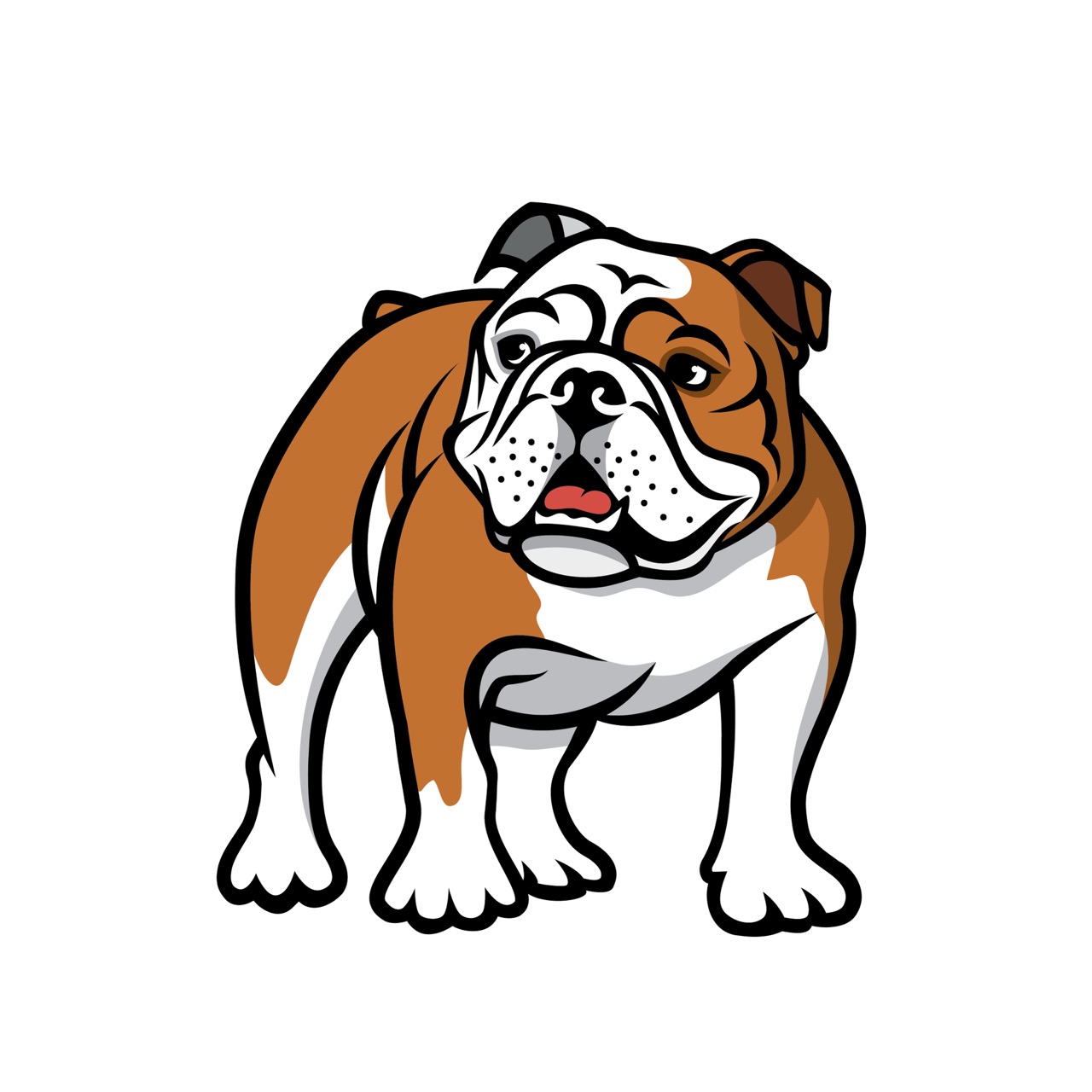
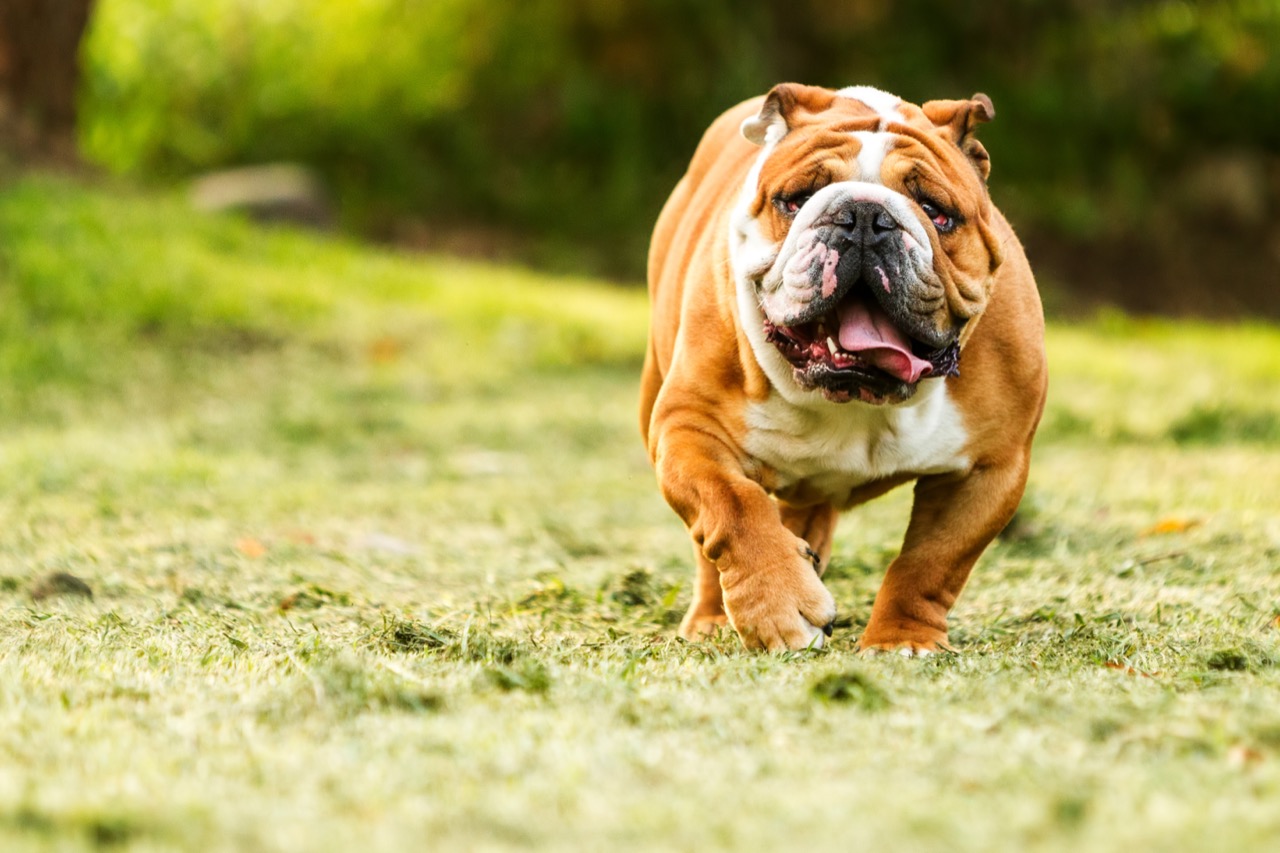
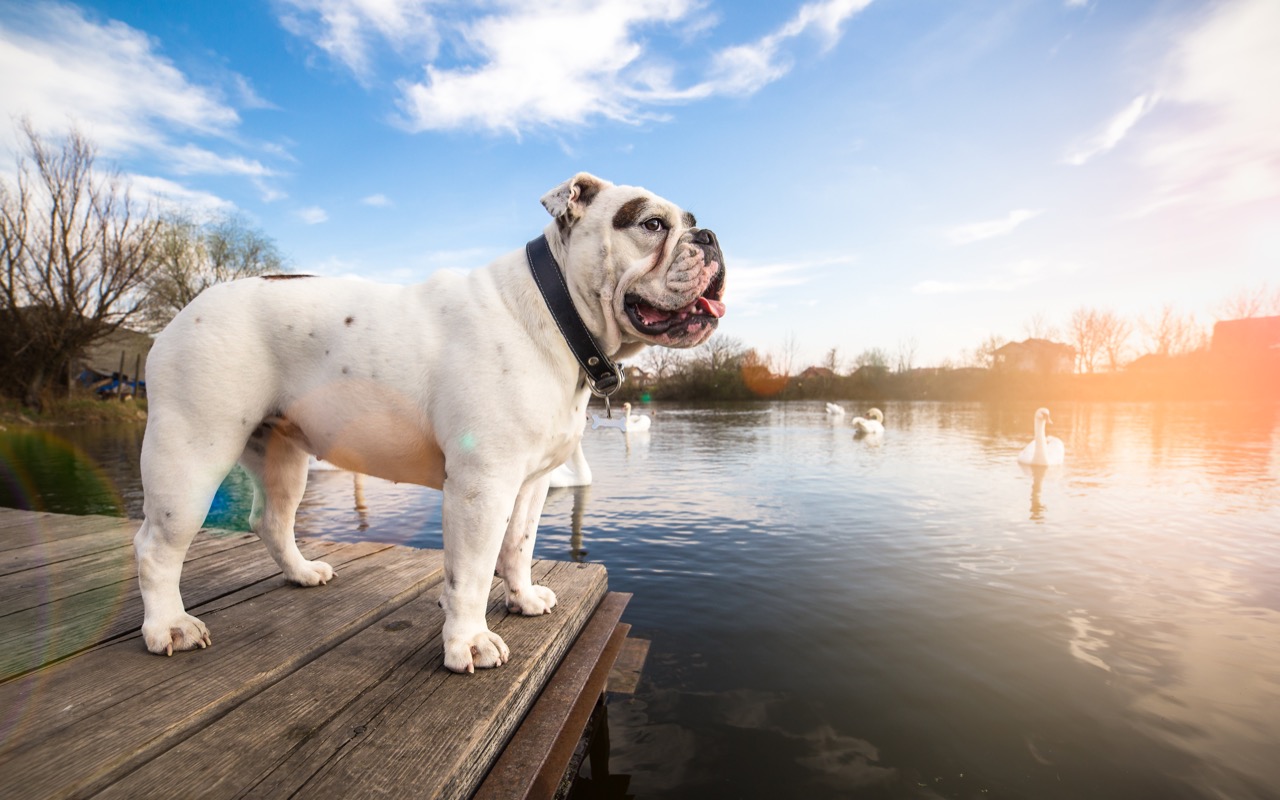
A Bulldog’s low, wide stance is one of the clearest clues to its working past. Short legs and a heavy, forward weighted body made it harder for a bull to toss the dog away. The broad chest and powerful forequarters provided the leverage to drive in, latch on, and resist being pulled off. Compared with many other breeds, Bulldogs carry a lot of muscle across the shoulders and front end, which historically helped them maintain position during a struggle.
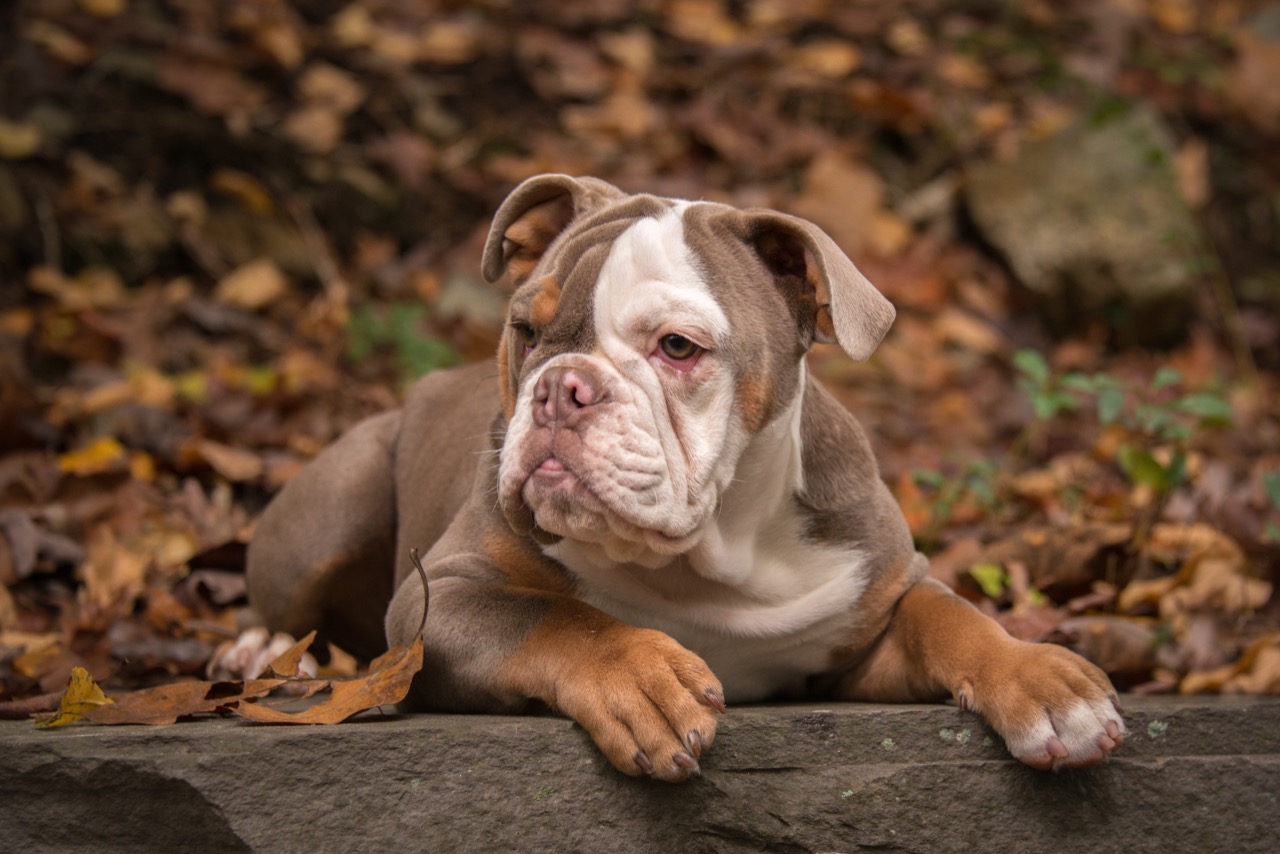
The head and jaws were also shaped by function. Bulldogs have a large skull, strong jaw muscles, and a bite designed for gripping. The undershot jaw, where the lower jaw extends beyond the upper, can help create a secure hold. A popular story says facial folds channeled blood away from the eyes during a fight, though that is tradition rather than documented fact. The short muzzle gets a similar explanation: with the nose set back, the story goes, the dog could keep breathing while clamped onto a bull. The far flatter face seen today owes more to later show breeding.
That last point connects to one of the most important modern realities of the breed. The same shortened face that became part of the Bulldog identity is linked to brachycephalic airway issues. Many Bulldogs have narrowed nostrils, an elongated soft palate, and other structural features that can make breathing noisy or difficult, especially in heat or during exertion. Their compact build can also limit efficient cooling, which is why Bulldogs are more prone than many breeds to overheating. These traits are not personality quirks; they are consequences of anatomy, and they influence how Bulldogs should be exercised and cared for.
The Bulldog’s gait, often described as a rolling or shuffling walk, reflects its structure. A wide front, heavy shoulders, and shorter limbs can produce a side to side motion rather than the springy stride seen in more lightly built dogs. Historically, speed over distance mattered less than explosive power and stability at close range. Today, that same build means Bulldogs often do best with moderate activity rather than endurance running.
Behaviorally, the old job selected for boldness and persistence. A dog that quit easily would not have been useful in the baiting ring, so tenacity became part of the type. In modern Bulldogs, that determination may show up as stubbornness, a strong preference for doing things their way, or a surprising willingness to stand their ground. Yet the breed’s later development emphasized steadiness around people, turning that courage into a calmer, more companionable temperament. Many Bulldogs are affectionate and people focused, but they can still have a strong will and may benefit from patient, consistent training.
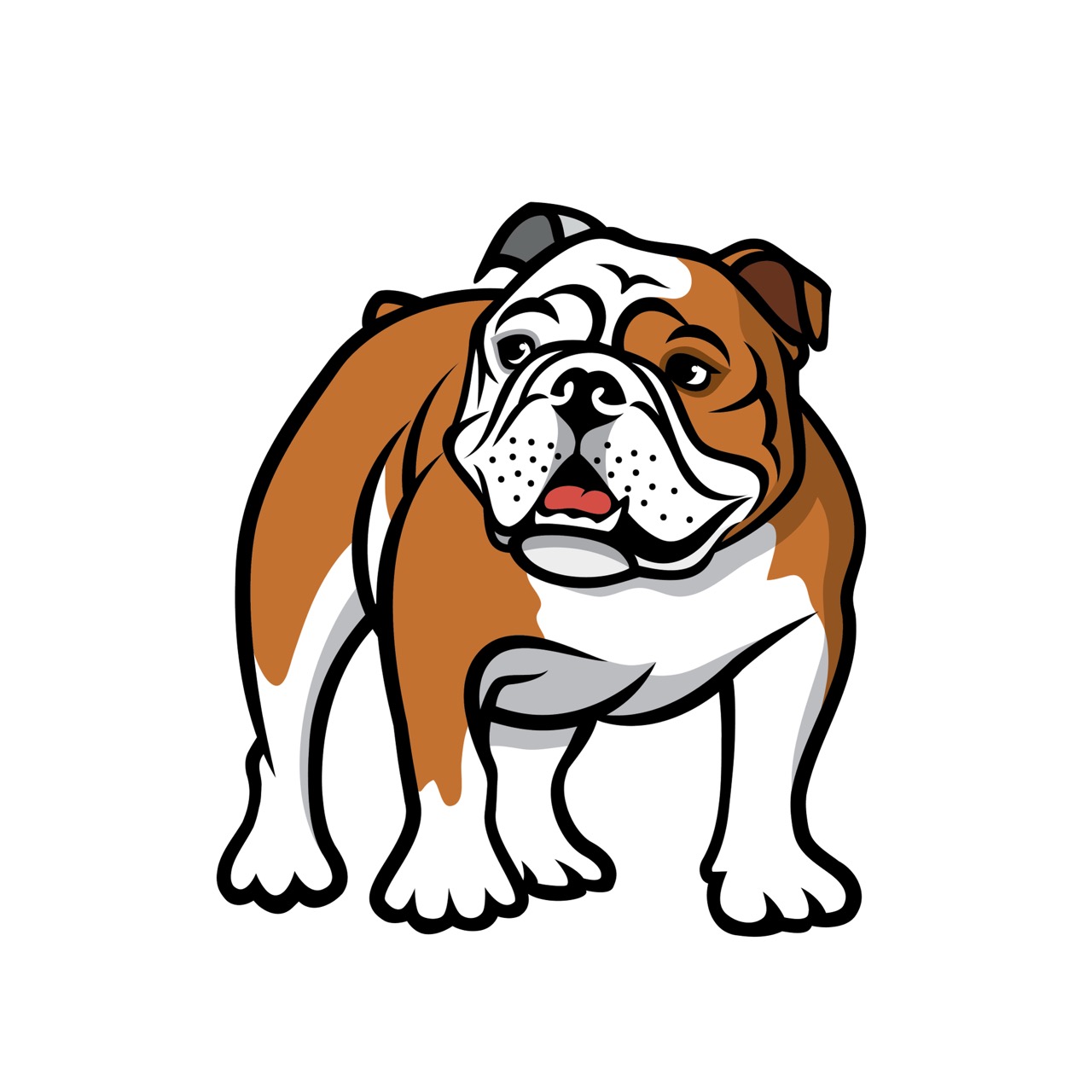
Knowing this background makes the Bulldog’s shape feel less like a cartoon and more like a historical record written in bone and muscle. The same features that once supported gripping and holding now define a beloved family mascot, with owners adapting the Bulldog’s care to match the body it inherited from a very different world.