Sheltie Secrets of Shetland
Quiz Complete!
How Croft Life Shaped the Shetland Sheepdog’s Body and Mind
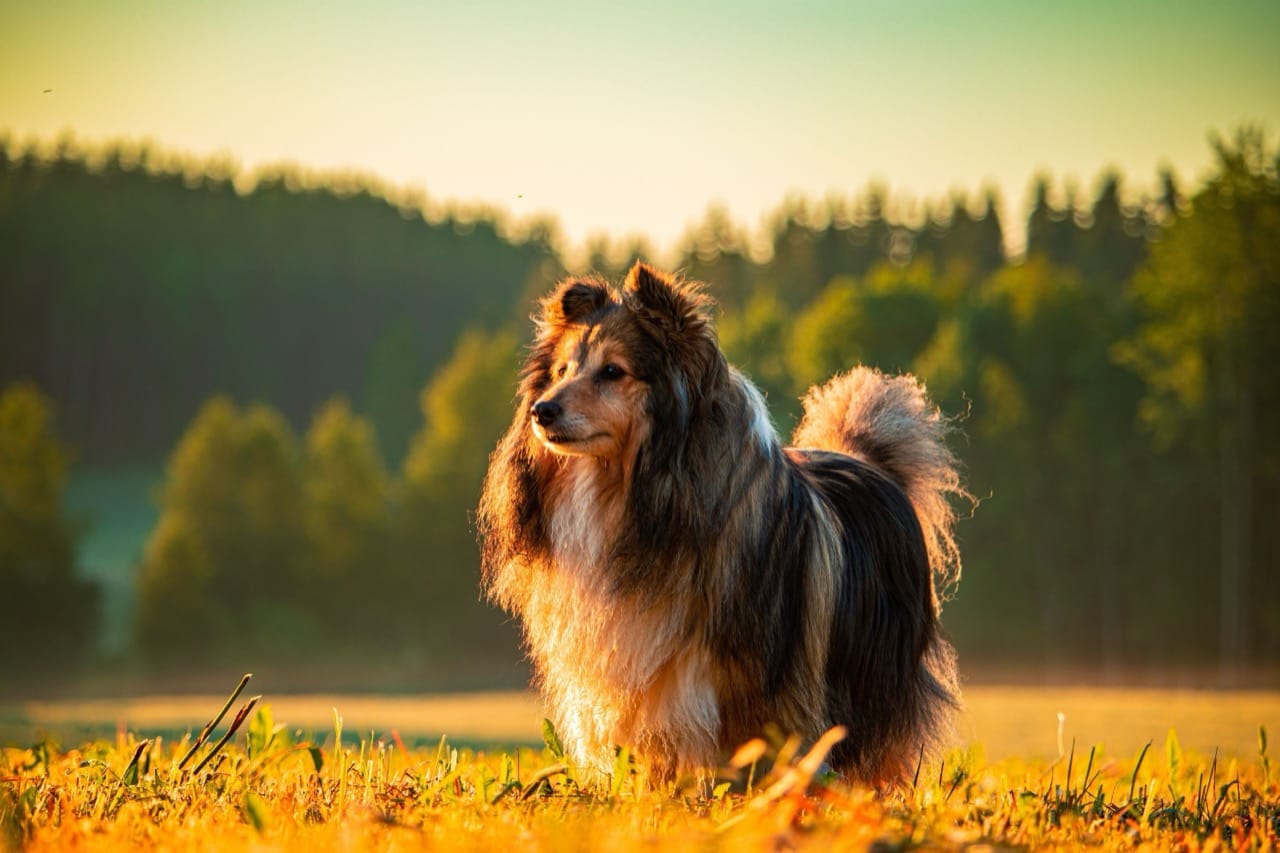
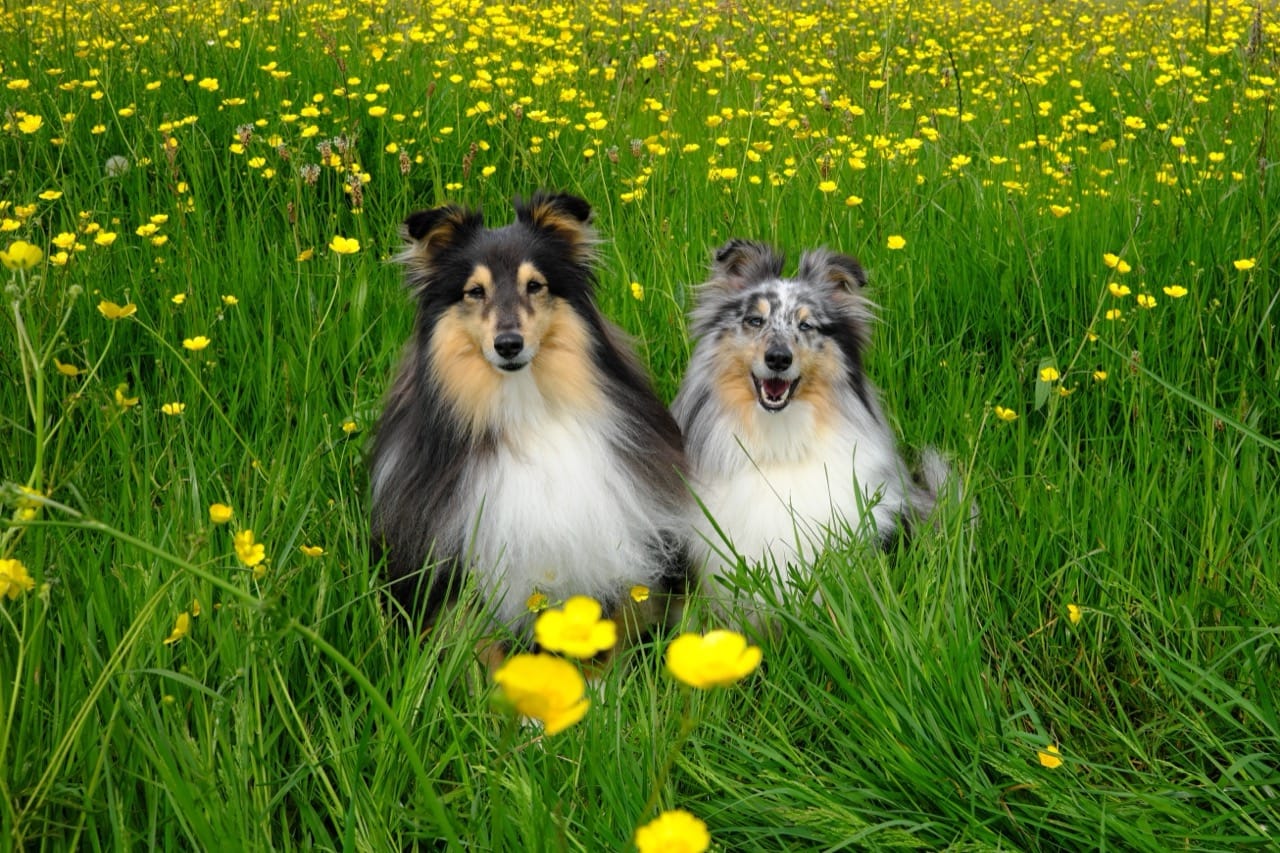
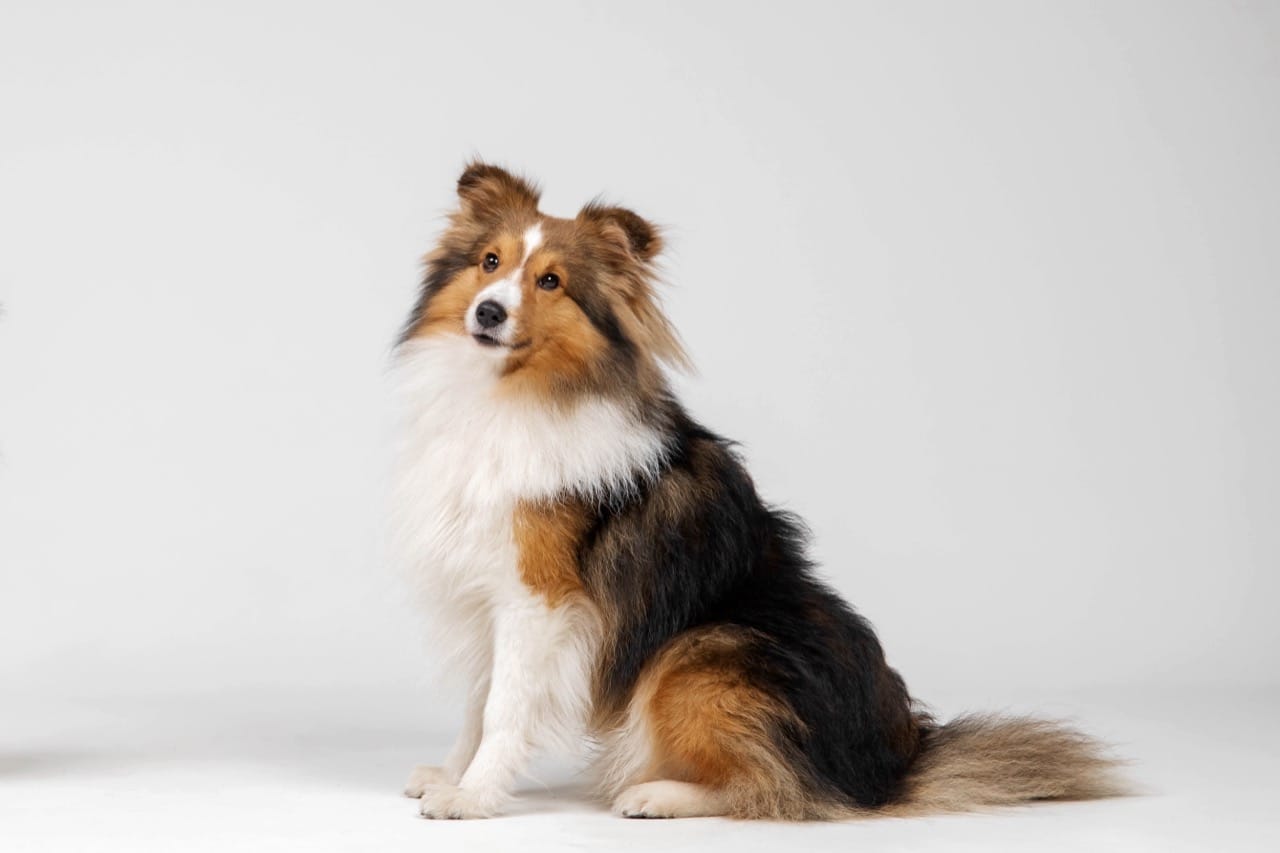
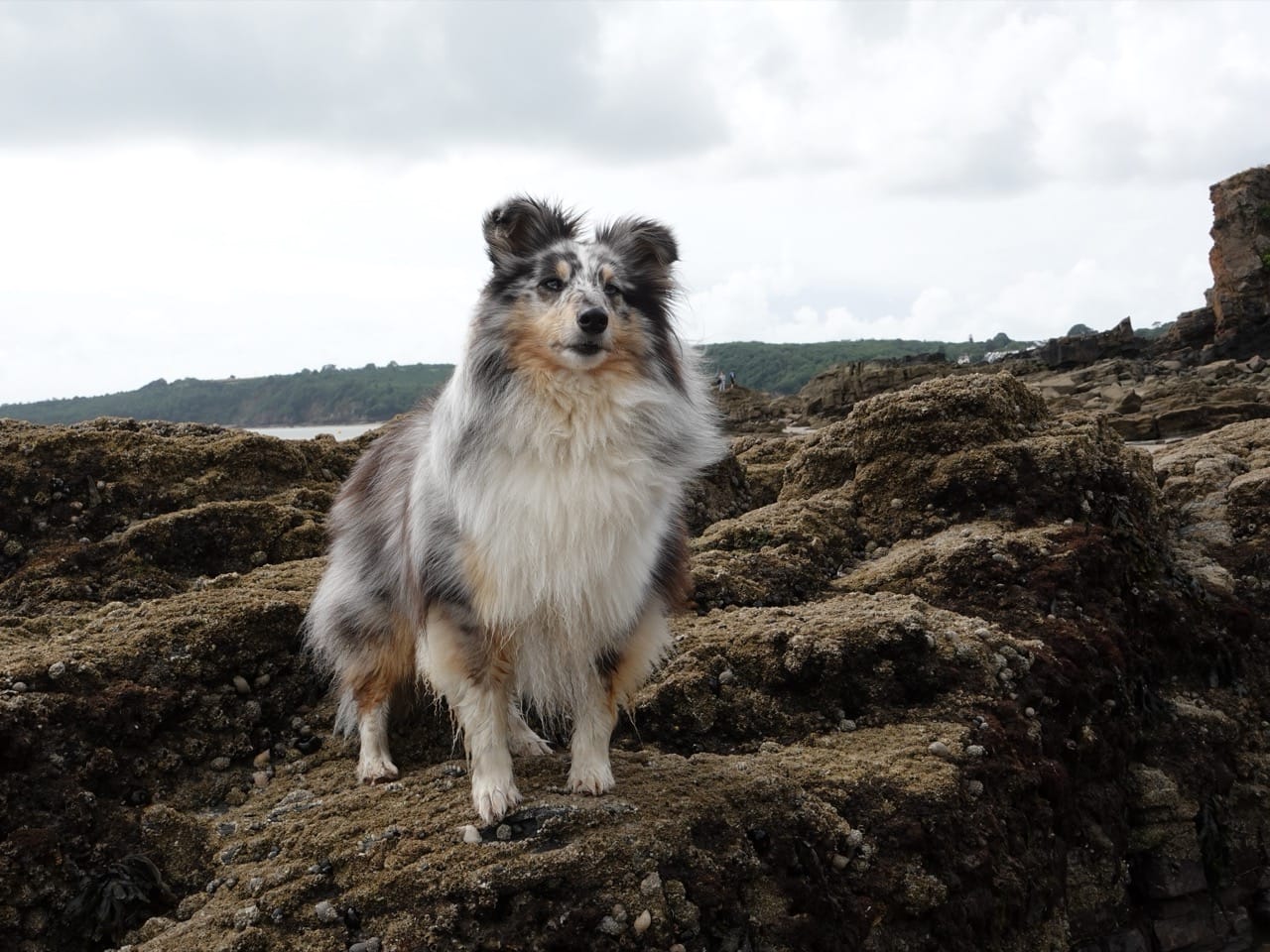
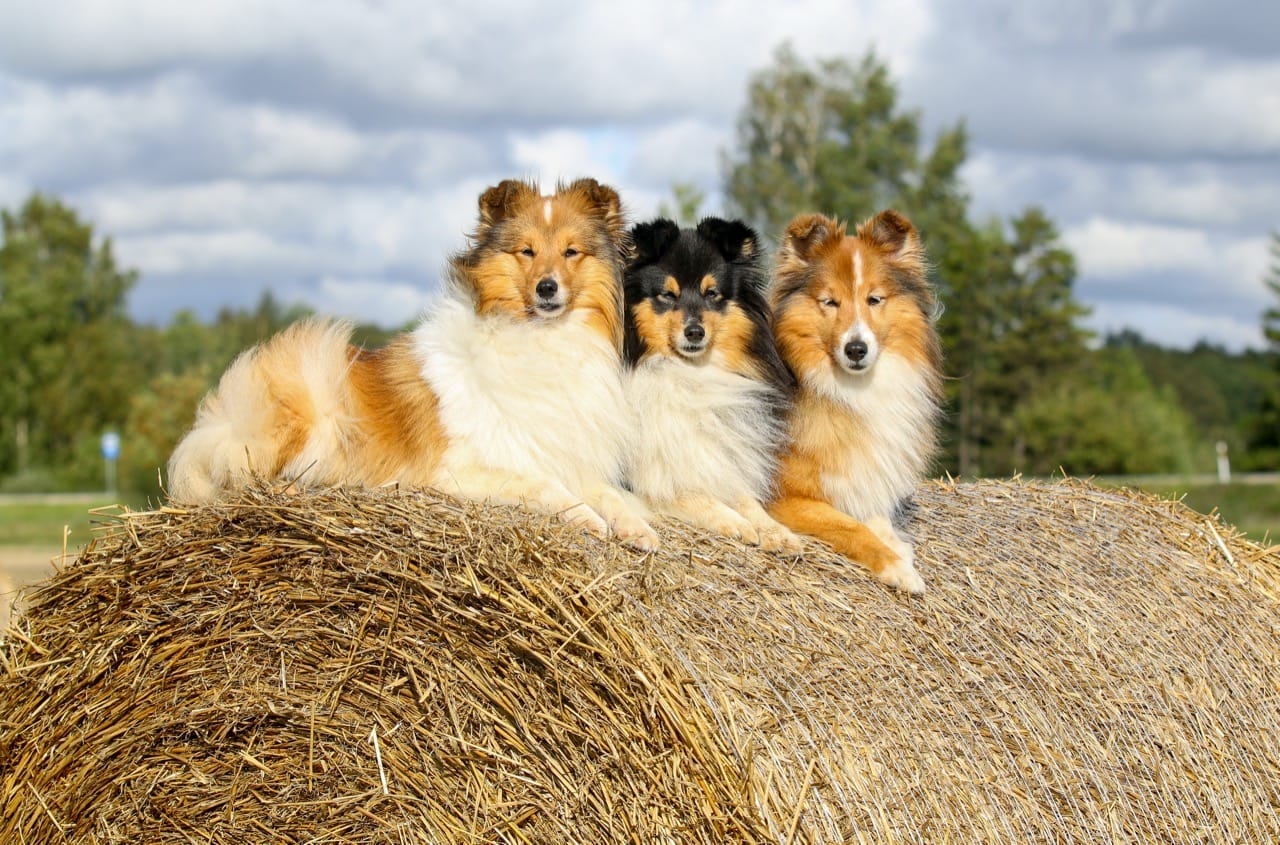
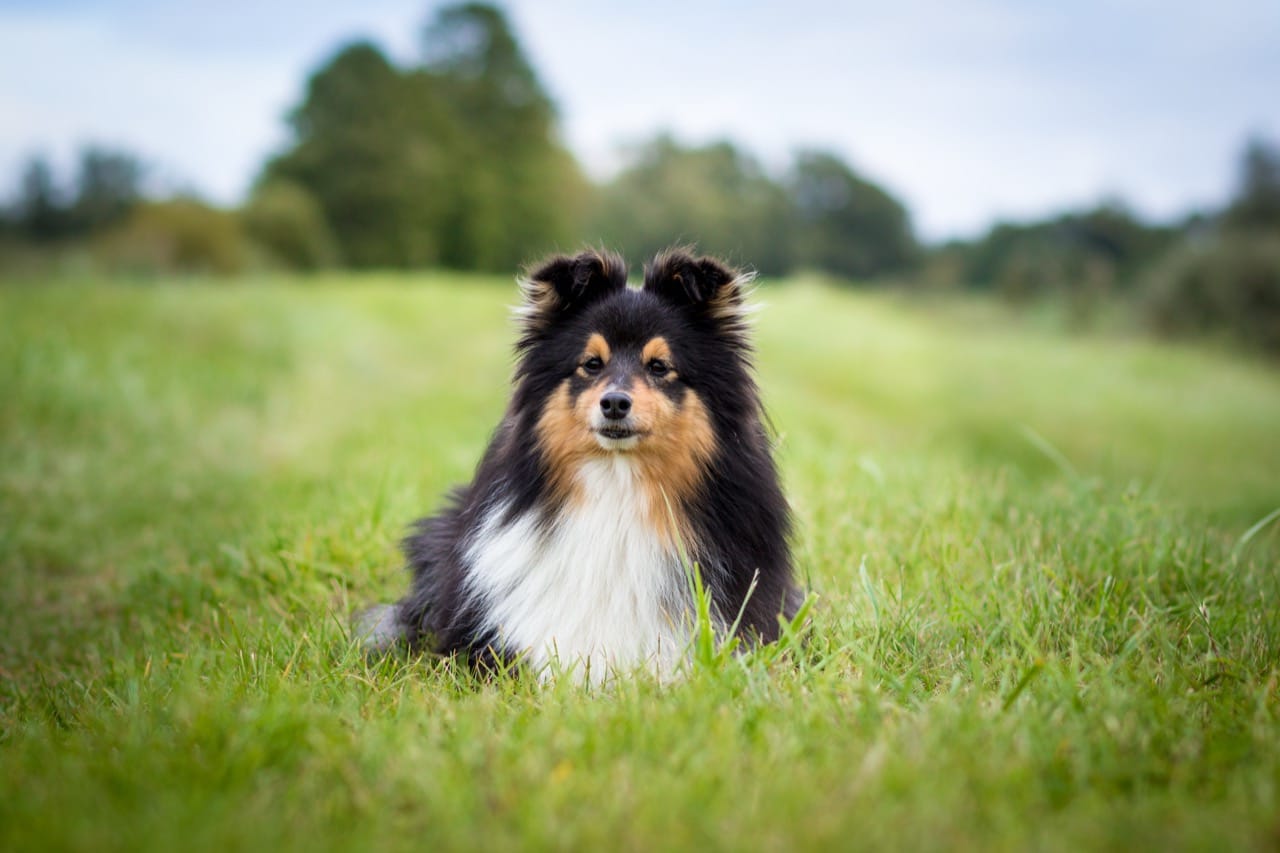
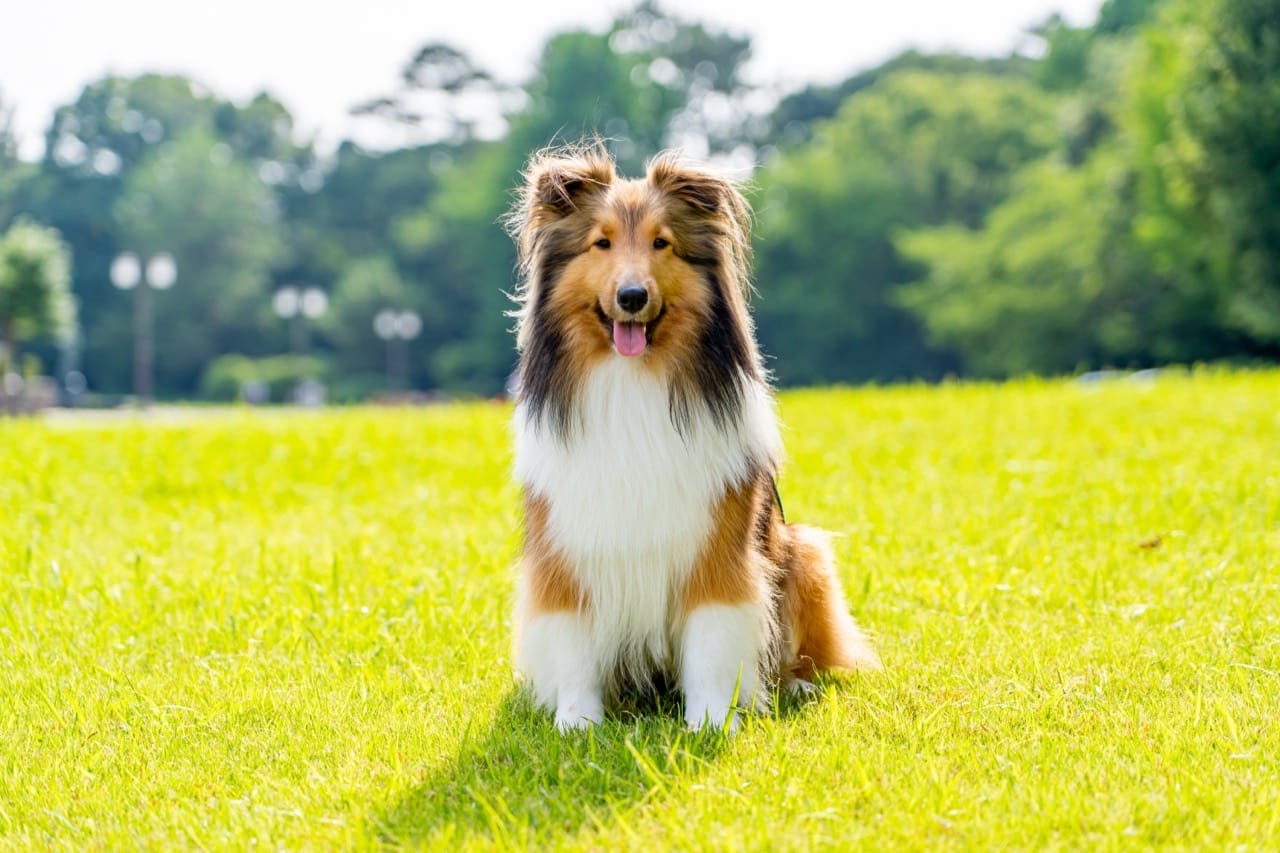
The Shetland Sheepdog, often called the Sheltie, may look like a small, elegant companion today, but its hallmark traits make the most sense when you picture the windswept Shetland Islands off Scotland’s northern coast. For generations, people there lived on small farms known as crofts, raising hardy livestock in rough weather and limited space. A dog that could help manage animals, warn of visitors, and fit into a practical household had real value. The Sheltie’s size, coat, movement, and intense attentiveness are not random features of a cute pet. They are the echoes of a working past.
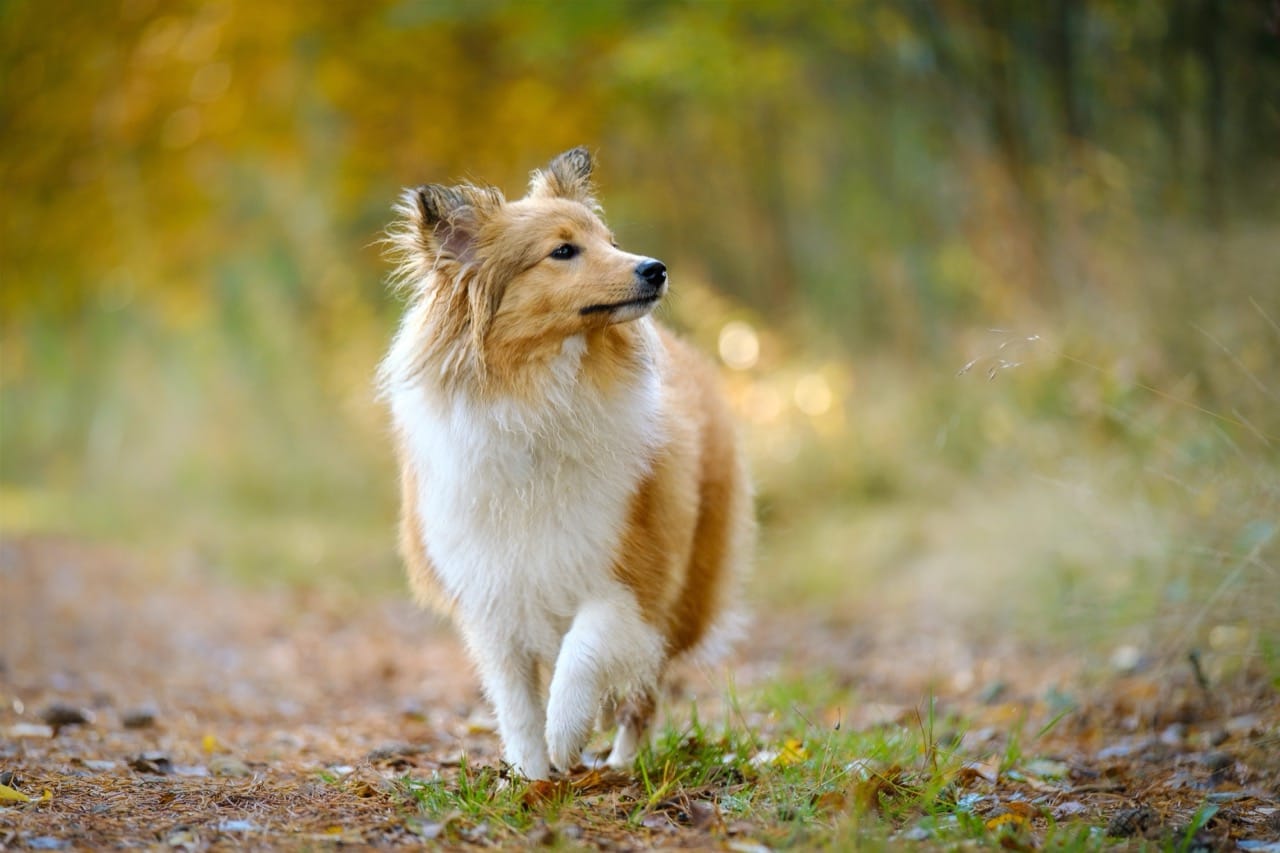
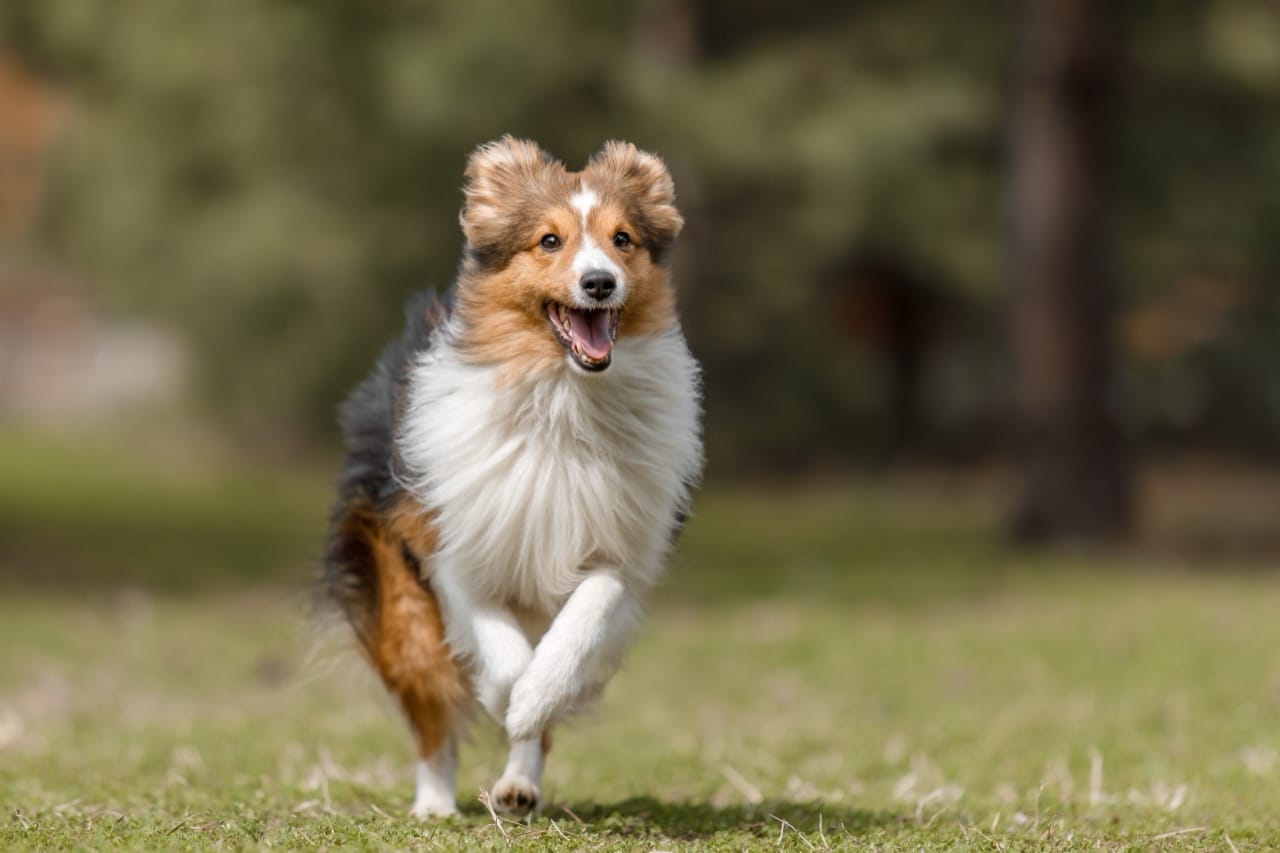
On the islands, efficiency mattered. A smaller dog ate less, took up less room, and could still be quick enough to influence sheep and other stock. The Sheltie’s agile build supports rapid acceleration and tight turns, the kind of movement needed to dart into position and guide animals without getting kicked or trampled. Herding is as much about timing as strength, and Shelties were shaped to be fast, light on their feet, and able to change direction instantly. Even today, many Shelties look as if they are always ready to spring into action, because their default state is poised attention.
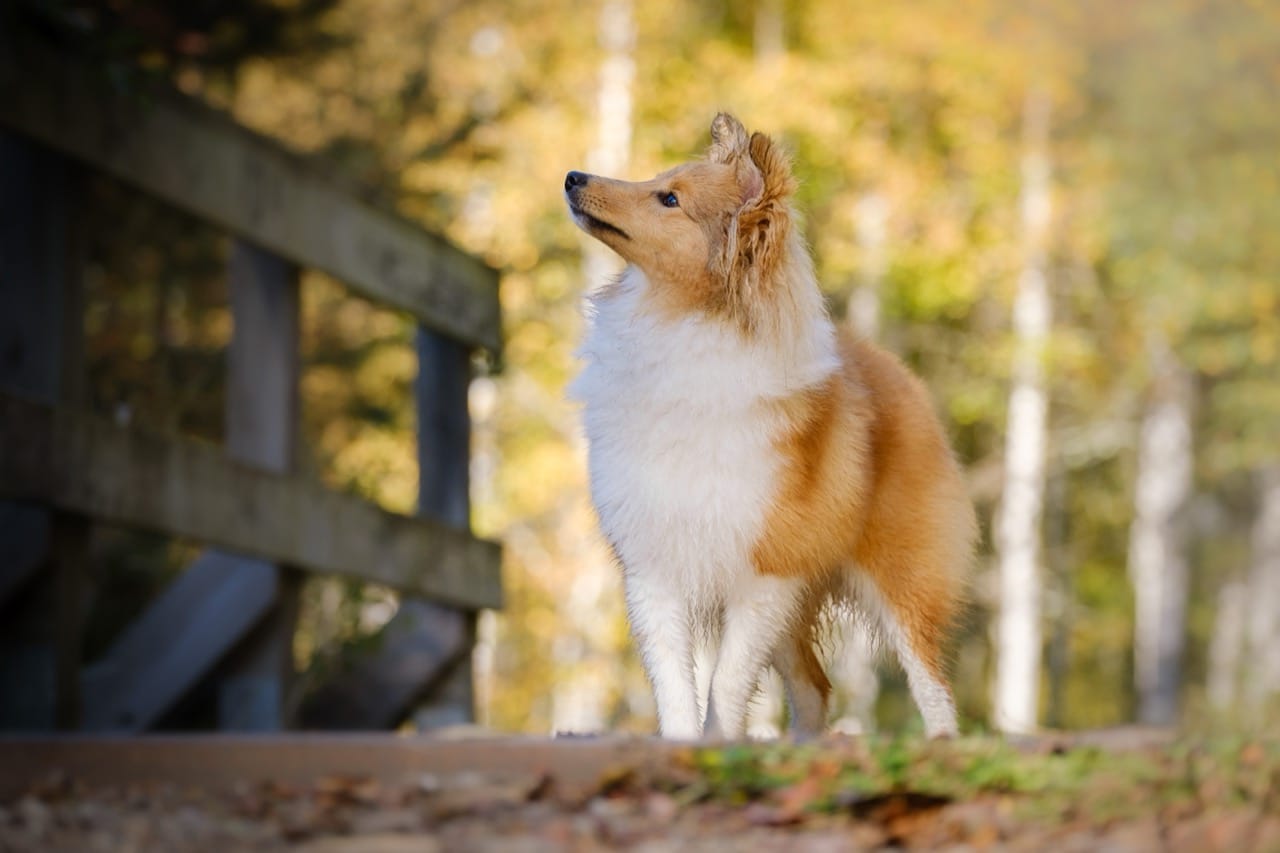
That alertness is one of the breed’s most recognizable qualities. Herding dogs are selected for noticing motion and responding immediately to subtle signals. On a croft, a dog that could read the handler’s posture, anticipate an animal’s next move, and react in a split second was more useful than one that needed repeated commands. This is why Shelties often seem to notice everything: a shifting shadow, a squirrel in the yard, a child running, or a bicycle passing by. The same instinct that once helped keep sheep moving in the right direction can show up as an urge to circle, chase, or gently nip at heels, especially if the dog has not been taught a different job.
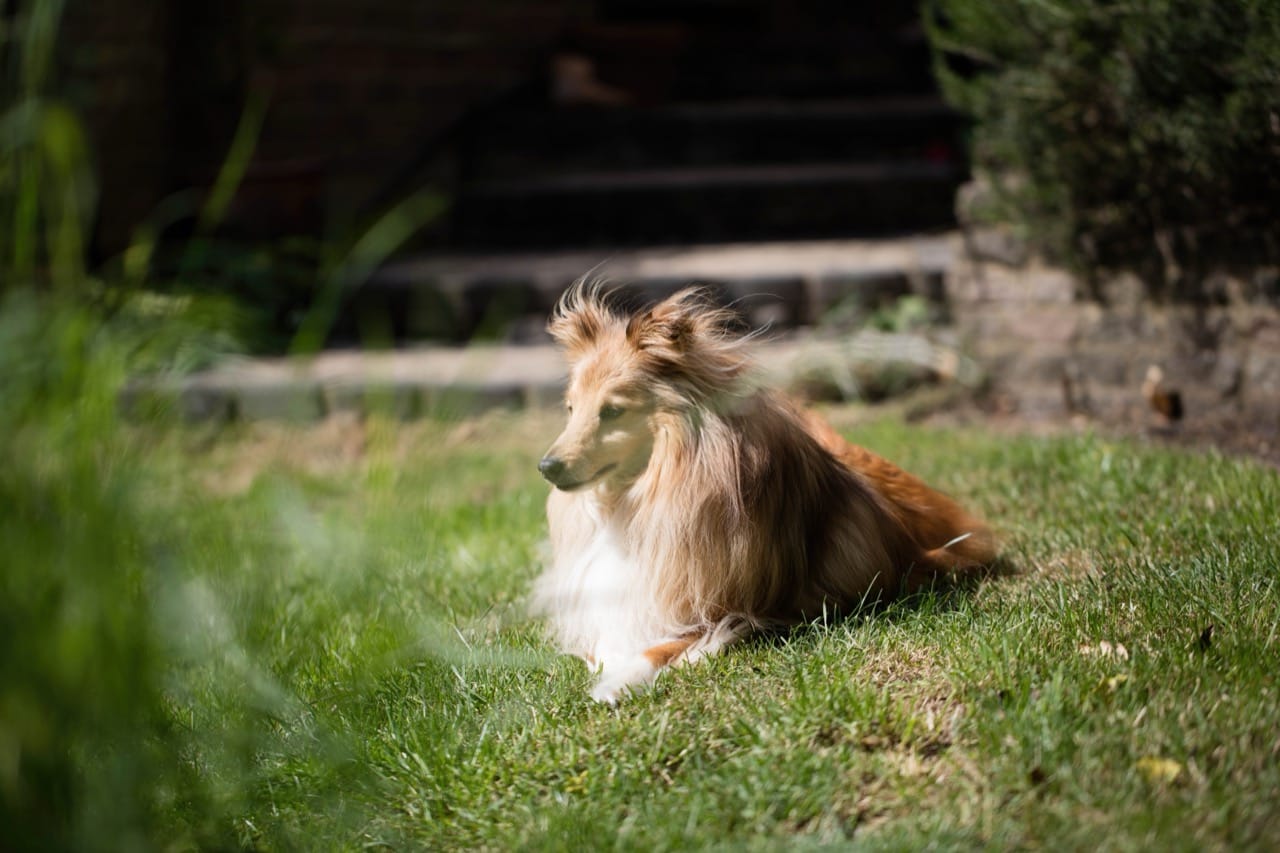
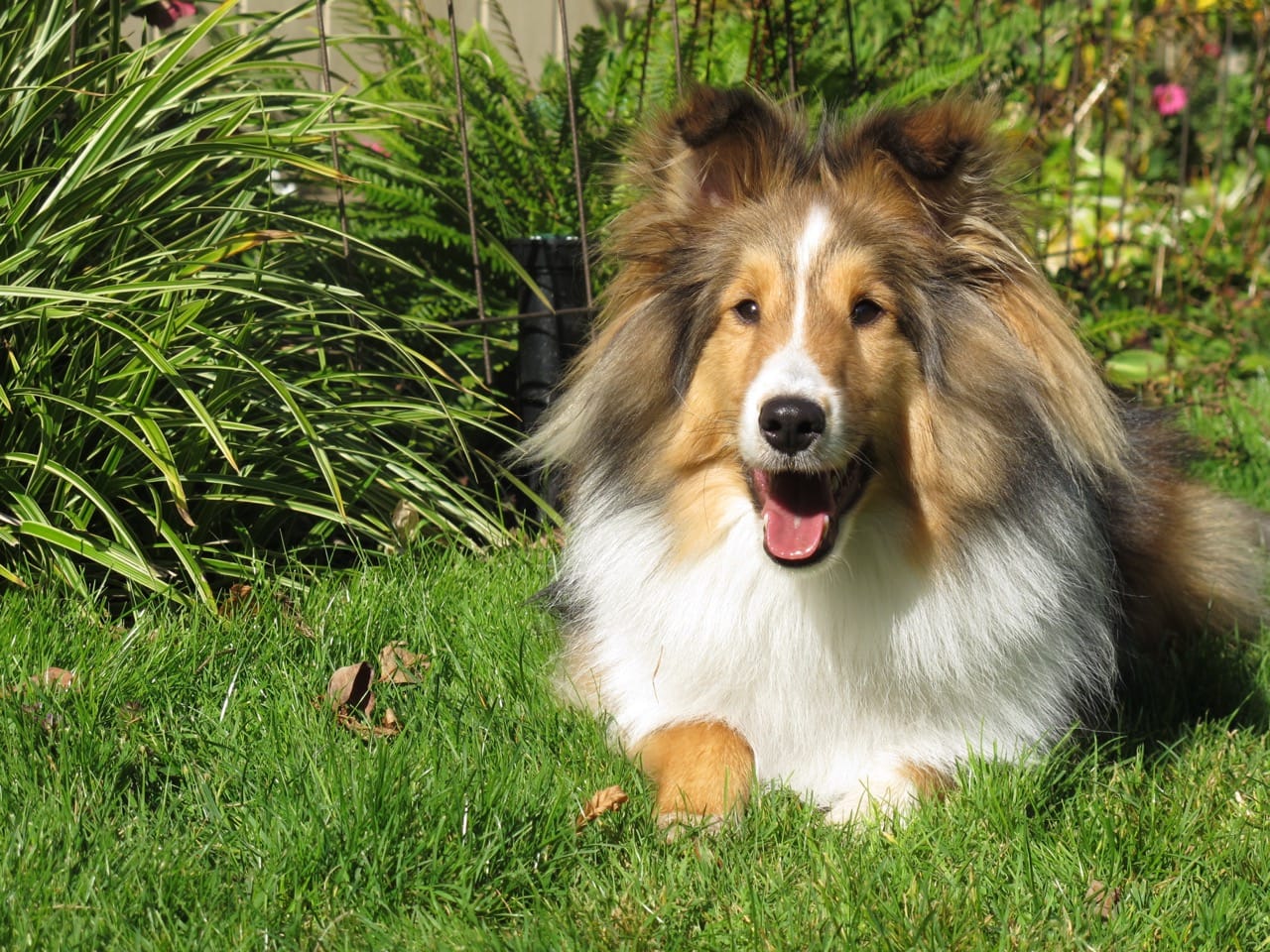
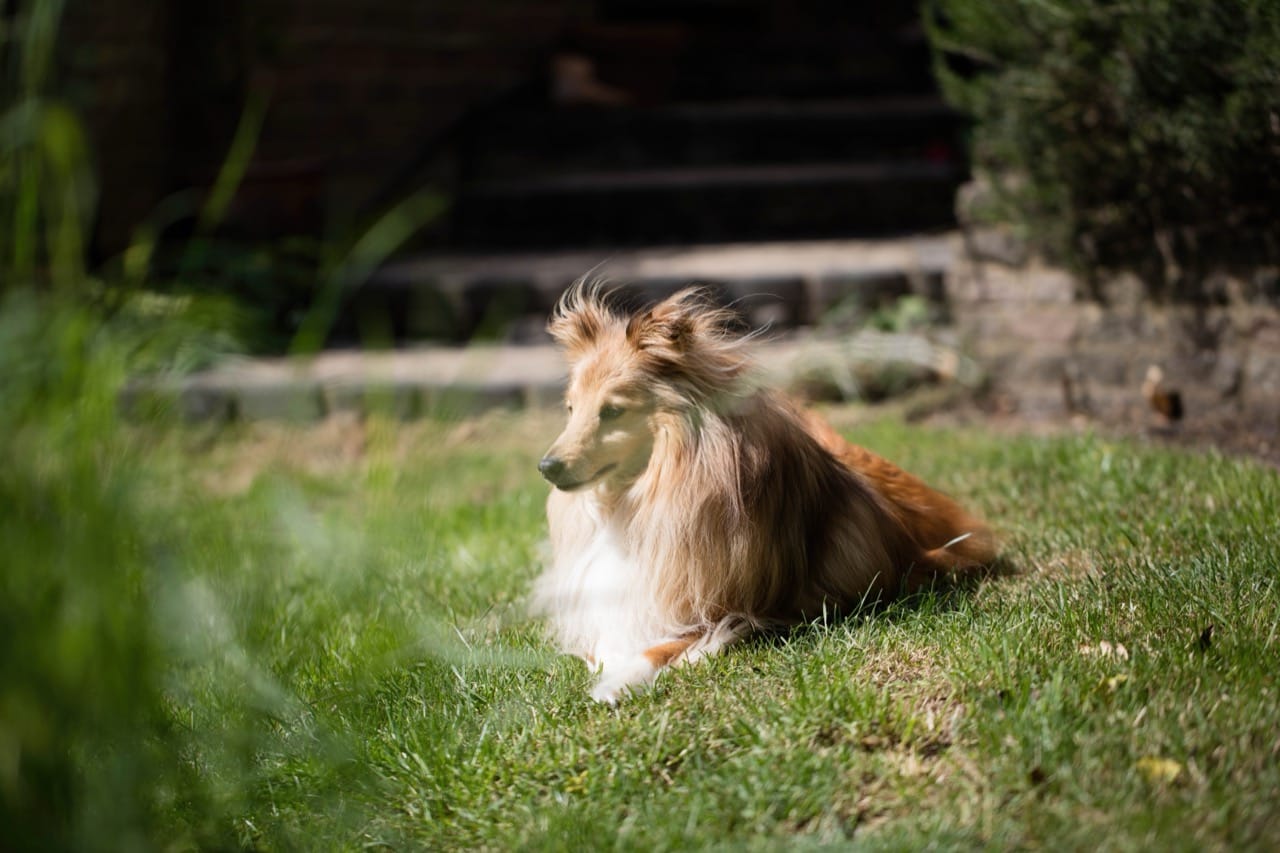
The Sheltie’s double coat is another practical inheritance. The Shetland climate is famously windy, damp, and changeable. A weather-shedding outer coat helps repel moisture and dirt, while the softer undercoat provides insulation. This combination is not just for looks; it is a functional system designed to keep a working dog comfortable while spending long periods outside. It also helps explain why regular grooming matters. When the undercoat sheds seasonally, it can mat if neglected, reducing the coat’s protective qualities and the dog’s comfort.
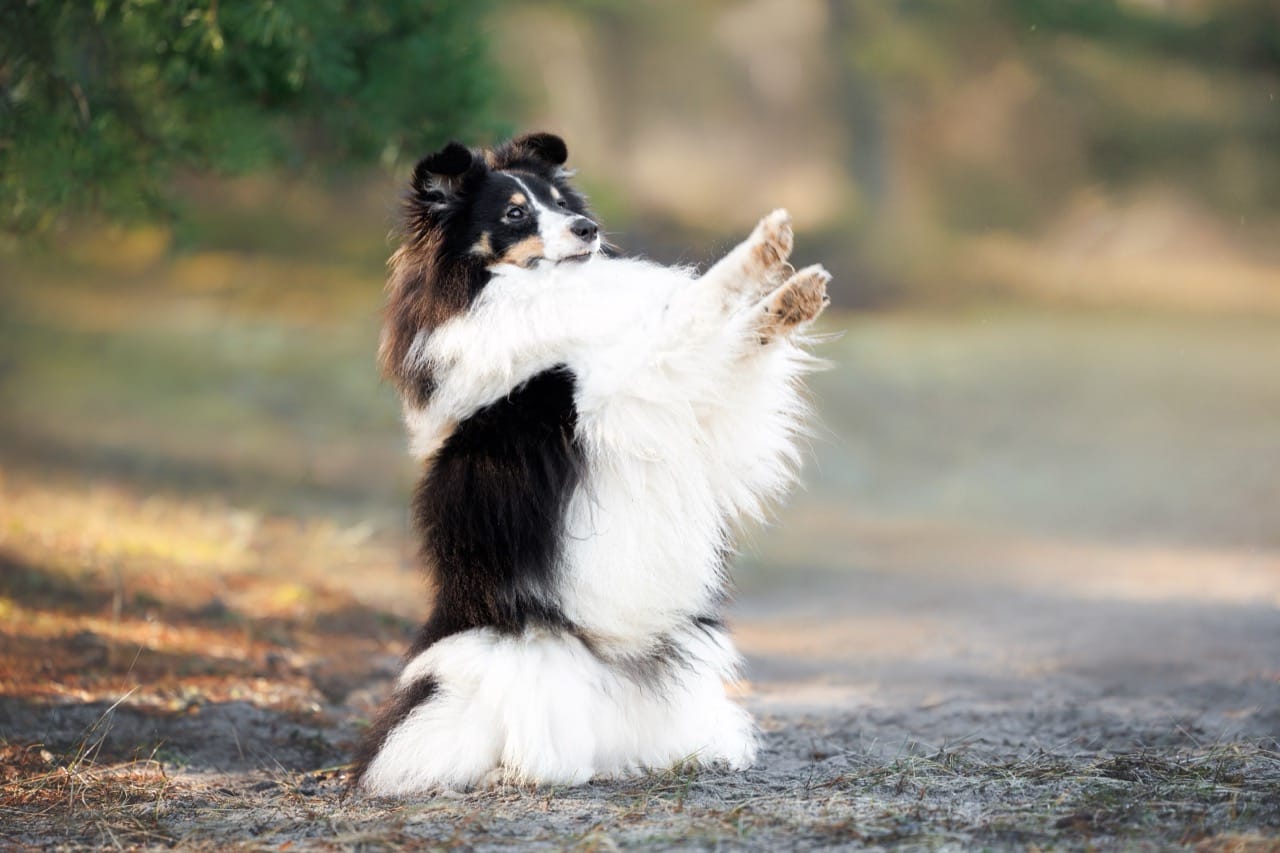
Life around a croft required versatility, and that versatility still shows in the modern Sheltie’s brain. Many Shelties learn quickly, remember patterns, and thrive when training is consistent and rewarding. This is not simply because they are smart, but because their working role favored dogs that could take direction, problem-solve, and stay engaged with people. For owners, this can be a delight and a challenge. A Sheltie that gets structured outlets such as obedience training, agility, herding-style games, scent work, or trick training often becomes a focused, satisfied companion. Without enough purposeful activity, the same dog may invent tasks like patrolling windows, barking at every sound, or attempting to organize the household.
Their sensitivity is also tied to their history. Herding dogs commonly rely on close cooperation with humans, so they tend to be responsive to tone and body language. A Sheltie may shut down with harsh handling but blossom with clear, calm guidance. This responsiveness makes them excellent partners for people who enjoy training, but it also means they benefit from predictable routines and early social experiences that build confidence.
When you see a Sheltie watching the world with bright, concentrated focus, you are seeing a croft dog’s toolkit in action. The breed’s quick feet, protective coat, and instant reactions are the result of practical needs on rugged islands. Understanding those roots helps explain everyday behaviors, from the desire to chase moving objects to the joy they take in learning. Give a Sheltie a job, even a small one, and you are speaking the language of its history.