Can You Keep Up With a Sheltie?




Quiz Complete!
Living With a Shetland Sheepdog: Real World Care, Training, and Daily Life
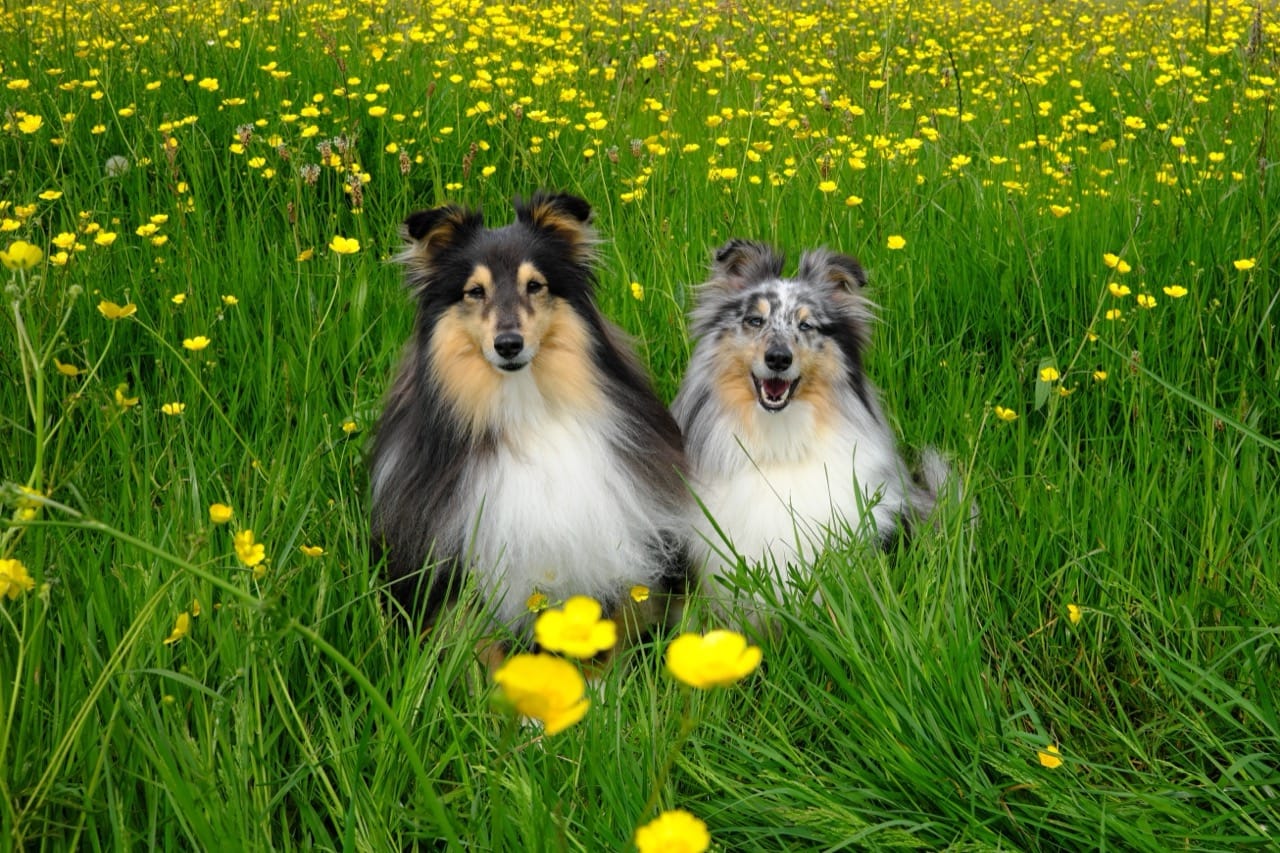
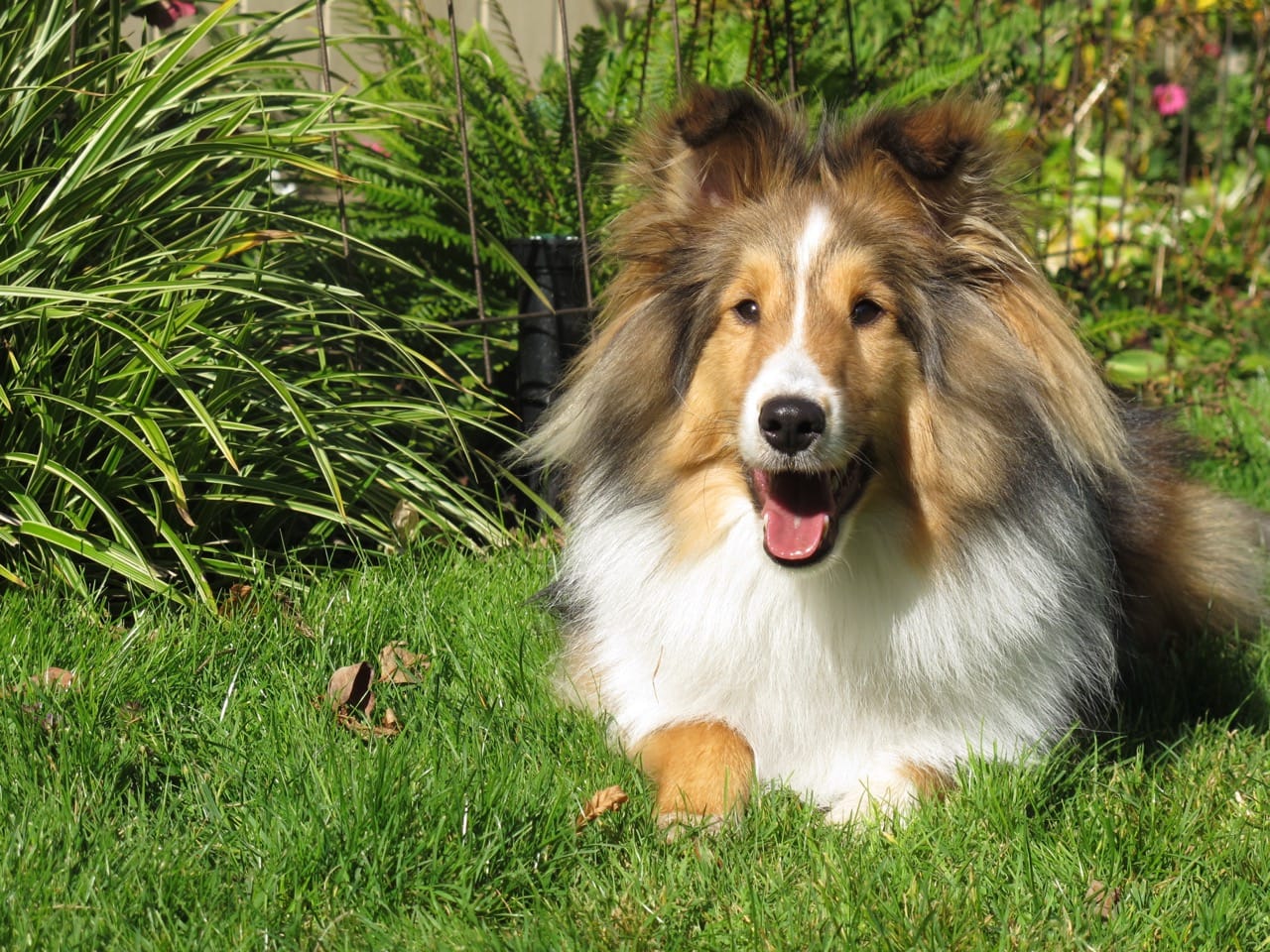
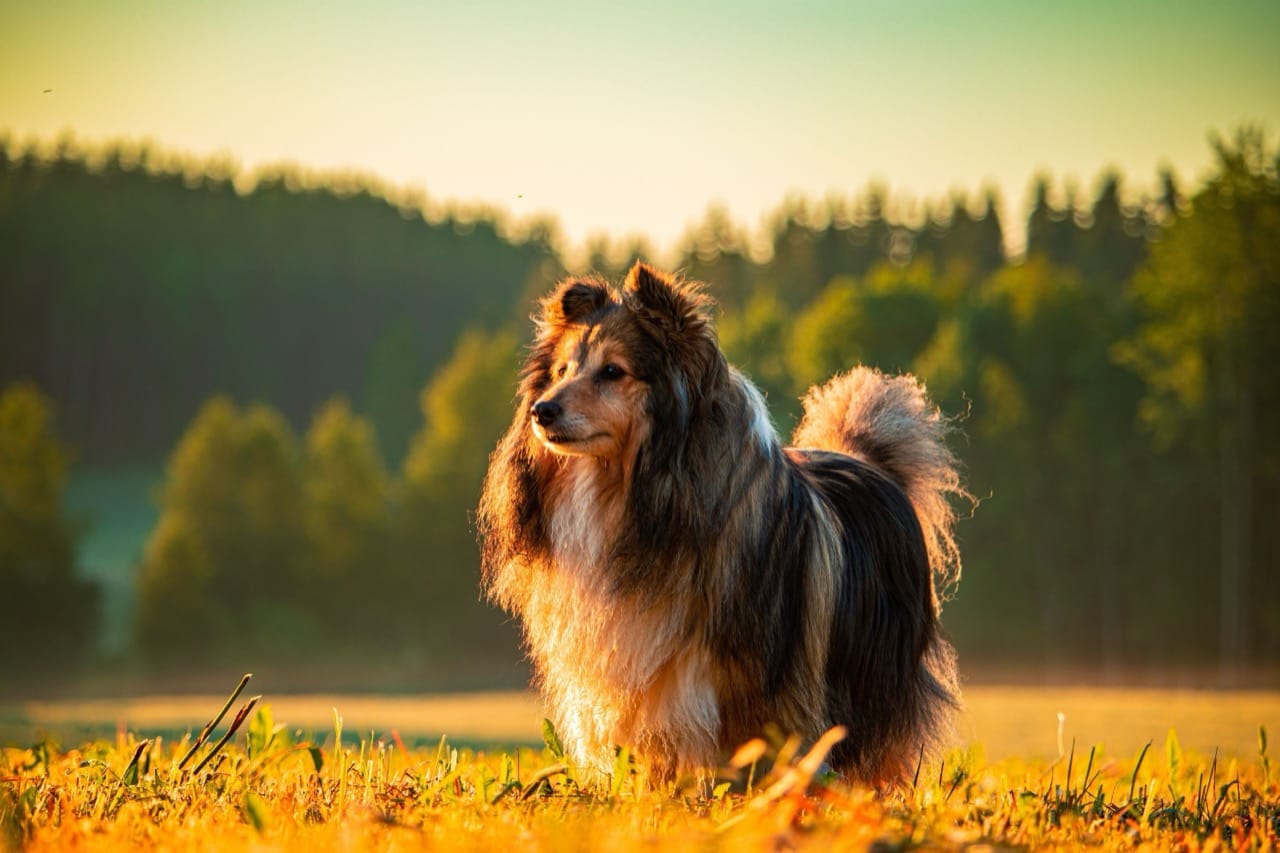
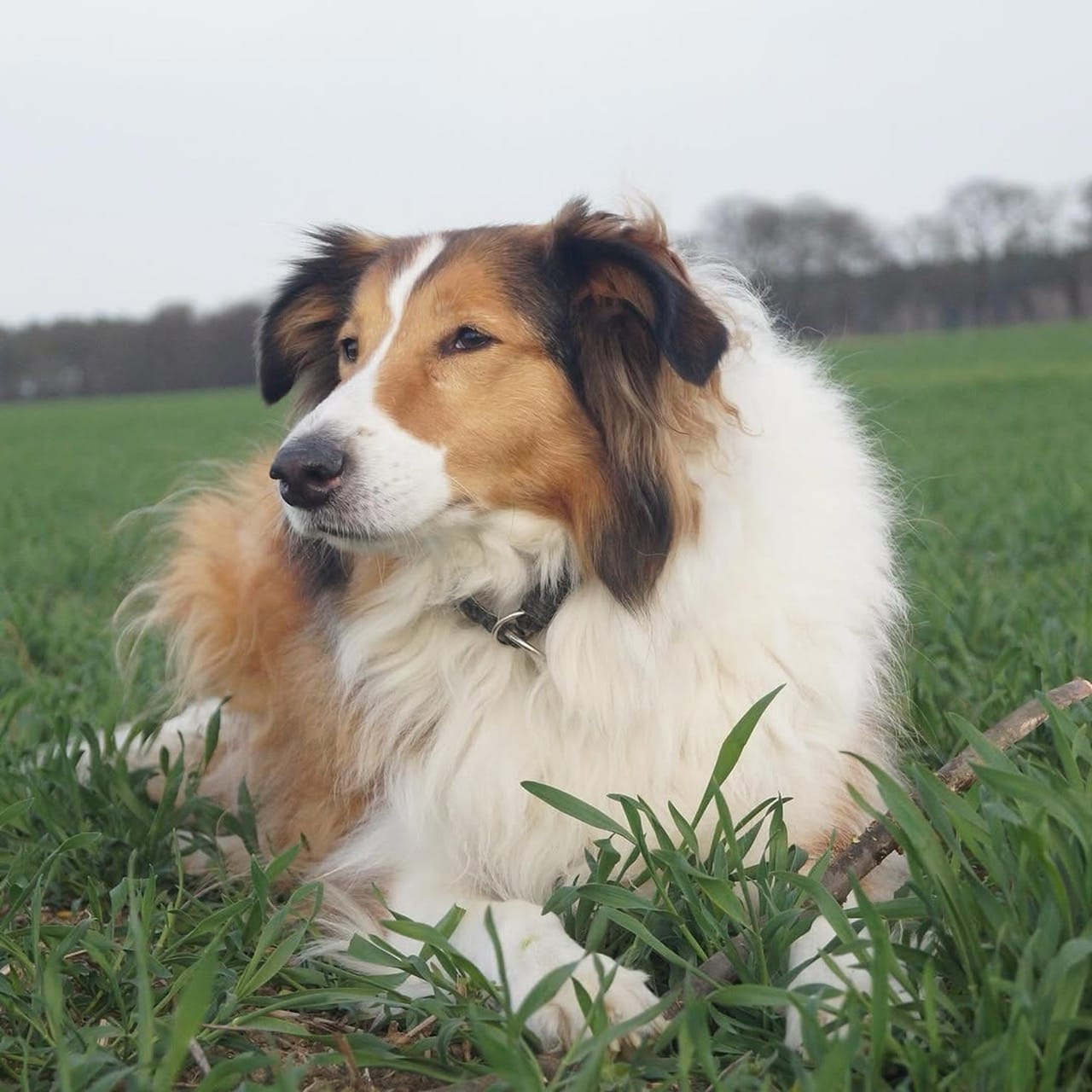
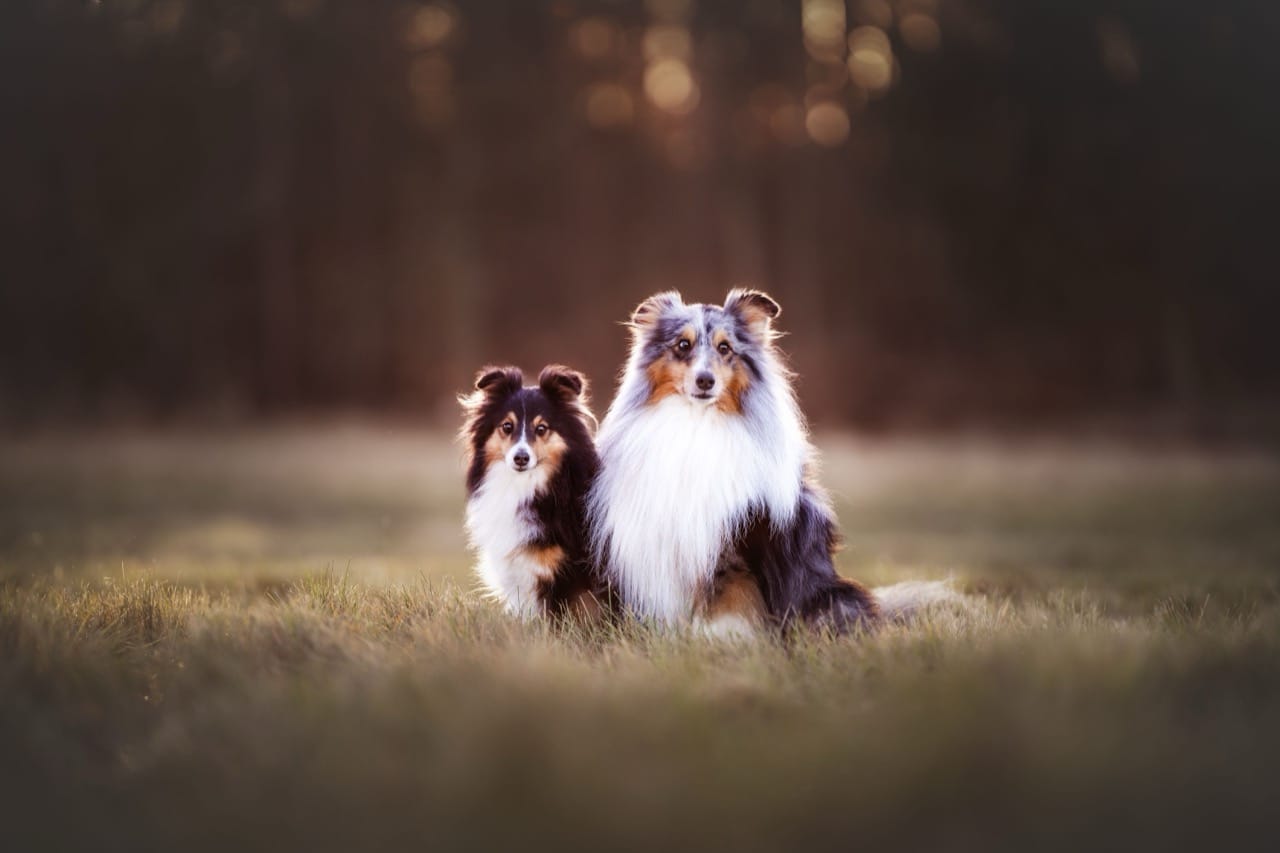
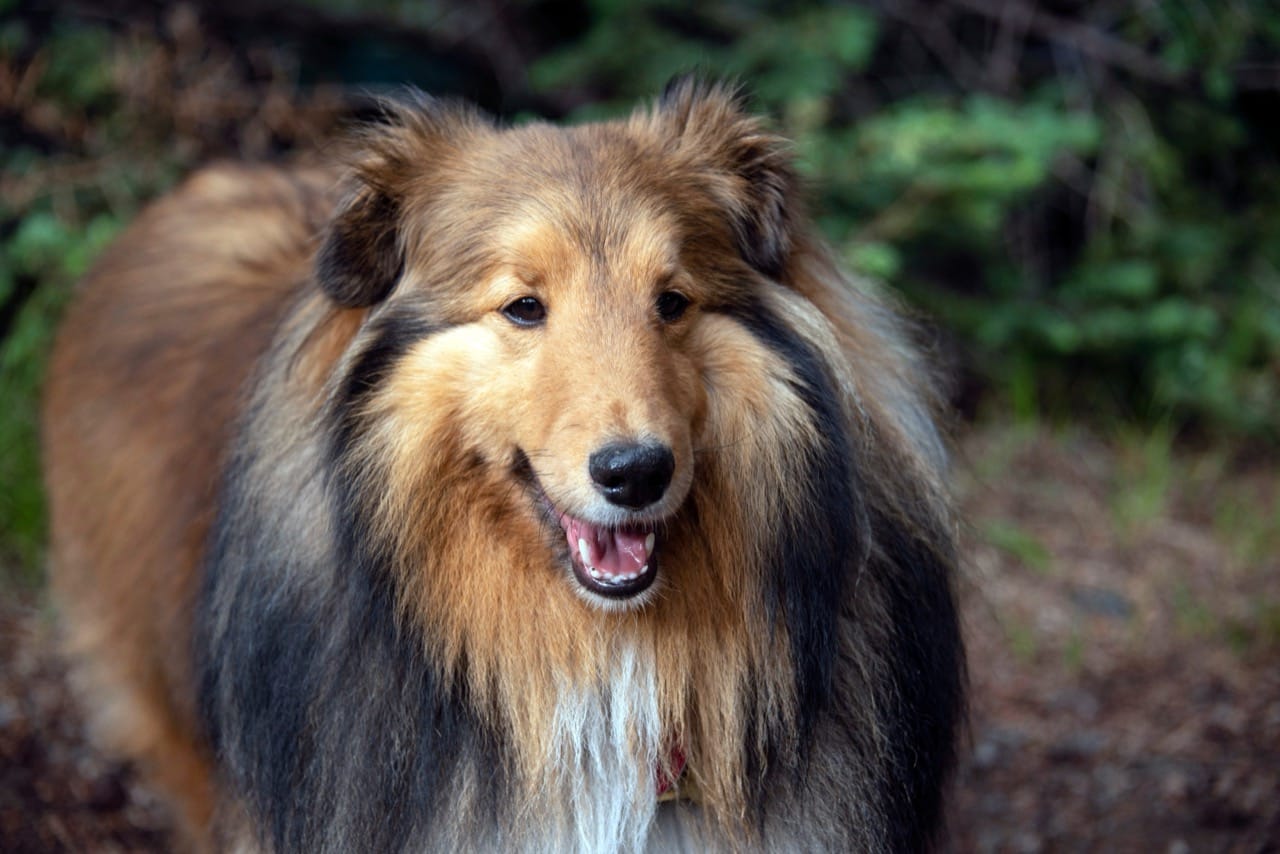
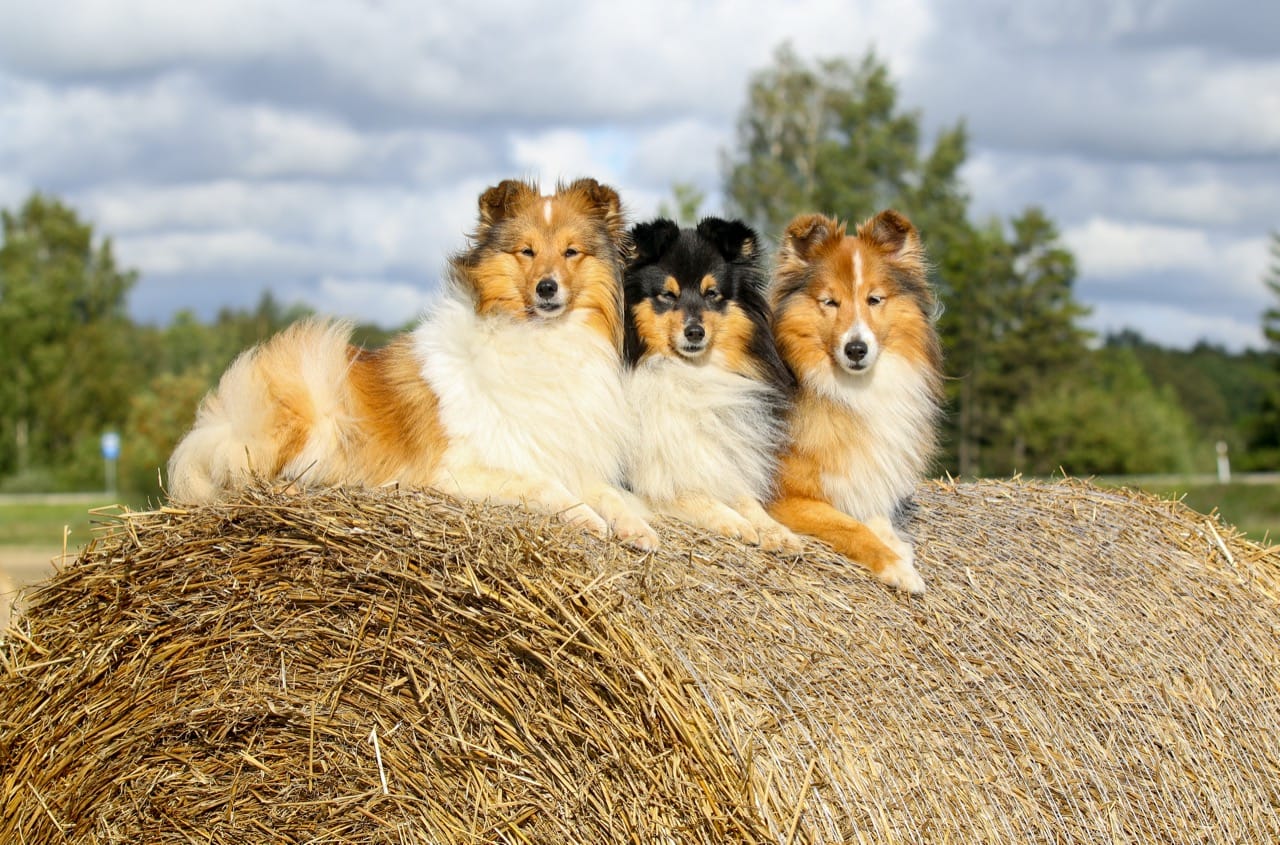
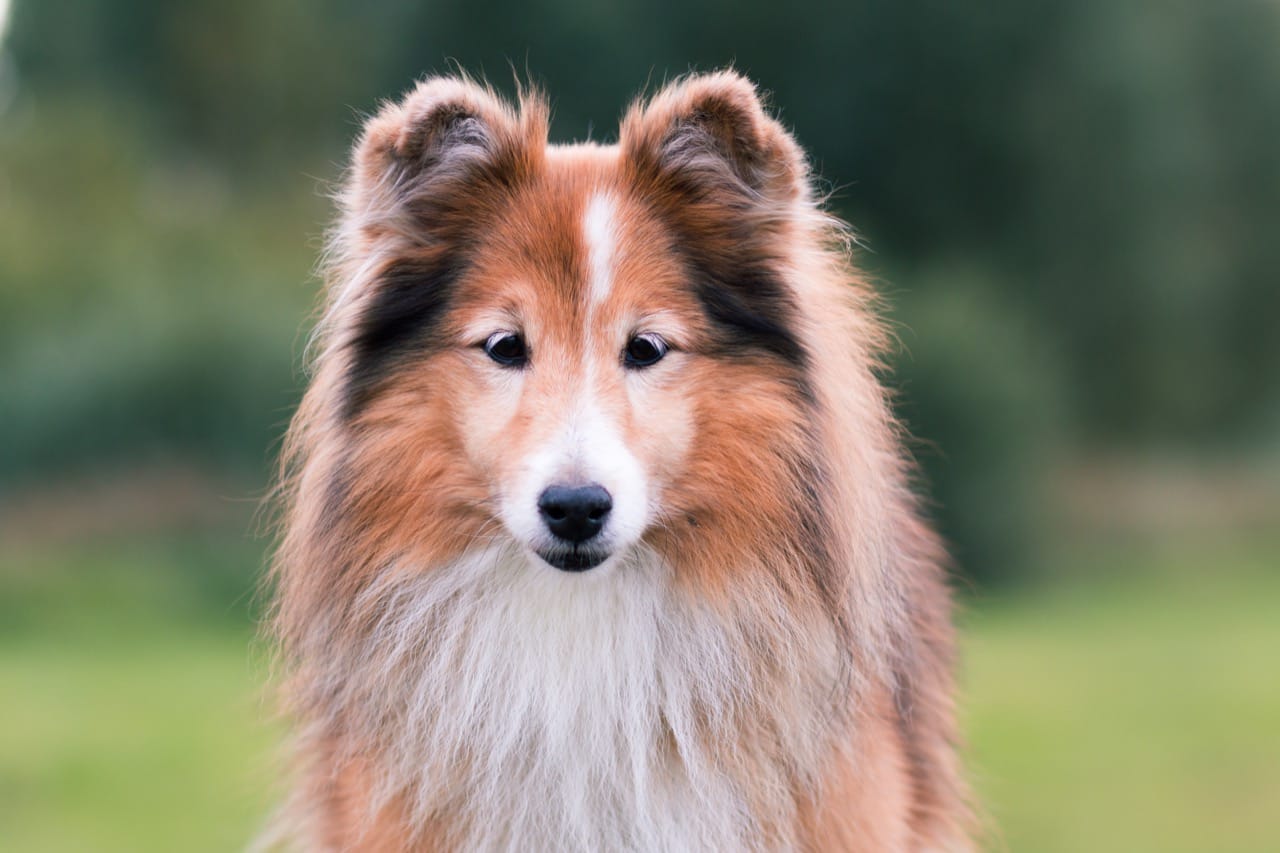
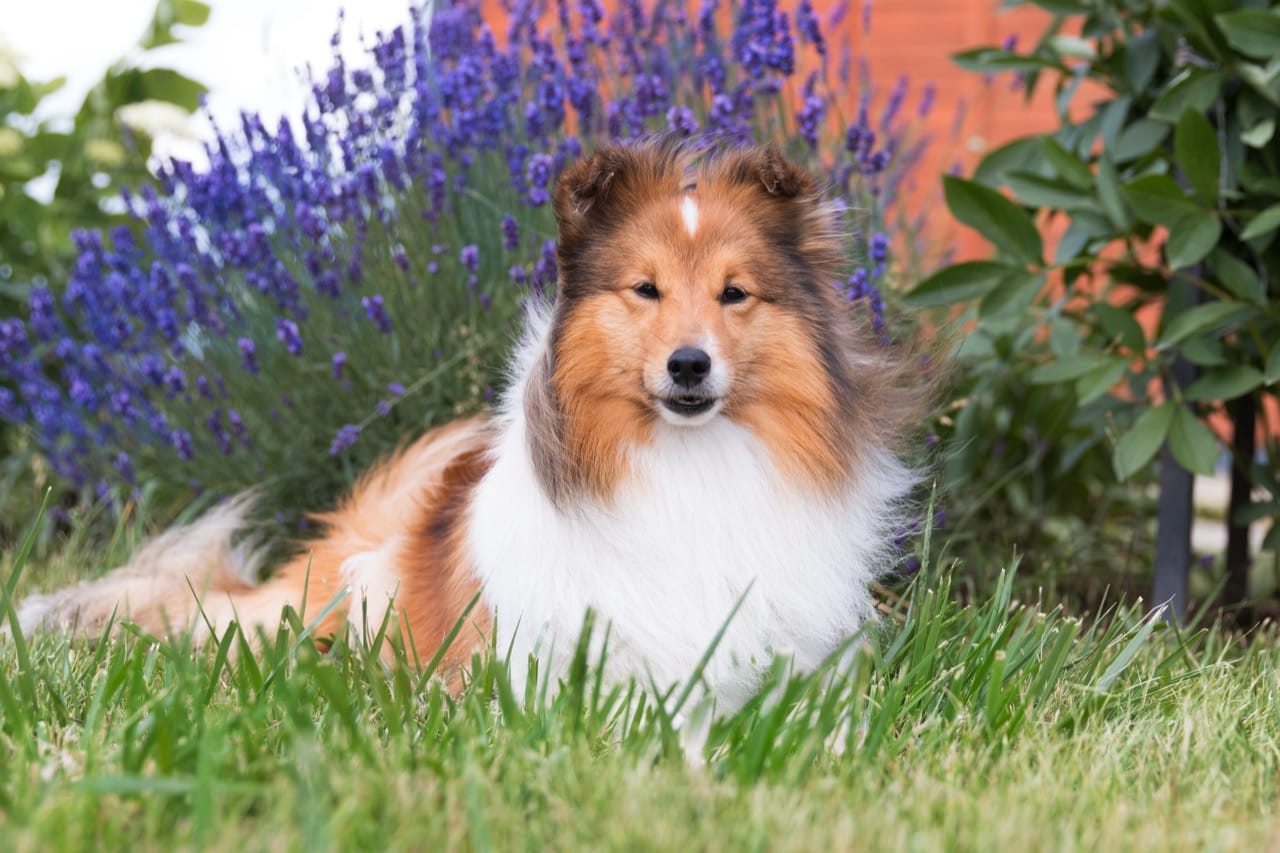
The Shetland Sheepdog, often called the Sheltie, may be small in size, but it tends to take up a lot of space in a household’s routine. Bred to herd and guard livestock in the Shetland Islands, this breed is known for being bright, observant, and highly responsive to people. In real life, that means you get a dog that learns quickly and often tries hard to do the right thing, but also one that can be sensitive to tone of voice, sudden changes, and chaotic environments.
A well-raised Sheltie is typically affectionate with family and politely reserved with strangers. Many will watch new people carefully before deciding they are safe, which can be a benefit if you want an alert companion. It also explains why early socialization matters so much. A Sheltie who only meets a small circle of familiar faces may grow into an adult who barks at visitors, reacts to unfamiliar dogs, or becomes overwhelmed in busy places. The goal is not to force friendliness, but to build calm confidence through positive experiences.
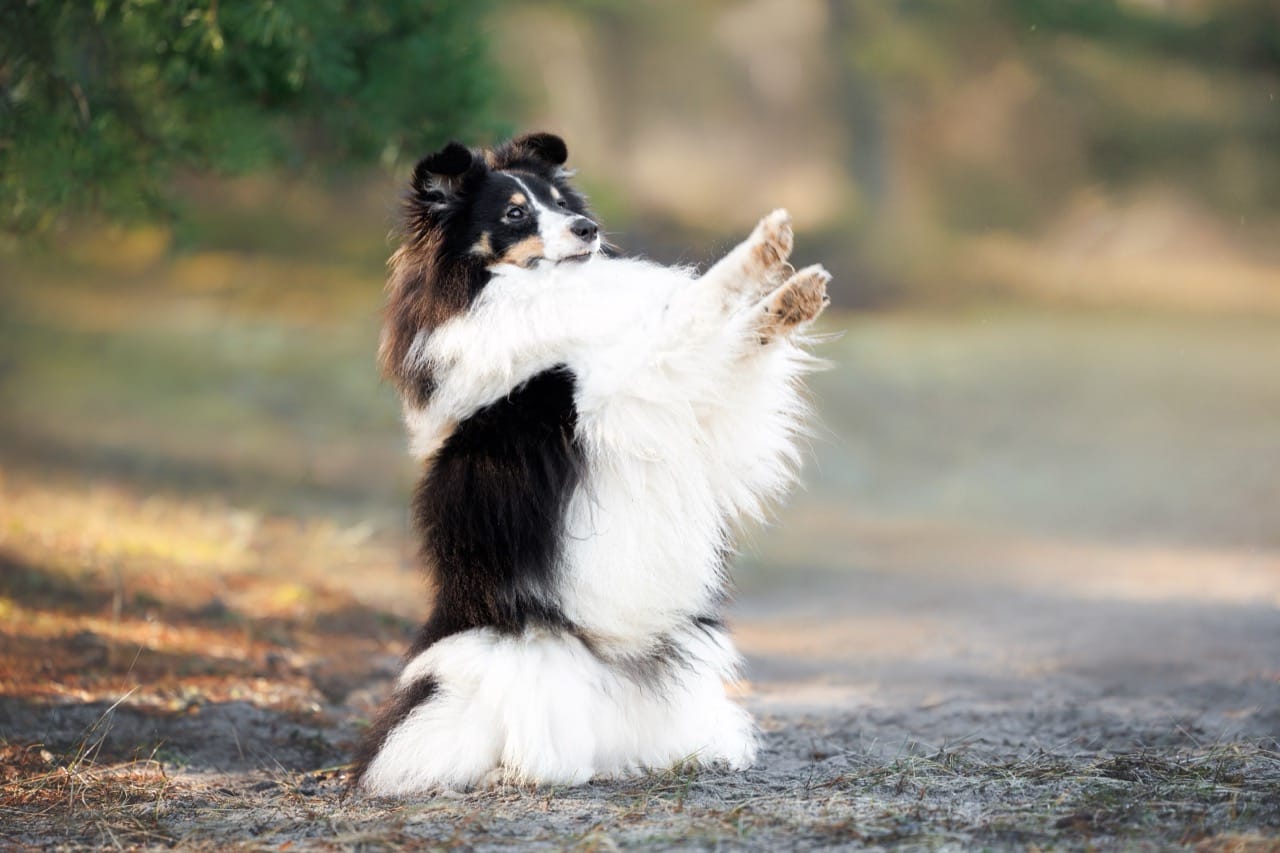
Training is where Shelties often shine, but the best approach is usually gentle and consistent rather than heavy-handed. Because they are sensitive, harsh corrections can create anxiety or avoidance. Positive reinforcement, clear routines, and short, frequent sessions tend to produce impressive results. Many Shelties excel in obedience, rally, agility, and trick training, and they often enjoy having a job. Without enough mental exercise, they may invent their own entertainment, such as patrolling windows, herding children or other pets, or developing noisy habits.
Speaking of noise, barking is one of the most common real world challenges. Shelties are alert and quick to announce changes, whether it is a delivery truck, a neighbor in the hallway, or a squirrel in the yard. You can manage this by teaching a reliable quiet cue, rewarding calm behavior, blocking constant visual triggers, and meeting the dog’s daily activity needs so they are not looking for an outlet. It is also worth remembering that a Sheltie who is bored or stressed will usually bark more, not less.
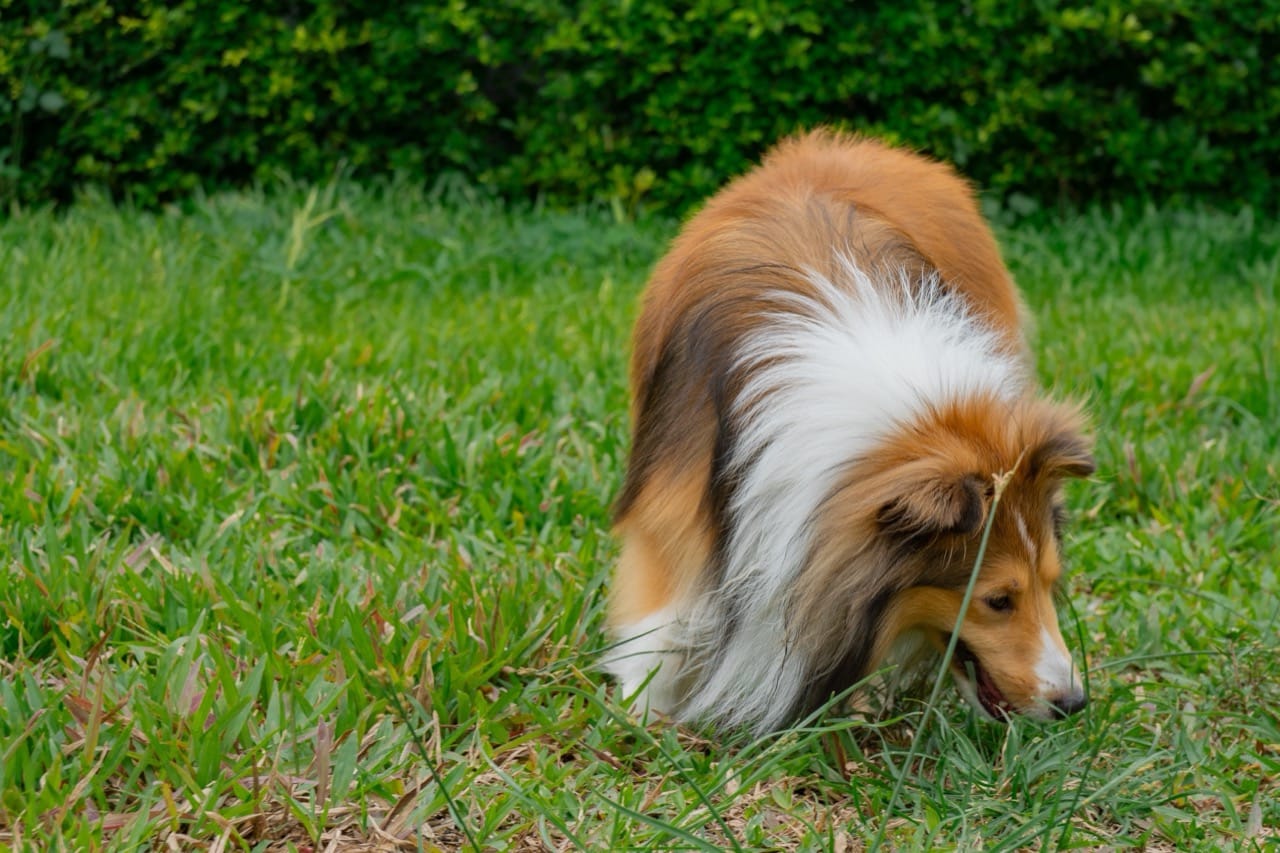
Exercise needs are moderate, but they are not a couch ornament. Many do well with a brisk daily walk plus play, training games, or short runs in a safe area. Their herding background means they often love movement based games like fetch, flirt pole play, or agility style obstacles. A secure space is important because Shelties can be quick and may chase moving objects.
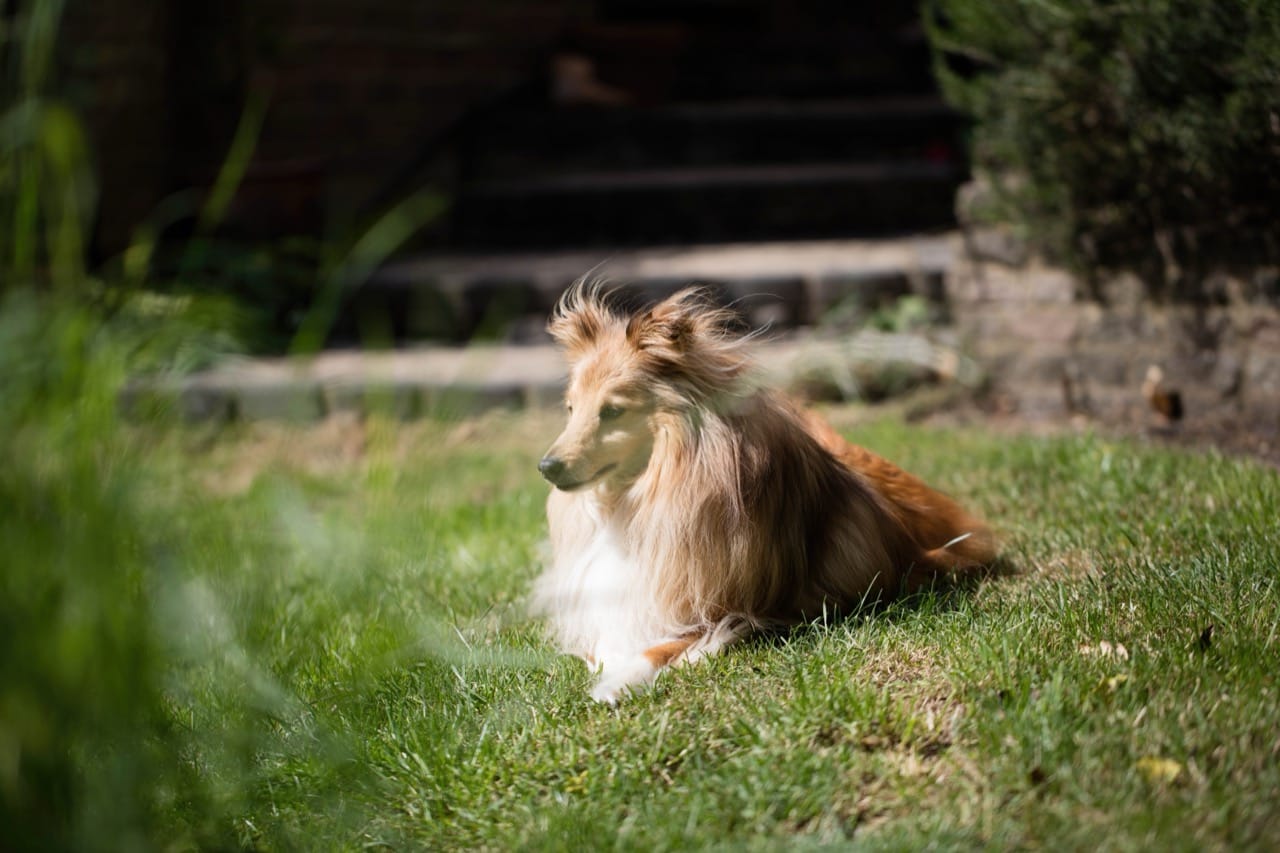
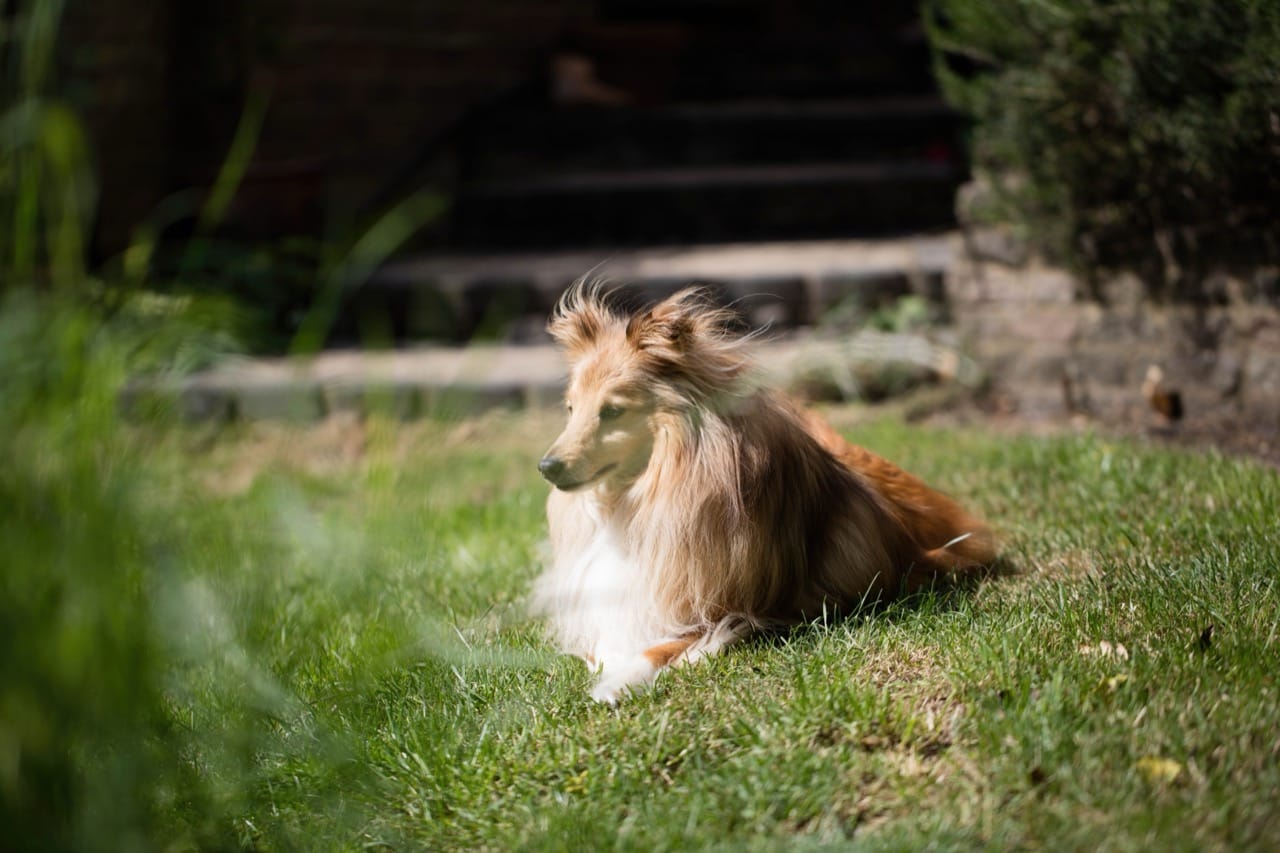
Coat care is another reality check. That beautiful double coat sheds, often heavily during seasonal coat blows. Weekly brushing is a practical minimum for many dogs, with more frequent sessions during shedding periods. Focus on the undercoat, friction areas behind the ears, the ruff, and the feathering on legs and tail, where mats can form. Regular nail trims, ear checks, and dental care round out the routine. Bathing can help loosen dead coat, but thorough drying is important so moisture does not linger near the skin.
Health wise, responsible breeders screen for issues seen in the breed, including certain eye conditions and other inherited problems. In daily life, the best support is keeping your Sheltie lean, active, and regularly examined by a veterinarian. With the right mix of training, grooming, and thoughtful routines, a Sheltie is often an entertaining, loyal companion who seems to understand far more than you expected from a dog of that size.