The Lab’s Journey From Newfoundland
Quiz Complete!
Labrador Retriever Working Design: How the Job Shaped the Dog
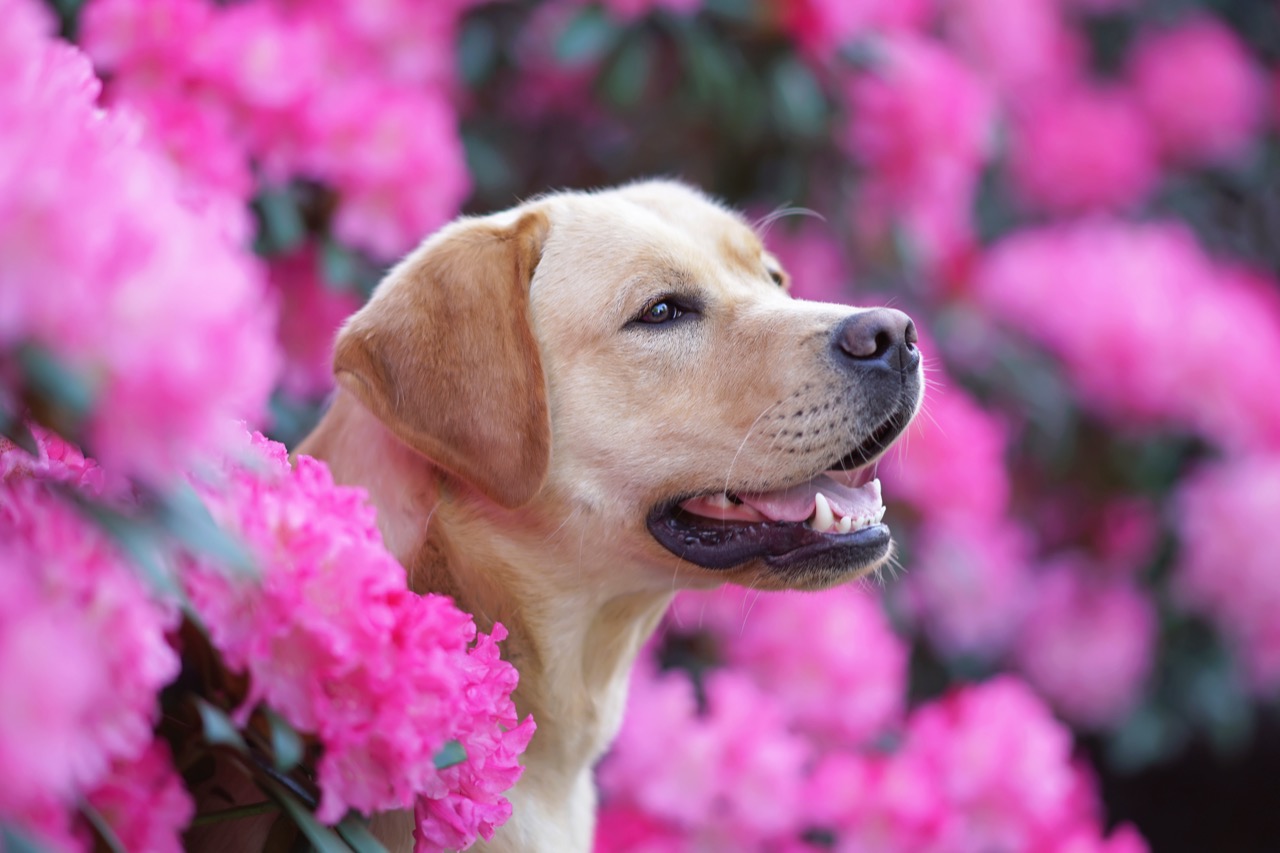
The Labrador Retriever did not begin as a suburban pet or a show ring star. Its story starts on the cold, rough coasts of Newfoundland, where St. John’s water dogs helped fishermen with practical, daily tasks. In that environment, a dog that could swim strongly, tolerate icy water, and cooperate closely with people was not a luxury, it was a tool of survival. Many of the Labrador’s most recognizable traits make the most sense when you picture a dog scrambling over wet rocks, diving into frigid surf, and returning with a line or a fish without damaging it.
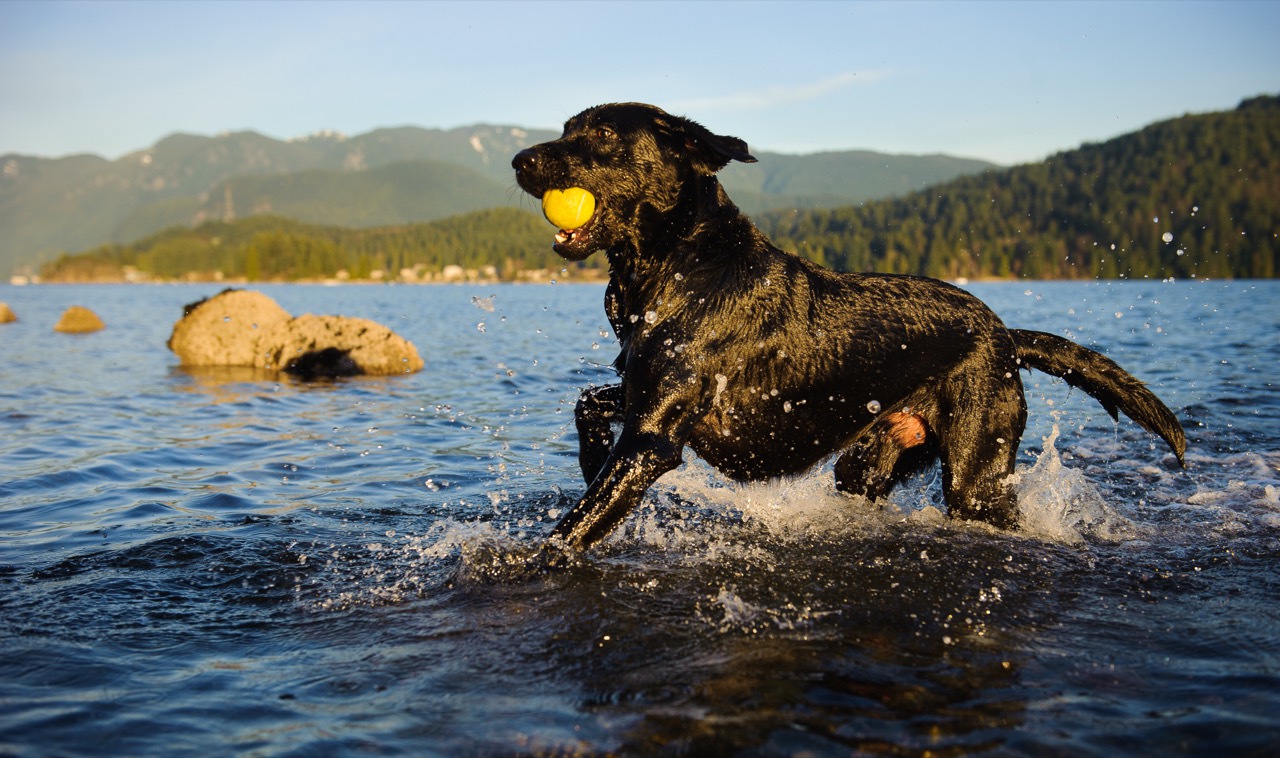
One of the clearest examples is the Labrador’s double coat. The outer layer is short and dense, designed to shed water and resist wind, while the undercoat provides insulation. This combination helps a working Labrador stay warm after repeated swims and dry quickly enough to keep going. The coat is also relatively low maintenance compared with longer coats that can ice up, collect burrs, or tangle in gear. When people describe a Labrador as having a weatherproof coat, they are describing a design solution to a real problem.
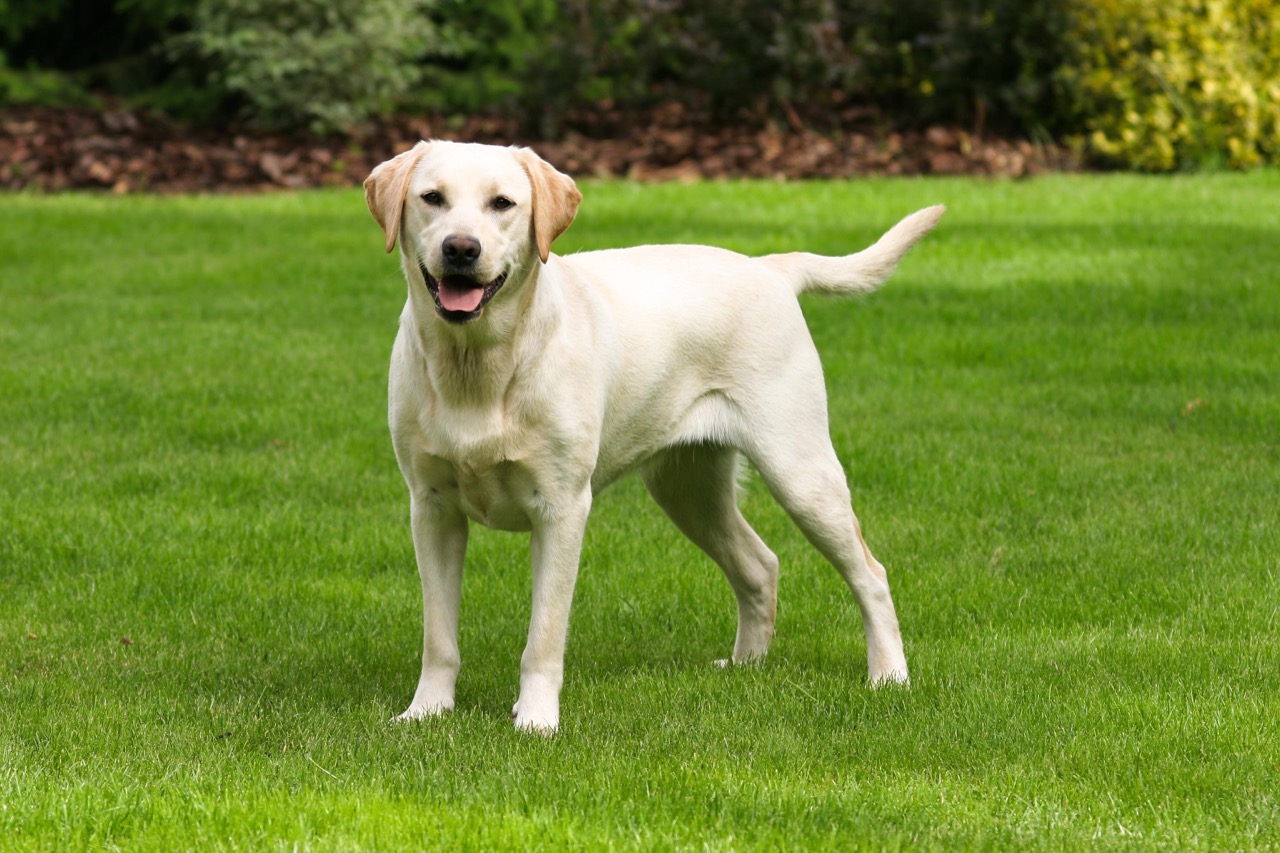
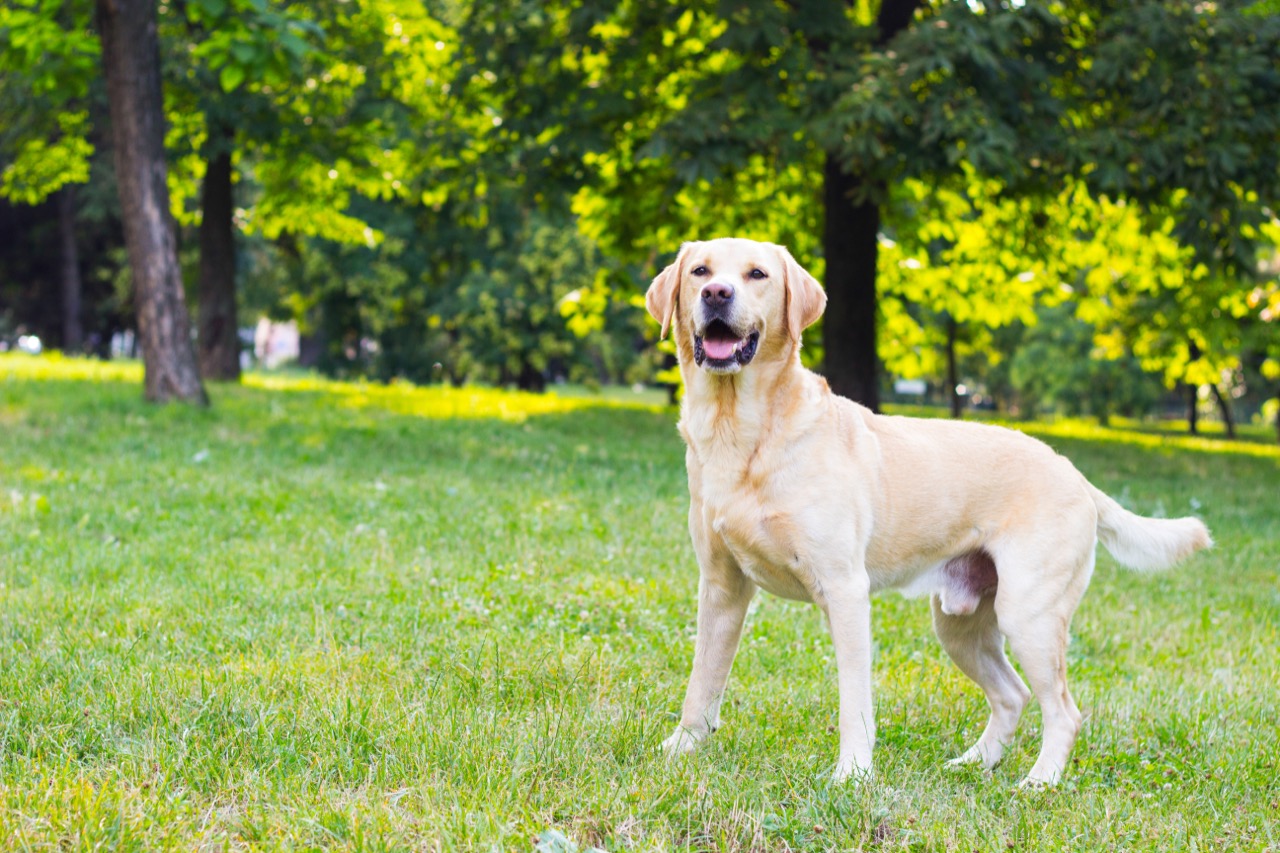
Swimming ability is another hallmark that is more than just enthusiasm for water. Labradors tend to have strong, muscular bodies and well developed shoulders and hindquarters that provide power in the water. Their feet are often described as compact, with well arched toes that can help with efficient movement on slippery ground. The famous otter tail is not just a cute feature. Thick at the base and tapering toward the end, it works like a rudder, helping the dog steer while swimming and stabilize its body in choppy conditions. Watch a Labrador in the water and you can often see the tail working actively, adjusting direction with small movements.
Retrieving is at the heart of the breed name, and the Labrador’s mouth was shaped by that purpose. A soft mouth means the dog can carry game birds or other items without crushing them. This trait is partly instinct and partly the result of generations of selection for dogs that could pick up and deliver gently. It is also supported by temperament. A dog that is frantic, possessive, or easily startled is harder to trust around nets, hooks, and later firearms. Labradors became known for being biddable, meaning they are inclined to cooperate and respond to human guidance. That quality is not accidental. In working settings, reliability and steadiness are as valuable as speed.
When Labradors moved from maritime work into sporting and gundog roles, their existing skills transferred neatly. A dog that could swim in freezing water to retrieve fishing gear could also retrieve downed birds from marshes and rivers. Hunters valued dogs that could mark where a bird fell, wait calmly, then retrieve on command. The Labrador’s balance of drive and self control helped it excel. Its sturdy build also mattered. A working retriever needed enough strength to push through reeds, mud, and currents, but also enough agility to turn quickly and navigate uneven ground.
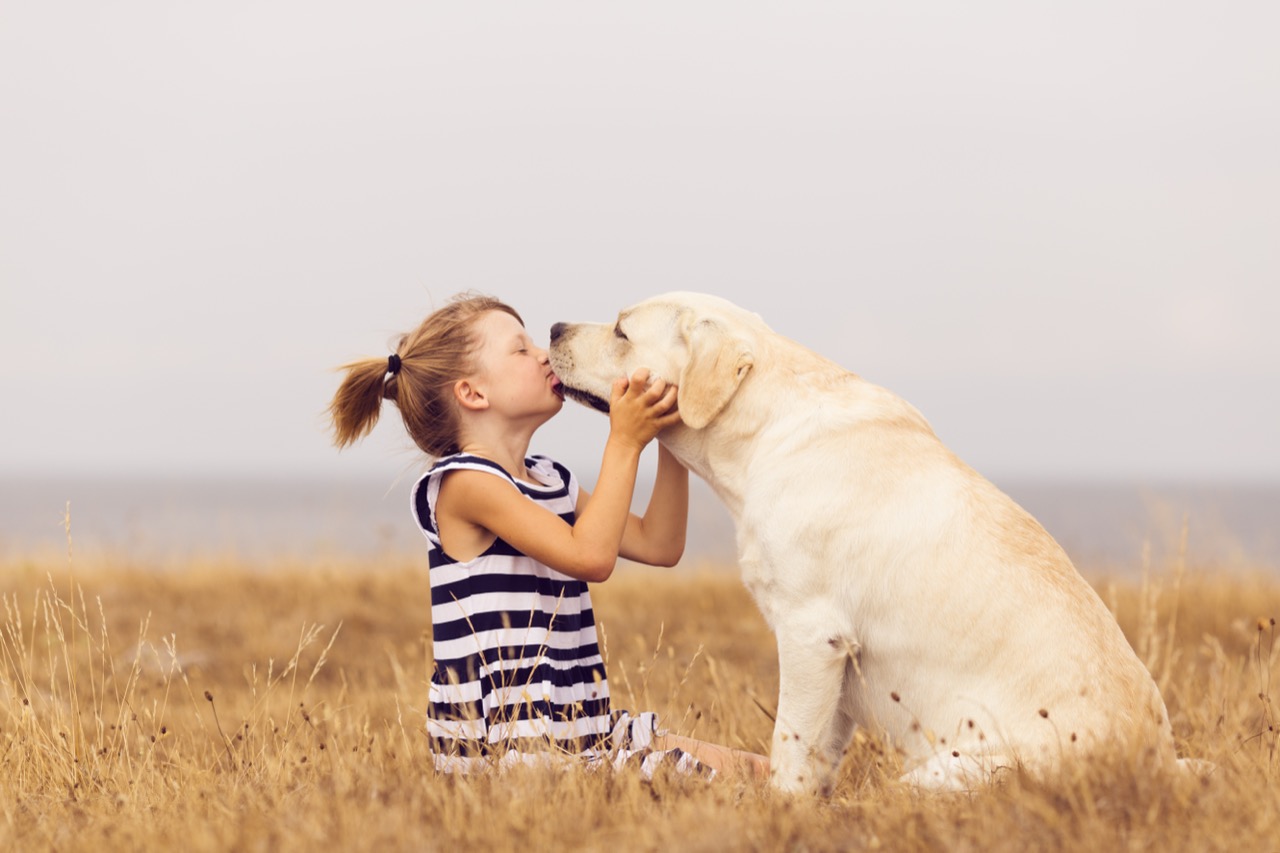
Modern Labradors still carry these design fingerprints, even when their daily job is fetching a tennis ball. Their love of carrying objects, their comfort in water, and their people focused attitude are echoes of the tasks that once paid their way. Understanding that history can make everyday life with a Labrador easier. A dog built to retrieve will often be happiest when given safe things to carry, games that use its nose and memory, and training that rewards cooperation. The Labrador Retriever is a reminder that form follows function, and that a beloved family dog can also be a living piece of working design history.