Lab Life: Snacks, Socks and Shedding









Quiz Complete!
Living With a Labrador Retriever: The Home Habits That Make or Break the Day
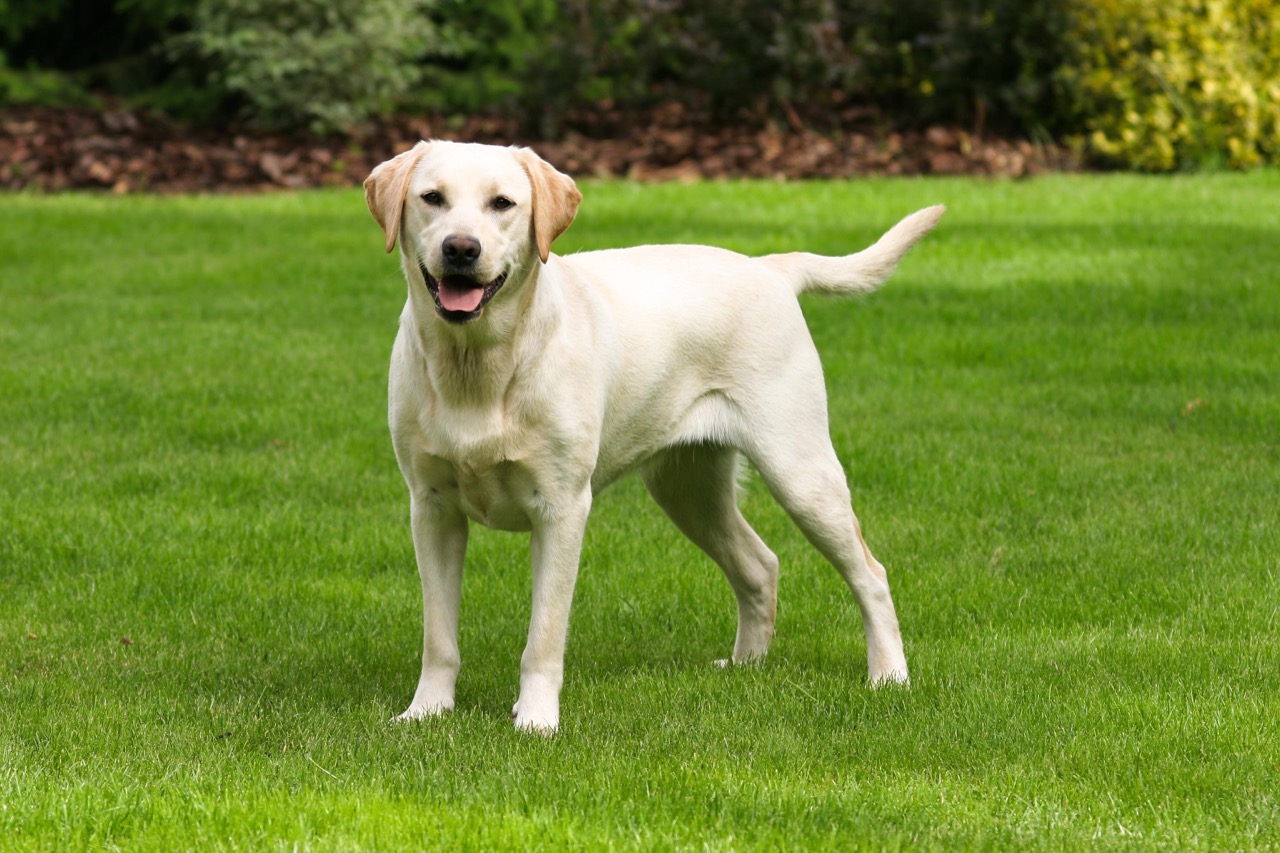
A Labrador Retriever often looks like the easiest dog in the world: friendly face, wagging tail, happy to meet anyone. That sunny vibe is real, but a smooth life with a Lab is usually the result of smart routines. Labs were built to work alongside people, and in a home that means they notice patterns, test boundaries, and thrive when their brains and bodies have a job to do.
One of the most useful truths about Labradors is that many are intensely food motivated. This can be a training superpower because treats and meals can reinforce good choices quickly. It can also be a daily management issue. Labs are famous for acting hungry even after eating, and some will counter surf, raid trash cans, or vacuum up anything on the ground. Measuring meals, using part of the daily kibble as training rewards, and storing food securely prevents a lot of conflict. It also protects their health, since Labs are prone to weight gain and extra pounds can stress hips, elbows, and overall stamina.
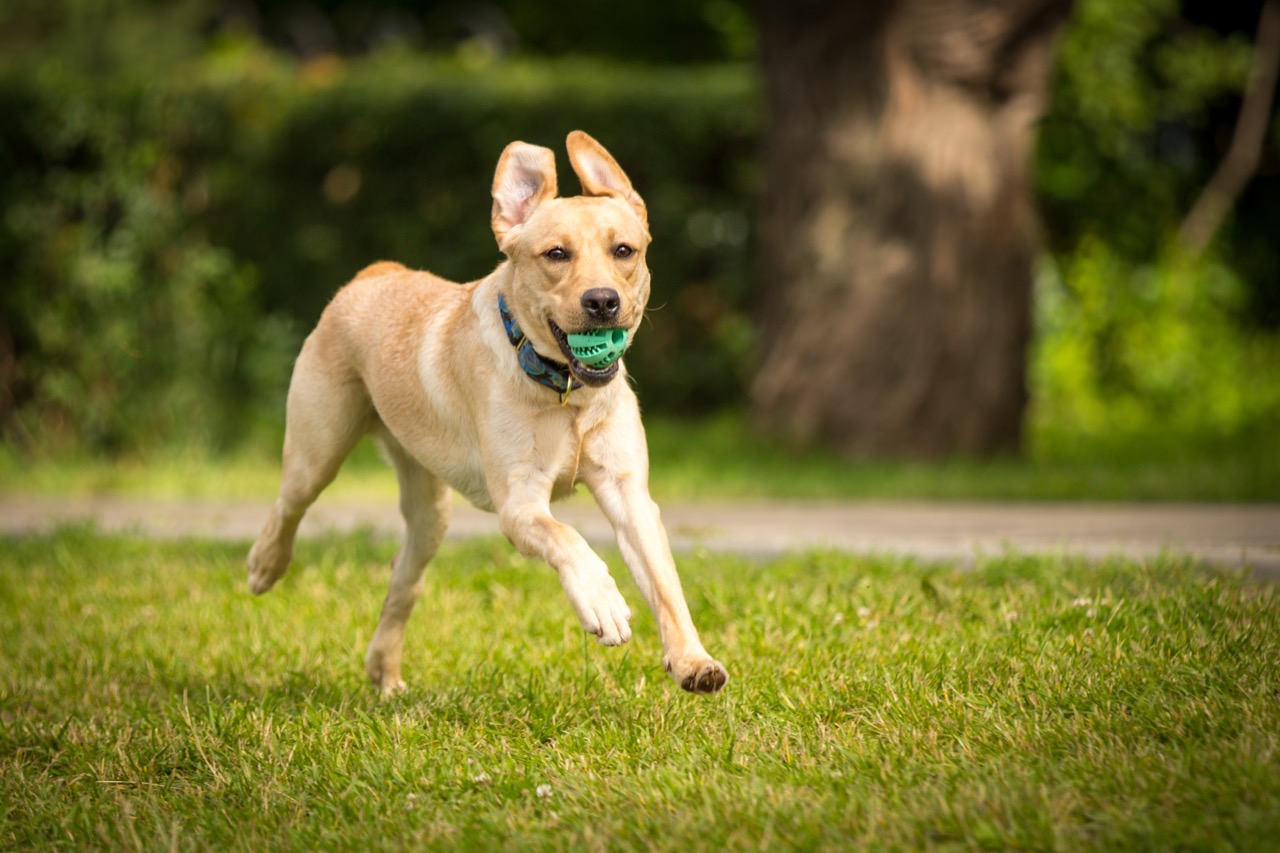
Labs are natural retrievers, which sounds charming until you realize retrieving is not just a game, it is a need for many of them. Carrying something in their mouth can be calming and satisfying. If you do not provide appropriate options, they may invent their own, like shoes, socks, kids toys, or remote controls. Teaching a reliable drop it and trading for a treat can save your belongings and reduce resource guarding issues. Giving them a basket of approved carry items, like durable toys or safe chews, channels that urge in a way that fits home life.
Exercise for a Labrador is not only about burning energy. They are smart, social, and easily bored, and boredom is where many so called behavior problems begin. Chewing furniture, digging, barking, or pestering the family can be a dog asking for stimulation. A long walk helps, but variety helps more. Sniffing games, short training sessions, food puzzles, hide and seek with toys, and structured fetch can do more than another lap around the block. Many Labs also love water, and swimming can be a great low impact workout if it is safe and supervised.
Training tends to go well when it is upbeat, consistent, and practical. Labs often learn fast, but they can be enthusiastic and a bit impulsive, especially when young. Jumping up, pulling on leash, or grabbing at hands is usually excitement rather than stubbornness. Rewarding calm greetings, teaching sit for attention, and practicing loose leash walking in short bursts can reshape daily habits. Because Labs are people oriented, they usually respond better to positive reinforcement than harsh corrections, which can create confusion or shutdown.
Then there is the coat reality. Labradors have a dense double coat designed to insulate them in cold water, and it sheds. Some days it sheds a little, and other days it seems to shed an entire second dog. Regular brushing reduces loose hair and helps distribute oils, but it will not eliminate shedding. Expect seasonal blowouts and plan for lint rollers, a good vacuum, and furniture throws if you care about keeping things tidy. Their coat is also water resistant, which is handy outdoors but can mean that wet dog smell lingers after a swim or rain walk. Thorough towel drying and occasional baths with a gentle dog shampoo can help, without overbathing and drying out the skin.
A Labrador that fits well into a household is rarely an accident. It is the product of small decisions repeated daily: managing food, providing legal things to carry and chew, mixing physical exercise with brain work, and accepting that shedding is part of the deal. Do that, and the easygoing Lab personality people love has room to shine, not just in photos, but in real life on a random Tuesday afternoon.