Living With Your Bernese Shadow

Quiz Complete!
Living With a Bernese Mountain Dog: Home Skills, Habits, and Realities
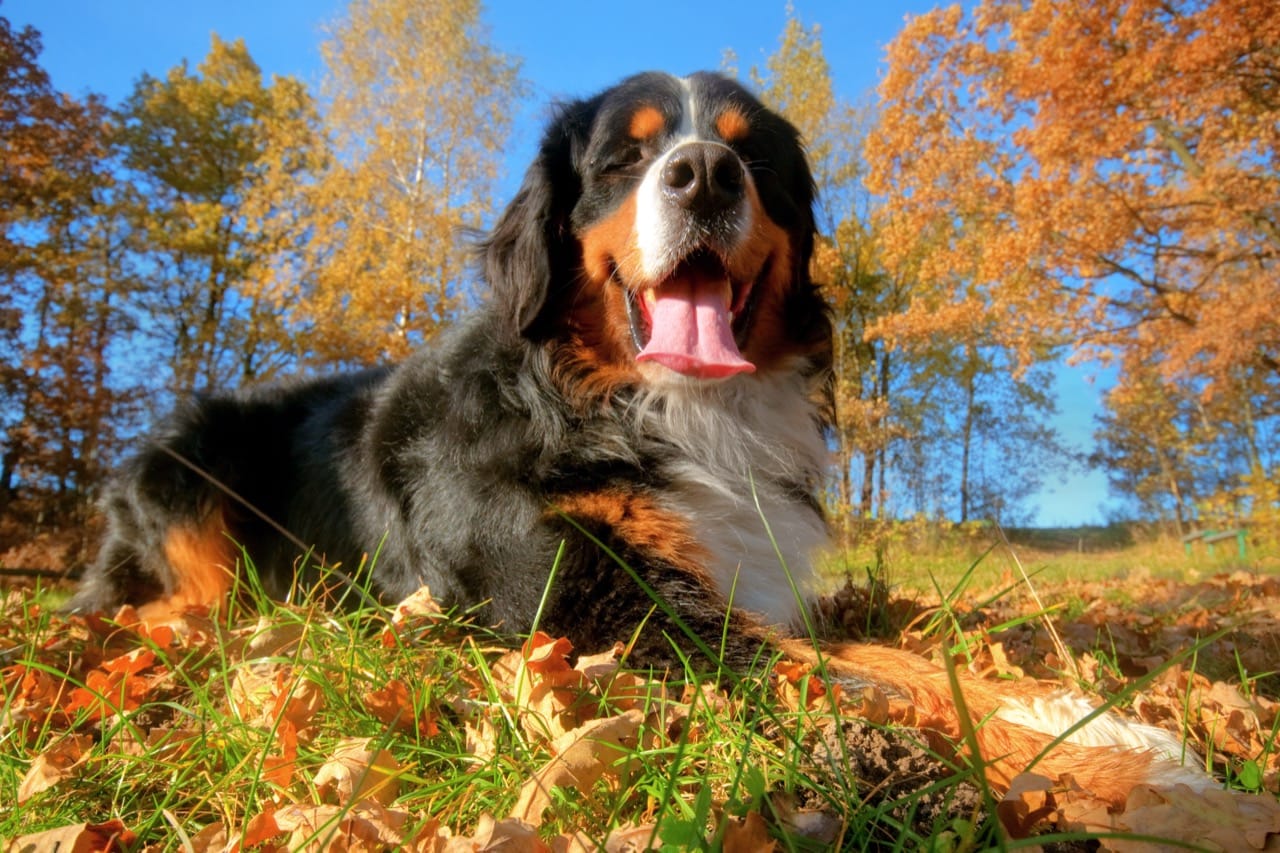
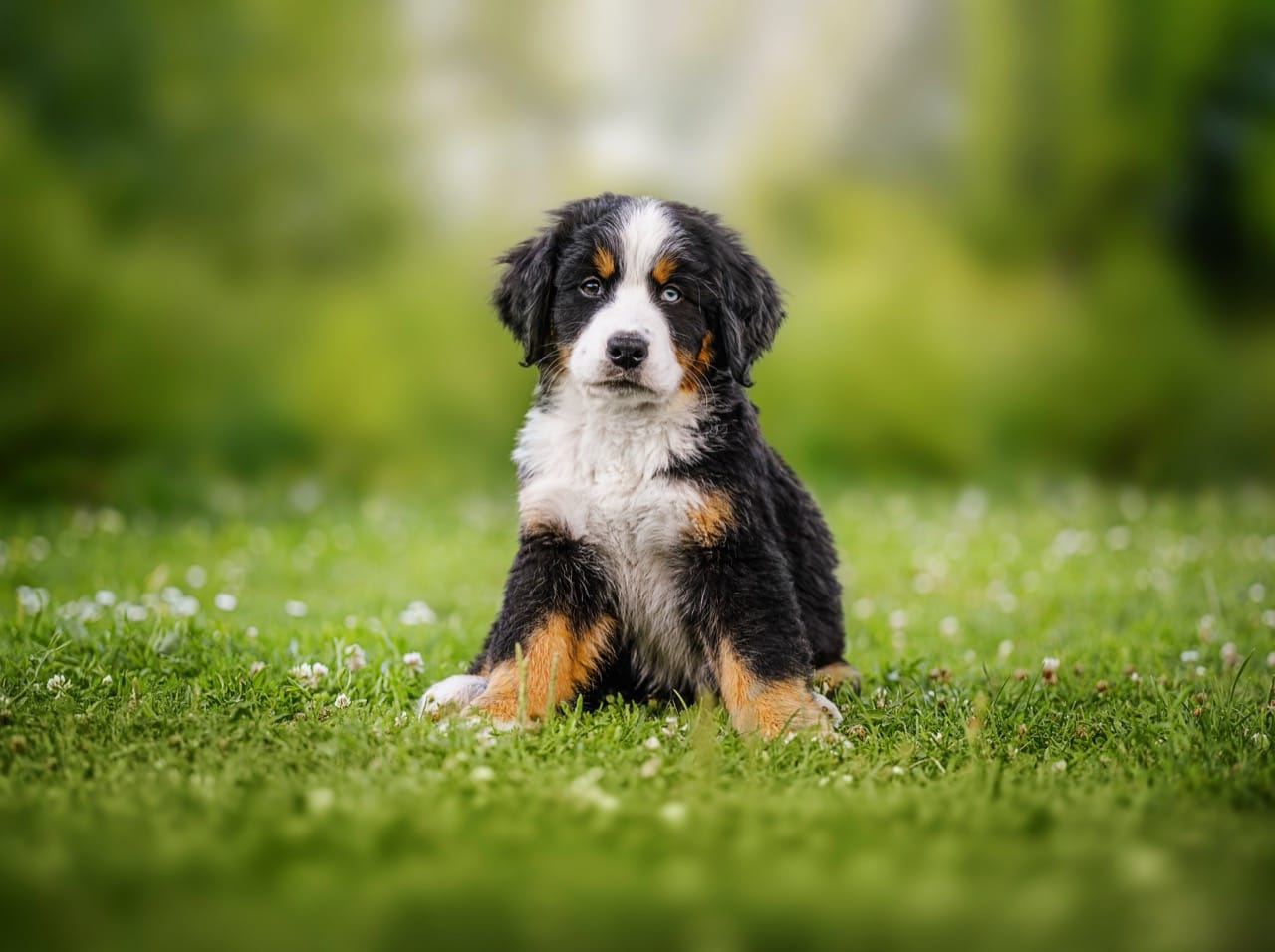
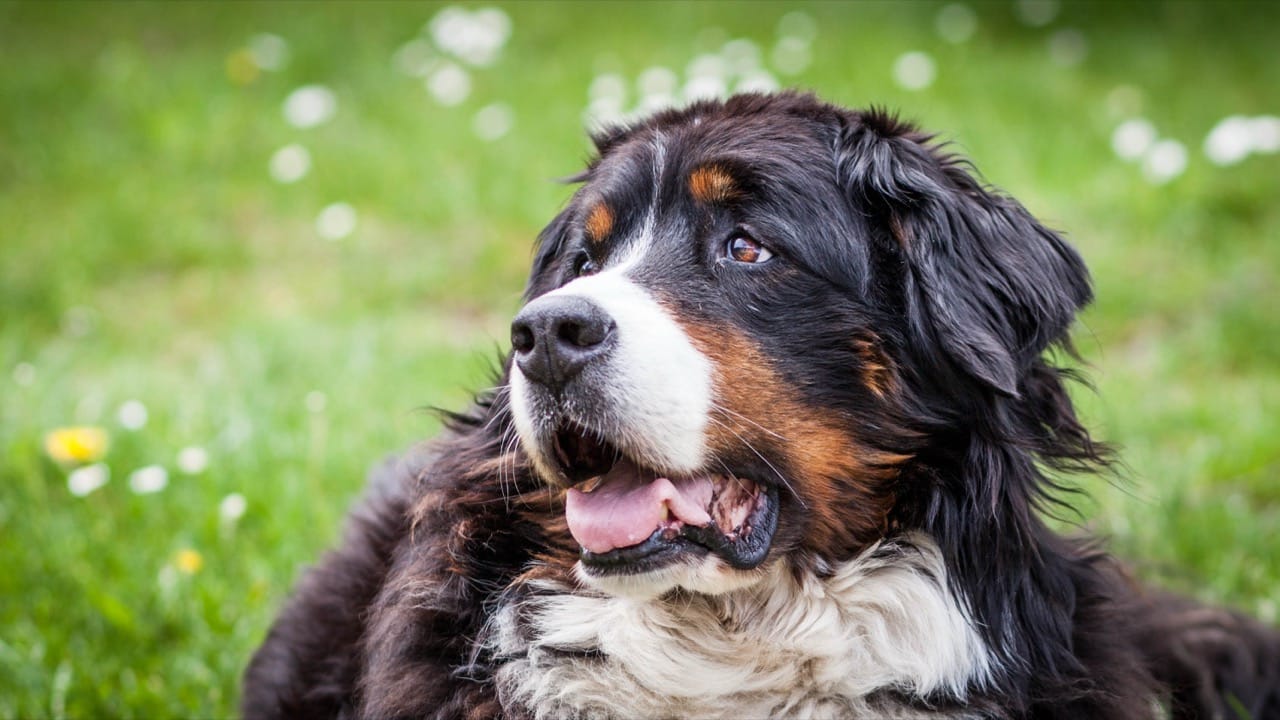
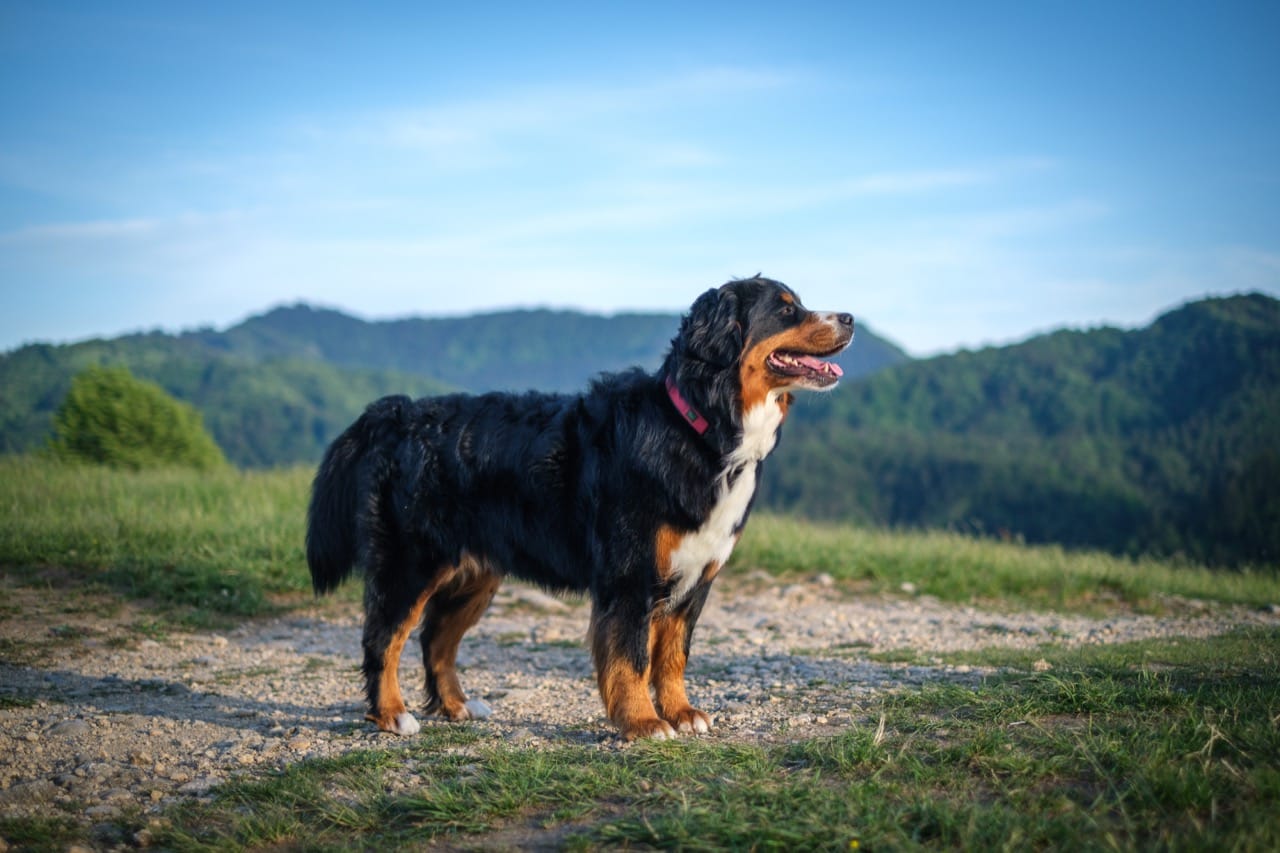
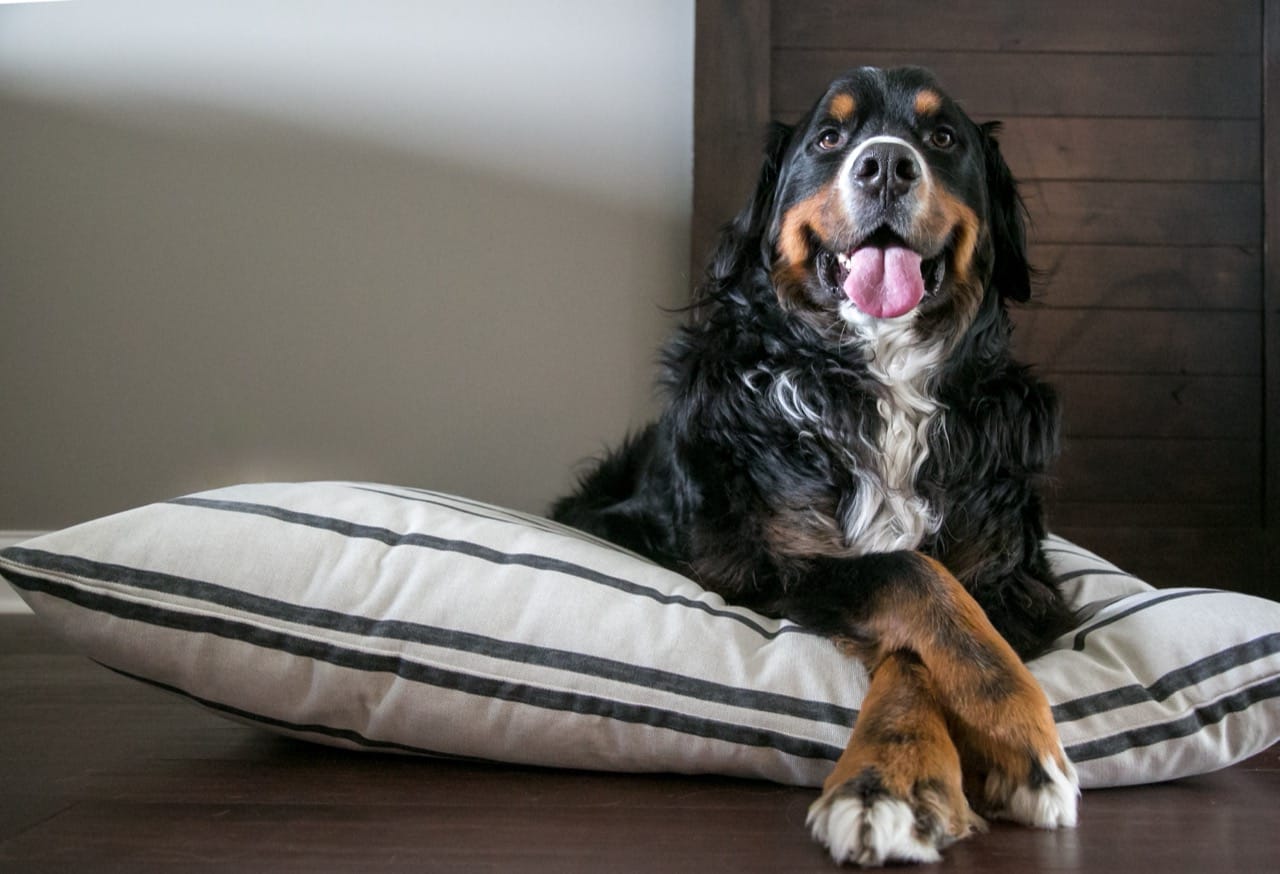
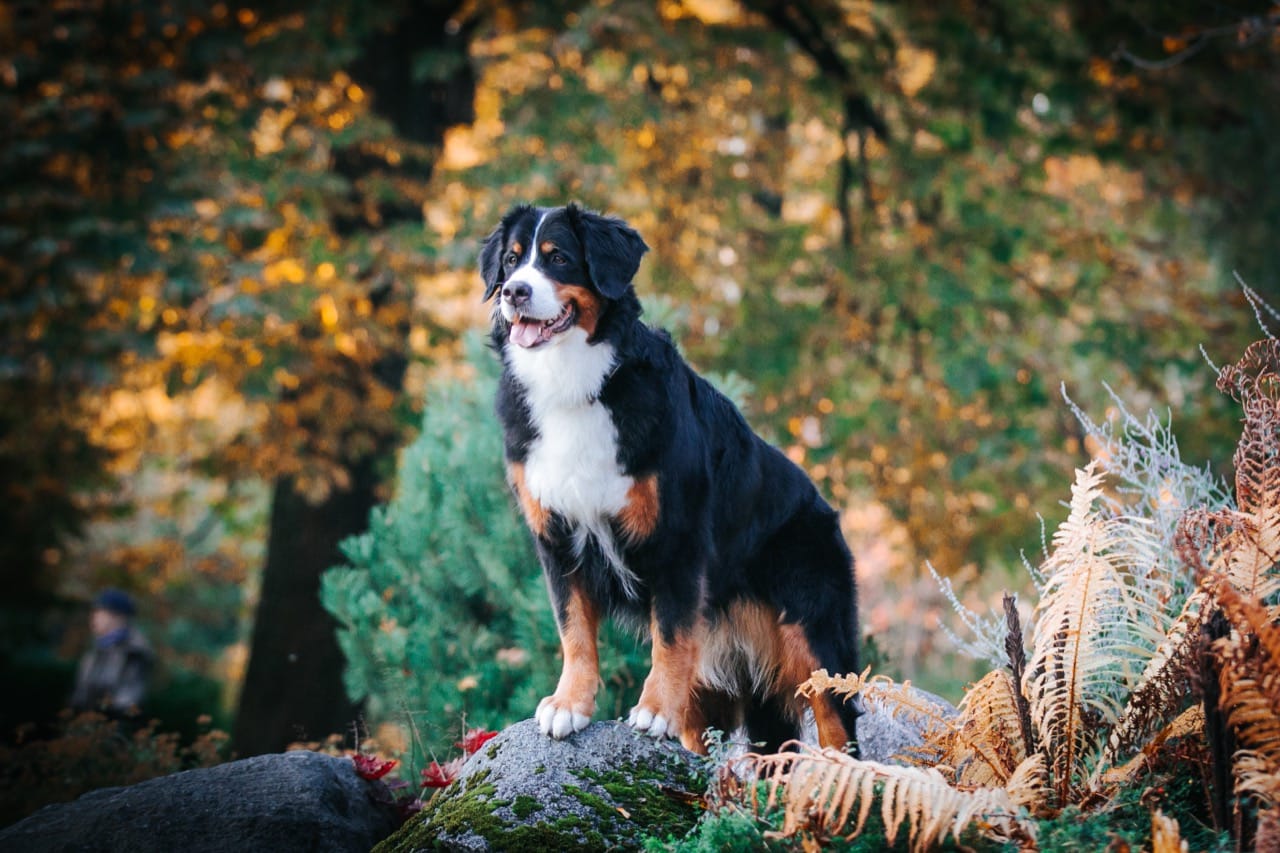
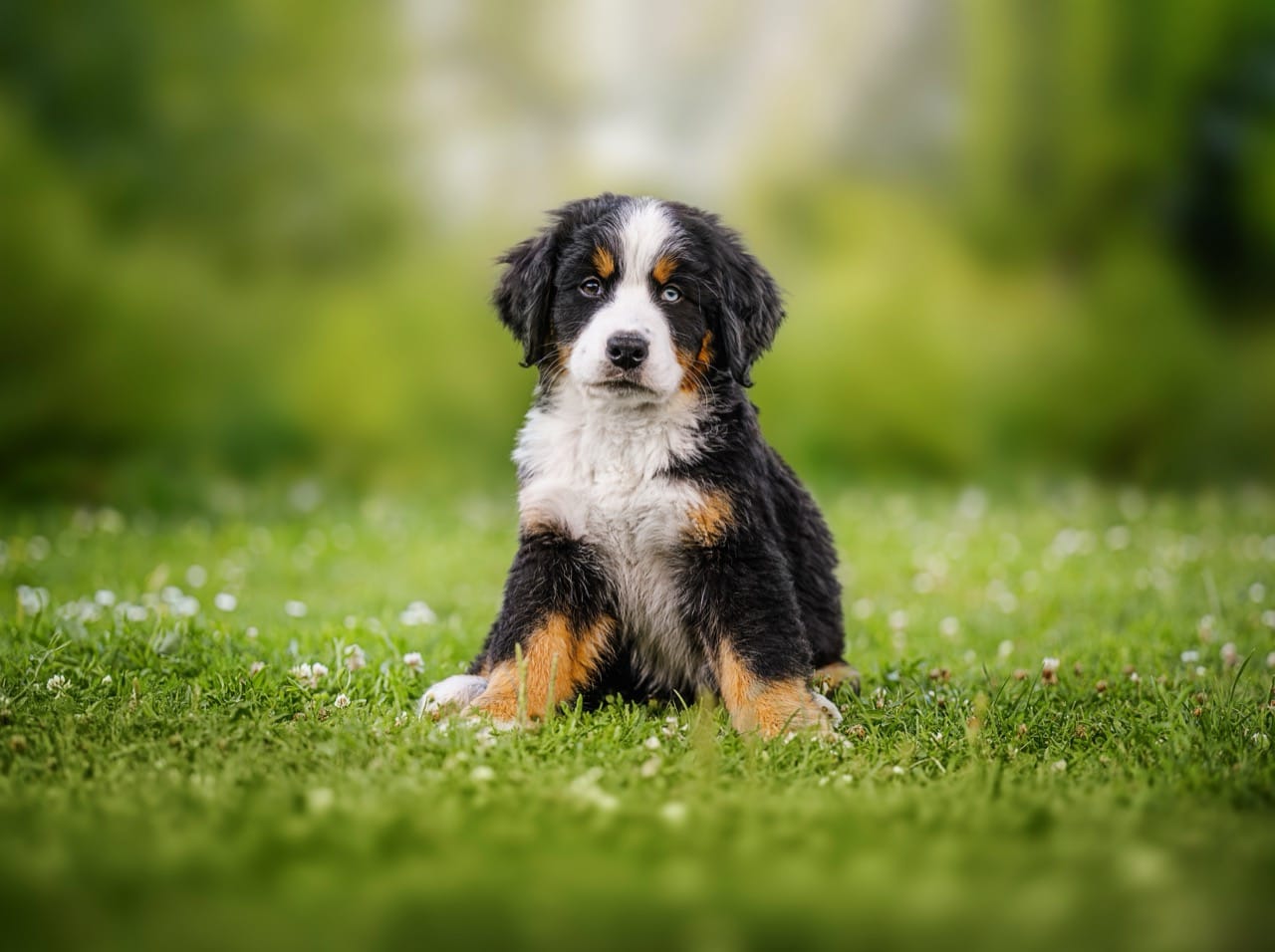
The Bernese Mountain Dog looks like it was designed to be a best friend: big brown eyes, a tri colored coat, and a calm expression that often matches their temperament at home. Bred in Switzerland as farm dogs, Berners historically pulled carts, helped move dairy, and stayed close to their people. That background still shows up in modern living rooms. Many Berners are happiest when they can follow you from room to room, supervise daily routines, and settle nearby rather than being left to entertain themselves for long stretches.
In the home, their famous gentleness is real, but it is not the same as being automatically well mannered. A young Berner can be a large, clumsy puppy with a tail that clears coffee tables and a habit of leaning their full body weight into you as a greeting. Early training is less about strictness and more about teaching polite habits before the dog reaches full size. Calm, positive reinforcement tends to work best because many Berners are sensitive and people focused. Harsh corrections can make them shut down or become hesitant, while steady praise, treats, and clear routines usually bring out their cooperative side. Short sessions repeated daily, plus consistent rules about jumping, mouthing, and door manners, pay off quickly.
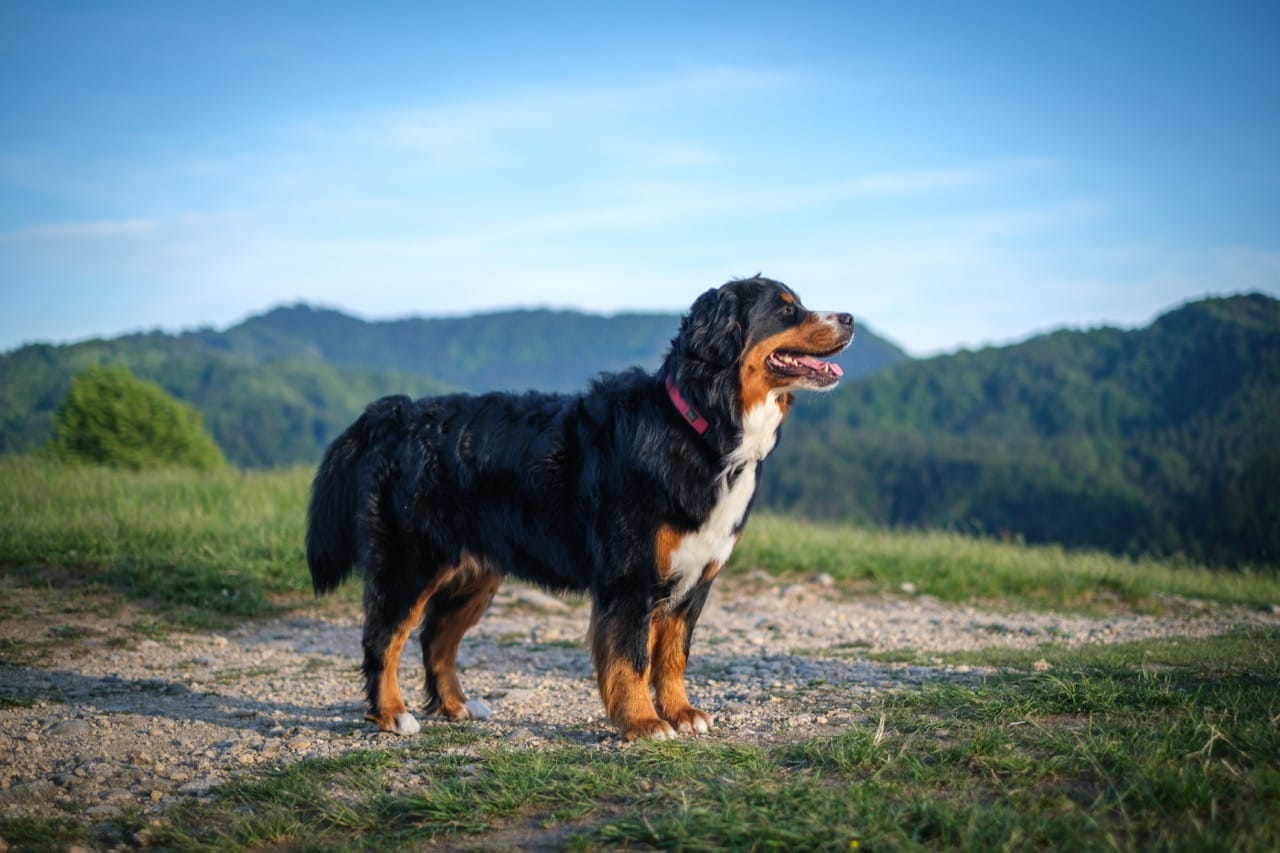
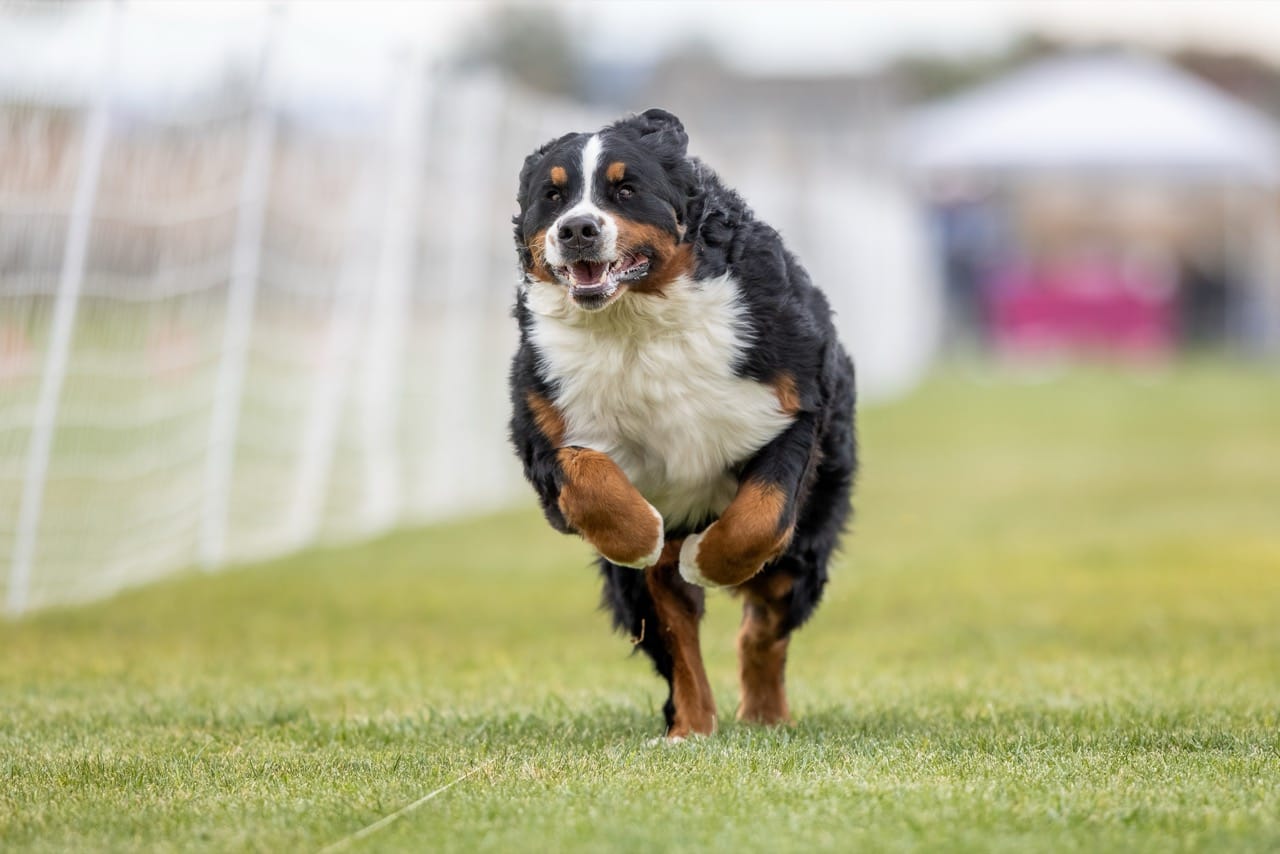
Exercise needs are often misunderstood. Berners are not typically high octane endurance athletes, but they are not couch ornaments either. Most enjoy a couple of moderate walks, backyard play, and opportunities to use their noses. Because they mature slowly, intense running and repetitive jumping are better avoided in puppyhood to protect growing joints. In adulthood, many thrive on steady activities like hiking at a comfortable pace, pulling a cart in appropriate conditions, or learning basic obedience and fun tricks. Mental exercise matters too. A bored Berner may invent jobs such as relocating shoes, collecting socks, or investigating the trash.
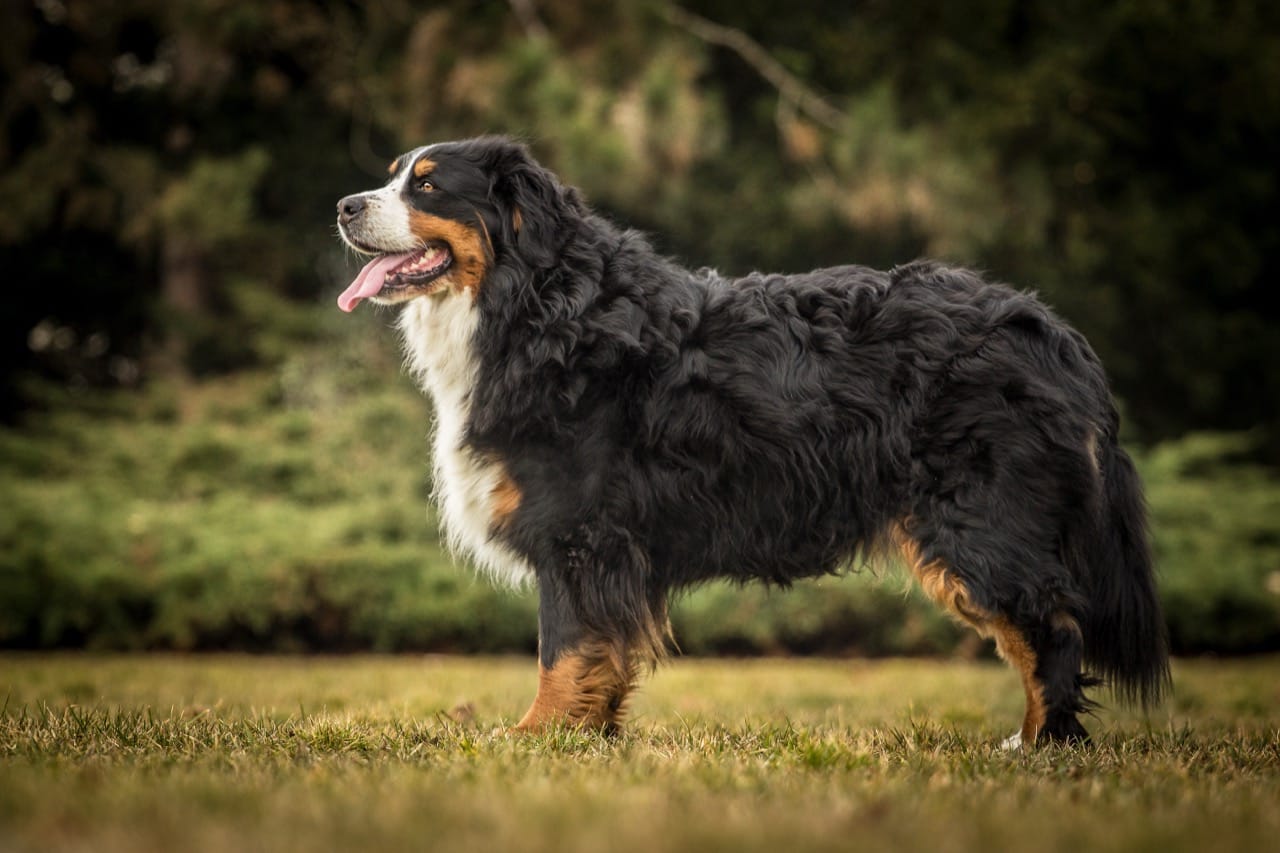
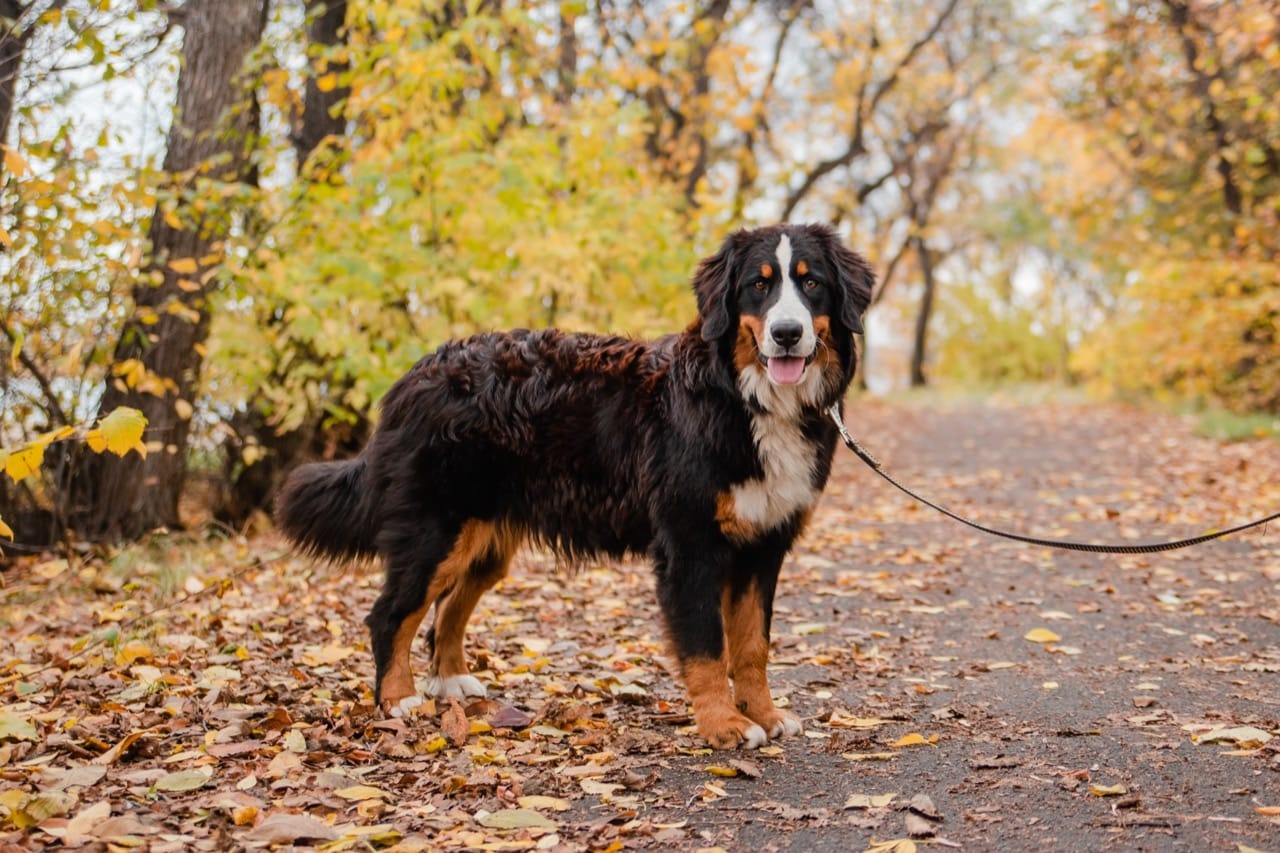
Grooming is one of the most practical realities of the breed. That thick double coat is built for cold mountain weather, not spotless floors. They shed year round and often blow coat seasonally, meaning the undercoat releases in large amounts. Regular brushing helps, but it does not eliminate fur. A good routine is several brush sessions per week, with extra time during heavy shedding. Pay attention behind the ears, under the collar, and on the feathering of the legs where tangles can form. Baths are occasional, but thorough drying is important because dense coats can hold moisture.
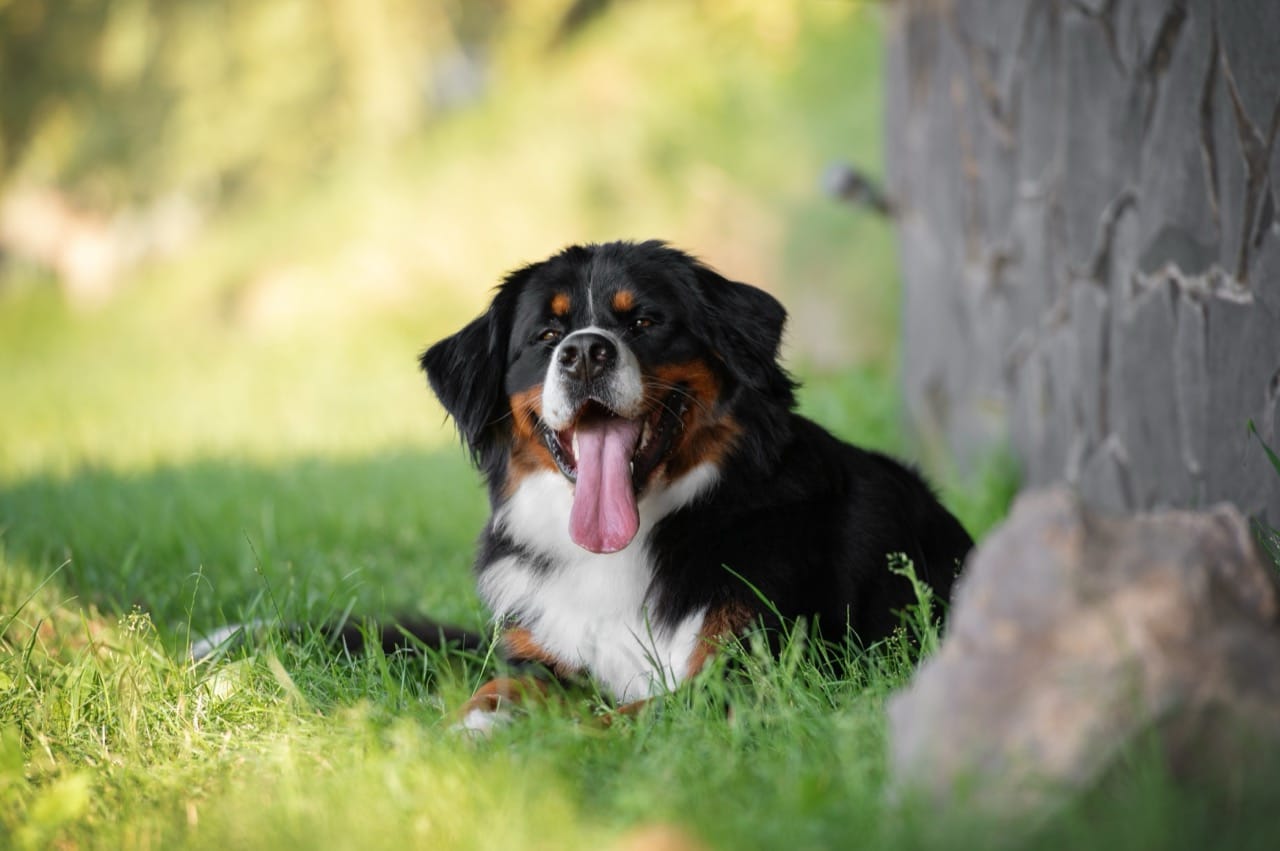
Heat sensitivity is another key home skill topic. A heavy coated mountain breed can overheat quickly in warm or humid weather. Owners often adjust schedules by walking early or late, providing shade and cool water, and keeping indoor spaces comfortably cool. Signs of overheating include heavy panting, drooling, and reluctance to move, and these should be taken seriously. Shaving the coat is usually not the solution because the coat also helps regulate temperature and protect skin; better management is smarter timing and environment.
Basic care routines include ear checks, nail trims, and dental care. Berners can have ears that trap moisture, so gentle cleaning and drying after swimming or baths helps prevent irritation. Their size means nails can become an issue if they do not wear down naturally, and long nails can change how the dog stands and moves. A people oriented Berner often learns to accept handling well if it is introduced with patience, treats, and calm repetition.
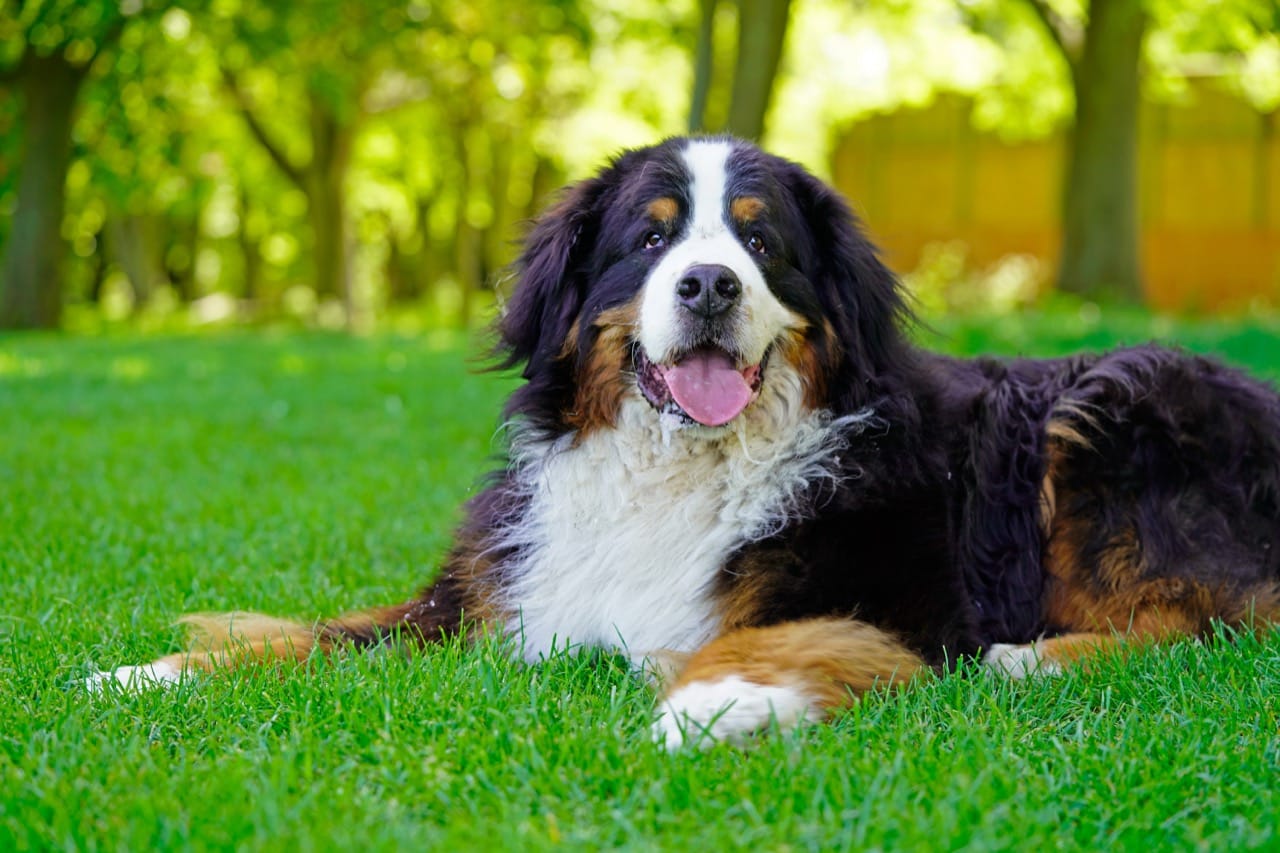
Living with a Berner is often described as sharing your home with a gentle shadow. They usually want to be included, not isolated, and they tend to do best with families who enjoy companionship, can manage the grooming, and understand that polite behavior is trained, not automatic. If you can handle the fur, the size, and the need for cool comfort, you may get one of the most affectionate and steady housemates in the dog world.