Berners at Work: Swiss Farm Roots
Quiz Complete!
Bernese Mountain Dog Work and Instincts: Built for Swiss Farm Life
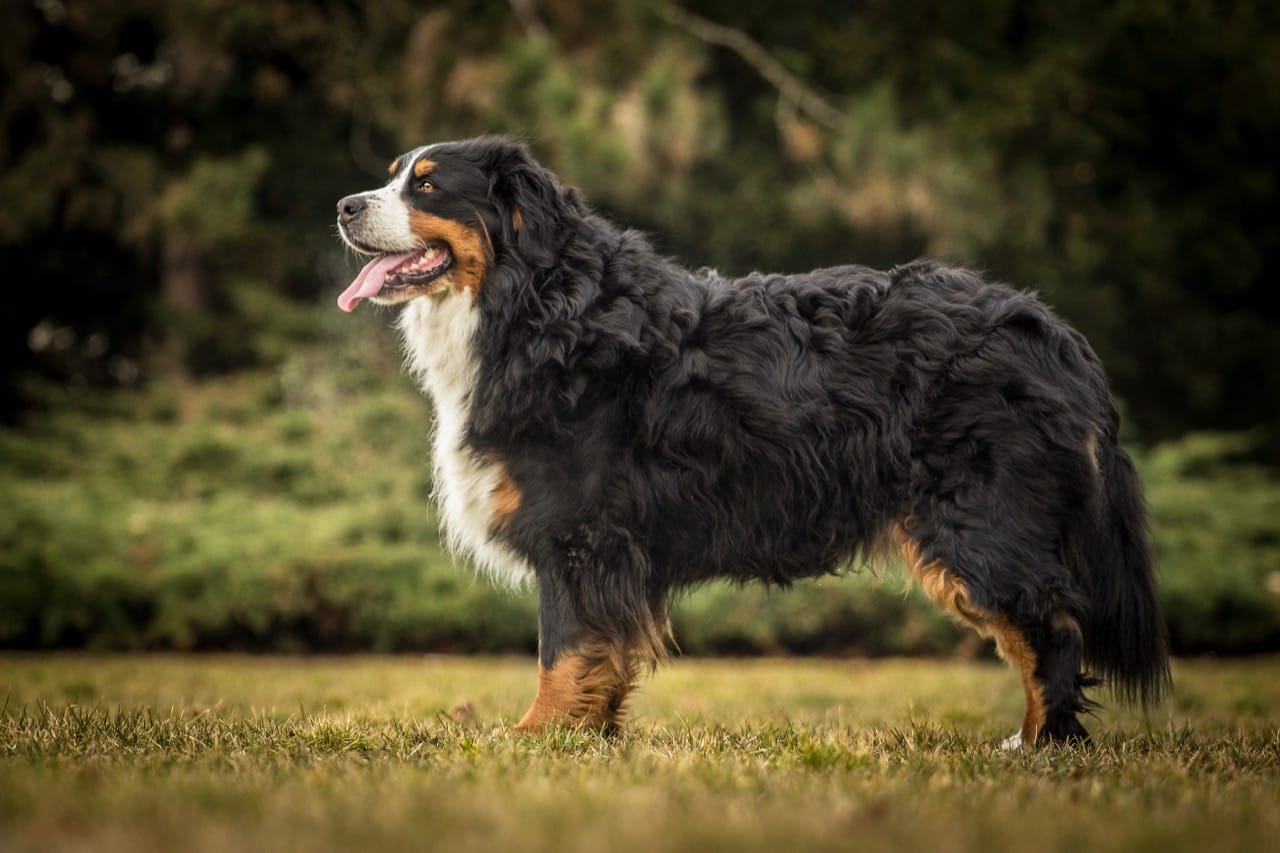
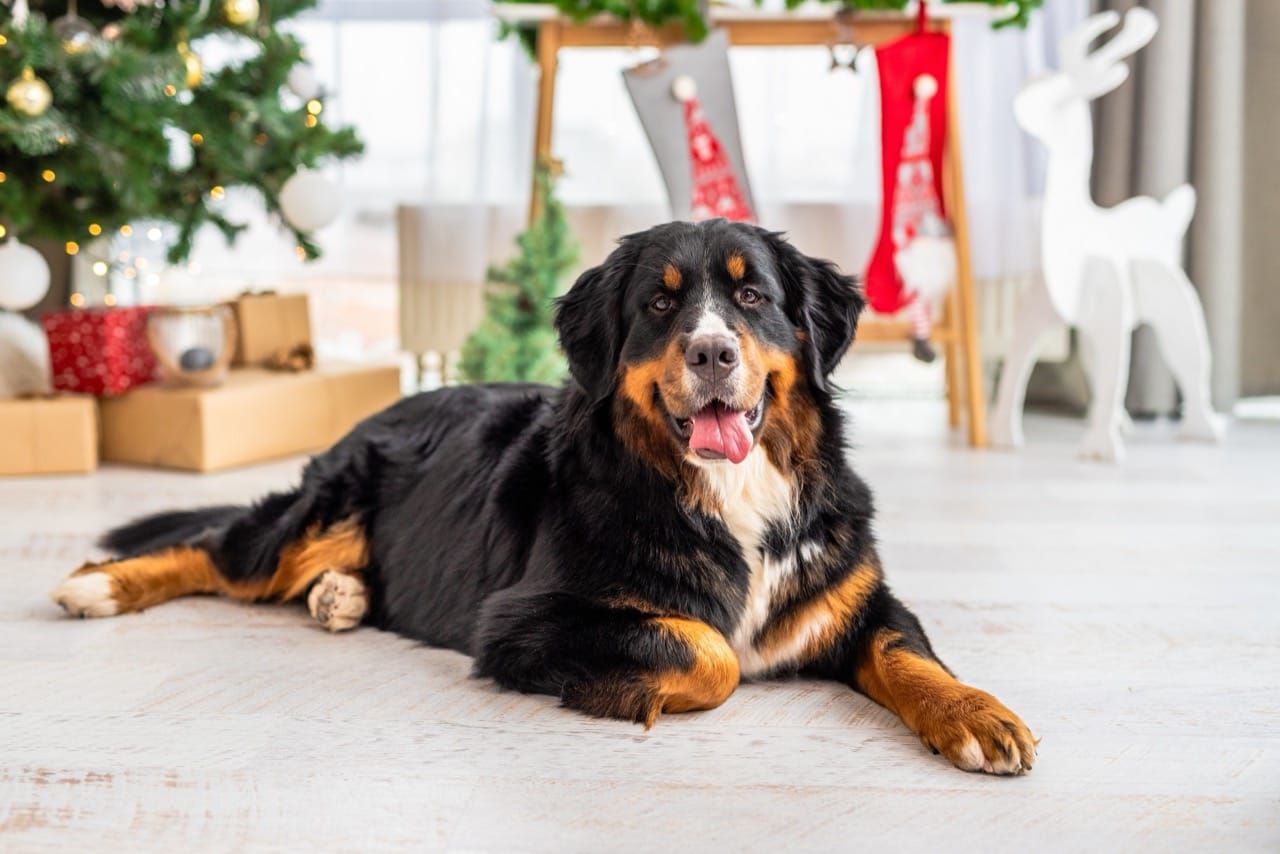
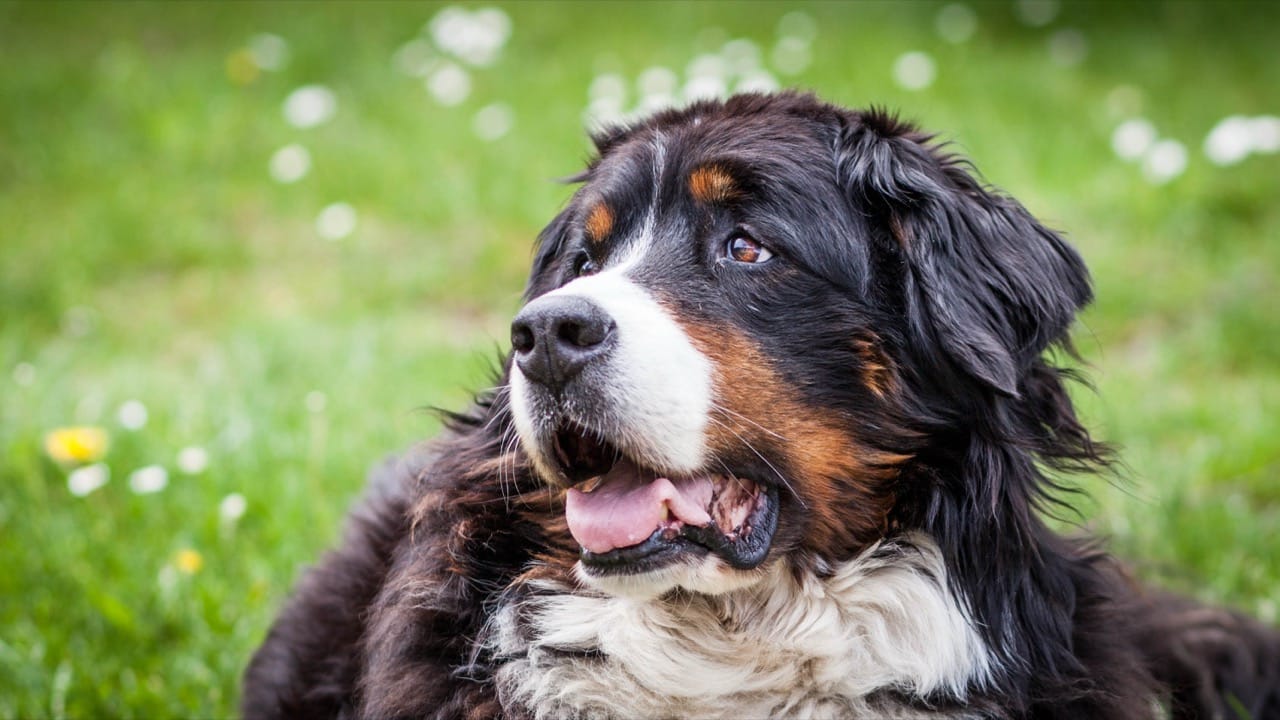
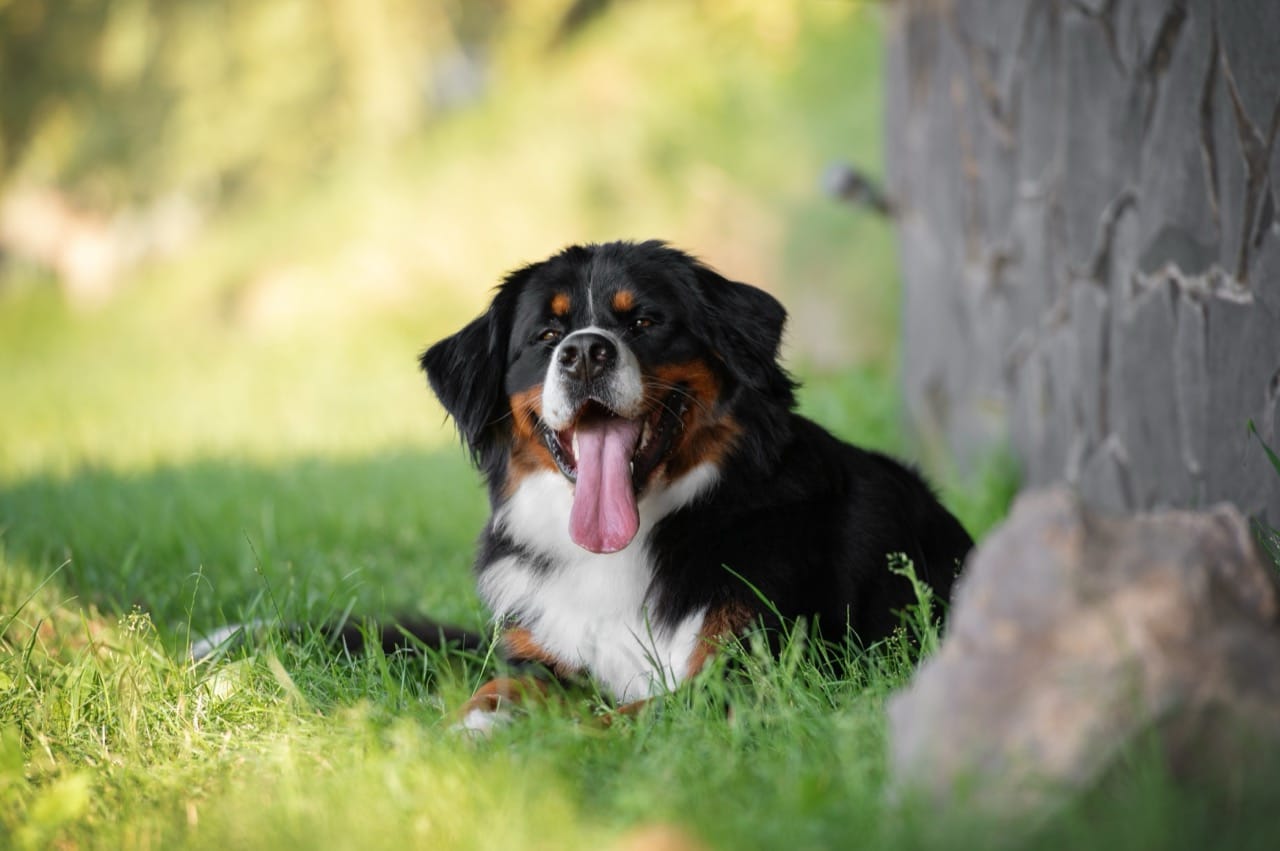
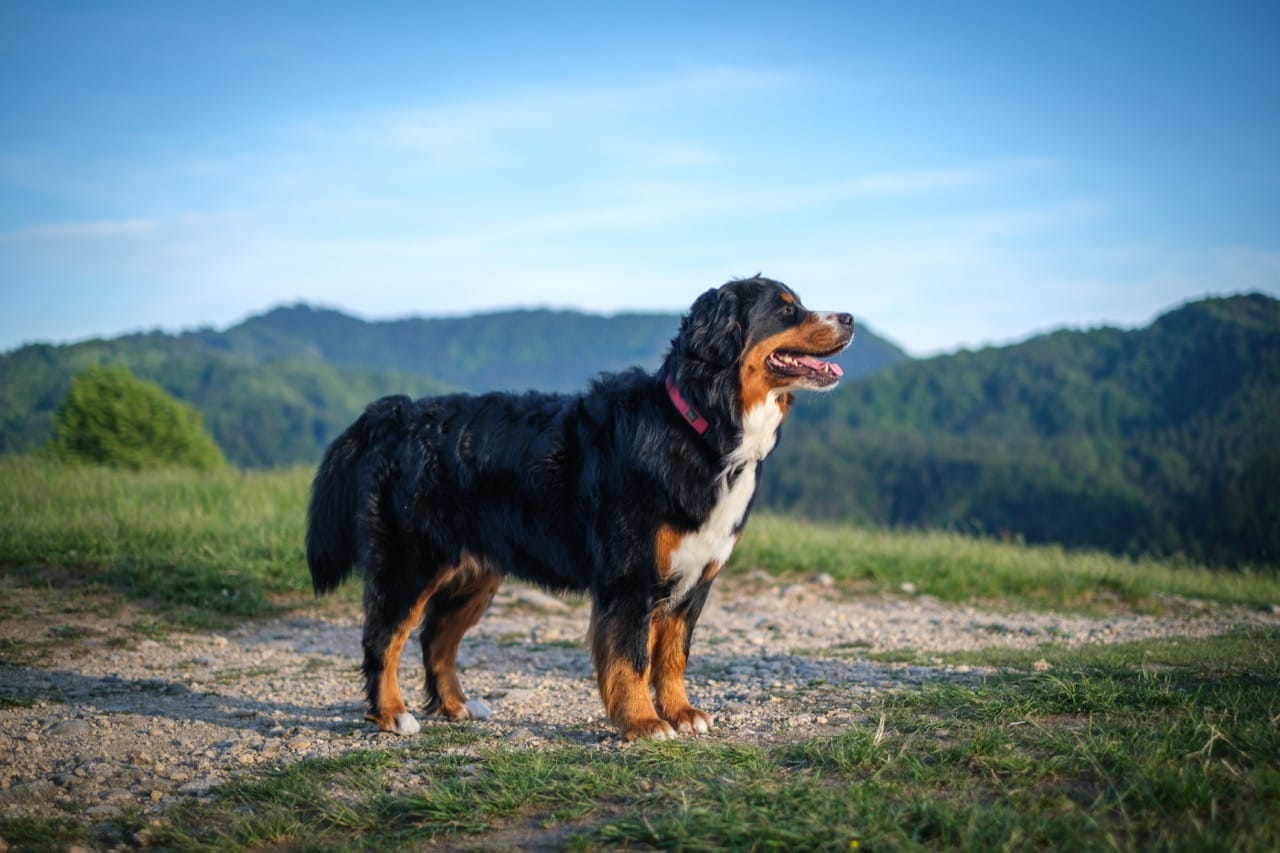
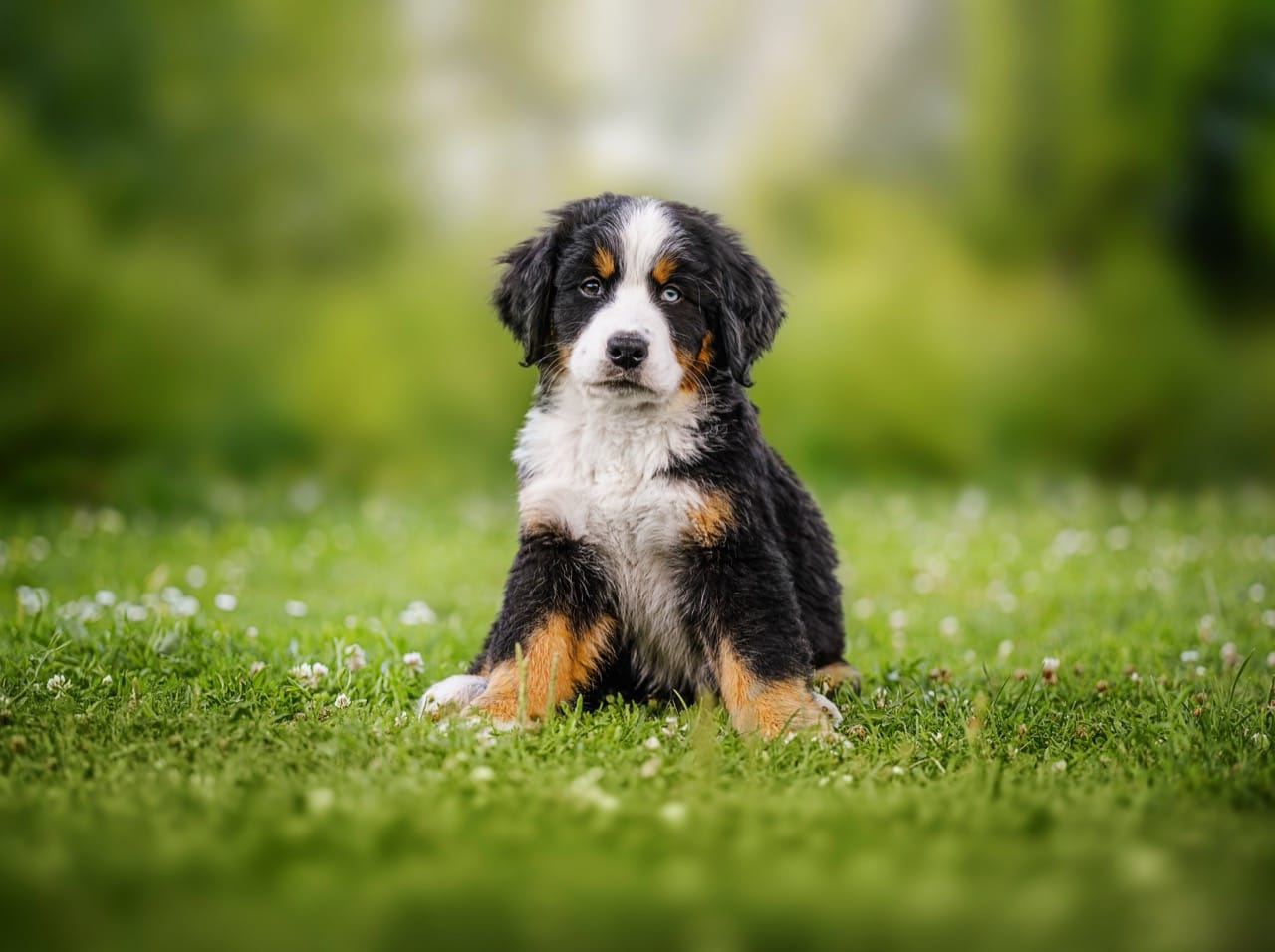
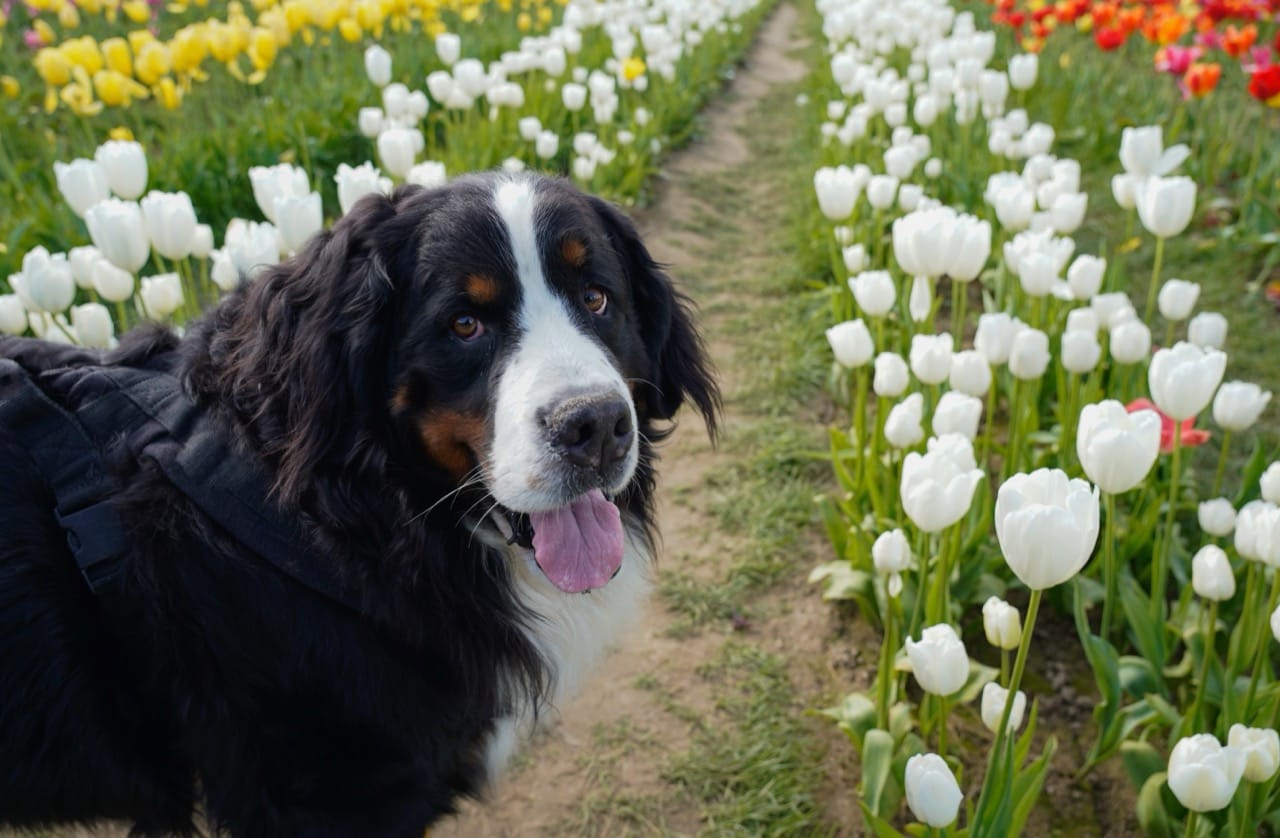
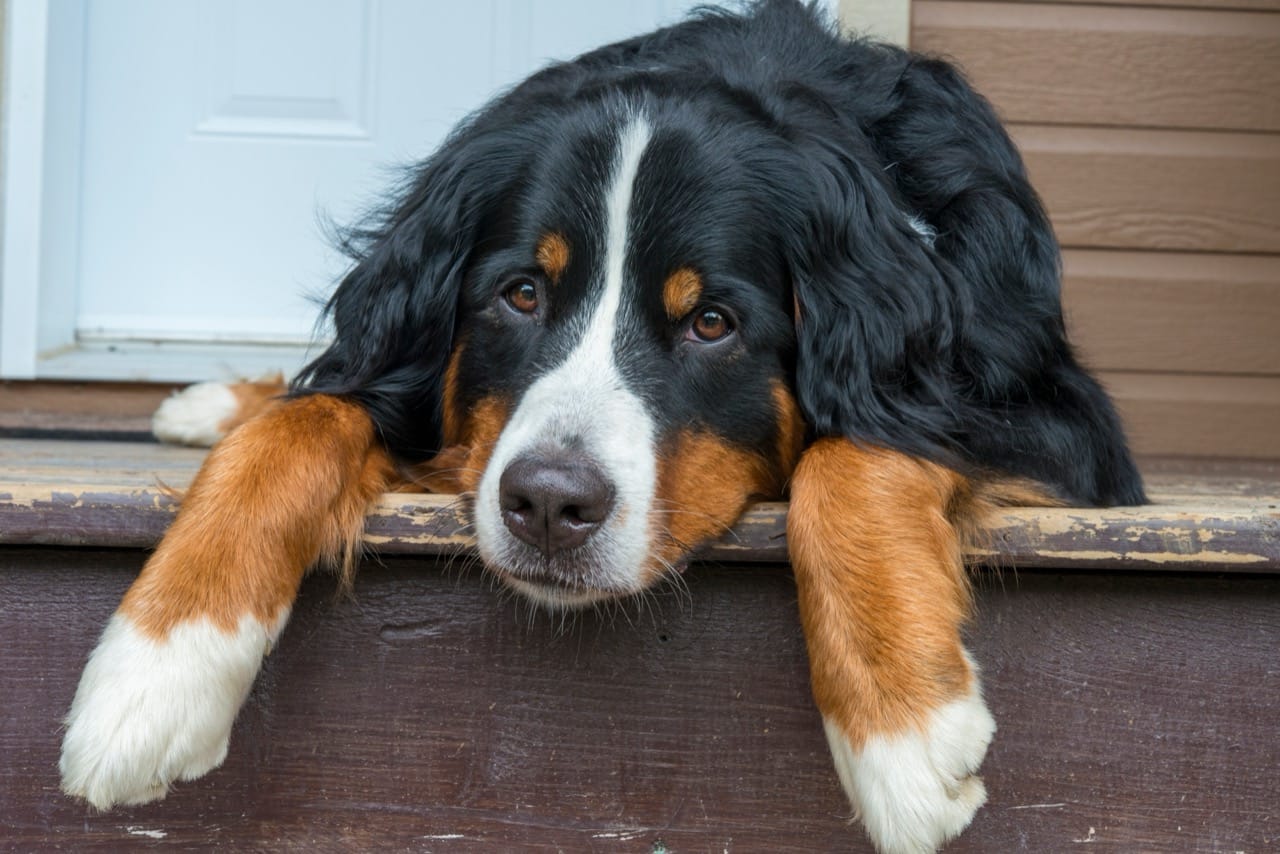
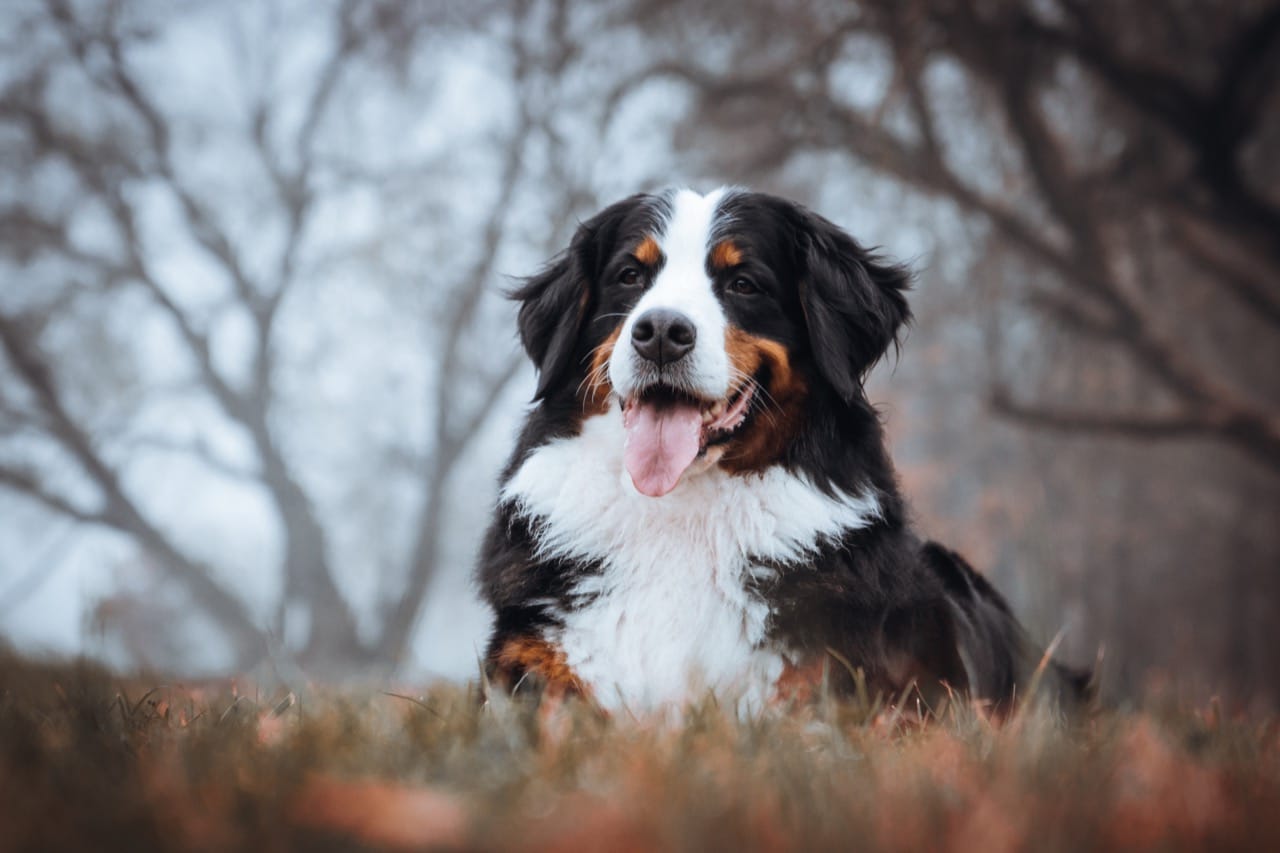
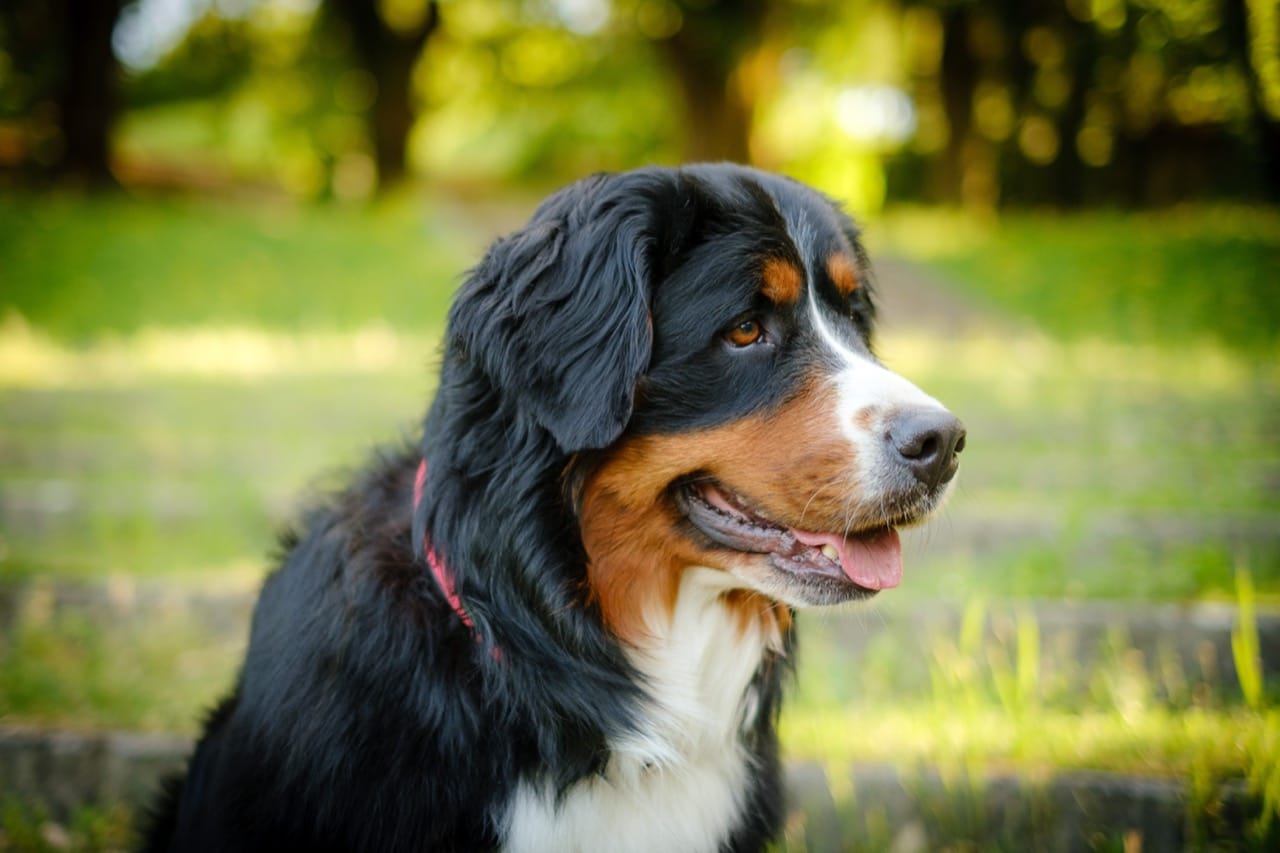
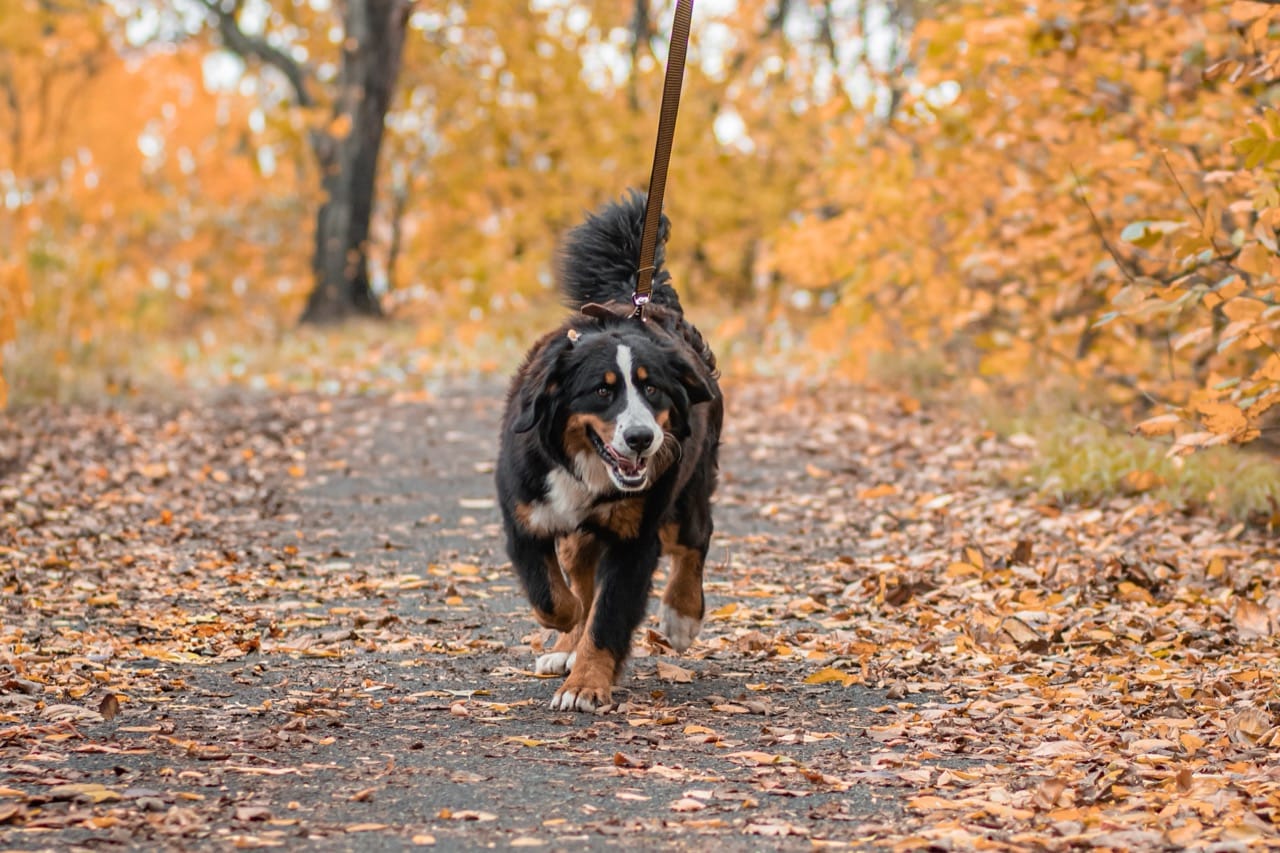
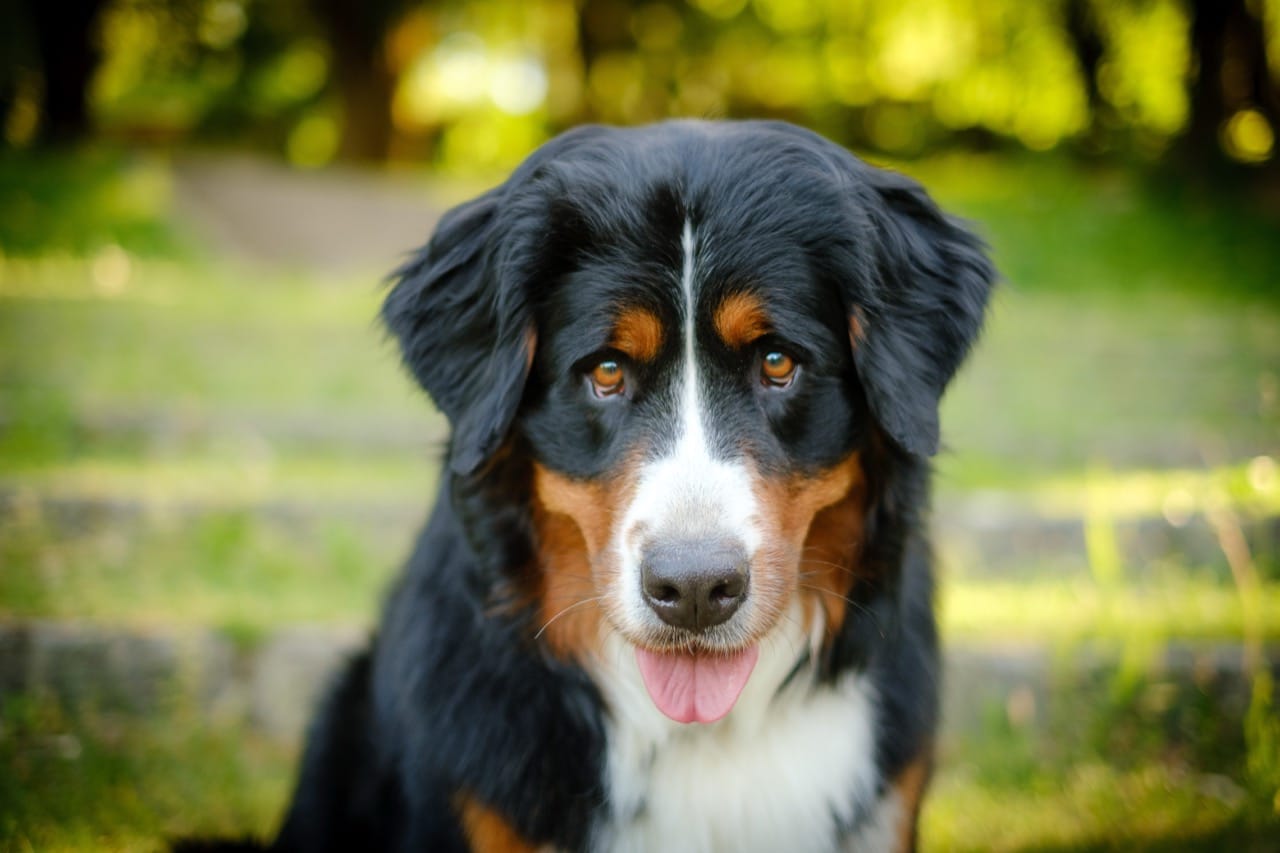
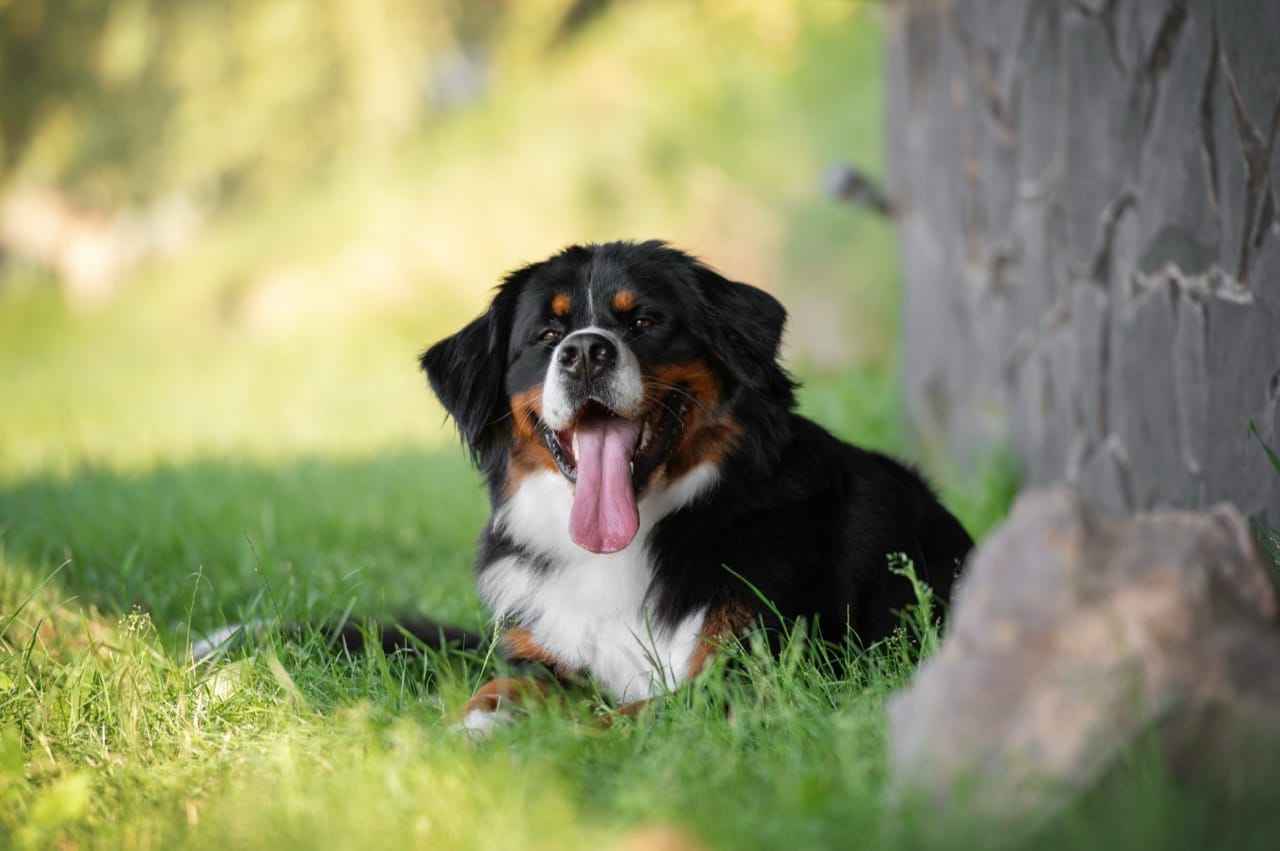
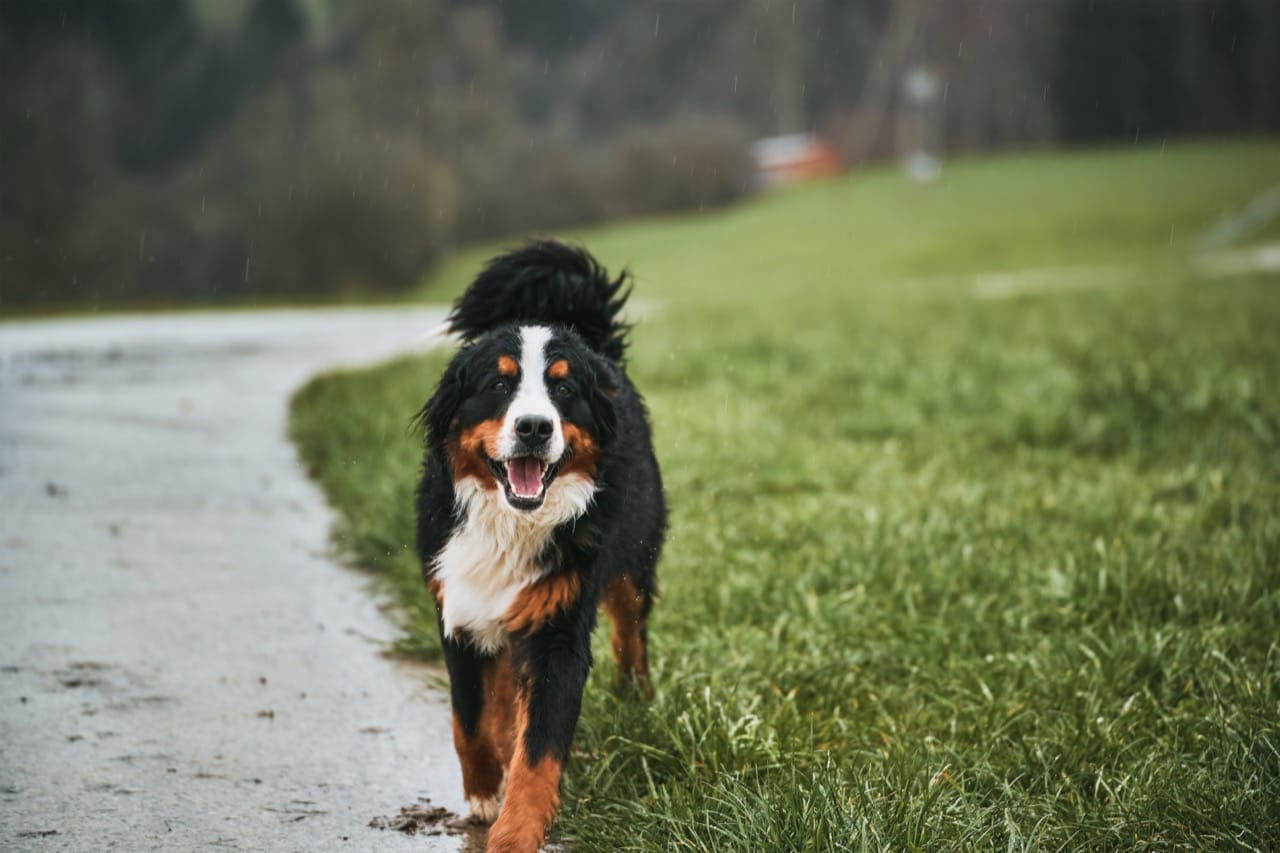
The Bernese Mountain Dog is often admired for its striking tri color coat and calm expression, but the breed makes the most sense when you picture a working farm in the Swiss countryside. In the canton of Bern and surrounding regions, families needed a dog that could do many jobs in a tough climate. A Berner had to be strong enough to pull, steady enough to move among livestock, and social enough to live closely with people. Those practical demands shaped the dog you see today, from its powerful build to its famously gentle, people oriented temperament.
One of the best known historical roles for the Bernese Mountain Dog was draft work. Before modern machinery was common on small farms, a sturdy dog that could pull a cart was genuinely useful. Berners were used to haul milk, cheese, and farm goods, sometimes taking products to local markets. This is one reason the breed is large boned and muscular with a broad chest and substantial shoulders. Pulling a cart is not just about size, but about balanced structure and steady traction. A dog that is too light or too quick to startle is not ideal when weight is behind it.
Berners also worked as general farm dogs, which included droving and guarding tasks. They were expected to help move cattle and other animals between pasture and farmyard without causing chaos. That kind of work favors a dog that is confident and observant rather than sharp or reactive. The typical Berner approach is to watch, follow cues, and use its body presence to influence movement. Around livestock, a reliable temperament matters as much as physical strength. A dog that is overly intense can stress animals, while a dog that is timid may be pushed aside. The breed reputation for steadiness and good judgment fits this background.
Swiss weather also left its mark. Bernese Mountain Dogs developed a thick, double coat that provides insulation against cold and damp conditions. The coat is functional, not decorative, and it helps explain why many Berners are comfortable in cool temperatures and may struggle in heat. Their sturdy feet and overall substance also suit uneven ground and farm terrain. Even the breed tendency to mature slowly can be viewed through a working lens: a large, heavy dog benefits from time to develop sound joints and coordination before doing demanding tasks.
Living closely with farming families influenced the Berner personality. These dogs were not meant to be kennel bound specialists. They were companions as well as workers, often staying near the home and responding to daily routines. That history supports the modern observation that many Berners bond strongly with their people and prefer to be included. Their calm demeanor can look like laziness, but it often reflects a dog that was selected to be composed in busy environments, able to settle until needed.
Many breed instincts still show up in ordinary life. Some Berners naturally enjoy pulling activities like carting or weight pull when trained safely and introduced gradually. Others show a quiet herding style, positioning themselves to guide movement, especially with children or other pets. Their protective instincts are often expressed as watchfulness rather than aggression, with a tendency to place themselves between their family and something unfamiliar.
Understanding what the Bernese Mountain Dog was developed to do helps owners meet the dog where it is. A Berner usually thrives with steady training, purposeful exercise, and lots of social connection. When you recognize the farm worker behind the beautiful coat, the breed’s mix of strength, patience, and devotion becomes not just charming, but completely logical.