Spaniel Meets Poodle: Cockapoo Roots
Quiz Complete!
Cockapoo Working Heritage: The Jobs Behind the Charm
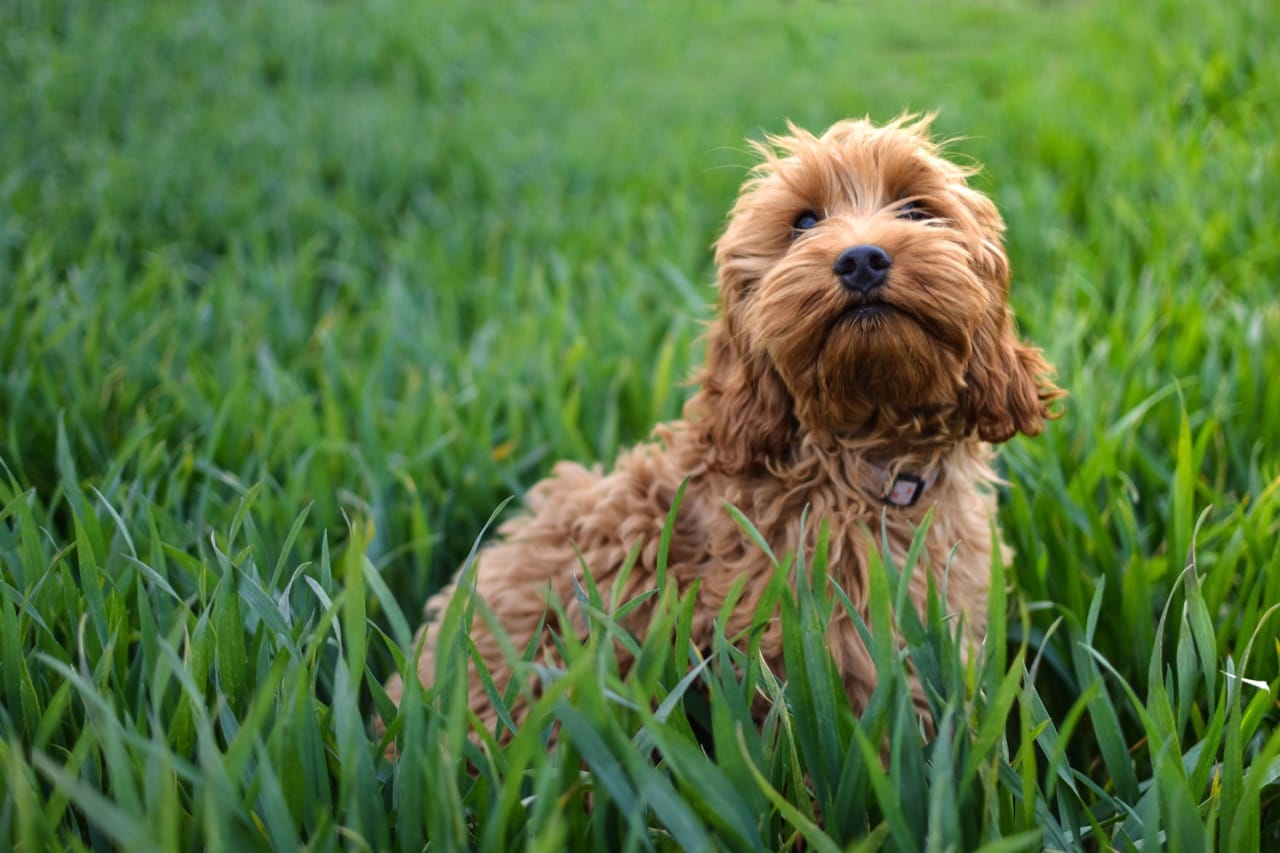
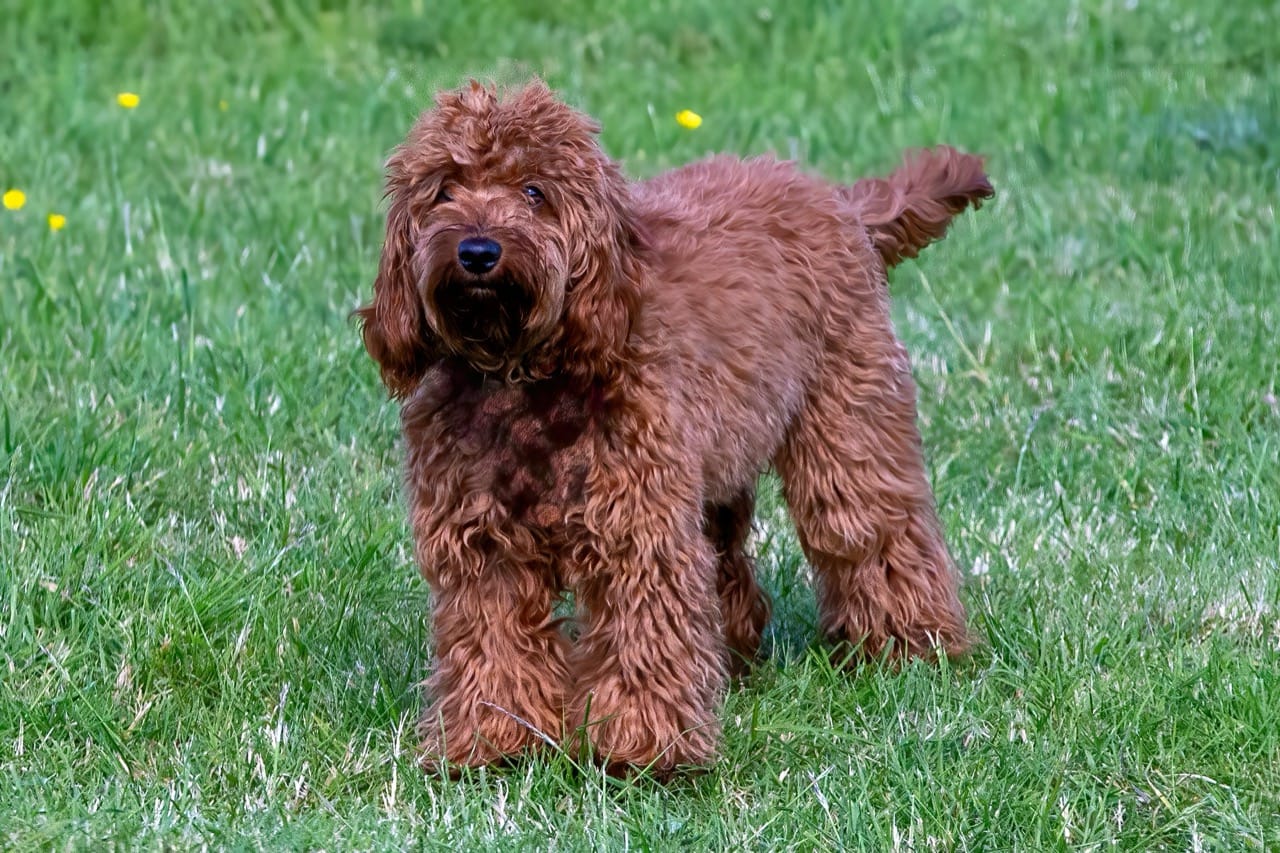
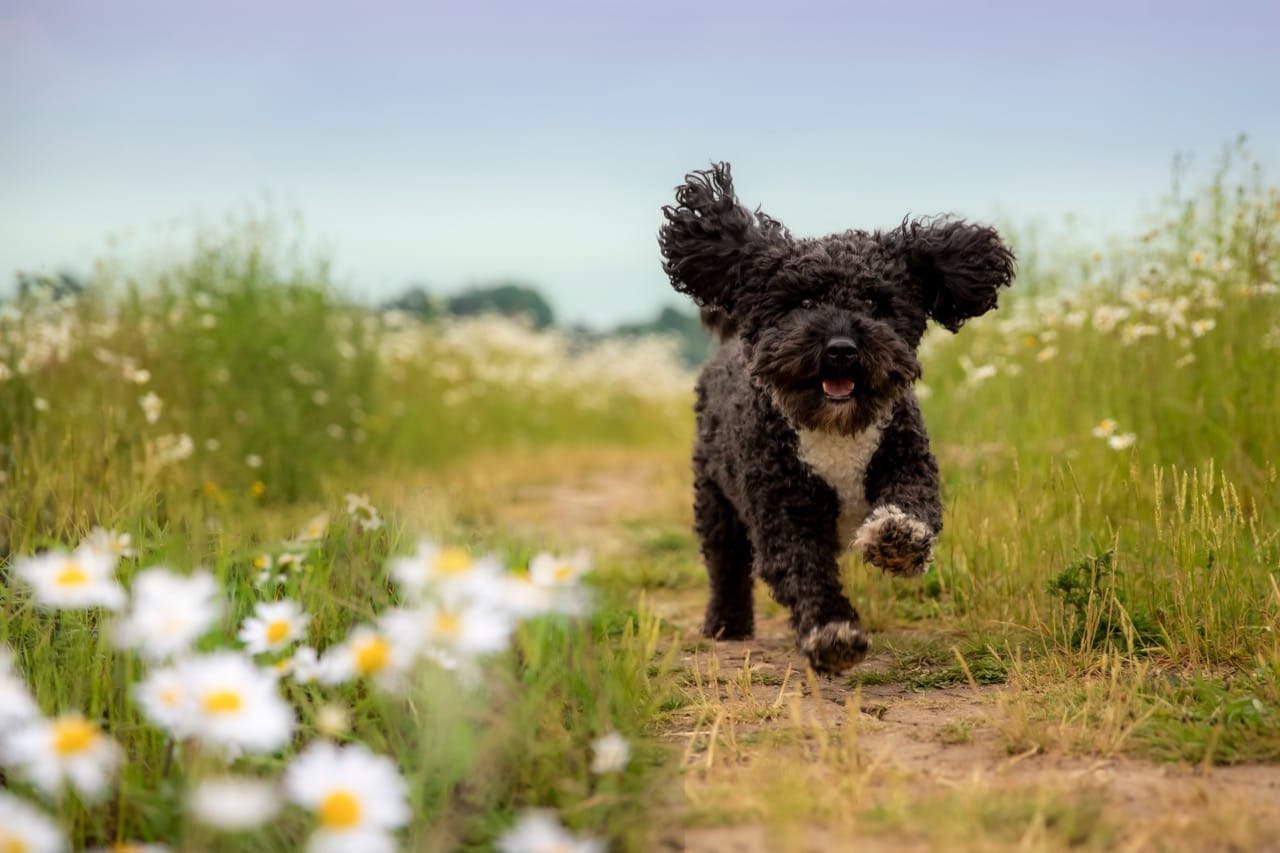
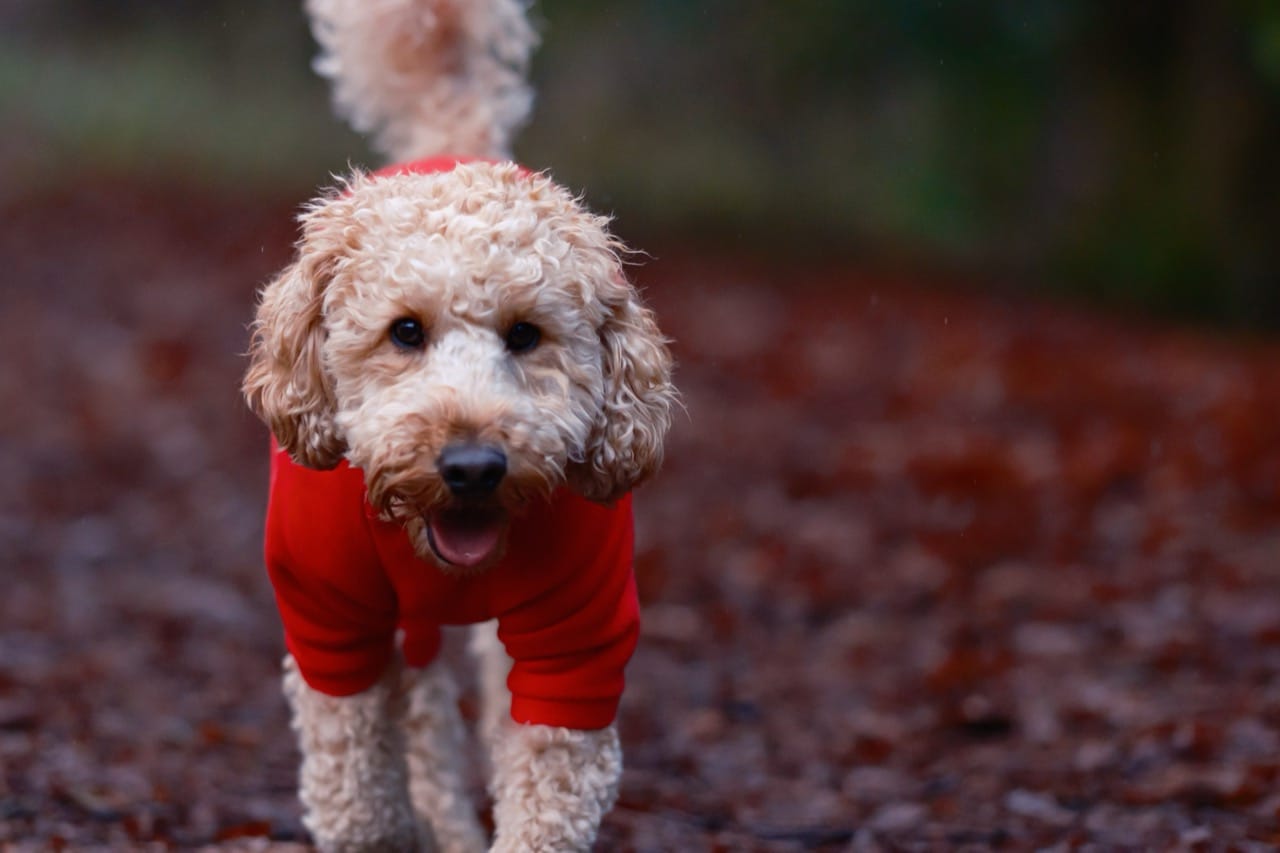
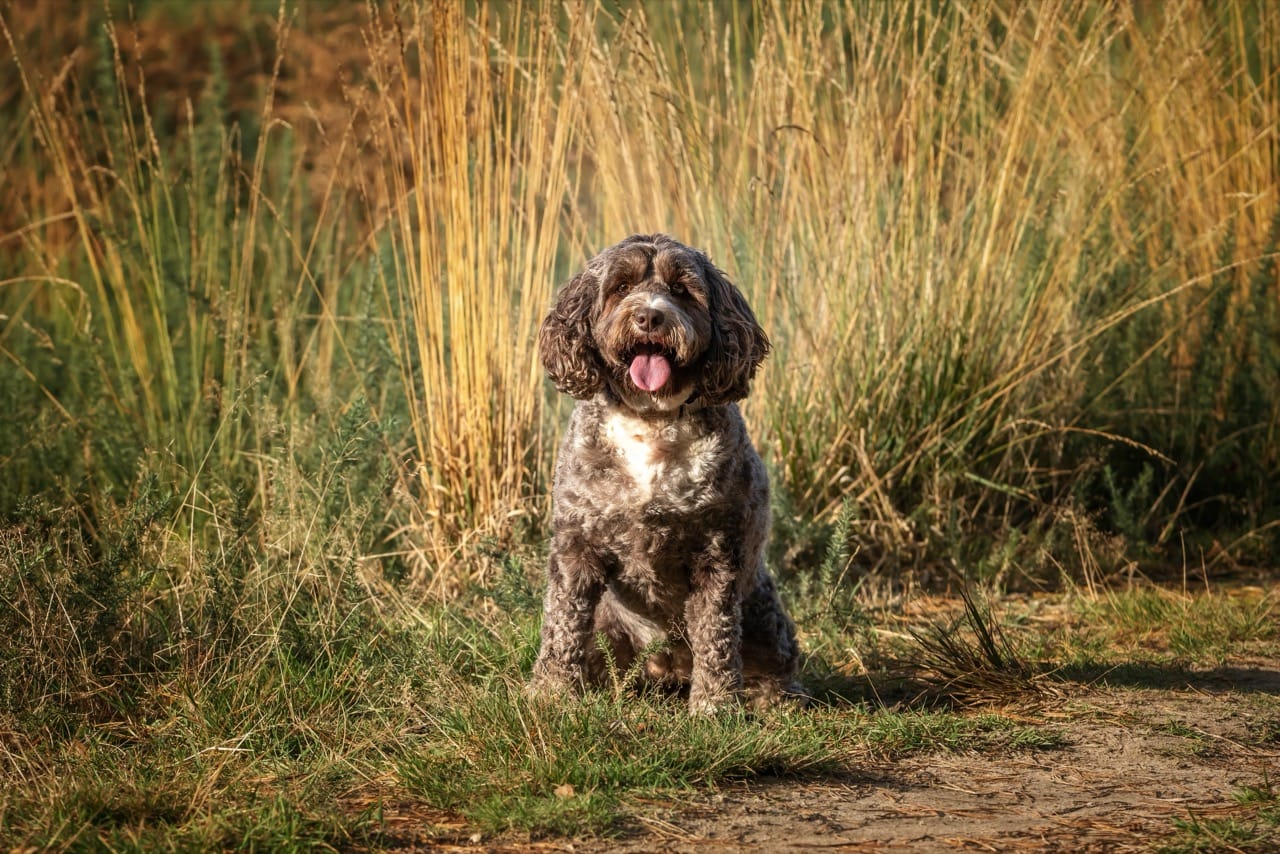
Cockapoos often get described as cheerful companion dogs, but much of what people love about them comes from a serious working background. The Cockapoo is a cross between the Cocker Spaniel and the Poodle, two breeds shaped over generations for practical tasks. When you notice a Cockapoo that follows you from room to room, perks up at every sound, or proudly carries a toy as if it were precious cargo, you are seeing echoes of those original jobs.
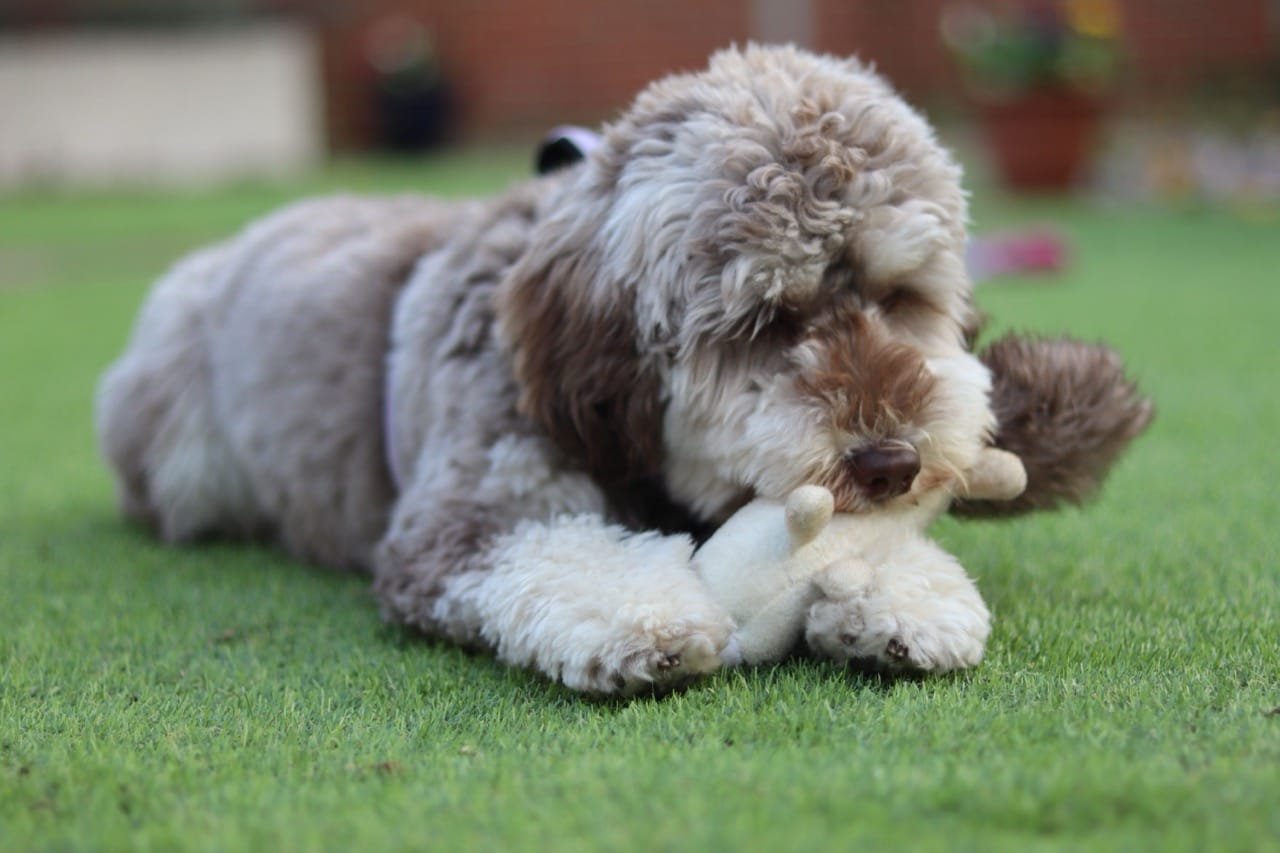
Cocker Spaniels were developed as hunting partners, especially valued for working close to the hunter. Their role was to flush game birds from cover and, in many lines, retrieve downed birds as well. That job favored a dog that stayed attentive to human cues, moved through brush with enthusiasm, and reacted quickly to movement. It also rewarded a soft mouth and a natural desire to pick things up and bring them back. Many Cockapoos inherit this retrieving impulse, which is why they may happily carry socks, balls, or anything they can claim as a prize. The spaniel side also helps explain the Cockapoo tendency to form tight bonds and to check in frequently, because a hunting dog that wandered too far would be less useful in the field.
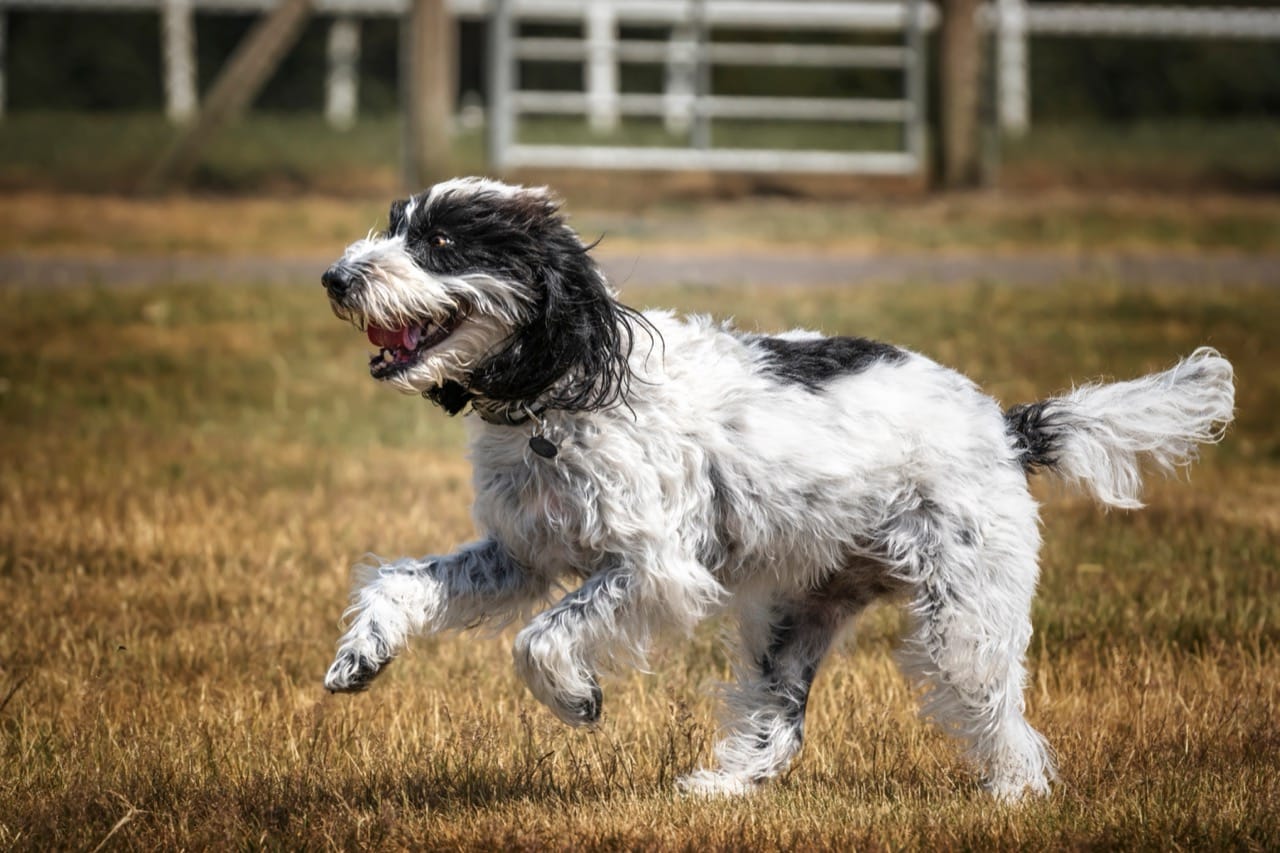
Poodles, despite their modern reputation for fancy grooming, were originally water retrievers. The name is linked to splashing in water, and the breed’s athletic build, dense coat, and strong swimming ability were practical tools for retrieving waterfowl. A good retriever needed endurance, coordination, and the confidence to launch into cold water, then solve the problem of getting back with the bird. That heritage contributes to the Cockapoo’s often surprising athleticism and love of games that involve fetching, chasing, and searching. It also helps explain why many Cockapoos seem quick to learn. Poodles were selected for responsiveness and problem solving, traits that now show up as a dog that figures out routines fast, learns tricks readily, and sometimes invents their own games when bored.
The Cockapoo became one of the earliest widely popular designer crossbreeds, emerging in the mid twentieth century as people looked for a friendly, trainable companion with a potentially lower shedding coat. It is important to remember that a crossbreed does not guarantee one fixed set of traits. Some Cockapoos take more after the Cocker Spaniel in coat texture, ear shape, or sensitivity, while others show more Poodle influence in curl, legginess, or intense focus. Even within the same litter, personalities can vary. Still, the appeal made sense: combining a people oriented spaniel with a highly trainable retriever often produces a dog that fits well into family life.
Many of the behaviors owners notice today connect neatly to this working past. Alertness to sound can come from both sides: a hunting spaniel needed to respond to rustling cover, and a retriever needed to watch for signals and falling birds. That same attentiveness can make Cockapoos excellent at noticing visitors, squirrels, or changes in the household routine. It can also mean they benefit from early socialization so they learn which sounds matter and which can be ignored.
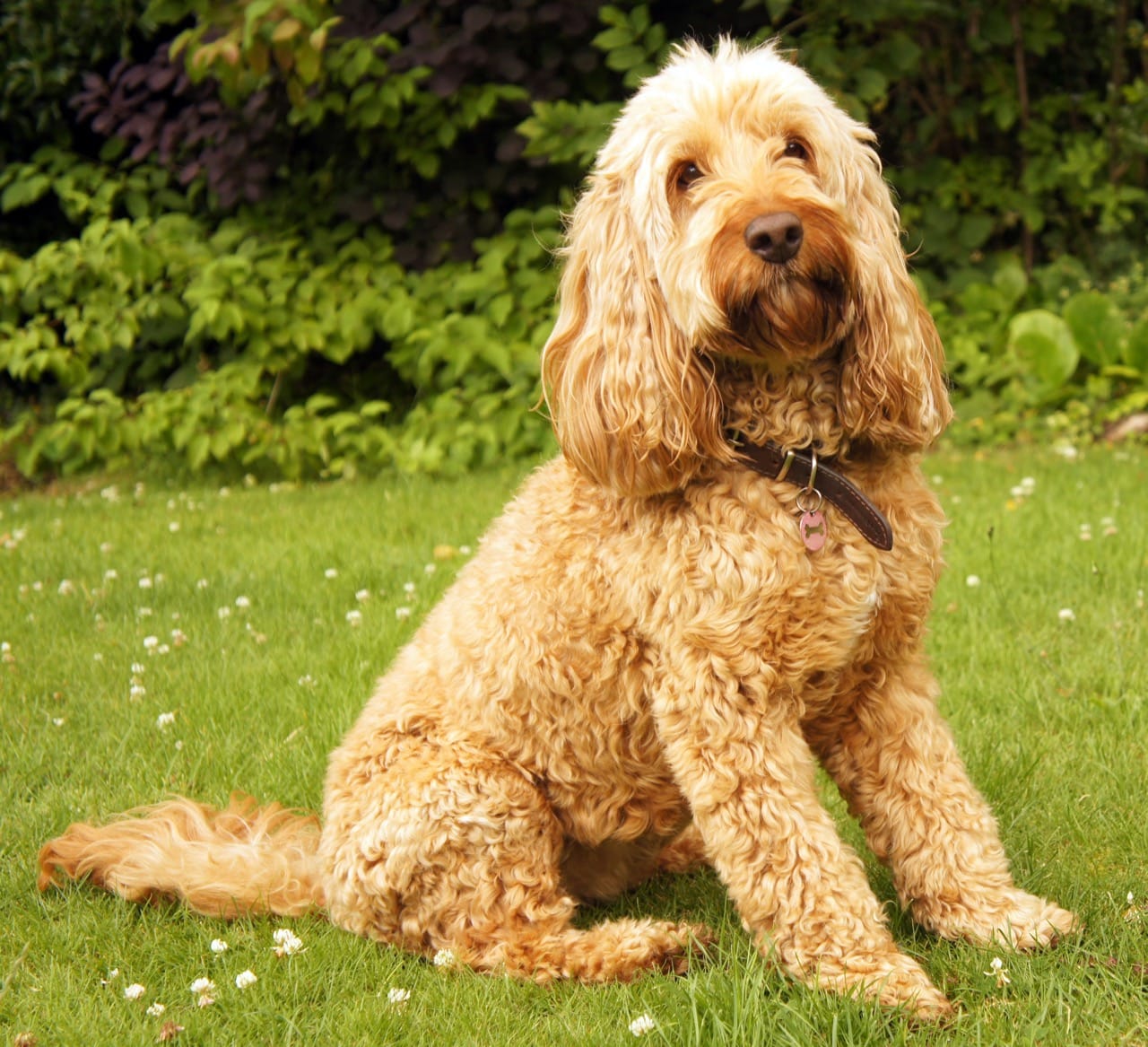
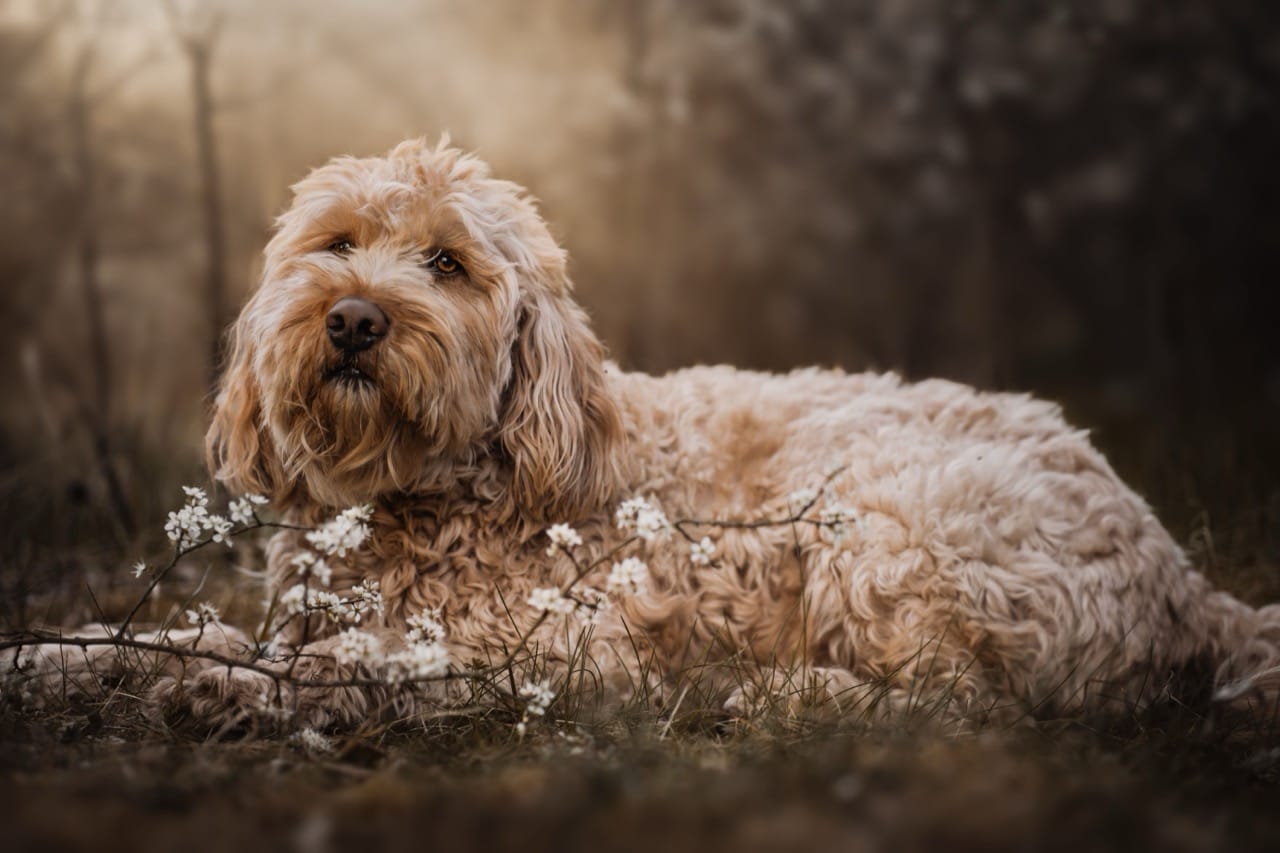
Their coat story also has working roots. Poodles had coats that helped protect them in water, while spaniels had feathering that offered some protection in brush. A Cockapoo coat can be wavy, curly, or somewhere in between, and it often requires regular grooming to prevent mats, especially around ears, legs, and collar areas. Those long ears, shared by both parent breeds, are charming but can reduce airflow, so routine ear checks and cleaning are important for comfort.
Understanding the Cockapoo through the lens of working heritage makes everyday life with them more predictable. They often thrive with retrieval games, scent based play, and training that gives their quick minds a job. The same instincts that once helped humans bring home game now show up as a devoted shadow, a spirited fetch partner, and a bright little dog that seems happiest when they have a purpose and their people close by.