Cockapoo House Rules





Quiz Complete!
Everyday Cockapoo Home Care Rules That Actually Work
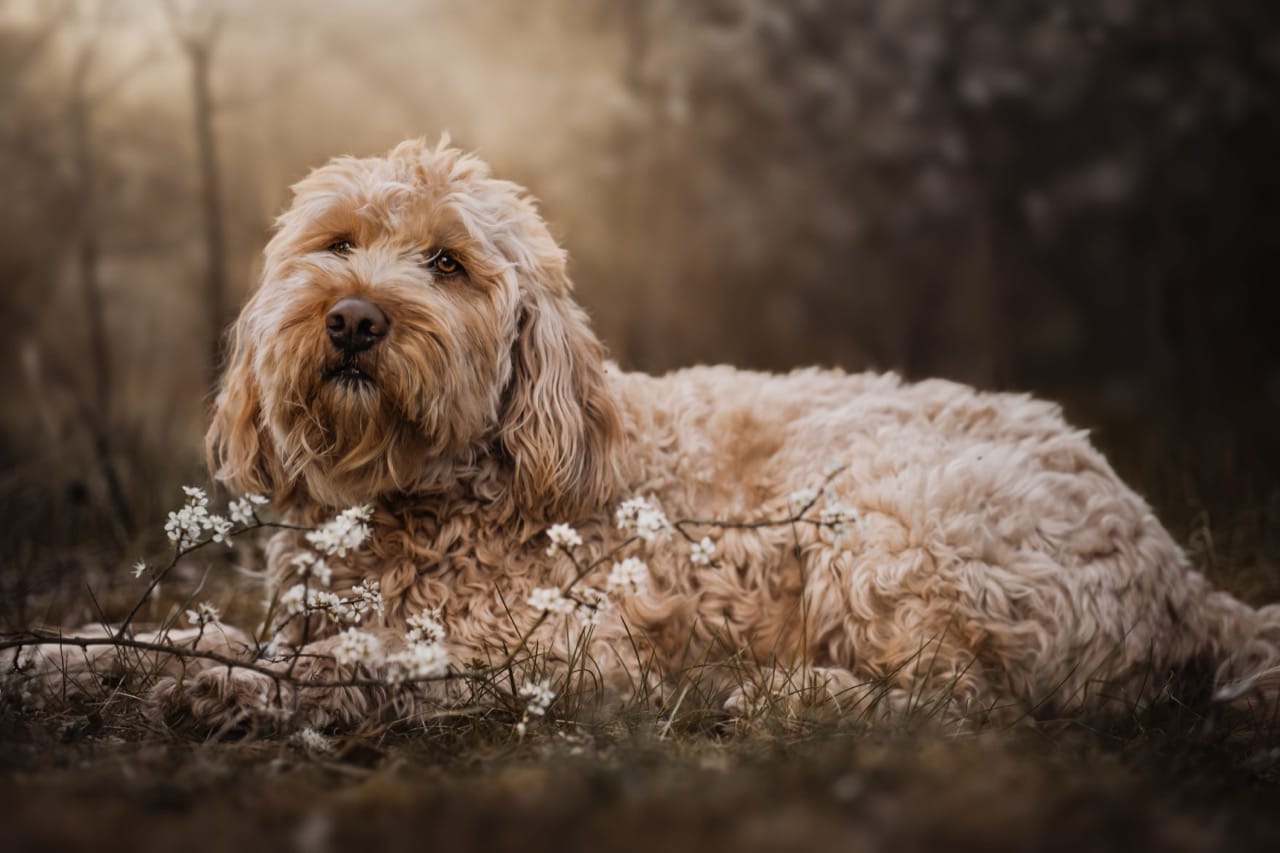
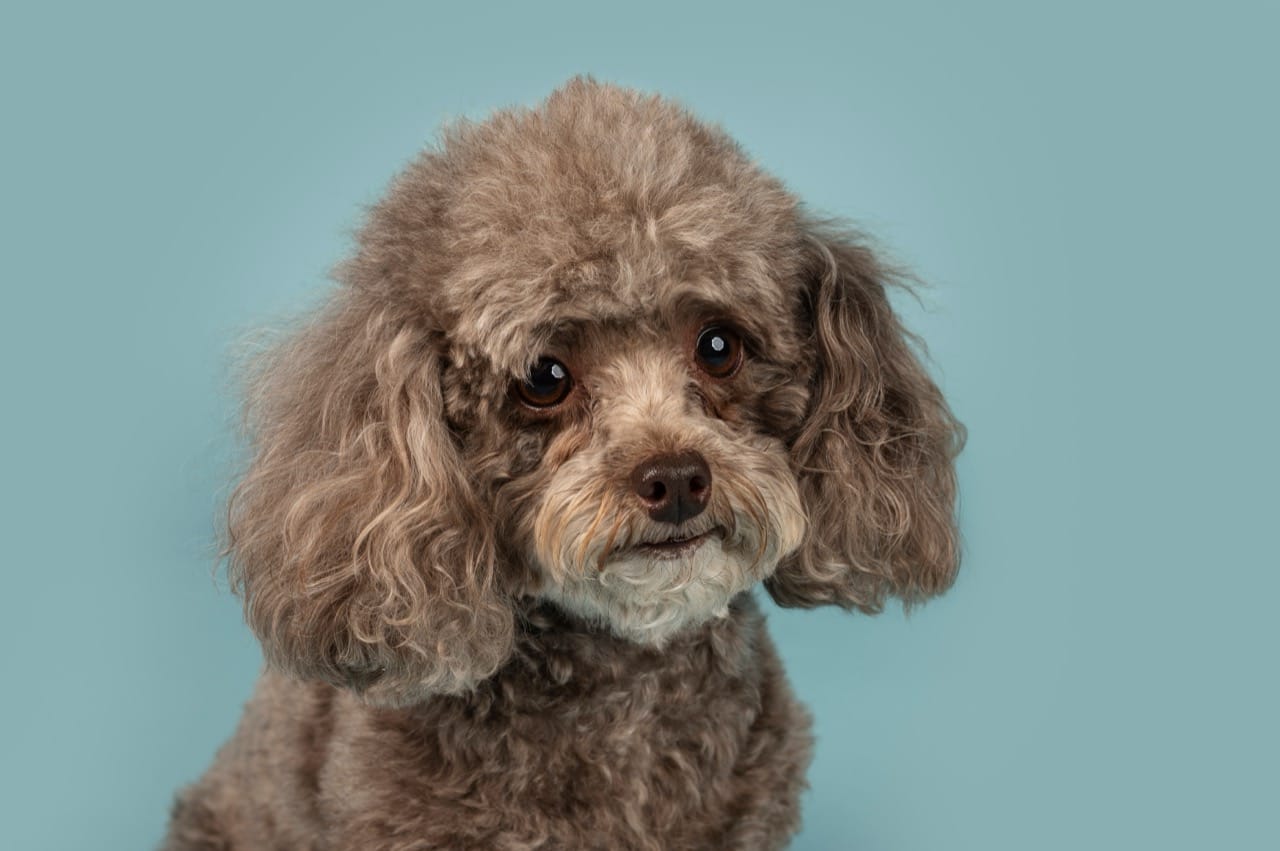
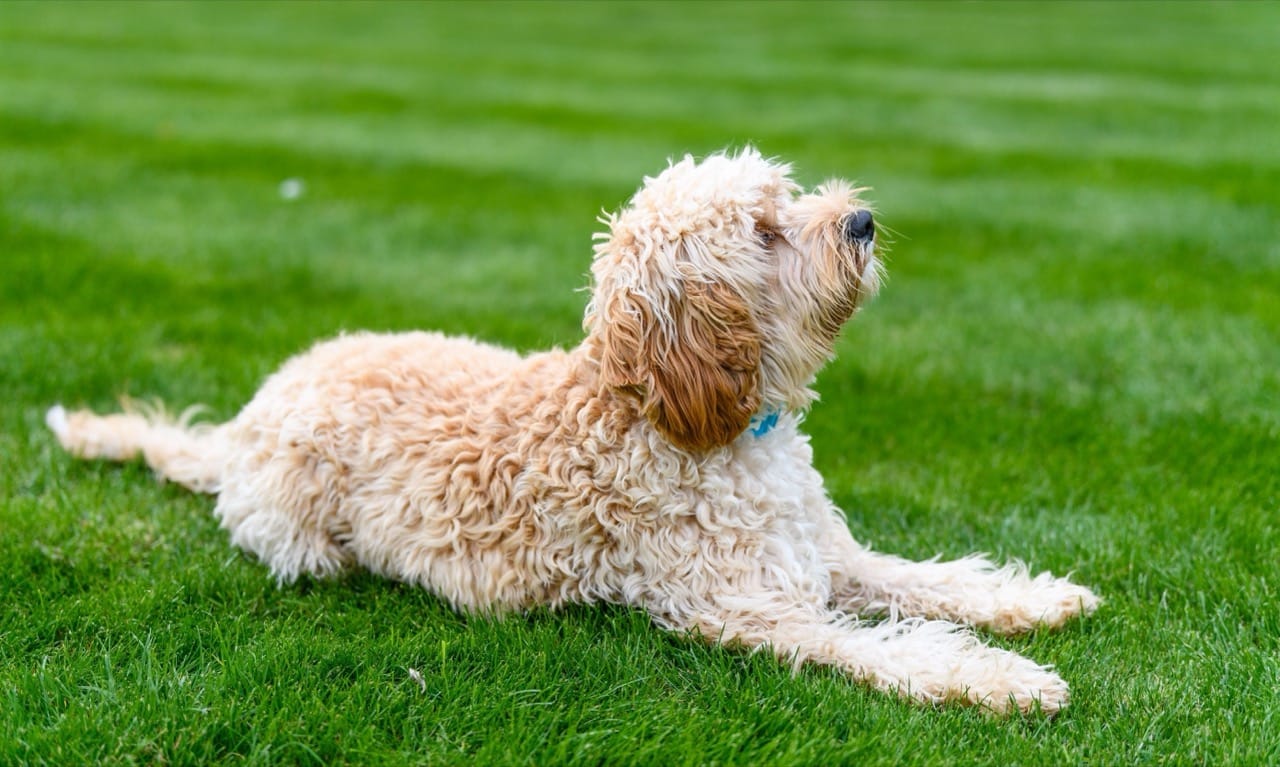
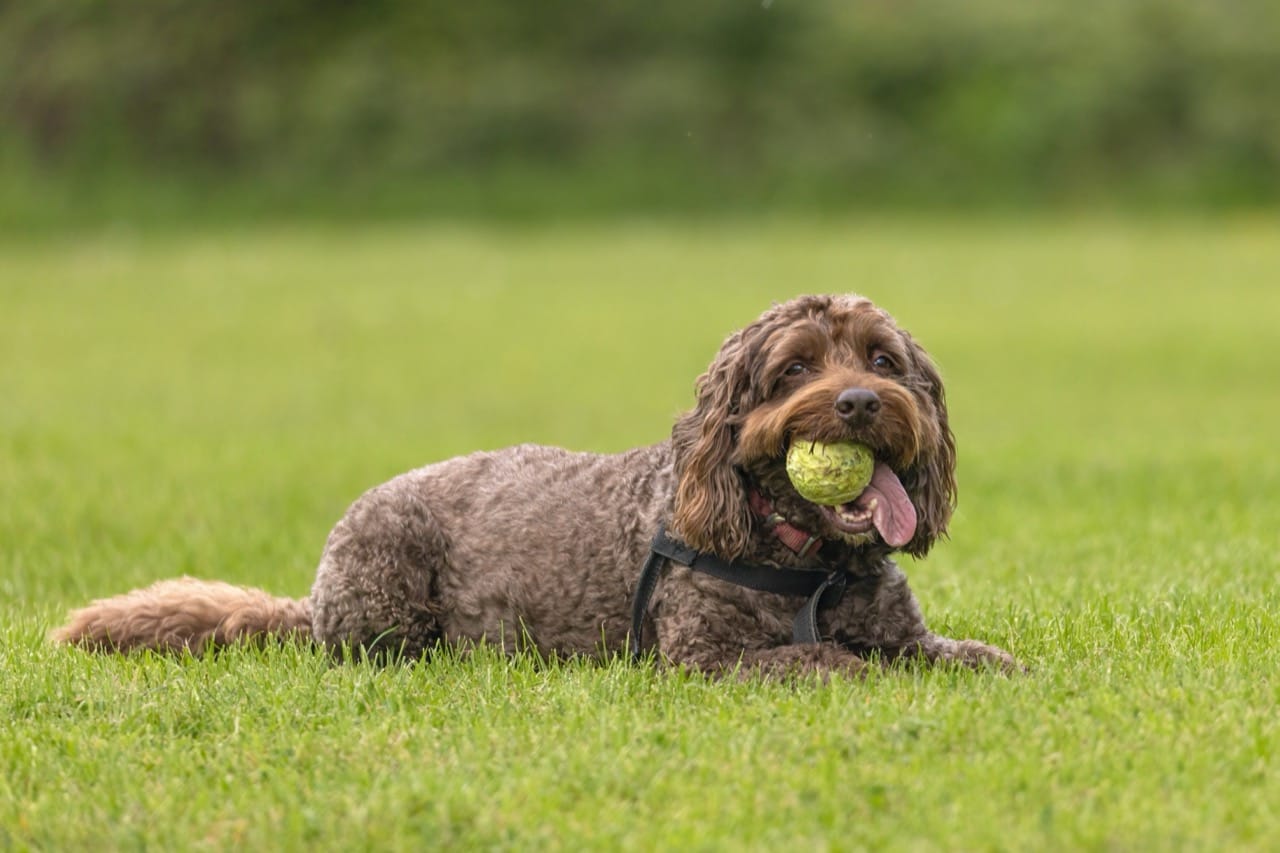
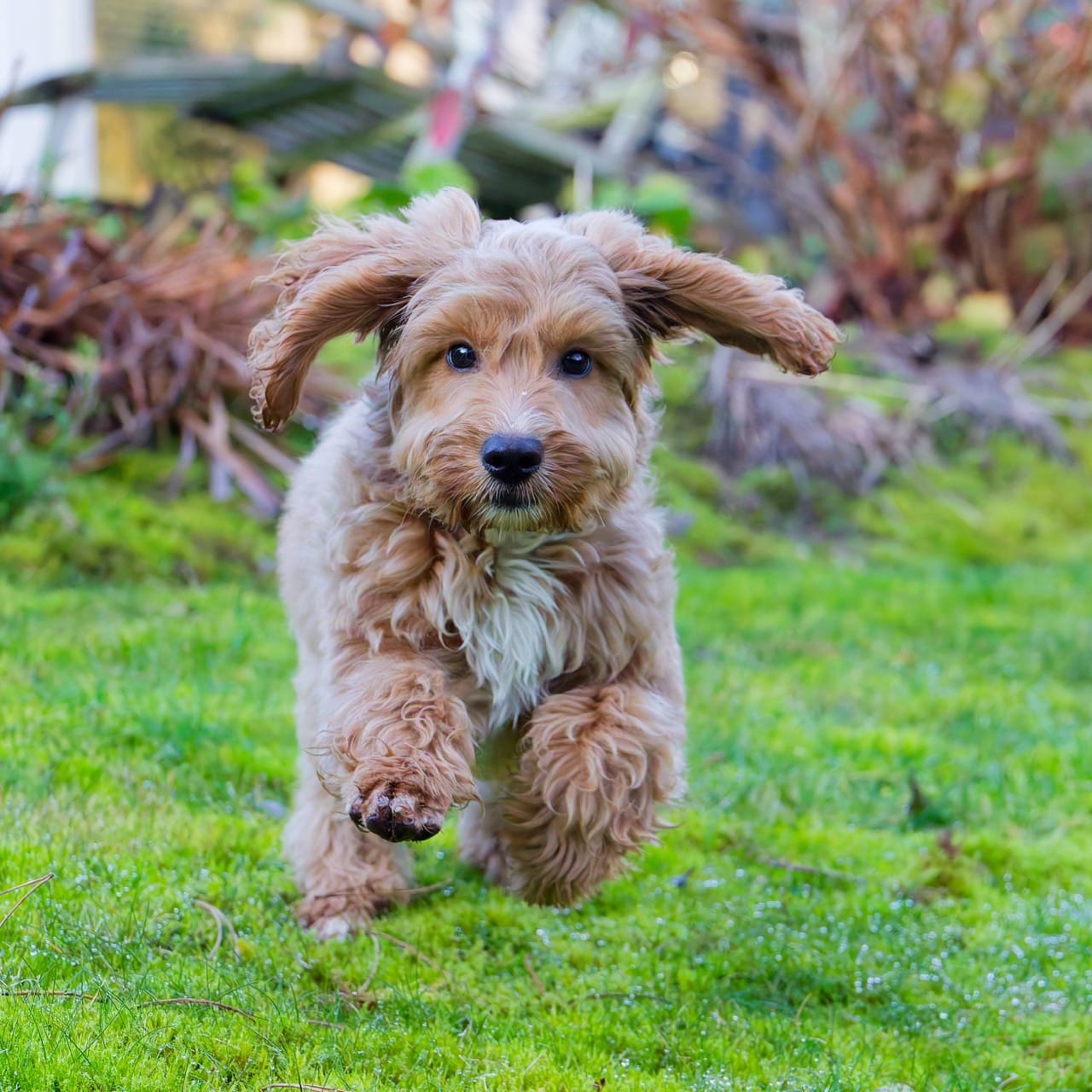
Cockapoos have a reputation for being cheerful, people-focused dogs, and that friendliness is real, but it can also create a few predictable challenges at home. A Cockapoo that adores attention may follow you from room to room, bark when left alone, or develop bad habits simply because nobody set clear rules. The good news is that small, consistent routines tend to prevent the big problems. Think of home care as a set of simple agreements: where the dog rests, how greetings happen, what gets rewarded, and how health and hygiene are handled week after week.
Temperament varies because Cockapoos are a mix of Poodle and Cocker Spaniel, and either side can show up strongly. Many are playful, cuddly, and eager to learn, but some can be sensitive or a bit excitable. That is why a calm training approach matters. Reward-based training works especially well for this mix because it builds confidence and reduces stress. If you only correct unwanted behavior without showing the dog what to do instead, you often get more barking, jumping, or sneaky behavior. A practical household rule is to reward the behaviors you want on repeat: sitting to be petted, waiting at doors, chewing on approved toys, and coming when called. Short sessions spread through the day beat one long drill, and they fit Cockapoo attention spans.
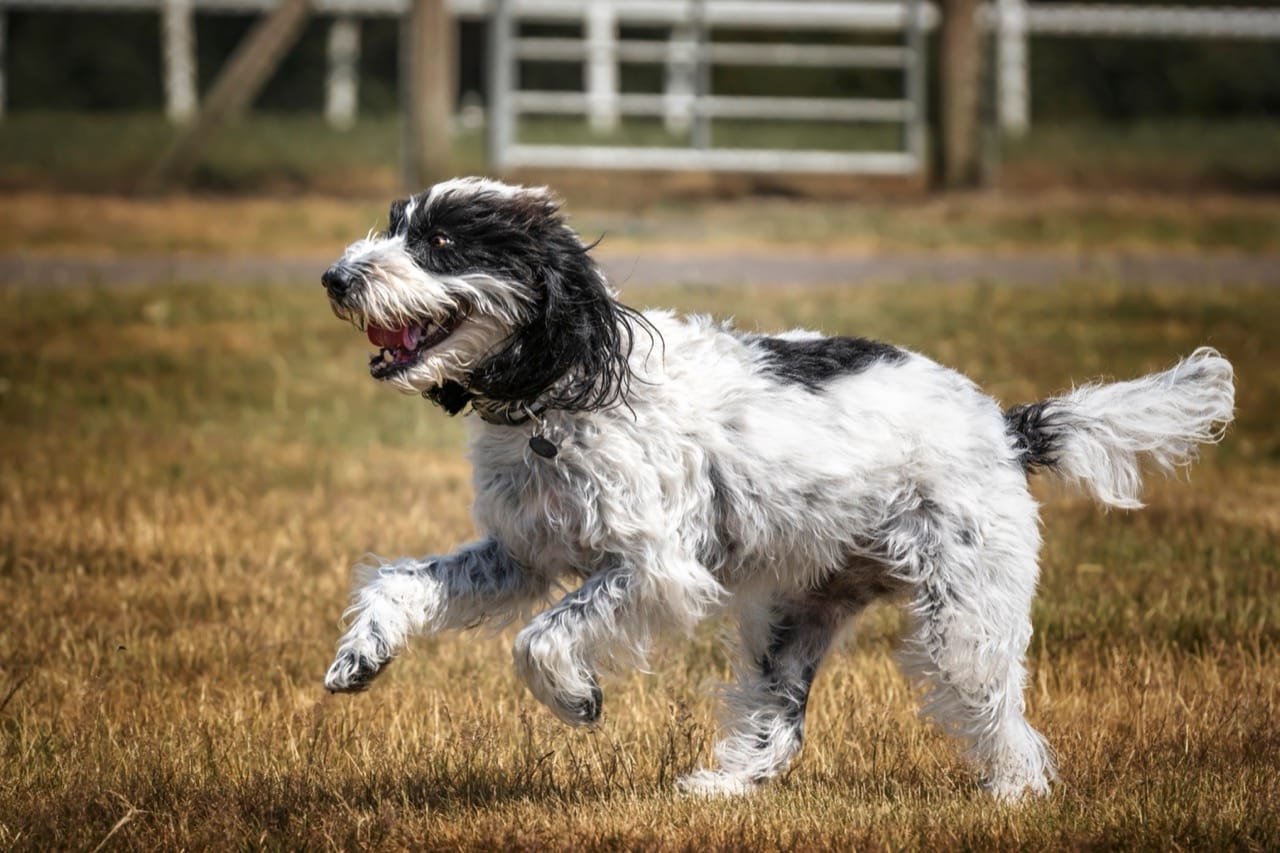
Exercise is another area where common sense beats assumptions. Some Cockapoos are content with a couple of brisk walks and indoor play, while others need more structured activity. A bored Cockapoo may invent jobs like shredding tissues, stealing socks, or patrolling the window and announcing every passerby. Daily movement should include both physical exercise and mental work, such as scent games, simple trick training, or food puzzles. If your dog seems wired even after a walk, it may need more sniffing time rather than more speed. Sniffing is tiring in a good way.
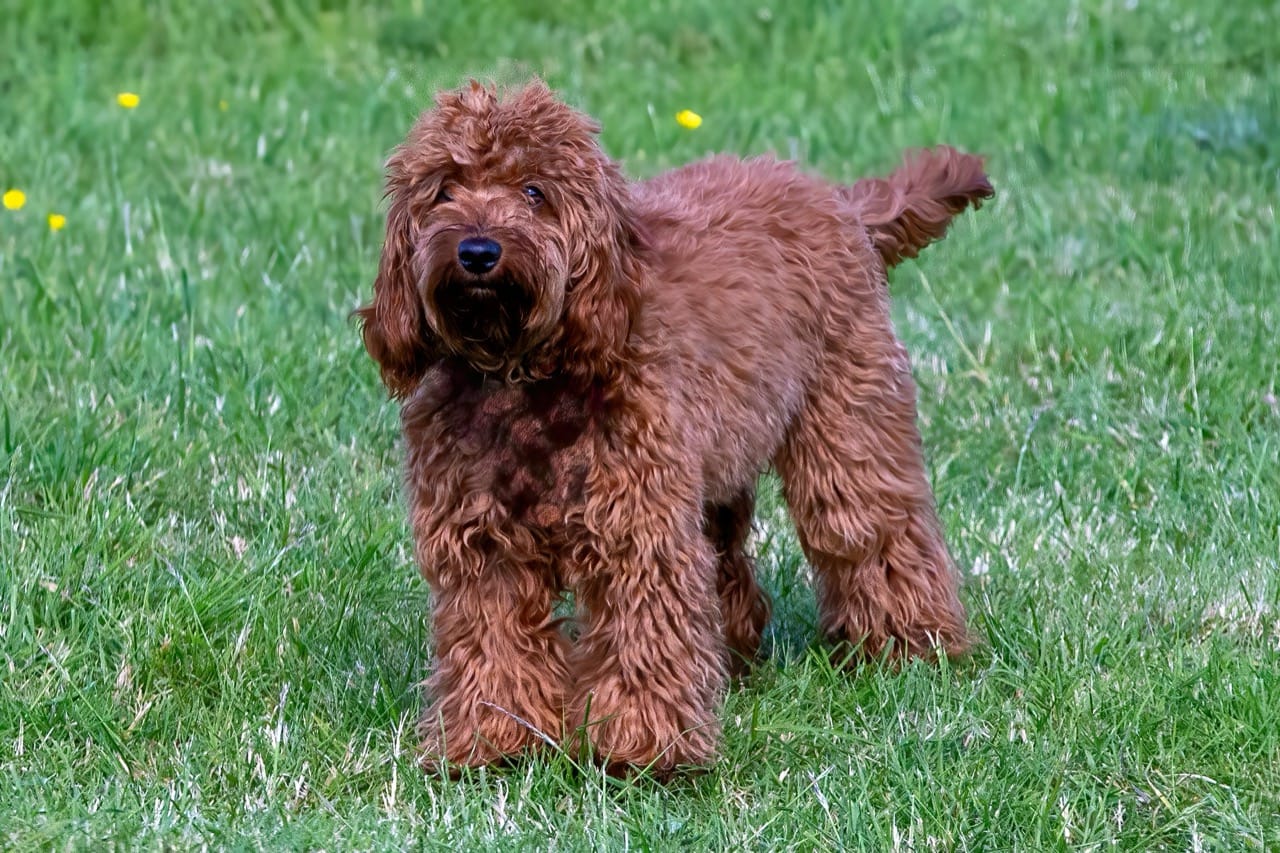
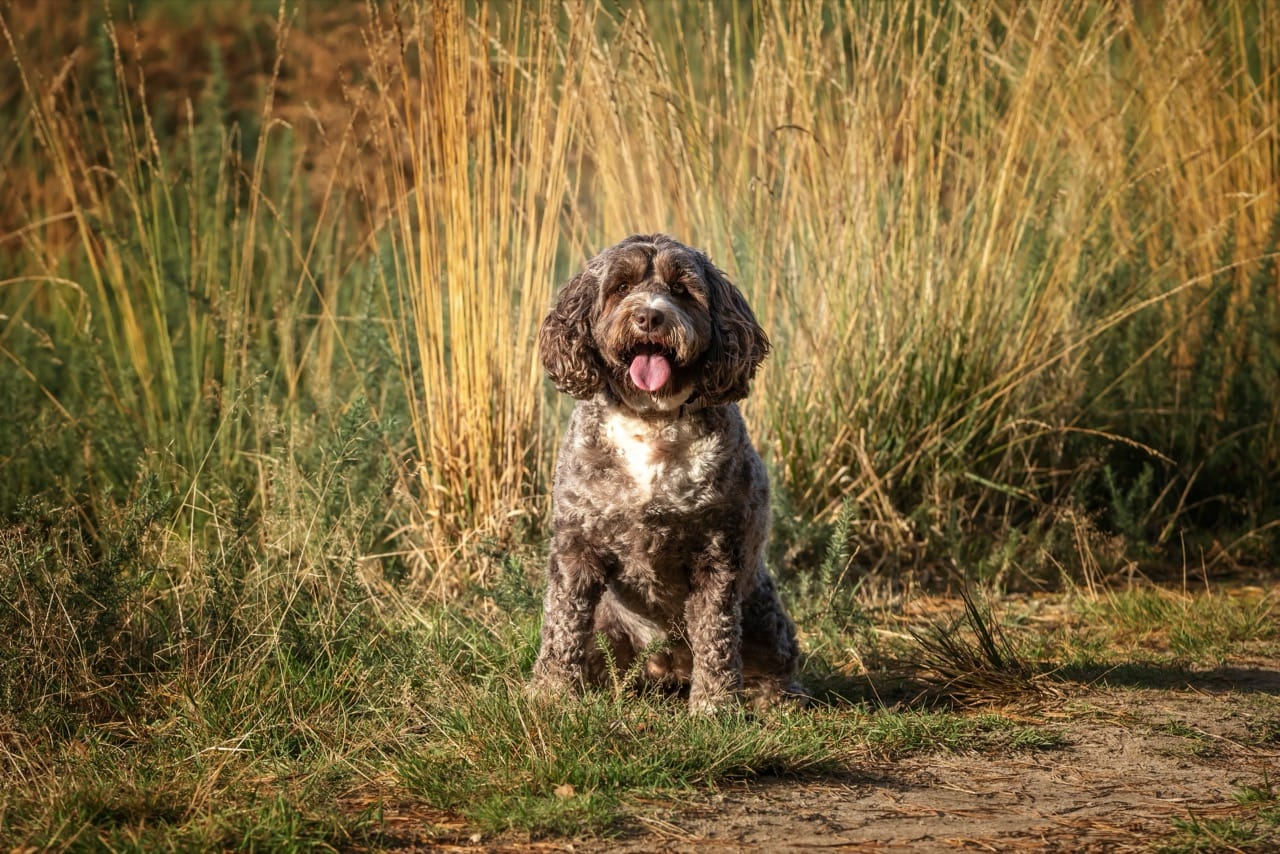
Grooming is where many owners get surprised. People hear low-shedding and assume low-maintenance. Low-shedding usually means more hair stays in the coat, and that can turn into mats if you skip brushing. Coat types range from loose waves to tight curls, and the curlier coats typically mat faster. A solid home rule is hands-on coat checks several times a week, focusing on friction spots like behind the ears, under the collar, armpits, and around the tail. Regular professional grooming helps, but it does not replace at-home brushing. Mats can pull on the skin and hide irritation, and shaving is sometimes the only humane option if tangles get severe.
Hygiene routines keep small issues from becoming vet visits. Cockapoos can be prone to ear problems because floppy ears reduce airflow, and hair can trap moisture. Keep ears clean and dry, especially after baths or swimming, and watch for redness or odor. Teeth matter too; small and medium dogs often build tartar quickly. If you can make tooth brushing a normal part of the evening routine, you reduce bad breath and dental disease. Nail trims are another quiet essential. Long nails can change how a dog walks and may contribute to discomfort.
Finally, set household rules that protect your Cockapoo social nature. Teach alone time gradually so the dog can relax without you. Use a predictable schedule for meals, potty breaks, and rest, and avoid accidentally rewarding whining or demand barking. A Cockapoo thrives when the home is kind, structured, and a little bit fun. With consistent routines, you get the best of the breed mix: a bright companion who is genuinely enjoyable to live with, not just cute to look at.