The Butcher’s Dog of Rottweil
Quiz Complete!
Rottweilers at Work: The Real History Behind the Reputation
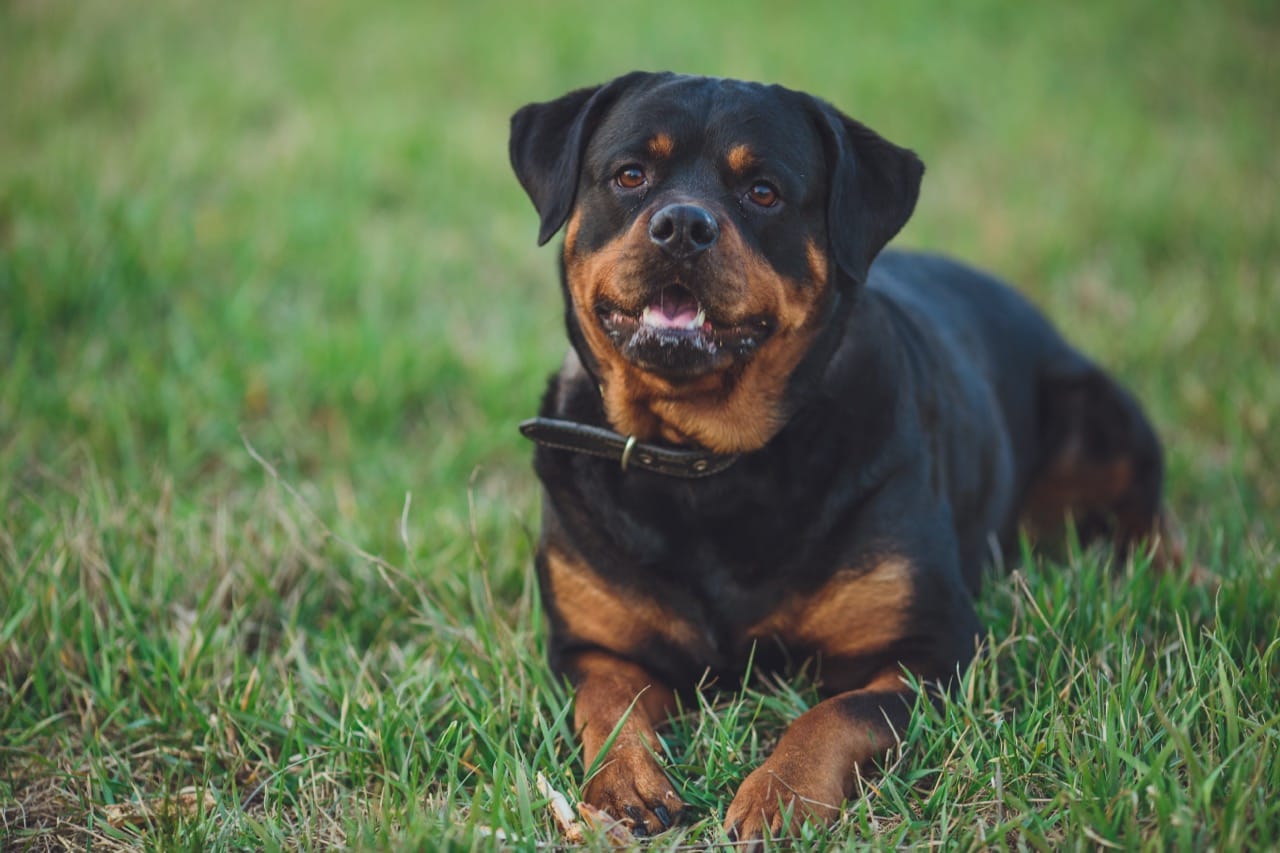
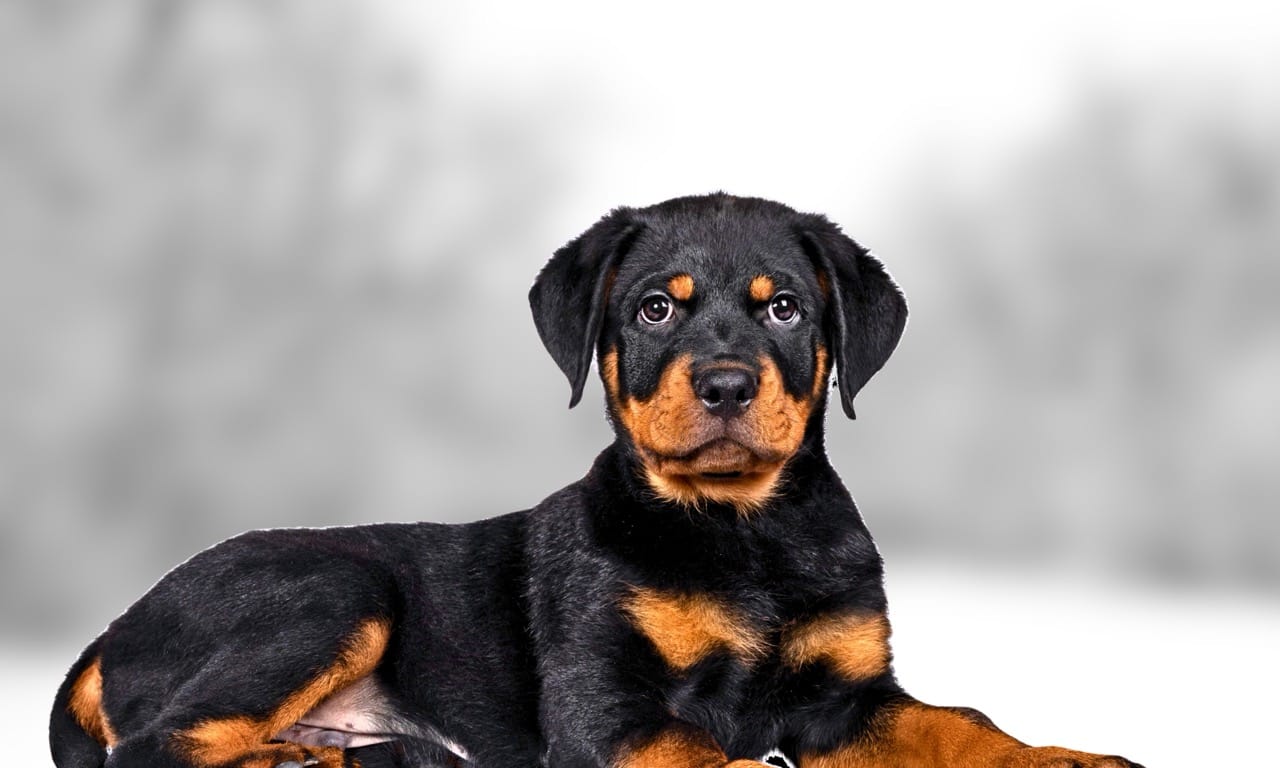
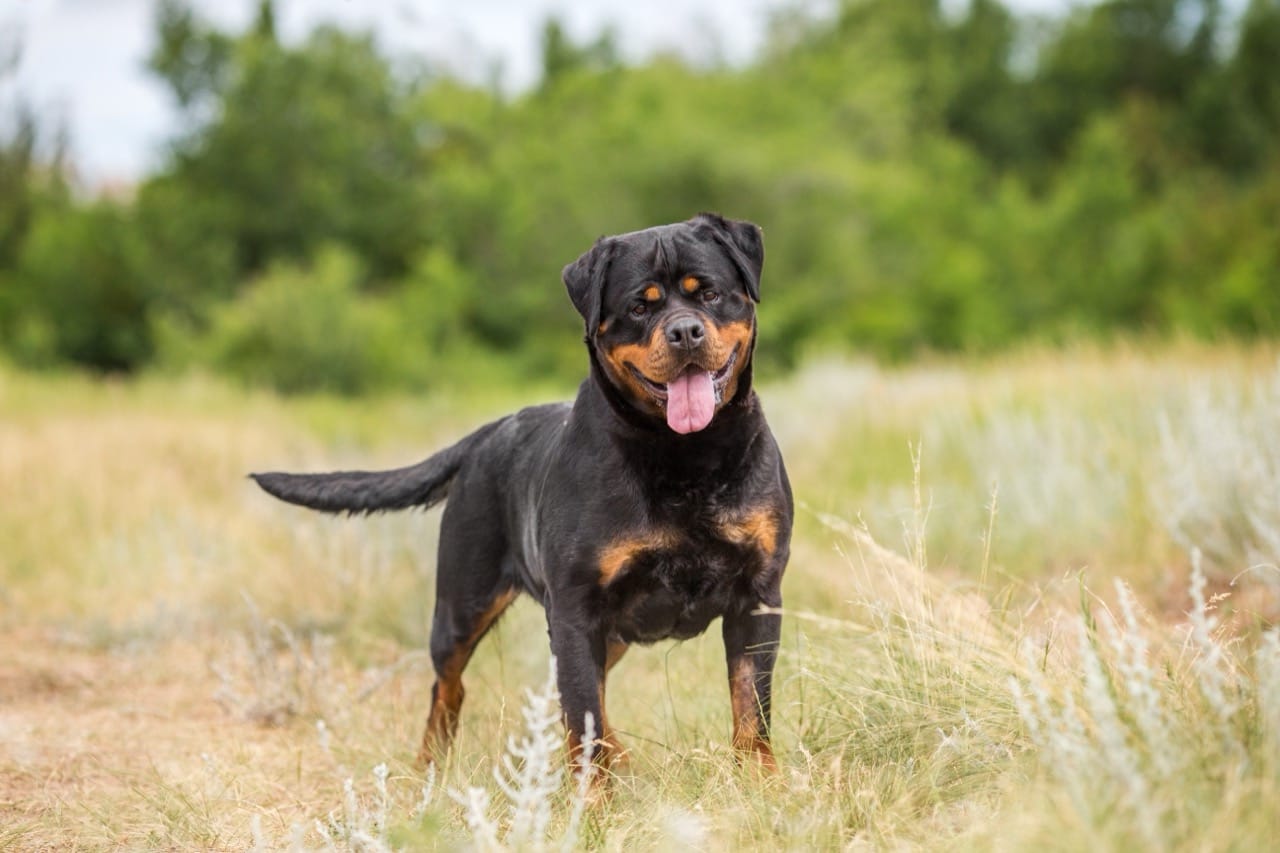
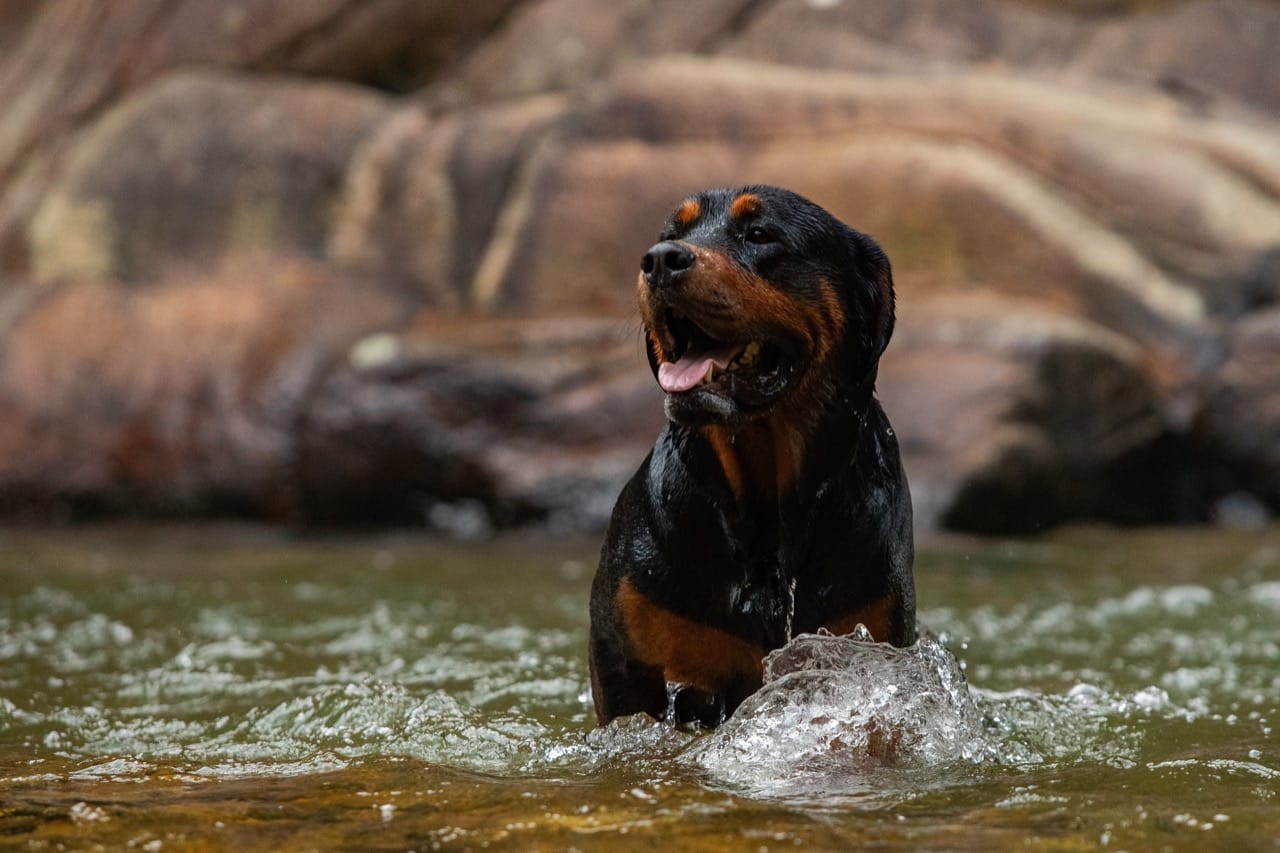
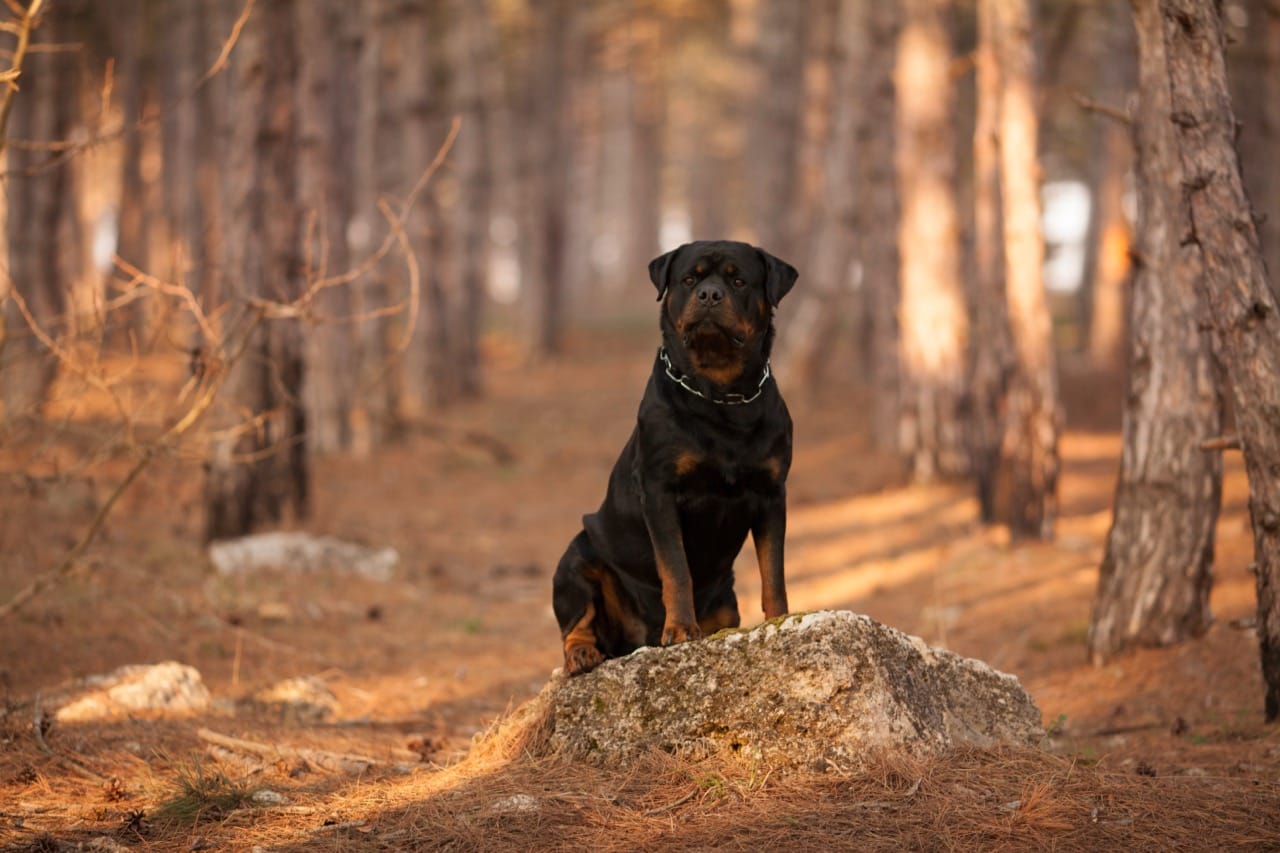
Rottweilers often get reduced to a stereotype: a tough dog with a tough attitude. The truth is more practical and more interesting. The breed’s classic look and temperament were shaped by work that demanded strength, self-control, and the ability to make good decisions in chaotic places. Long before Rottweilers were known as modern companions or police and sport dogs, they were valued as working animals that could move livestock, protect property, and stay steady in crowded, noisy environments.
The name points to an important location in their development: the town of Rottweil in southern Germany. This area became a hub for livestock trade, and that created a need for dogs that could handle both animals and people. But the story may reach further back. Breed histories say that as the Roman Empire expanded, it relied on herding and drover dogs to move cattle with the army and supply lines. Over time, local dogs were crossed and selected for the kind of work needed in regions like Rottweil. The result was a powerful, versatile dog that could do more than simply chase animals from behind.
Drover dog work was not the same as a modern herding trial. A drover dog had to move cattle along roads, through villages, and into markets, sometimes over long distances. The dog needed enough presence to influence large animals, but also enough restraint to avoid causing a stampede or starting fights. This is one reason the breed is known for calm nerve. A dog that panics, overreacts, or constantly barks would be a liability around livestock and crowds. Steadiness was a working trait, not a personality bonus.
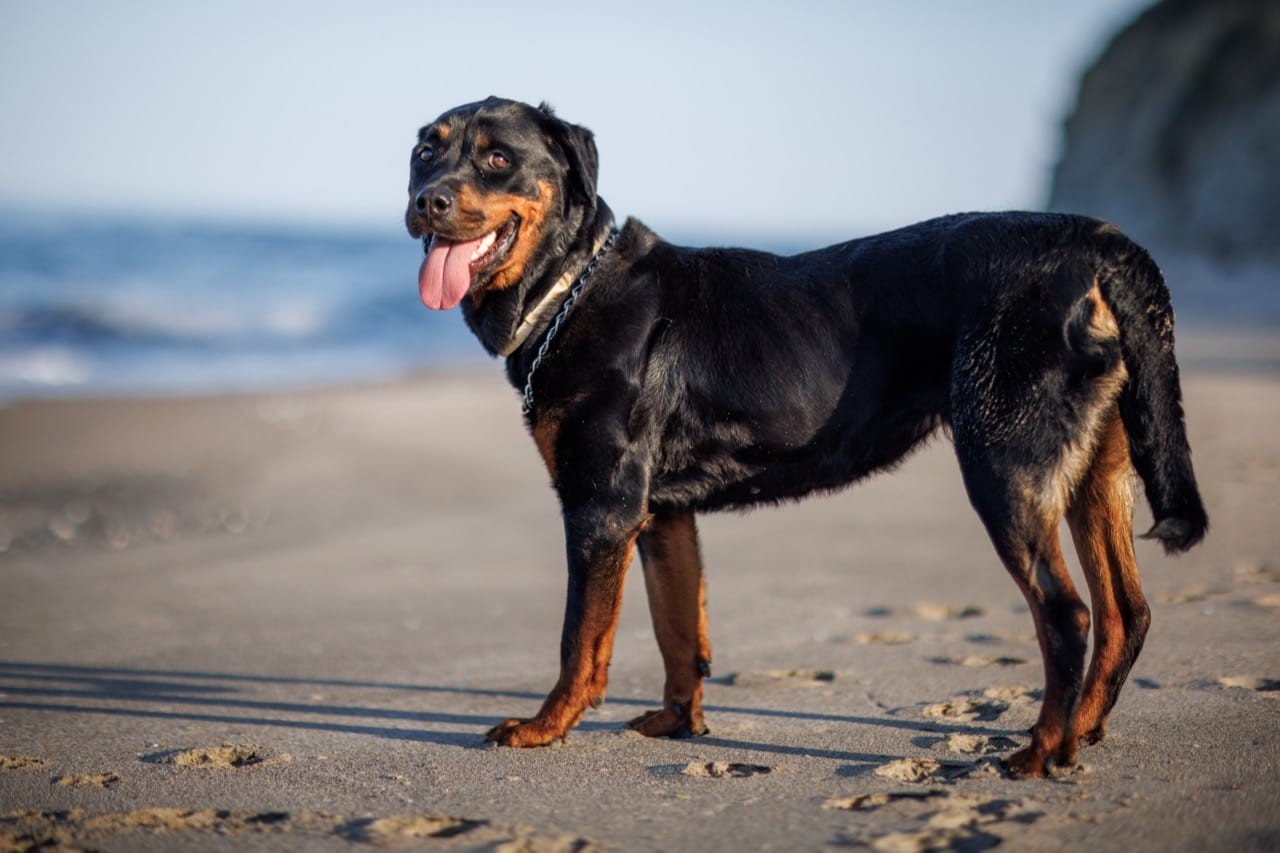
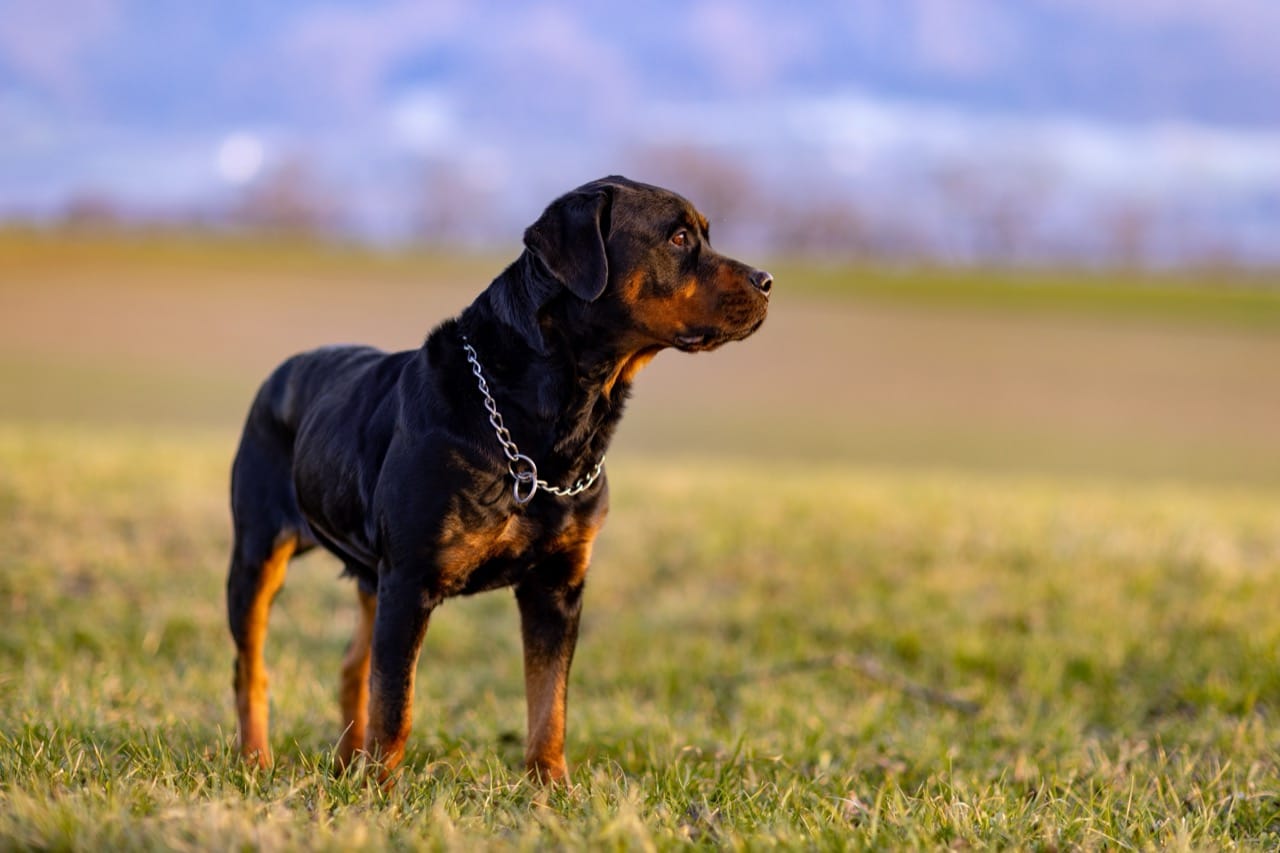
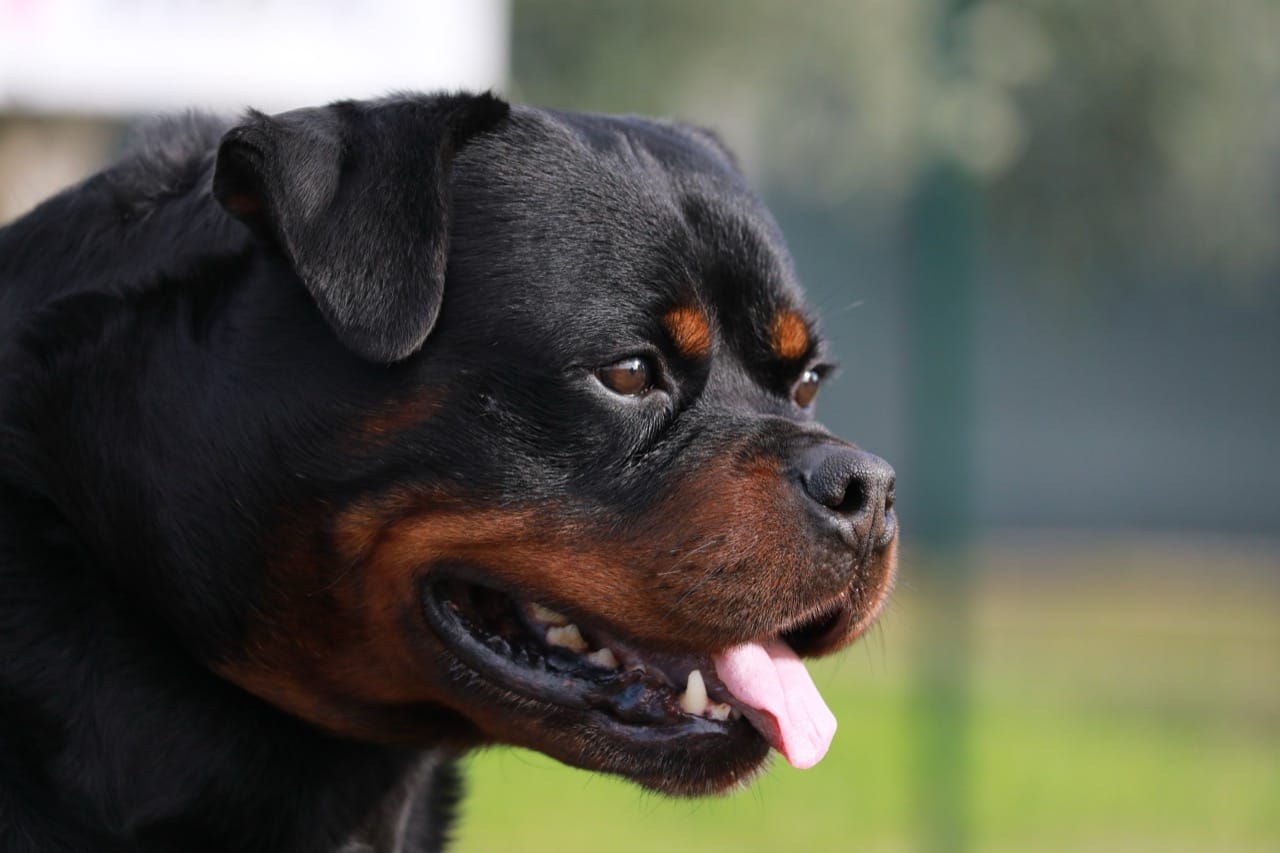
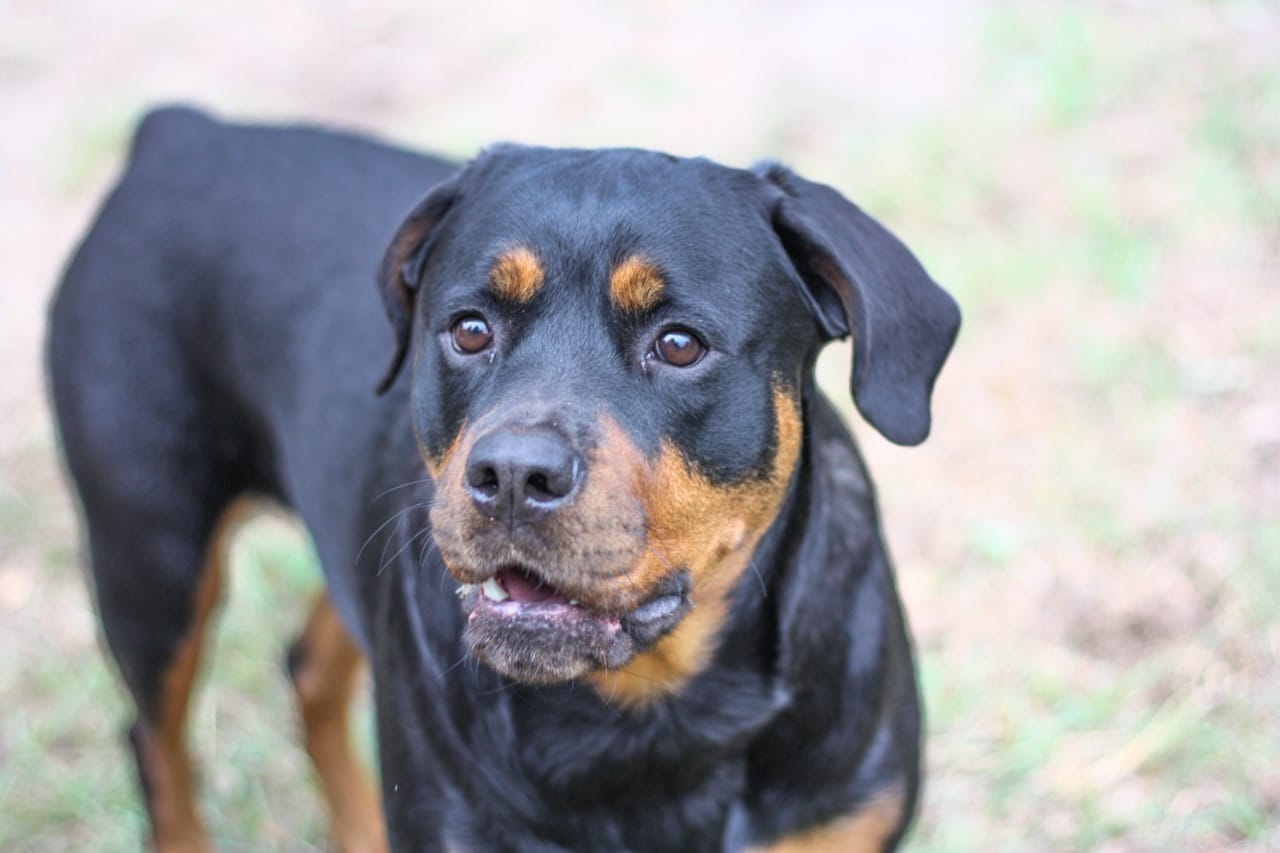
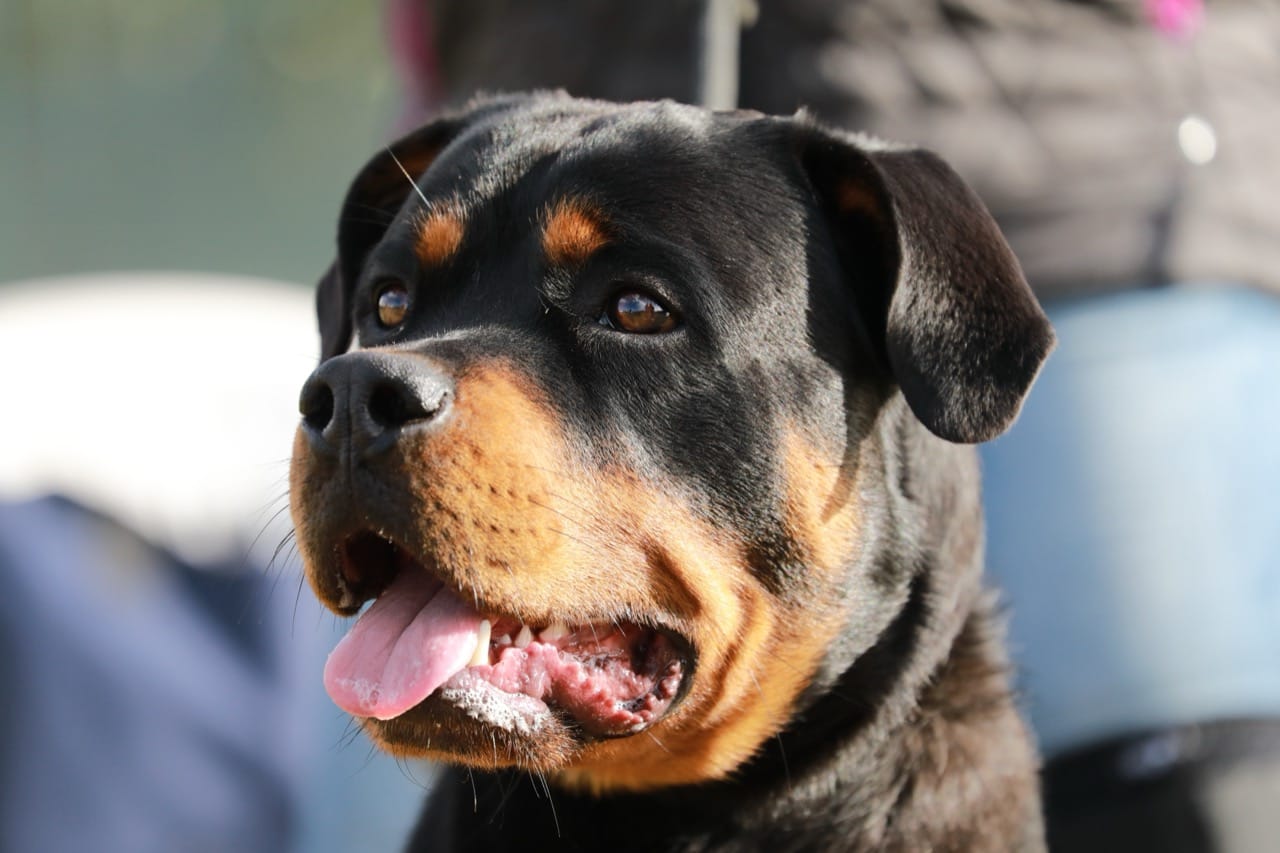
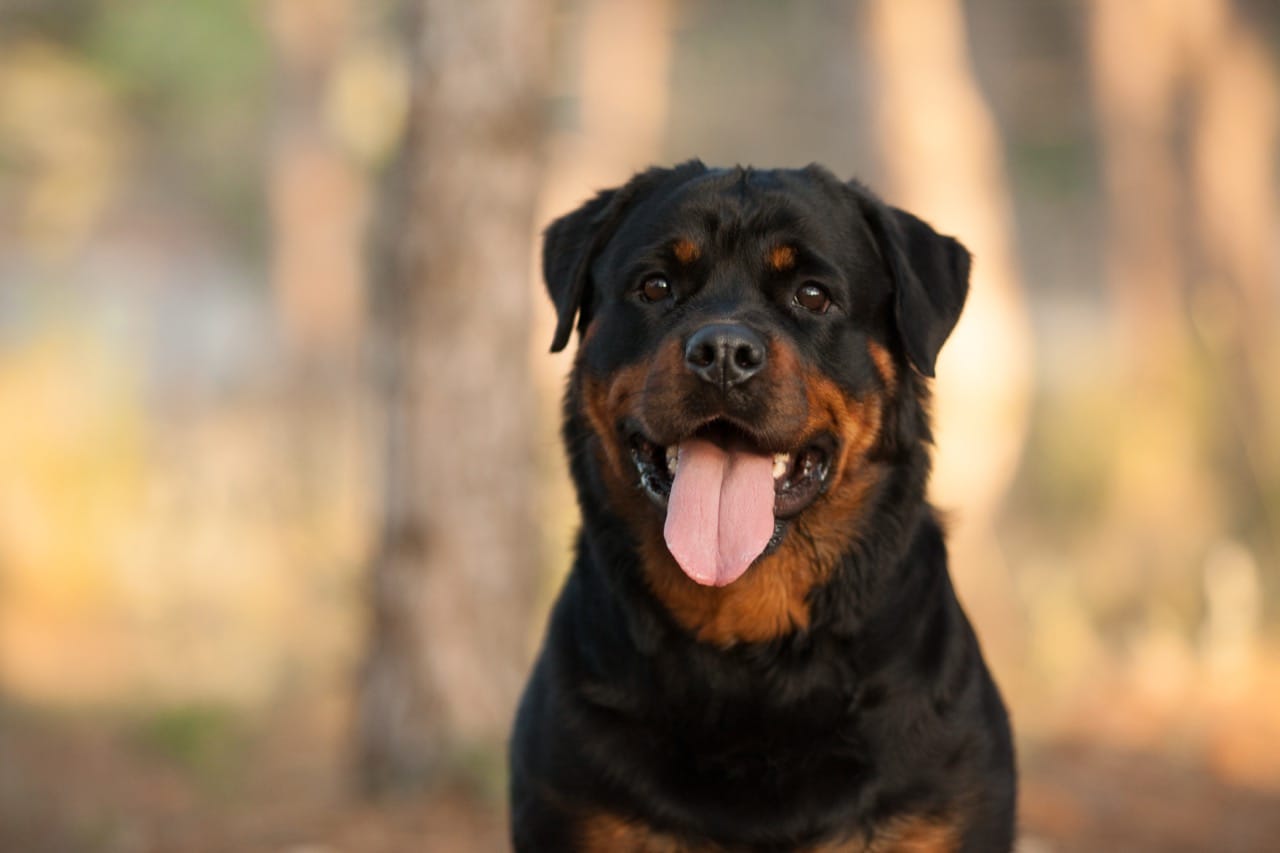
The Rottweiler’s body makes sense when you picture that job. A compact, muscular build provides the power to block and turn animals. A broad head and strong jaw were useful for holding or gripping when absolutely necessary, not for mindless aggression. Like many working breeds, the goal was control. The dog that could step into a moving group of cattle, hold its ground, and apply just enough pressure to change direction was valuable. That same instinct to watch movement, position the body, and manage space is still seen today when well-bred Rottweilers naturally place themselves between their person and something unfamiliar.
One of the most famous bits of breed history involves money, not just livestock. Butchers and cattle dealers traveling to market needed protection for their earnings on the way home. A dependable dog could guard goods and discourage theft. The Rottweiler became so closely tied to butchers that it earned the nickname Butcher’s Dog. This kind of guarding was about deterrence and reliability. A dog that was confident and discerning, rather than nervy and reactive, was better at keeping peace.
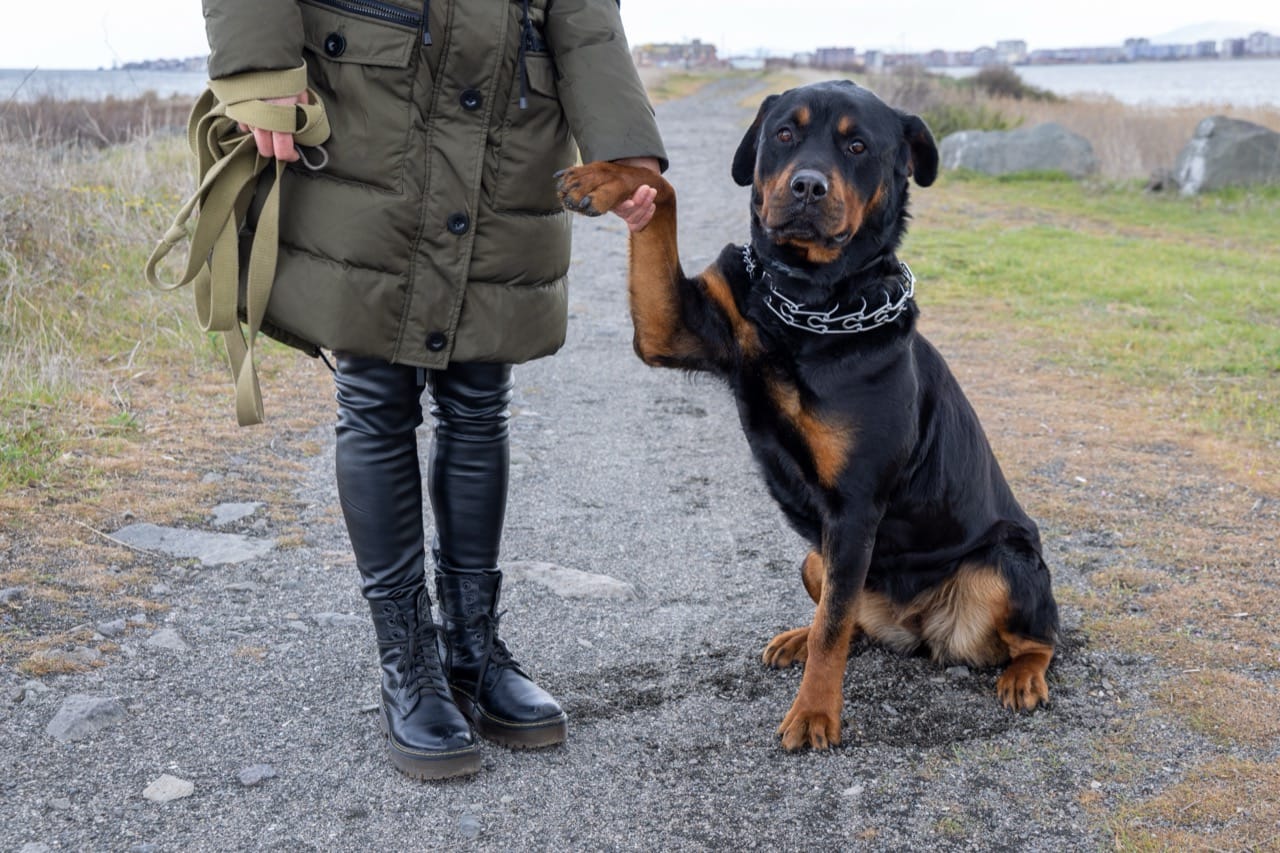
As livestock driving declined with rail transport, Rottweilers found new work. Their combination of strength, trainability, and stable temperament helped them transition into roles like police work, guarding, and later search and rescue and competitive obedience. Understanding that working background helps separate myth from fact: the breed was built to be steady under pressure, physically capable, and mentally prepared to assess situations. When people provide clear training, socialization, and purposeful activity, they are working with the breed’s history instead of against it.