Keeping a Bulldog Happy

Quiz Complete!
Bulldog Care, Training, and Safety: Practical Know How for a Happy, Healthy Companion
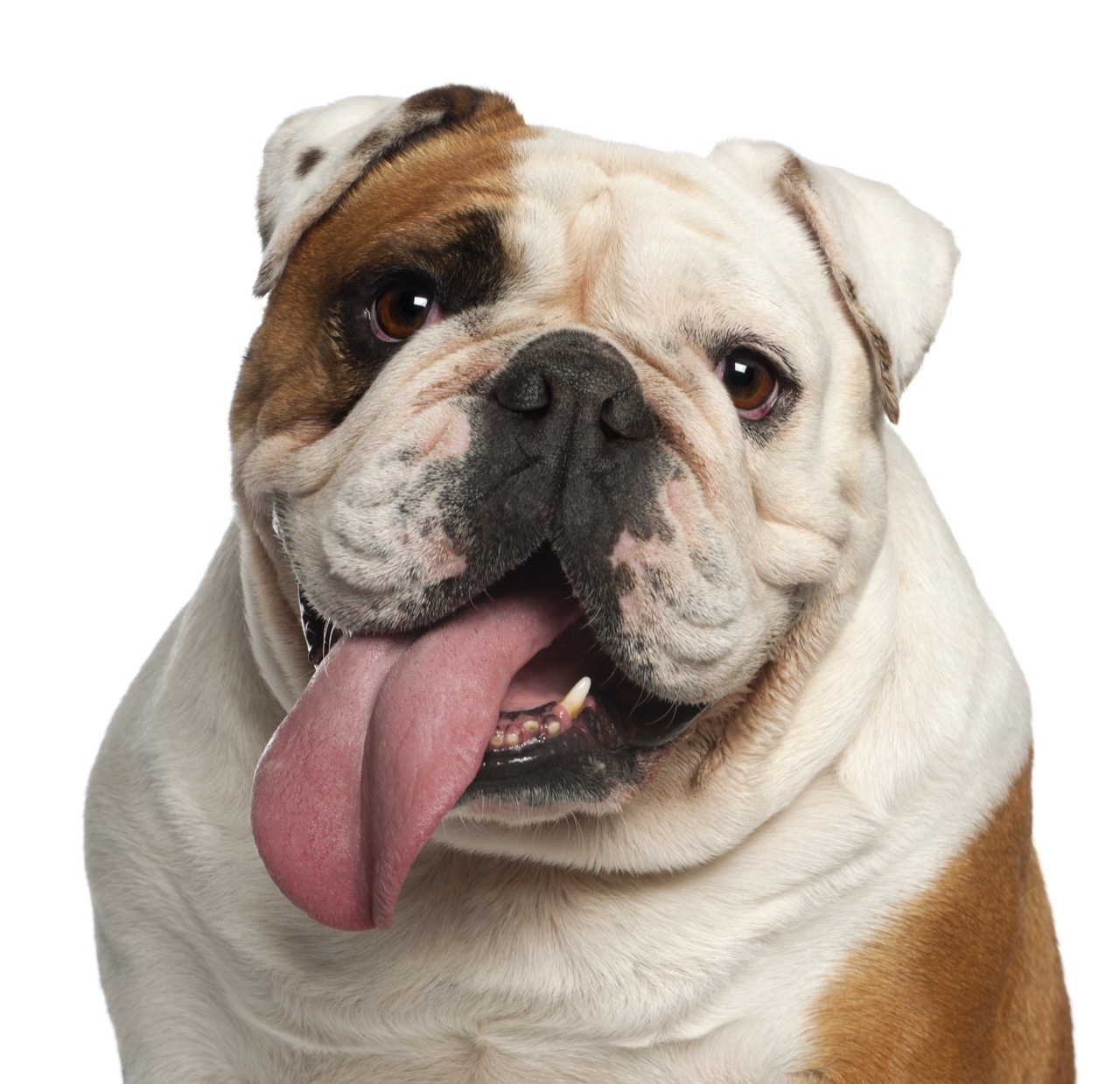
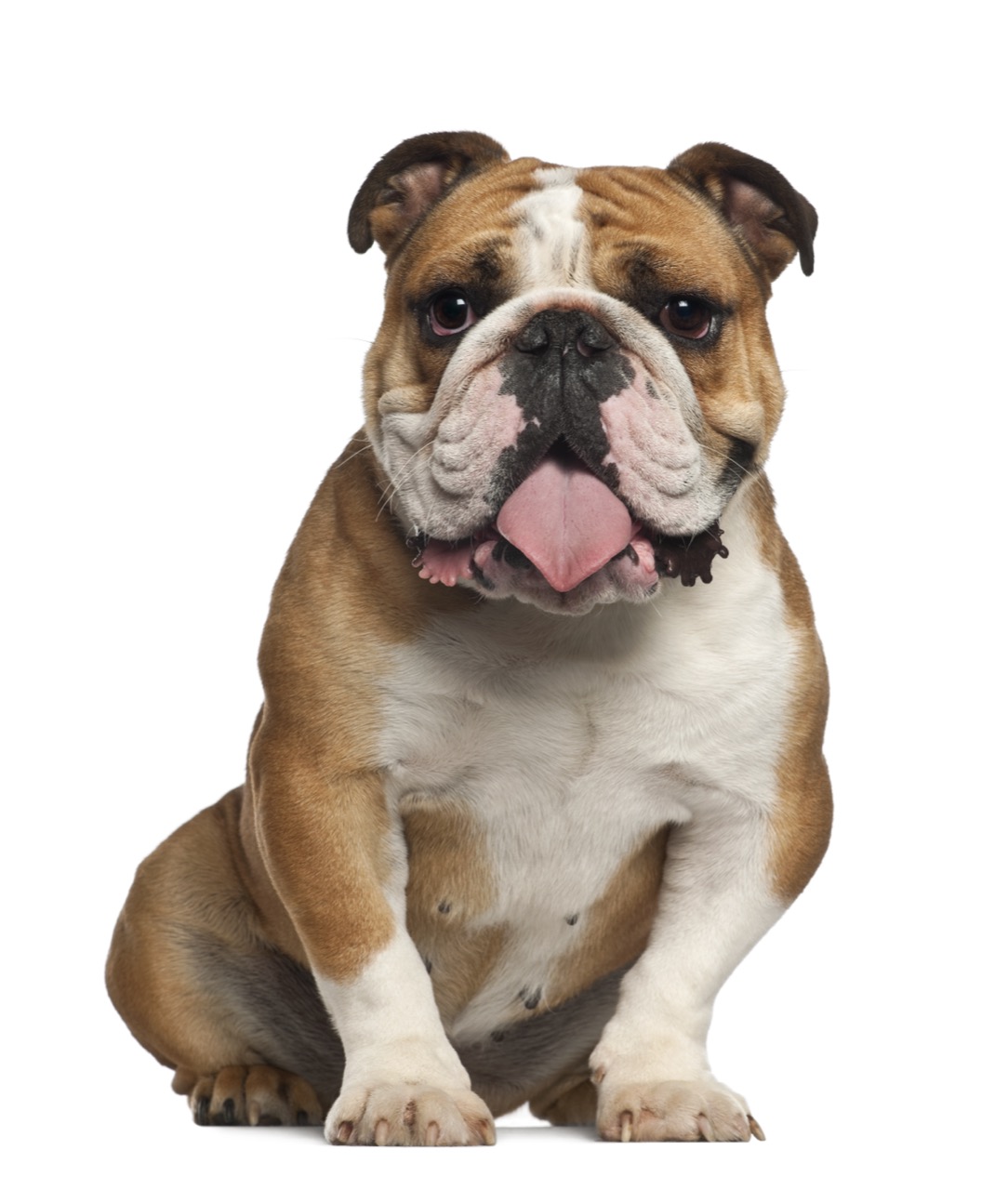
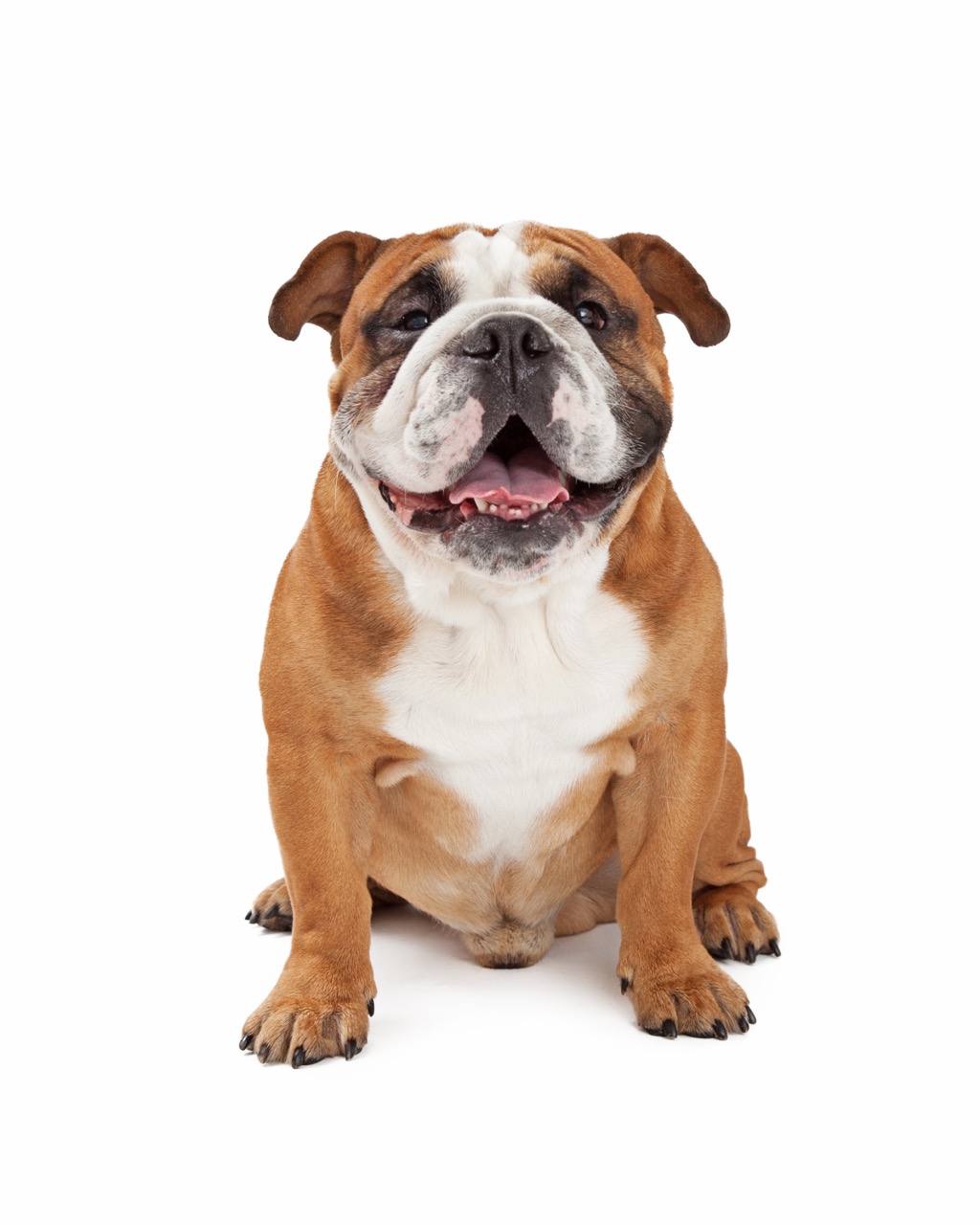
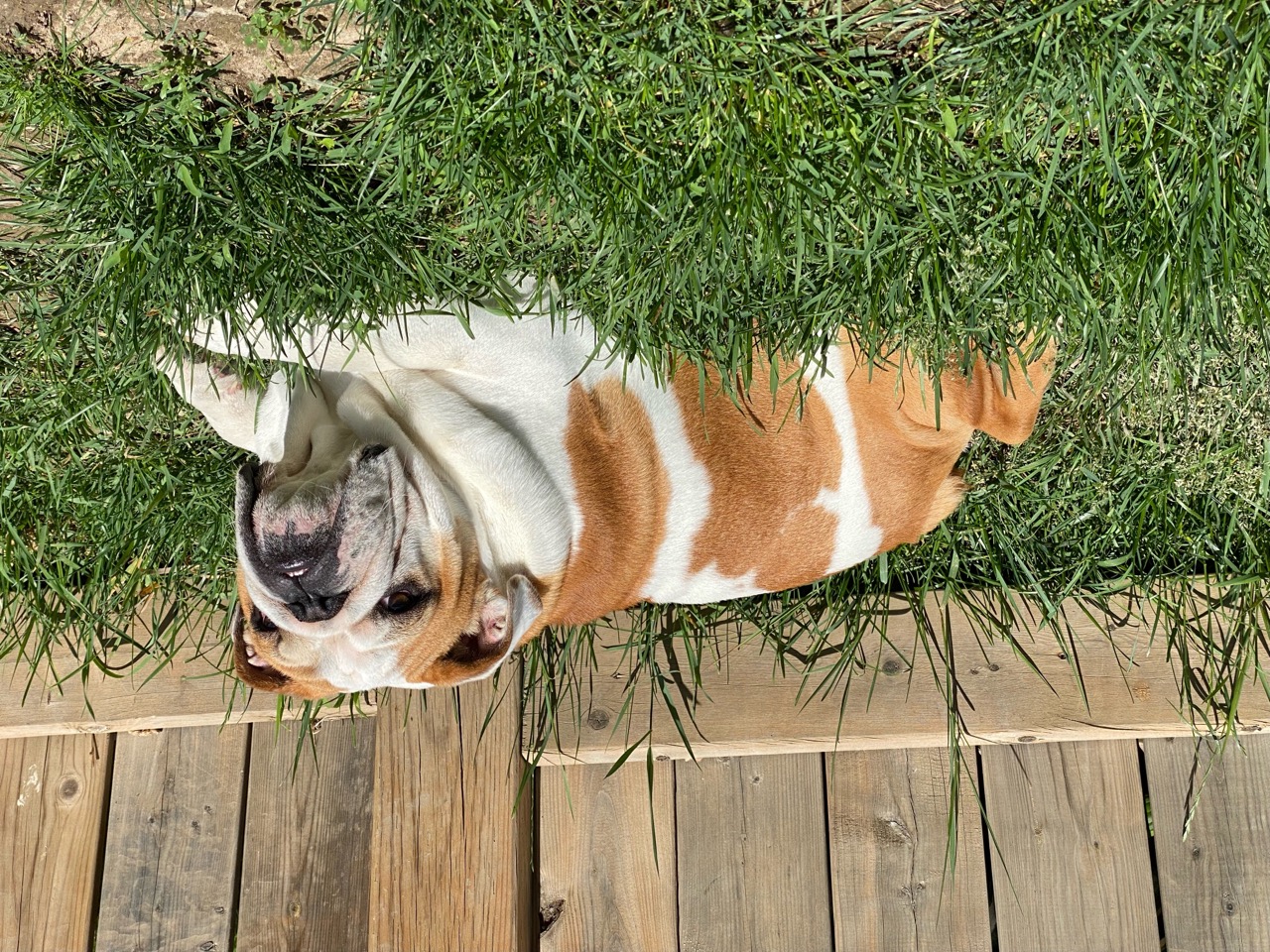
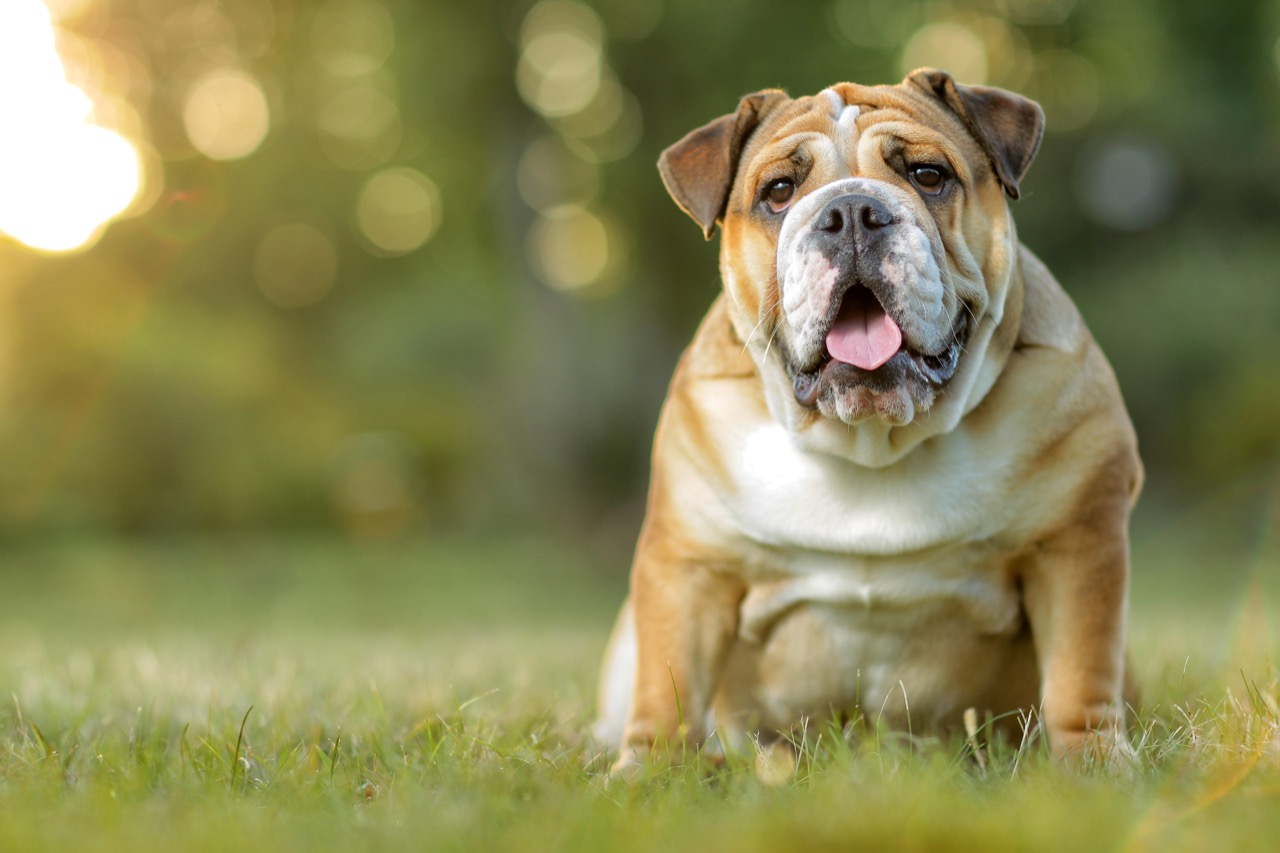
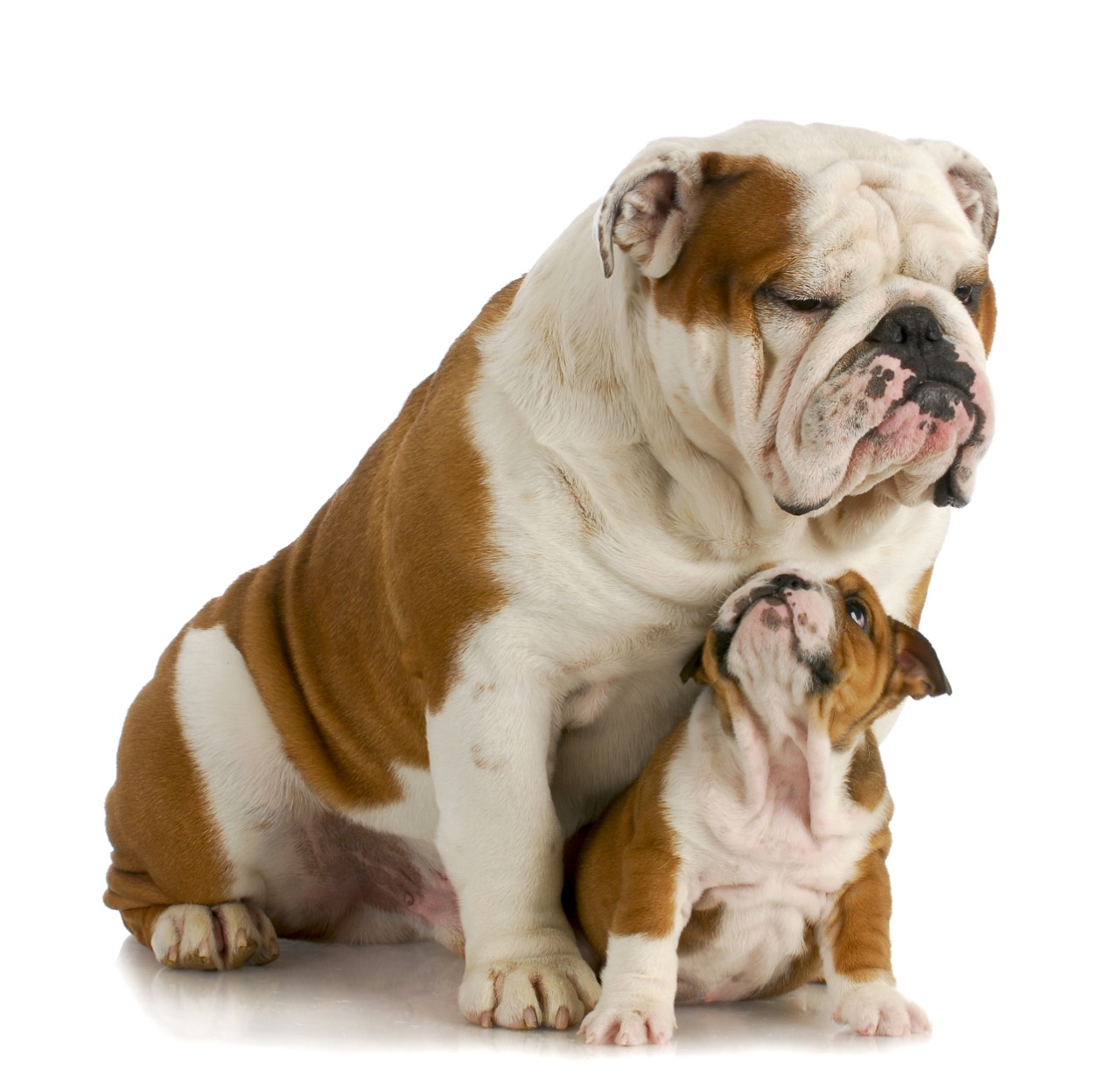
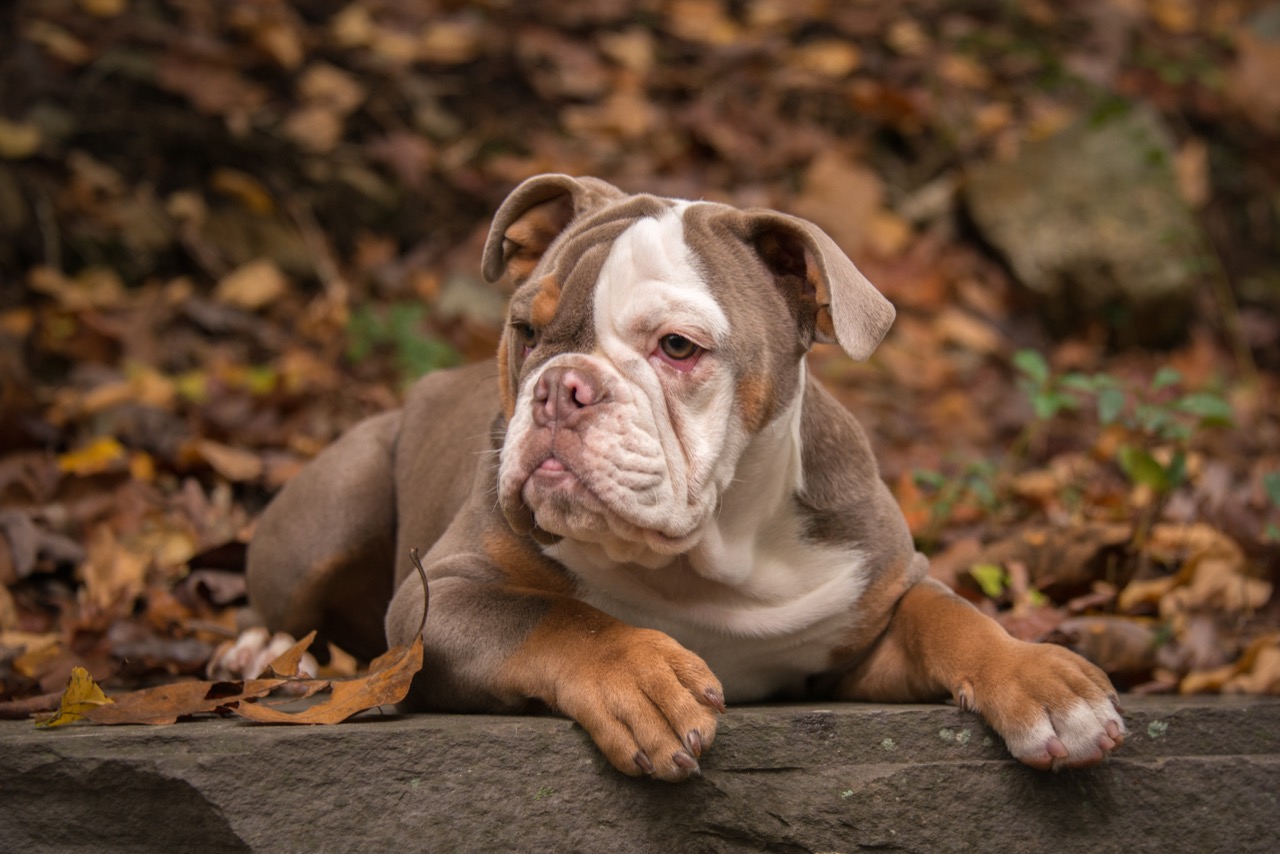
Bulldogs are instantly recognizable for their wrinkled faces, stocky bodies, and serious expressions, but the real story of living with one is in the daily routines that keep them comfortable. Many Bulldogs are affectionate, people oriented, and quietly funny. They often prefer being near their family over chasing constant excitement, which can make them wonderful companions in apartments or busy households. At the same time, their stubborn streak is real. It is less about dominance and more about a Bulldog deciding whether something is worth the effort. Patience, consistency, and a sense of humor go a long way.
Kind training starts with understanding what motivates your dog. Bulldogs tend to respond best to positive reinforcement, especially food rewards and enthusiastic praise. Short sessions work better than long drills, because they can lose interest quickly and may overheat if training becomes too intense. Focus on practical skills that improve safety and daily life, such as coming when called, walking politely on a leash, and being comfortable with handling. Handling practice matters because Bulldogs need regular care of their face folds, paws, and ears. If a dog learns early that gentle touching leads to treats, grooming and vet visits become far less stressful.
Exercise is another area where common sense beats generic dog advice. Bulldogs are not built for distance running or strenuous hikes, and many do best with several short walks and a bit of play rather than a single long workout. Their compact airways can make breathing less efficient, and their sturdy build can put extra strain on joints. A good rule is to watch the dog, not the clock. If your Bulldog is slowing down, breathing loudly, or refusing to continue, it is time to rest. Exercise should be scheduled for cooler parts of the day, especially in warm or humid weather.
Heat safety is one of the most important responsibilities for Bulldog owners. Bulldogs can overheat quickly, and overheating can become an emergency faster than many people expect. Warning signs include heavy panting, drooling, bright red or pale gums, weakness, vomiting, wobbliness, or collapsing. If you suspect heat stress, move your dog to a cool area immediately, offer small amounts of water, and use cool, not ice cold, damp towels on the body while contacting a veterinarian. Never leave a Bulldog in a parked car, even for a short errand, and be cautious with outdoor time during heat waves.
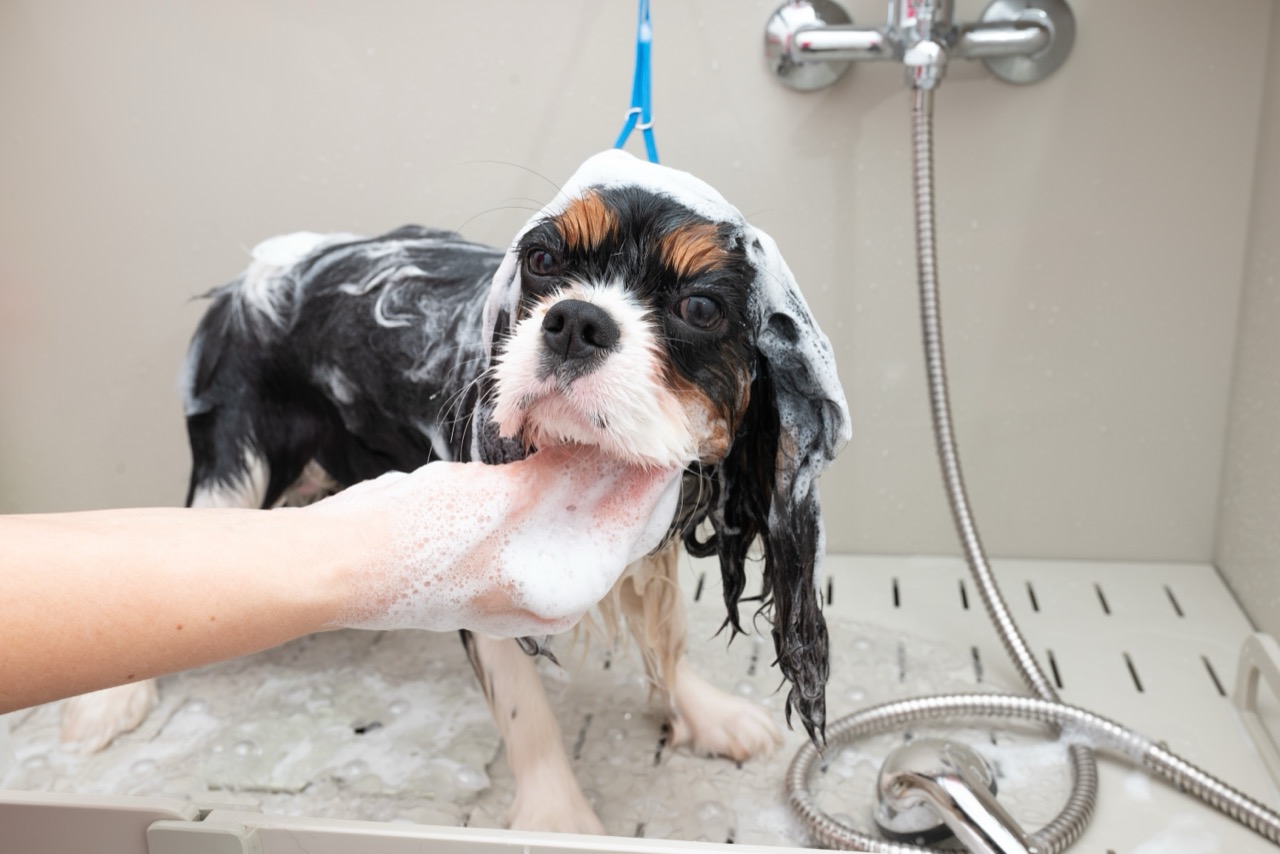
Grooming a Bulldog is less about fancy styling and more about hygiene. The famous wrinkles need regular attention because moisture and debris can get trapped in skin folds, leading to irritation or infection. Gently wipe folds with a soft cloth or pet safe wipe, then dry thoroughly. The tail area can also hide skin problems, especially if the dog has a tight tail pocket. Ears should be checked for odor, redness, or excess wax. Nails often need frequent trimming, because Bulldogs may not wear them down naturally. Keeping nails short improves traction and reduces strain on feet and joints.
Feeding and weight management are closely tied to safety. Bulldogs love to eat, and extra pounds can worsen breathing, joint stress, and heat intolerance. Measure meals, limit high calorie treats, and use part of the daily food as training rewards. A healthy Bulldog should have a visible waist from above and you should be able to feel the ribs under a light layer of tissue.
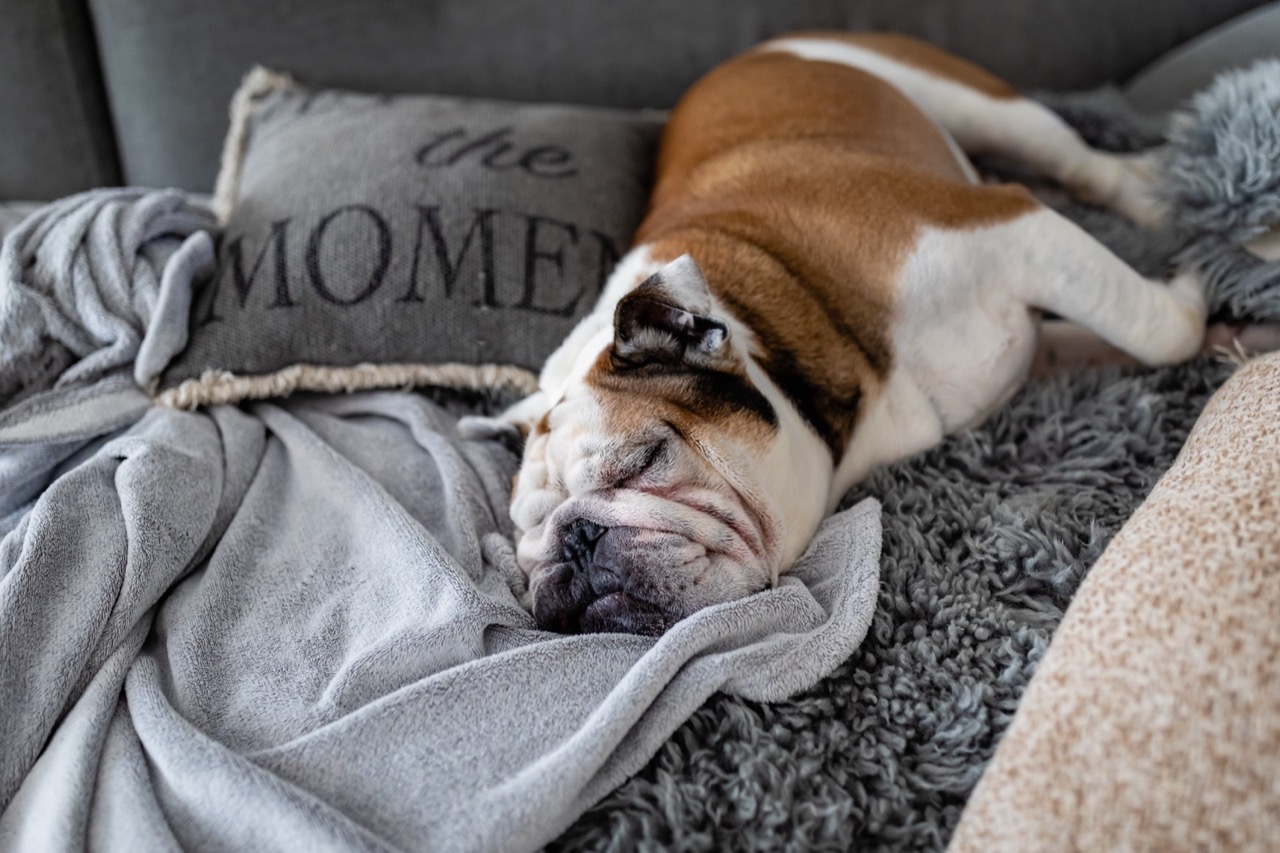
Bulldogs may look tough, but they thrive on gentle care, predictable routines, and a home that takes their unique needs seriously. When you combine kind training with smart exercise, careful grooming, and heat awareness, you get the best version of the breed: a loyal, comedic, couch loving companion who is safe, comfortable, and truly part of the family.