The English Bulldog’s Second Act



Quiz Complete!
English Bulldog History and the Practical Reasons Behind the Look
The English Bulldog is often imagined as a sleepy, snoring companion, but the breed’s distinctive shape did not come from a life of leisure. It was built for a job that demanded nerve, strength, and a very specific kind of athleticism. Understanding that history makes the Bulldog’s famous features feel less like quirks and more like clues.
In Britain, dogs called bulldogs were developed for bull baiting, a brutal public spectacle that existed for centuries. In that work, a dog needed the courage to face a much larger animal, the power to hold on, and the toughness to keep going despite being shaken or struck. Breeders favored dogs that could get close, stay low, and control their grip. Over time, those preferences shaped the type that people began to recognize as the Bulldog.
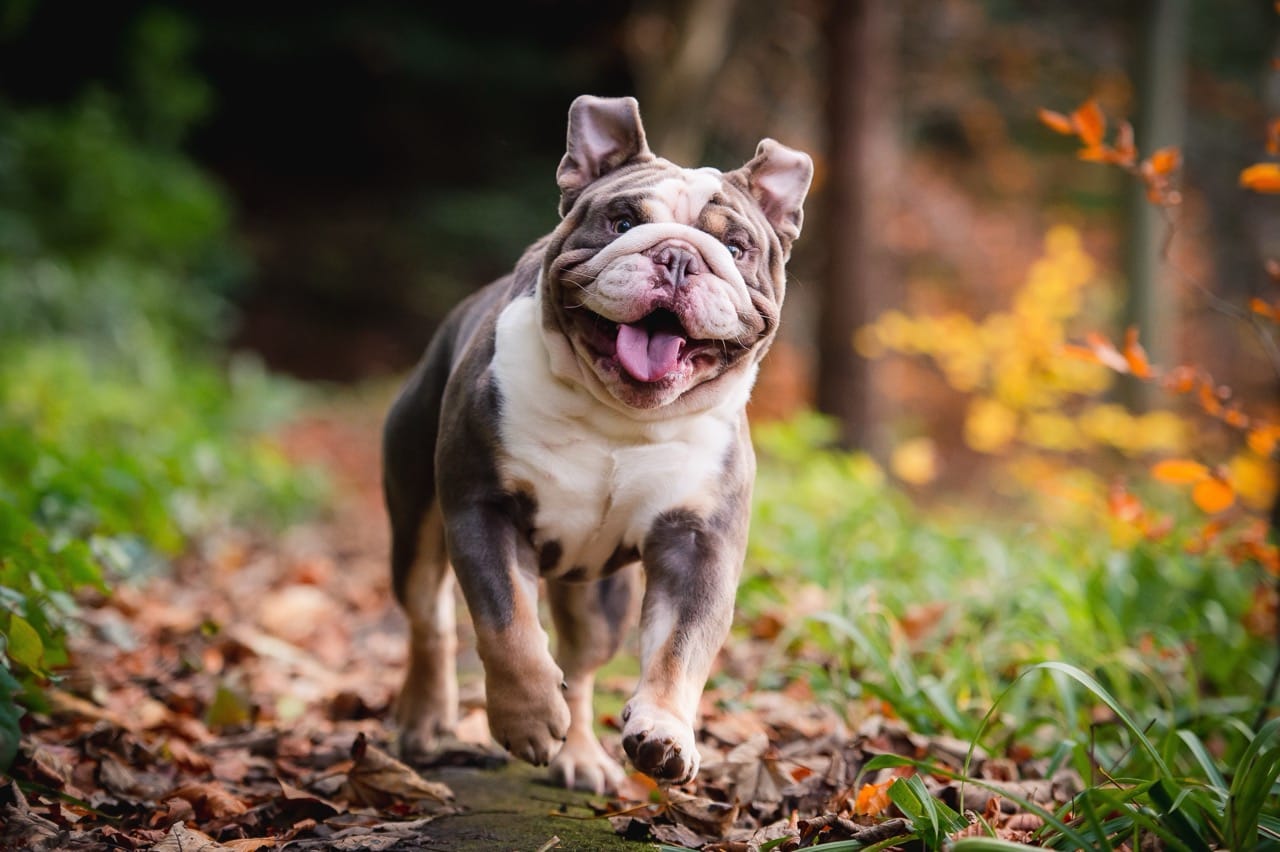
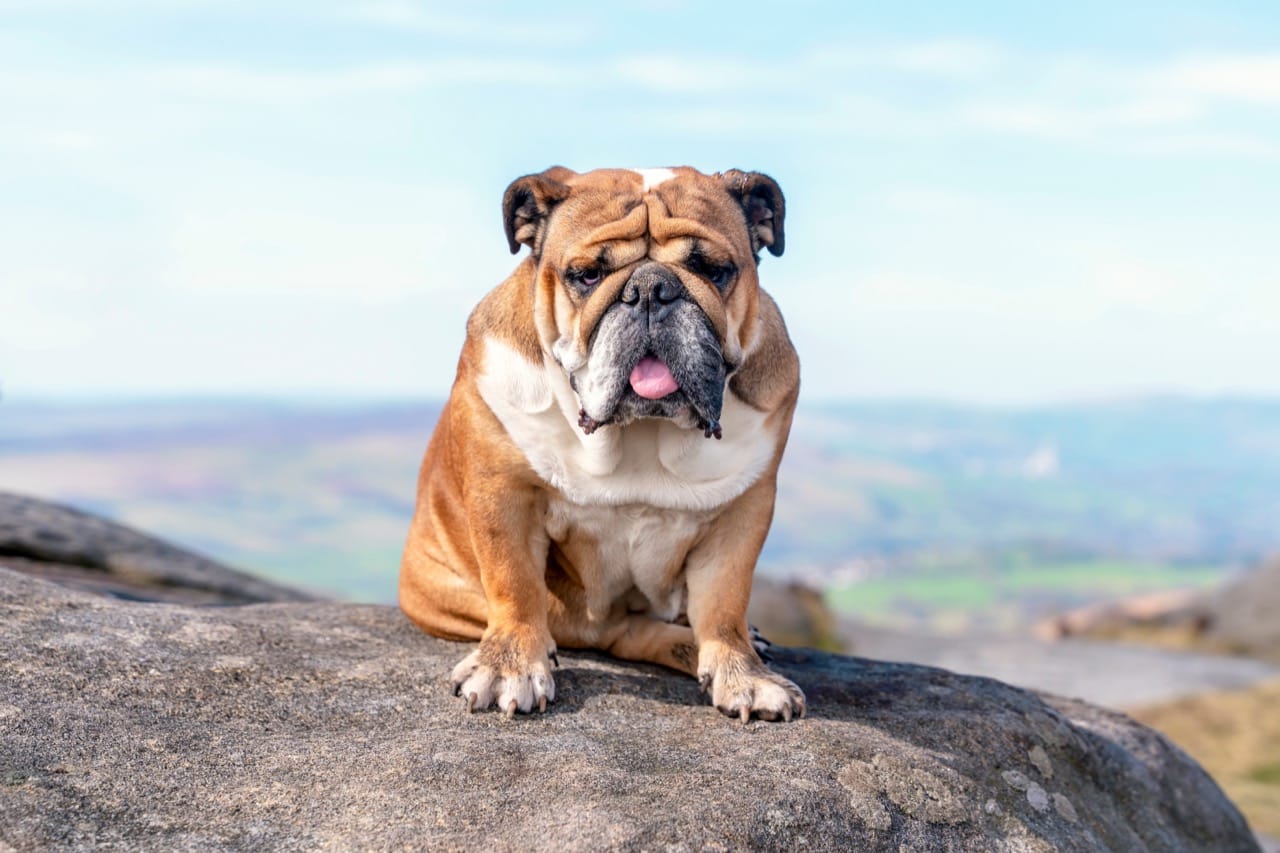
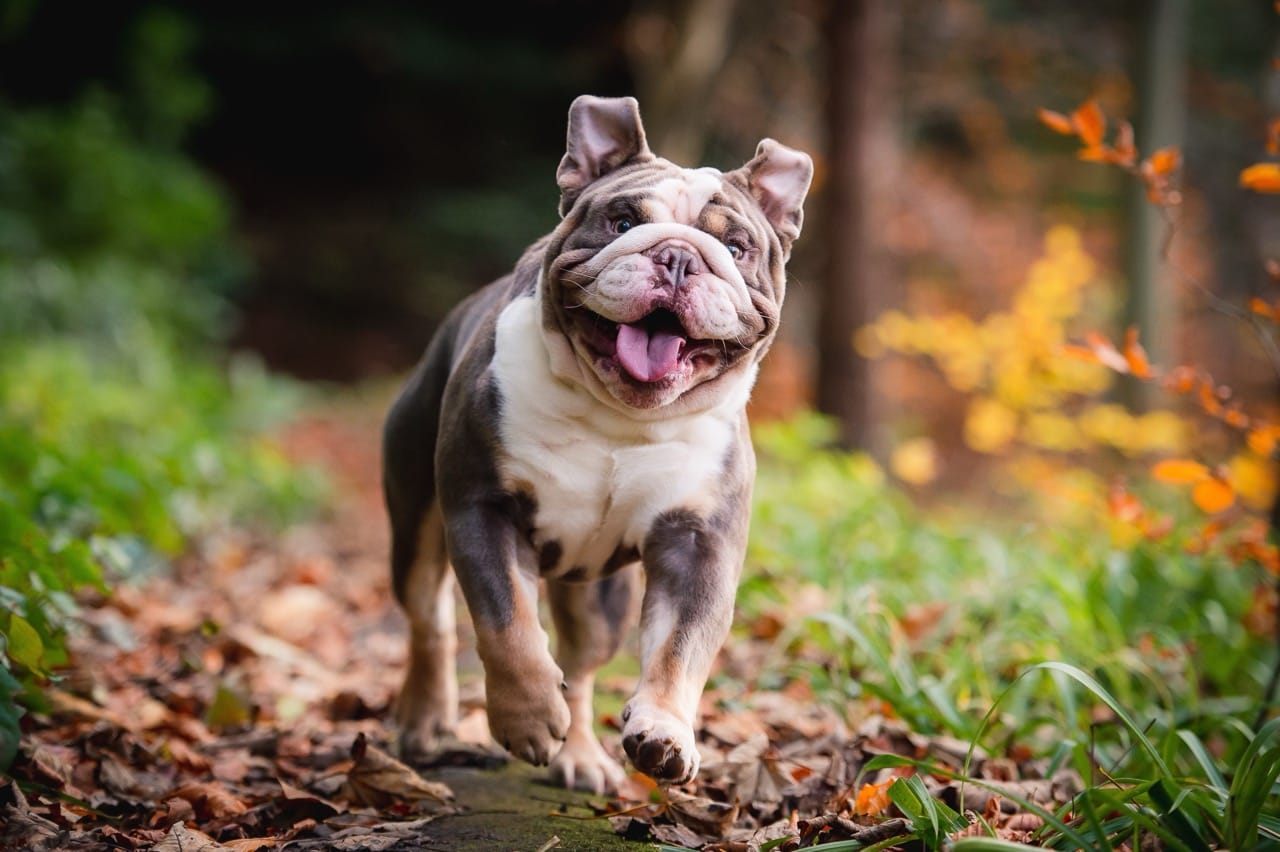
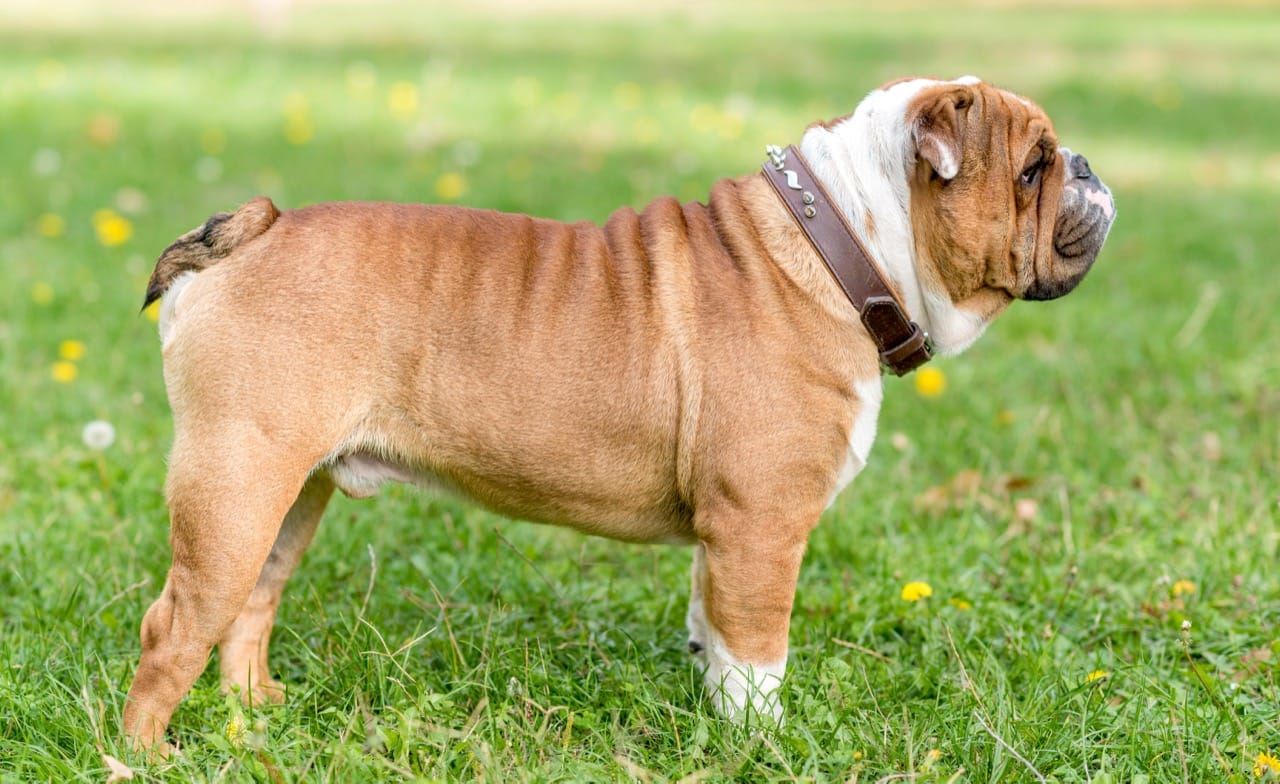
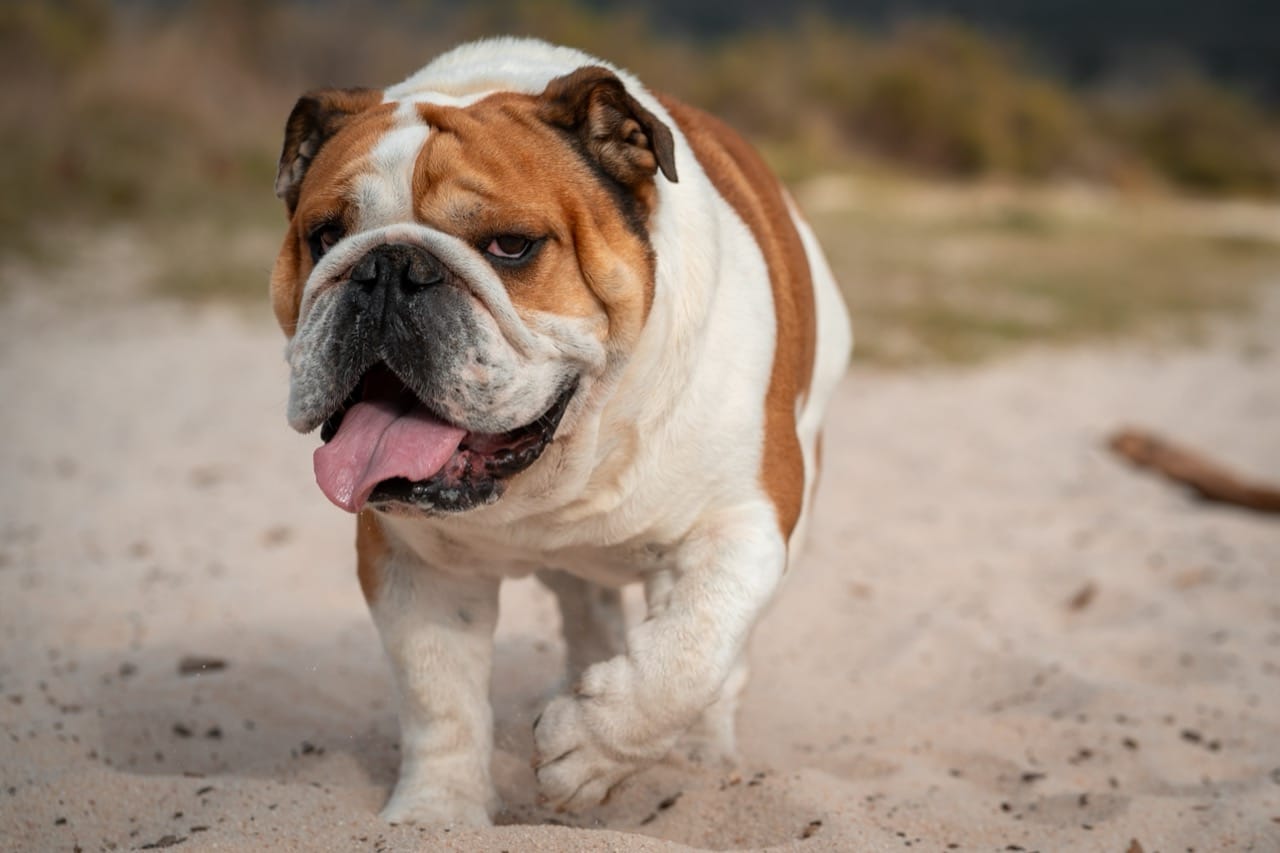
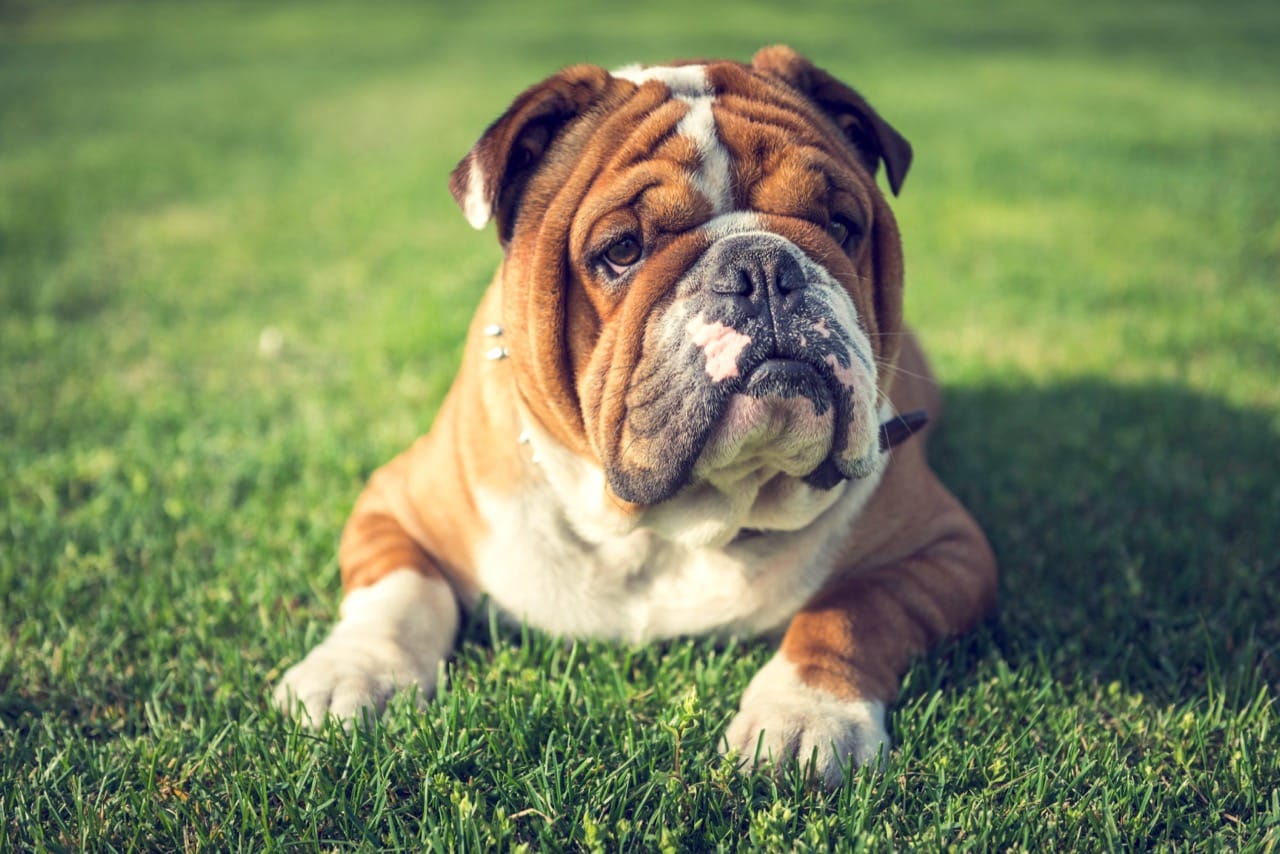
The Bulldog’s low, wide stance is a functional design. A dog that stays close to the ground is harder to toss and can brace more effectively. The wide chest and heavy forequarters are not just for show; they reflect selection for pulling, pushing, and anchoring. Strong shoulders and thick neck muscles helped a dog drive forward and maintain a hold. Even the way Bulldogs move, with a rolling gait in many individuals, connects to a body built around a powerful front end and a compact frame.
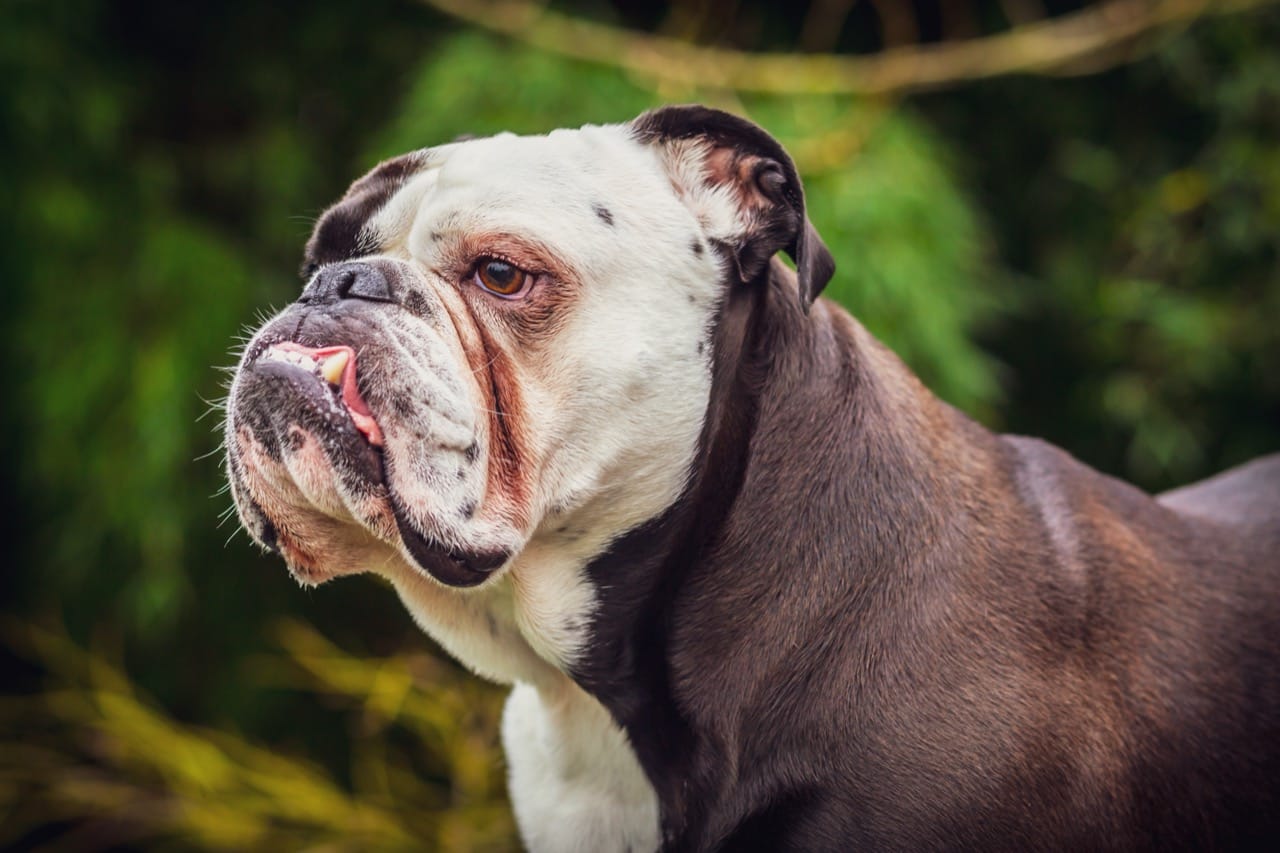
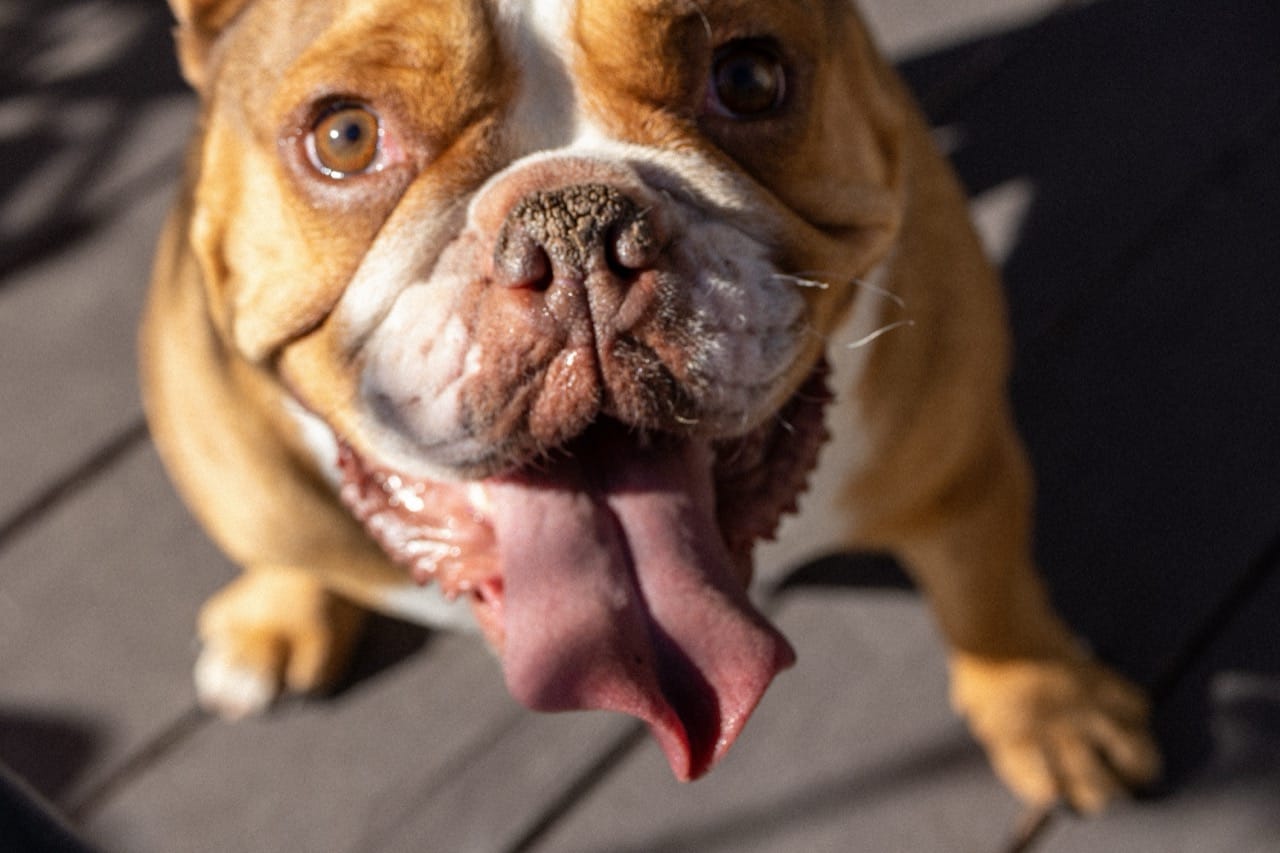
The short muzzle also has a practical backstory, although it comes with tradeoffs. Traditional accounts say a shorter face let the dog keep a grip while still breathing, because the nose sat farther back from whatever the dog was holding. The undershot jaw, another hallmark, helped create a strong, clamping bite. Loose facial skin and wrinkles could provide a small measure of protection, with tissue that might tear without immediately ending the dog’s ability to hold on. These are harsh origins, but they explain why the Bulldog’s head is so heavily built and why the breed’s expression looks determined even at rest.
Then the job disappeared. In 1835, the Cruelty to Animals Act in the United Kingdom outlawed bull baiting. With the original work gone, the Bulldog faced a turning point. Some lines faded, while others were reshaped by fanciers who wanted to preserve the look but remove the dangerous purpose. The first Bulldog Club appeared in 1864, and the club founded in 1875, which still exists, produced the first lasting standard. Through selective breeding, the temperament was guided toward steadiness, predictability, and suitability for family life. That change did not happen overnight, and the breed still carries behavioral echoes of its past.
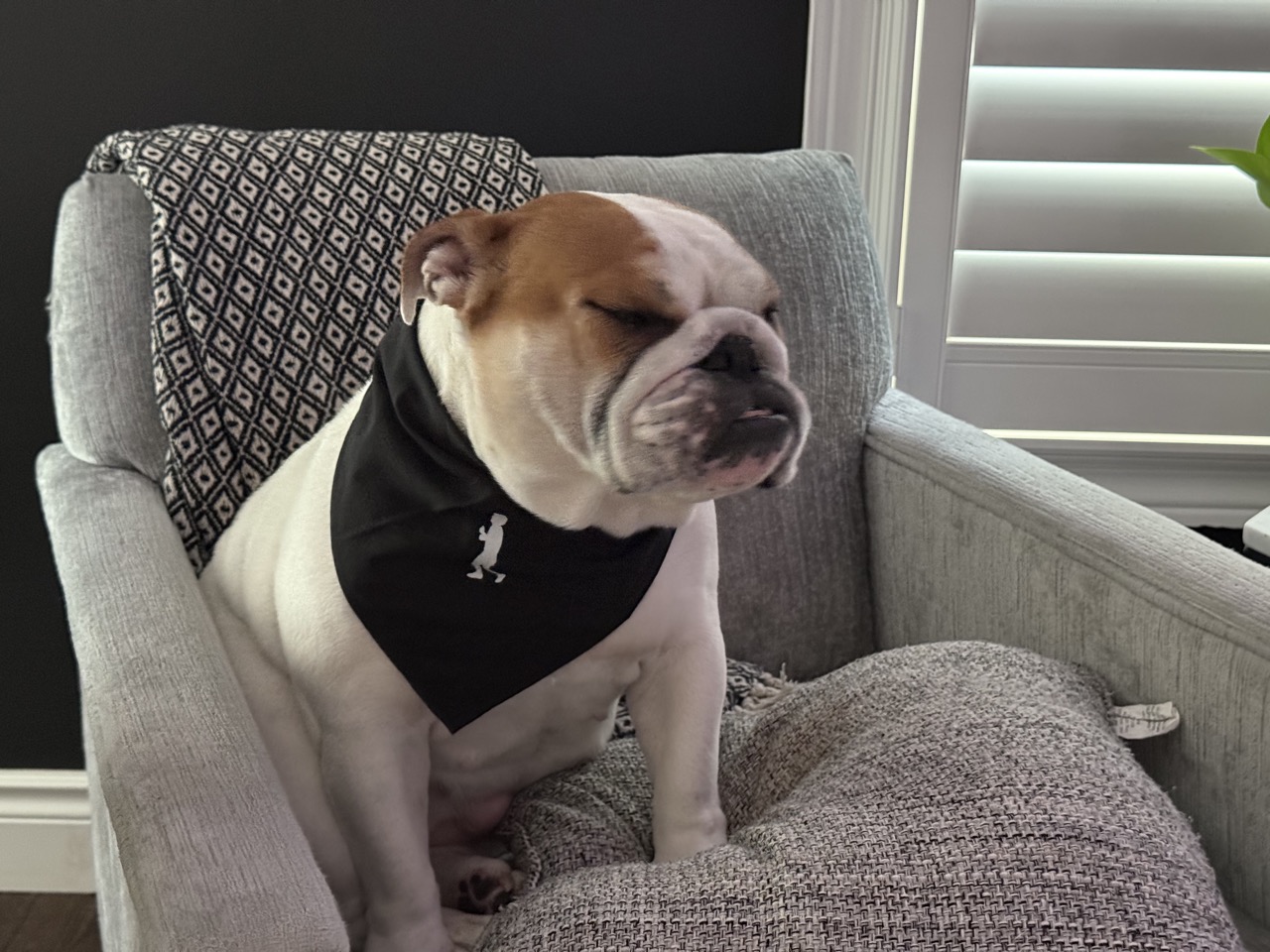
Modern Bulldogs are often affectionate, people focused, and comical, but they can also be brave and stubborn. Stubbornness is not random misbehavior; it can be the legacy of a dog once valued for persistence under pressure. Many Bulldogs respond best to calm, consistent training and clear incentives rather than force. Their confidence can look like reluctance to hurry, but it also contributes to the breed’s reputation for being unflappable.
The same history that explains the Bulldog’s form also helps explain its modern needs. A compact, heavy bodied dog is not designed for distance running or intense heat. The shortened muzzle can make cooling less efficient, so warm weather requires caution and shade. The breed’s strength and determination mean that even a friendly Bulldog benefits from early socialization and good manners, especially on leash.
Seen through the lens of history and function, the English Bulldog becomes more than a couch companion with a funny face. It is a living record of how human choices can shape anatomy and behavior, first for a demanding job and later for companionship. Knowing that timeline makes each wrinkle, each broad shoulder, and each stubbornly brave moment feel like part of a story written into the breed itself.