Can You Keep Up With an Airedale?



Quiz Complete!
Living With an Airedale Terrier: Real World Skills for the King of Terriers
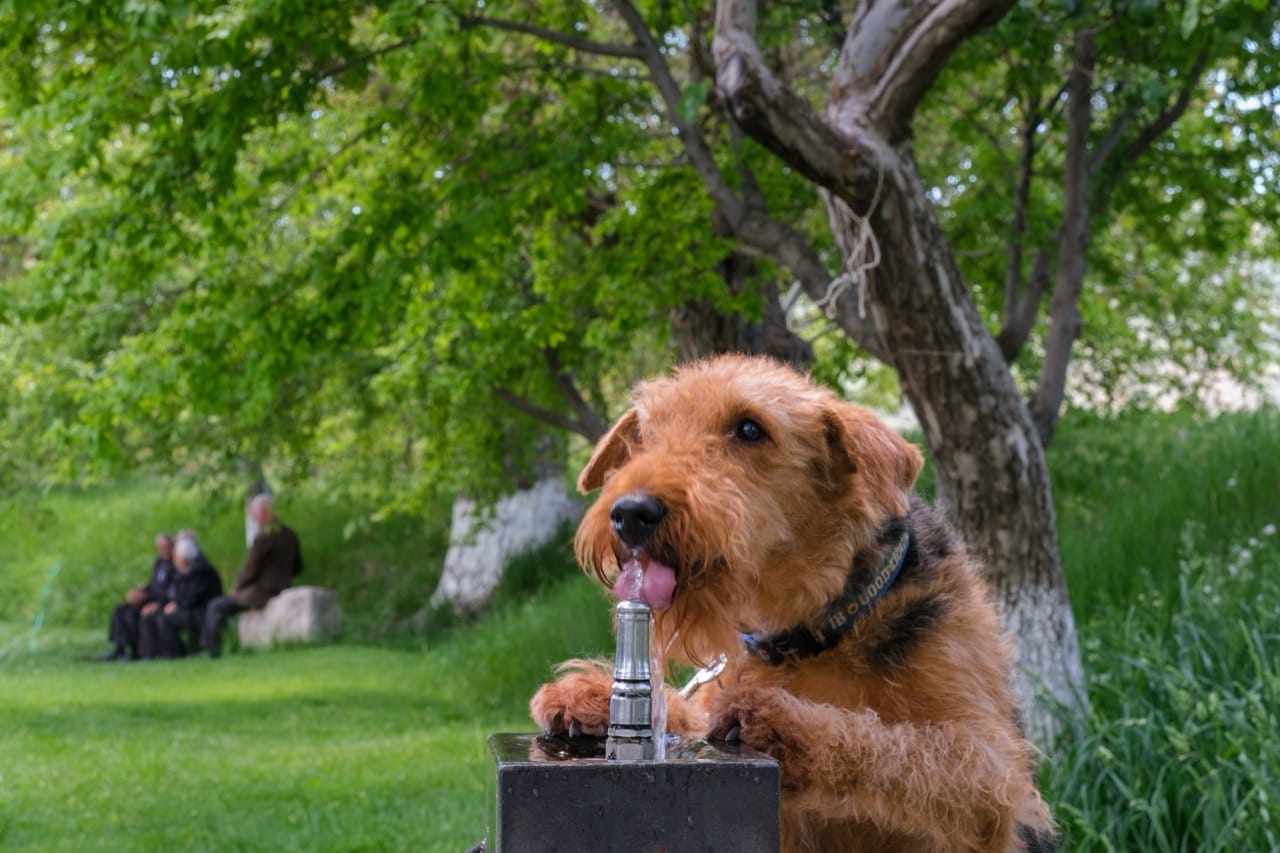
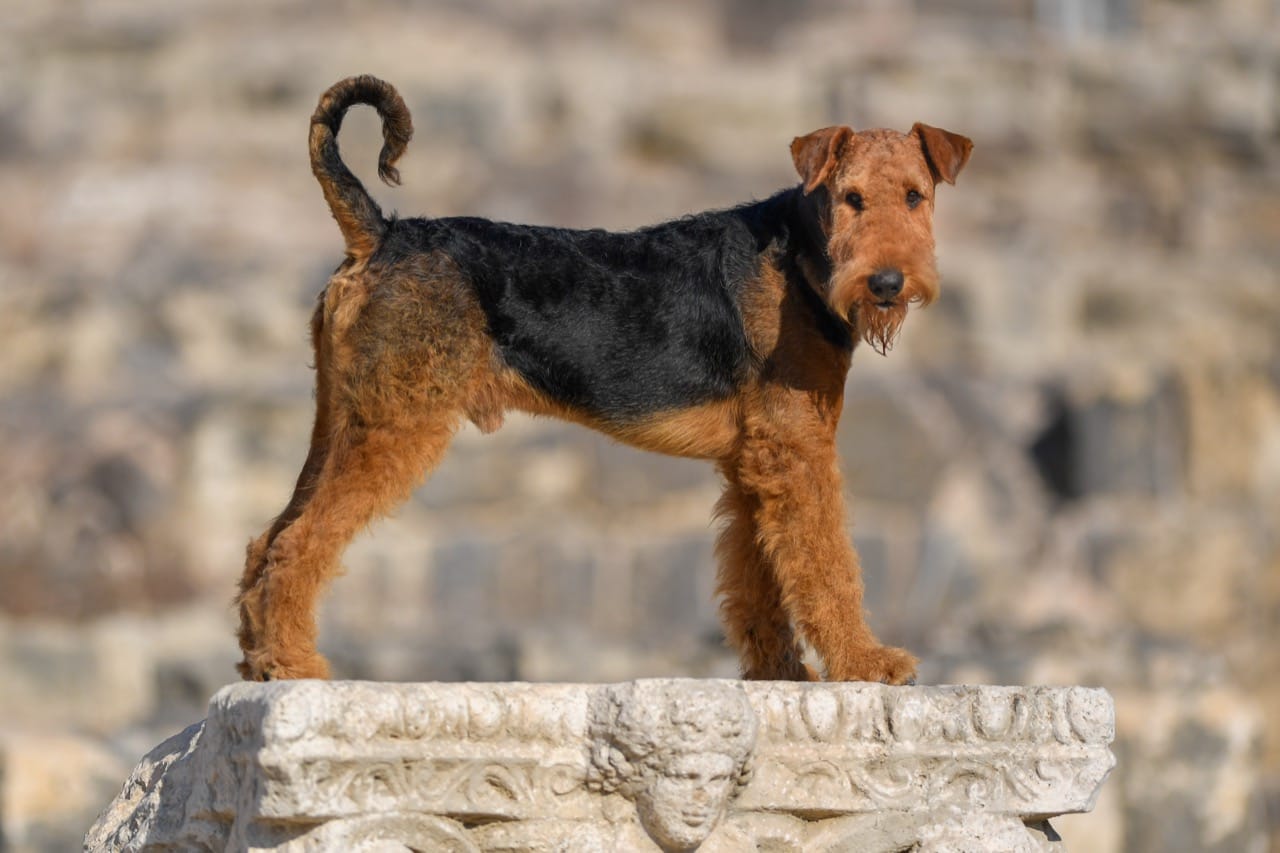
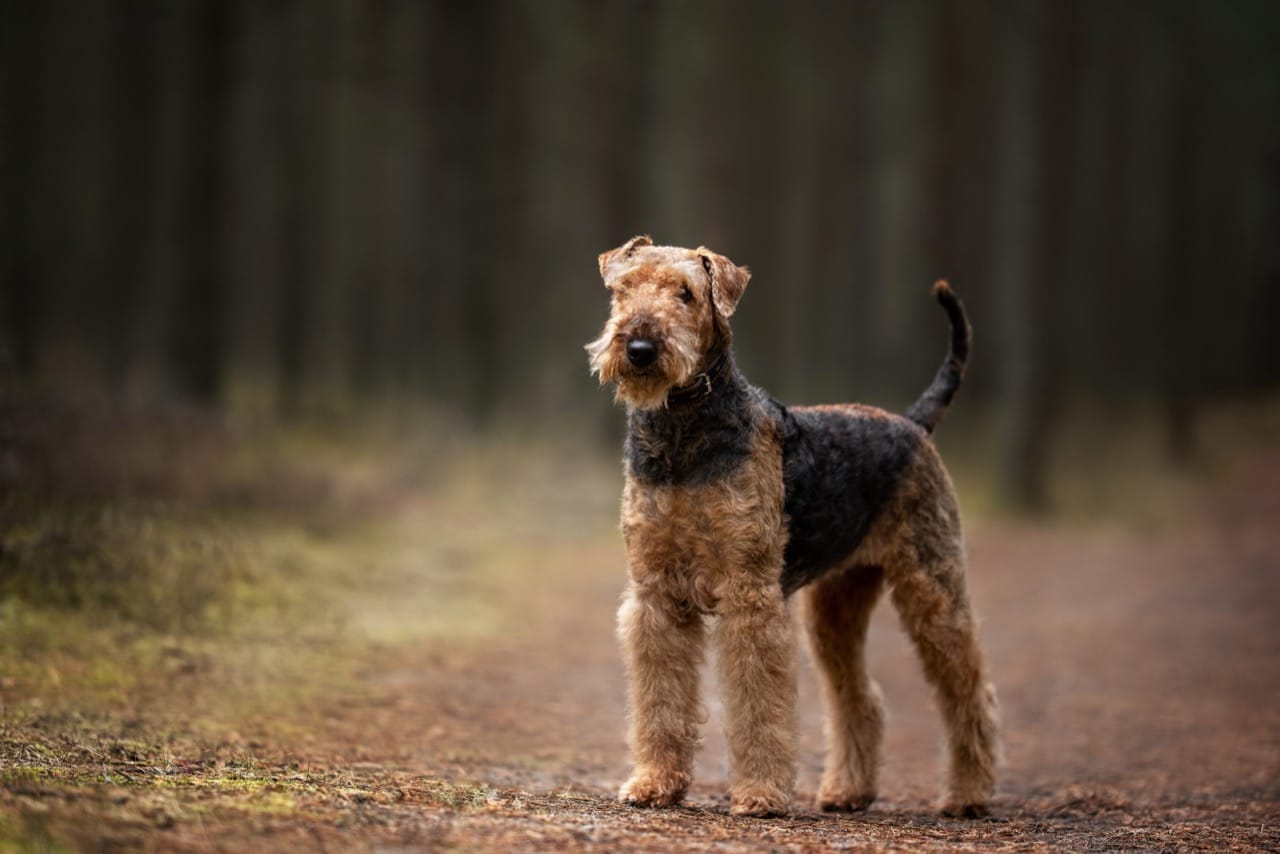
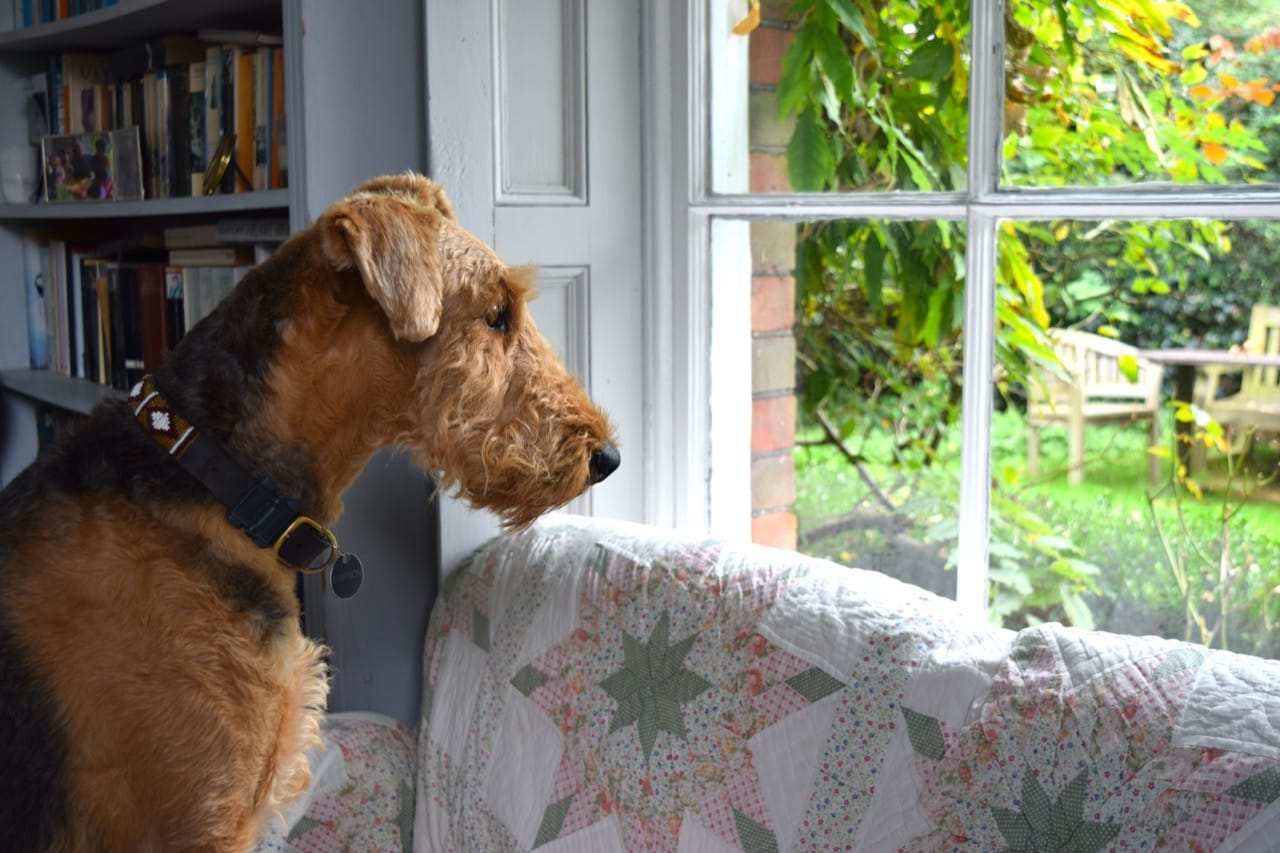
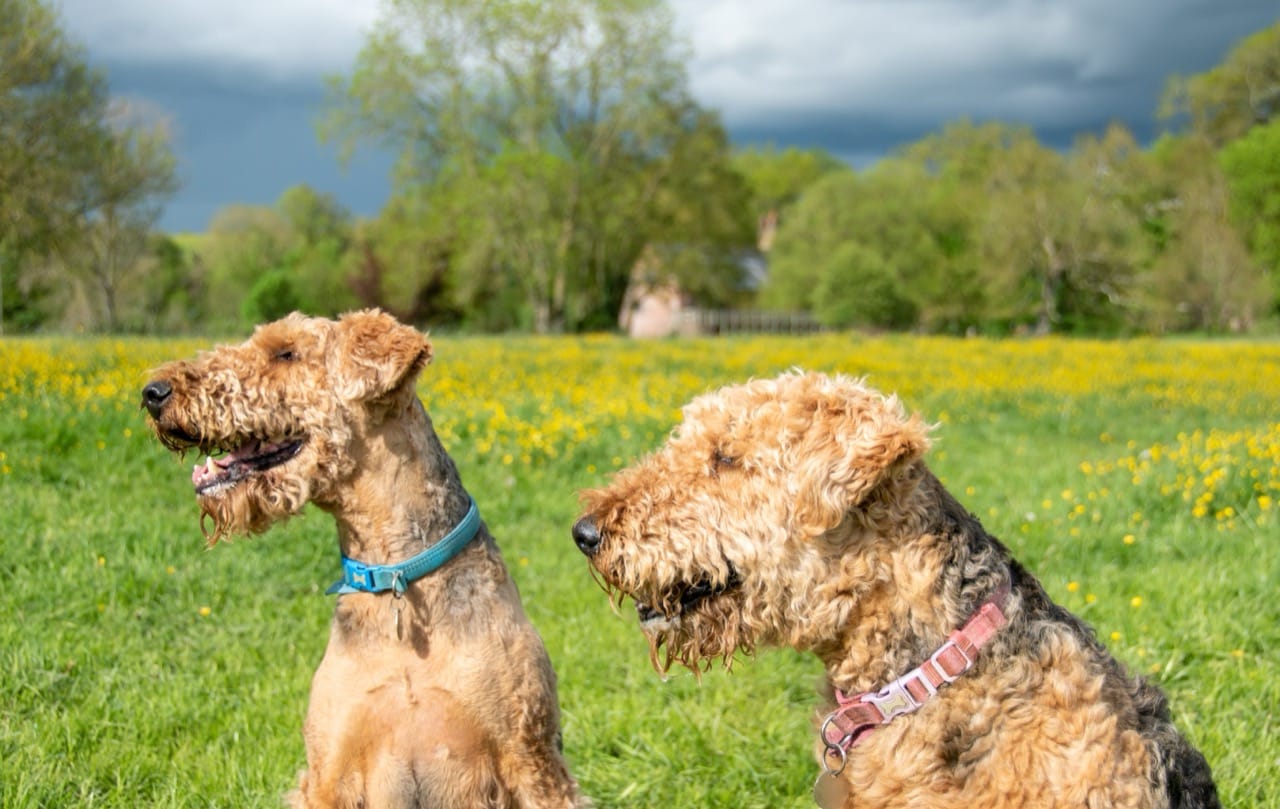
The Airedale Terrier earned the nickname King of Terriers for good reason. It is the largest of the terrier breeds, with a bold presence, quick mind, and a working dog background that still shows up in everyday life. Developed in the Aire Valley of Yorkshire, England, Airedales were bred to be versatile all purpose dogs. They hunted otters and rats, worked alongside people on farms, and later served as messenger and guard dogs. That history explains why many Airedales seem ready for anything, but also why they can question your plan if it does not make sense to them.
Temperament is often described as confident, alert, and people oriented, but not typically clingy. Many Airedales want to be near their family and involved in activities, yet they also value independence. This mix creates the classic experience of an eager partner who can turn into a stubborn negotiator. They learn quickly, but they are not robots. Training works best when it feels like a cooperative game with clear rules. Short sessions, consistent cues, and rewards that matter to the dog usually beat repetitive drilling. Airedales tend to notice patterns fast, including patterns you did not intend, such as getting attention for jumping or barking. Because they are smart and athletic, boredom can become mischief. If an Airedale is inventing its own entertainment, it will rarely be something you enjoy.
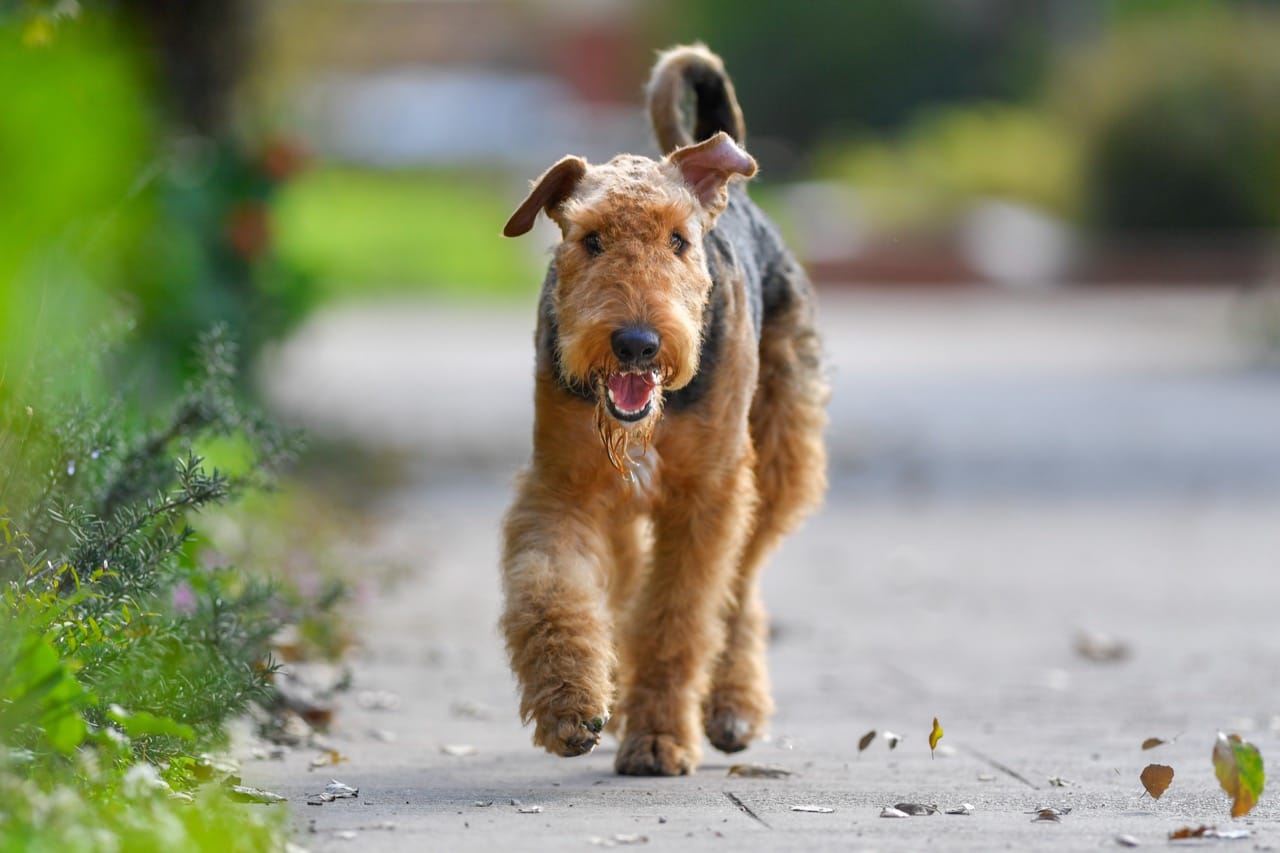
Exercise needs are not just about burning energy, but also about giving the dog a job for its brain. A brisk daily walk may not be enough for many individuals. They often thrive with a mix of activities: long walks, jogging with an adult, hiking, fetch, scent games, and training that challenges impulse control. Many do well in dog sports like agility, obedience, rally, tracking, and barn hunt style activities that tap into terrier instincts. Secure fencing matters because curiosity and prey drive can kick in quickly when a squirrel runs by. Early socialization and ongoing practice around other dogs and people help shape a stable adult, especially because Airedales can be assertive and may not automatically back down from a challenge.
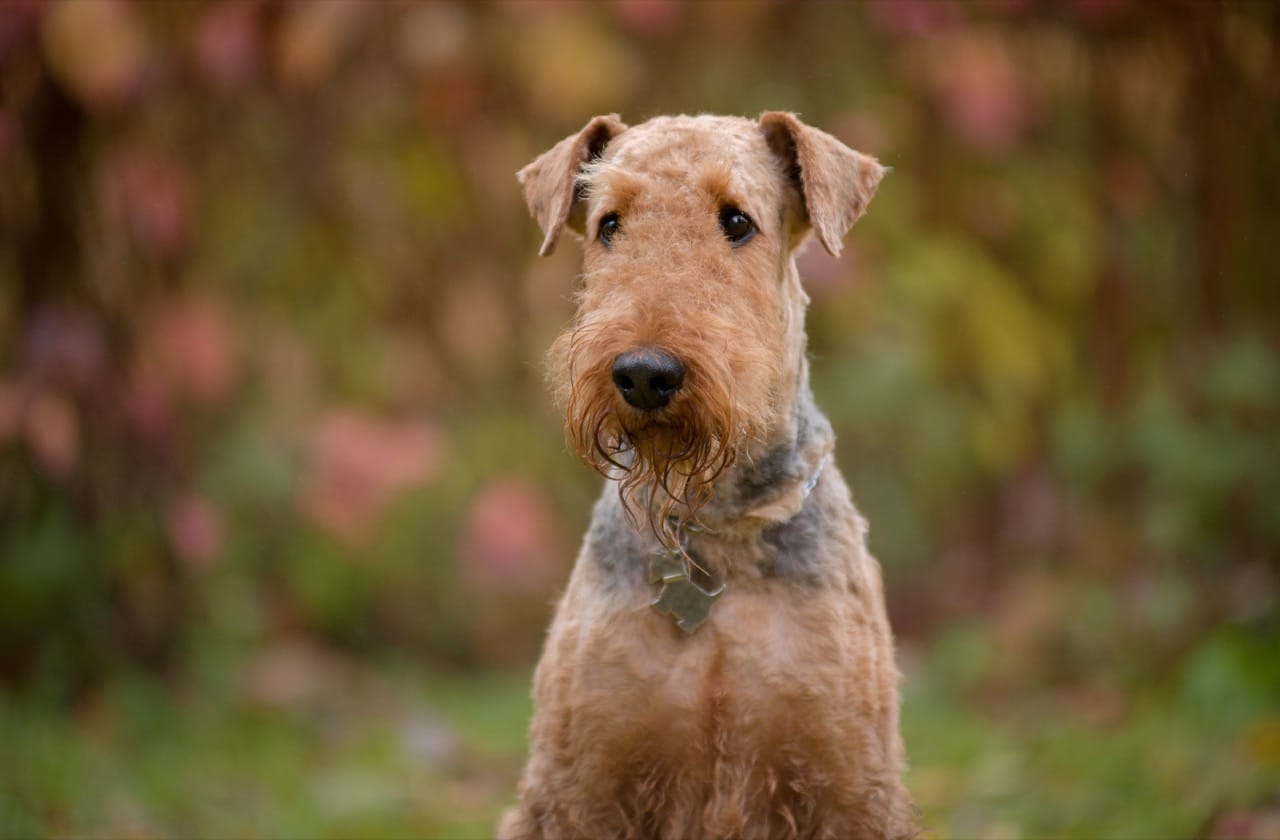
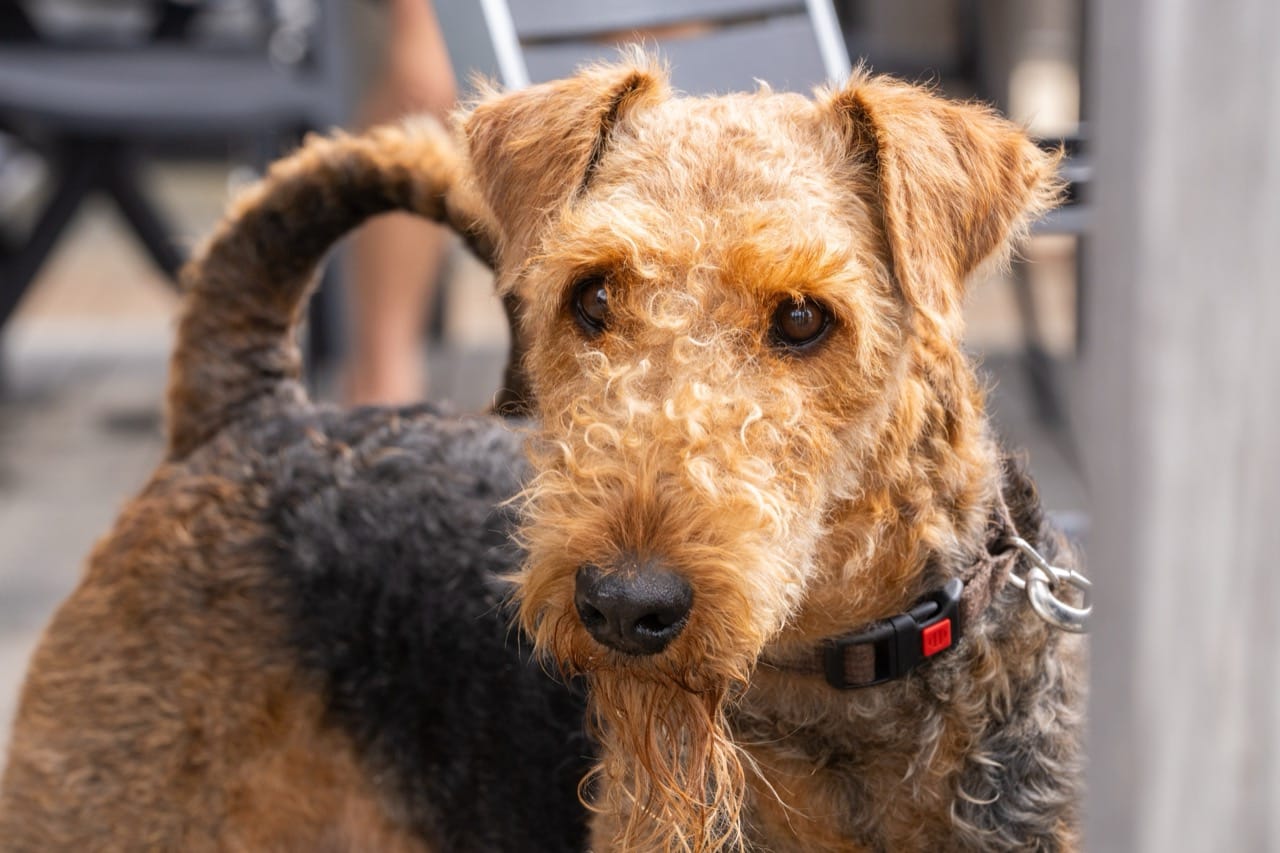
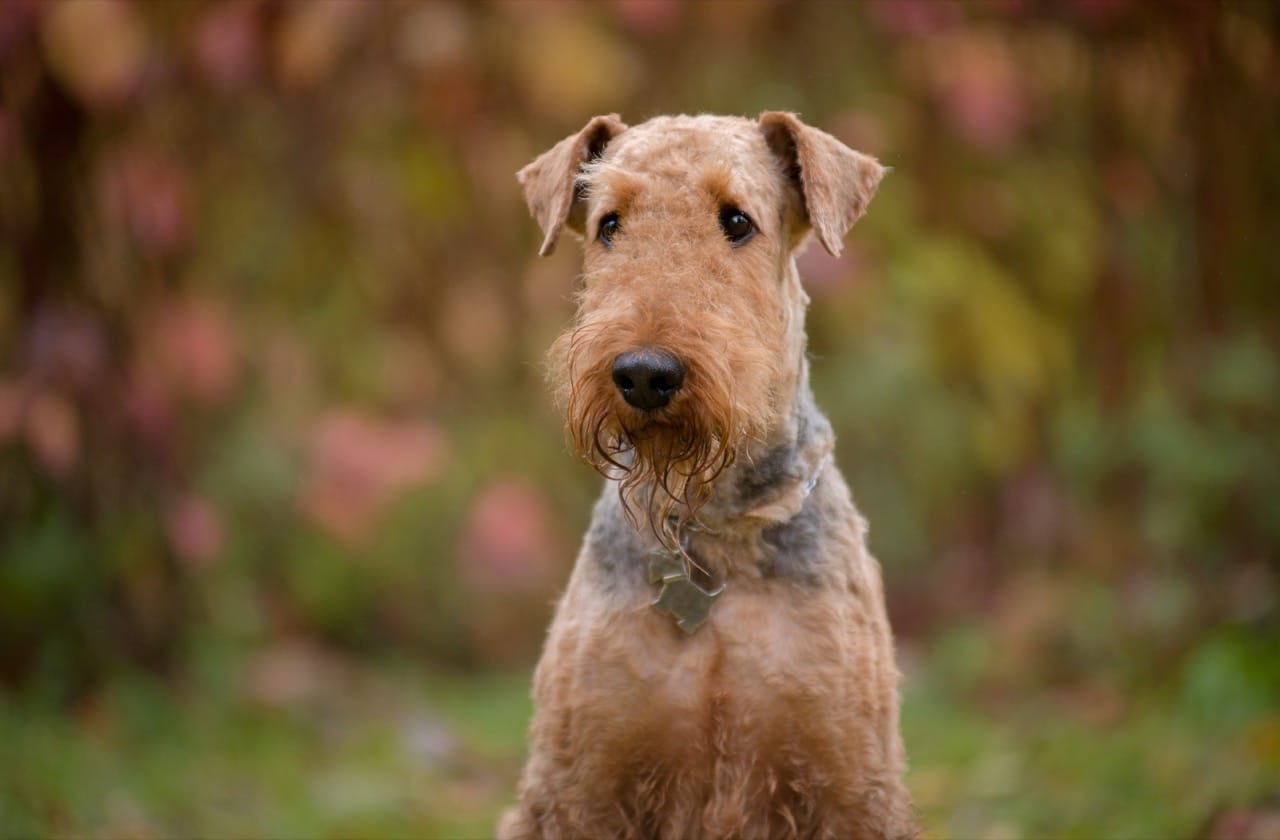
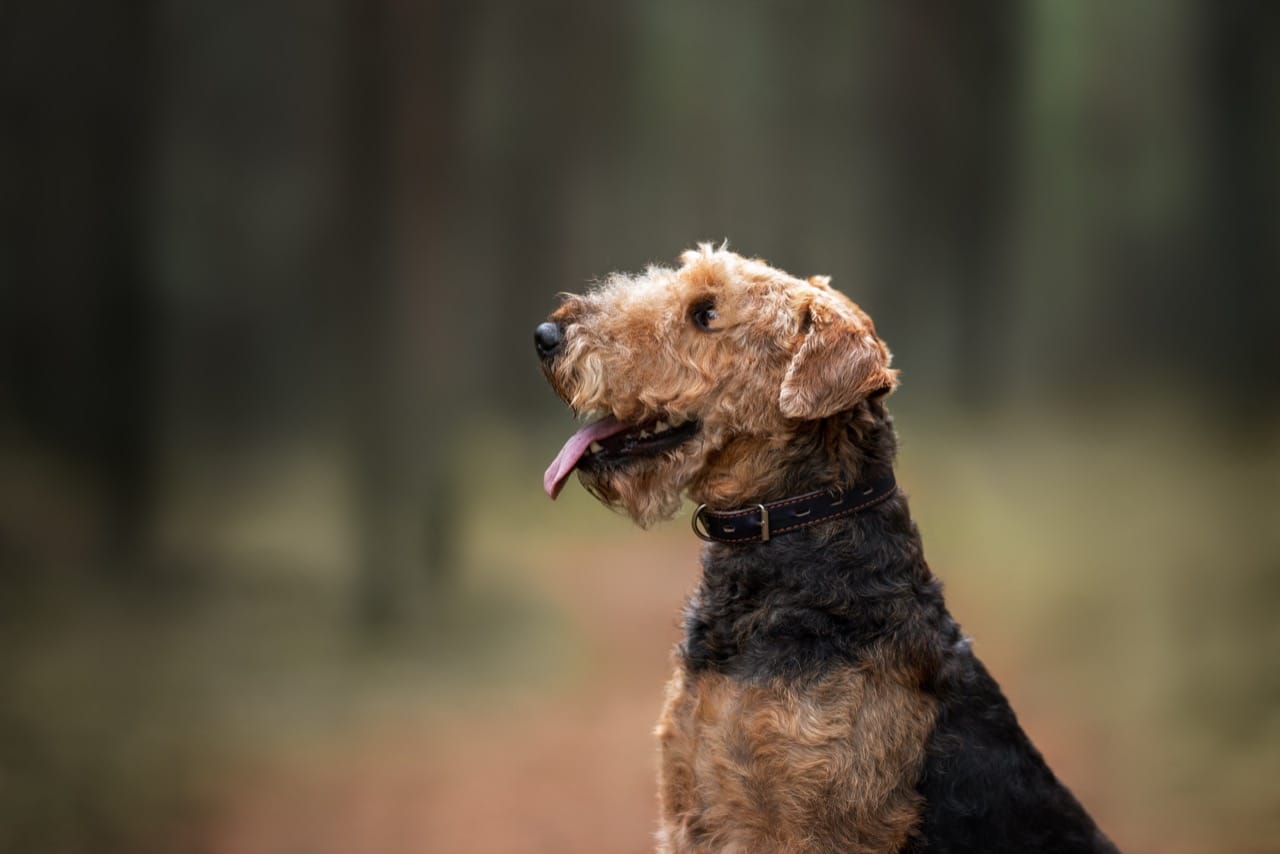
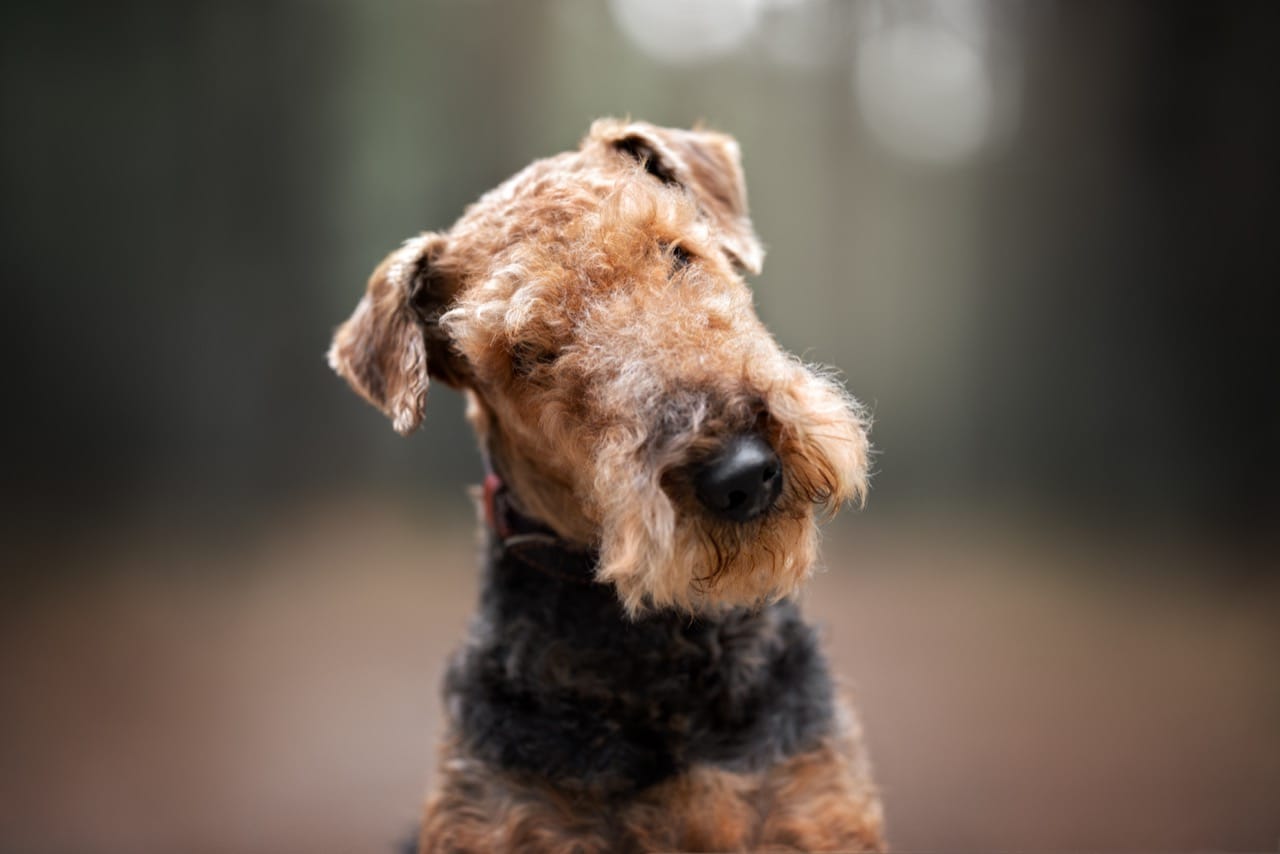
Grooming is where new owners often get surprised. Airedales are known for low shedding, but low shedding does not mean low maintenance. Their wiry double coat tends to hold onto dead hair rather than dropping it on the floor. Without regular brushing and combing, the coat can mat, especially around friction points like the collar area, legs, and beard. Many owners choose professional grooming every several weeks. Traditional hand stripping maintains the classic harsh texture and rich color, while clipping is more common for convenience but can soften the coat and change how it looks over time. Either way, the routine is real. Add in beard care, because water and food can collect there, and you have a breed that benefits from a towel by the bowl.
Practical care habits also include teaching calm greetings, because a full grown Airedale is strong and enthusiastic. Leash skills and recall are worth prioritizing early, along with polite door manners. Their intelligence makes them excellent at learning household rules, but they need consistency from everyone in the home. They can be great with children when raised and supervised properly, yet their size and play style mean they should learn gentle behavior from the start.
Living with an Airedale Terrier is rewarding for people who enjoy an active, thinking dog with a sense of humor and a mind of its own. Meet their needs for training, exercise, and coat care, and you get a loyal companion who is always ready for the next adventure, even if they would like to negotiate the terms first.