Keeping Up With a Havanese



Quiz Complete!
Havanese Home Care by the Numbers: Practical Facts for Everyday Life
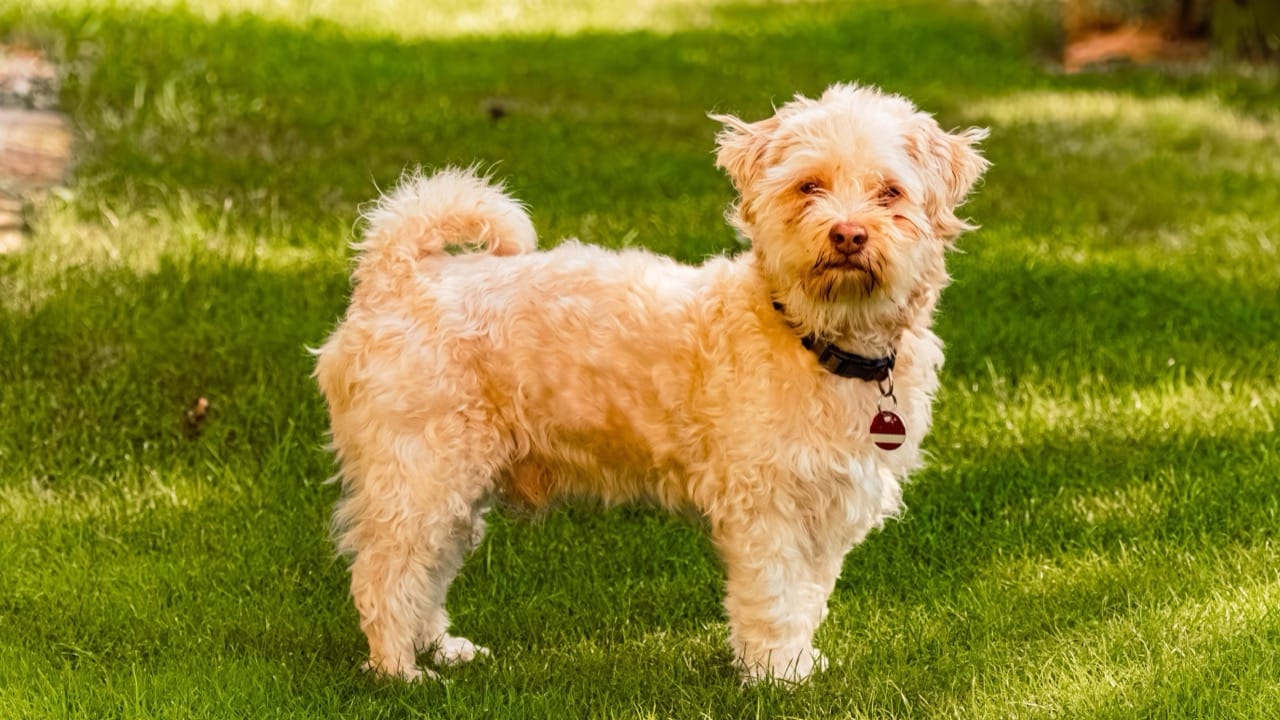
Living with a Havanese is a lesson in how much dog can fit into a small package. Most adult Havanese stand about 8.5 to 11.5 inches tall at the shoulder and commonly weigh around 7 to 13 pounds. Those numbers matter more than they sound like they should. A dog in this size range is easy to carry up stairs or lift onto a grooming table, but still sturdy enough to enjoy long play sessions. It also means you need to think about safety: small dogs can be injured by rough handling, jumping from high furniture, or being stepped on in busy kitchens.
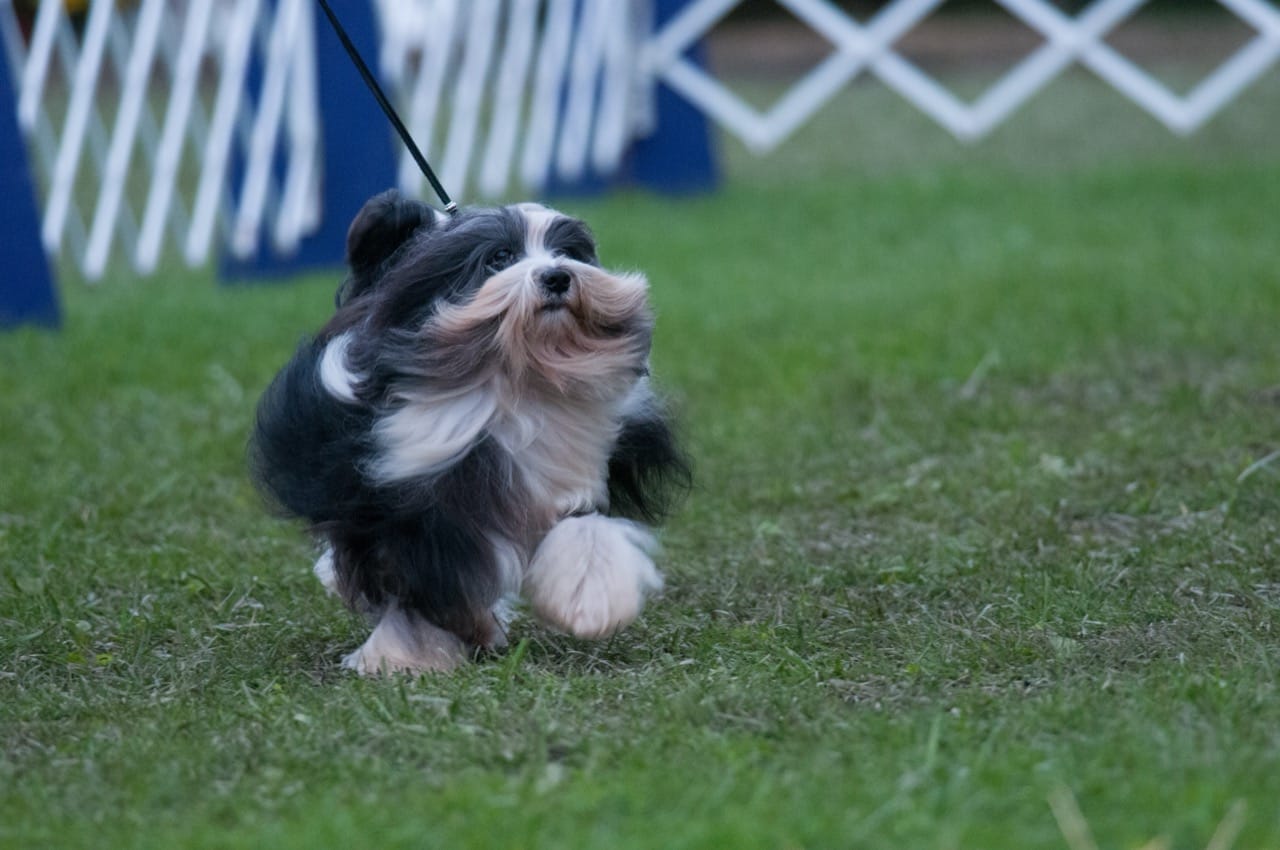
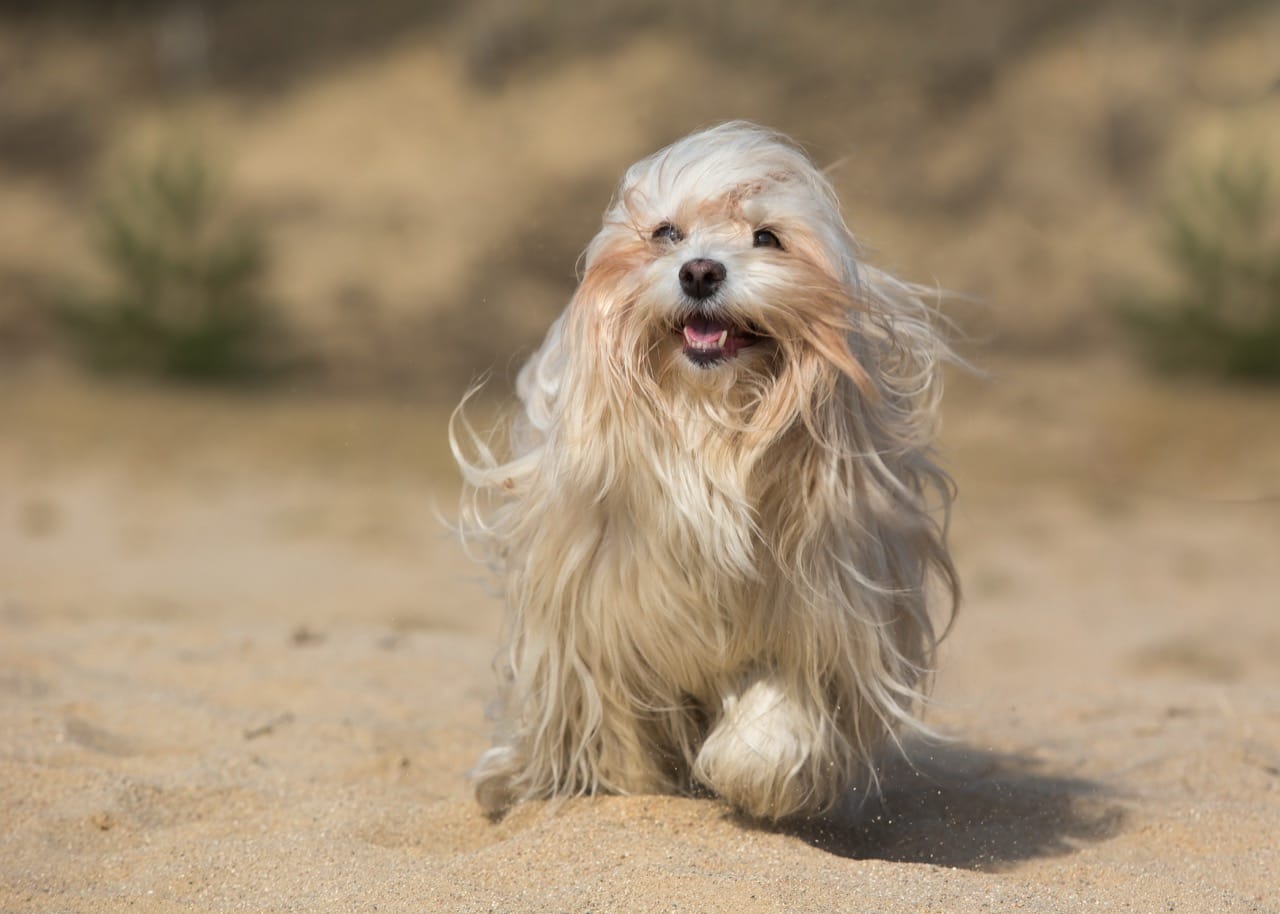
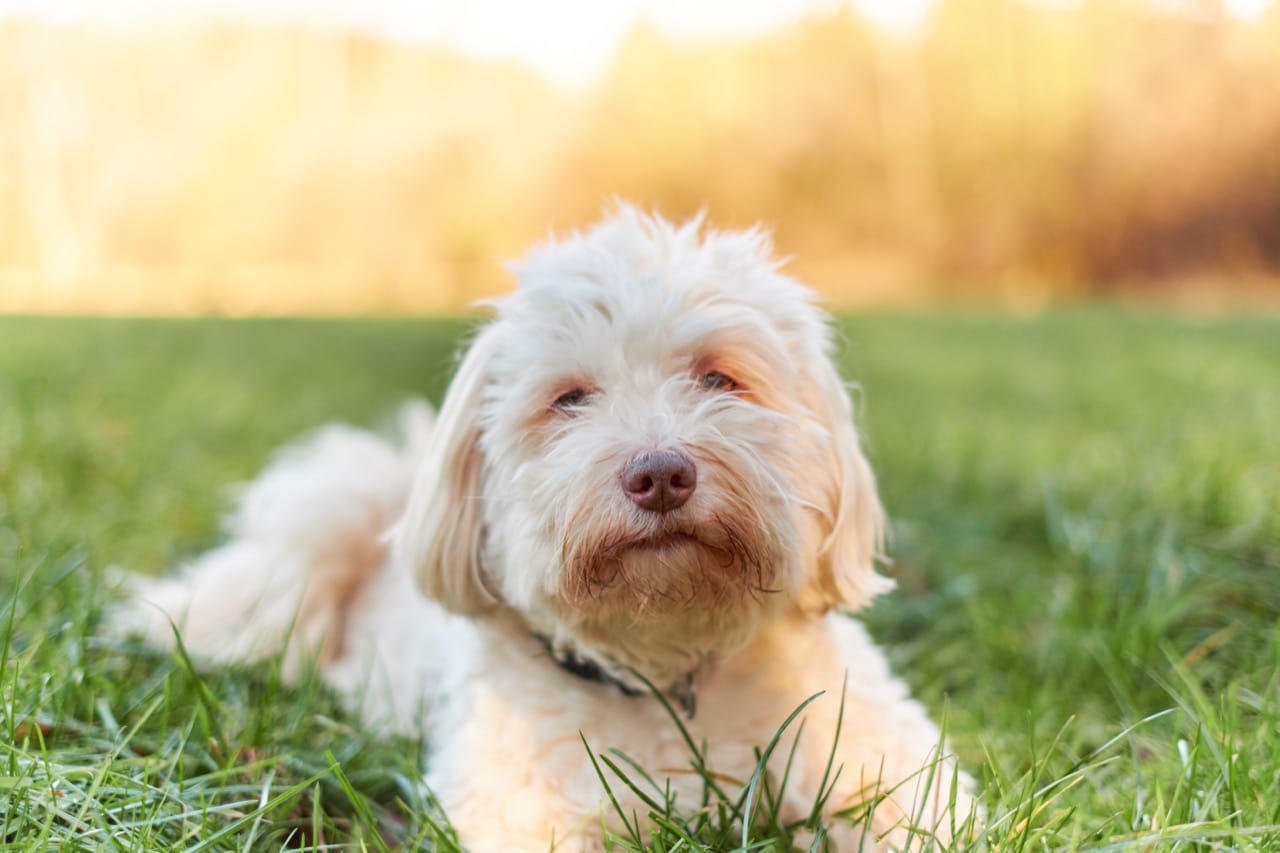
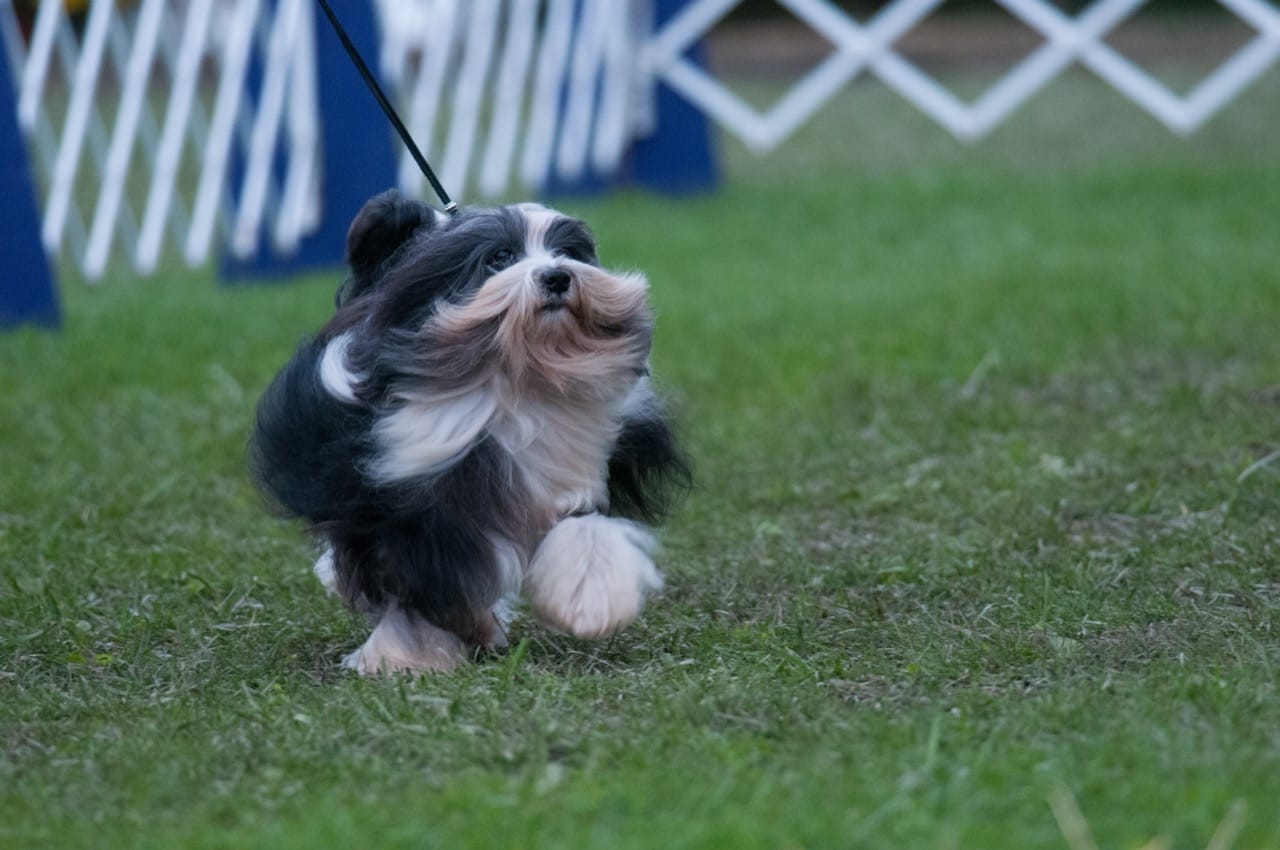
The Havanese coat is famous, but it is also a daily reality. It is typically long, silky, and often wavy, with a low shedding reputation. Low shedding does not mean low maintenance. Hair that stays in the coat tends to tangle, and tangles turn into mats that pull at the skin and trap moisture. Many owners find that a quick brush through the coat most days, with a more thorough session a few times a week, prevents painful matting and keeps bath time manageable. If you keep the coat long, professional grooming on a regular schedule helps, while a shorter puppy cut can reduce brushing time without changing the dog’s cheerful personality.
Exercise needs are moderate, but consistency is important. Think in terms of daily movement rather than marathon workouts. A couple of short walks plus indoor play often suits this breed well, and many Havanese love games that use their brains as much as their legs. Because they are small, it is easy to underestimate their need to move, yet boredom can show up as barking, pestering, or chewing. A few focused minutes of training, a puzzle toy, or a sniffy walk where they can explore at their own pace can make the difference between a calm companion and a busy little troublemaker.
Training tends to go well because Havanese are people oriented and often motivated by praise, play, and small treats. Their social nature also means they can be sensitive to harsh corrections. Short, upbeat sessions work best, especially for basic cues and polite household habits. House training is a common challenge for small breeds, partly because tiny bladders require more frequent trips outside. A realistic schedule, especially for puppies, includes bathroom breaks after waking, after eating, after play, and at regular intervals in between. If you are relying on numbers, plan for more trips out than you would with a larger dog, and reward success immediately.
Dental care is another area where small dog math matters. Smaller mouths can mean crowded teeth, and that can increase plaque buildup. Regular tooth brushing at home and routine veterinary dental checks help prevent painful problems that can affect appetite and overall health. Nail trims are also not optional: nails that grow too long can change posture and cause discomfort, and on a lightweight dog they may not wear down naturally on sidewalks.
Because the breed thrives on companionship, time at home is part of the care equation. Many Havanese do best with gradual alone training and predictable routines so they do not become distressed when you leave. If you are choosing a breed based on lifestyle, this is one of the most important facts to get right: a Havanese generally wants to be near you, and a household that can provide attention, gentle structure, and regular grooming will get the best version of this small dog with the big personality.