How Cuba Made the Havanese
Quiz Complete!
Havanese Heritage and Instincts: Why This Little Companion Is Built for Home Life
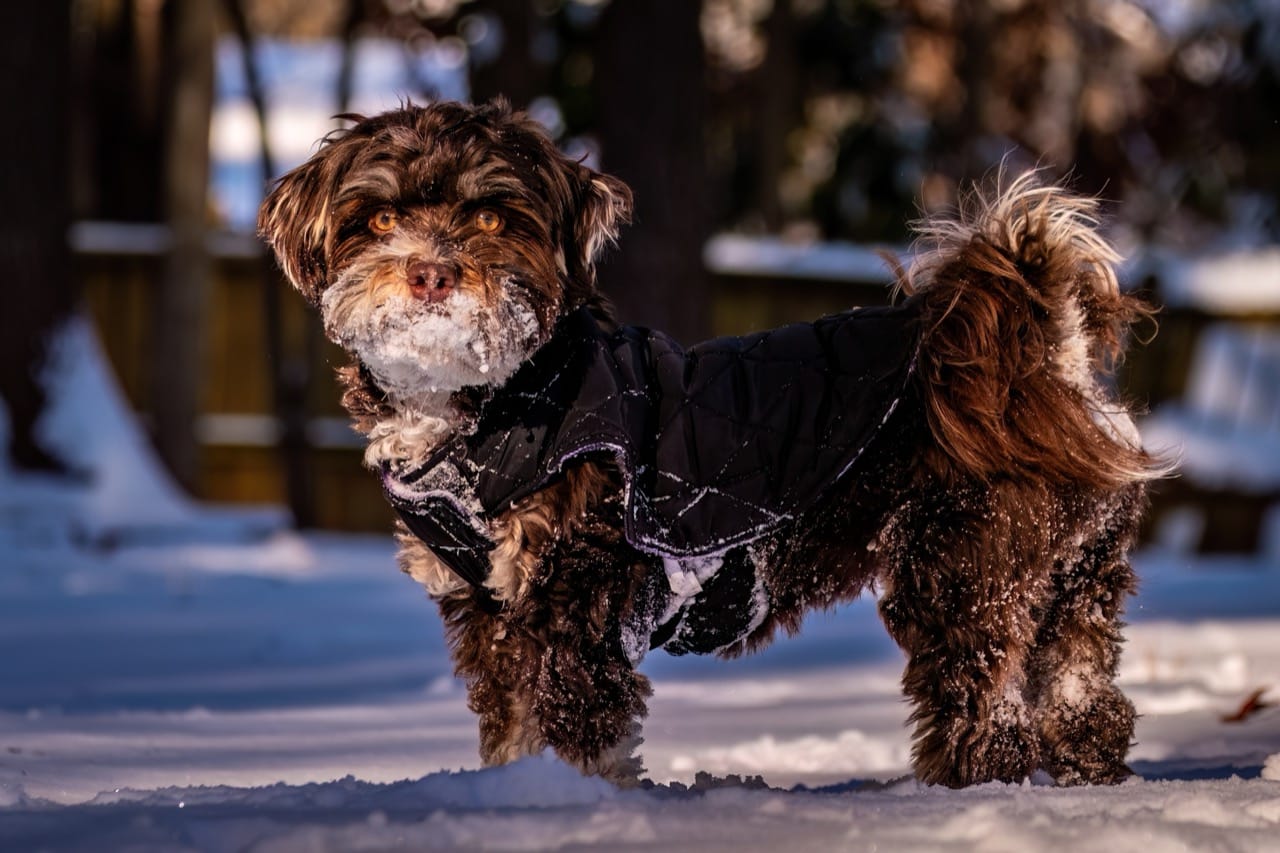
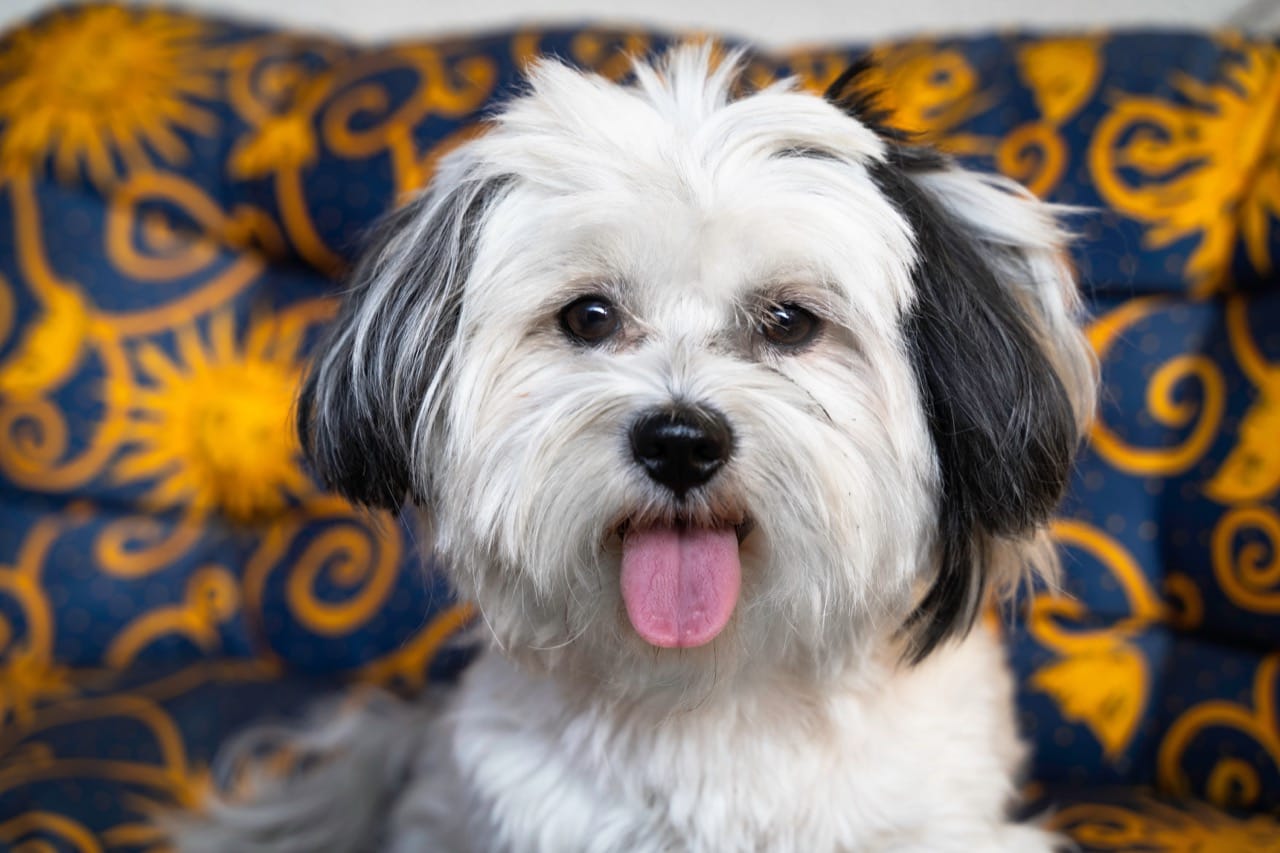
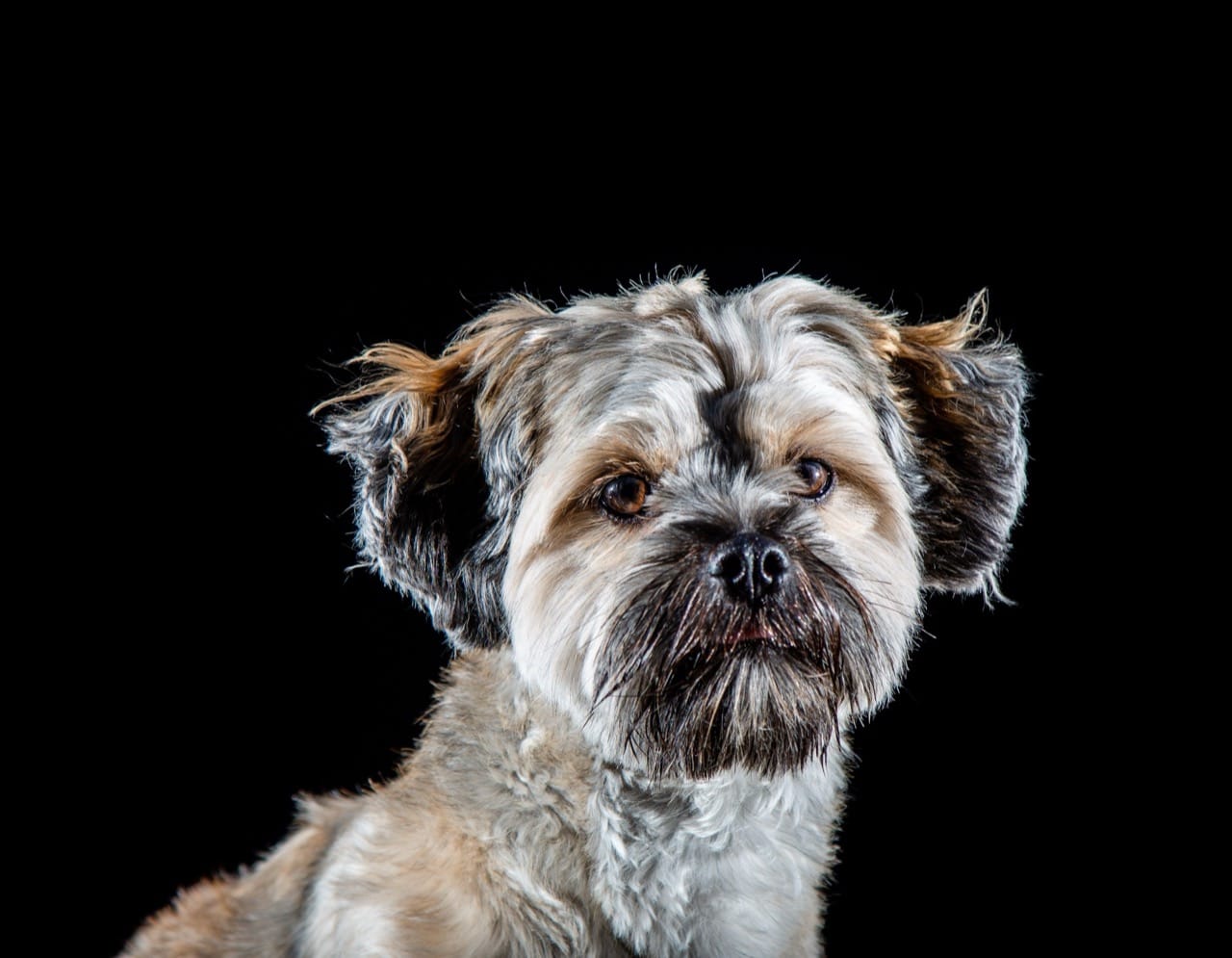
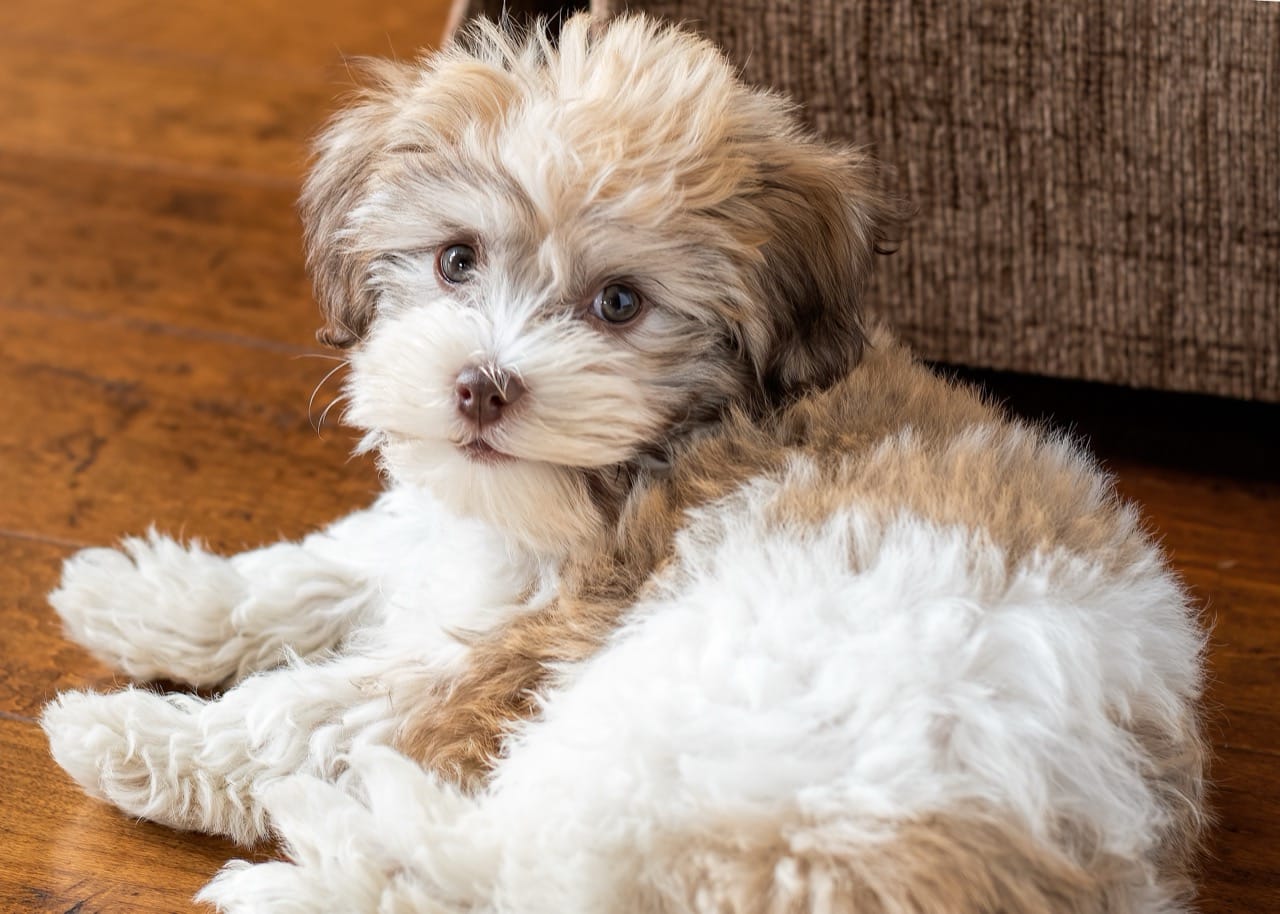
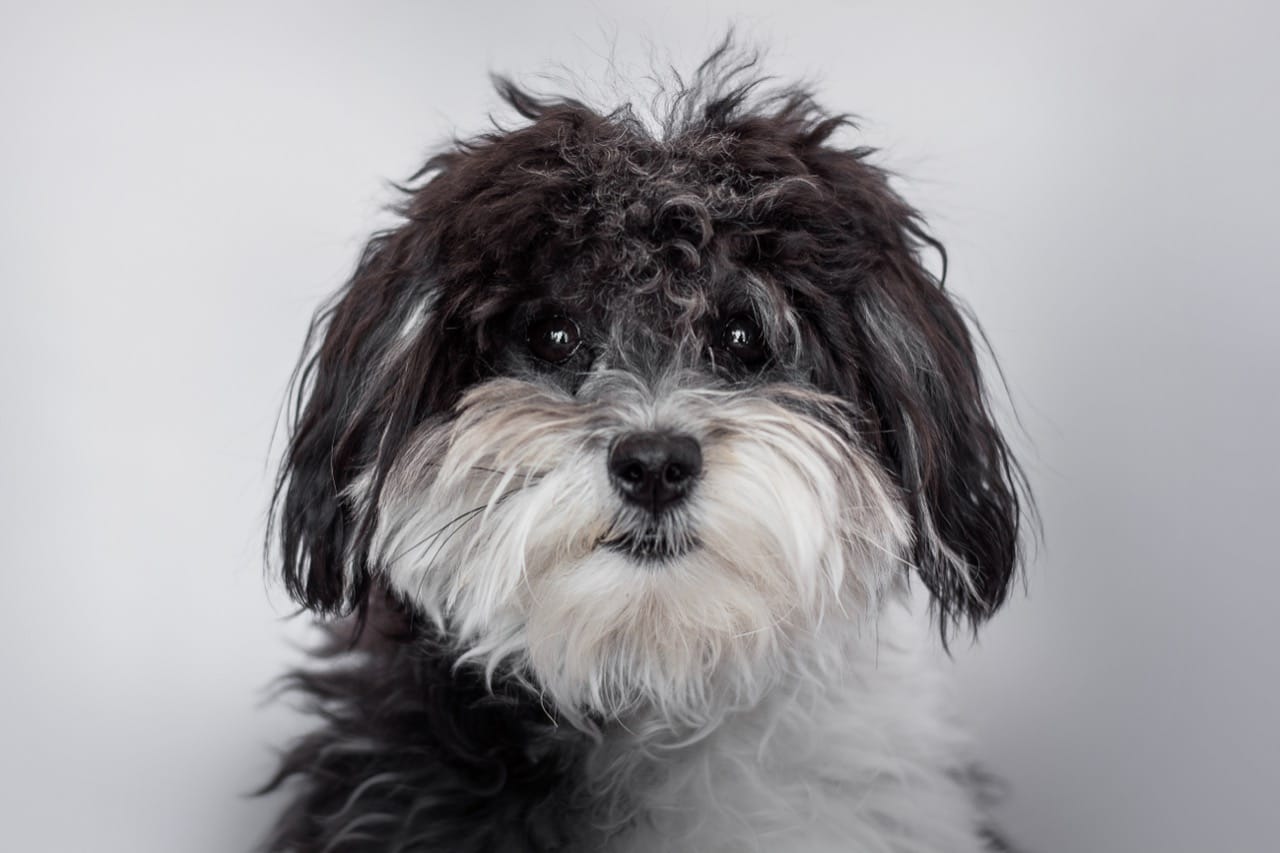
The Havanese may look like a toy dog designed purely for cuddles, but its signature charm is the result of practical history. This breed developed as a true companion animal, shaped by generations of living closely with people rather than working at a distance. That background helps explain why many Havanese seem to treat human attention like a basic need, why they notice every sound at the door, and why their coat is more than just decoration.
The Havanese is closely associated with Cuba, where small companion dogs became popular with wealthy Cuban families that wanted an affectionate, engaging pet that stayed nearby. Unlike herding dogs bred to control livestock or hunting dogs bred to range far from their handler, the Havanese was expected to remain close, watch the home environment, and participate in daily life. Over time, those expectations favored dogs that were people-focused, quick to respond, and emotionally tuned in. That is why many Havanese follow their owners from room to room, check in frequently, and seem happiest when included in whatever is happening. The breed’s survival was far from certain, though. After the Cuban Revolution, few exiled families could bring their dogs, and the American revival of the 1970s grew from a small group gathered by Dorothy Goodale and her husband, Bert.
A companion dog still needs a job, and one of the Havanese’s traditional roles was being an alert little watchdog. Watchdog does not mean guard dog. The breed was not designed to intimidate intruders or physically protect property. Instead, it was valued for noticing changes in its surroundings and sounding the alarm. That instinct shows up today when a Havanese barks at unfamiliar noises, new visitors, or activity outside a window. With thoughtful training, owners can keep this trait useful rather than noisy by teaching a quiet cue and rewarding calm behavior after the dog has alerted.
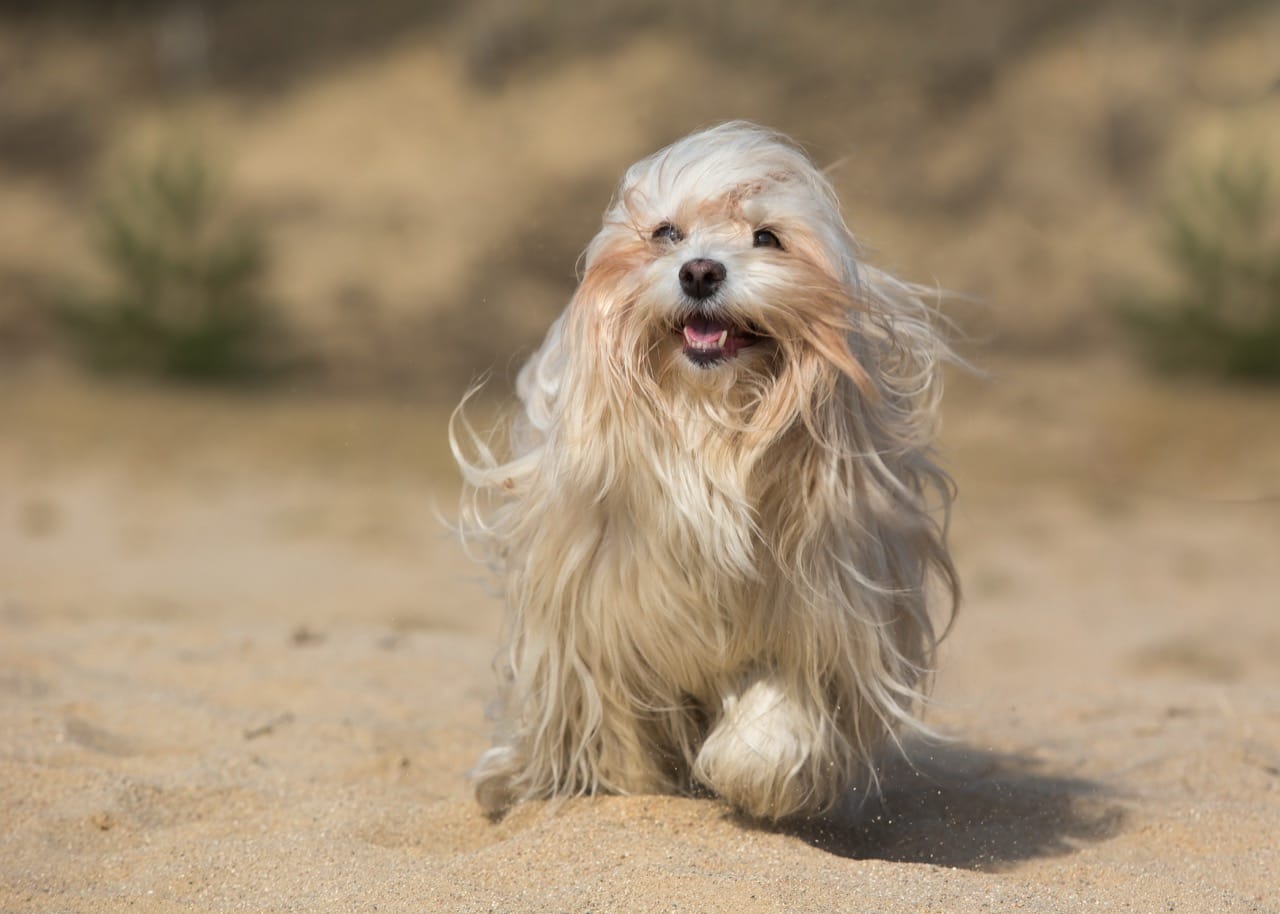
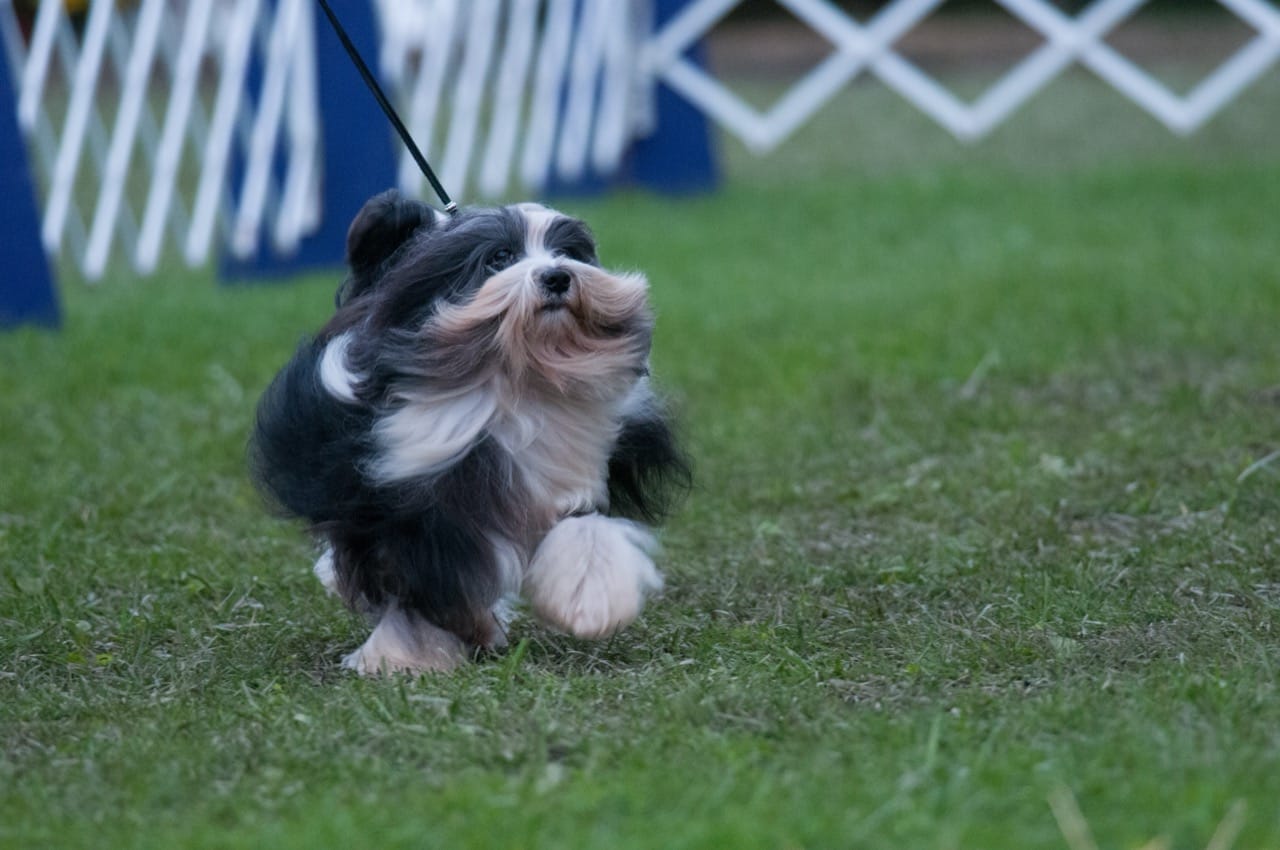
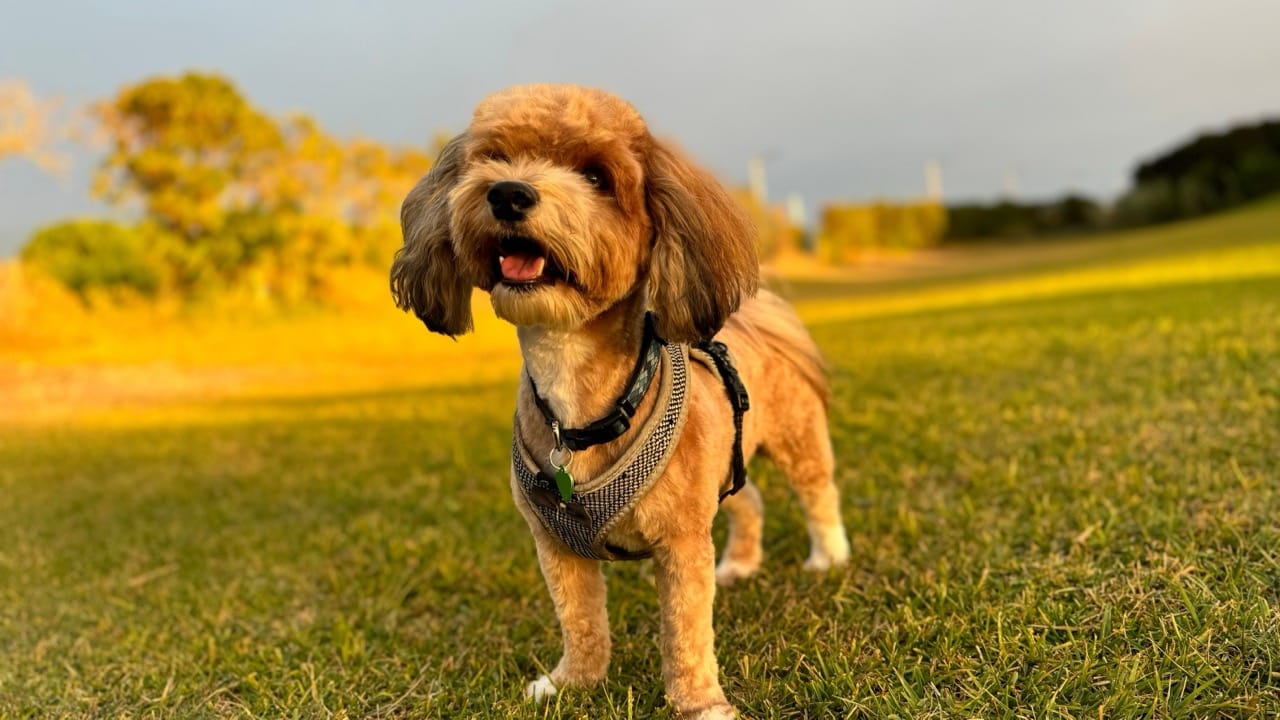
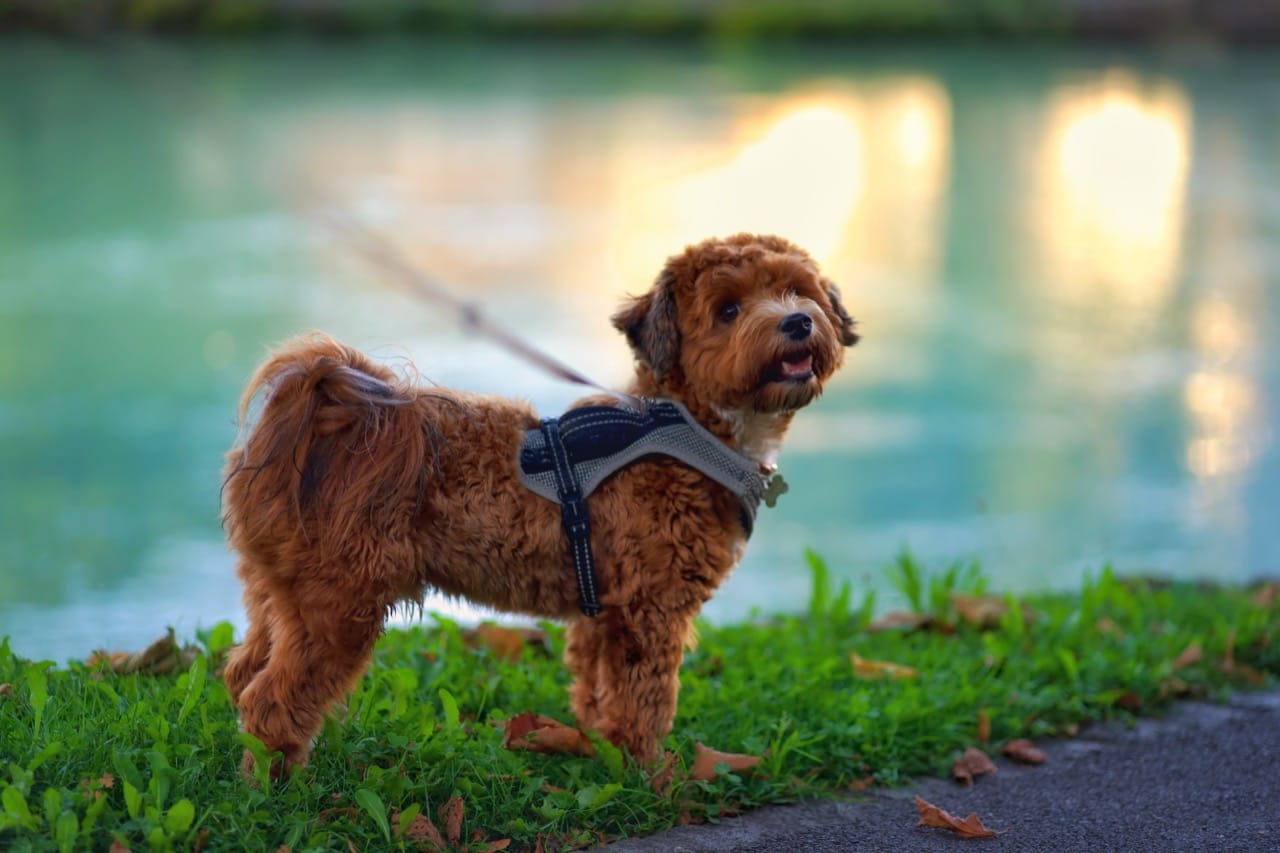
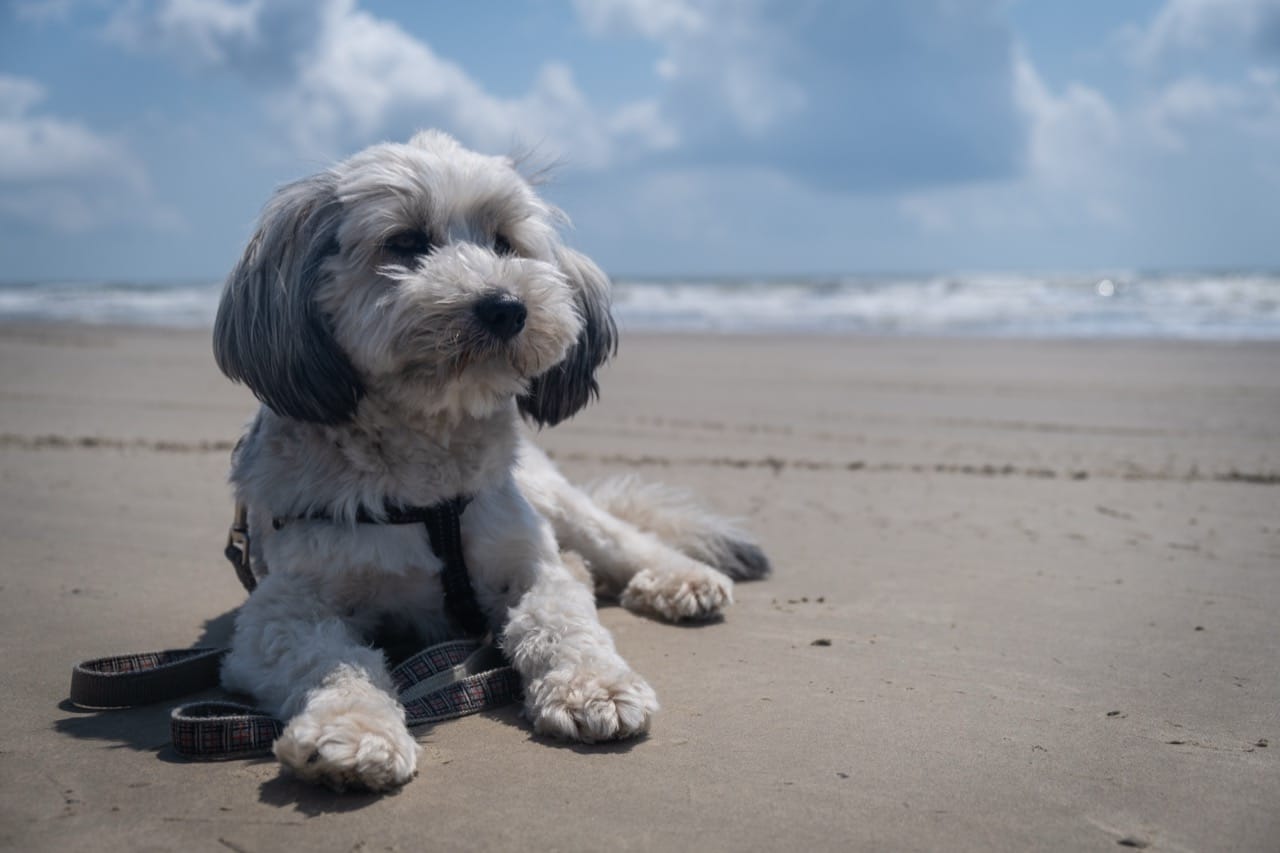
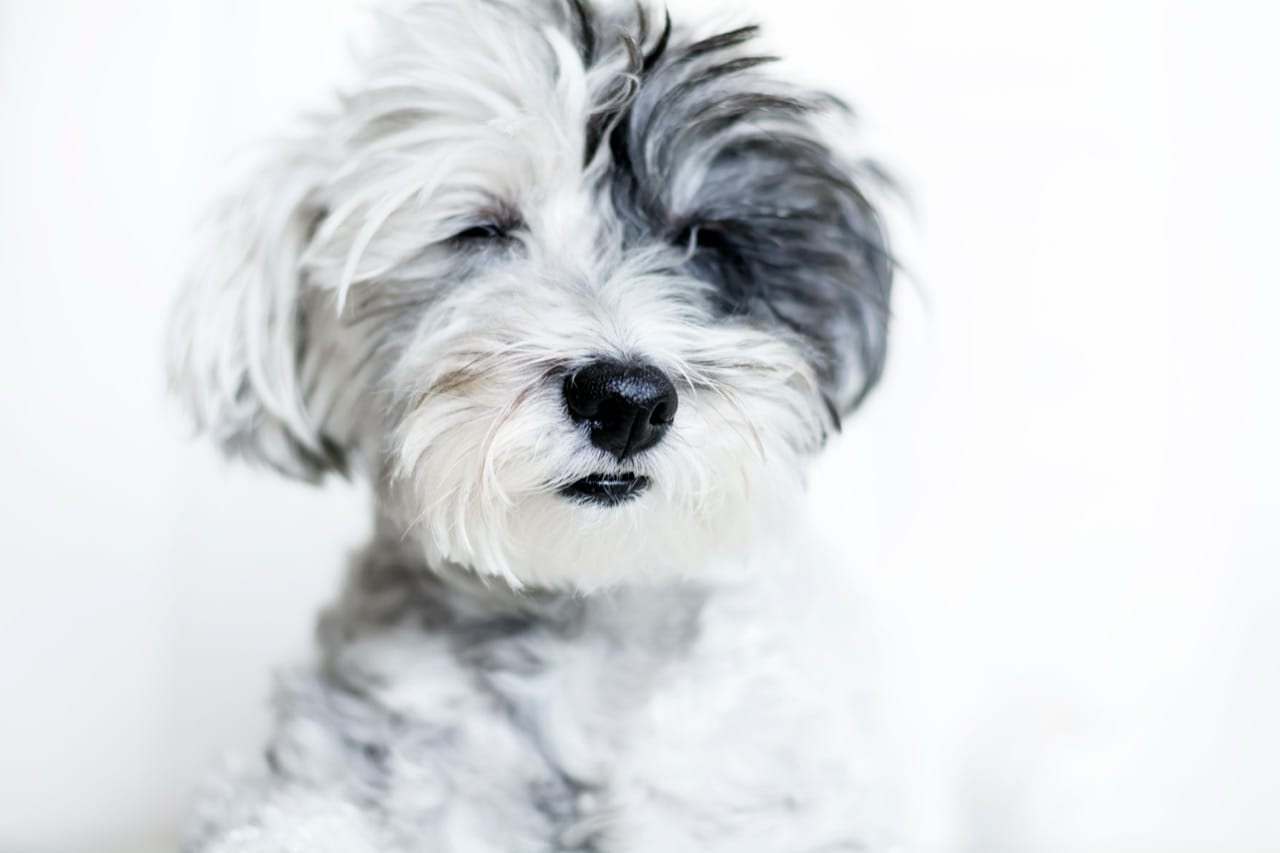
The Havanese coat is another feature that makes more sense when you think about environment and function. The breed is known for a long, silky coat that can grow quite profusely. While it certainly adds to the breed’s appeal, it also served as protection from sun and heat. In warm climates, a light, insulating coat can help regulate temperature by shielding the skin from direct sunlight and allowing air to circulate through the hair. The AKC standard describes a soft, light texture in both the outer coat and undercoat, very different from the harsh jacket of many double-coated breeds. Still, the original long coat was not just for looks; it fit a lifestyle that involved daily human care, regular brushing, and indoor living with bursts of outdoor activity.
Movement and body style also reflect a dog built for companionship. The Havanese is sturdy for its size, with a lively, springy gait that looks like it is always ready to engage. That buoyant motion is not about covering miles; it is about quickness and agility in close quarters, bouncing from person to person, toy to lap, and back again. Their playful nature adds to their reputation as little comedians.
Because the breed was selected for sociability, many Havanese are friendly with strangers, but they often prefer a polite warm-up rather than immediate handling. Their sensitivity and awareness, useful in a home setting, can make them cautious if rushed. Early socialization helps them interpret new experiences as normal and safe, while their natural desire to be near people makes them highly trainable with gentle, reward-based methods.
Understanding the Havanese as a purpose-bred companion explains both the joys and the challenges of living with one. They thrive on attention, routine, and shared activities, and they can struggle if left isolated for long periods. Their instincts are not random quirks; they are the living echoes of a dog designed to be close, observant, and deeply connected to the humans it calls family.