Corgi Myths Owners Still Believe











Quiz Complete!
Corgi Myths Owners Still Believe and What Actually Helps
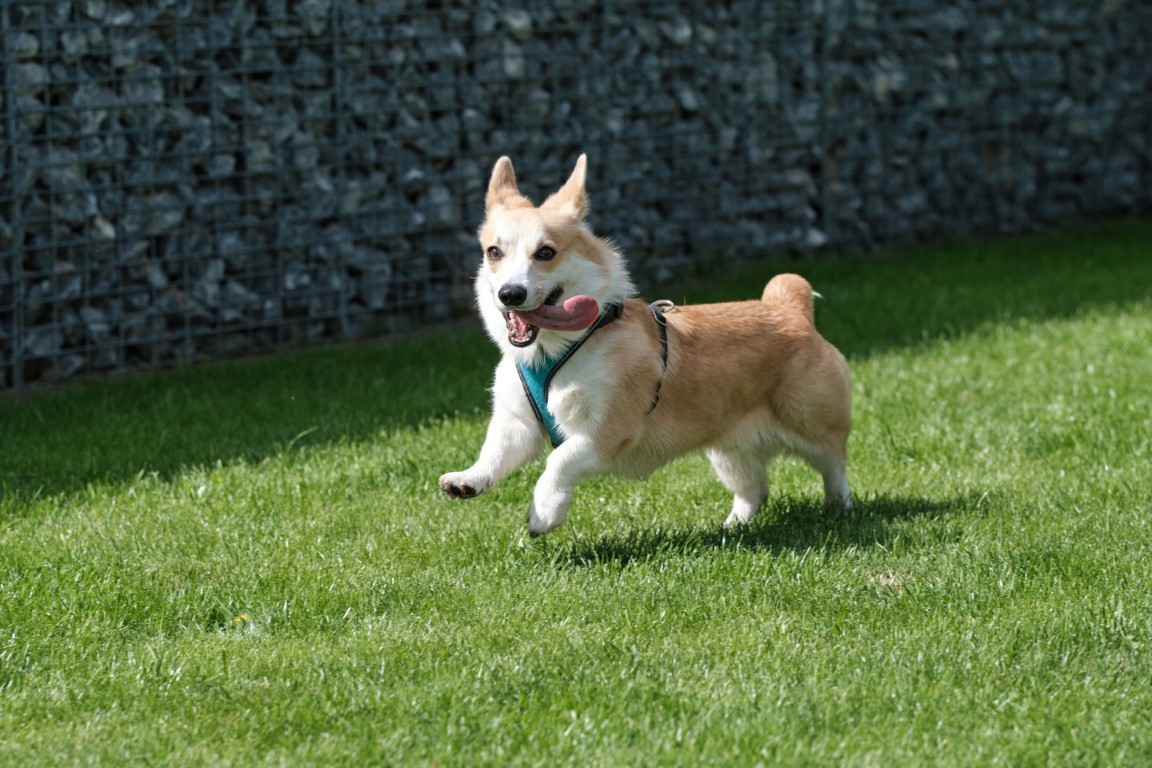
Welsh Corgis look like they were designed to be easy: compact body, friendly face, and short legs that suggest a low impact lifestyle. That image fuels a lot of bad advice. Pembroke and Cardigan Welsh Corgis are small herding dogs, not decorative lapdogs, and many of the common myths come from treating them like one. Understanding what they were bred to do makes everyday life smoother for both dog and owner.
One persistent myth is that corgis are naturally obedient because they are smart. They are smart, but intelligence is not the same as compliance. Herding breeds were developed to make quick decisions, and corgis can be independent, persistent, and very good at negotiating. If training feels like a debate, that is normal. What works best is clear structure, short sessions, and rewards that matter to the individual dog. They often respond well to food, toys, and access to what they want, like going outside or greeting a person. Consistency matters more than intensity, and harsh corrections can backfire by creating stubbornness or anxiety.
Another myth is that a small dog does not need much exercise. Corgis are low to the ground, not low energy. Many need daily brisk walks plus brain work such as scent games, trick training, puzzle feeders, or short practice of cues. Without enough activity, they may invent their own jobs, which can look like barking at every sound, chasing kids, or nipping at heels. Those behaviors are not signs of a bad dog; they are misplaced herding instincts and excess energy. Teaching an alternate behavior, like going to a mat when the doorbell rings, and giving them acceptable outlets, like structured play and training, is more effective than simply trying to stop the behavior.
Barking is another area where myths cause frustration. People hear that corgis are vocal and assume barking is unavoidable. Vocal tendencies are real, but barking is also a habit that can be shaped. If a corgi barks and the mail carrier goes away, the dog learns barking works. If a corgi barks and gets attention, the dog learns barking is a great tool. Quiet can be trained with rewards, and management helps: block window access if they patrol, add white noise, and teach a cue for checking in with you instead of sounding an alarm.
Shedding myths are especially common. Some owners believe that because corgis are short haired, grooming is minimal. In reality, they have a dense double coat and many shed heavily, especially seasonally. Regular brushing reduces loose hair and helps skin health, but it will not eliminate shedding. Bathing occasionally, using an undercoat rake carefully, and keeping nails trimmed are practical routines. Shaving is usually a bad idea because the coat helps regulate temperature and protect the skin.
Health and body shape create another set of misunderstandings. Short legs do not mean fragile, but corgis are long backed dogs and extra weight increases strain on joints and spine. The most helpful myth to drop is that a chubby corgi is cute and normal. Keeping them lean is one of the best gifts you can give. Use measured meals, limit treats, and watch for creeping weight gain. Also be thoughtful about repetitive high impact jumping. Many corgis can handle stairs and couches, but providing ramps or teaching a wait and lift for certain situations can reduce wear over time.
Finally, social behavior is often oversimplified. Some corgis are outgoing with everyone, while others are reserved, alert, or selective, especially without early socialization. Socialization is not forcing greetings; it is building calm, positive experiences with people, dogs, surfaces, and sounds. With the right approach, corgis can be confident companions who are funny, loyal, and eager to participate in family life. The key is treating them like the capable working dogs they are, just packaged in a low riding body with a very big opinion.