Corgis vs. Cattle



Quiz Complete!
Corgi Herding Roots: How a Small Dog Moved Big Cattle
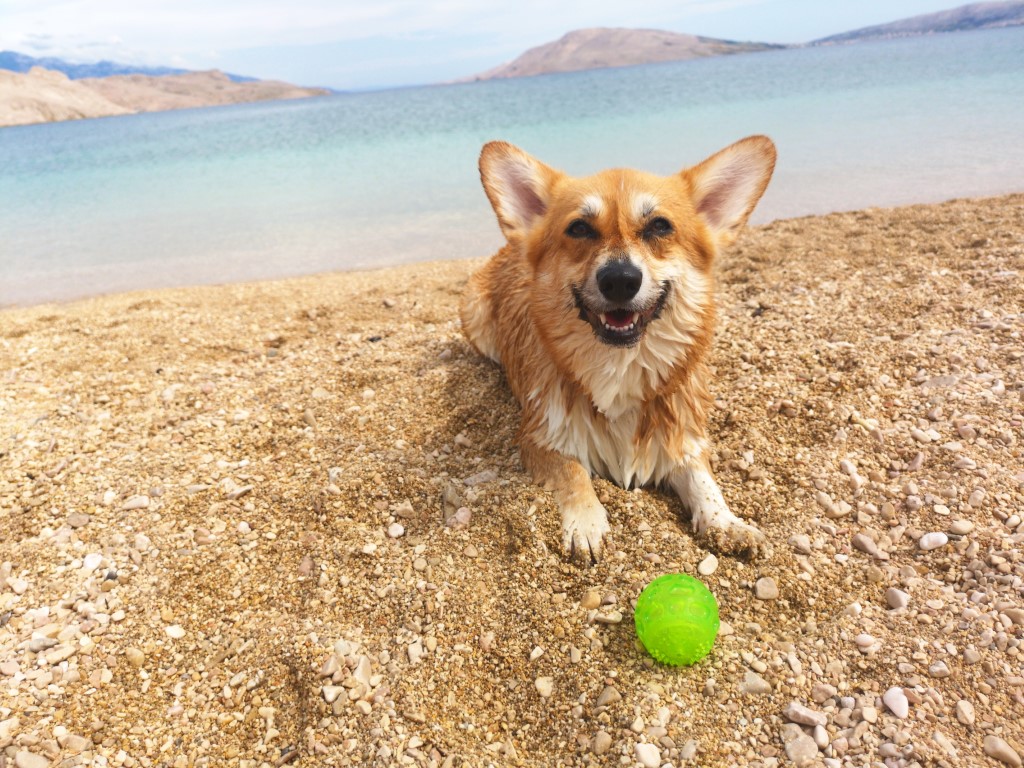
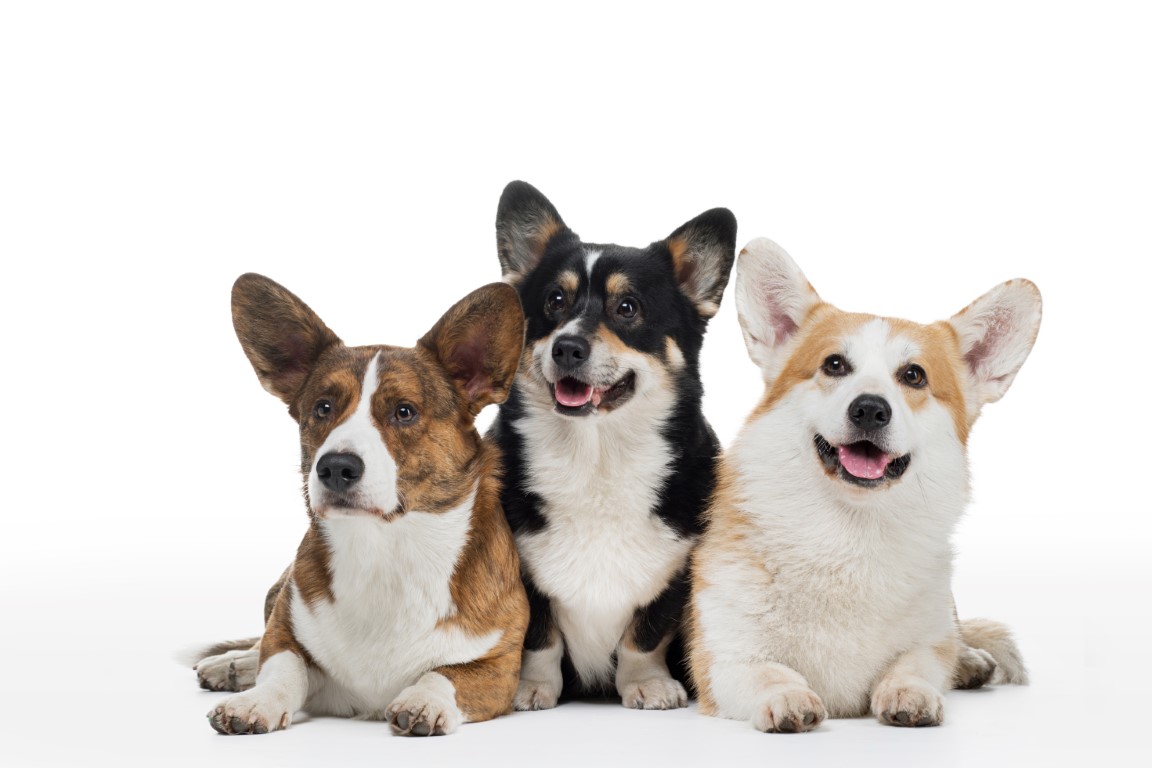
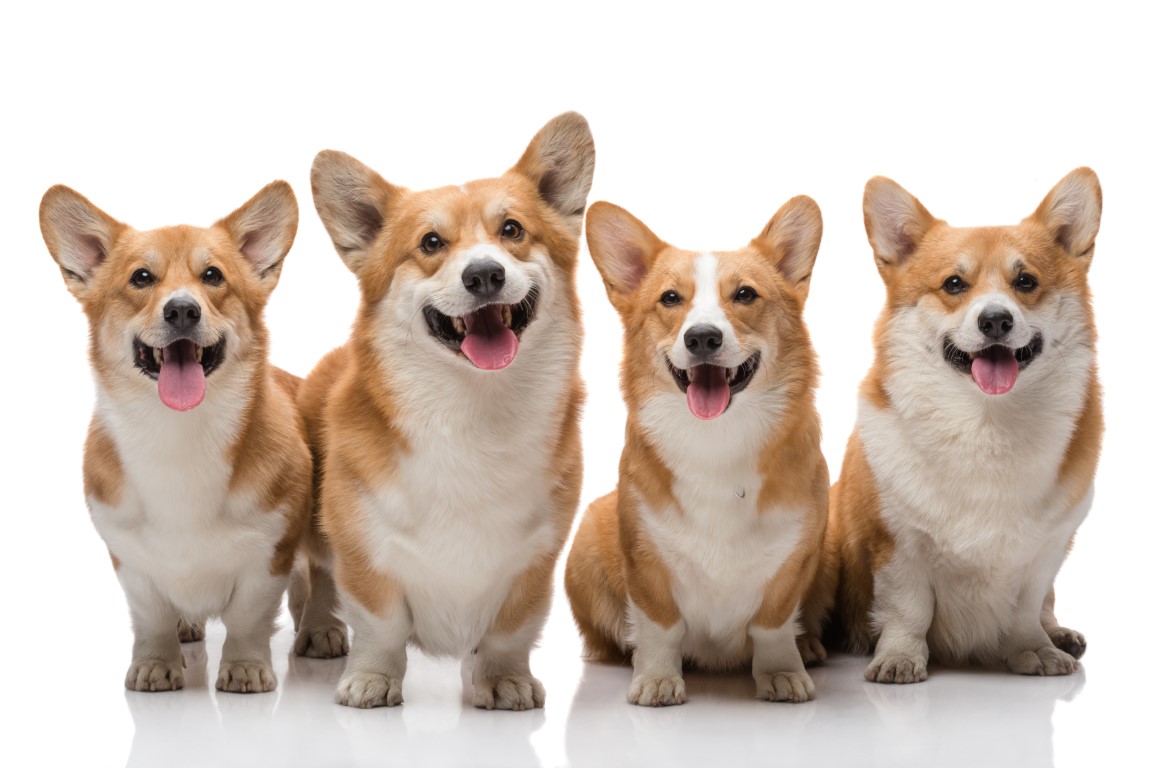
Welsh Corgis may look like compact companions today, but their original job in Wales was serious farm work: moving cattle and guarding the homestead. For centuries, farmers needed a tough, efficient herding dog that could handle long days, rough weather, and animals many times its size. The corgi’s distinctive build and bold attitude were not accidents of fashion. They were practical tools shaped by the demands of the farmyard.
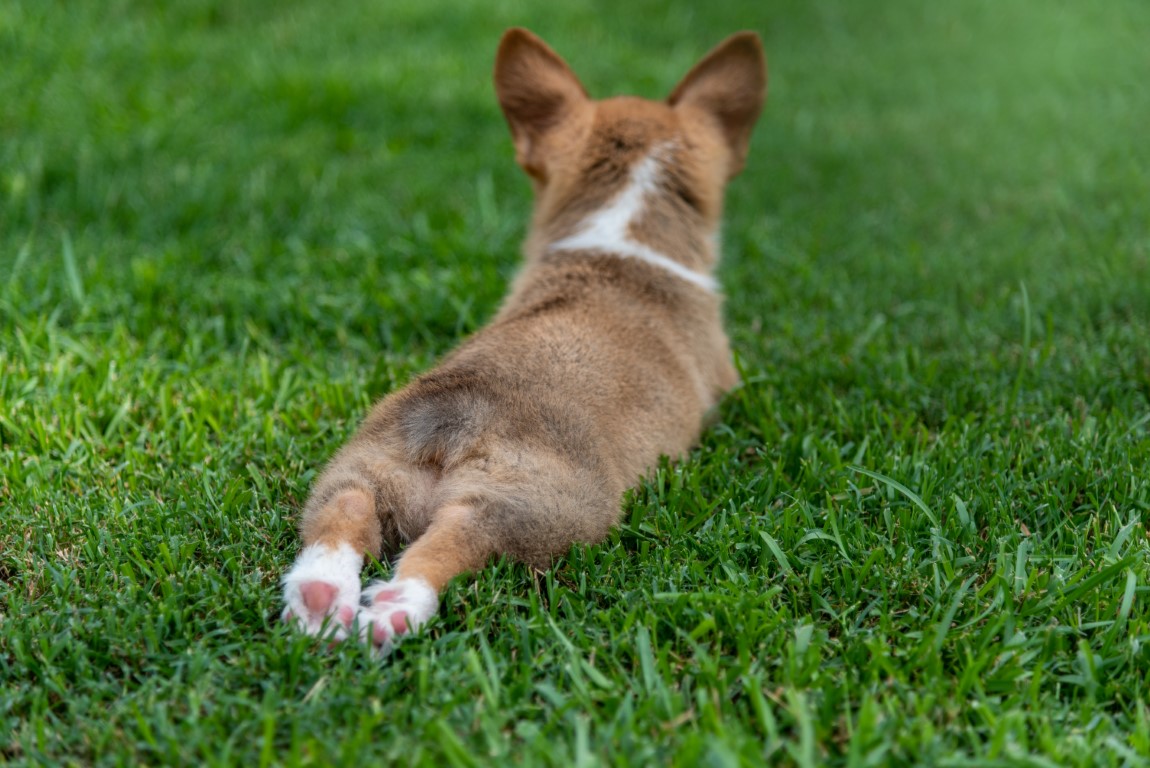
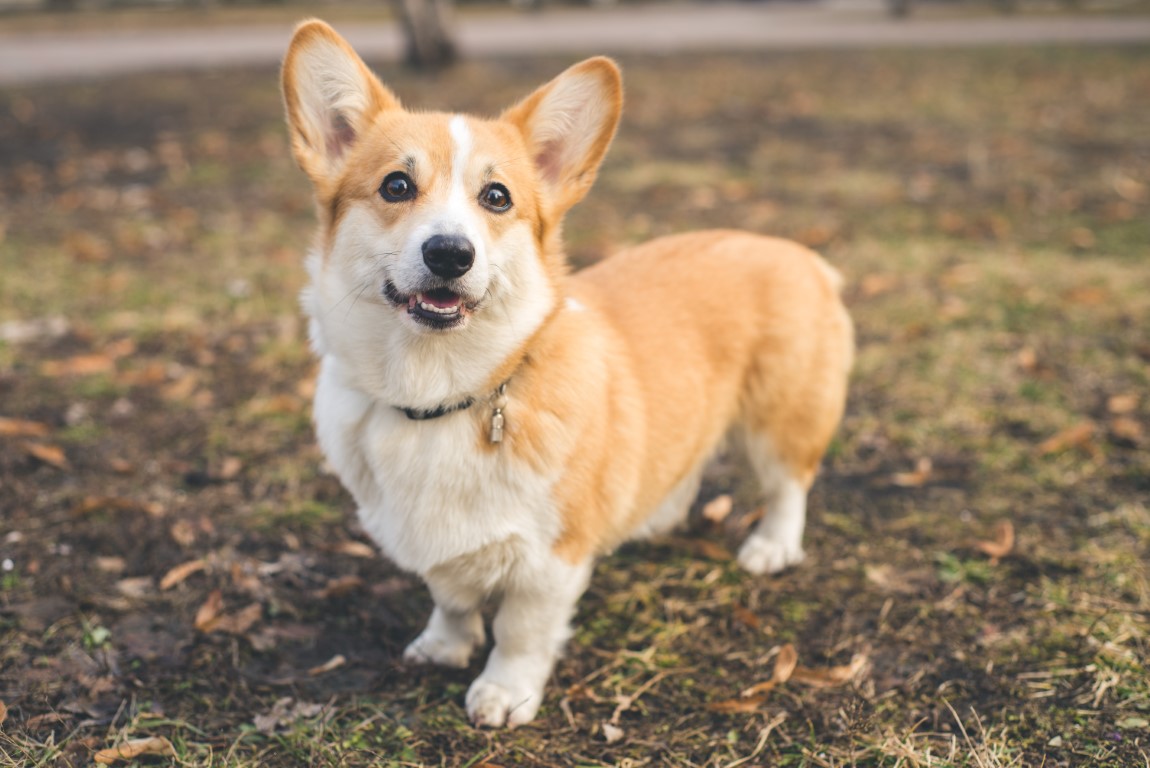
Cattle herding is not the same as guiding sheep. Cows can kick, charge, and ignore a dog that lacks confidence. A working corgi had to be brave enough to approach a stubborn animal, smart enough to avoid getting hurt, and persistent enough to keep the herd moving down lanes and between fields. One reason corgis are low to the ground is simple safety. Short legs and a low profile make it easier to duck under a swinging hoof. When a cow lashes out, a dog that can drop and dodge quickly has a better chance of staying in the game.
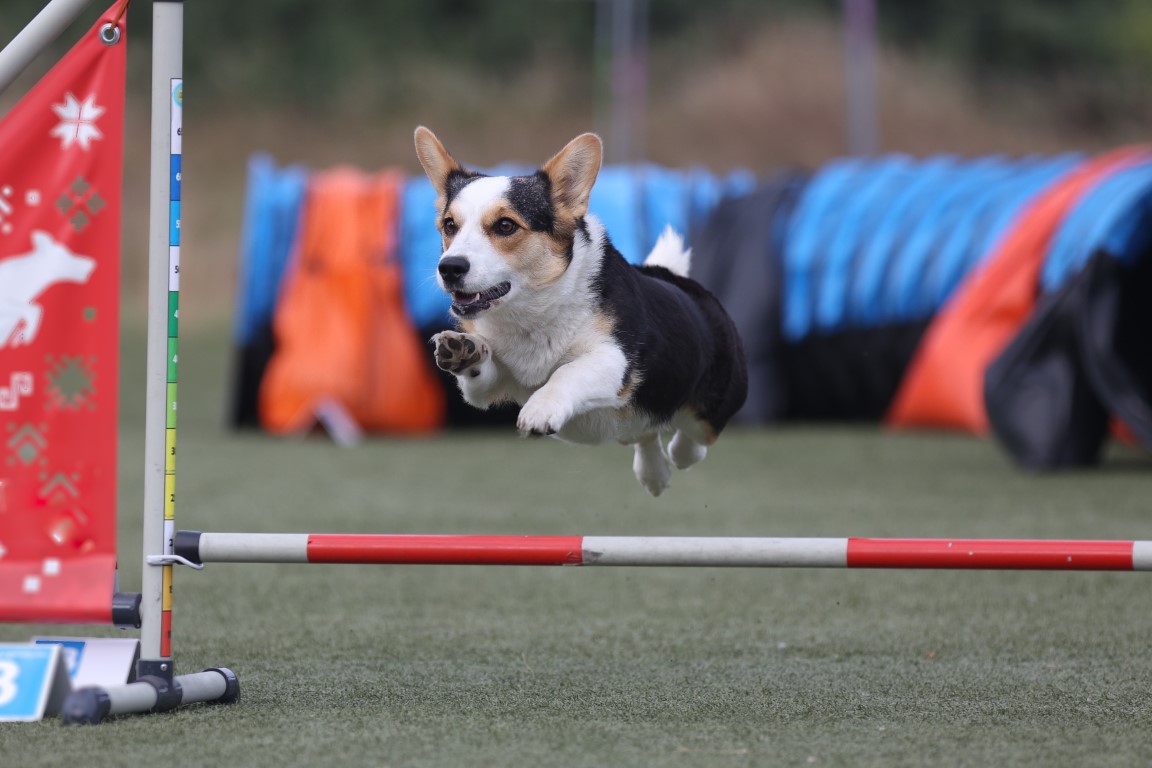
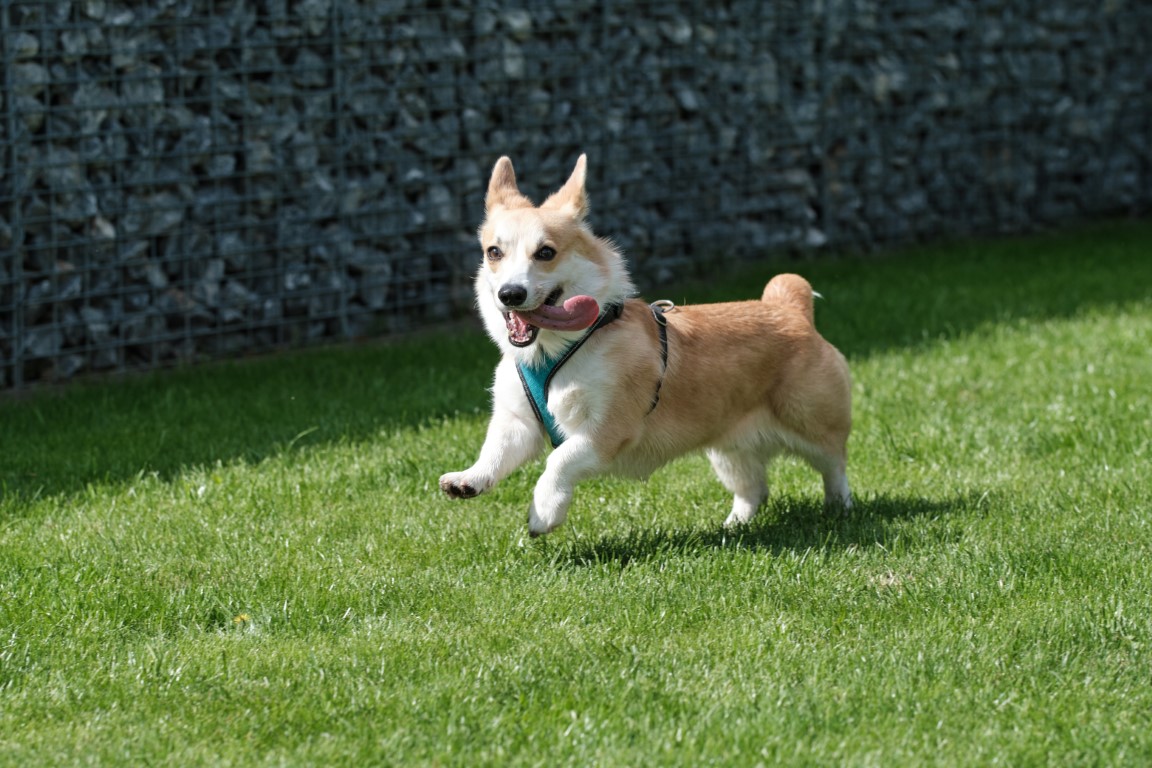
That same job helps explain the corgi’s famous habit of nipping at heels. A quick, controlled nip is not random misbehavior in a working context; it is a targeted cue meant to encourage a slow animal to step forward. After delivering the message, the dog must instantly pivot away from danger. This is why corgis tend to be fast, agile, and reactive, even though they are not built for long-legged sprinting. Their movement is more about sharp bursts, tight turns, and confident forward pressure.
The corgi’s sturdy frame and strong hindquarters also connect to function. A sturdy body helps with sudden acceleration and rapid changes in direction while maintaining balance on uneven ground. Strong rear muscles provide the drive needed to push into the space behind livestock, then retreat just as quickly. Herding is often described as controlling space: the dog positions itself so the animals choose the easier path, which is usually the one the farmer wants. Corgis were bred to be keenly aware of where animals are, where they want to go, and how to influence them with movement and presence.
Their alert, vocal temperament fits the farm as well. A dog that notices every change in the environment is valuable around livestock and property. Barking can serve as an alarm, a way to announce strangers, or even a tool to add pressure when moving animals. Many corgis still “commentate” on daily life, which can surprise people expecting a quiet lapdog. That watchfulness is part of the same package that made them useful working partners.
Even the coat has a practical story. Welsh weather is famously wet and changeable, and a weather-resistant double coat helps a dog work outside for hours. The coat sheds dirt and offers insulation, making it easier for a corgi to go from muddy pasture to chilly wind without losing effectiveness. The overall impression is of a small dog built like a piece of farm equipment: compact, durable, and ready to repeat the same demanding tasks day after day.
Many modern corgi behaviors make more sense when you remember their herding roots. The urge to chase moving objects, to circle family members, or to “herd” children by cutting them off can reflect an instinct to manage motion and space. Their confidence and occasional bossiness are not flaws so much as working traits that need direction. When given structured activities, training, and appropriate outlets for their energy and alertness, corgis show why they were valued in Wales: they are smart, determined, and surprisingly capable for their size.