Poodles Before the Pompons







Quiz Complete!
How the Poodle’s Working Past Shaped Its Look and Mind
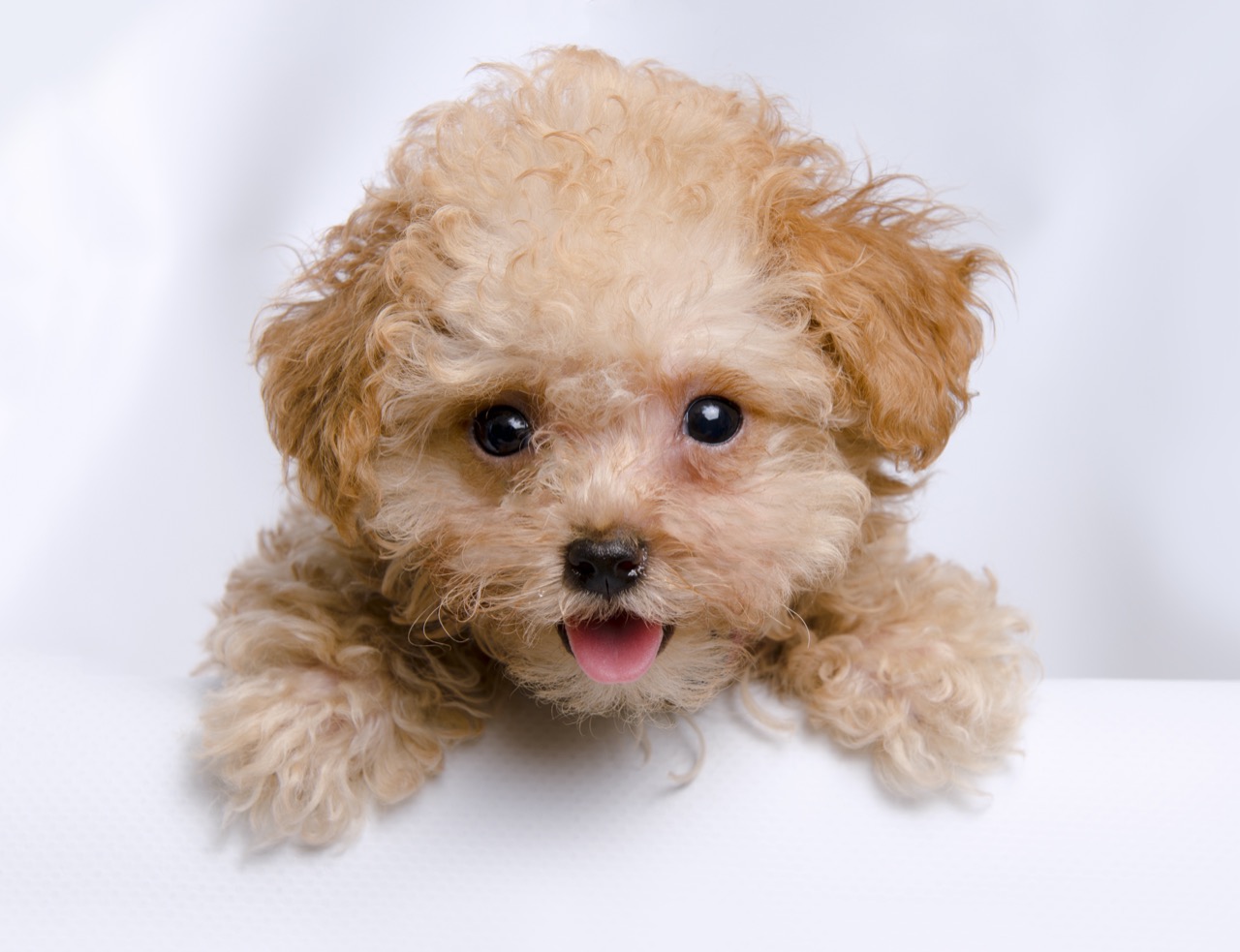
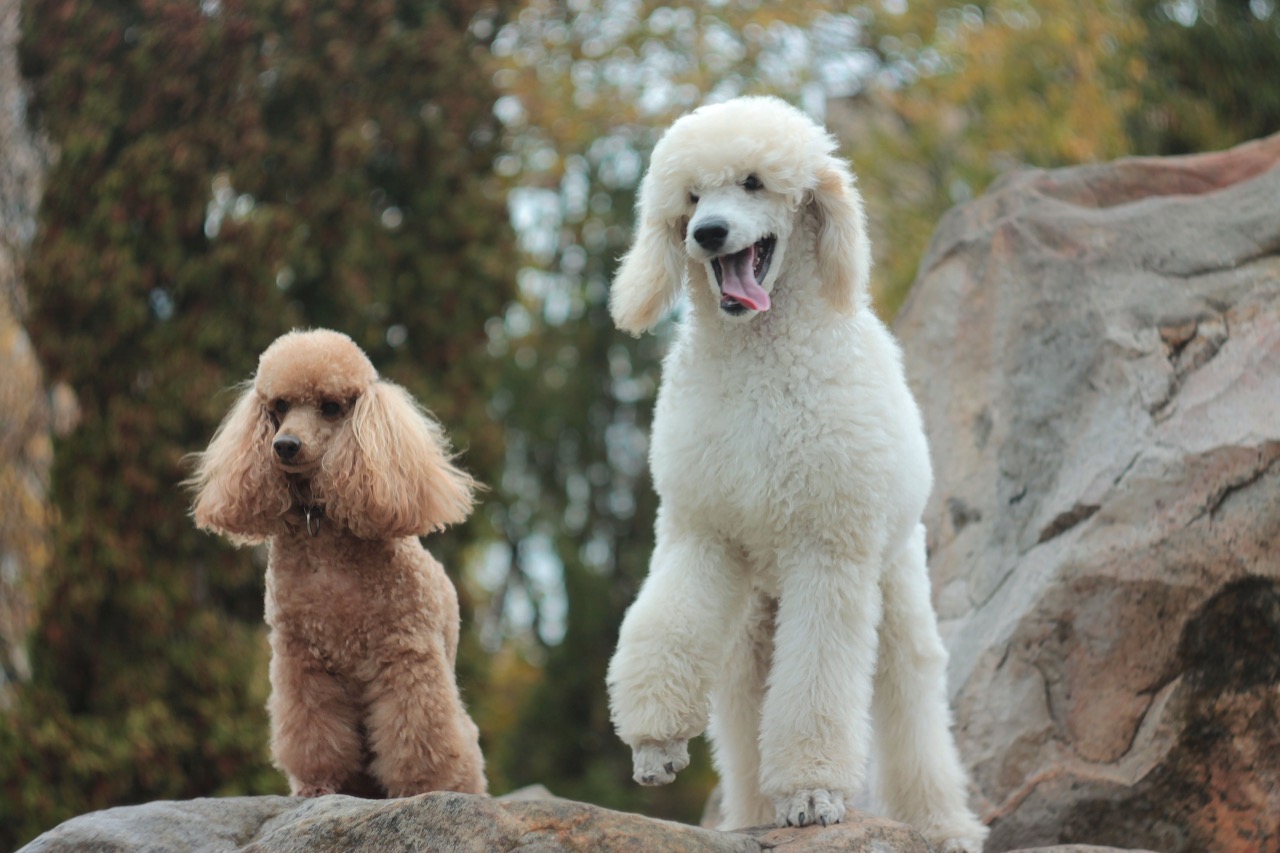
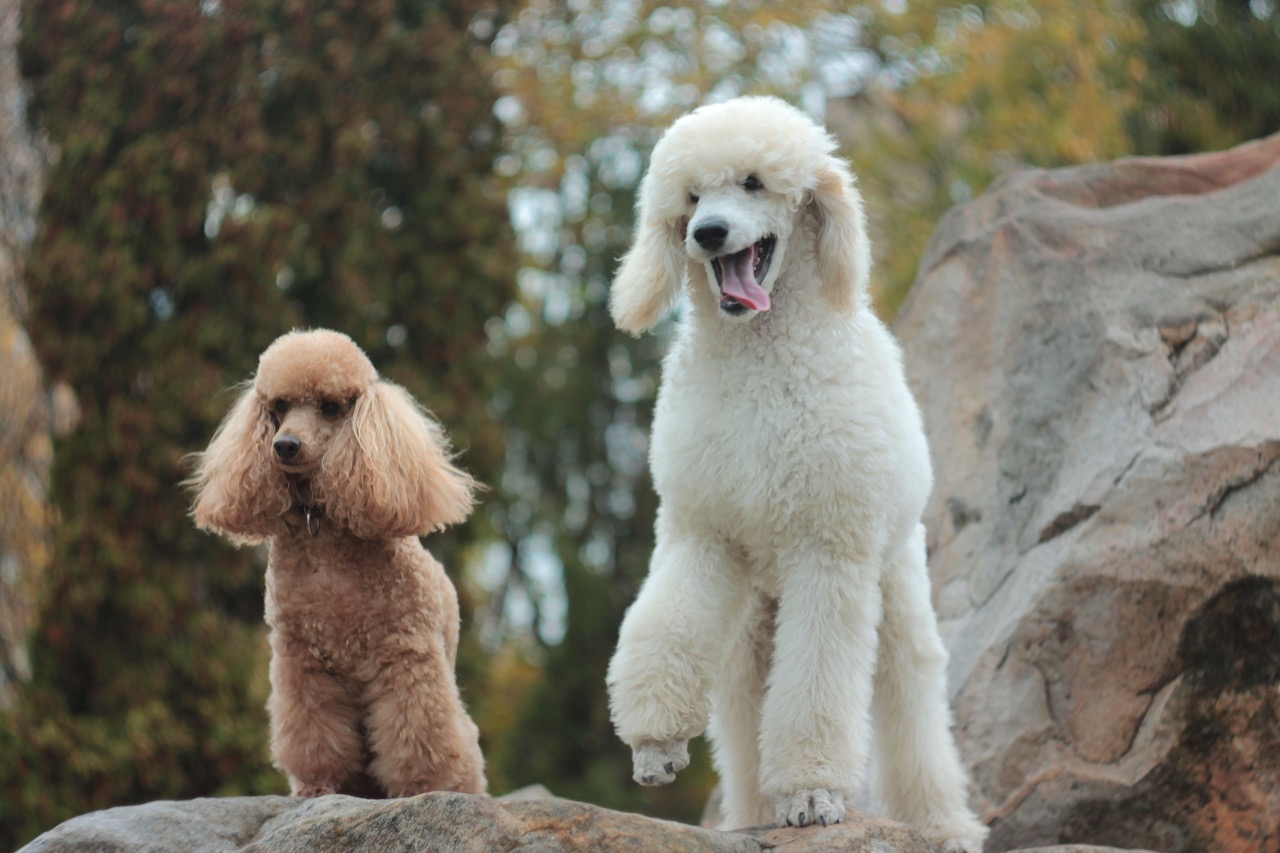
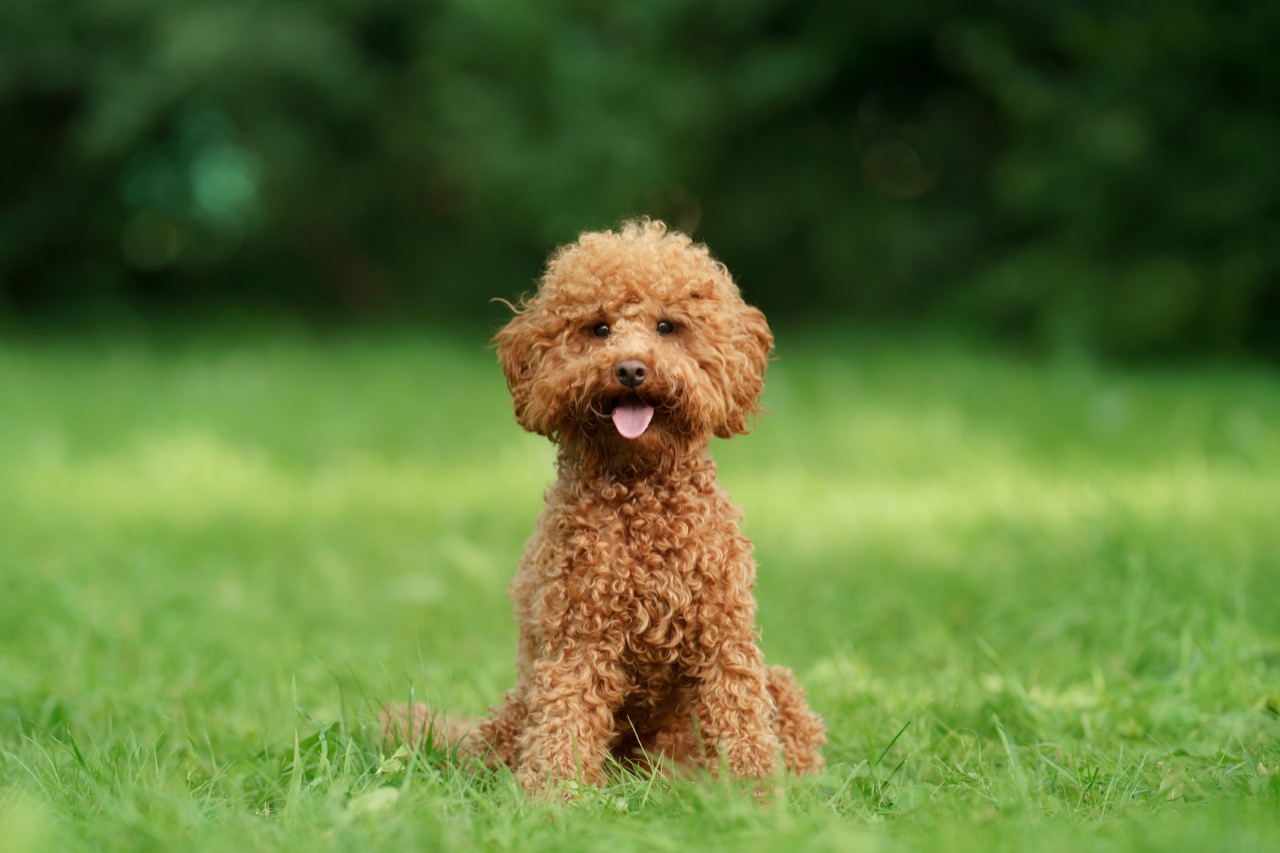
Many people meet a Poodle through a modern lens: a stylish haircut, a confident prance, and a reputation for being clever. That image can make the breed seem like it was designed for show rings and city sidewalks. In reality, the Poodle’s foundation is practical. These dogs were developed to retrieve from water, and once you look at them as working retrievers, many of their most recognizable features start to make sense.
A water retriever needs to move efficiently through cold water, spot falling game, and bring it back gently. The Poodle’s body is built for that kind of athletic problem solving. The breed tends to have a balanced, square outline with strong hindquarters, which helps generate power for swimming and for pushing off muddy banks. Their feet are often more compact and arched than you might expect, which can help with traction on slippery ground. A Poodle’s neck and shoulder structure also support carrying something in the mouth without losing balance, especially when stepping out of water.
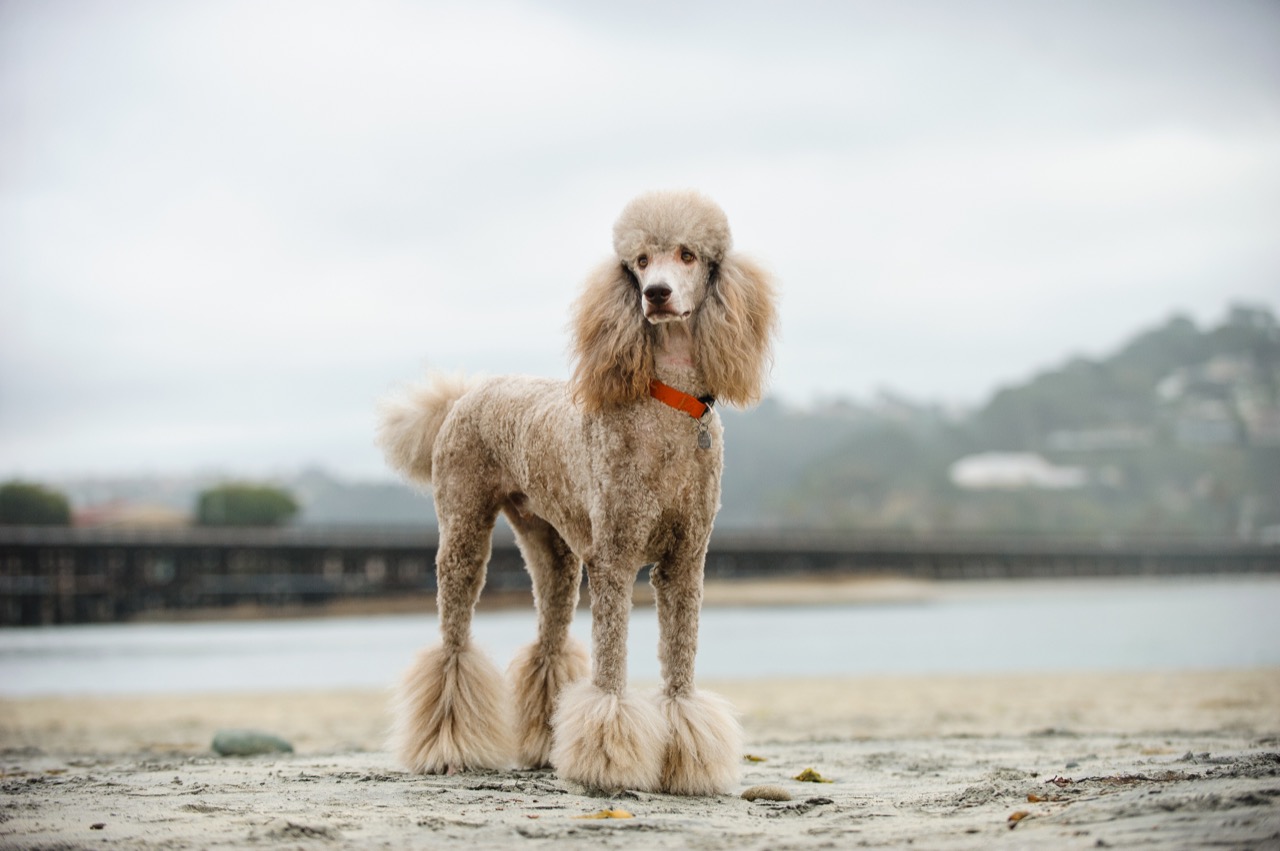
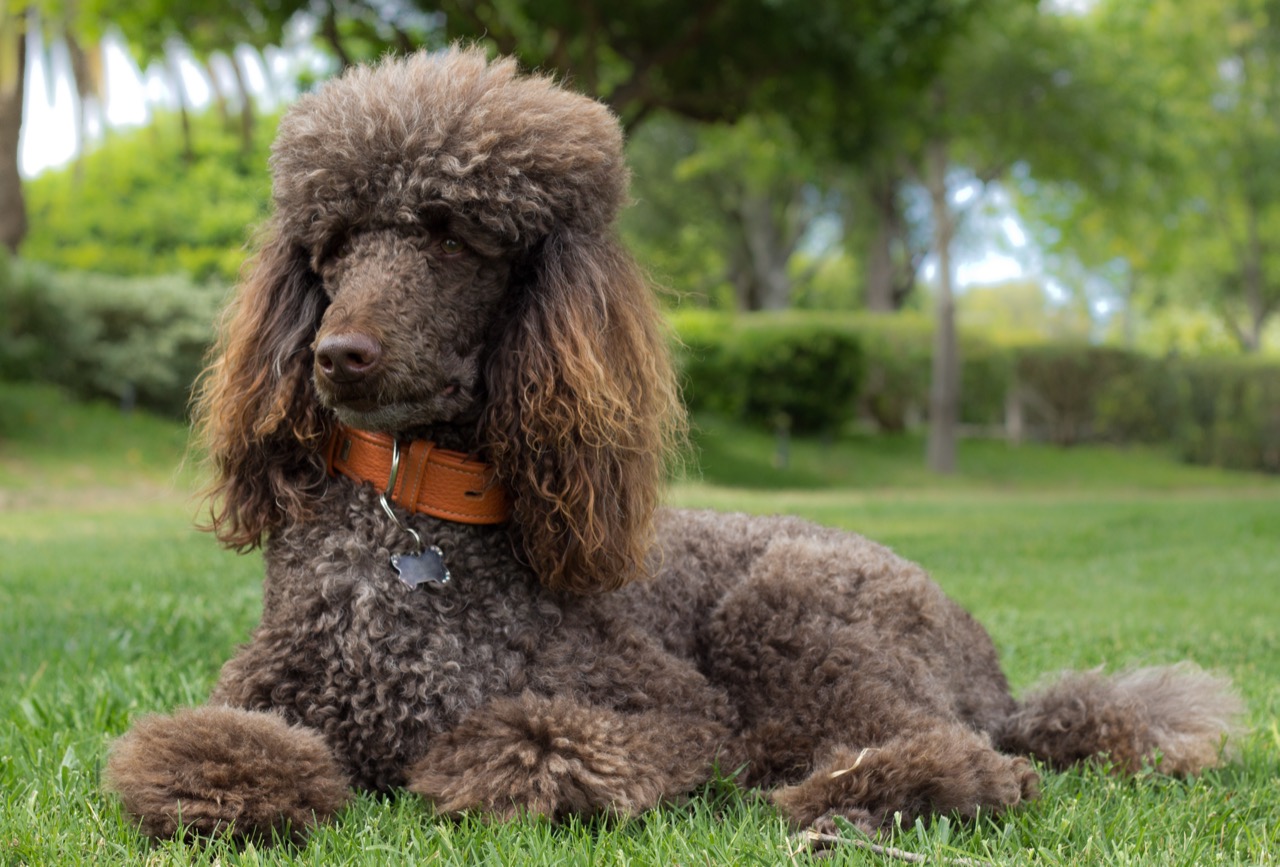
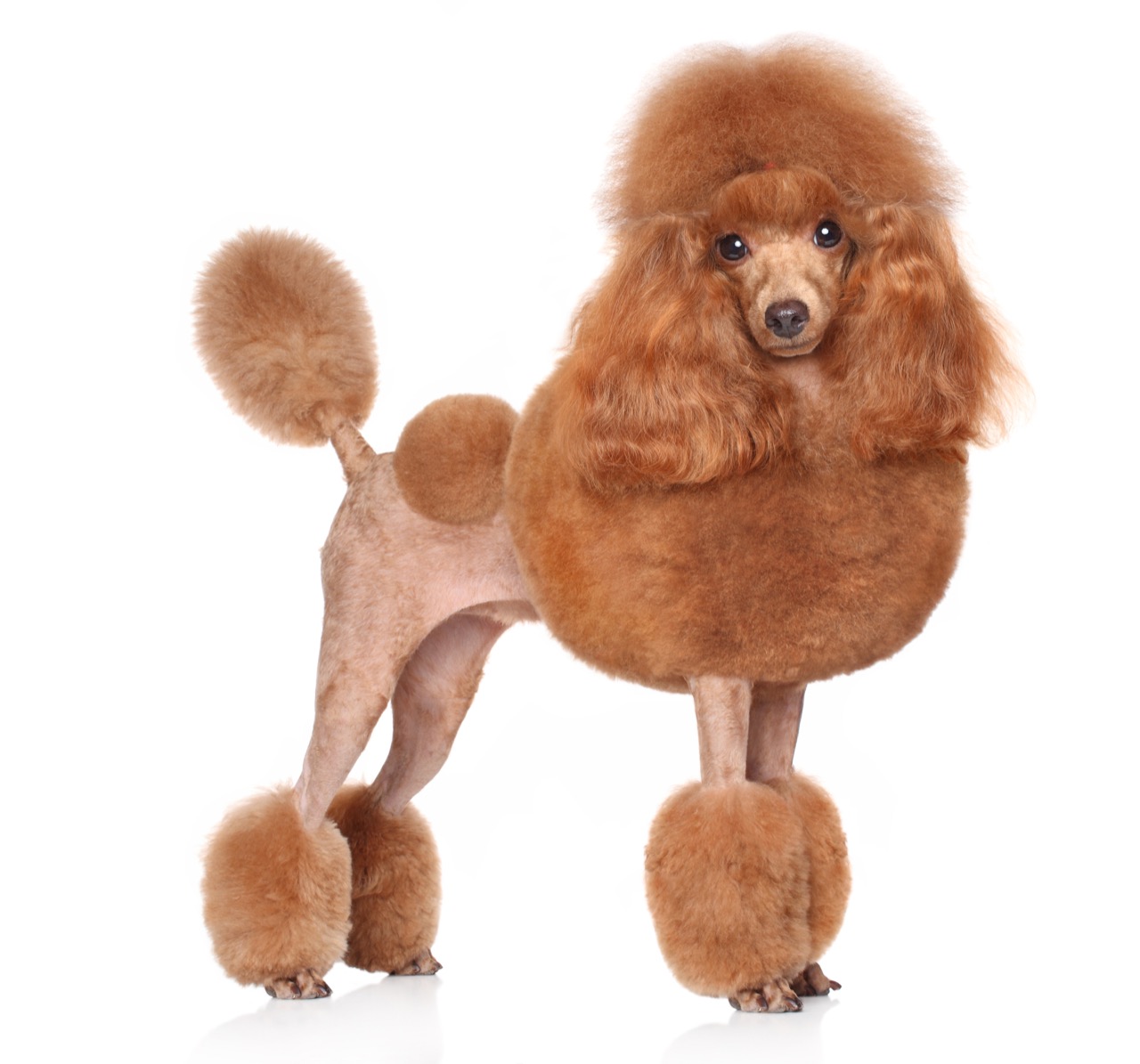
The coat is one of the biggest clues to the Poodle’s origins. Instead of shedding heavily, the hair grows continuously and can form a dense, curly layer. That layer can act as insulation in chilly water, a bit like a wetsuit. Of course, that same coat can become heavy when soaked or matted, which is where grooming traditions come in. The classic Poodle clip was never meant to be purely decorative. By trimming hair from areas that create drag, handlers could help the dog swim more freely. At the same time, leaving hair on key regions helped protect vital joints and organs from cold water. The familiar pompons on the legs and the fuller hair around the chest are often explained as warmth and protection for joints, the heart and lungs, and other vulnerable areas. Over time, these practical trims became stylized, but the logic behind them is rooted in a working dog’s needs.
A retriever also needs a particular kind of mind. It is not enough to be energetic; the dog must be biddable, attentive, and able to learn complex sequences. Poodles are famous for trainability because the job demanded it. A good water retriever must respond at a distance, ignore distractions like splashing birds or shifting currents, and remember where a bird fell even after it disappears from view. That combination of impulse control and memory shows up today when Poodles excel in obedience, agility, scent work, and service roles. Many owners notice that a Poodle does not just repeat a trick, but seems to understand patterns and anticipate what comes next. That can be delightful, but it also means they get bored with repetitive routines. A working background favors a dog that can think, not just follow.
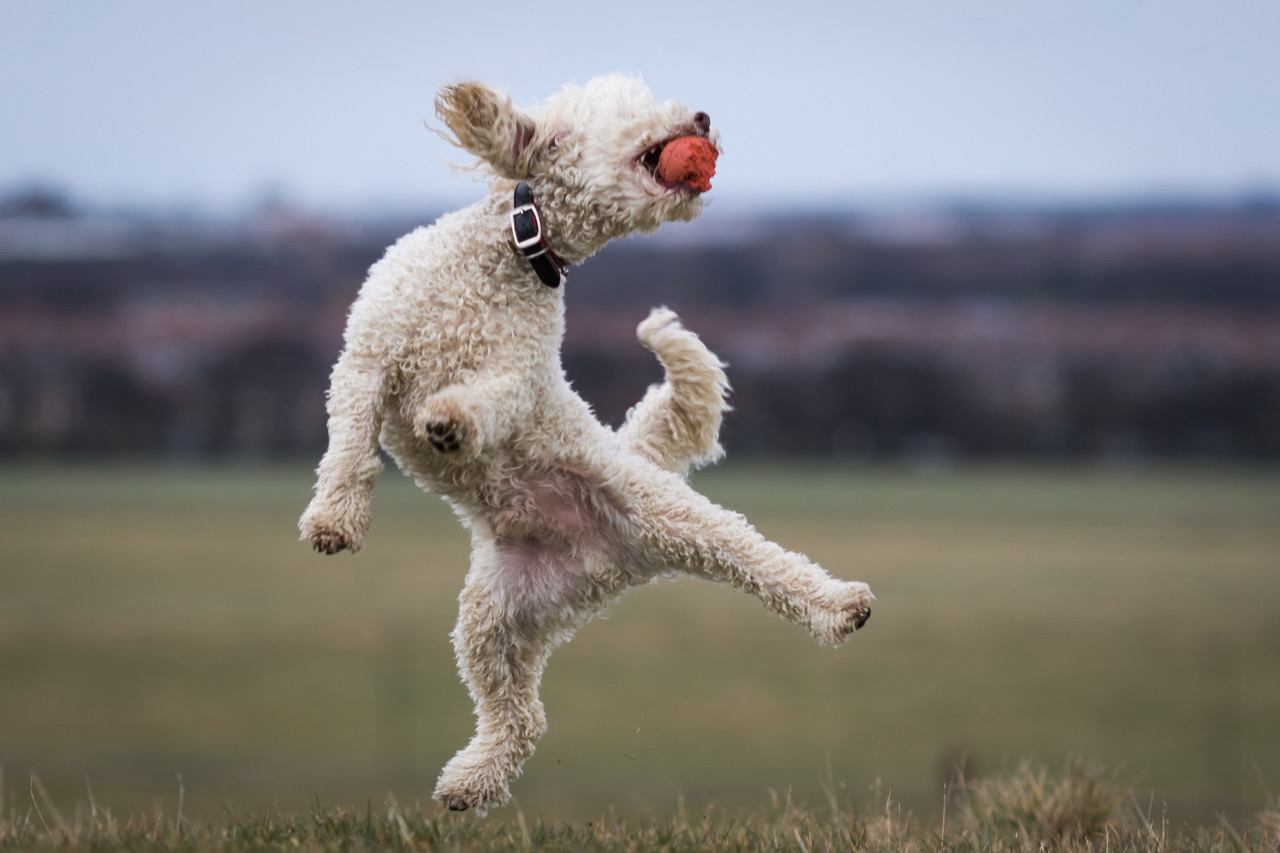
Retrieving instinct is another trait that often surprises people who only associate Poodles with grooming salons. Many Poodles naturally like to carry objects, bring toys back, and engage in games that look a lot like field work. Their mouths tend to be soft enough for carrying without crushing, and their enthusiasm for interactive play fits the partnership style of retrieving. Not every individual Poodle is obsessed with fetching, but the breed’s history helps explain why so many enjoy it.
Even the Poodle’s movement has a purpose. The light, springy action people describe as elegant can also be read as efficient and balanced, conserving energy over long periods of activity. When you add together the protective coat, the athletic build, the quick learning, and the eagerness to work with a handler, the breed becomes less of a fashion statement and more of a specialized athlete.
Understanding the Poodle as a water retriever does not take away its modern charm. It adds depth to it. The same traits that make the breed look distinctive and act so smart were shaped by real work, in real weather, doing a job where performance mattered. Once you see that connection, the Poodle’s famous appearance starts to look like equipment, not decoration, and its intelligence looks like a tool refined over generations.