The Pug’s Royal Resume
Quiz Complete!
How a Companion Job Shaped the Pug We Know Today
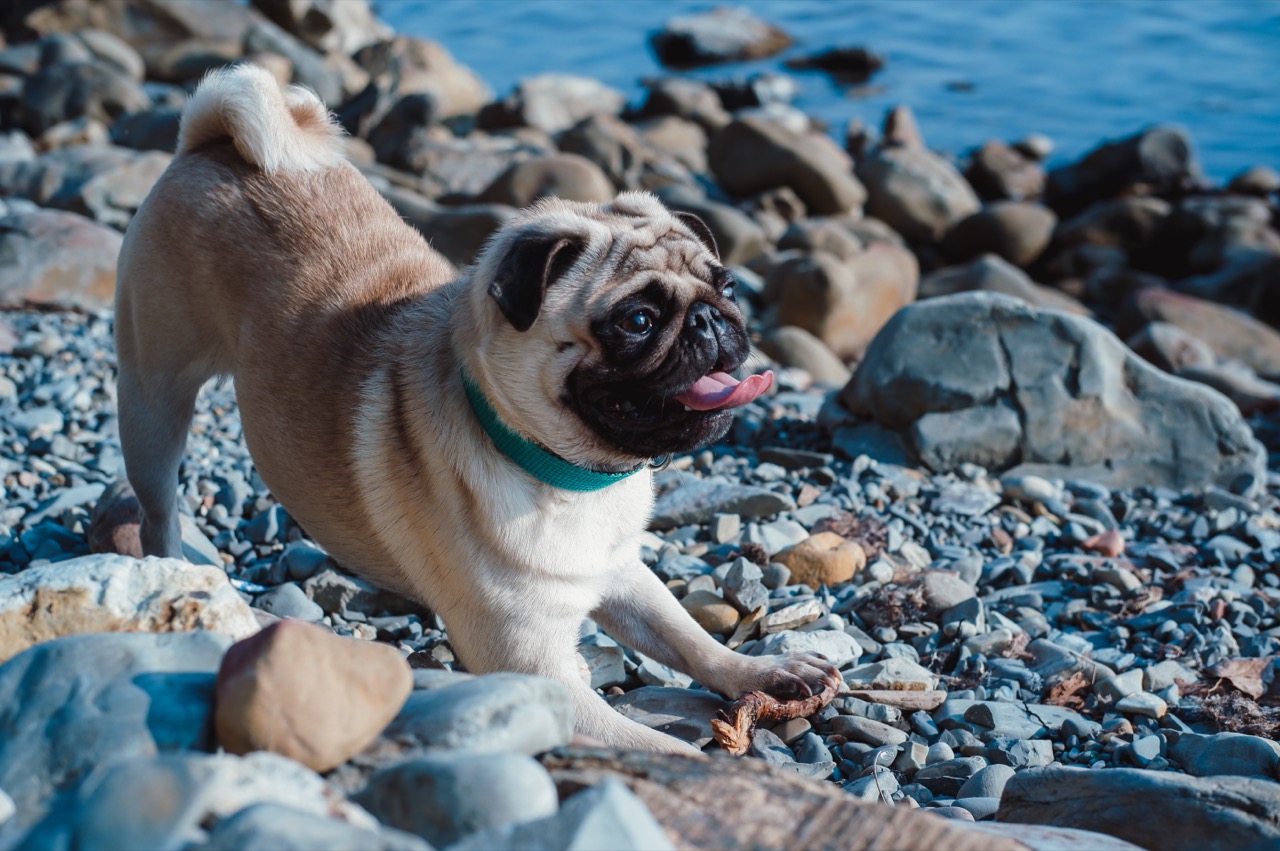
Pugs often get described as little clowns, but their most recognizable features make more sense when you remember what they were originally meant to be: close-contact companion dogs. Rather than being bred to chase game, guard property, or herd livestock, pugs were selected for their ability to live calmly with people, stay nearby, and communicate clearly with human caretakers. Much of their look and personality reflects generations of choosing dogs that fit comfortably into human spaces and routines, especially in elite households in China where small companion dogs were prized. Dutch traders are generally credited with carrying pugs to Europe, where the breed became linked with the House of Orange and, later, Queen Victoria.
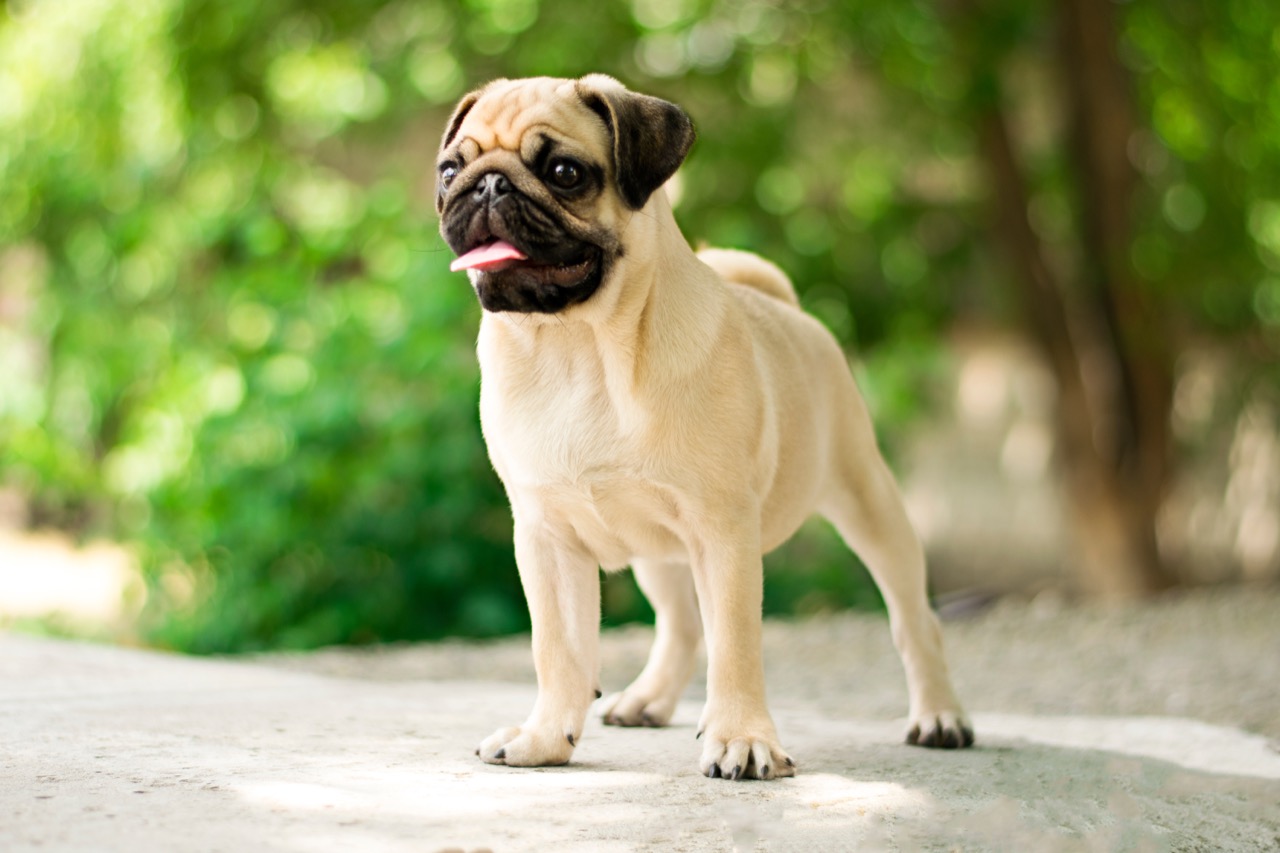
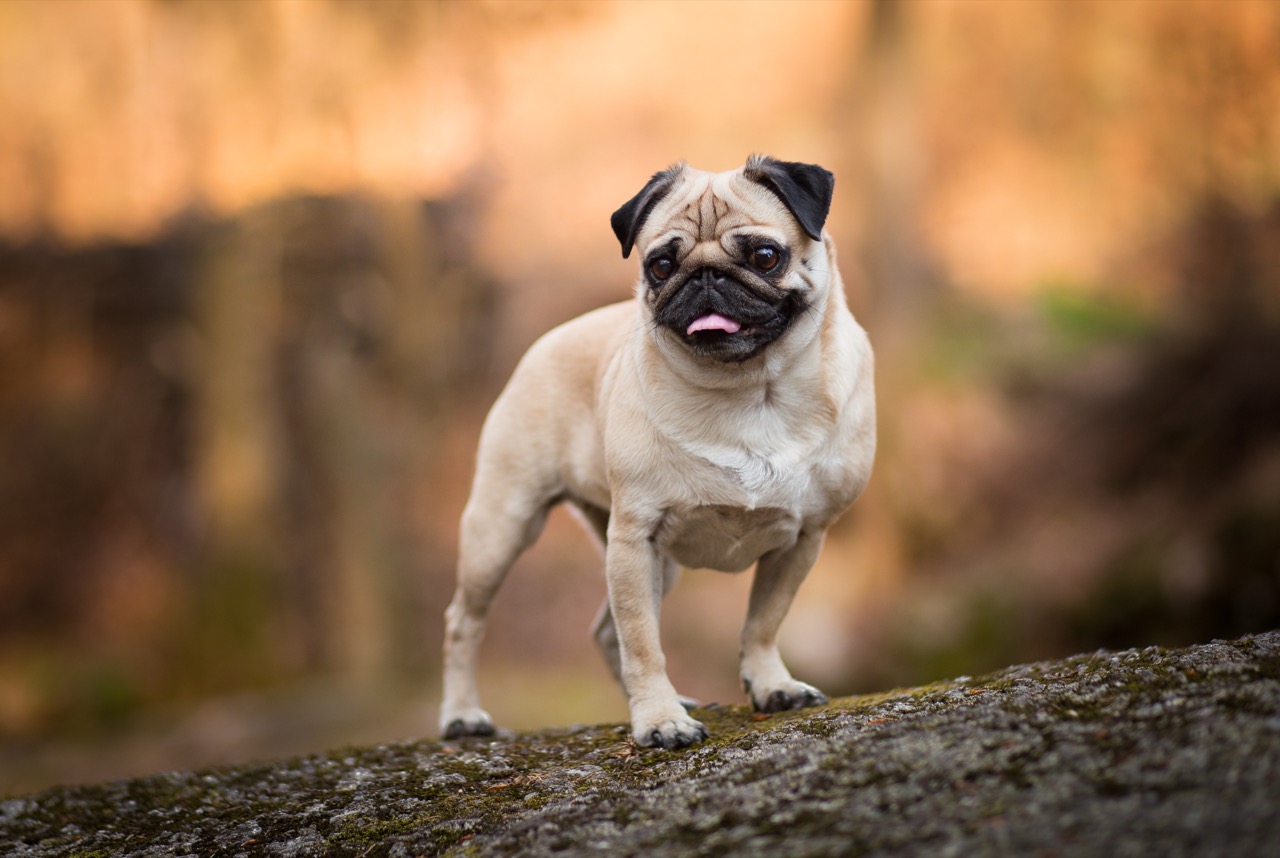
A pug’s compact body is a good example of form following function. A small, sturdy build is easy to carry and easy to keep indoors. They are not built for speed or endurance in the way a sighthound or sporting breed is; instead, they are built for being present. The breed’s famous tendency to shadow its favorite person from room to room is not a random quirk. When dogs are consistently rewarded for staying close, noticing human movement, and settling quickly, you end up with a pet that treats proximity as its main “job.”
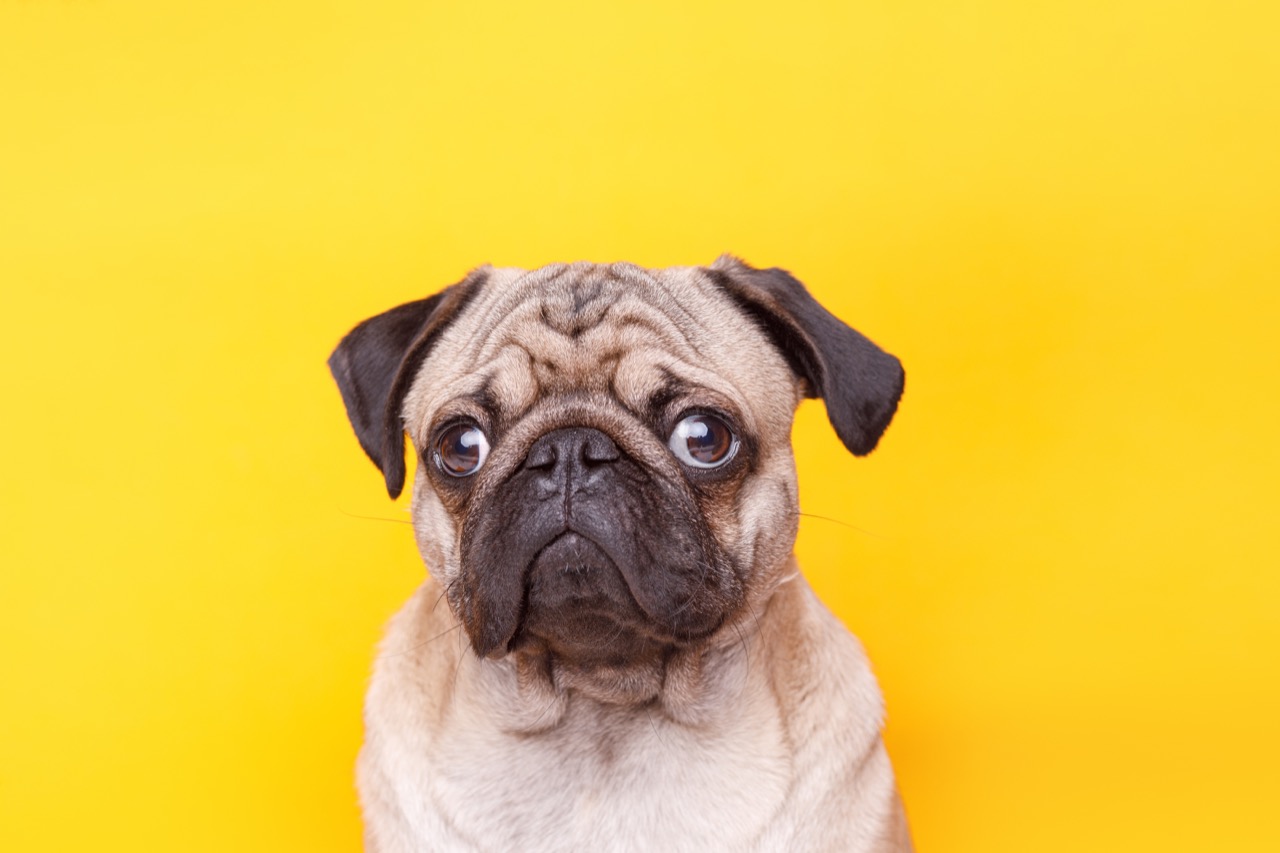
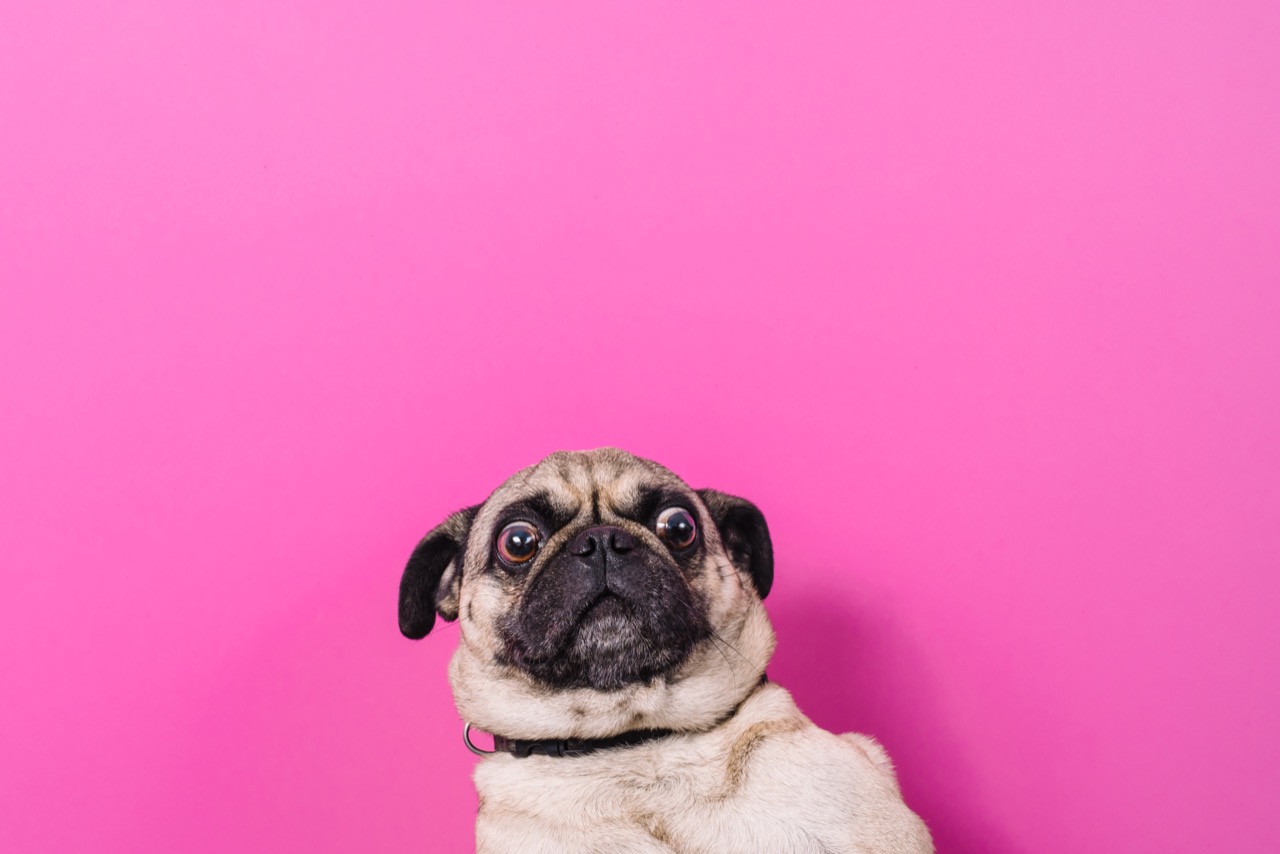
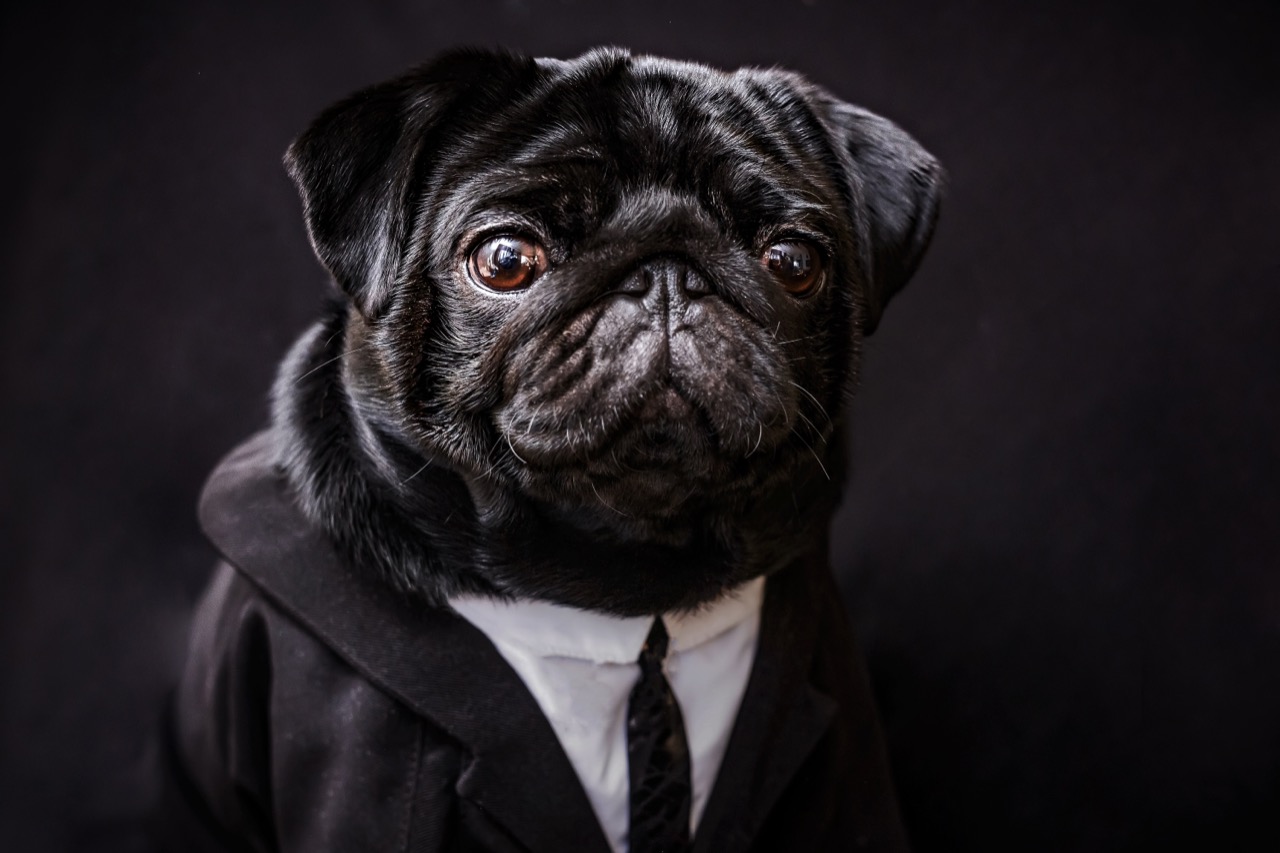
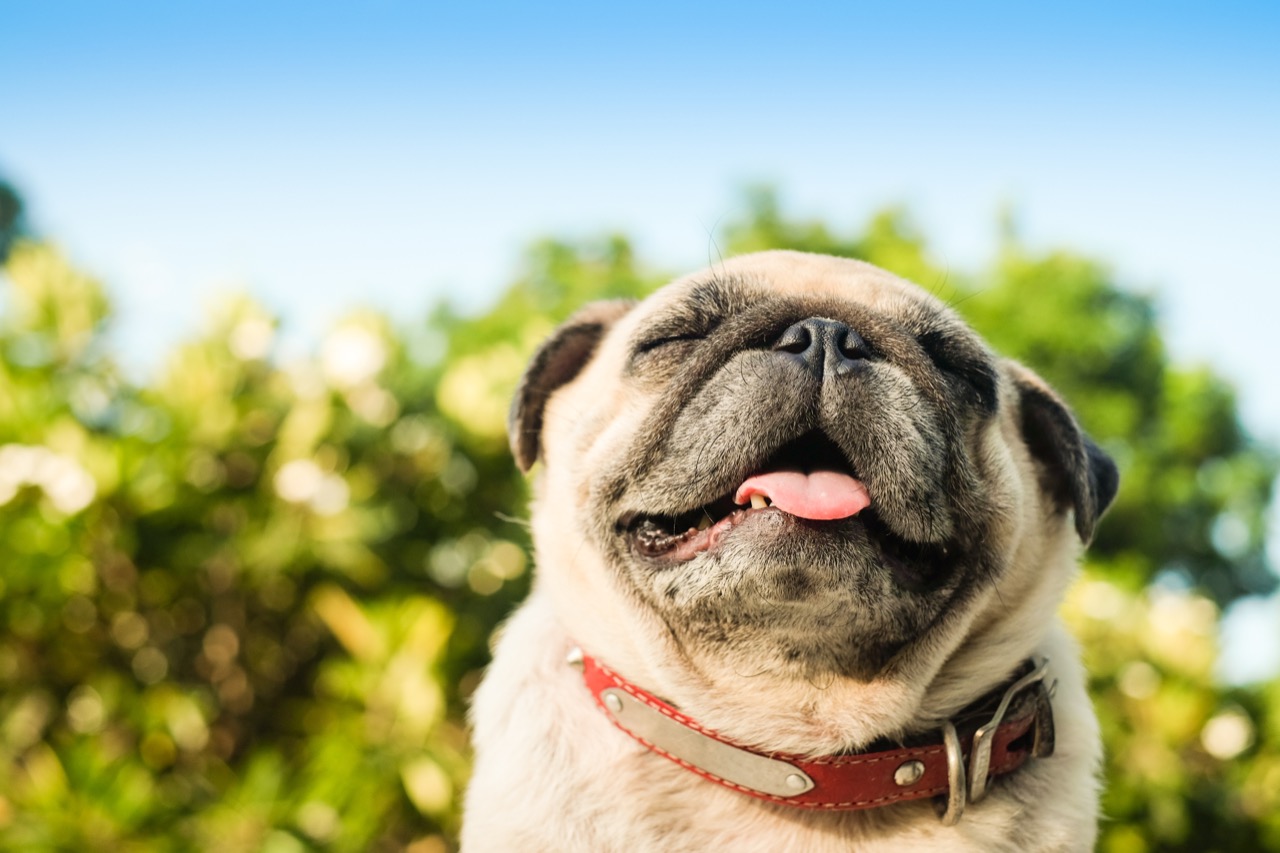
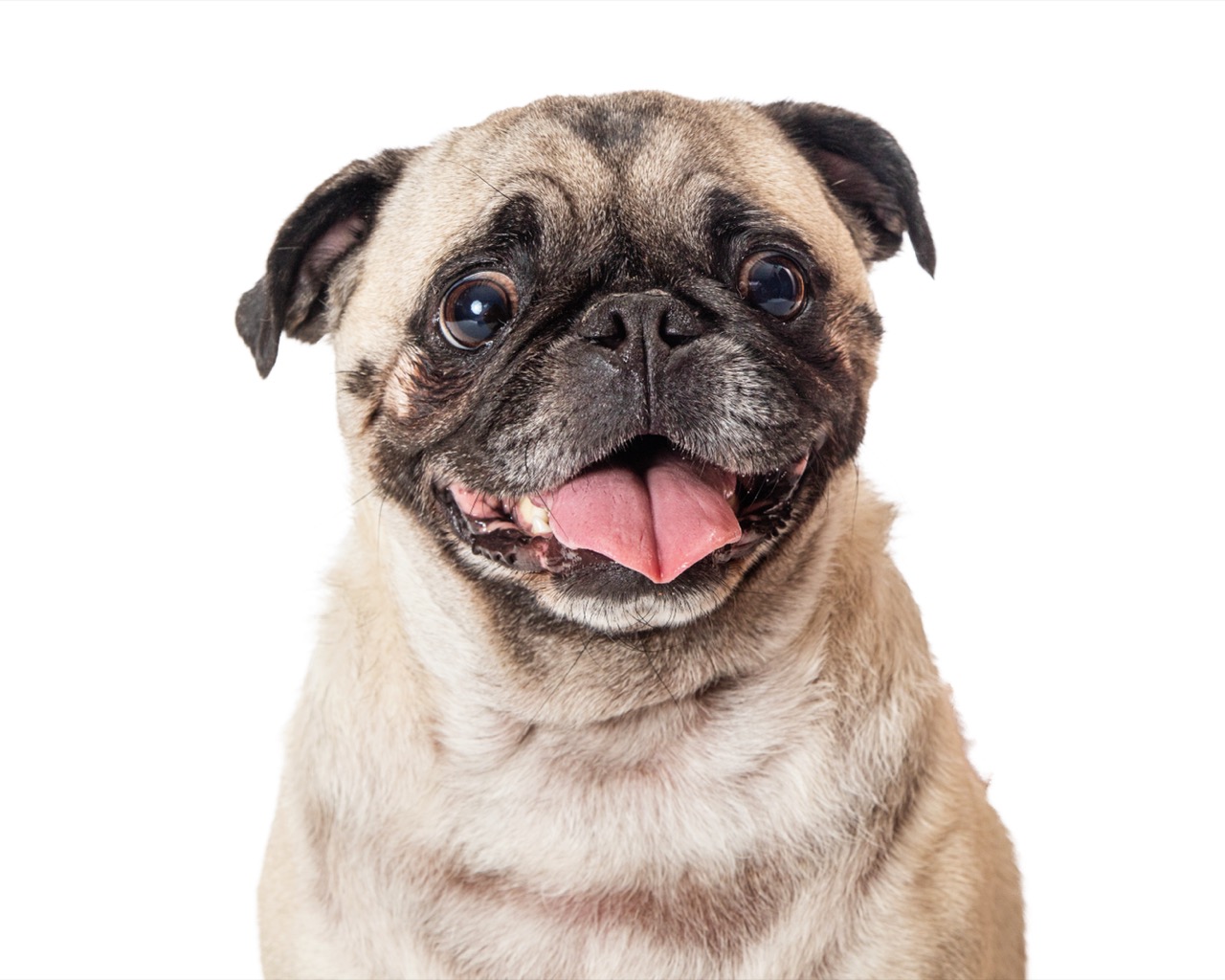
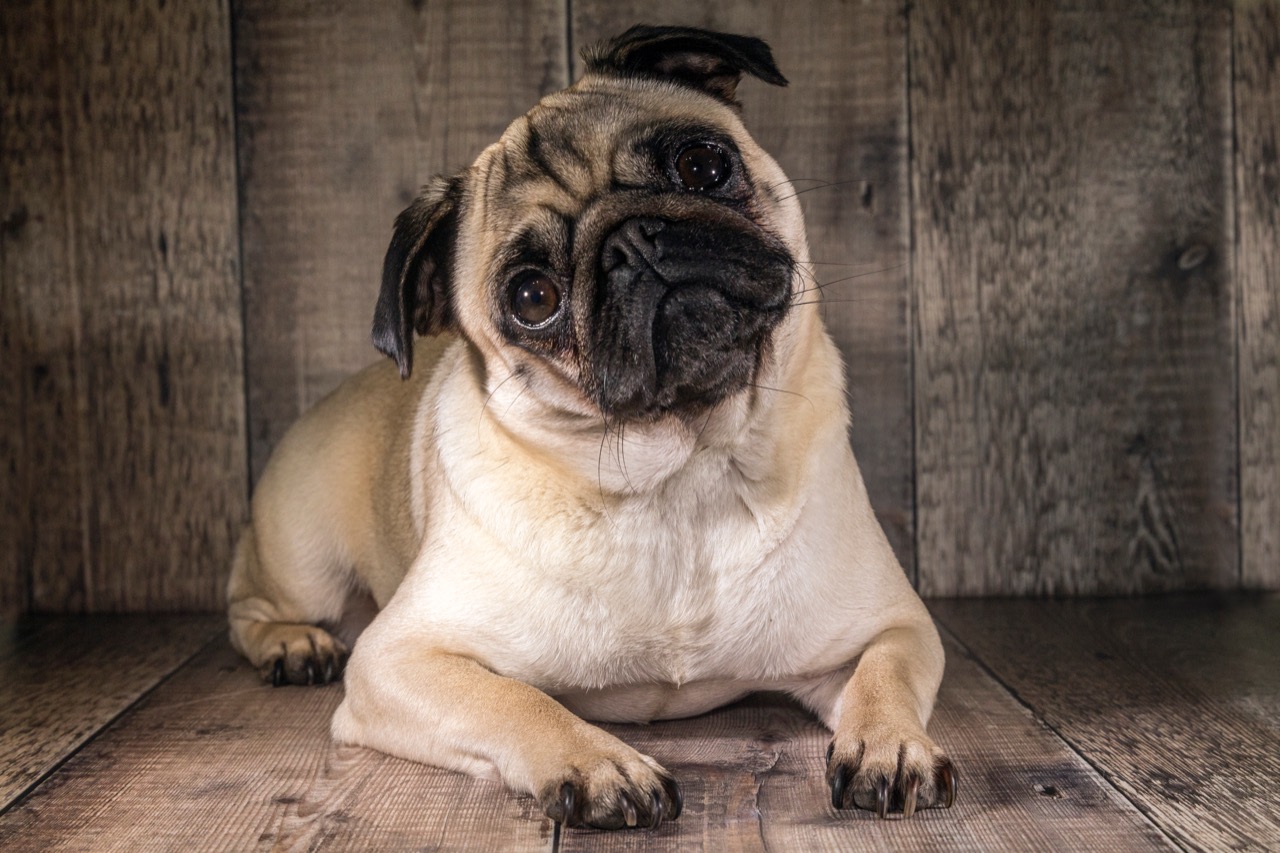
The face is where companionship selection becomes especially obvious. The short muzzle and large, forward-facing eyes create an expressive look that humans respond to. While the exact historical steps are complex, the overall direction is clear: people favored dogs whose faces were readable and endearing. The breed’s intense interest in human attention fits a lifestyle where the dog’s main activity is social interaction. At the same time, the shortened muzzle is not just a cute detail; it can affect breathing efficiency and heat tolerance. That is why pugs are often happiest with moderate activity, regular breaks, and careful management in hot or humid weather.
The wrinkles are another signature trait that people love to talk about. Wrinkles were prized as part of the breed’s look, and a popular story says forehead wrinkles resembling the Chinese character for prince were especially valued, though that tale is hard to document. In practical terms, wrinkles do not give a pug special powers, but they do contribute to the breed’s highly recognizable “human-like” expressions. They also come with a practical responsibility: skin folds can trap moisture and debris, so gentle cleaning and drying can help prevent irritation.
Then there is the tightly curled tail, which is also largely a product of selective preference and breed identity rather than a working necessity. It adds to the pug’s compact silhouette, and the AKC standard calls a double curl perfection. Like wrinkles, it is a hallmark feature that became part of the breed’s standard look over time.
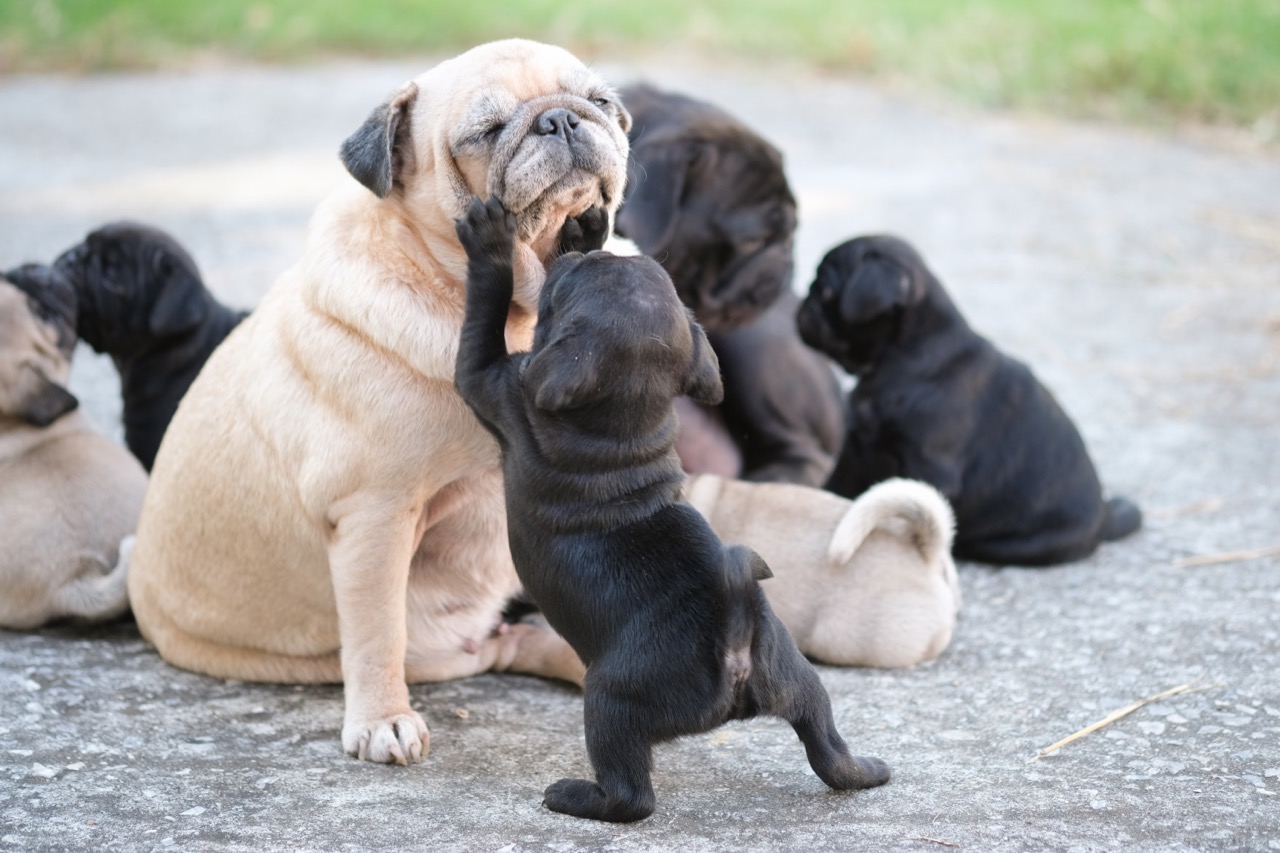
Temperament may be the clearest link to the pug’s original purpose. Pugs tend to be sociable, people-focused, and motivated by attention. They are often more interested in being included than in being “busy,” which is why many pugs excel at family life and struggle when left alone for long periods. They can learn manners and tricks well, especially with food rewards and a lighthearted approach, but their instincts usually point toward companionship rather than intense task work.
Understanding the pug as a purpose-built companion helps explain both the charm and the care needs of the breed. They are designed to be close, communicative, and emotionally tuned in, which is exactly why they can feel like tiny shadows with big personalities. When you meet a pug that wants to sit near you, watch your face, and follow you down the hall, you are seeing centuries of selection for one main talent: being with people.