Life With a Pug

Quiz Complete!
Living Well With a Pug: Practical Care for Everyday Home Life
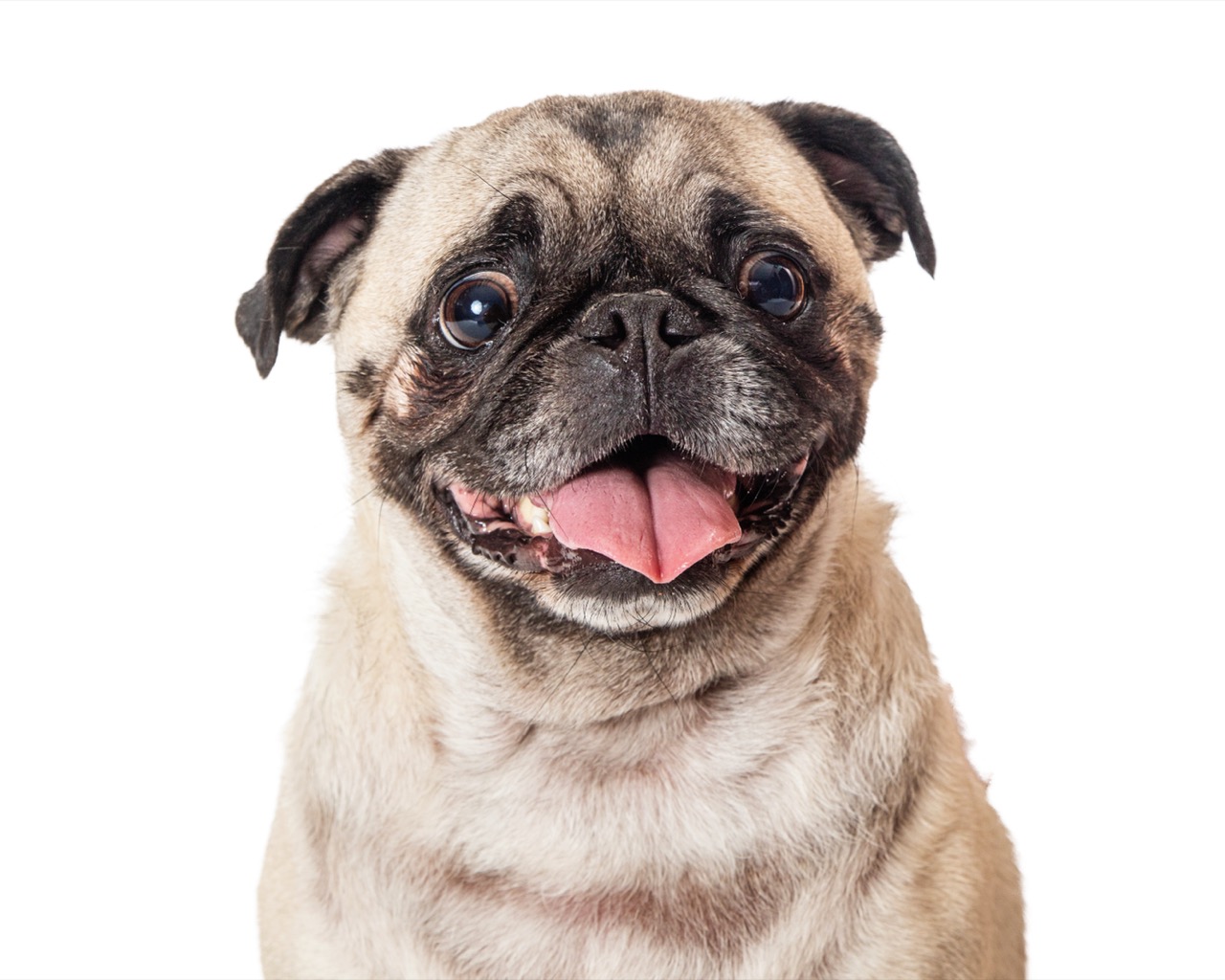
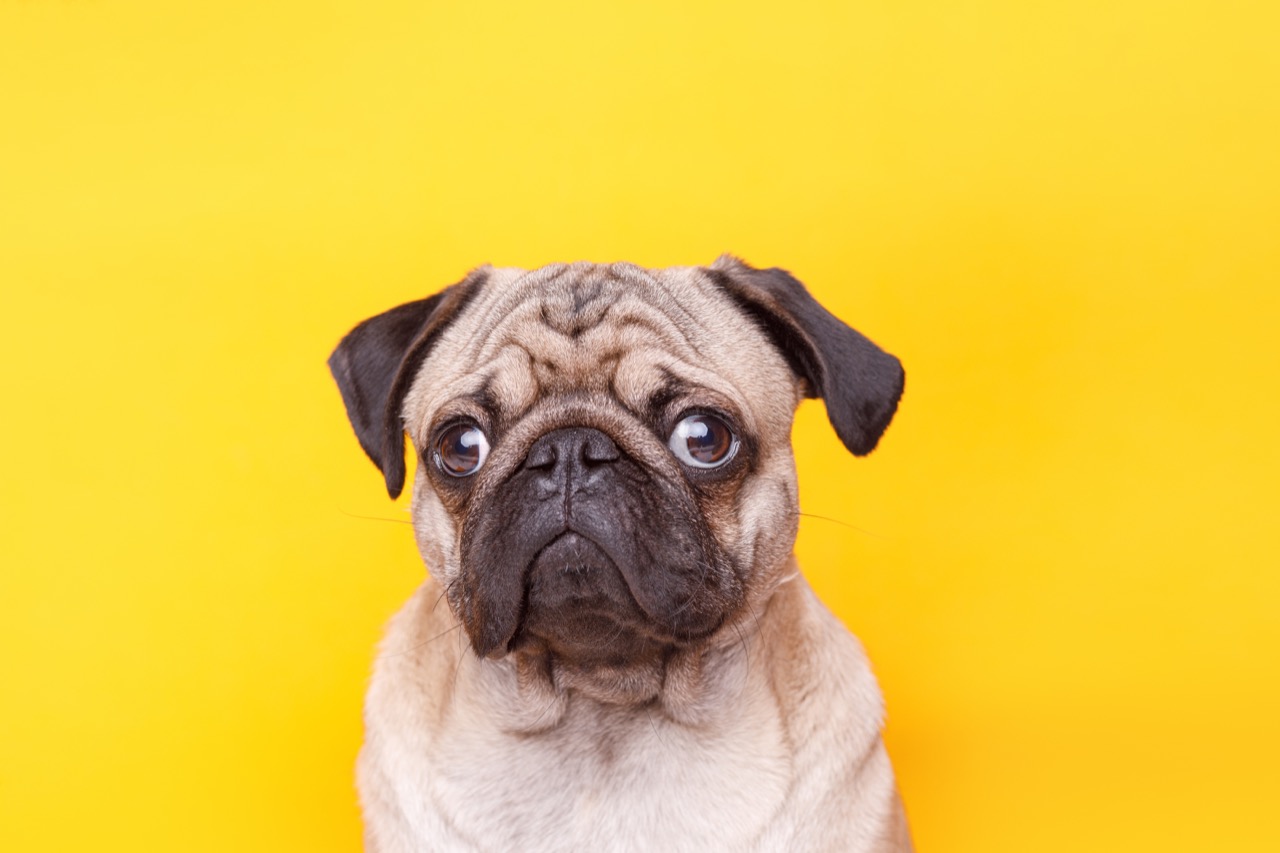
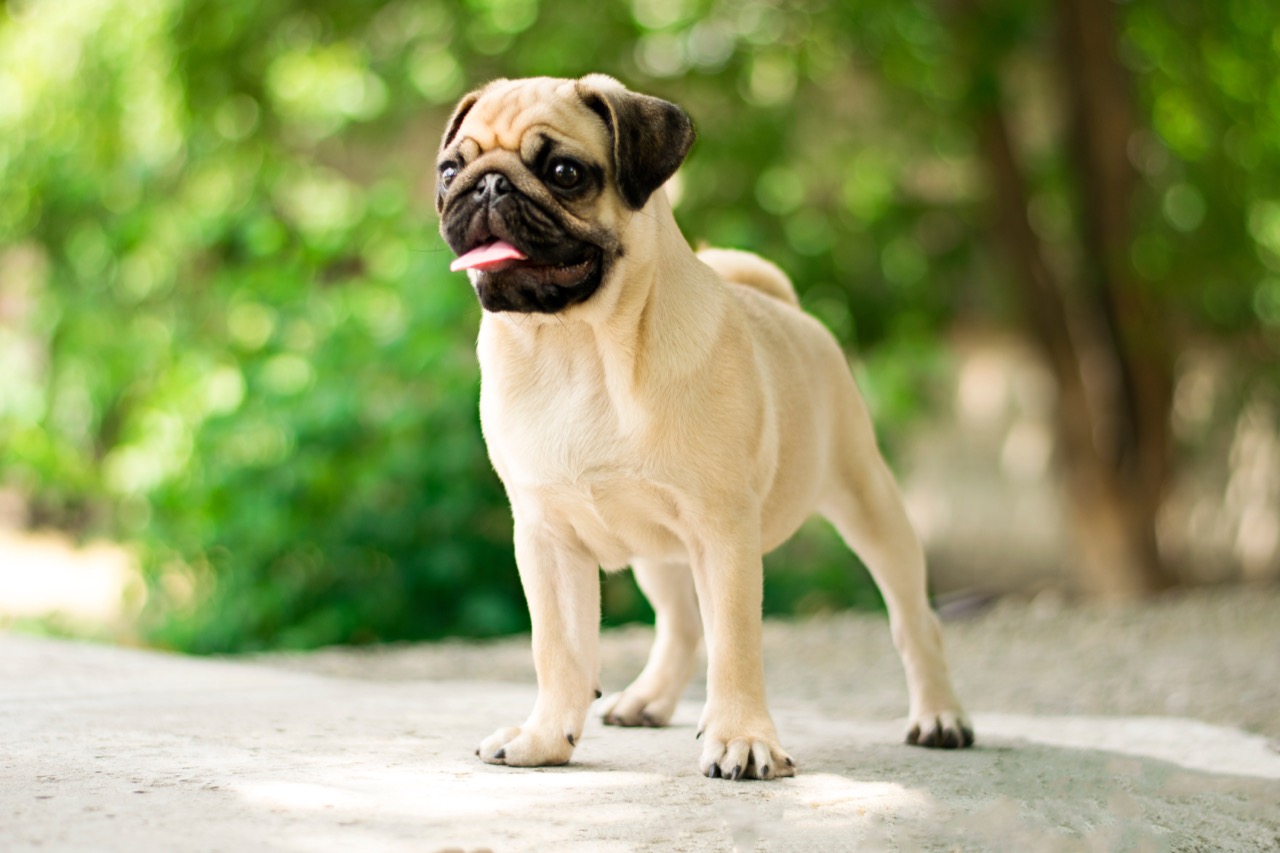
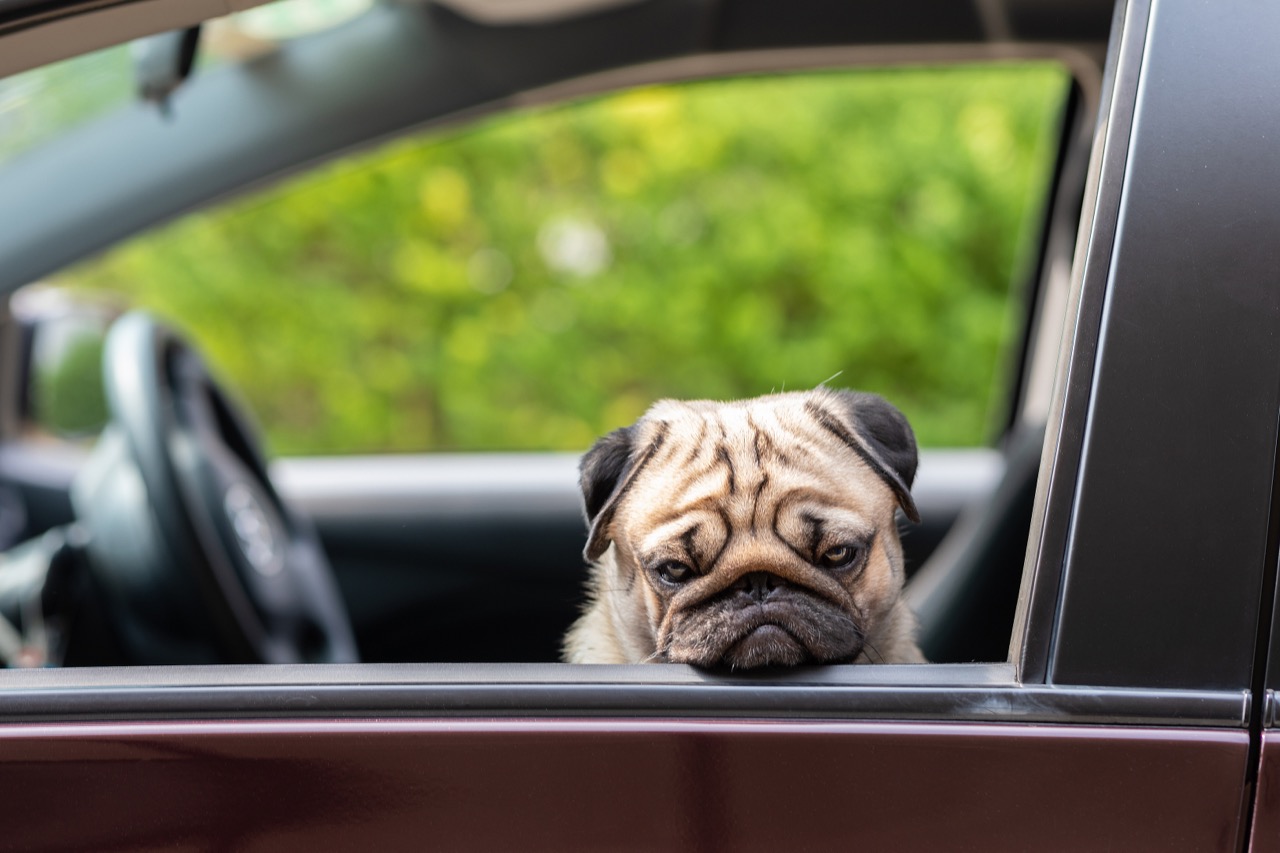
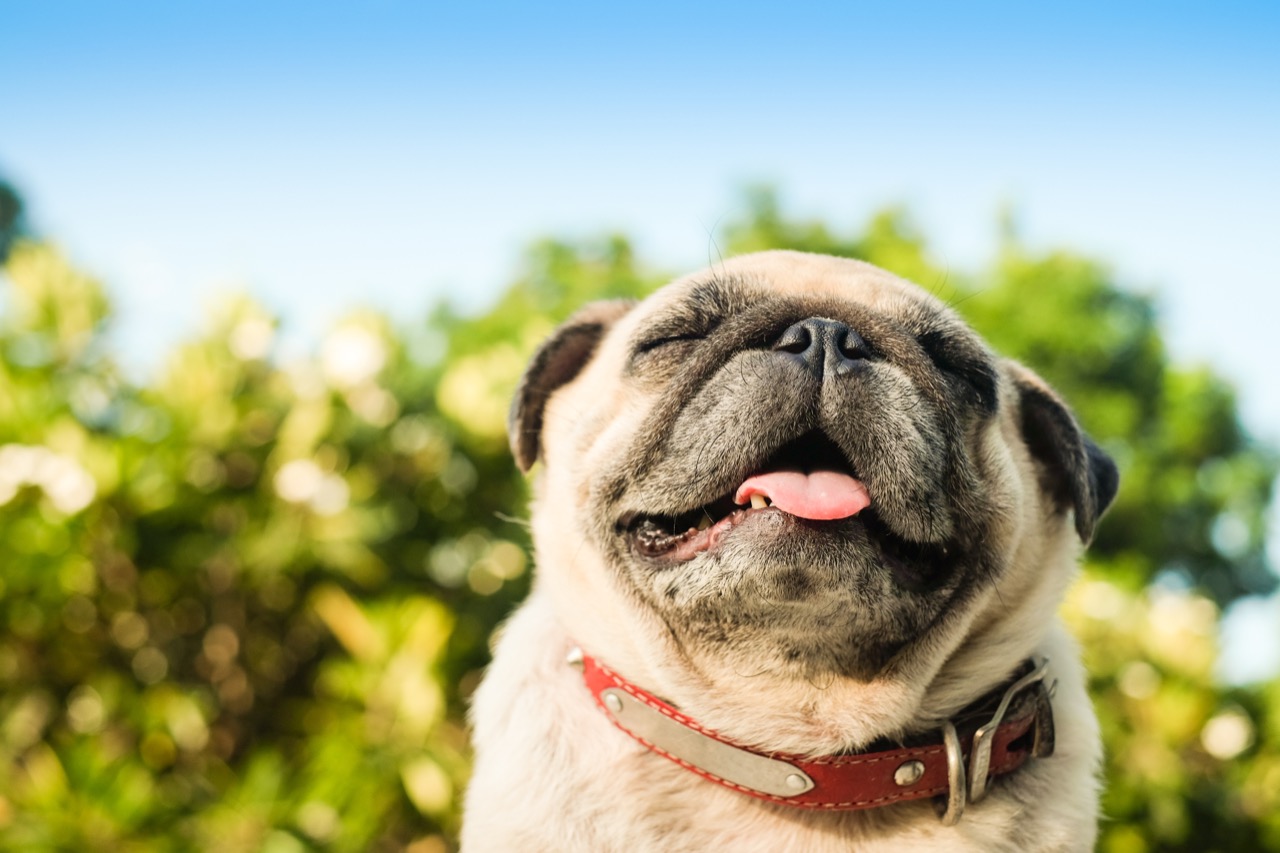
Pugs win hearts fast with their round eyes, expressive faces, and determination to be wherever their people are. That charm comes with some very specific care needs, most of them tied to the breed’s flat-faced, or brachycephalic, anatomy. A Pug’s shortened muzzle can make breathing less efficient, especially during heat, humidity, or intense activity. Many Pugs love to play hard, but they do not always know when to stop, so it is up to you to keep exercise gentle and paced. Think short walks, sniffing games, and indoor play rather than long runs or strenuous hikes. Hot pavement and warm cars are risky for any dog, but Pugs overheat faster, so aim for cooler times of day, provide plenty of water, and watch for warning signs like loud or strained breathing, weakness, or a tongue that looks very dark.
Because their airways are narrow and their soft tissues can vibrate, snoring is common, and so is noisy breathing when they are excited. Some owners find it endearing; others use white noise at night. More important is knowing what is normal for your dog and what is not. Sudden worsening of breathing, frequent gagging, collapsing, or an inability to cool down should be treated as a medical concern. Keeping a Pug lean is one of the simplest ways to help them breathe more comfortably and protect their joints. Extra weight adds strain to the airway and increases heat intolerance, so measure meals, go easy on treats, and use part of their daily kibble for training rewards.
Pugs shed more than many people expect. Their coats are short, but the hair is plentiful, and it ends up on furniture, clothing, and car seats. Regular brushing helps control it and also spreads natural oils, which can keep the coat looking healthy. Many Pugs do well with a soft bristle brush or a grooming mitt a few times a week, with more frequent brushing during heavier shedding periods. Bathing does not need to be constant, but it should be regular enough to keep skin comfortable, especially if your Pug tends to be oily or has allergies.
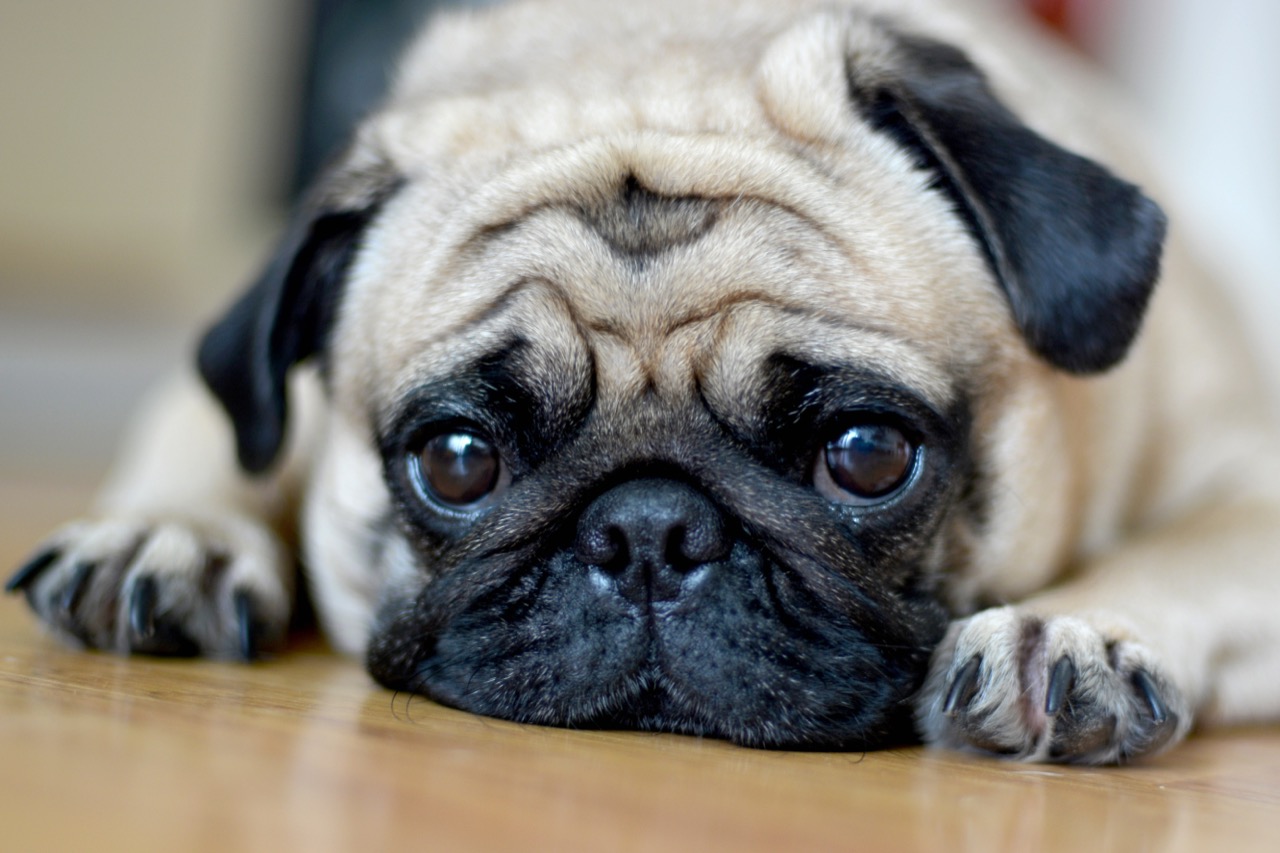
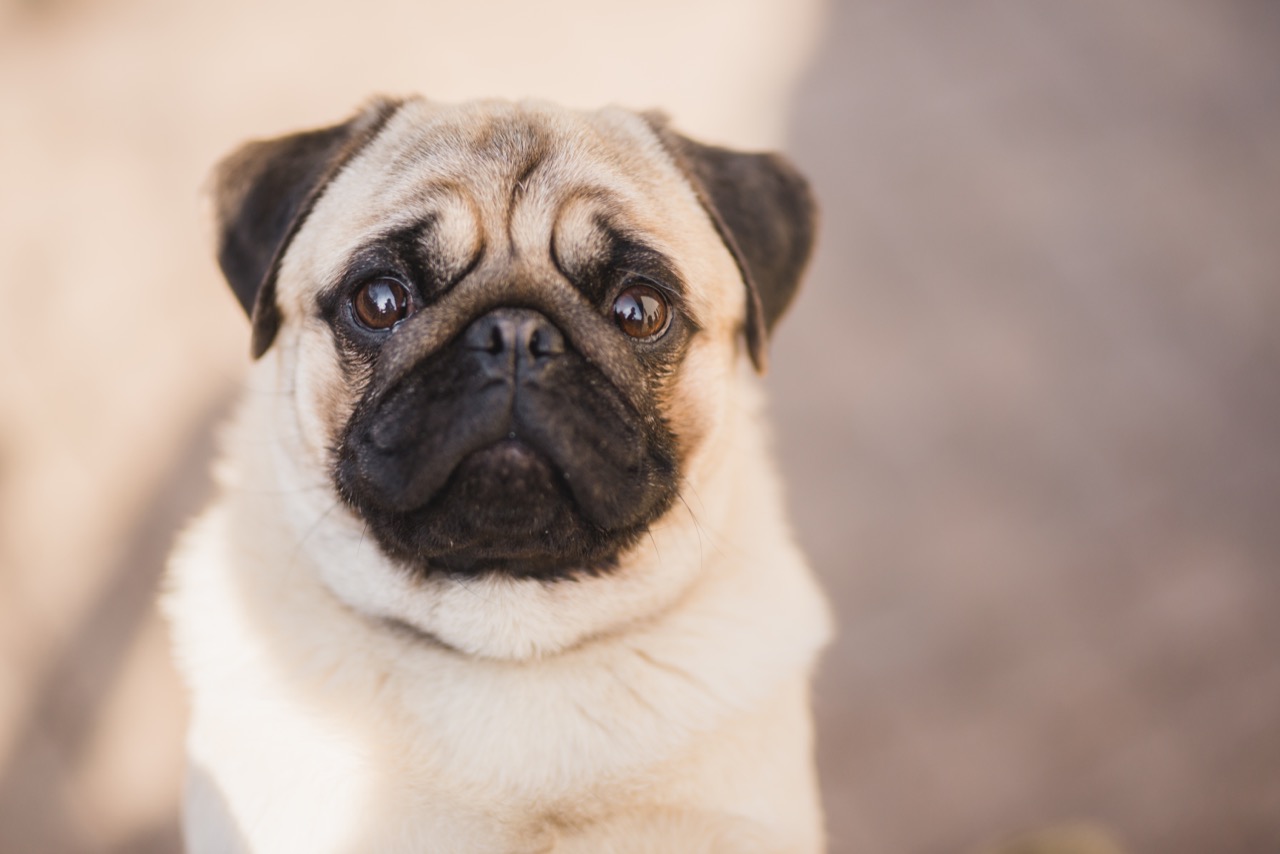
The famous wrinkles are not just decoration. Skin folds can trap moisture, food, and debris, creating a warm environment where irritation or infection can start. A quick daily check and gentle cleaning can prevent a lot of problems. Use a damp cloth or a pet-safe wipe, then dry the folds thoroughly. The goal is clean and dry, not scrubbed raw. Pay attention to any redness, strong odor, or your dog rubbing their face, since those can signal discomfort.
Nail care is another home-life reality. Pugs often do not wear their nails down naturally, and long nails can change the way they walk, leading to sore feet or strain. Trim little and often, or schedule regular grooming, and remember the dewclaws if your dog has them. Ears also benefit from routine checks, especially if your Pug gets waxy buildup.
Training a Pug is usually less about dominance and more about motivation. They are people-focused and often food-focused, which can be used for good. Short, upbeat sessions with positive reinforcement tend to work best. Because Pugs can be sensitive, harsh corrections may shut them down or make them stubborn. Consistency, patience, and rewards for the behavior you want will get you further than trying to outlast them in a battle of wills.
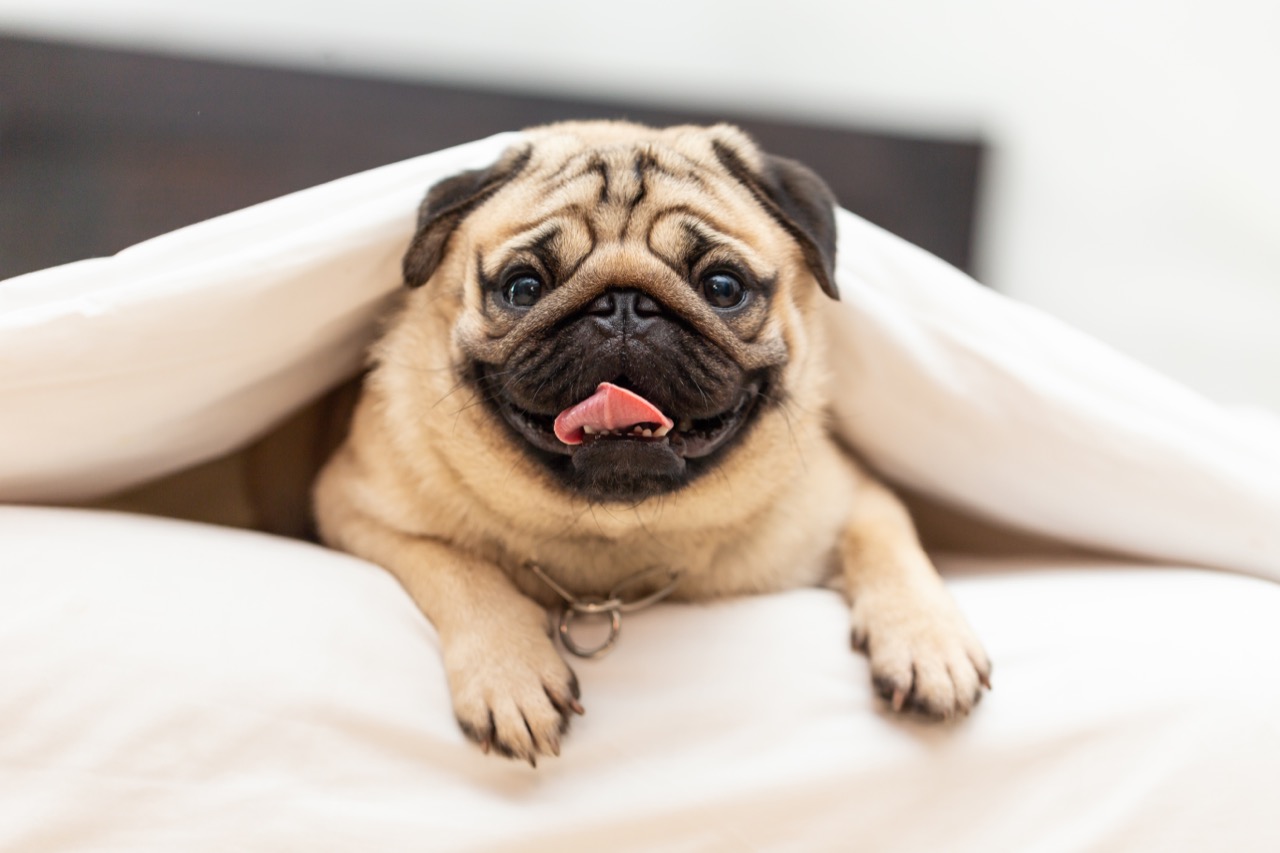
A happy Pug home is one that plans around comfort. Provide a cool place to rest, avoid overexertion, keep the face and folds clean, stay on top of nails, and manage shedding with routine brushing. Do those basics well, and you get what Pugs do best: a devoted companion who wants to share every nap, snack, and moment of daily life.