Living Well With a Beagle








Quiz Complete!
Living Well With a Beagle: Everyday Know How for a Nose Led Companion
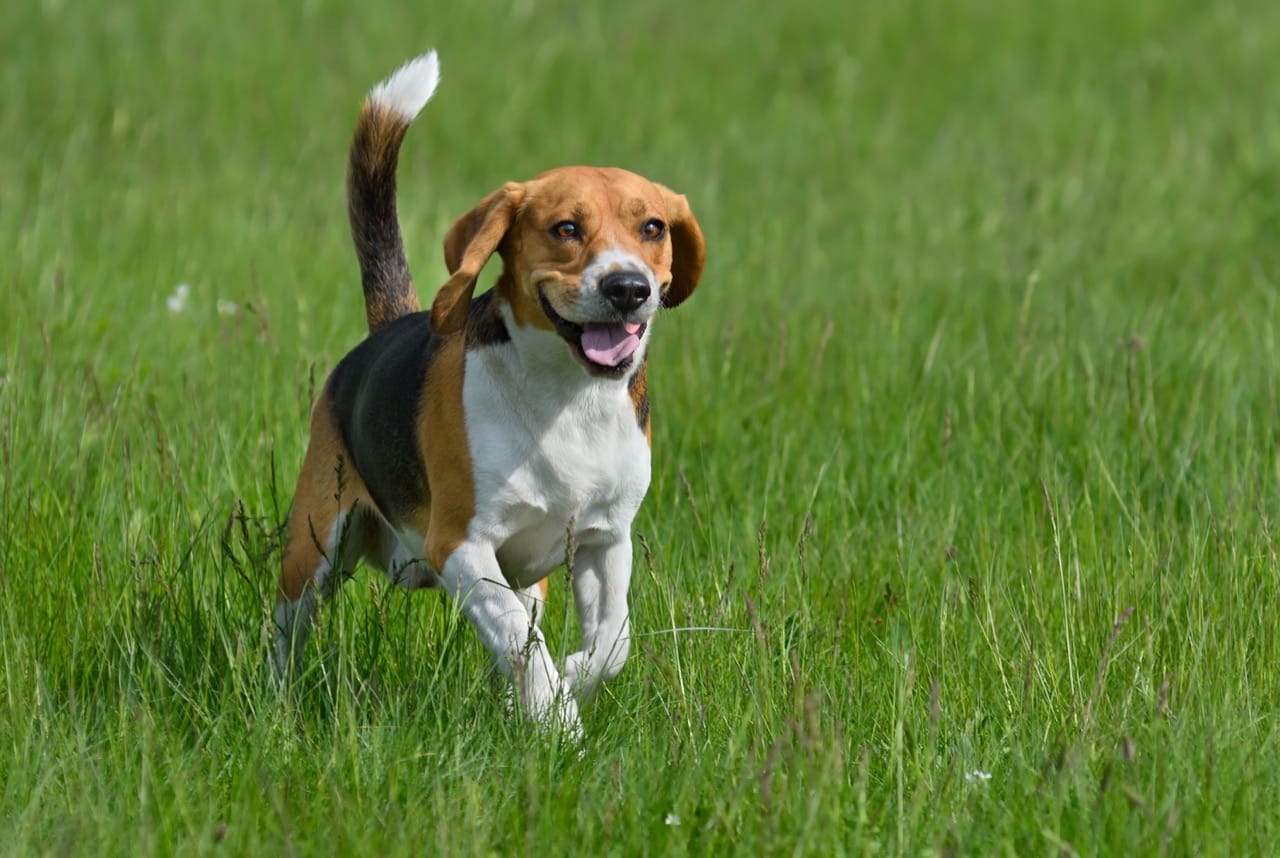
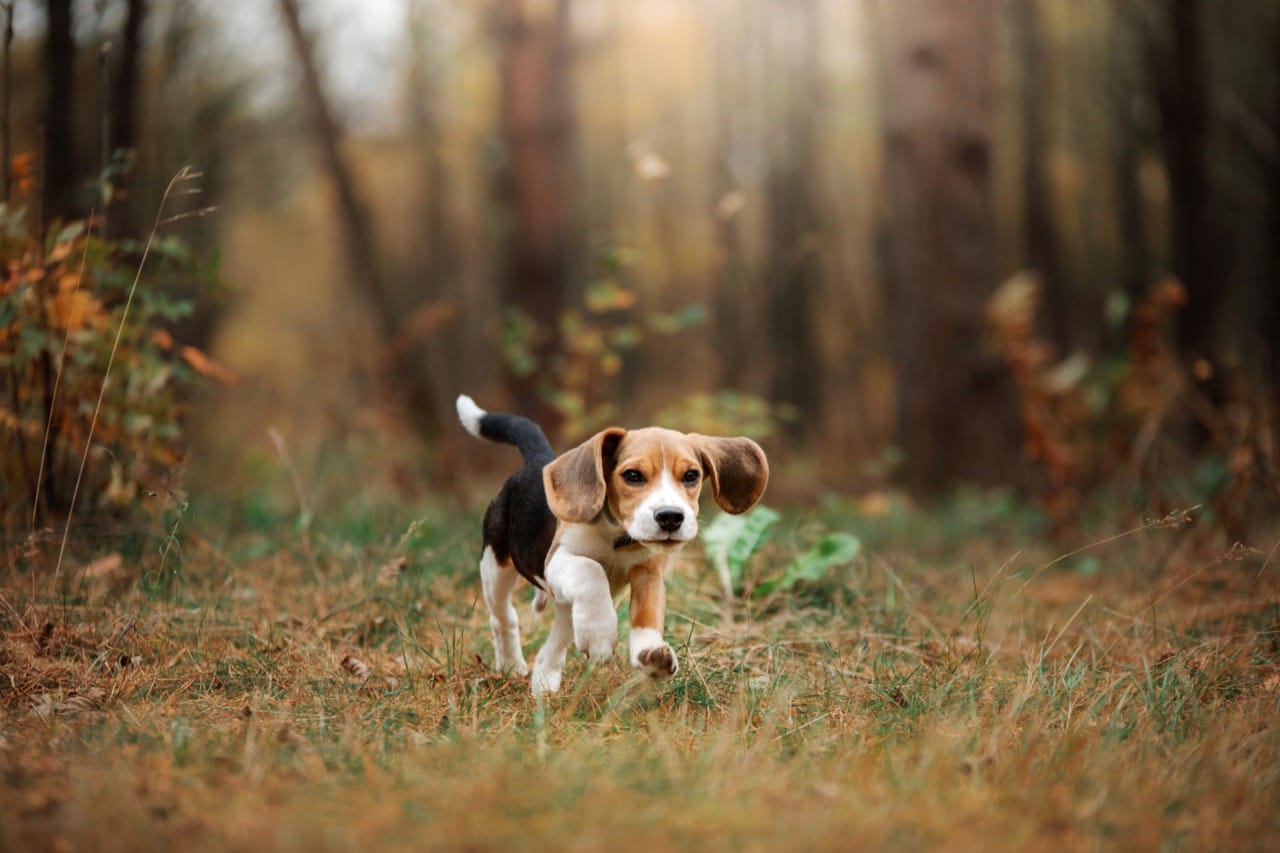
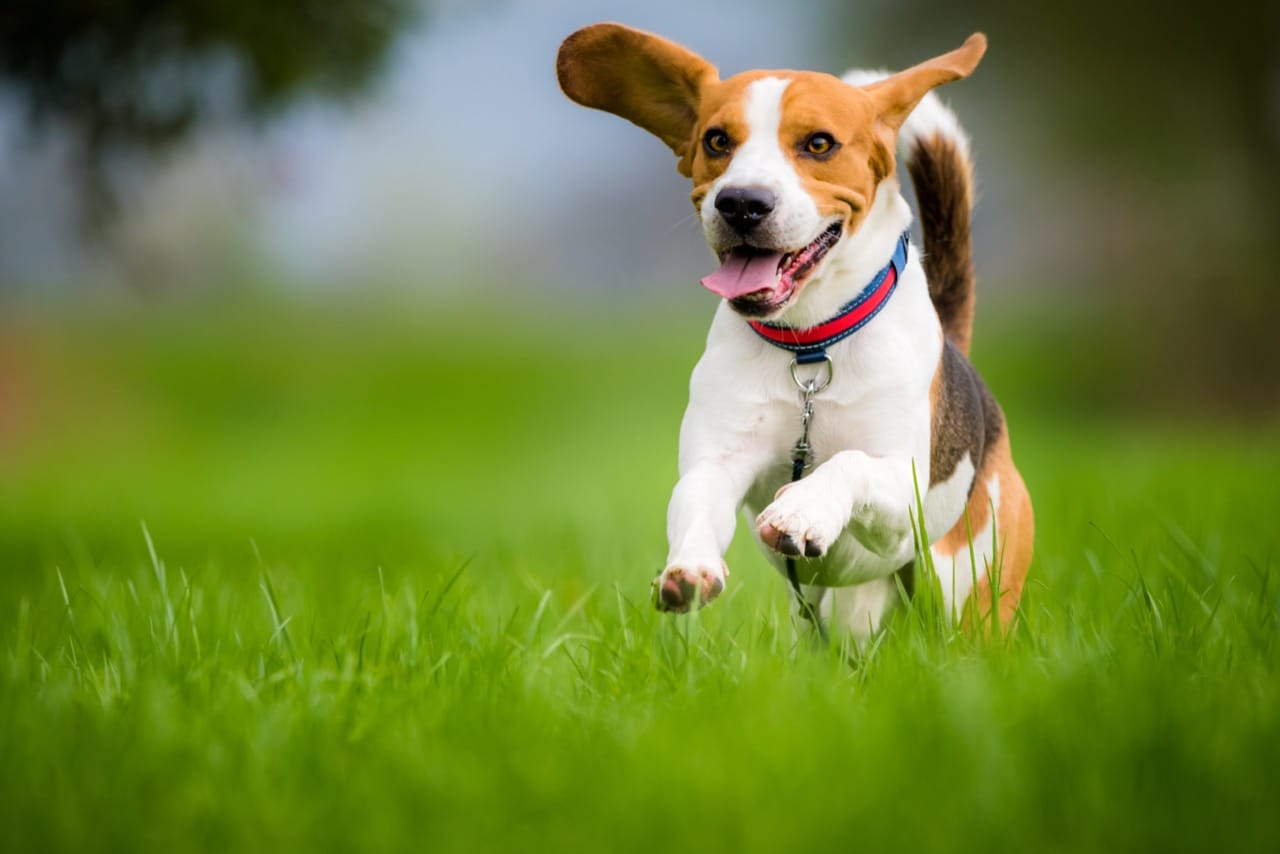
Life with a Beagle tends to be cheerful, busy, and occasionally hilarious, especially once you realize you are sharing your home with a dog whose nose often feels like the true decision maker. Beagles were developed as scent hounds, bred to follow trails with determination. That heritage shows up in daily routines: a Beagle may seem perfectly attentive one moment and then instantly become absorbed by an interesting smell on the ground. This is not stubbornness in the usual sense. It is a powerful instinct, and living well with the breed starts with working with that instinct rather than fighting it.
Training a Beagle is most successful when it is motivation based. Many Beagles are strongly food motivated, and small, tasty rewards can turn practice into a game they want to play. Short sessions work better than long drills, because hounds can lose interest if the activity feels repetitive. Consistency matters, especially with recall. A reliable come when called is achievable, but it requires patience and a history of great outcomes when the dog returns to you. If calling your Beagle ends the fun every time, the dog will learn to avoid it. Practice in safe, low distraction areas, reward heavily, and gradually increase difficulty.
Because Beagles are curious and energetic, boredom is a common root of problem behavior. A bored Beagle may dig, chew, raid the trash, or invent its own entertainment by barking or trying to escape. Mental exercise is as important as physical exercise. Food puzzles, scent games, and supervised sniffing walks help satisfy the breed’s natural needs. Even simple activities like hiding kibble around a room for a short search can make a noticeable difference in a Beagle’s mood.
Walks are where the scent driven temperament shines. Many Beagles pull toward smells, zigzag, and stop often to investigate. Using a well fitted harness can protect the neck and give you better control than a collar alone. Training loose leash walking takes time, but allowing structured sniff breaks can reduce frustration for both of you. Safety is crucial: a Beagle that catches an exciting scent can wander far quickly, so secure fences and reliable leashes are not optional. Off leash time should be reserved for fully enclosed areas unless recall is exceptionally solid and local rules allow it.
At home, set your Beagle up for success by managing the environment. Keep food secured, use lidded trash cans, and pick up tempting items like socks. If your Beagle is prone to counter surfing, prevention is more effective than correction after the fact. Crate training or using a safe confinement area can help during times when supervision is limited, and it often supports house training as well.
Beagle care is pleasantly straightforward, but a few essentials matter. Their short coat sheds more than many people expect, so regular brushing helps control loose hair and keeps the coat healthy. Ear care deserves special attention because Beagles have long, floppy ears that can reduce airflow and trap moisture. Checking ears routinely and cleaning them when needed, using a veterinarian recommended ear cleaner, can help prevent infections. If you notice redness, odor, excessive wax, or frequent head shaking, a veterinary check is wise.
Exercise should match the dog’s age and fitness. Beagles enjoy brisk walks, play sessions, and nose work, but like all dogs they can overdo it in heat. Provide water, avoid the hottest parts of the day, and watch for heavy panting or lagging behind. With the right mix of training, enrichment, and sensible care, a Beagle’s famous friendliness and enthusiasm become the best parts of daily life, and that busy nose turns from a challenge into a shared adventure.