Beagles on the Hare’s Trail
Quiz Complete!
Beagle Instincts Built by the Hunt
Beagles were shaped for one job above all: following scent on the ground, often in a group, for long stretches of time. Long before they became a familiar family dog, they were valued as rabbit and hare hounds that could keep a trail even when it twisted through thick cover or across old tracks. If you live with a Beagle today, many of the habits that feel amusing or frustrating make more sense when you see them as working tools rather than quirks.
A Beagle’s nose is not just “good” in a casual way. Scent hounds are built to process odor information continuously while moving, and Beagles excel at staying locked onto a trail. That single minded focus is a feature, because a hunting hound that checks in too often or gets distracted loses the line. In a home setting, the same drive can look like selective hearing the moment a smell hits the ground. It is not stubbornness in the human sense; it is an animal doing exactly what its instincts reward.
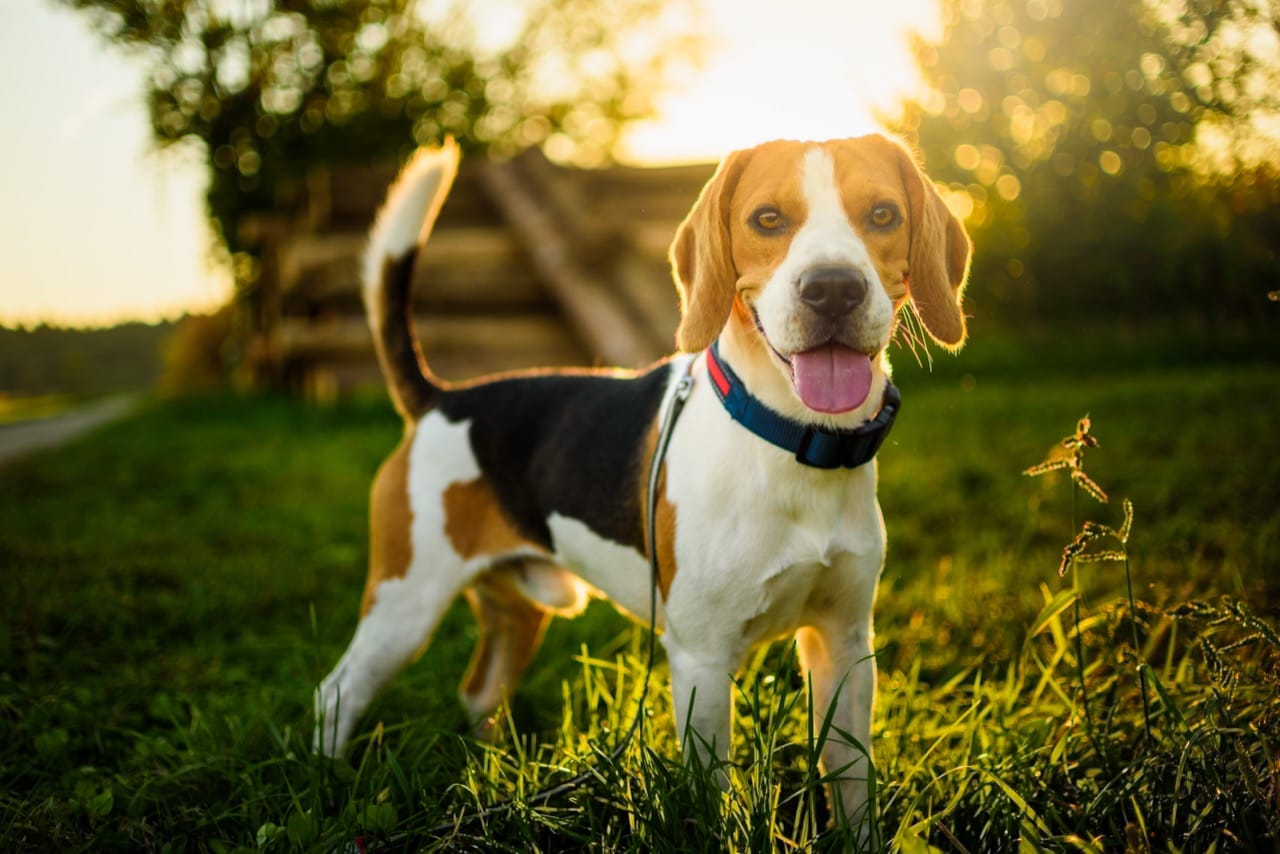
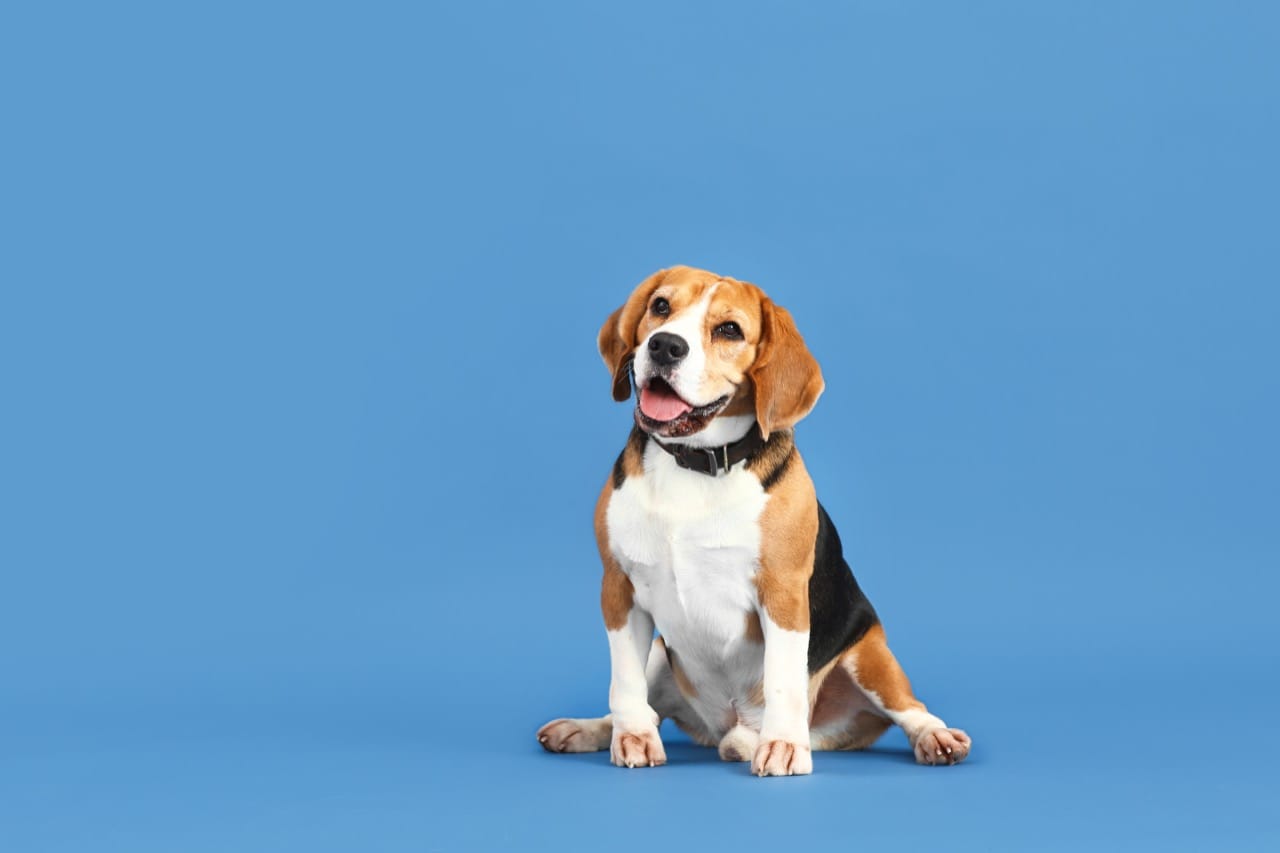
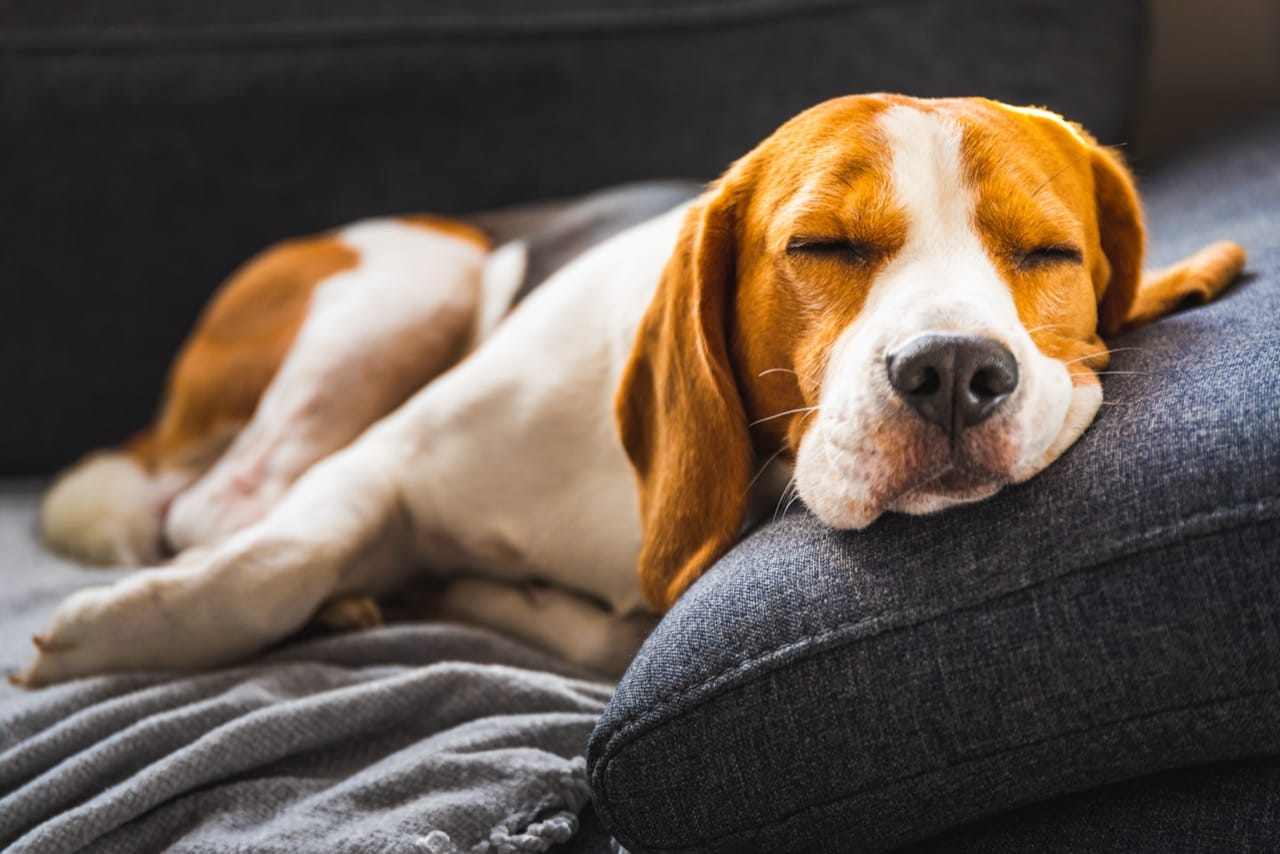
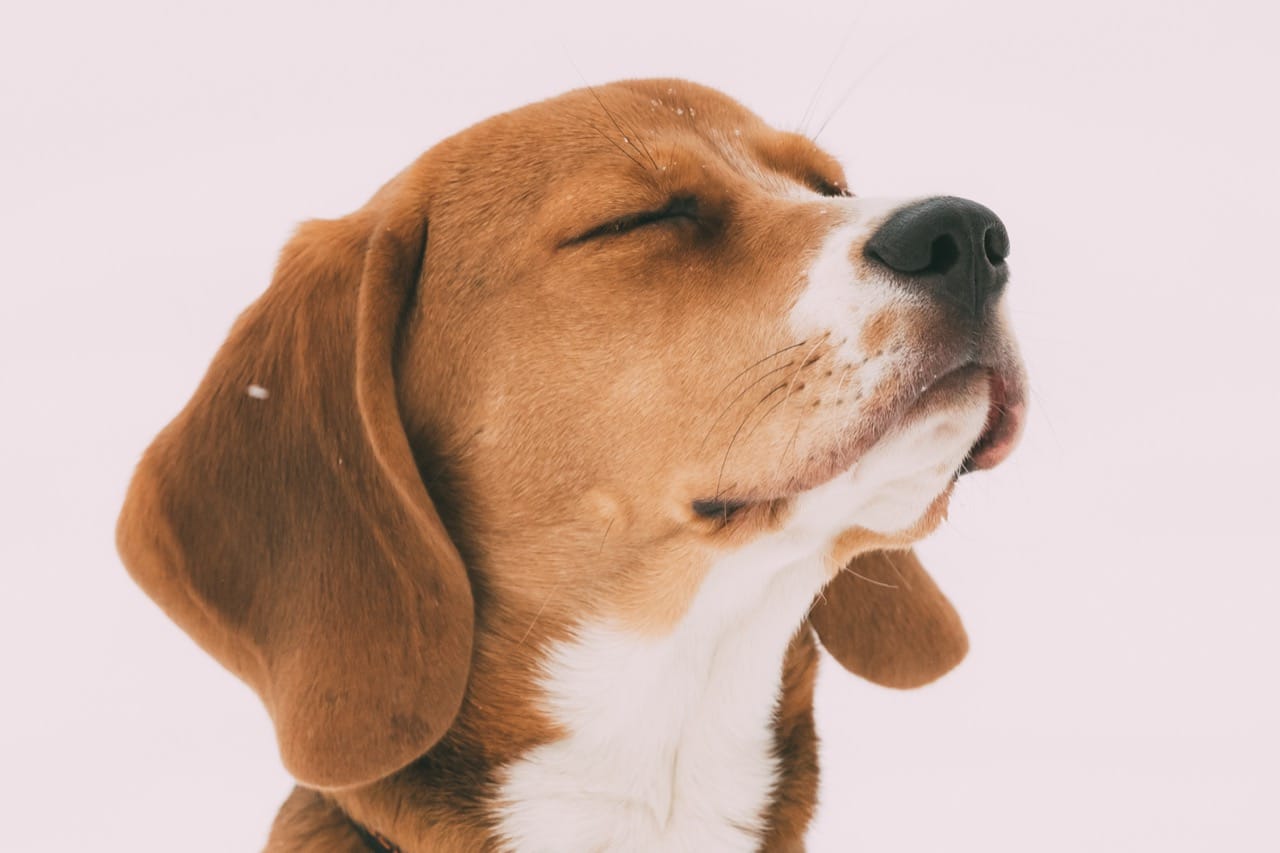
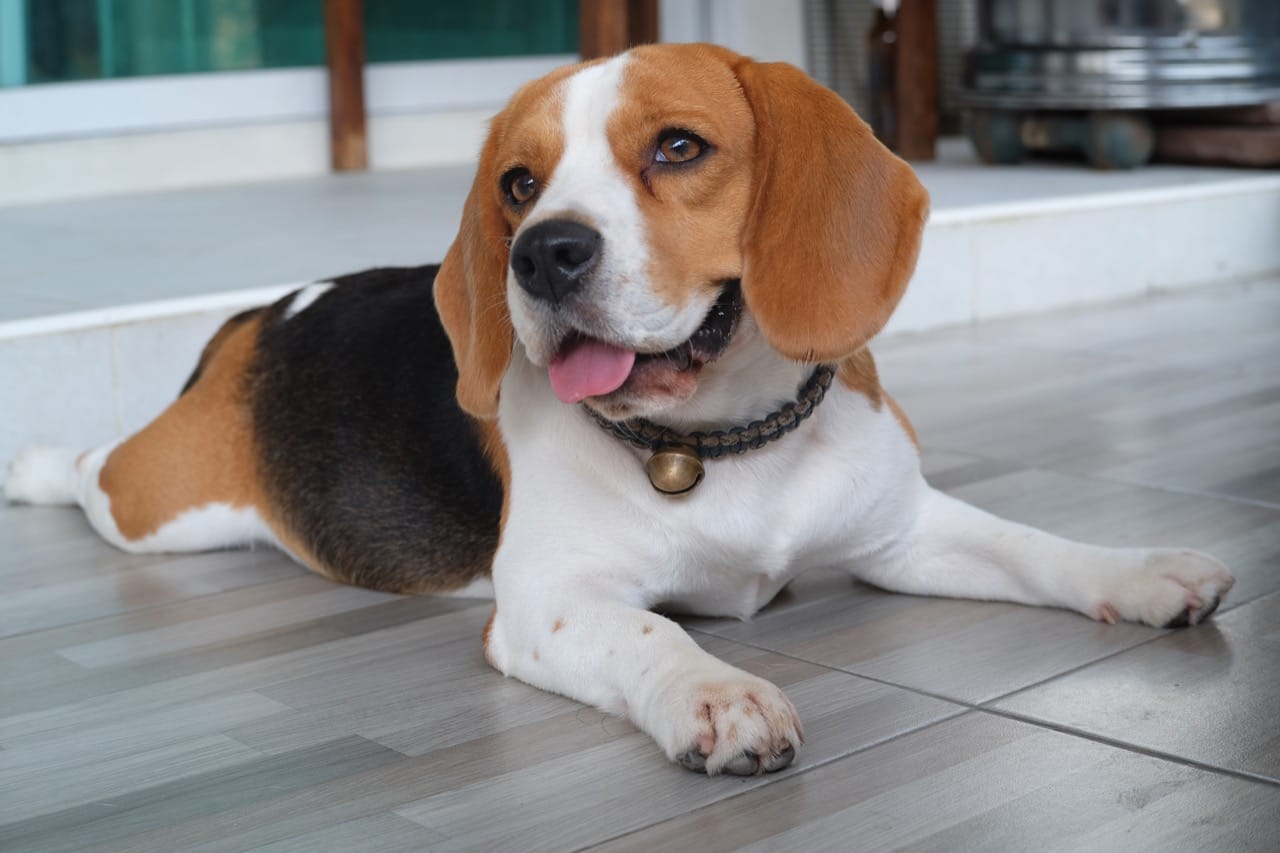
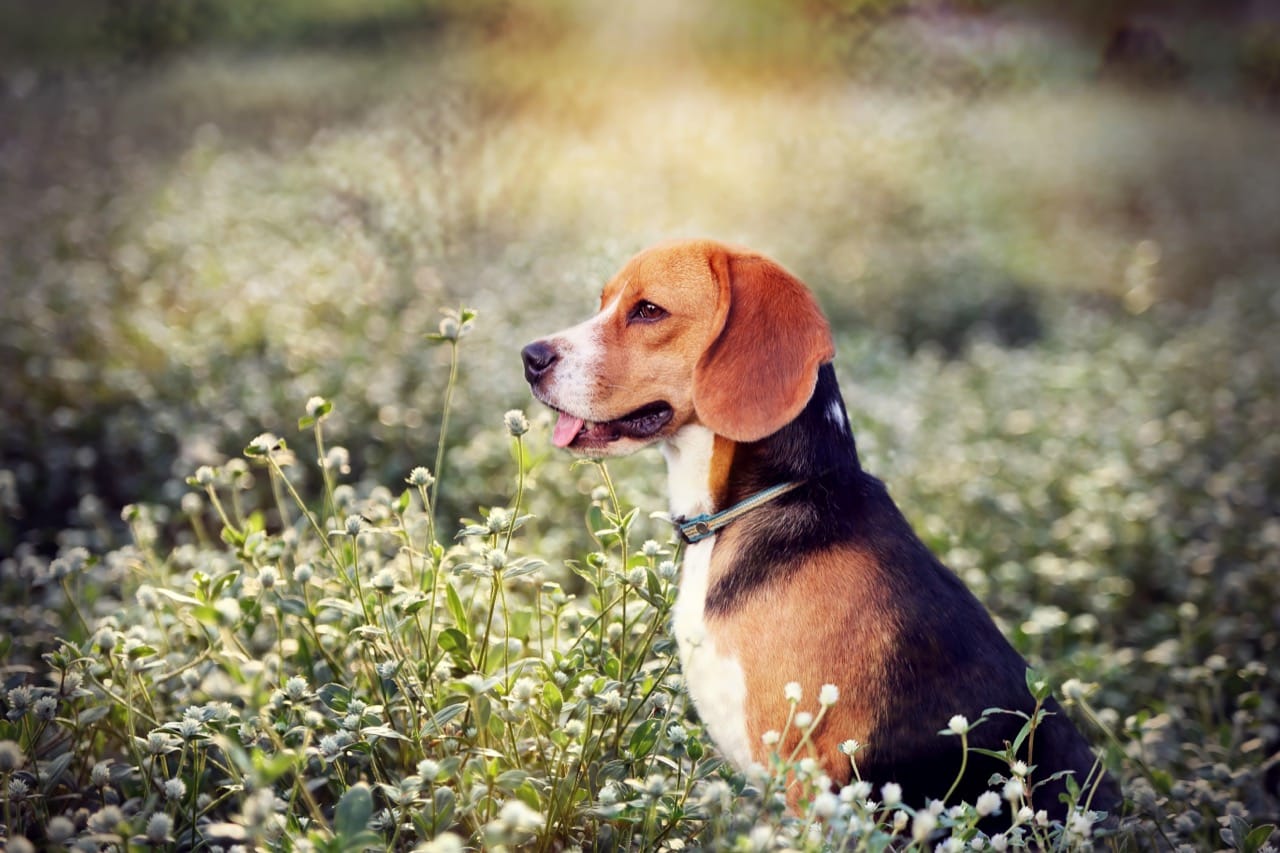
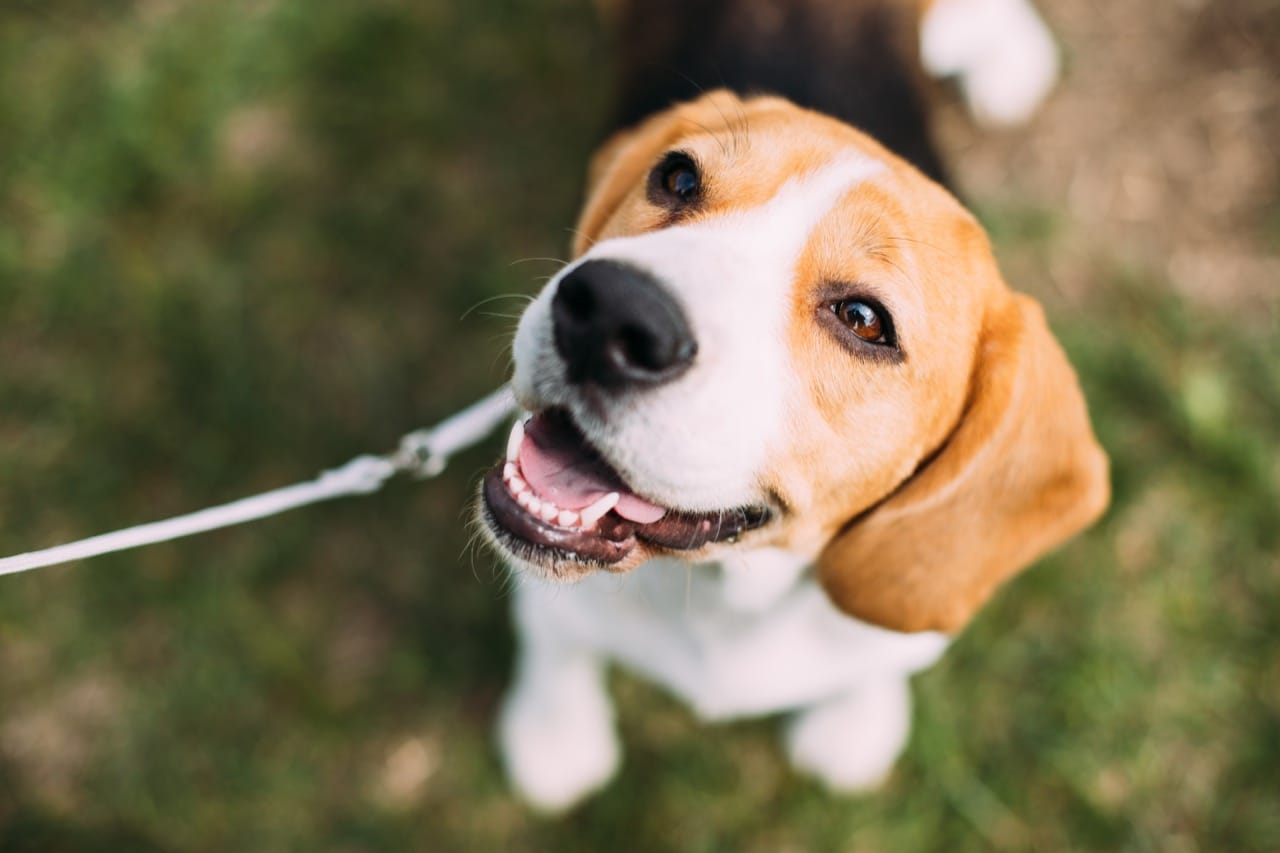
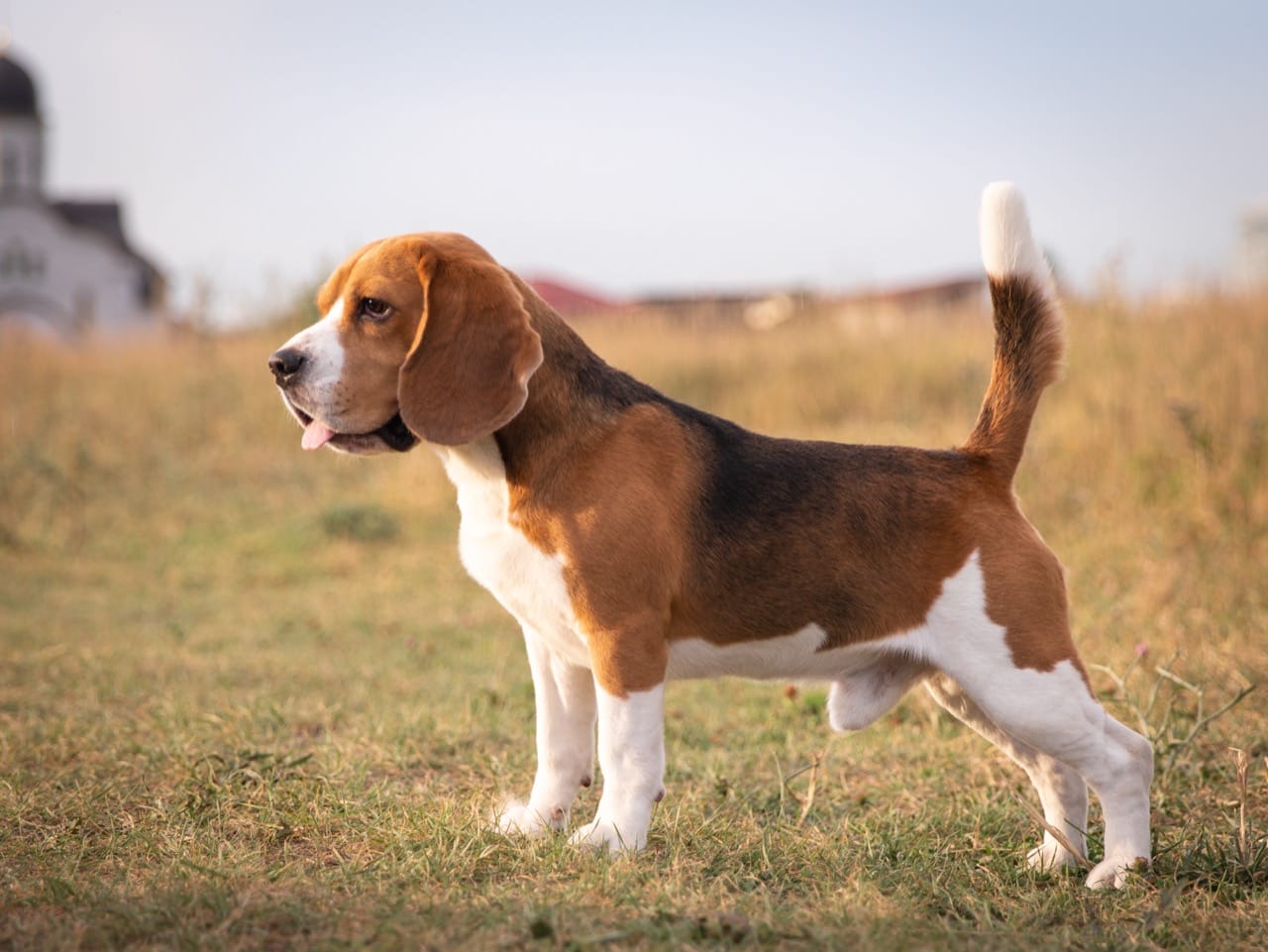
Their anatomy supports this style of work. The long, low set ears are not decorative. As the dog moves with its nose down, the ears help stir up scent from the ground and funnel it toward the nose. Loose skin around the face can also help trap odor particles close to the scenting area. The overall size and structure of the Beagle reflects a balance: small enough to push through brush and turn quickly, sturdy enough to keep going for hours. That stamina is why a Beagle that seems calm indoors can suddenly become tireless outside, especially when there is an interesting trail.
Then there is the voice. Beagles are famous for their bay, a ringing, musical call that carries. In a hunting pack, sound is communication. Hunters and other dogs need to know where the hounds are, whether they are on a hot line, and when the chase changes direction. A loud, distinctive voice helps the group stay coordinated even when the dogs disappear into cover. At home, that same instinct can translate into announcing visitors, squirrels, or any mystery that deserves attention. To a Beagle, broadcasting information is part of the job.
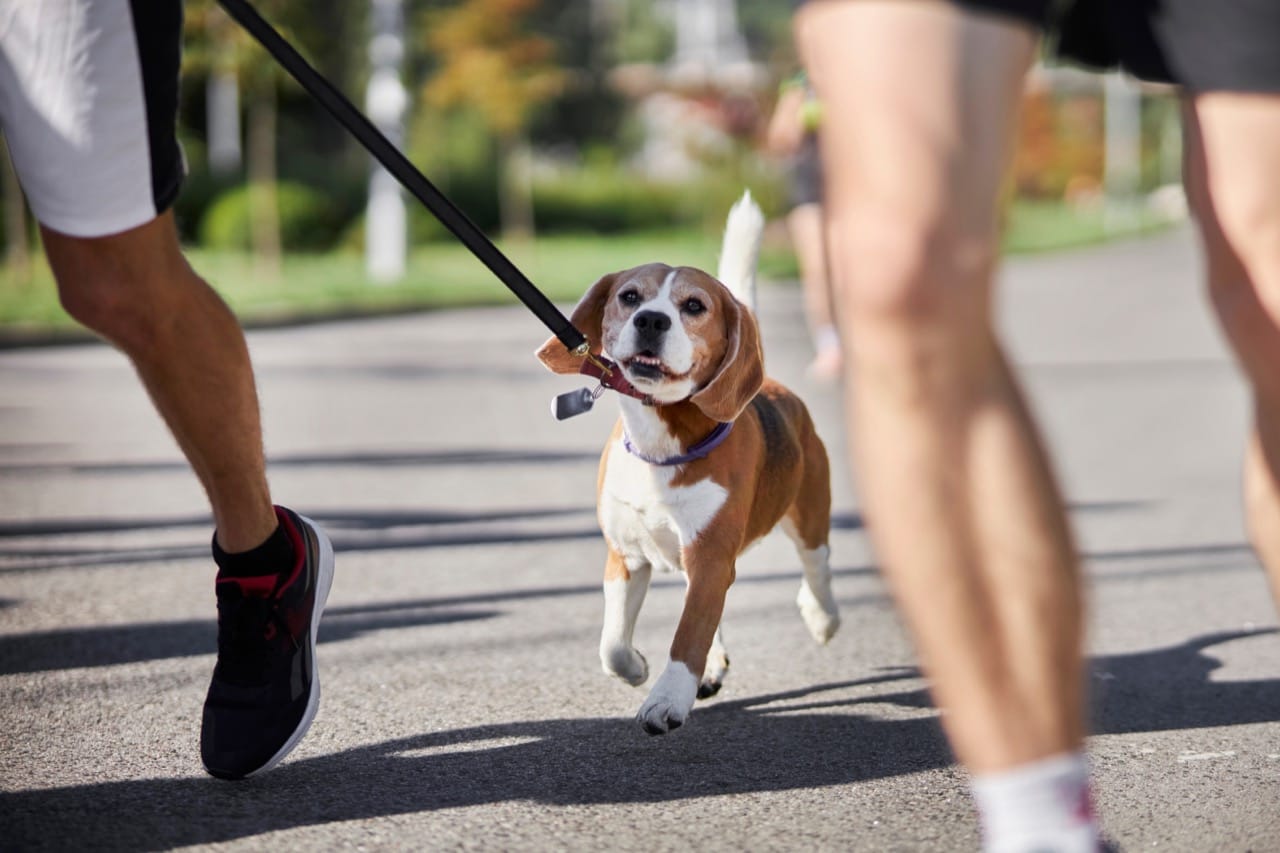
Pack work is another key piece of the breed’s history. Beagles were commonly run in groups, and selection favored dogs that could work alongside others without constant conflict. That social background helps explain why many Beagles enjoy canine company and can be highly motivated by what other dogs are doing. It also explains why they may be more interested in following a friend or a smell than in staying close to a person on a walk.
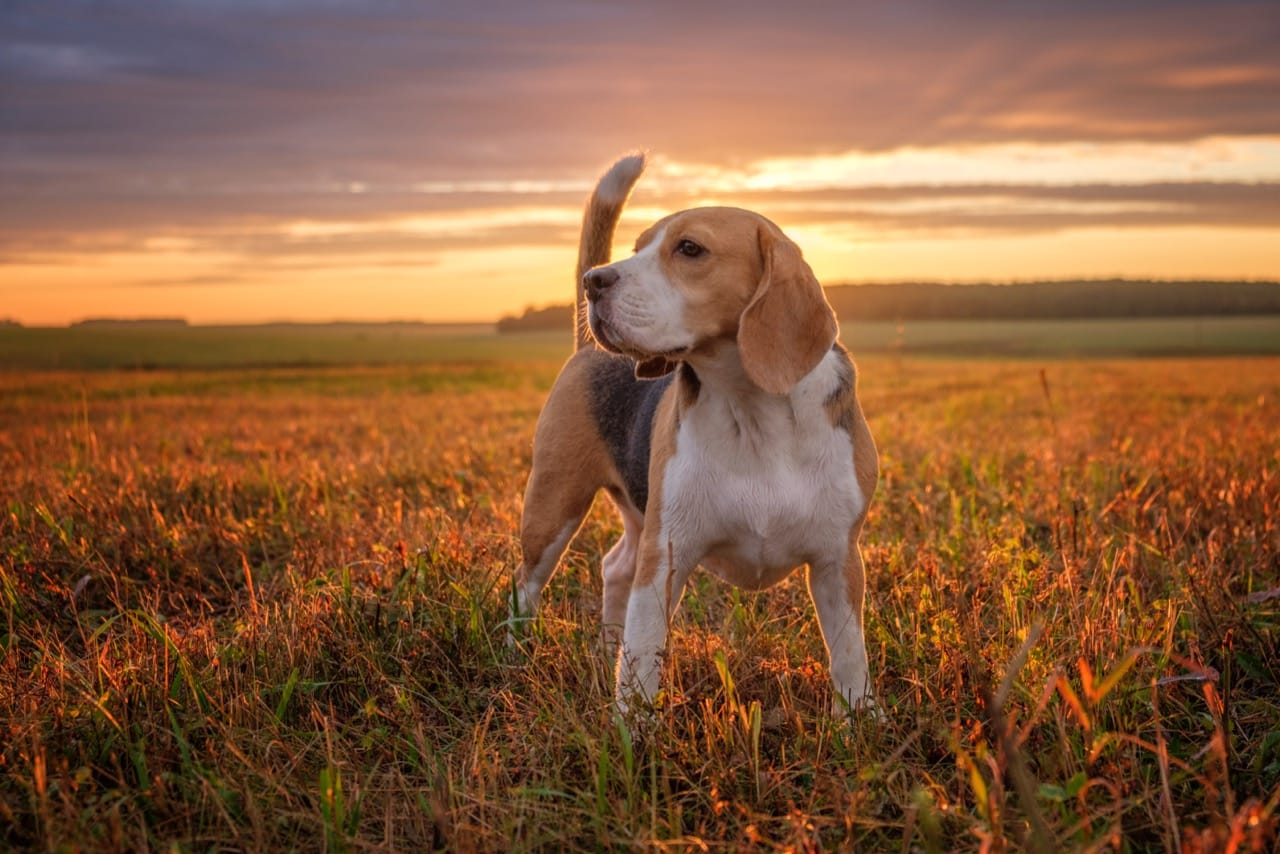
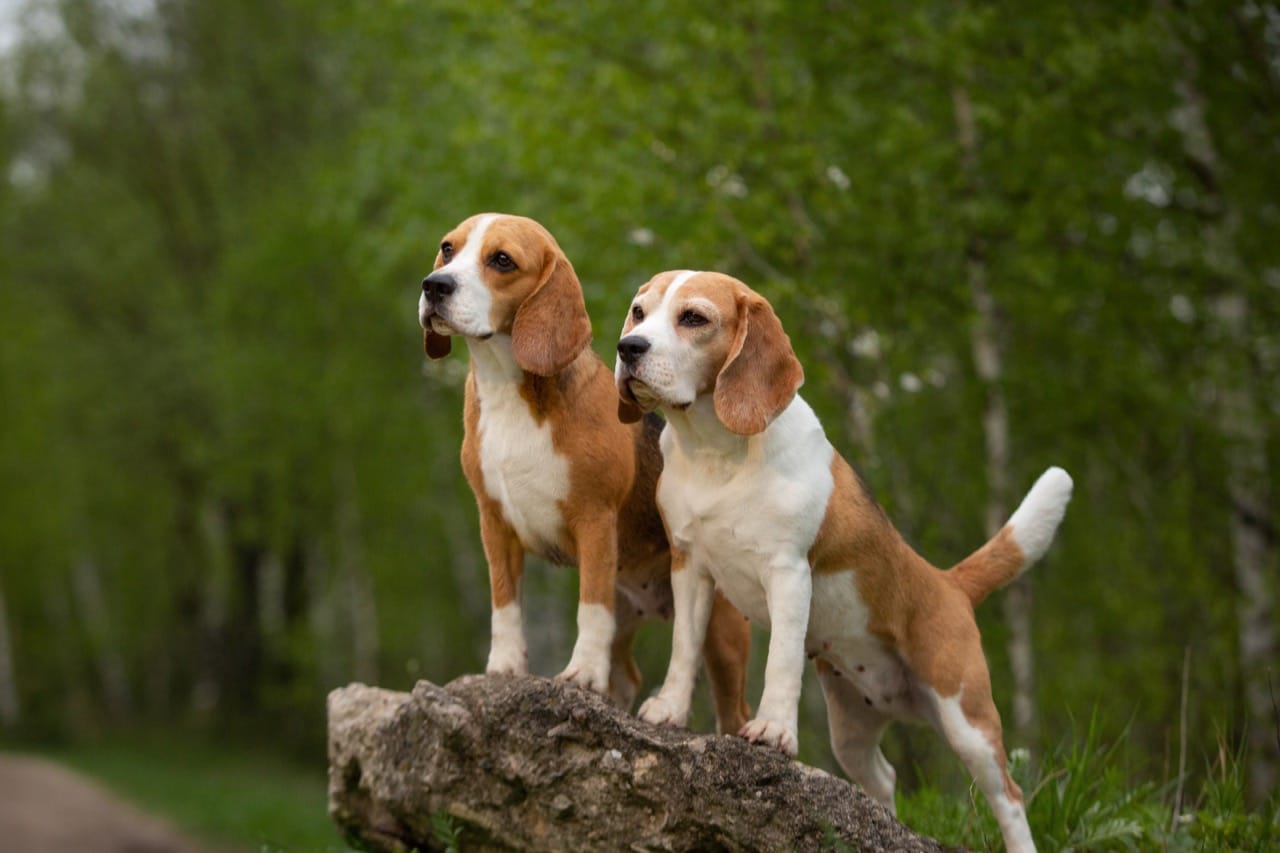
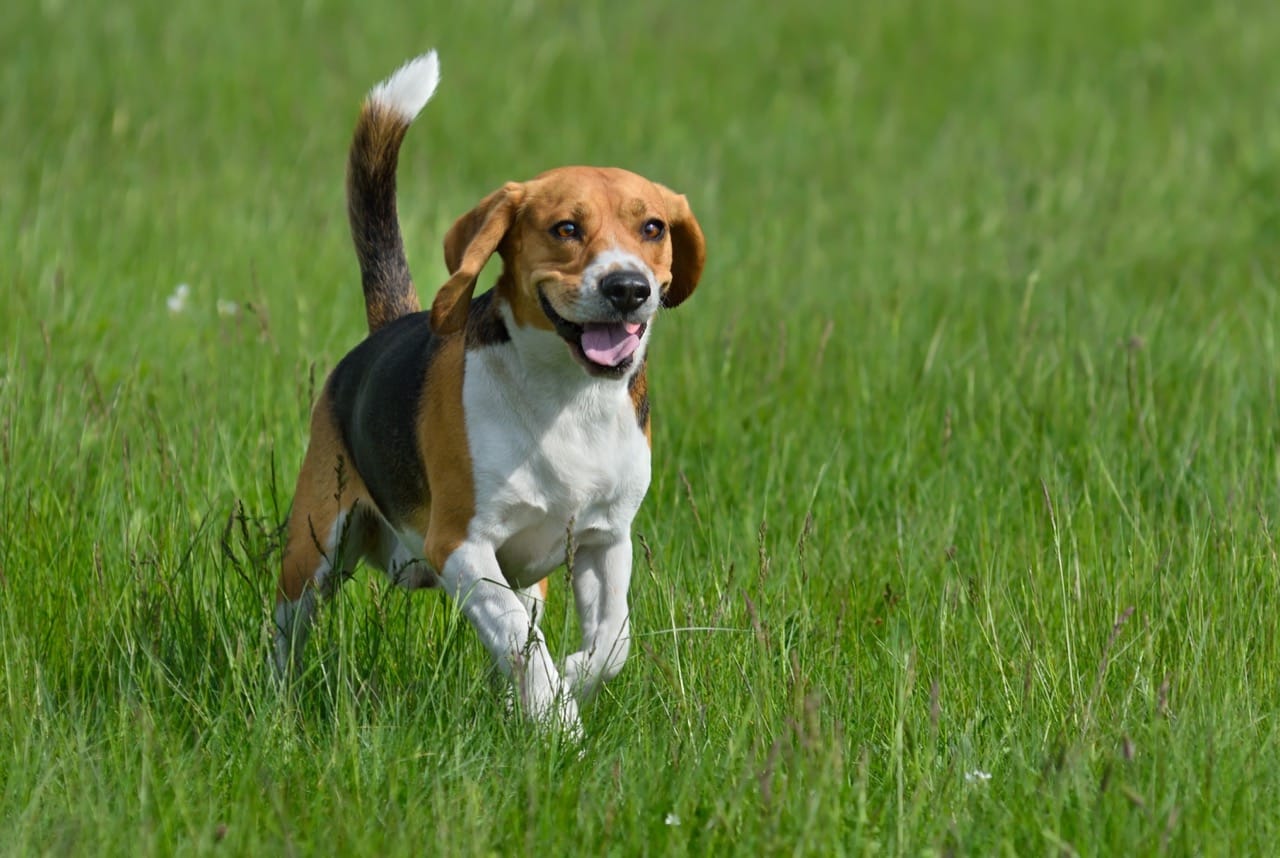
Even the high, carried tail has a practical purpose. When a hound is moving through tall grass or brush with its head down, a tail held upright acts like a flag. It makes the dog easier to spot and helps handlers track movement at a distance. The classic white tip seen on many Beagles is not an accident either; it improves visibility in the field.
Understanding the hunting logic behind these traits can make life with a Beagle smoother. Secure fencing matters because exploration is not misbehavior, it is an instinct. Training works best when it respects the nose rather than trying to erase it, using rewards that compete with scent and practicing recalls in controlled settings before expecting reliability around wildlife smells. Scent games, tracking activities, and long sniffy walks are not just enrichment; they are a way to let the dog do what it was built to do. When you see your Beagle pause, inhale, and suddenly become a determined detective, you are watching centuries of purpose come alive in the modern world.