Built to Trot: German Shepherd Origins
Quiz Complete!
German Shepherd Working Extremes: How Purpose Built a Record Style Dog
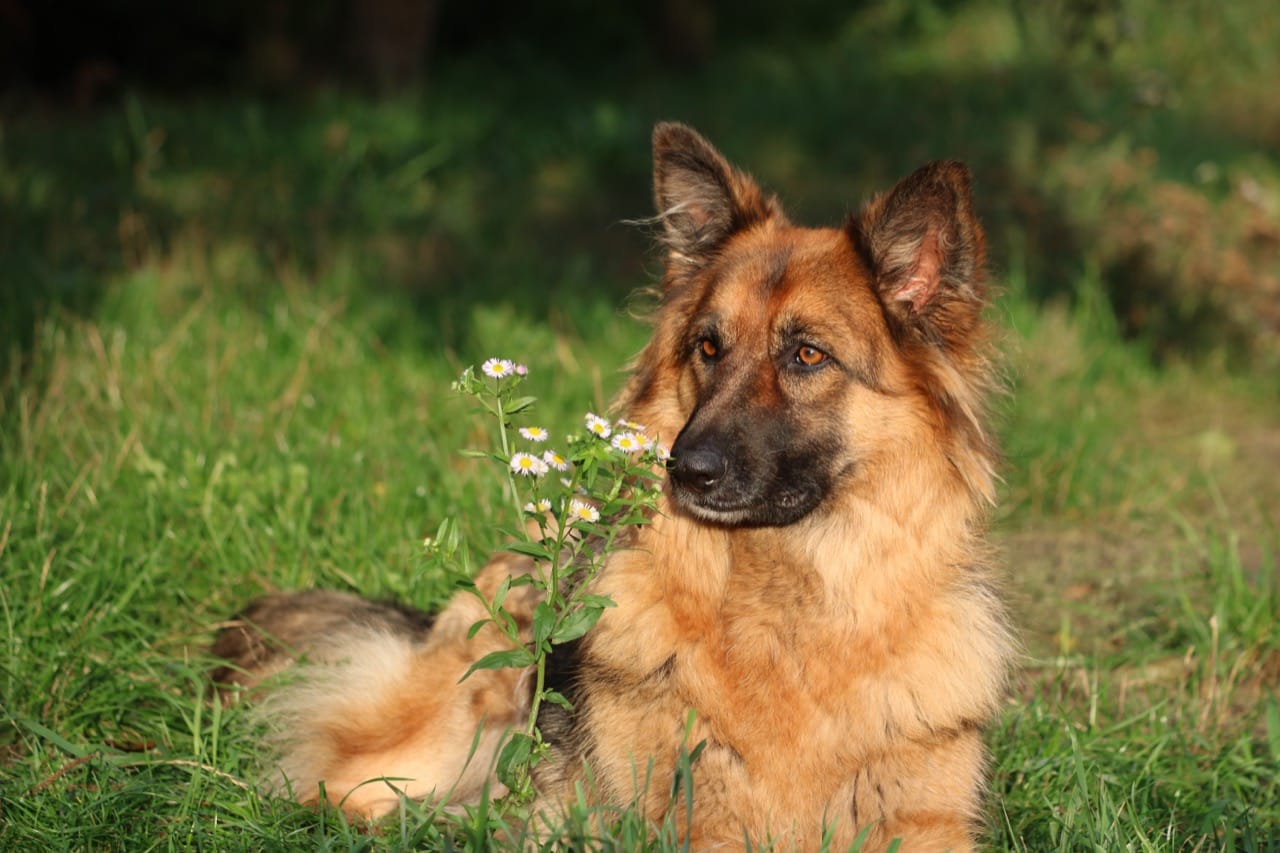
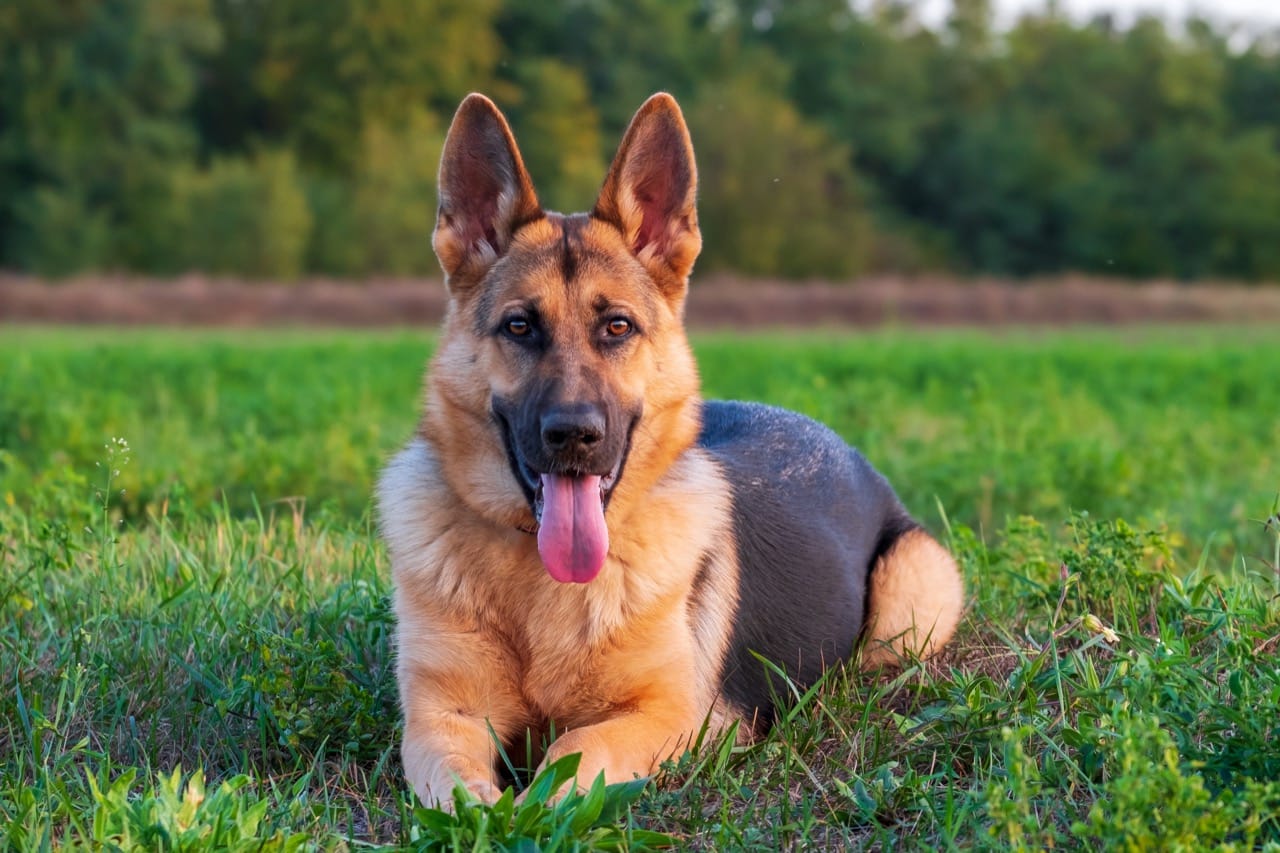
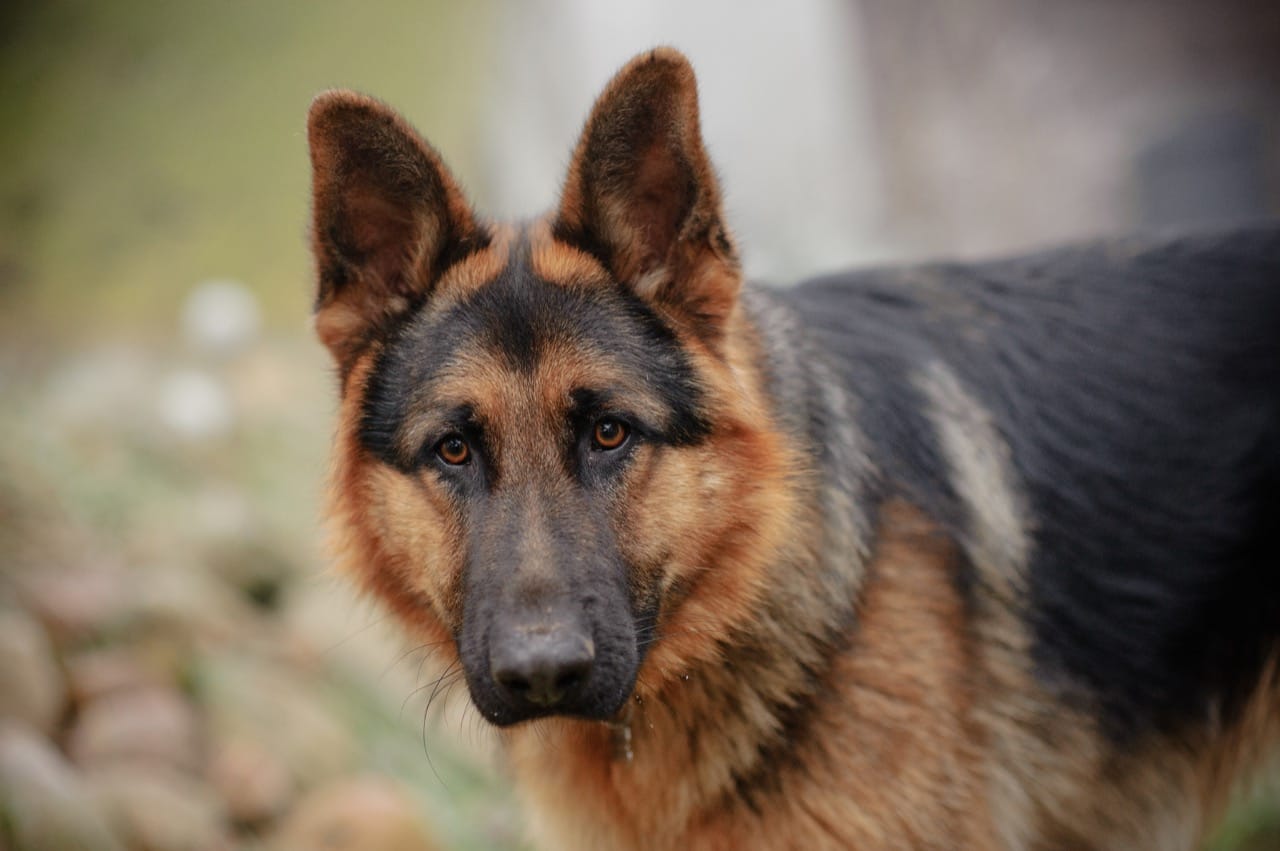
German Shepherds did not become famous because they looked impressive. They were shaped to solve a specific problem: moving and managing livestock all day with a human partner, often over large areas, while staying clear headed enough to make decisions when the handler was far away. When you hear about the breed’s standout capabilities, like tireless endurance, sharp scenting, fast learning, and intense focus, those “extremes” make more sense as practical tools rather than party tricks.
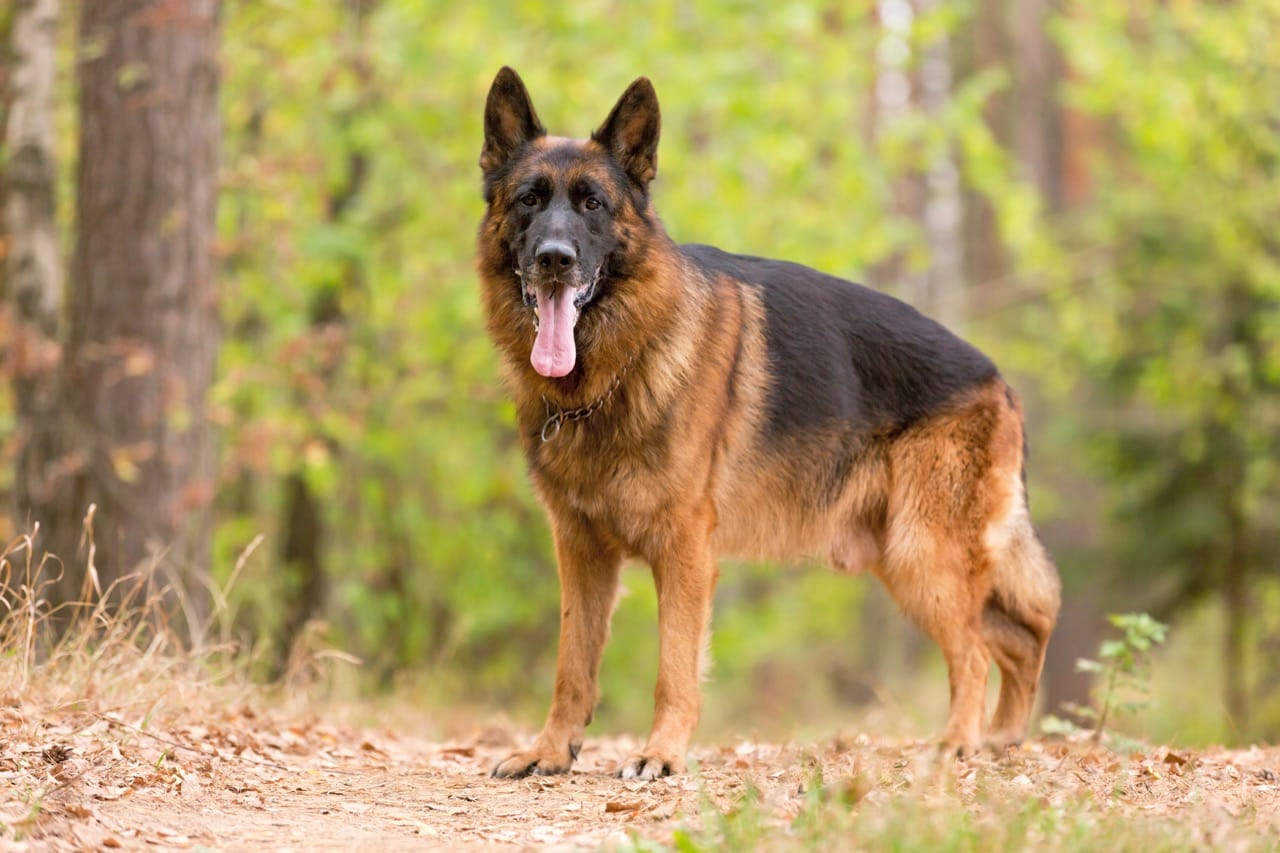
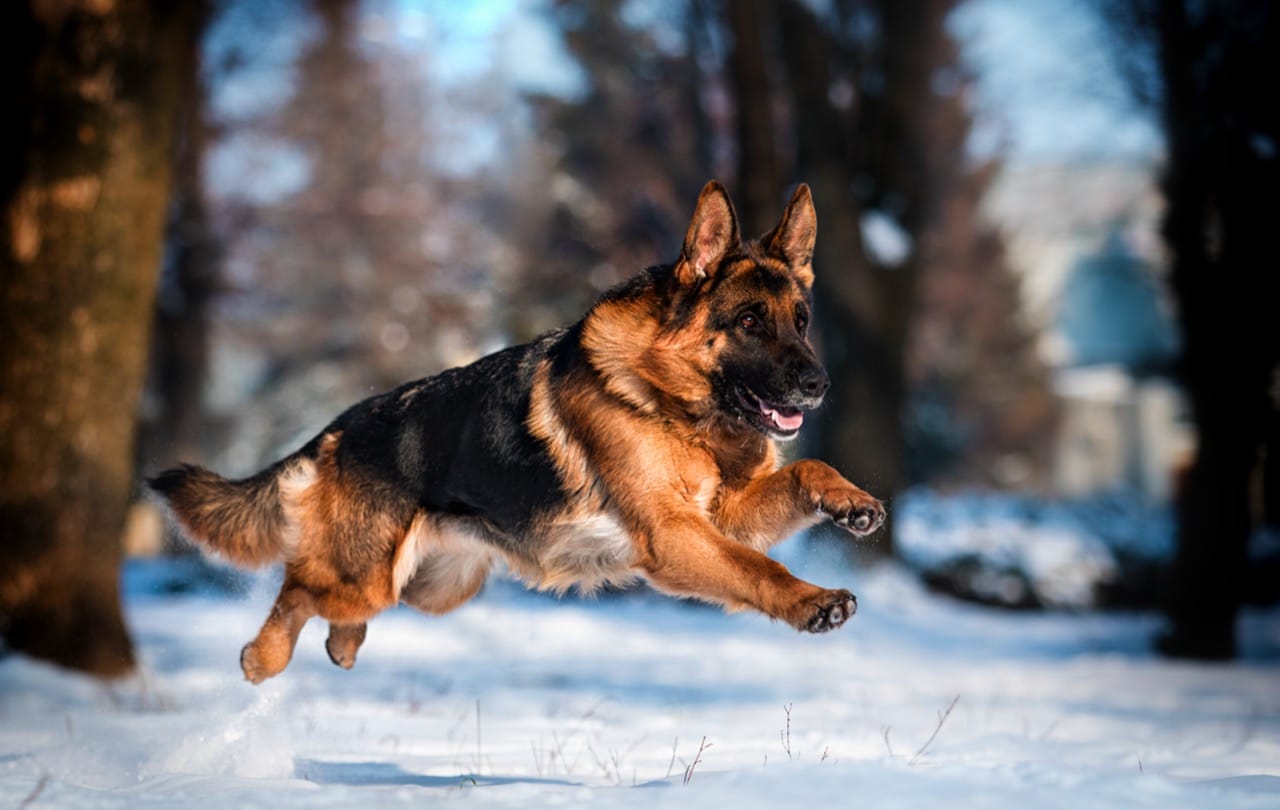
In the late 1800s, German breeders led by Max von Stephanitz wanted a standardized herding dog that could cover ground efficiently and work reliably. Herding in Germany often meant tending flocks over open land, guiding animals along roads, and preventing strays from drifting into crops or traffic. That job rewards a dog that can trot for hours without breaking down. The German Shepherd’s signature efficient, ground covering gait is tied to this need. A steady trot conserves energy better than constant sprinting, and a balanced body with strong back and hindquarters supports long distance movement. The goal was not short bursts of speed, but repeatable performance from morning to evening.
Endurance is not only physical. A working herding dog has to stay mentally available through boredom, distractions, and sudden changes. That is one reason German Shepherds are known for sustained attention and quick pattern learning. They were expected to understand routine, anticipate problems, and respond immediately to subtle cues. When modern owners say their dog seems to “read the room,” they are often seeing the same selection for awareness that helped a shepherd manage a flock and notice small shifts, like a lamb drifting away or a stranger approaching.
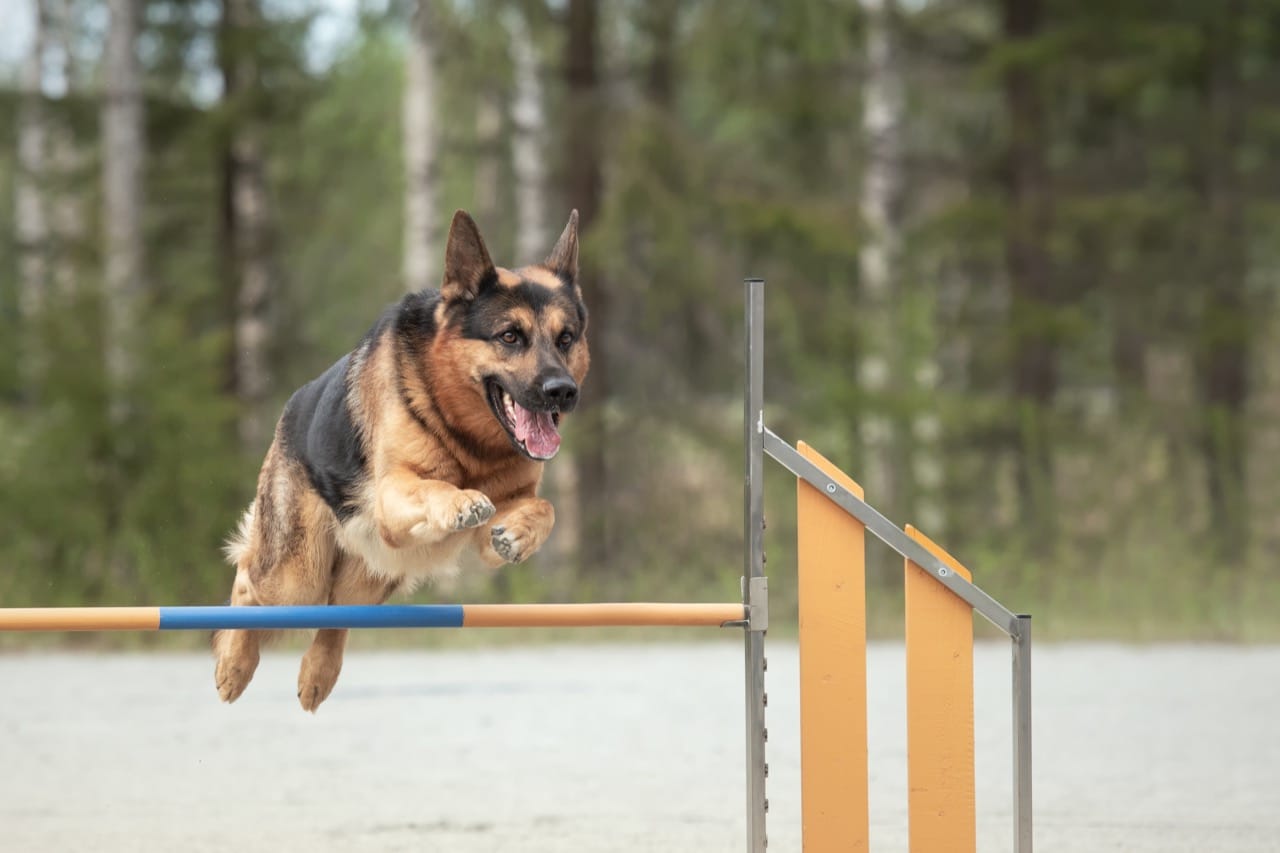
Another extreme is versatility. Early breed standardization favored dogs that could do more than one task. Herding required controlled assertiveness, not uncontrolled aggression. The dog had to pressure livestock when needed, then instantly switch off. That on off switch remains one of the most useful working traits today, and it is also why good training emphasizes clear rules and calm recovery after excitement. Many German Shepherds can go from high intensity play to composed obedience when they have been taught how.
Their sensory strengths also connect to original work. A dog moving with a flock must constantly scan and listen, tracking multiple animals and the handler at once. Strong nerves and environmental confidence were prized because a skittish dog cannot make good decisions in busy, unpredictable settings. This is part of why German Shepherds later excelled in police, military, search and rescue, and service work. Those jobs depend on the same foundations: endurance, trainability, stable temperament, and the ability to work at a distance.
Living with a German Shepherd can reveal these instincts in everyday life. The urge to patrol the yard, follow family members from room to room, or position themselves where they can watch entrances often reflects a guarding and oversight mindset, not a desire to dominate. Their problem solving can look like mischief if they are under stimulated. A bored, intelligent dog may invent jobs such as reorganizing laundry, dismantling toys, or finding ways to open doors. Channeling that drive into structured training, scent games, long walks at a steady pace, and tasks like carrying a pack can satisfy the same need for purposeful effort.
The breed’s impressive extremes are best understood as the result of selection for real work: a dog built to travel far, think clearly, and cooperate closely with a human. When those traits are respected and given an outlet, the German Shepherd’s legendary capability feels less like a mystery and more like a well designed tool doing what it was made to do.