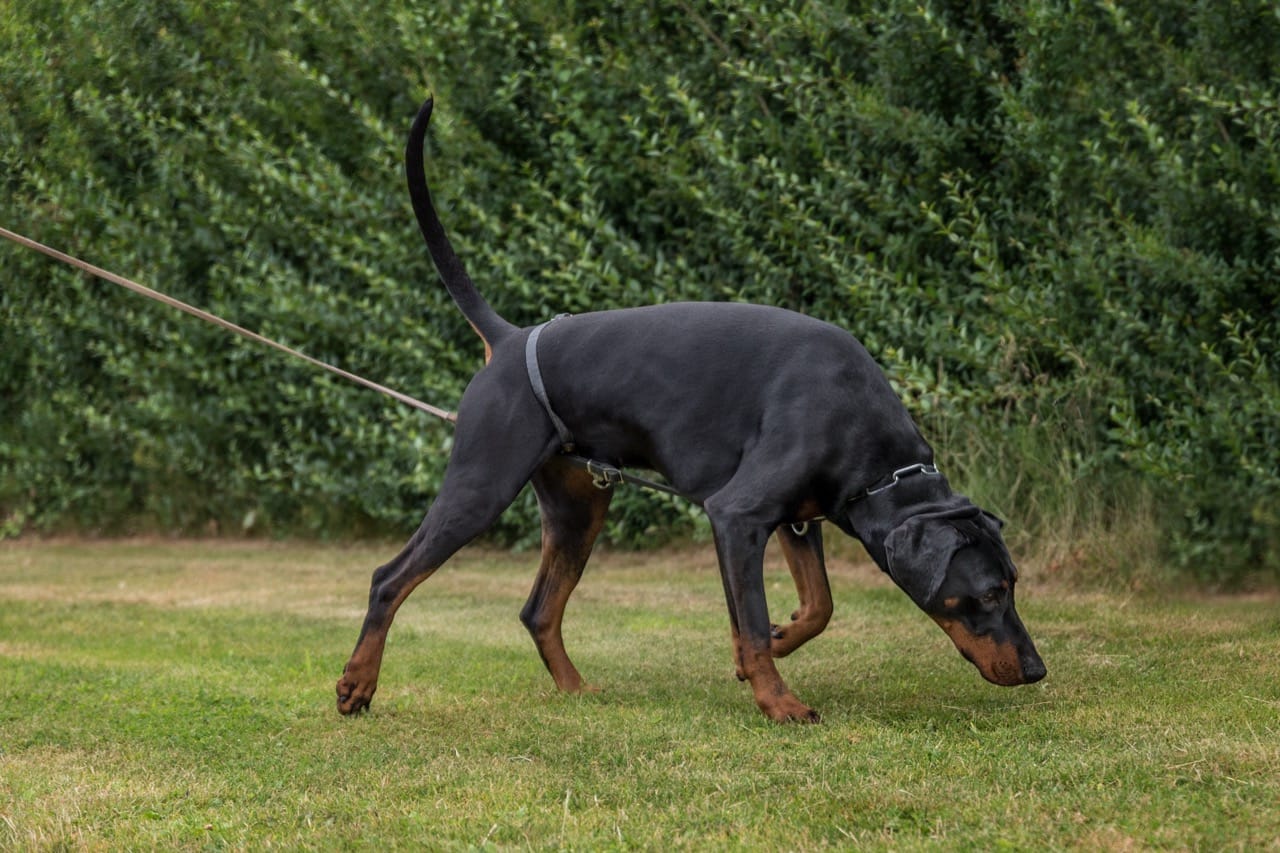
German Shepherd Myths, Busted
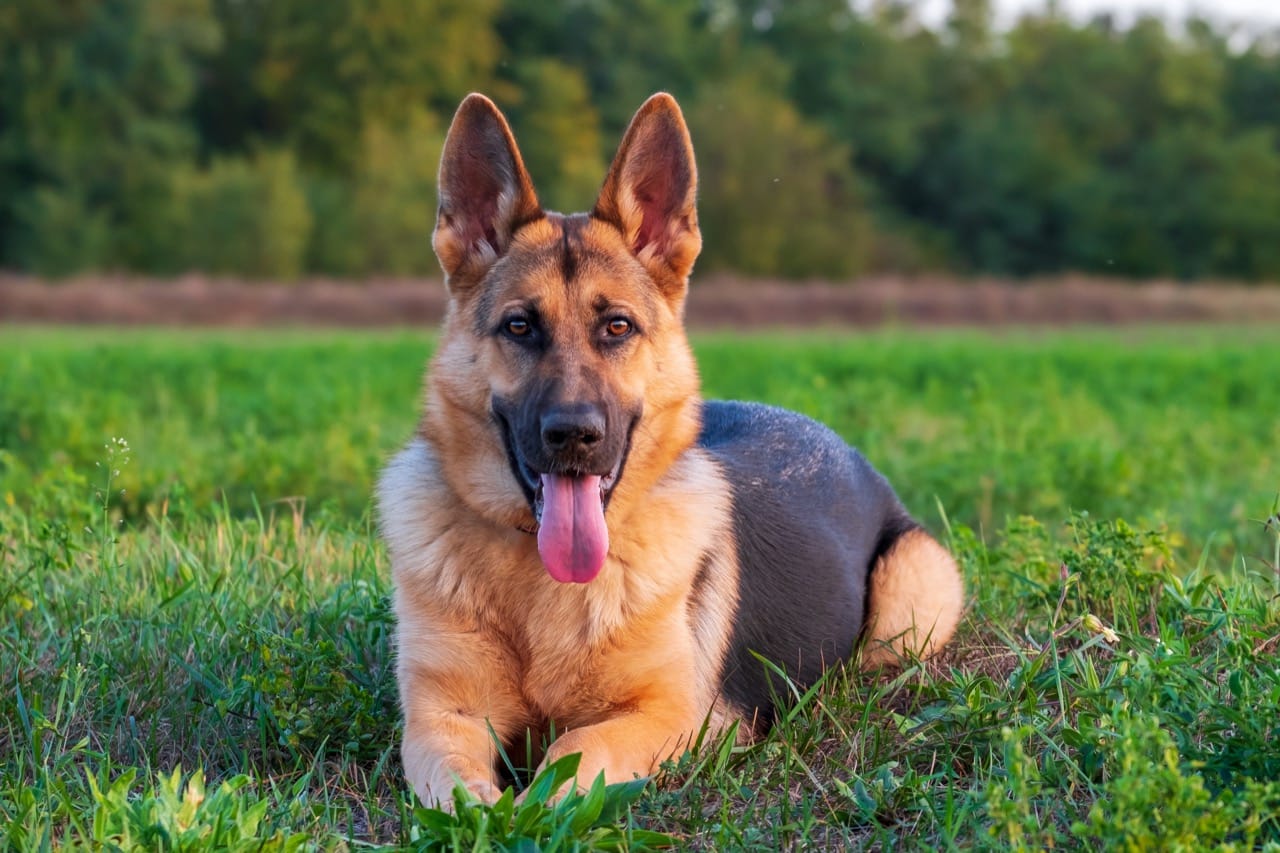

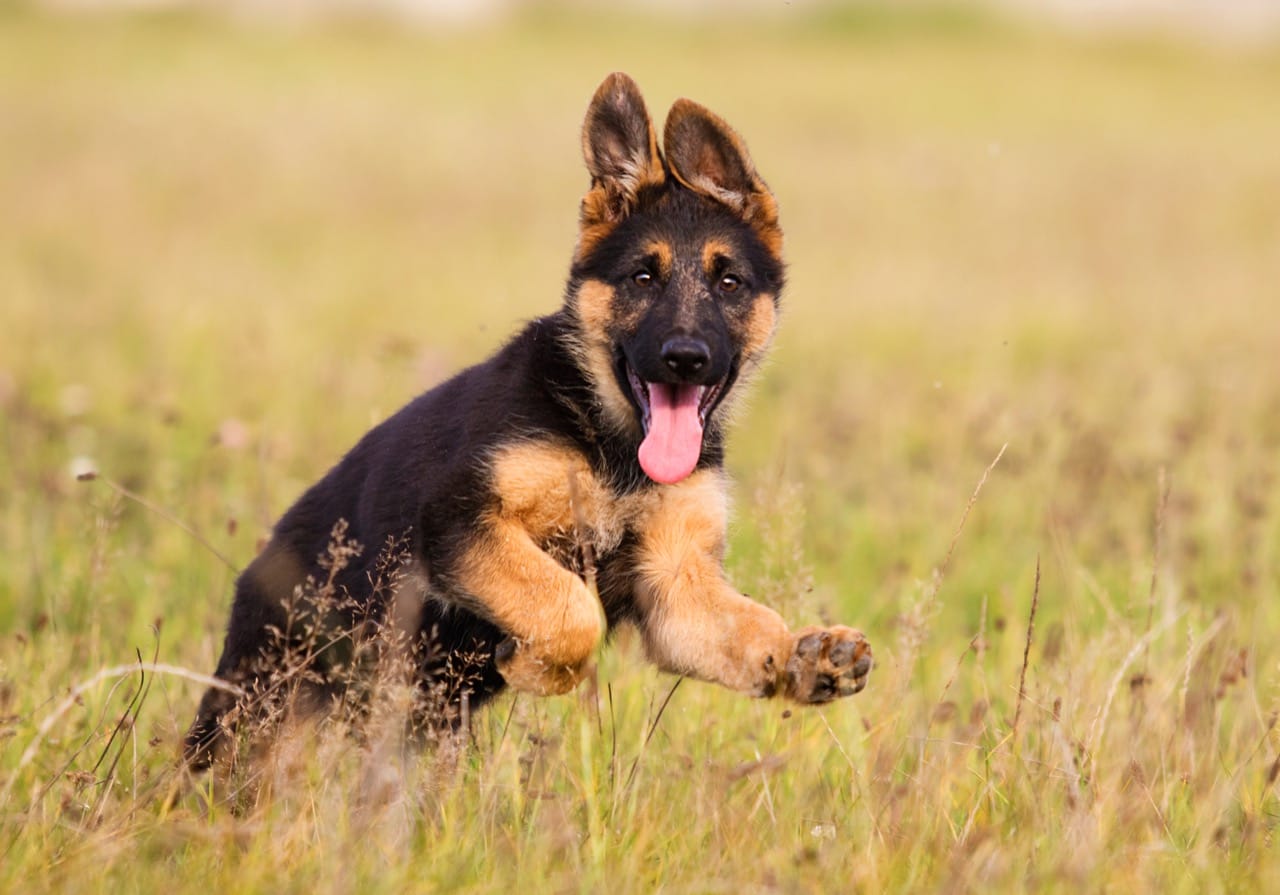


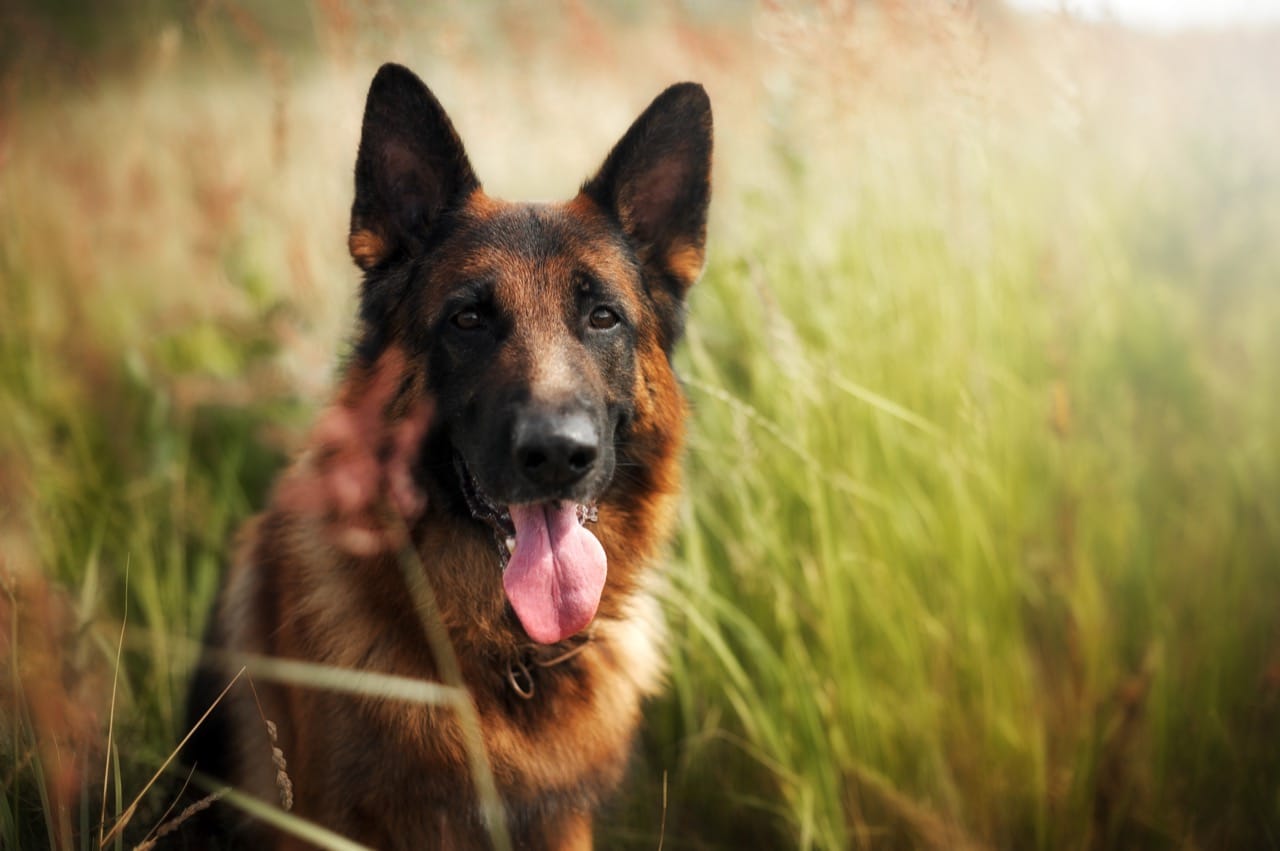



Quiz Complete!
German Shepherd Myth Check: What Living With the Breed Is Really Like

German Shepherds often arrive with a suitcase full of assumptions. People picture a fearless police dog, a built-in guard, and a canine genius who needs only a few commands to become perfectly behaved. The truth is more interesting and more practical. German Shepherds are highly capable dogs, but their reputation can lead owners to skip the basics that actually shape temperament and daily life.
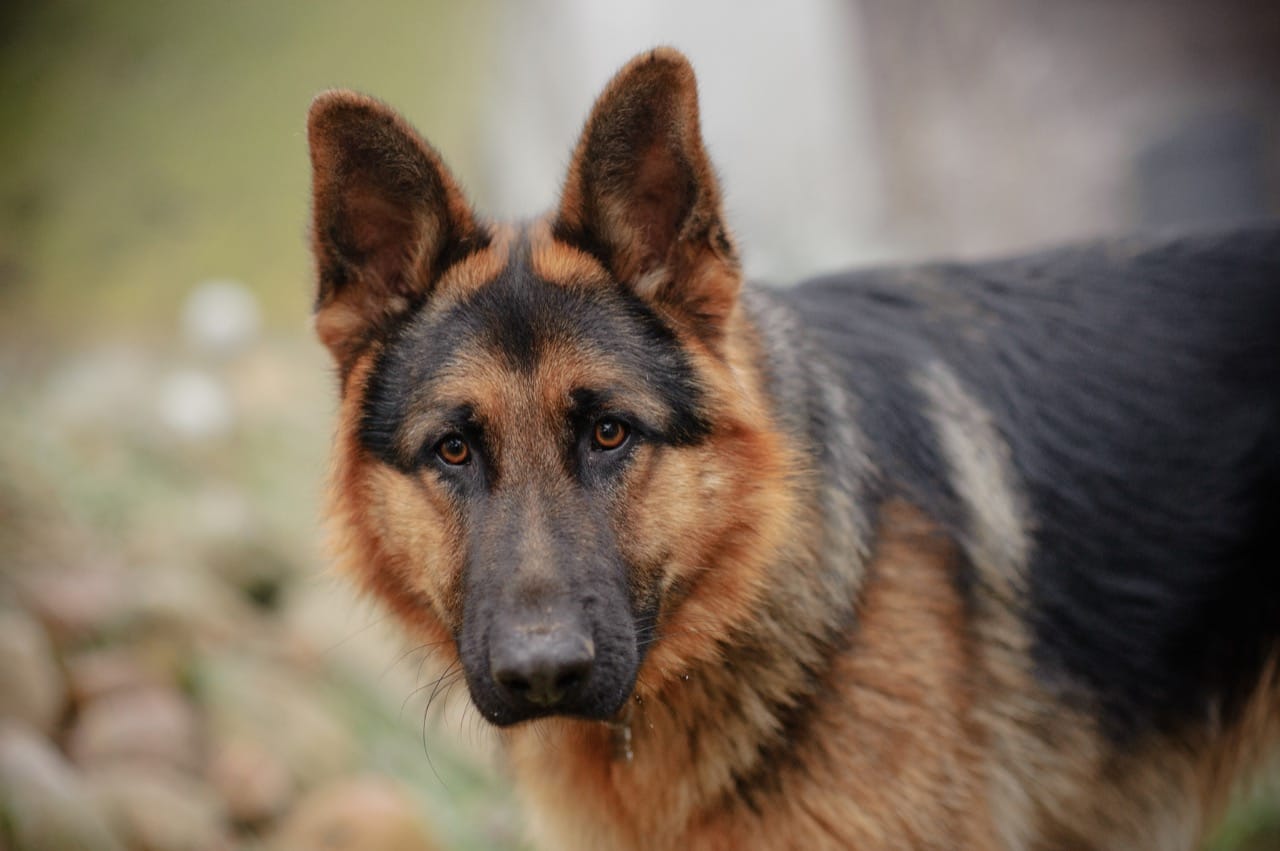
One of the biggest myths is that German Shepherds are automatically aggressive. Well-bred, well-raised individuals are typically confident, alert, and deeply bonded to their people, not unstable or looking for trouble. What can look like aggression is often fear, frustration, or overprotectiveness that develops when a dog is under-socialized or repeatedly put in situations it cannot handle. Early, thoughtful socialization matters more than sheer exposure. Meeting calm dogs, friendly strangers, different surfaces, noises, and environments at a pace the puppy can process builds resilience. Rushing interactions or forcing greetings can backfire and create suspicion instead of confidence.
Another common misconception is that German Shepherds will naturally protect the home without training. Many will bark when something seems unusual, but reliable protection behaviors are complex and should not be improvised. Encouraging guarding instincts without control can produce a dog that reacts too quickly or cannot settle when guests arrive. For most households, the real goal is a stable family companion with good manners. Training should focus on clarity and consistency, not harsh corrections. German Shepherds are sensitive to unfair handling; heavy-handed methods can create avoidance, anxiety, or defensive behavior. Reward-based training with firm boundaries, predictable routines, and plenty of practice around distractions tends to produce the best results.
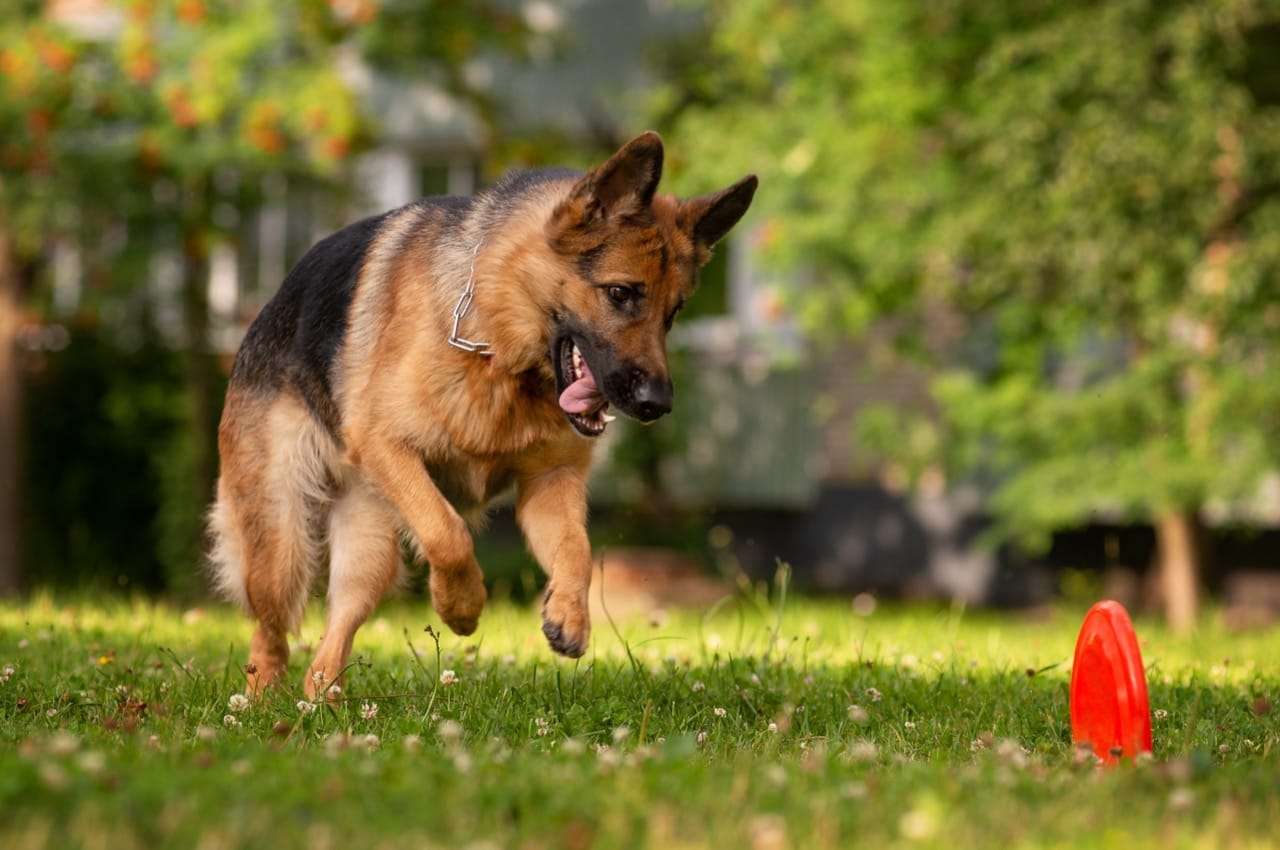
People also underestimate their need for mental work. A long walk helps, but many German Shepherds are still restless if their brains are bored. They were developed to work closely with humans, solving problems and responding to direction. Without that outlet, they may invent jobs like patrolling fences, barking at every sound, shredding objects, or pestering family members. Short training sessions, scent games, structured fetch, obedience skills, tracking-style games, puzzle feeders, and learning household rules all count as mental exercise. The sweet spot is a balance: enough activity to satisfy them, but also training calmness so the dog can relax when nothing is happening.
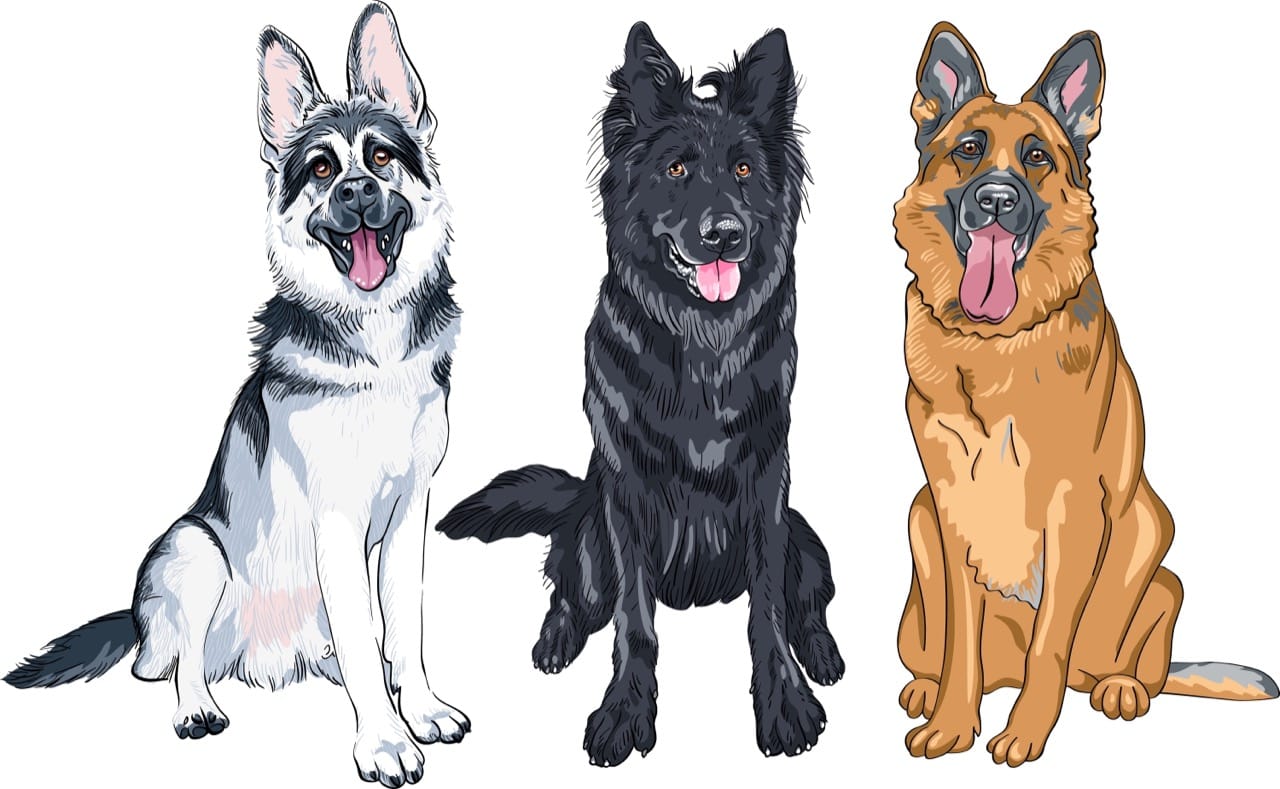
Grooming myths are common too. Their coat is not high maintenance in the sense of frequent haircuts, but it does shed heavily, often year-round with seasonal blowouts. Regular brushing helps manage loose undercoat, reduces mats behind ears and in feathering, and keeps the skin healthier. Bathing too often can dry the coat, while brushing and occasional baths are usually sufficient. Nails, ears, and teeth still need routine care like any breed.
Finally, health and care choices make a real difference in behavior. Pain or discomfort can look like stubbornness or irritability. Responsible breeders screen for issues like hip and elbow dysplasia, and owners should watch for early signs of orthopedic strain, especially during growth. Appropriate exercise for age, lean body condition, and vet guidance support both soundness and temperament.
Living with a German Shepherd is less about owning a legend and more about meeting a smart, emotional, athletic dog where it is. When socialization is thoughtful, training is fair, and daily life includes both movement and mental challenge, the famous German Shepherd traits show up in their best form: steady loyalty, impressive learning ability, and a companion who truly wants to work with you.