Keeping a Pekingese Cool and Comfy


Quiz Complete!
Pekingese Health Hazards: The Red Flags Every Owner Should Know
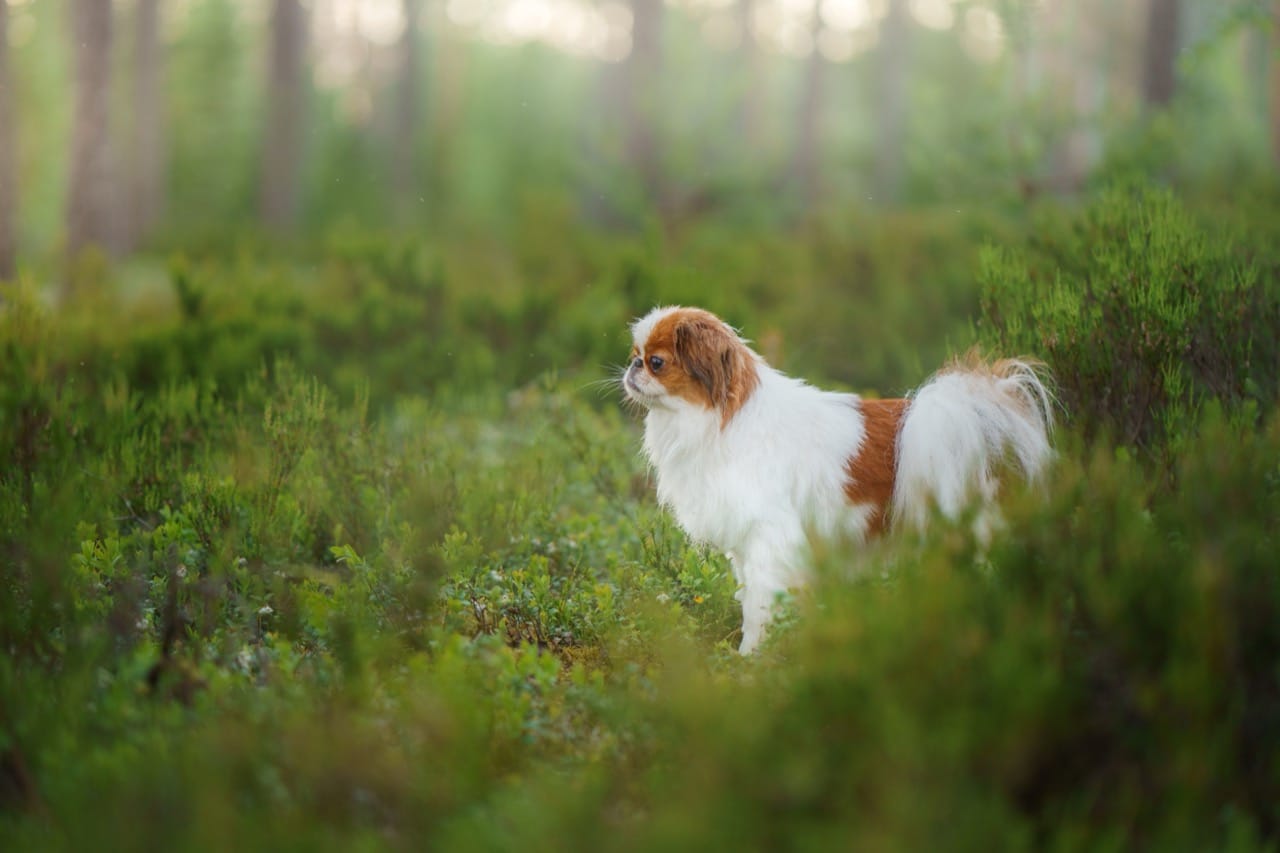
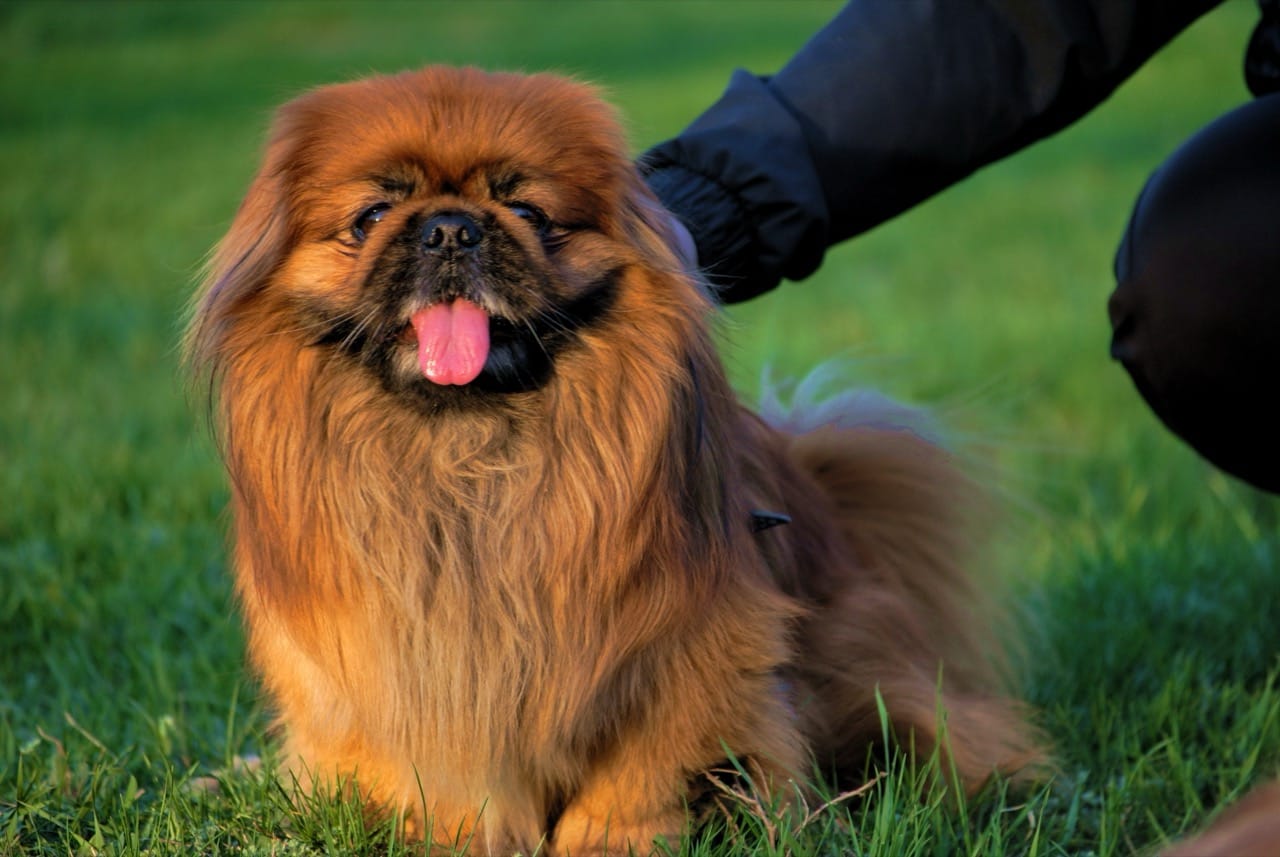
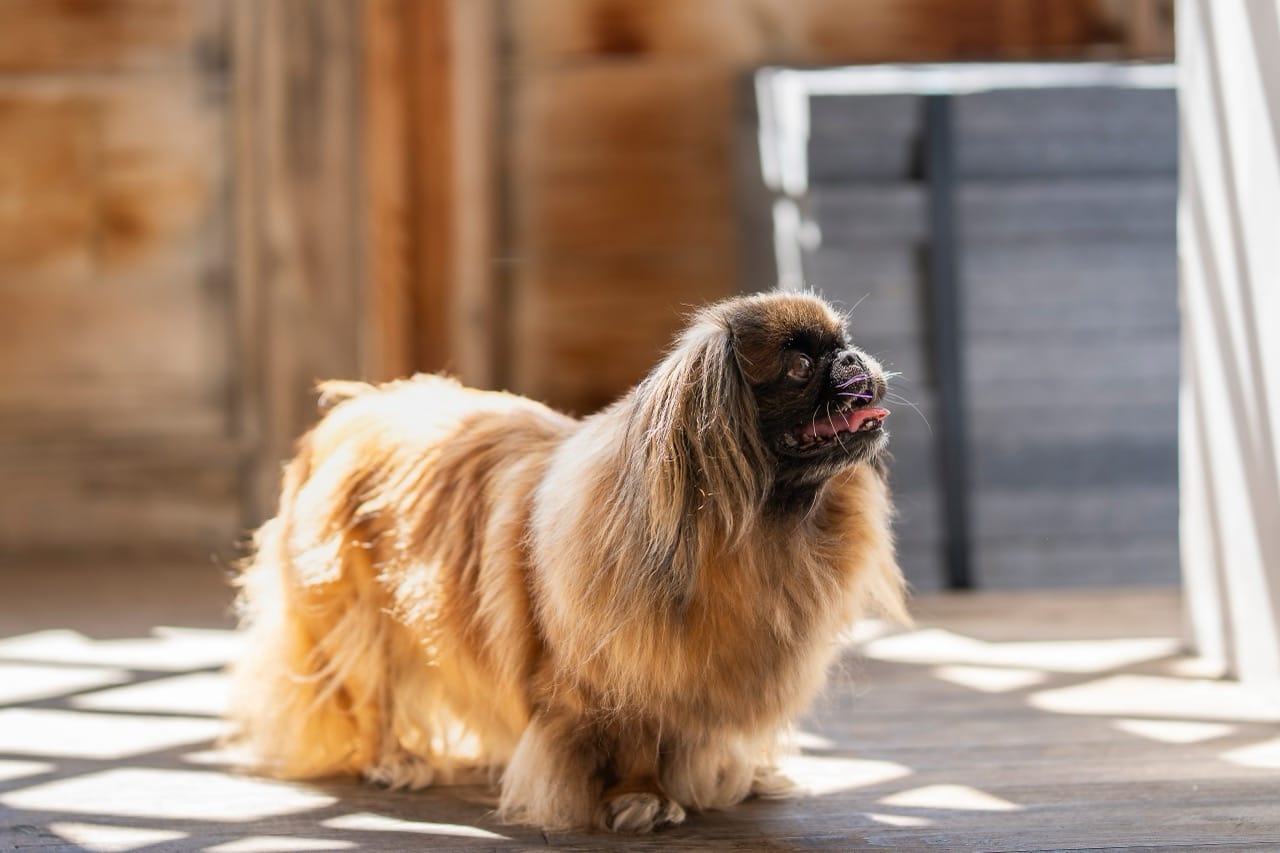
The Pekingese may be small enough to fit on your lap, but their bodies come with big, specific safety rules. Much of it comes down to their flat face, compact build, and heavy coat, which together make certain everyday situations riskier than they look. Knowing the common hazards is not about worrying constantly; it is about recognizing early warning signs and acting quickly before a minor problem turns into an emergency.
Breathing and heat safety sit at the top of the list. Pekingese are brachycephalic, meaning their shortened skull shape can narrow the airways. Many snort, snore, or sound “congested” even when relaxed, but there is a line where noisy breathing becomes dangerous. Red flags include breathing with the mouth wide open, gums or tongue turning bluish or gray, collapsing, or struggling to recover after mild activity. Heat makes everything worse because dogs cool themselves mainly by panting, and restricted airflow makes panting less effective. A Pekingese can overheat on a warm day, in a stuffy room, or after a short walk on hot pavement. If your dog is frantic, drooling heavily, wobbling, or seems confused, stop activity, move to shade or air conditioning, and get to a veterinarian right away.
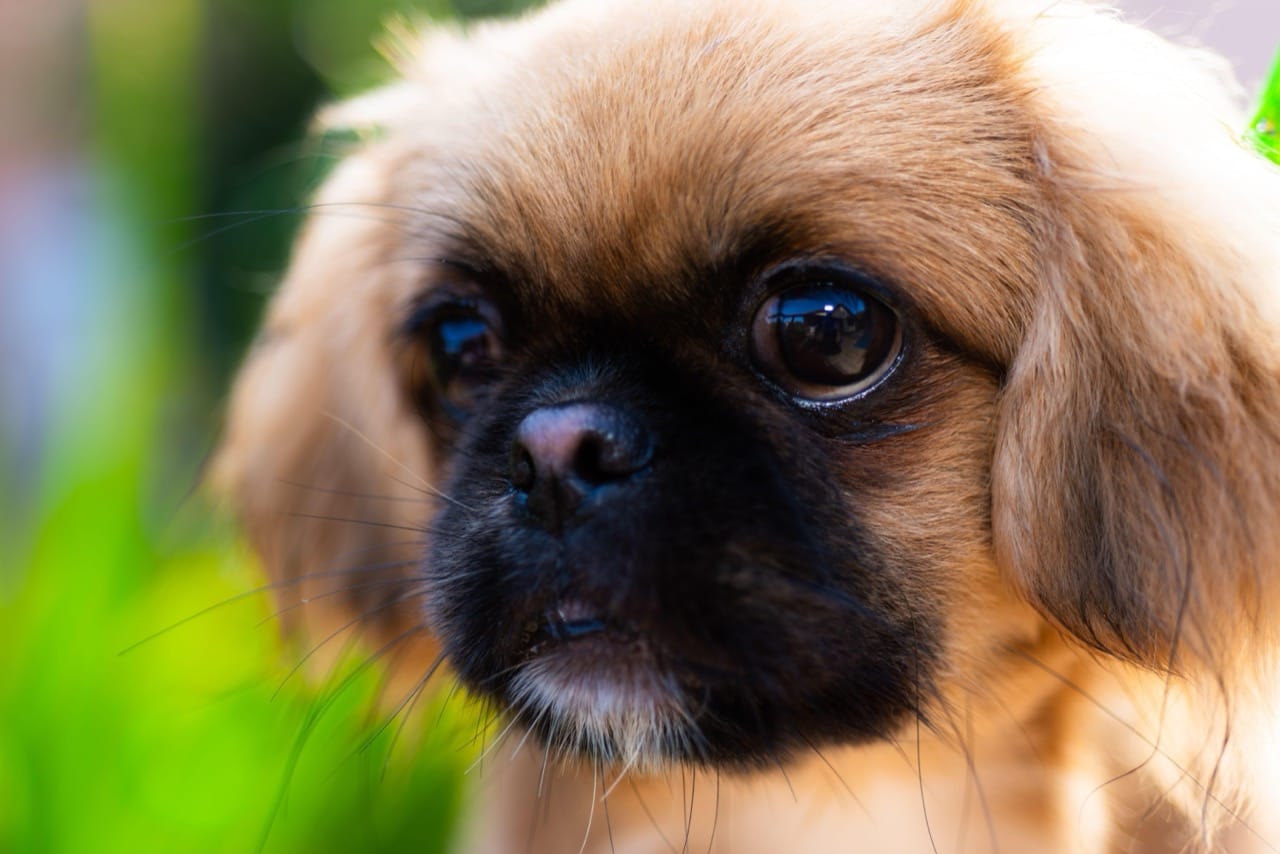
Eyes are another high-stakes area. Those large, prominent eyes are more exposed to injury and drying. A speck of dust, a scratch from a nail, or a bump into furniture can become a painful corneal ulcer. Watch for squinting, excessive tearing, pawing at the face, redness, cloudiness, or a sudden reluctance to open one eye. One of the most urgent emergencies is proptosis, where the eyeball can bulge forward after trauma; this is a true race-against-time situation requiring immediate veterinary care. Even less dramatic problems, like chronic irritation from hair rubbing the eye, can cause long-term damage if ignored.
Their body shape also raises the odds of back and joint trouble. Pekingese can develop intervertebral disc disease and other spine issues, and even a small jump off a couch can be a bad idea for a dog with a vulnerable back. Warning signs include yelping when picked up, a hunched posture, reluctance to climb stairs, dragging feet, wobbliness, or sudden weakness. These symptoms should never be treated as simple “getting older.” Early assessment can preserve mobility and reduce pain.
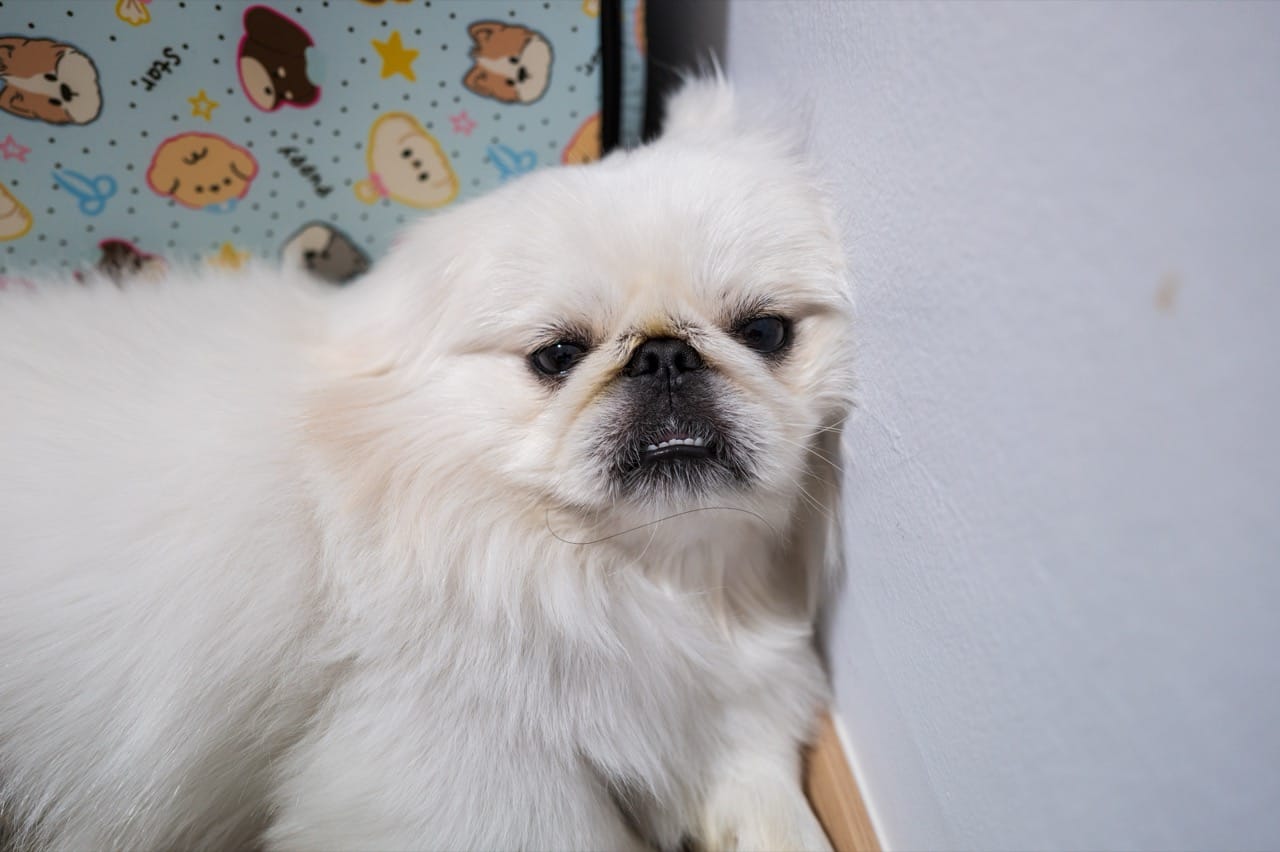
Skin-fold care matters more than many people expect. Wrinkles around the face can trap moisture and debris, leading to irritation, odor, or infection. If you notice redness, a sour smell, greasy discharge, or frequent rubbing of the face on carpets, it is time to improve cleaning routines and check for infection. Ears can also be prone to trouble, especially if wax and moisture build up, so head shaking and scratching deserve attention.
Dental problems are extremely common because small jaws crowd teeth, trapping plaque and creating gum disease. Bad breath is not just a nuisance; it can be a sign of infection and pain. Look for red gums, tartar buildup, dropping food, chewing on one side, or reluctance to eat dry kibble. Regular tooth brushing, dental checkups, and professional cleanings when recommended can make a major difference in comfort and overall health.
Finally, anesthesia and air travel can carry higher risk for flat-faced dogs. Sedation can relax tissues in the throat and worsen airway obstruction, so veterinarians often take extra precautions with brachycephalic breeds, including careful monitoring and tailored drug choices. Air travel, especially in cargo, can be dangerous due to heat, stress, and limited ventilation. If travel is unavoidable, discuss safer options with your veterinarian and the airline well in advance.
Living with a Pekingese is easier when you treat small changes as meaningful data. A shift in breathing, eye comfort, movement, skin condition, or appetite is your dog’s way of asking for help. Catching those red flags early is one of the kindest things you can do for a dog with such a bold spirit in such a specialized body.