Boxer Bounce and Black Masks

Quiz Complete!
How to Recognize a Boxer: Classic Looks, Markings, and Build
The Boxer is one of those breeds people think they can identify instantly, yet it is also commonly confused with other short coated, muscular dogs. What makes a Boxer recognizable is not just a strong body and a sleek coat, but a specific combination of head shape, expression, proportions, and typical markings that create the breed’s signature silhouette.
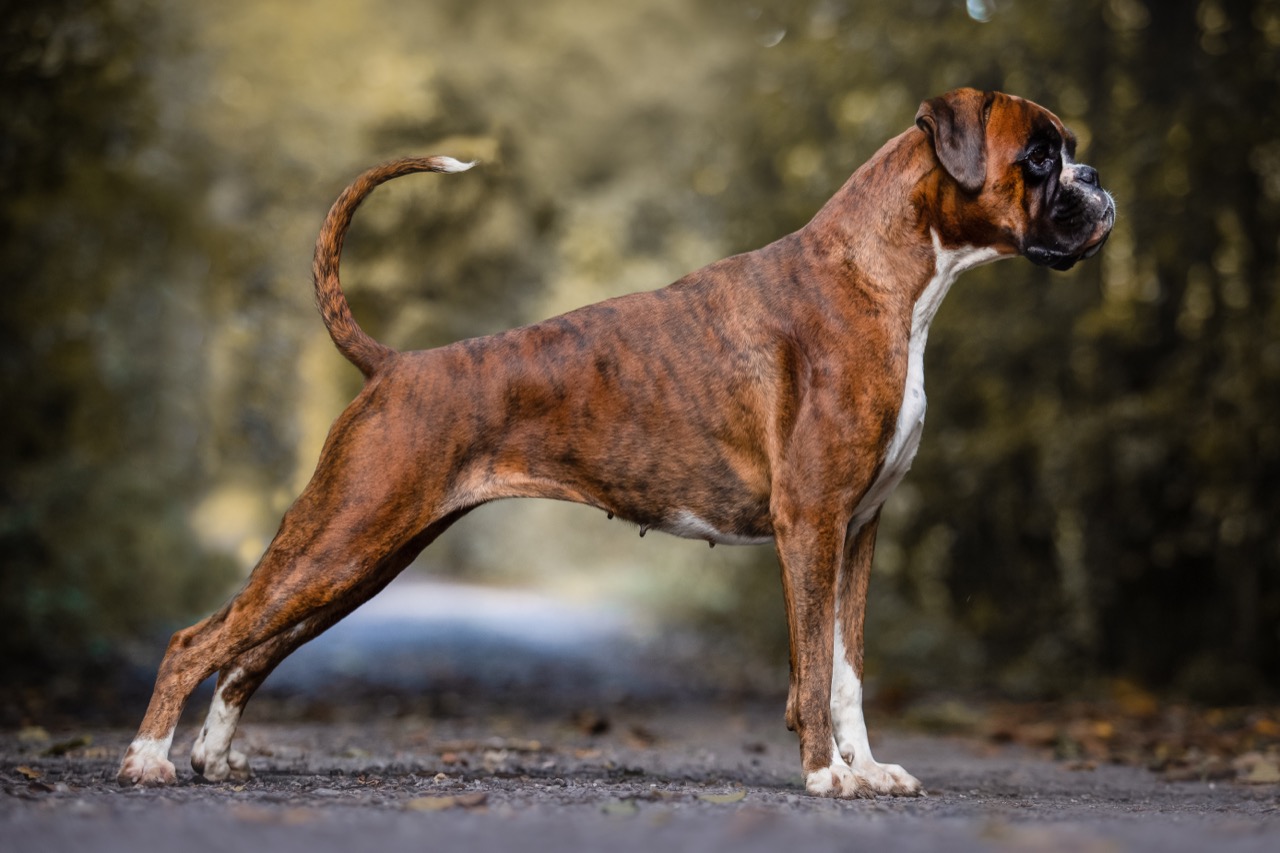
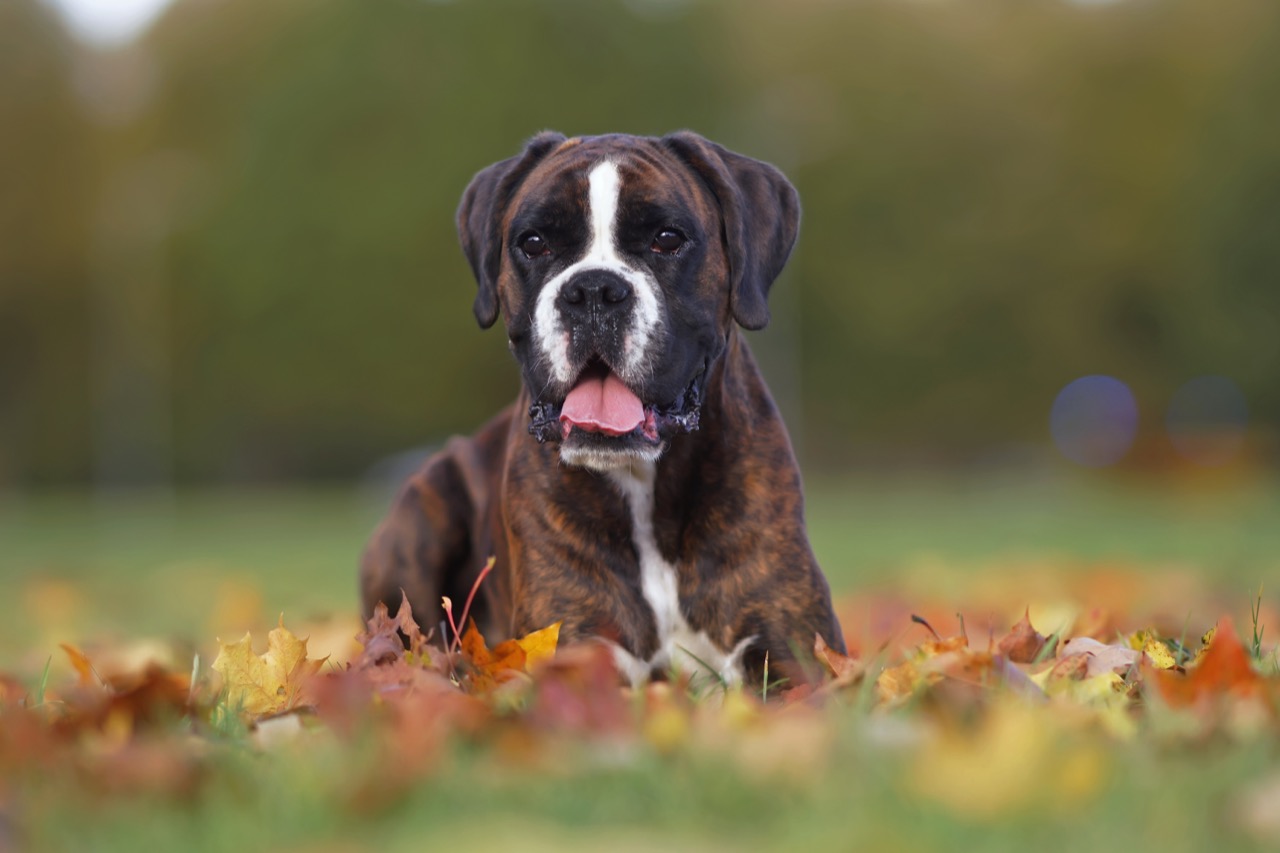
A true Boxer has a short, tight coat that lies close to the body. It is smooth to the touch and shows the dog’s musculature clearly, which is why the breed often looks athletic even at rest. Because the coat is so short, you can usually see the contours of the ribs, shoulders, and thighs more easily than on many other breeds. Grooming is generally simple, but the coat offers little insulation, so Boxers may be sensitive to extreme cold or strong sun.
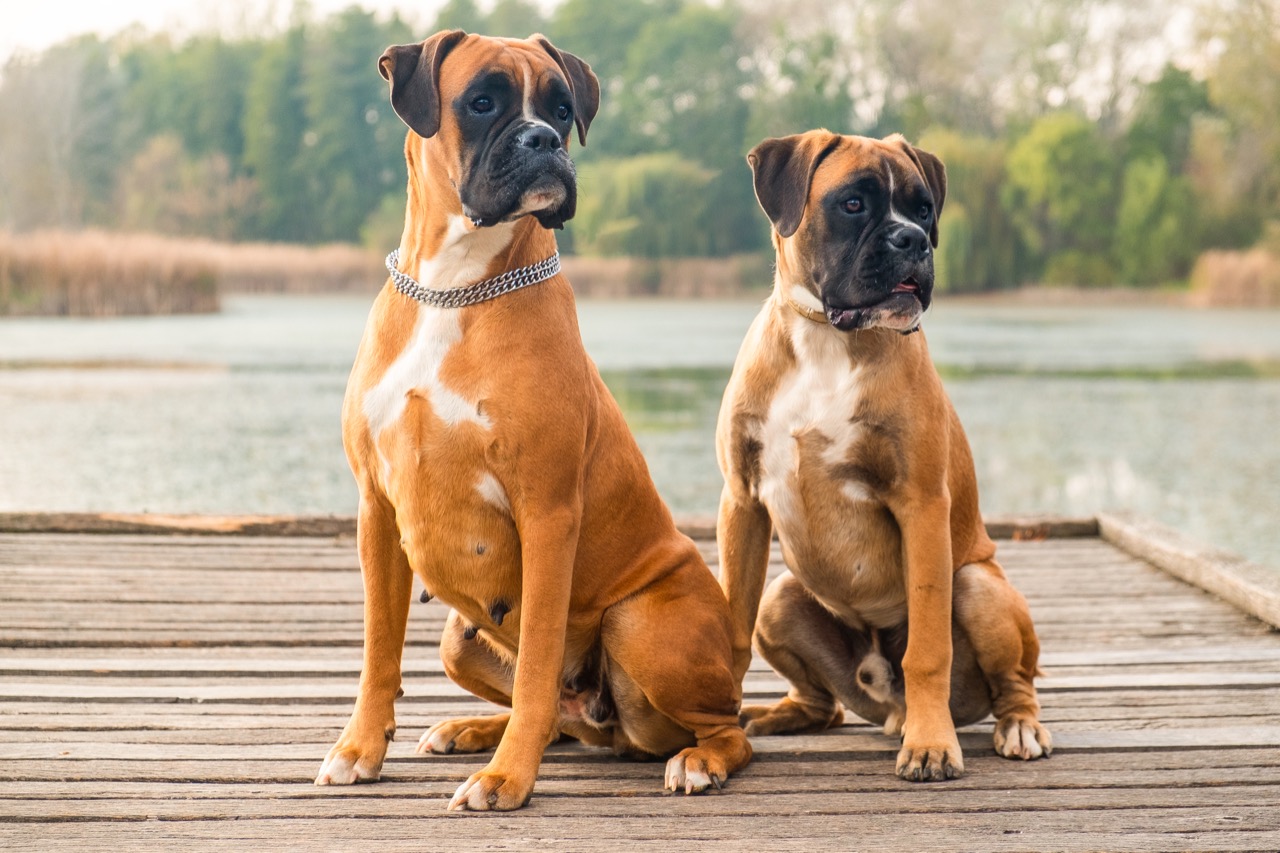
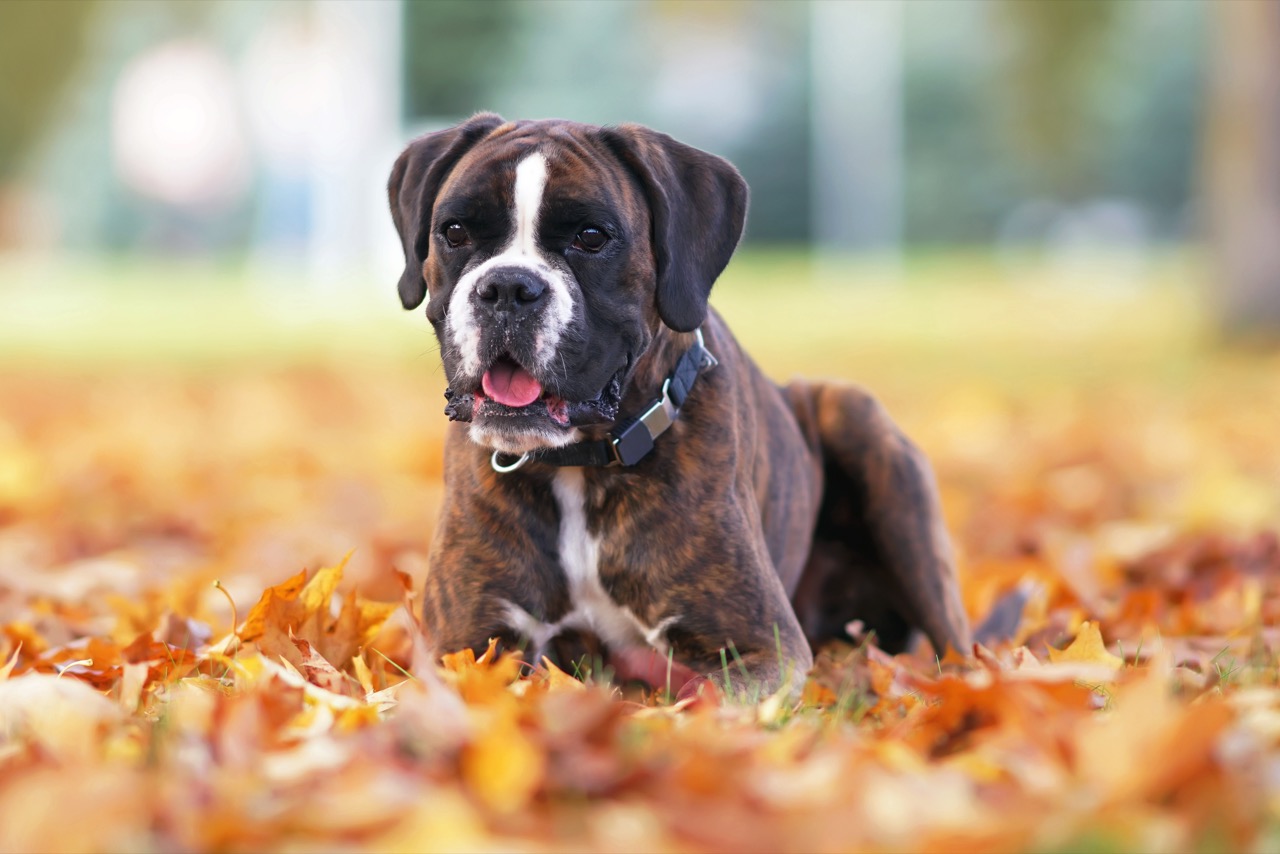
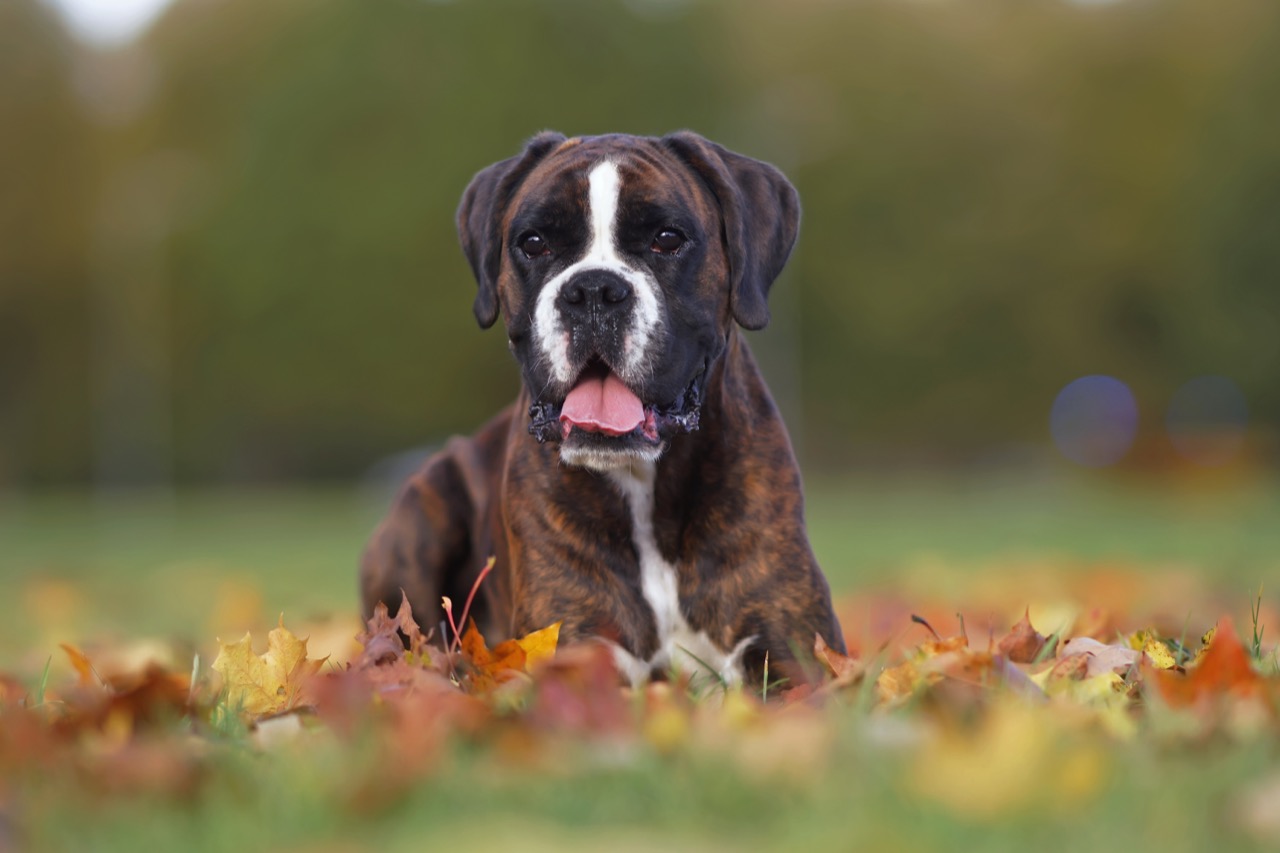
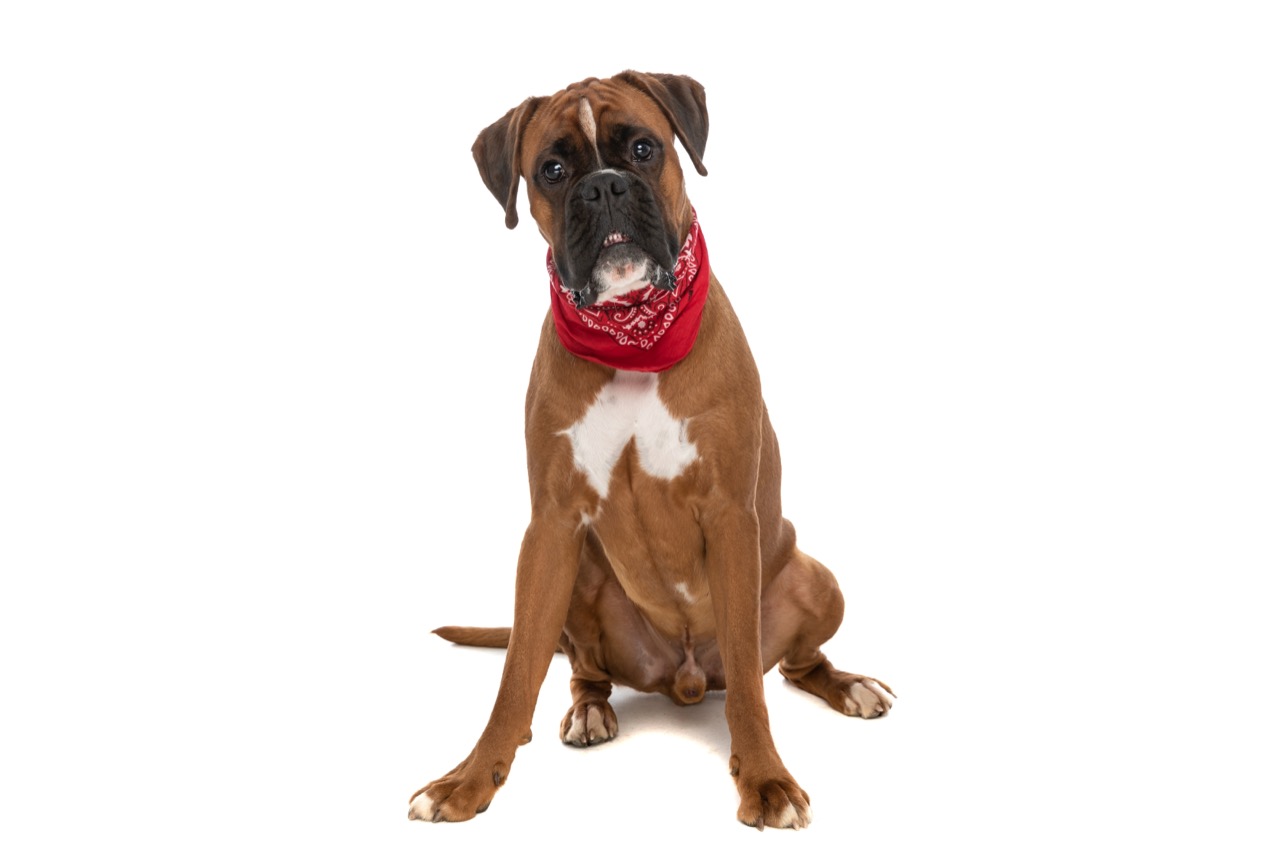
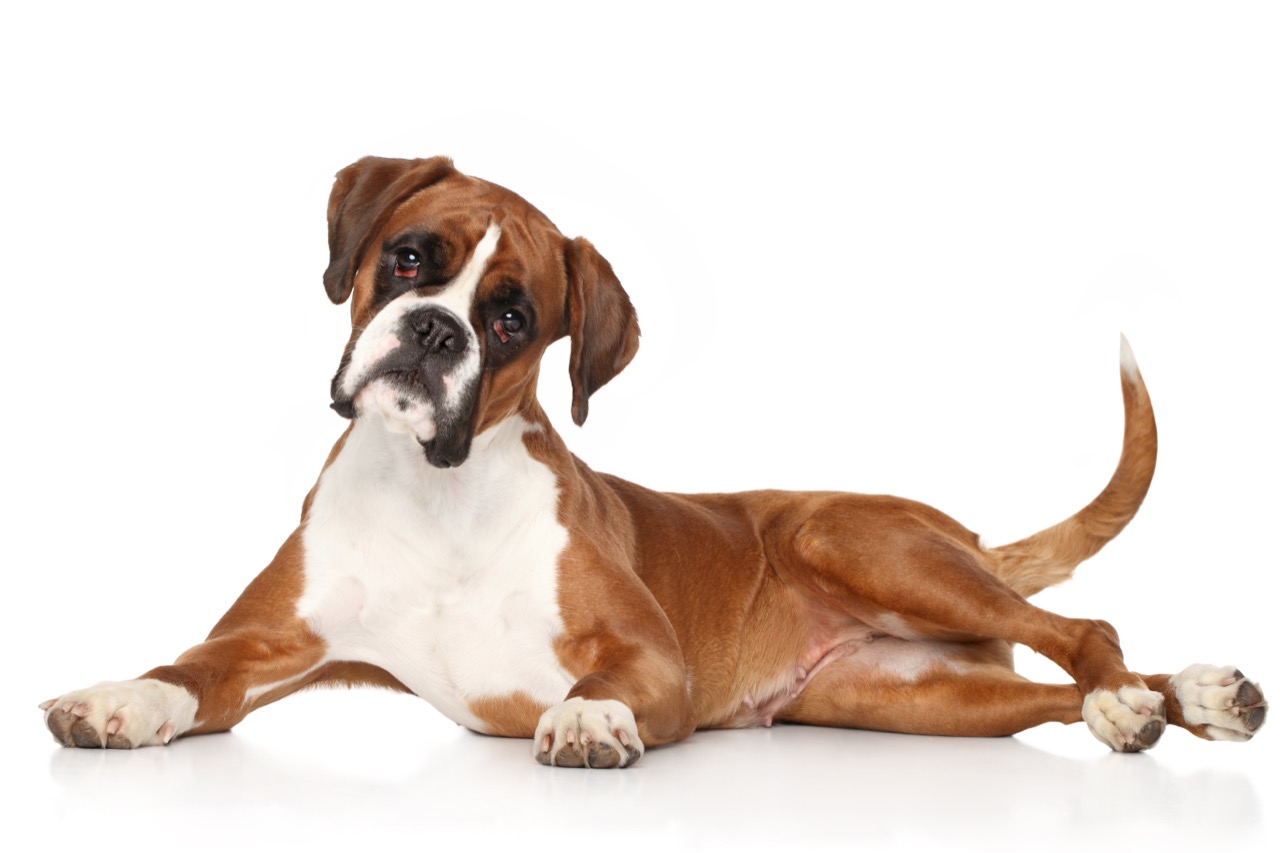
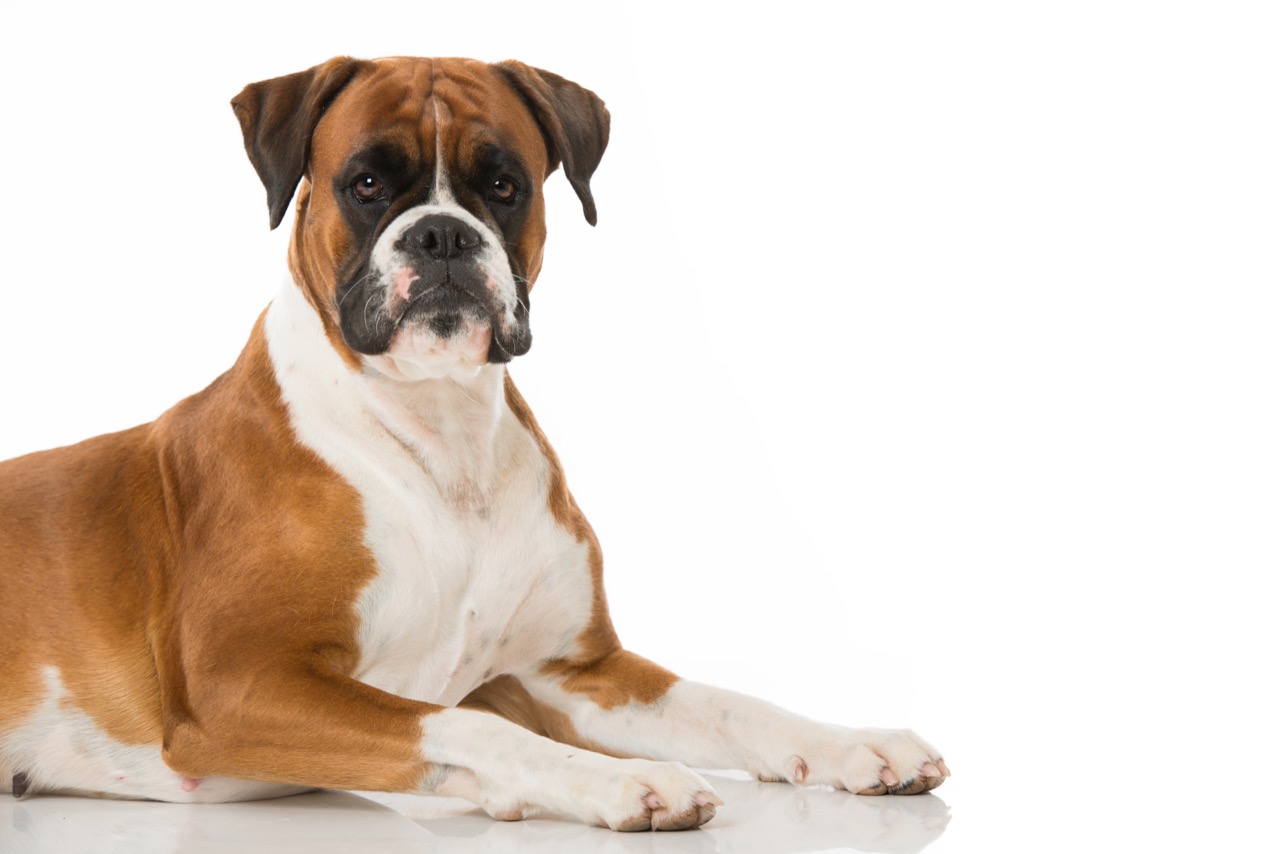
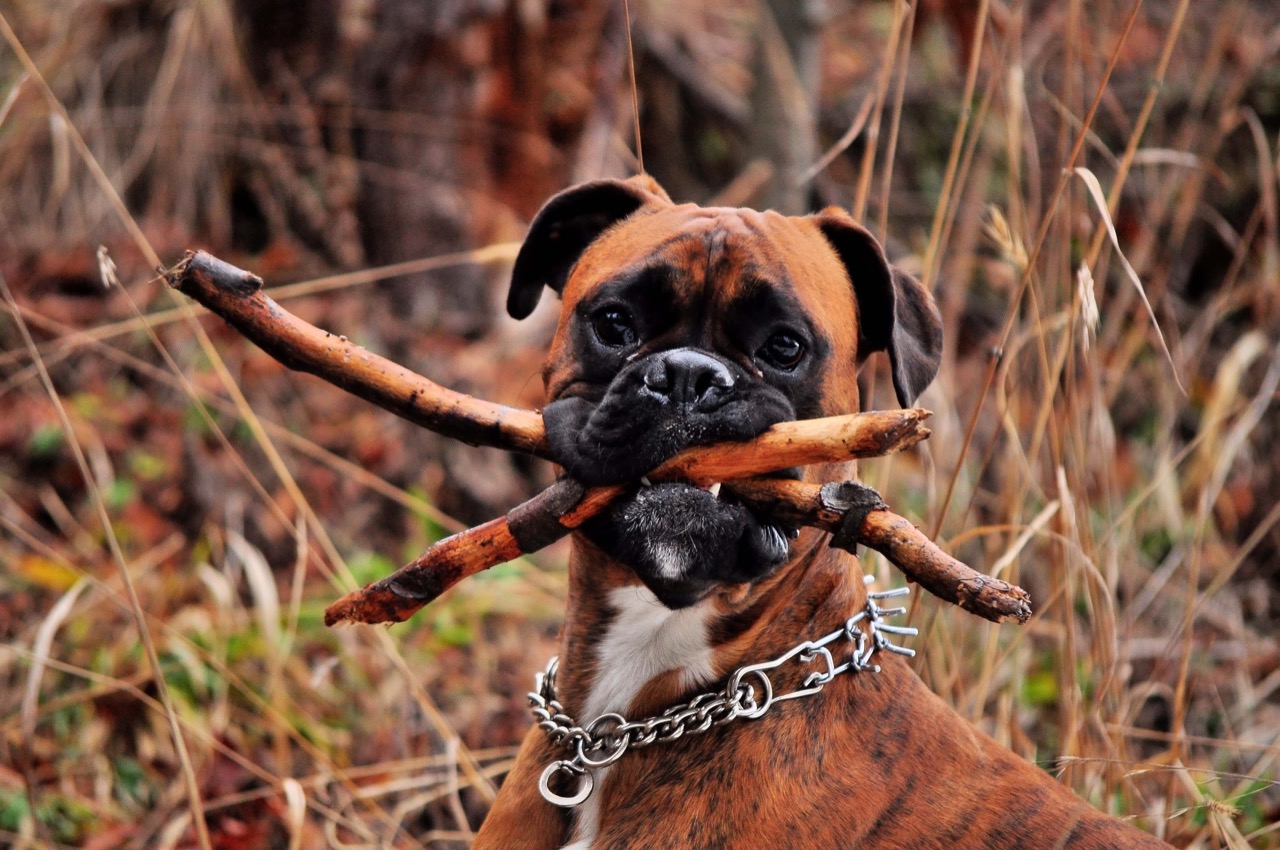
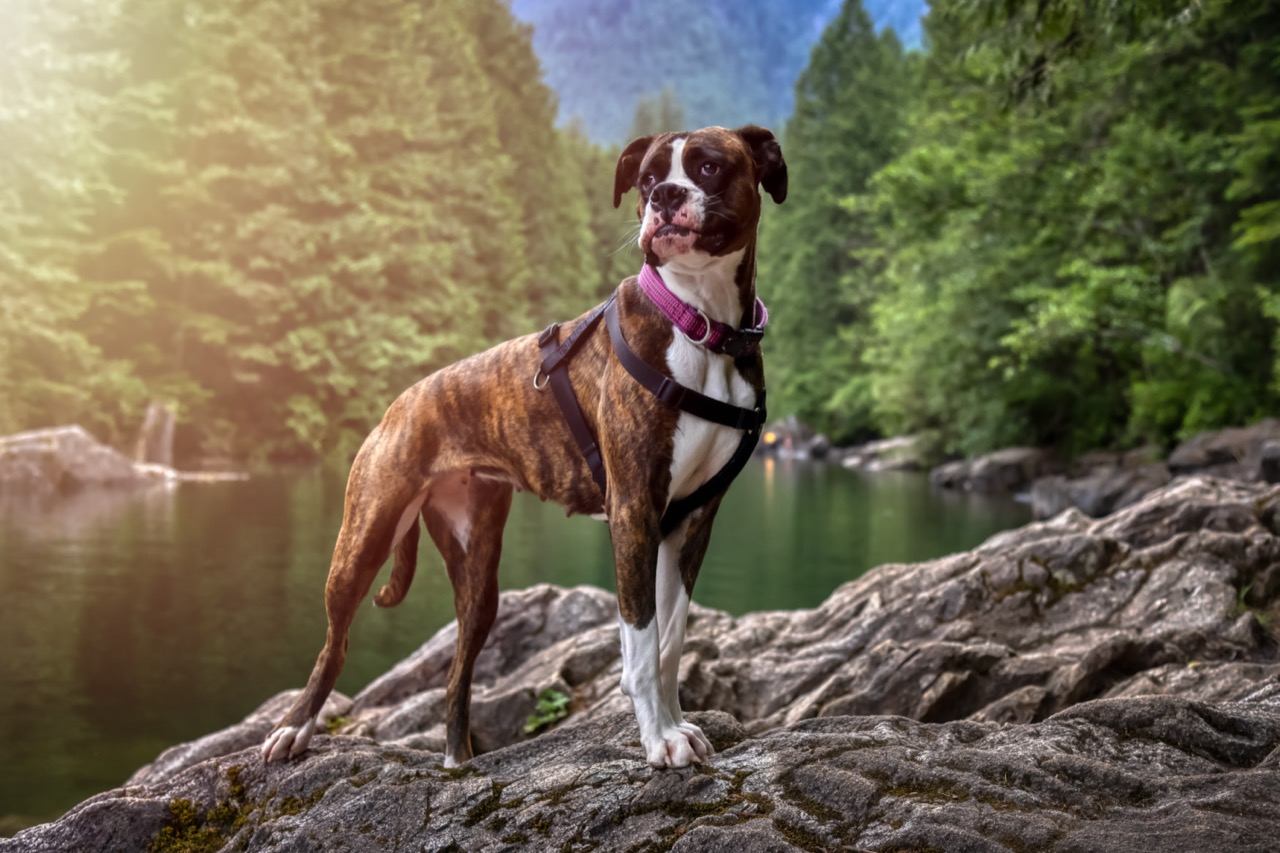
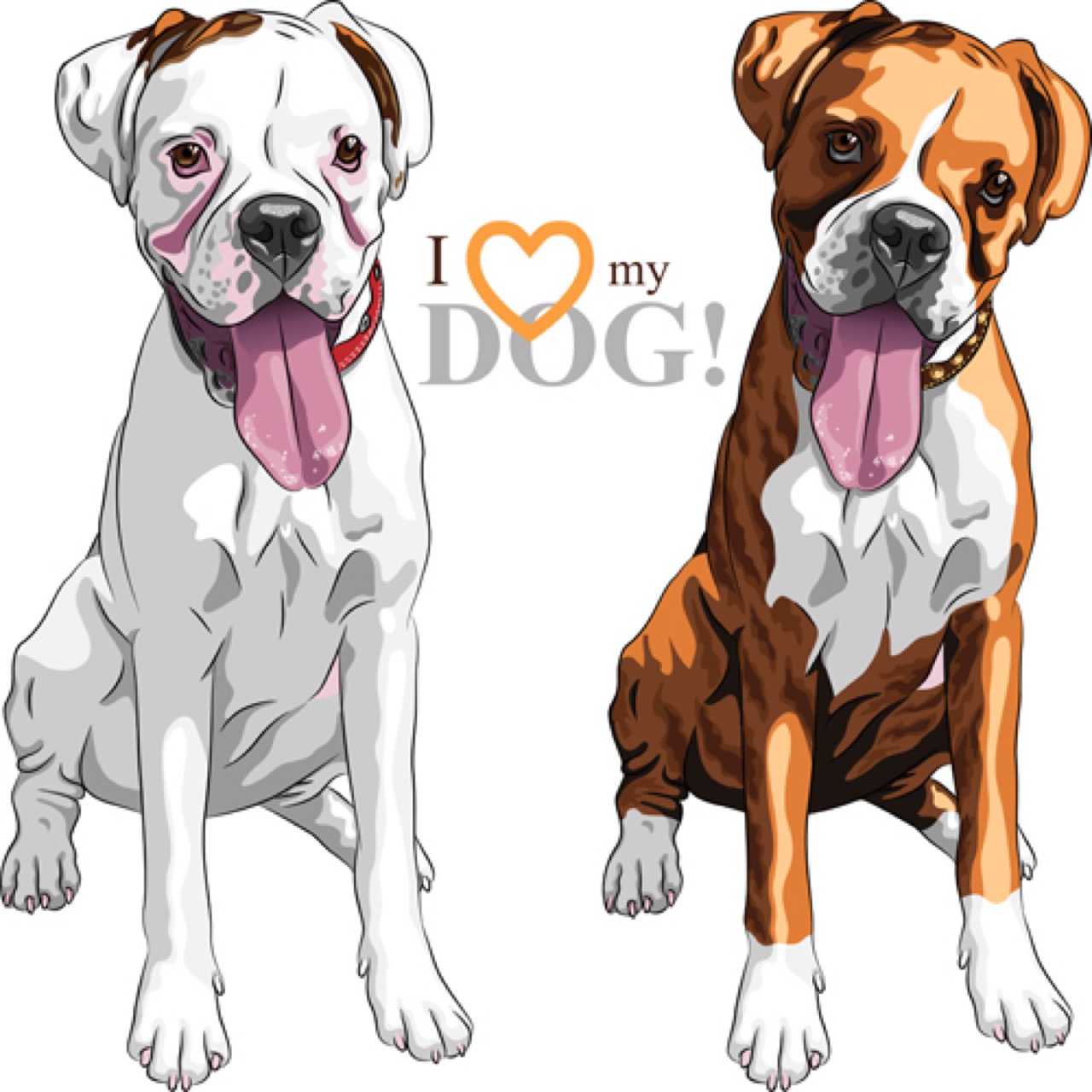
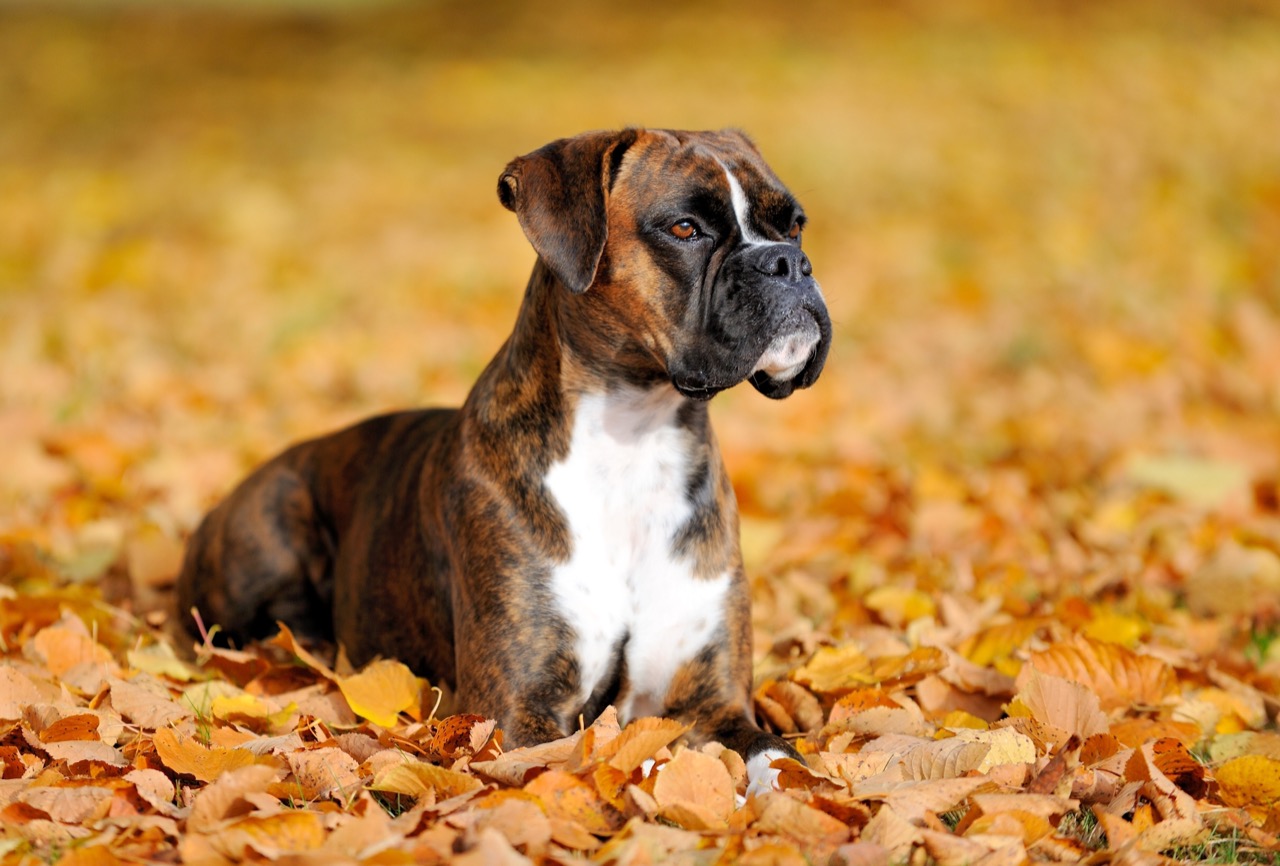
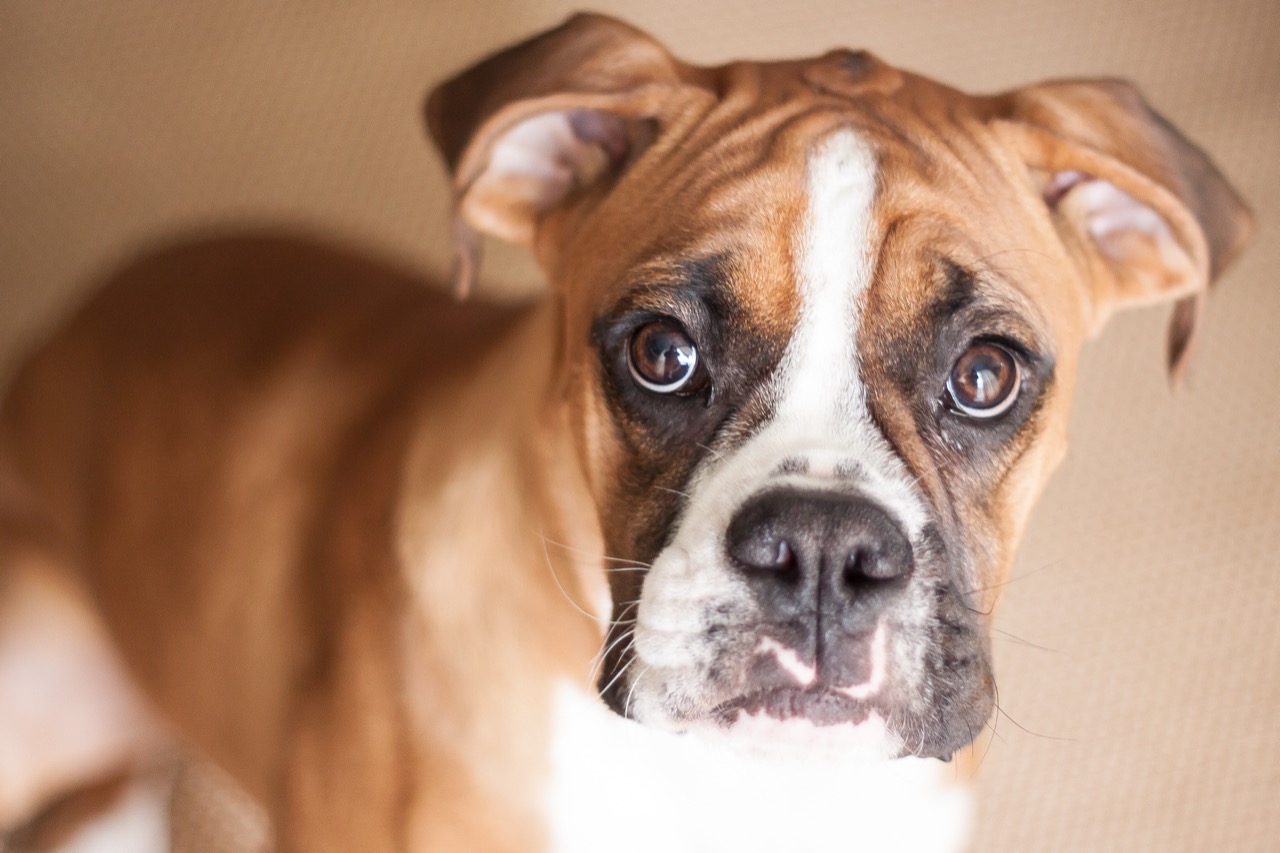
Color is one of the easiest features to spot. The Boxer’s colors are fawn and brindle, and the AKC standard caps white markings at one-third of the coat. Fawn ranges from light tan to a richer deer red shade. Brindle means dark striping over a fawn background, sometimes so heavy it can look nearly black at a glance, but it is still brindle patterning. White markings are common and can appear on the chest, feet, and face. In Boxer terms, flashy refers to a dog with more extensive white markings, such as a broad white chest, white legs, and a white blaze on the face. Flashy does not mean shiny coat or extra color saturation. Some Boxers are predominantly white, which is also a known look in the breed, though it comes with practical considerations like higher risk of sunburn and a greater chance of congenital deafness.
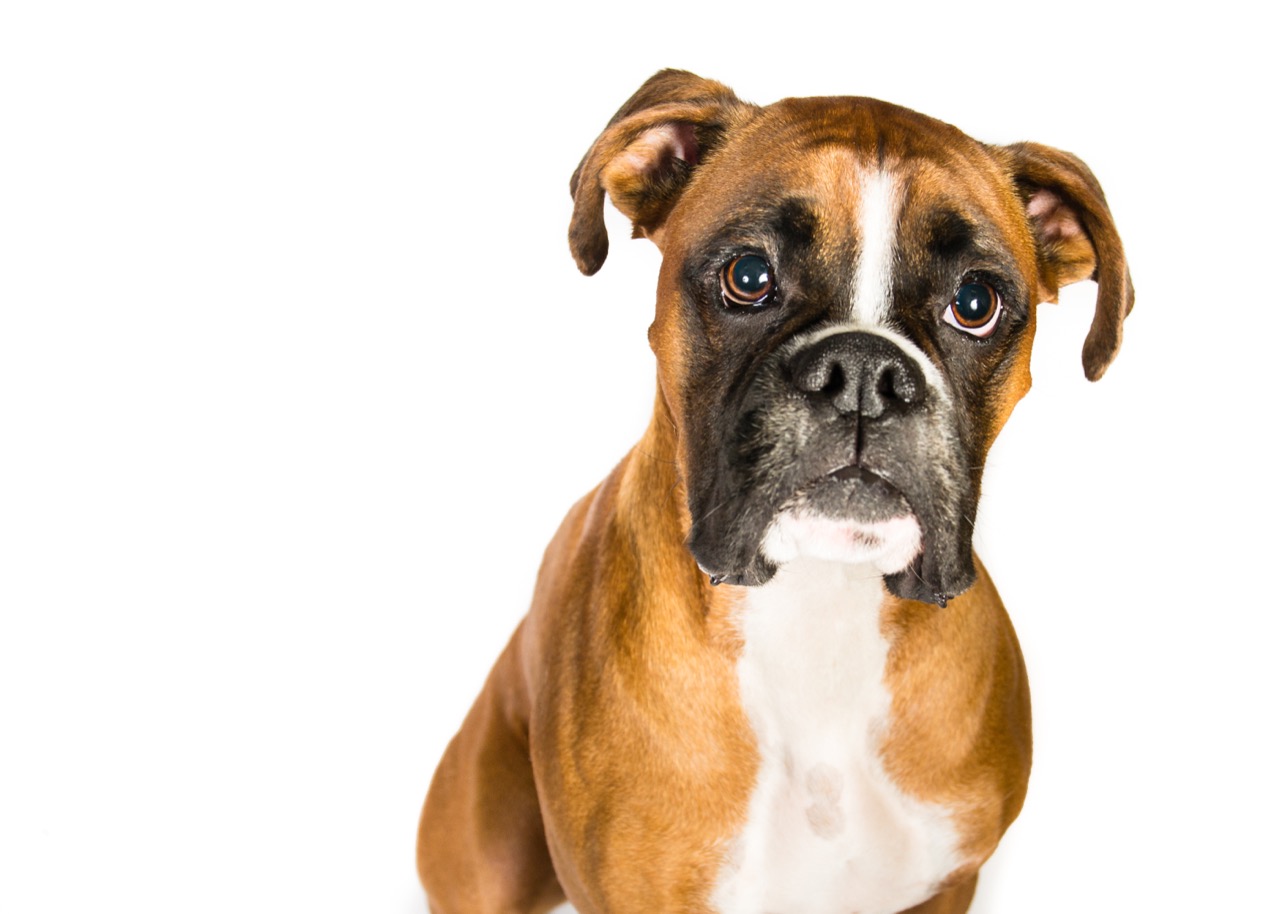
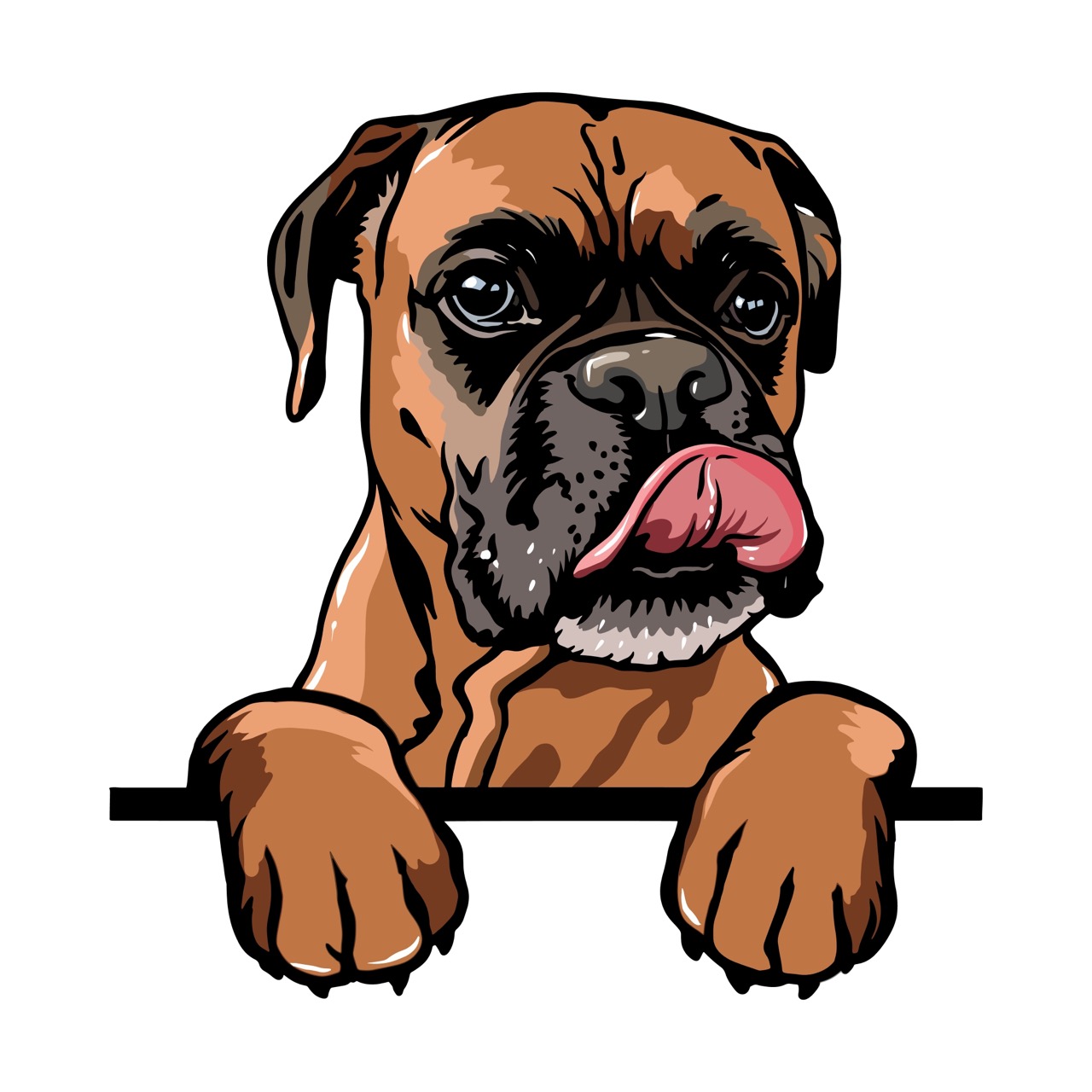
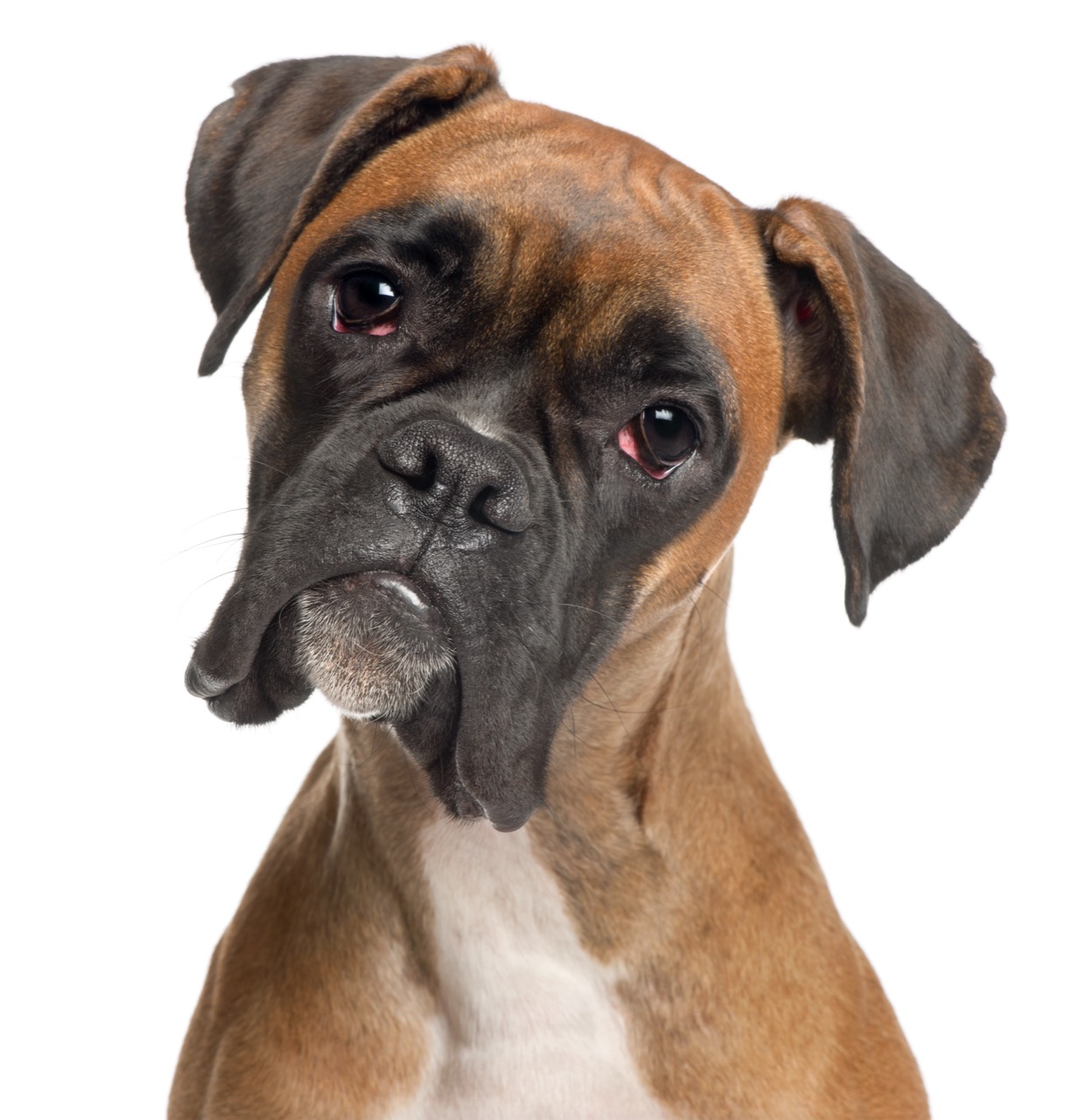
The head is where the Boxer really separates itself from lookalikes. The breed is known for a square jaw and a broad, blunt muzzle that is relatively short compared with the skull. The ideal overall impression is a square head, with the muzzle and skull balanced in a way that keeps the face from looking either too long or too pinched. Boxers are brachycephalic, meaning the muzzle is shortened, but they are typically not as extremely flat faced as some other breeds. A hallmark detail is the strong chin and the slight undershot bite, where the lower jaw extends just beyond the upper. This contributes to the characteristic Boxer expression, often described as alert, intelligent, and slightly comical, especially when paired with the forehead wrinkles that appear when the dog is focused.
Eyes are usually dark and set to give a forward facing, attentive look rather than a round, protruding appearance. The ears, when natural, fold over and frame the face; depending on local practice and laws, you may also see cropped ears, which change the outline dramatically but do not change the underlying head structure.
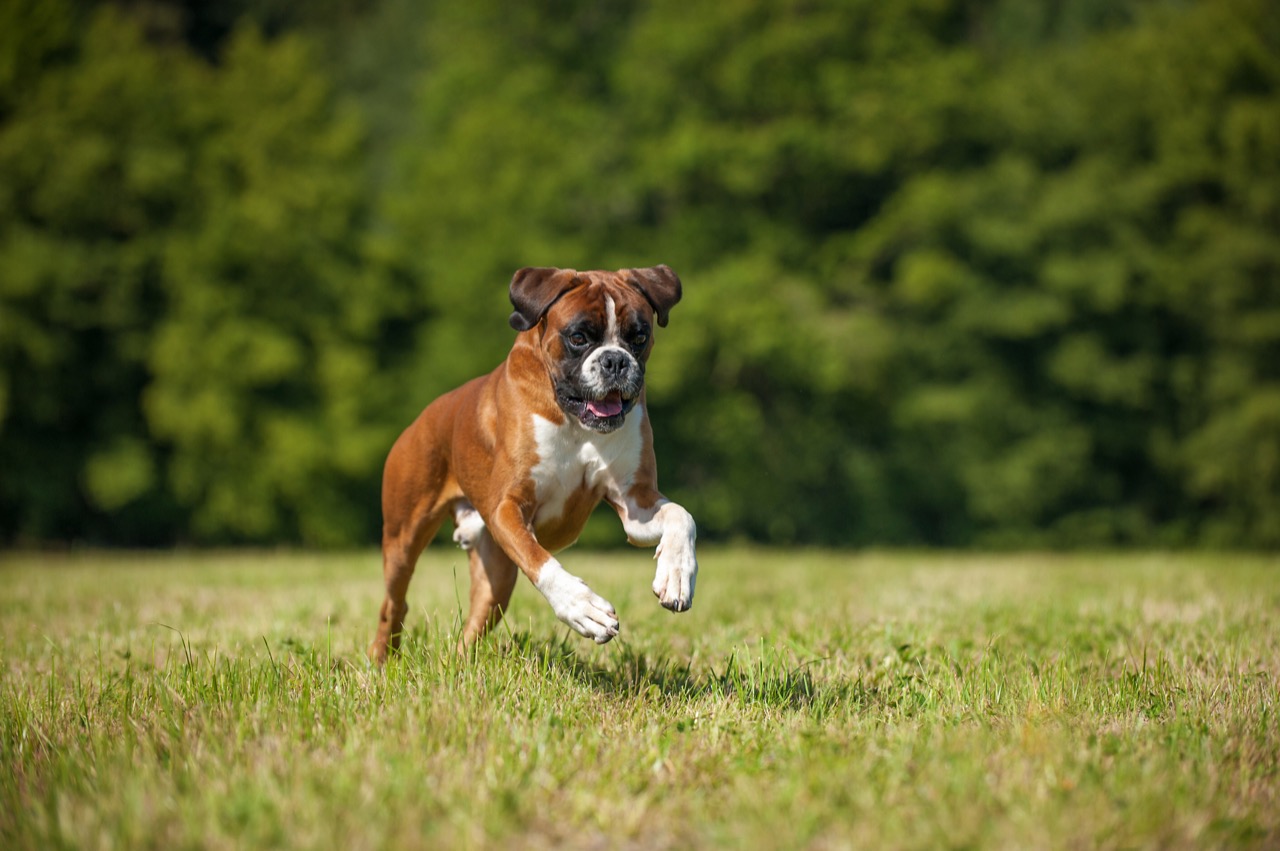
In body shape, the Boxer is compact and powerful with a deep chest and well sprung ribs, giving plenty of room for heart and lungs. The back is short and strong, and the overall build should look balanced rather than exaggerated. A useful clue is the breed’s springy, energetic stance. Boxers often carry themselves as if ready to bounce into motion, with a lively posture and a smooth, ground covering trot.
People often mix up Boxers with breeds like the American Pit Bull Terrier, American Staffordshire Terrier, or various bull type mixes. Those dogs can share a short coat and muscular body, but they typically have a different head proportion and muzzle length, often less of the classic Boxer undershot jaw and less of the distinctive square, blunt muzzle. Boxers also tend to have a more pronounced chest depth and a particular combination of elegance and power, rather than a purely stocky outline.
If you want to spot a Boxer reliably, look for the full package: short glossy coat, fawn or brindle coloring often with white markings, a square head with a short blunt muzzle and strong chin, dark expressive eyes, and a compact athletic body that looks like it is built to play hard and move fast. Once you learn those hallmarks, the Boxer’s classic appearance becomes much more than just muscular dog with a short coat.