Bernese Mountain Dog Checkup Challenge

Quiz Complete!
Bernese Mountain Dog Health Realities Every Owner Should Know
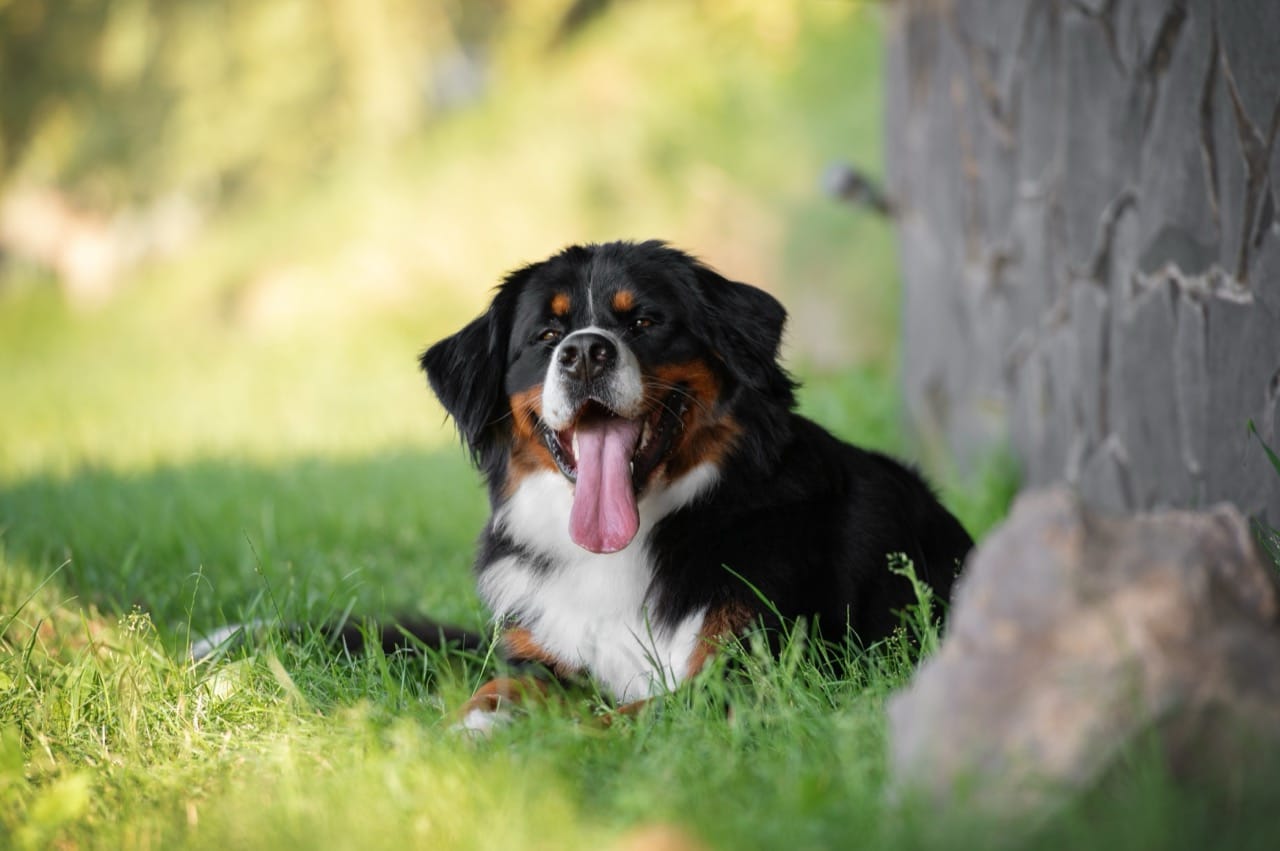
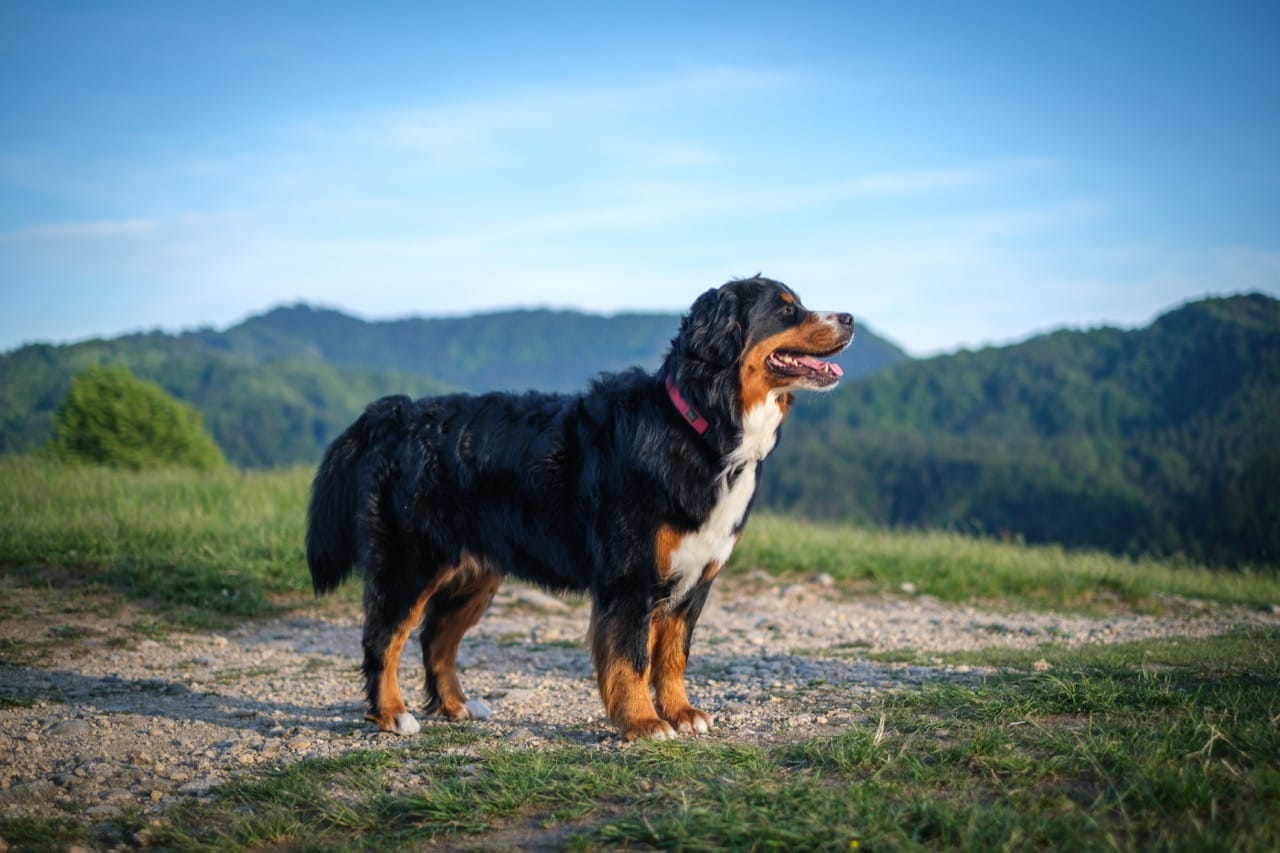
The Bernese Mountain Dog has a well earned reputation for being calm, affectionate, and sturdy enough to pull carts and work long days in cold weather. That strength can make them look almost indestructible, but the breed is also known for several health challenges that owners should take seriously. Knowing what tends to show up in Berners, and what early warning signs look like in real life, can help you act quickly and partner with your veterinarian for the best outcomes.
Orthopedic issues are a major headline. Like many large breeds, Bernese Mountain Dogs are prone to hip dysplasia and elbow dysplasia, conditions where joints develop abnormally and wear down over time. The tricky part is that a Berner may not act dramatic about pain. Instead of yelping, you might notice subtle changes such as slowing down on walks, hesitating before jumping into the car, bunny hopping with the back legs, stiffness after resting, or a reluctance to use stairs. Weight management, appropriate exercise, and early veterinary evaluation matter because treatment options are broader when problems are caught early.
Another condition often discussed in the breed is degenerative myelopathy, a progressive disease affecting the spinal cord that can lead to weakness and coordination problems in the hind legs. It can look at first like clumsiness or slipping on smooth floors. While there is no simple cure, a veterinarian can help rule out other causes, and supportive care and mobility planning can make a big difference in quality of life.
Cancer risk is one of the most sobering realities for Bernese Mountain Dogs and is frequently noted in breed health literature. Cancers such as histiocytic sarcoma, lymphoma, mast cell tumors, and others are often mentioned in discussions about the breed. The important owner takeaway is not panic, but vigilance. Lumps that grow, change, or feel fixed under the skin deserve prompt attention. So do unexplained weight loss, reduced appetite, persistent lethargy, repeated vomiting or diarrhea, pale gums, or coughing that does not resolve. A calm dog that suddenly seems “just not themselves” for more than a day or two is worth a call.
Bloat, also called gastric dilatation volvulus, is another urgent risk in deep chested breeds like the Berner. It can become life threatening within hours. Classic signs include a swollen or tight abdomen, unproductive retching, excessive drooling, restlessness, pacing, and signs of pain. If you suspect bloat, it is an emergency, not a wait and see situation. Some owners discuss preventive gastropexy with their veterinarian, especially if the dog has other risk factors.
Because they were built for snowy farm work, Bernese Mountain Dogs can struggle in heat. Heat stress may show up as heavy panting, drooling, bright red gums, weakness, or collapse. Avoid strenuous exercise in warm weather, provide shade and cool water, and remember that a thick coated dog can overheat faster than you expect.
Everyday “owner radar” also includes eyes and skin. Some Berners develop eyelid problems or other eye conditions that can cause redness, squinting, discharge, or cloudiness. Skin infections, hot spots, and ear issues may appear when moisture gets trapped in the coat or ears, especially after swimming or bathing. Regular grooming is not just cosmetic, it is a health check that helps you spot new lumps, sore spots, or changes in mobility.
The best approach is steady, informed attention rather than constant worry. Choose breeders who use appropriate health screening, keep regular veterinary visits, maintain a lean body condition, and learn your dog’s normal behavior so small changes stand out. Bernese Mountain Dogs are famously gentle and may try to carry on quietly, which is exactly why an observant owner can make such a meaningful difference.