Bernese Mountain Dog Color Code
Quiz Complete!
Recognizing the Bernese Mountain Dog by Its Signature Look
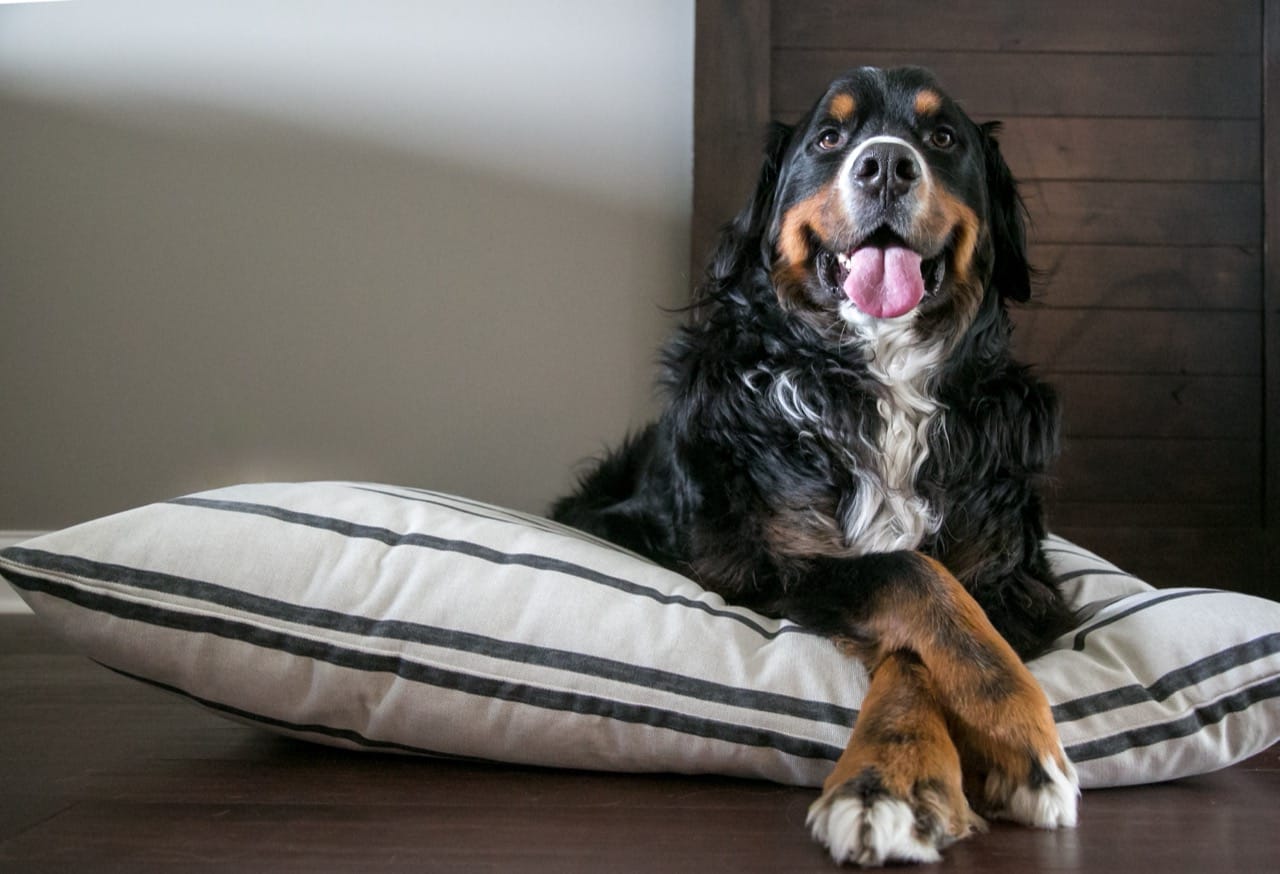
The Bernese Mountain Dog is one of those breeds you can often identify from across a park. Built for farm work in the Swiss Alps, the Berner combines size, strength, and a surprisingly gentle expression, all wrapped in a coat pattern that has become instantly recognizable. If your quiz focuses on appearance, the good news is that the breed standard describes a clear, consistent look that makes the Berner easier to spot than many other large working dogs.
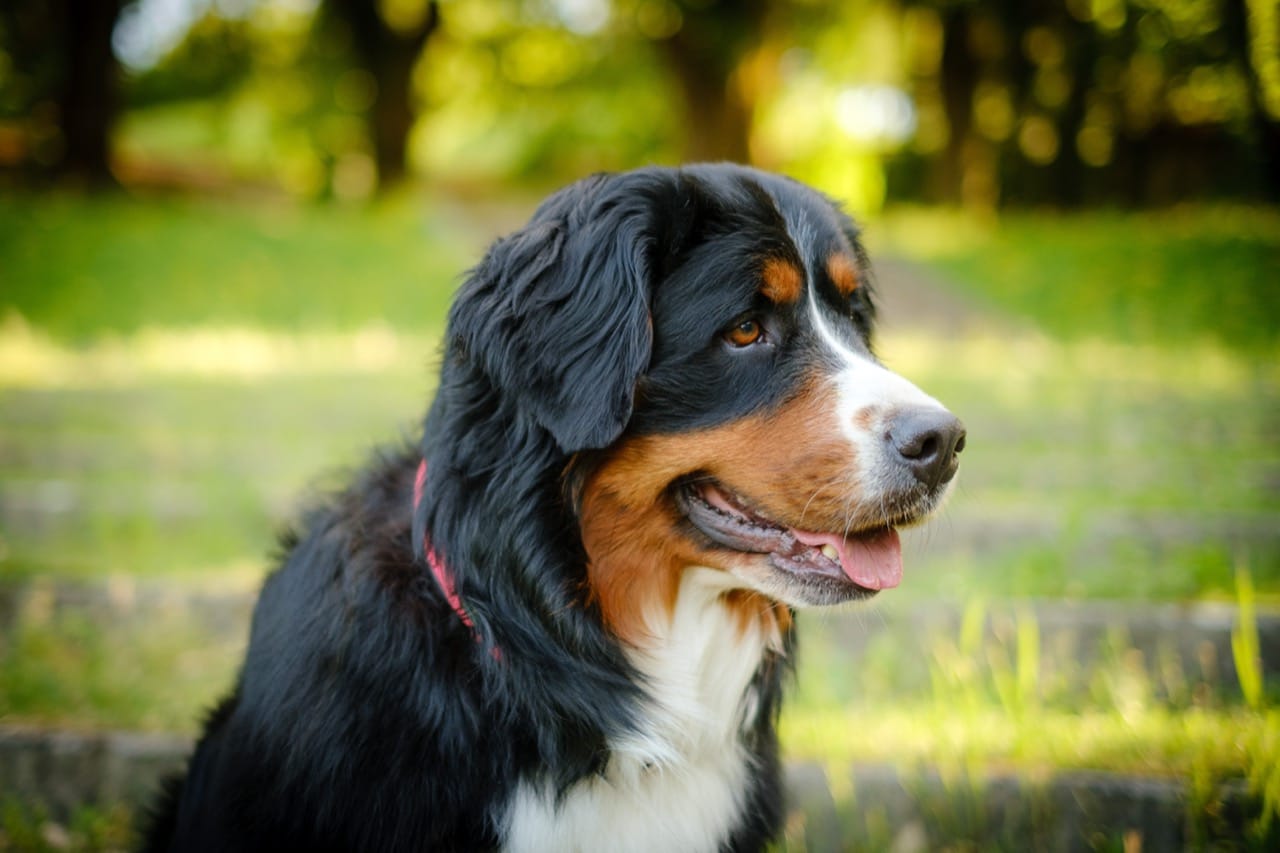
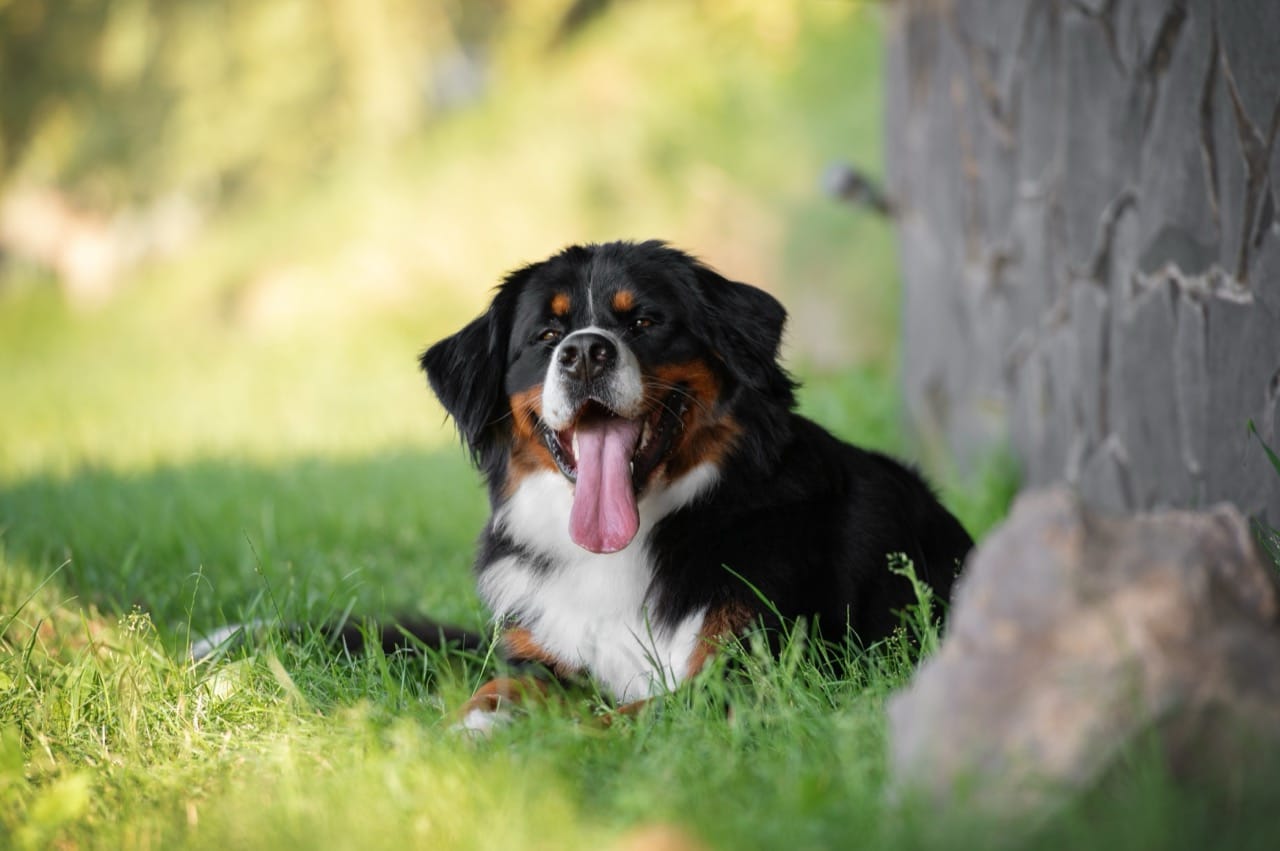
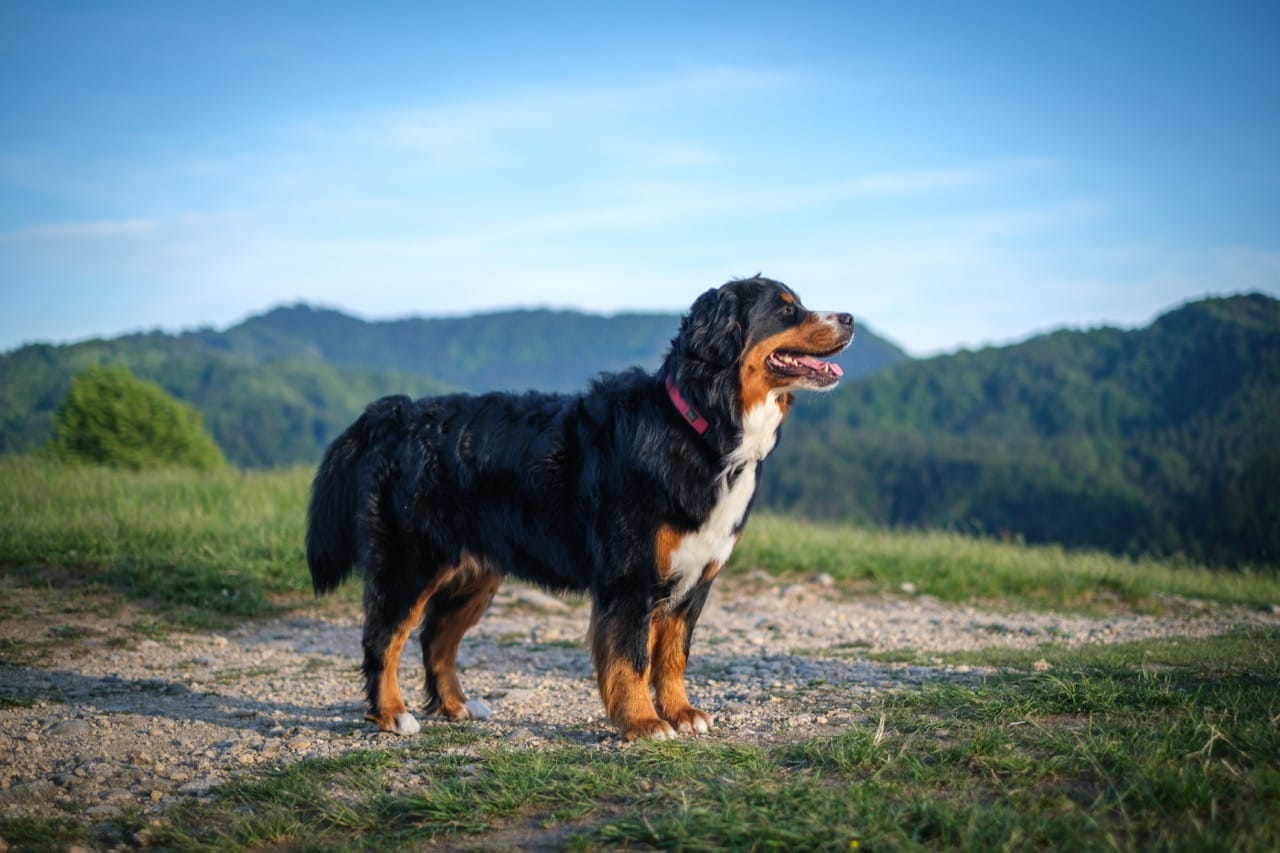
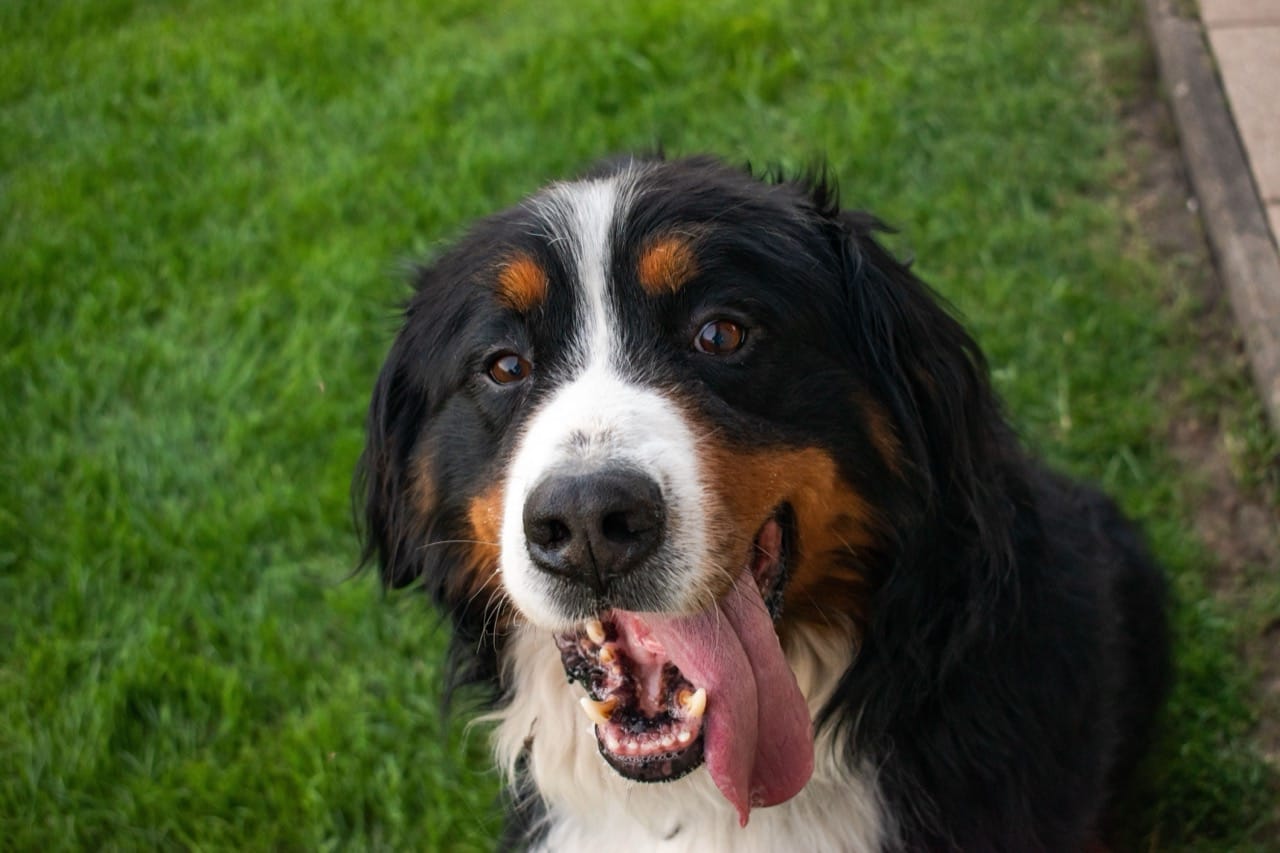
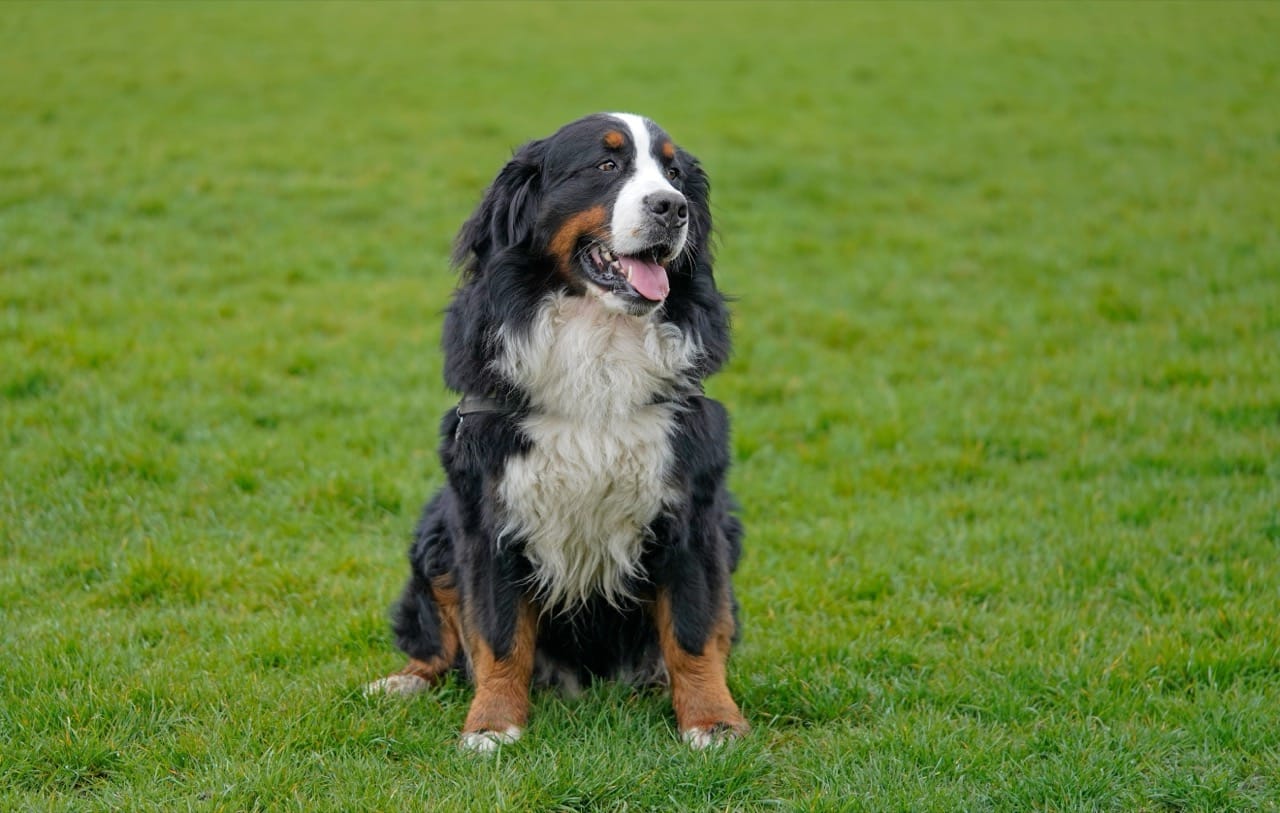
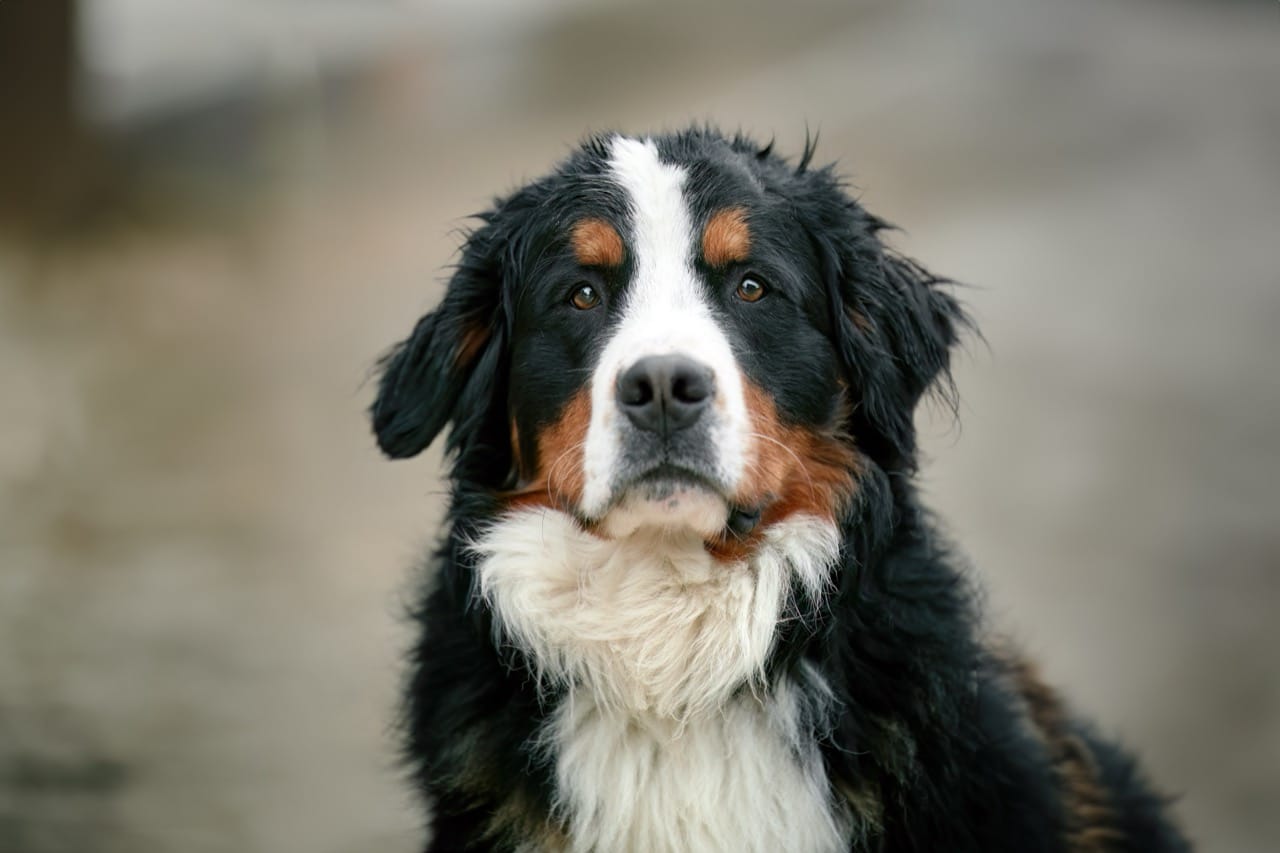
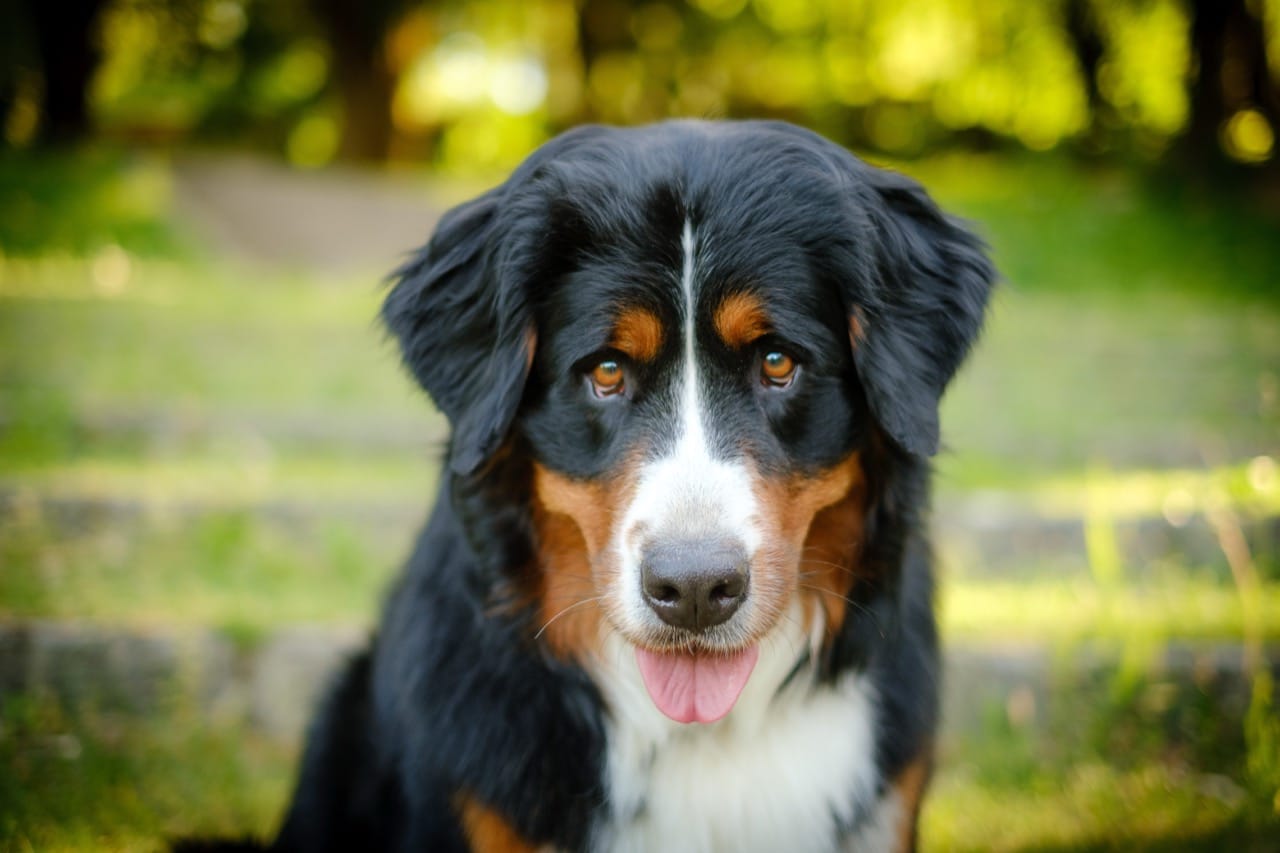
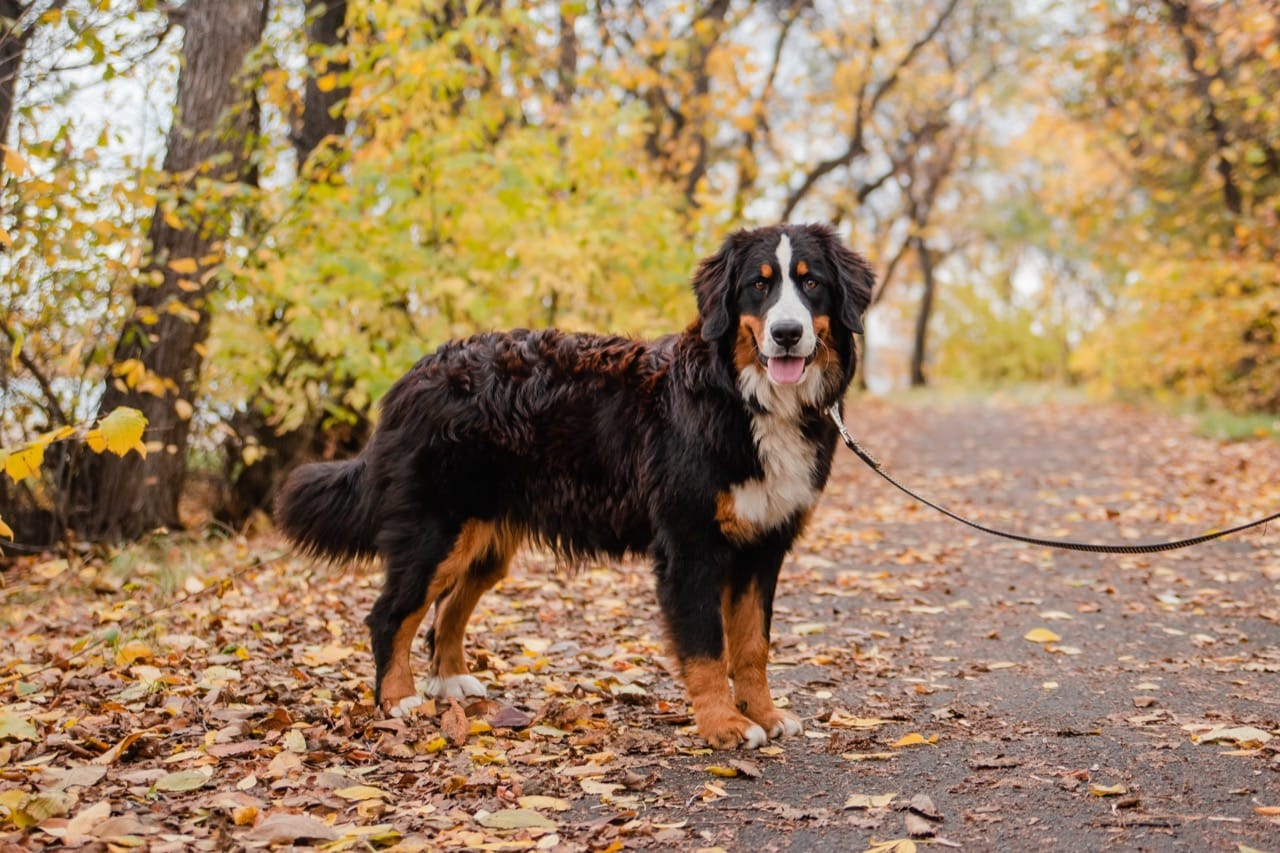
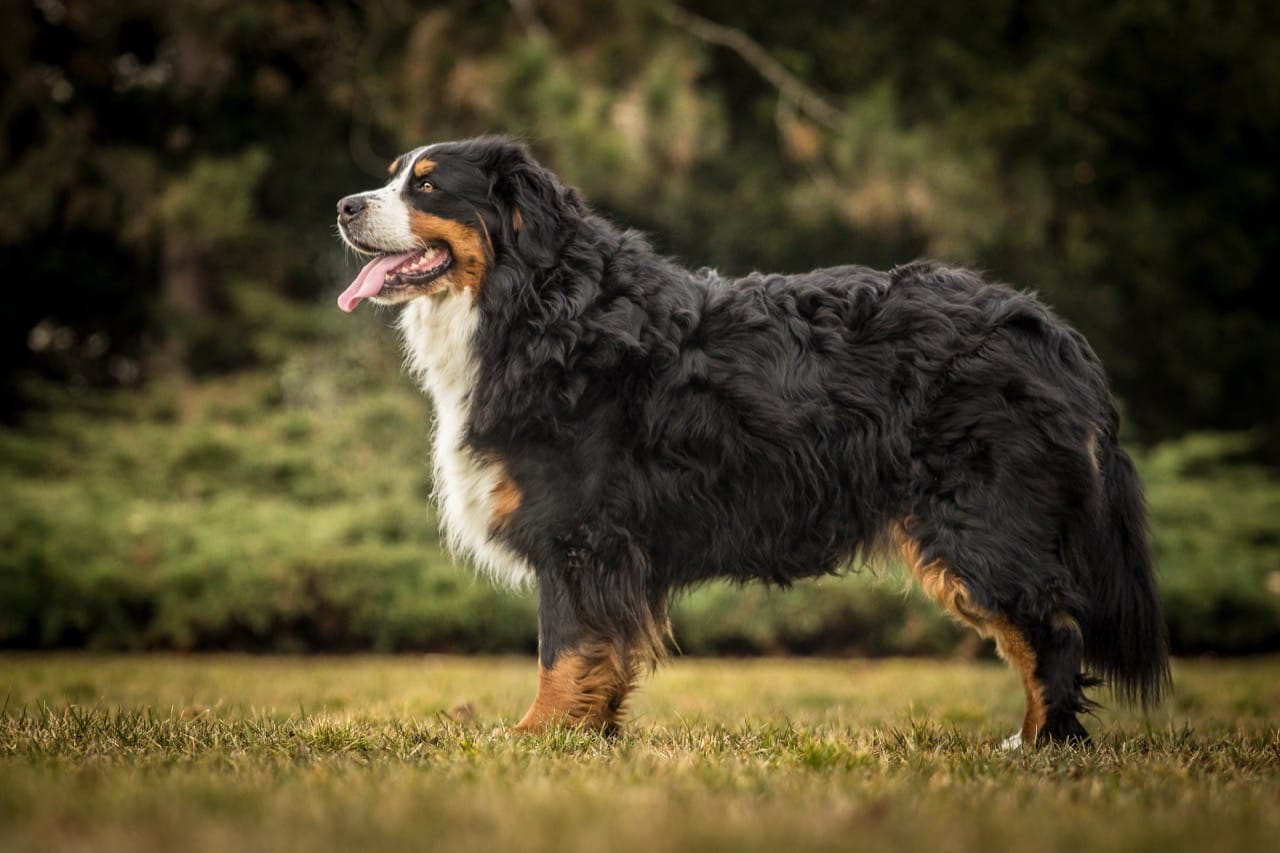
Start with overall build. A Berner is a large, sturdy dog with a balanced outline rather than a leggy or racy one. The body is slightly longer than tall, giving a solid, substantial impression without looking low to the ground. The chest is deep, the back is strong, and the neck flows into well-muscled shoulders. The head is broad and slightly rounded, with a calm, intelligent look. The eyes are typically dark brown and shaped to give a soft, friendly expression, while the ears are medium-sized, triangular, and set high, hanging close to the head when relaxed.
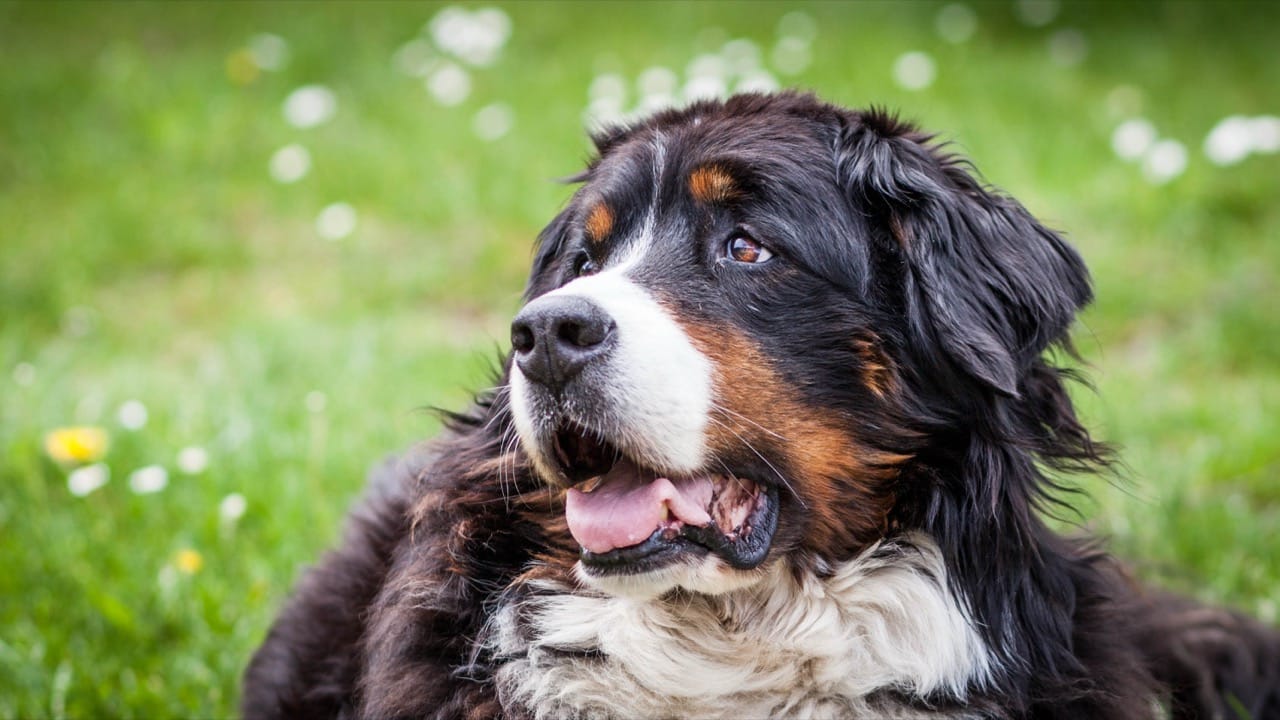
The coat is a major clue. Bernese Mountain Dogs have a thick double coat, moderately long under the AKC standard and long and silky under the UK one, designed to handle cold and wet conditions. The outer coat can be straight or slightly wavy, but it should not be tightly curled. Underneath is a dense undercoat that provides insulation. Because of this double coat, Berners shed year-round and often heavily during seasonal coat changes. A well-groomed Berner tends to look plush and glossy, with feathering on the legs, a fuller tail, and a mane-like ruff around the neck in some individuals.
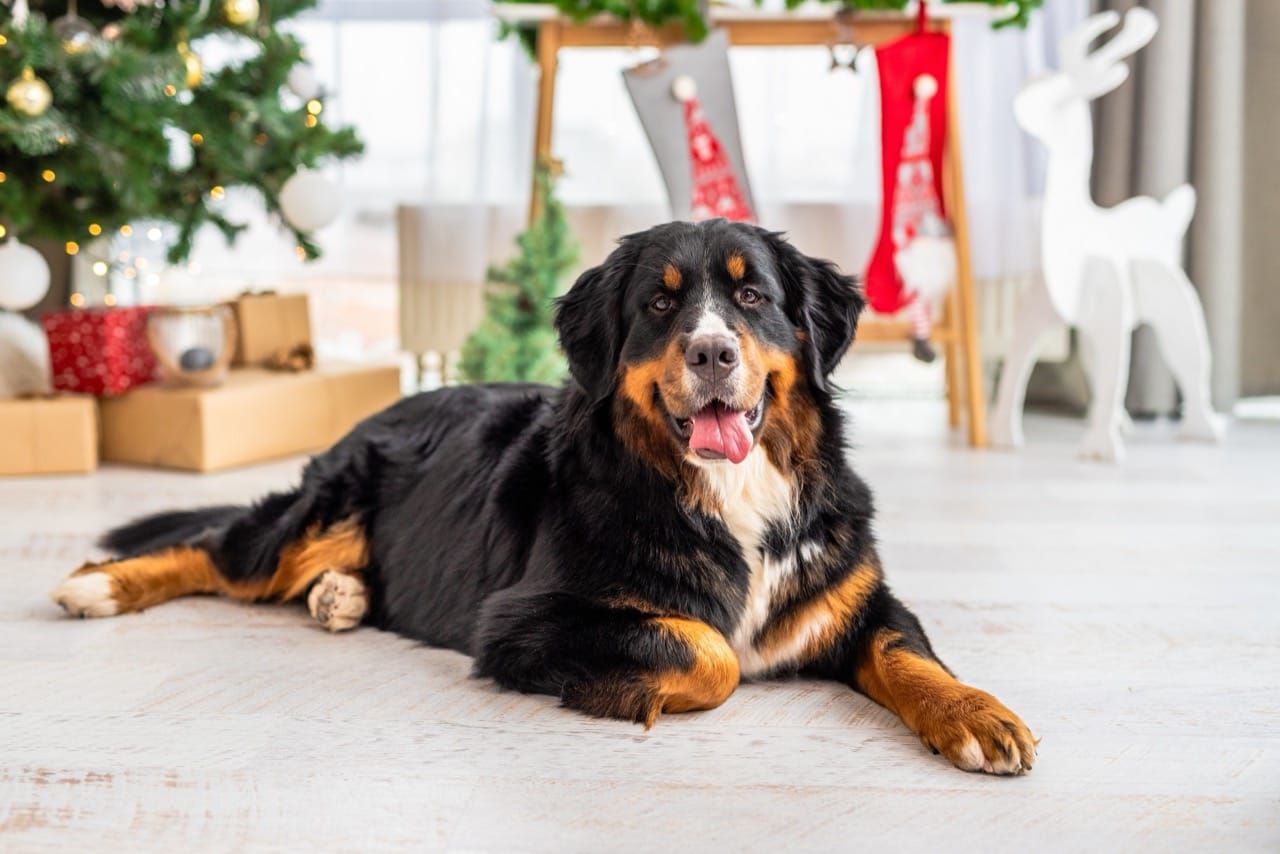
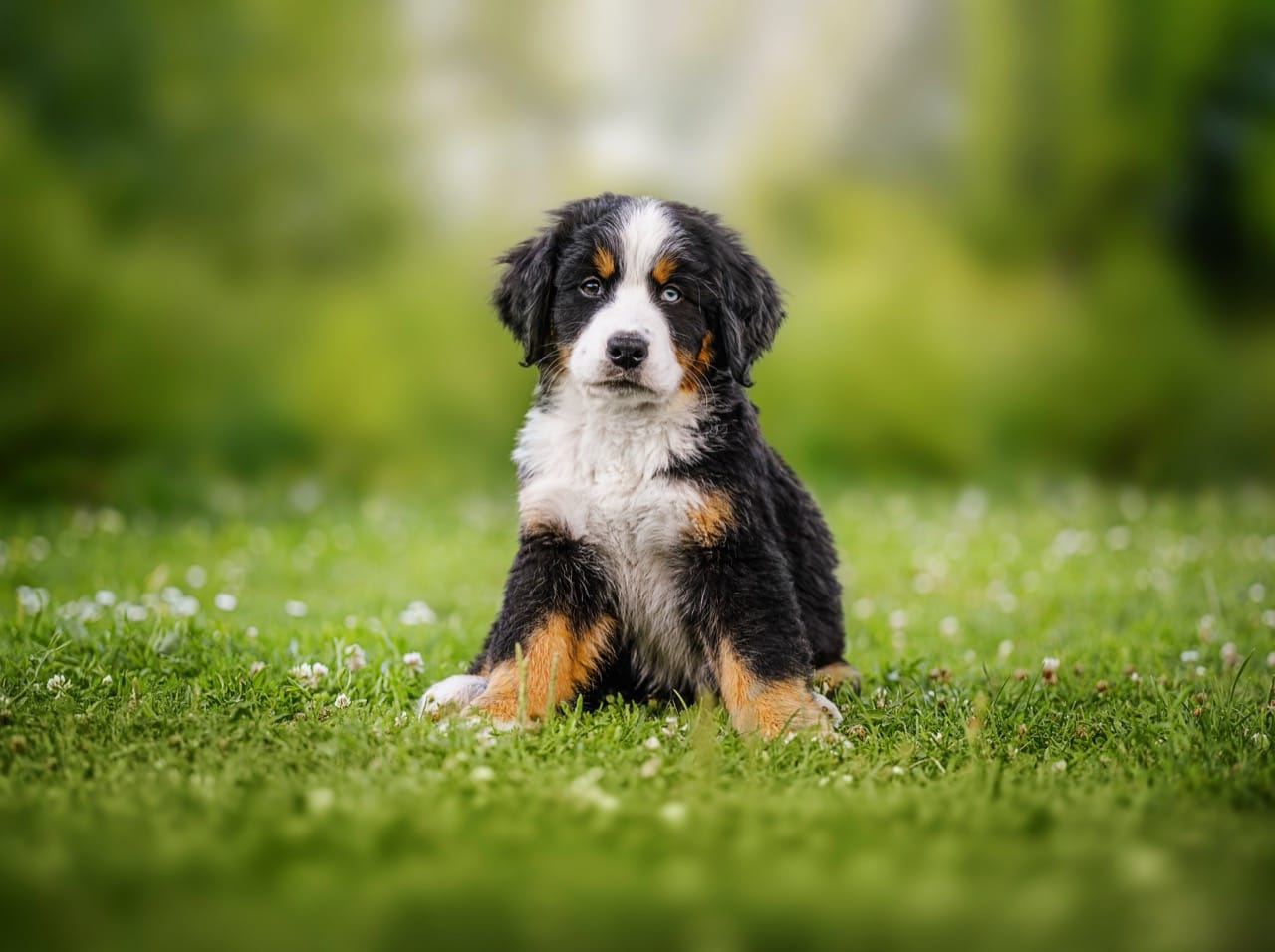
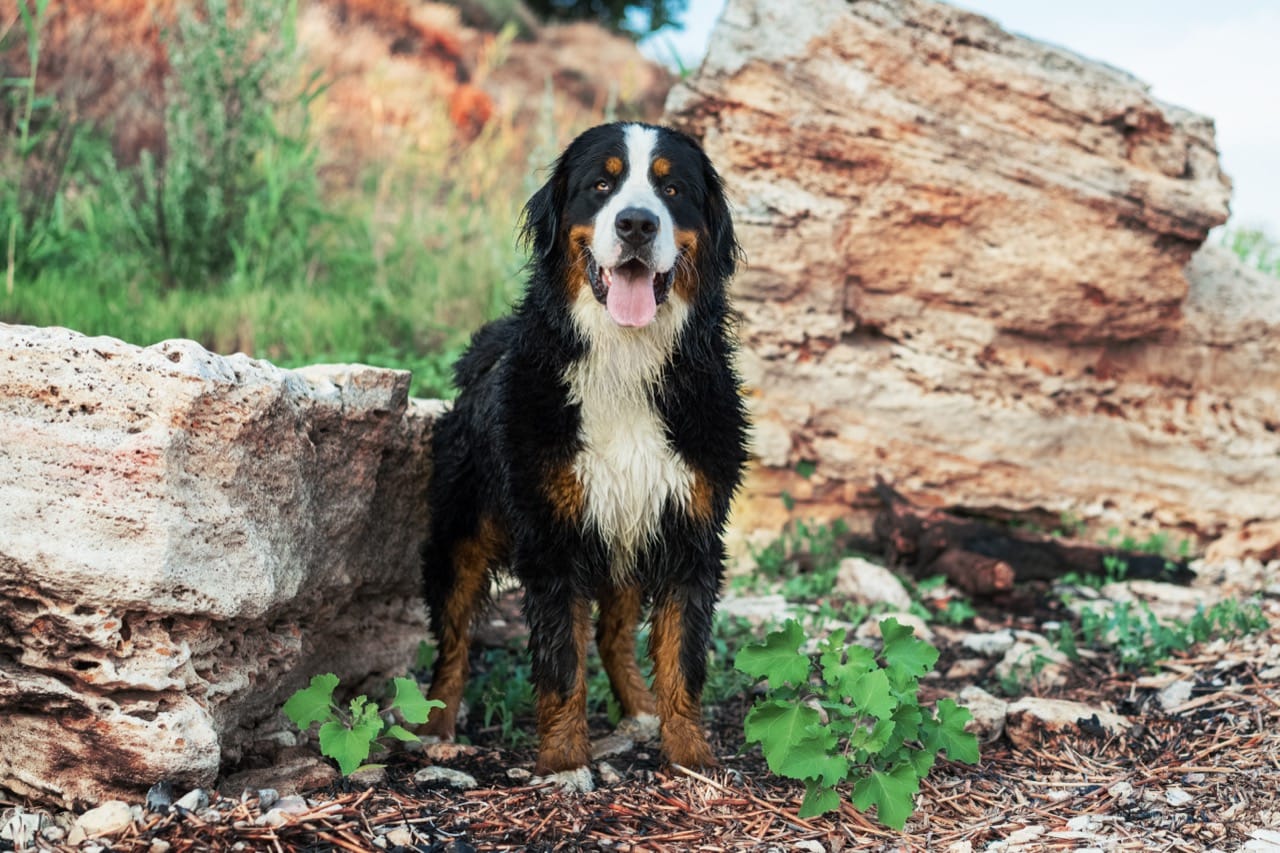
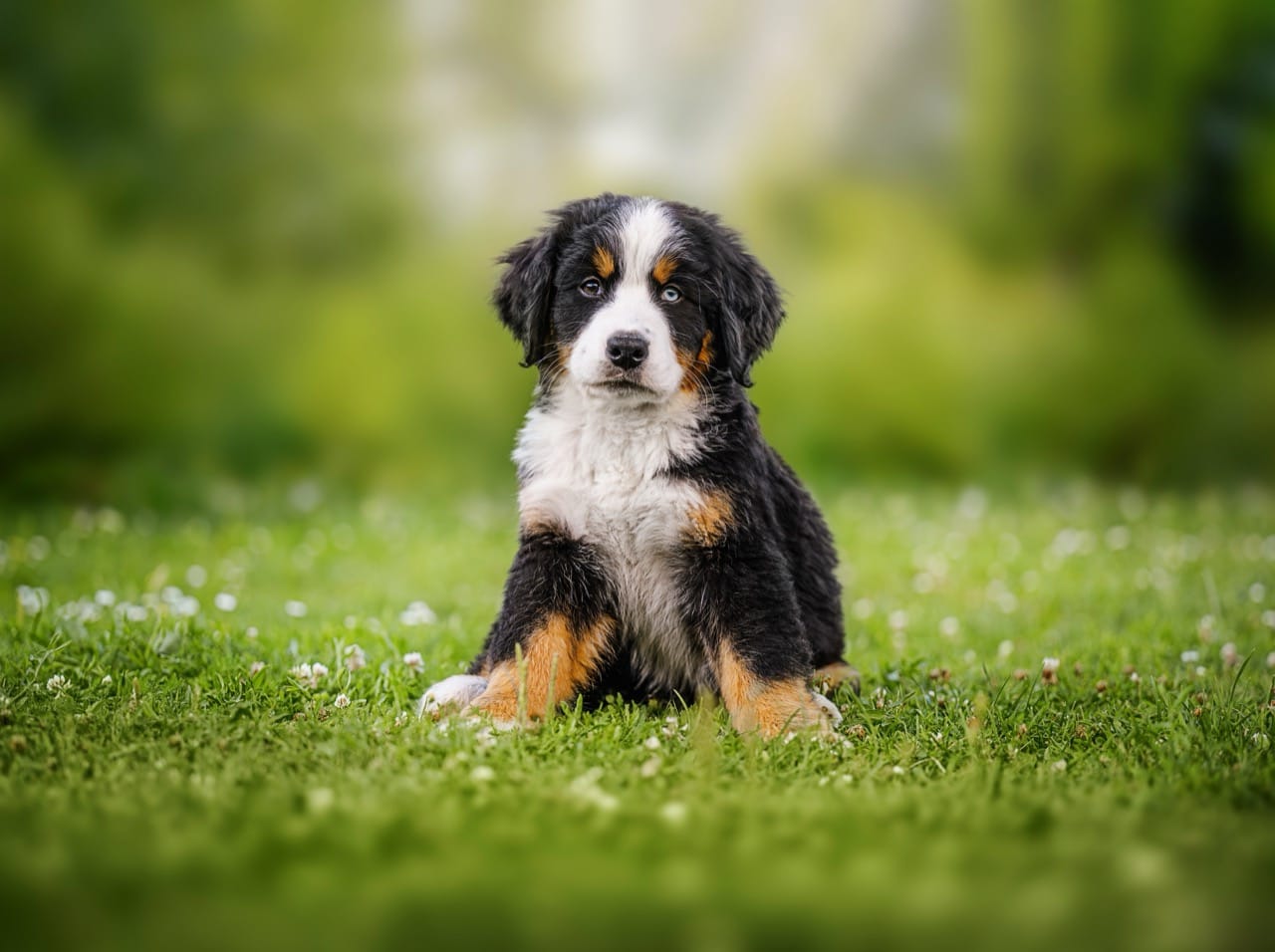
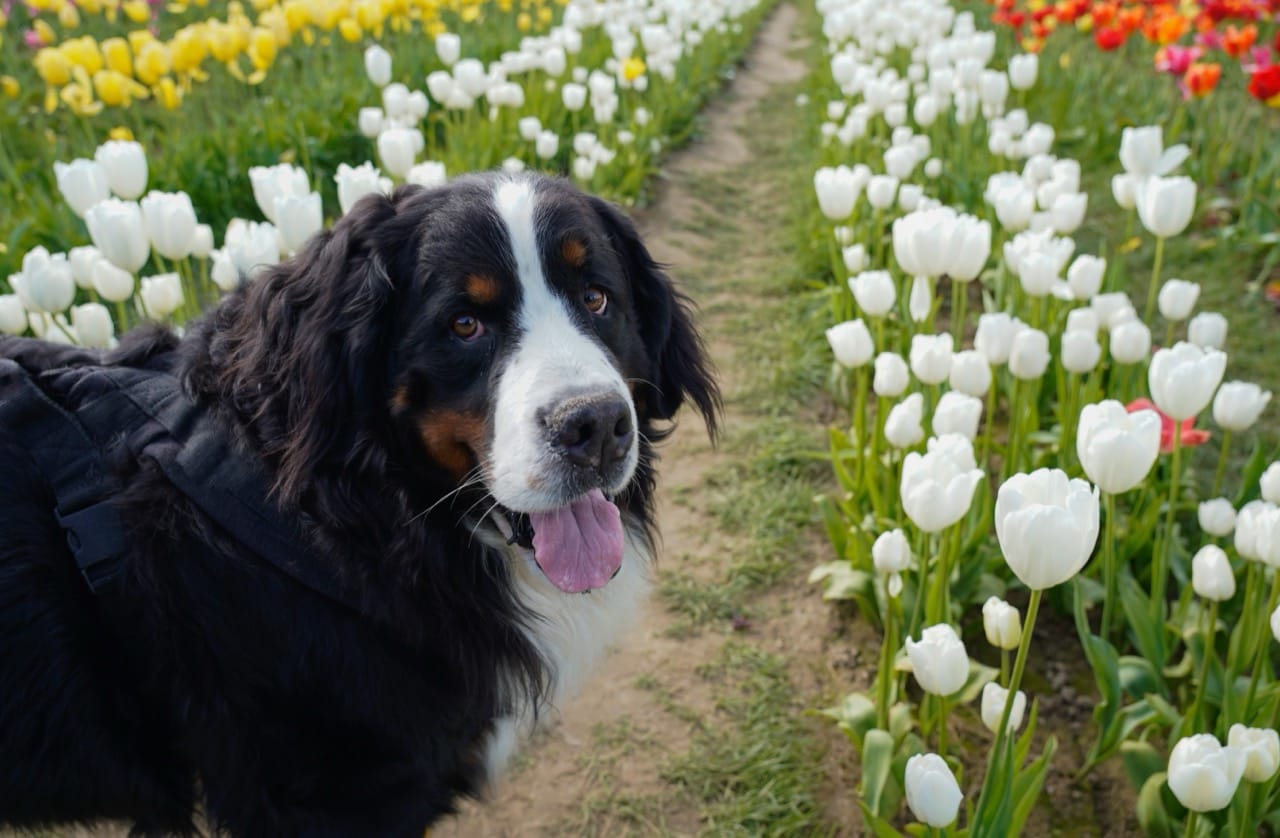
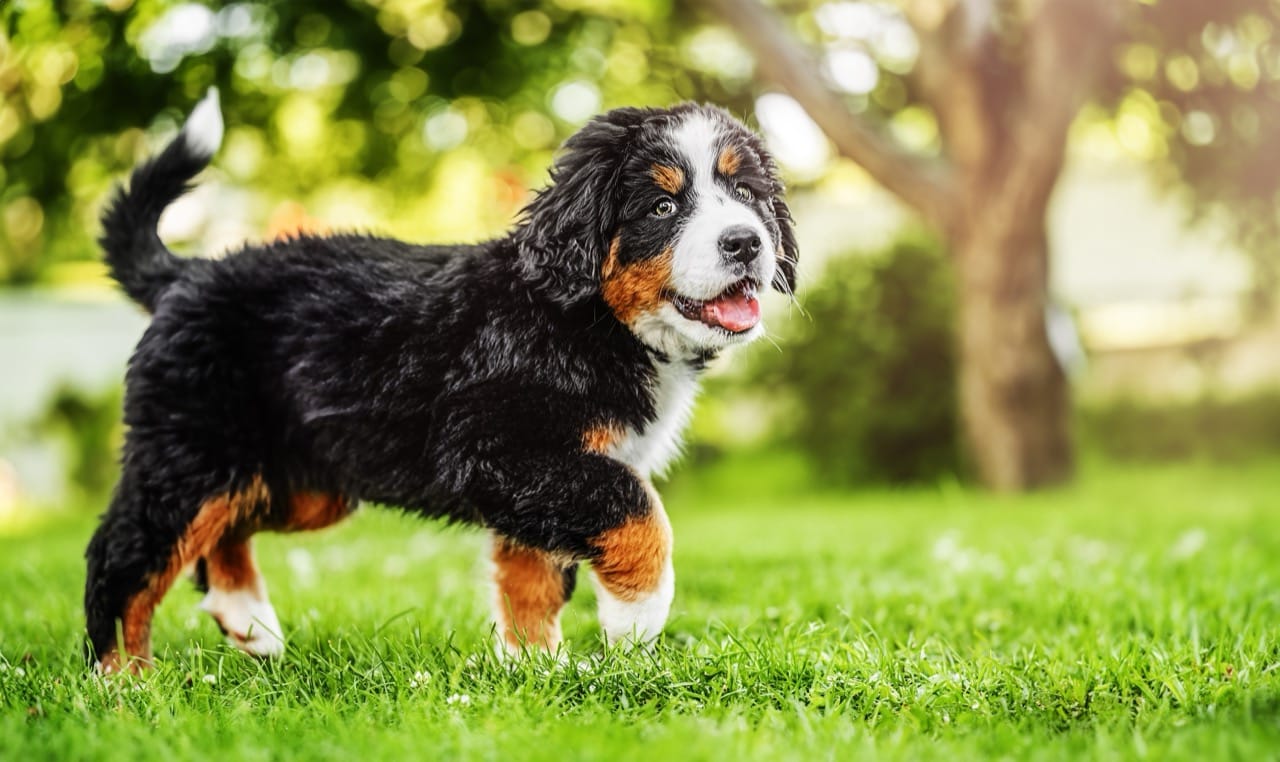
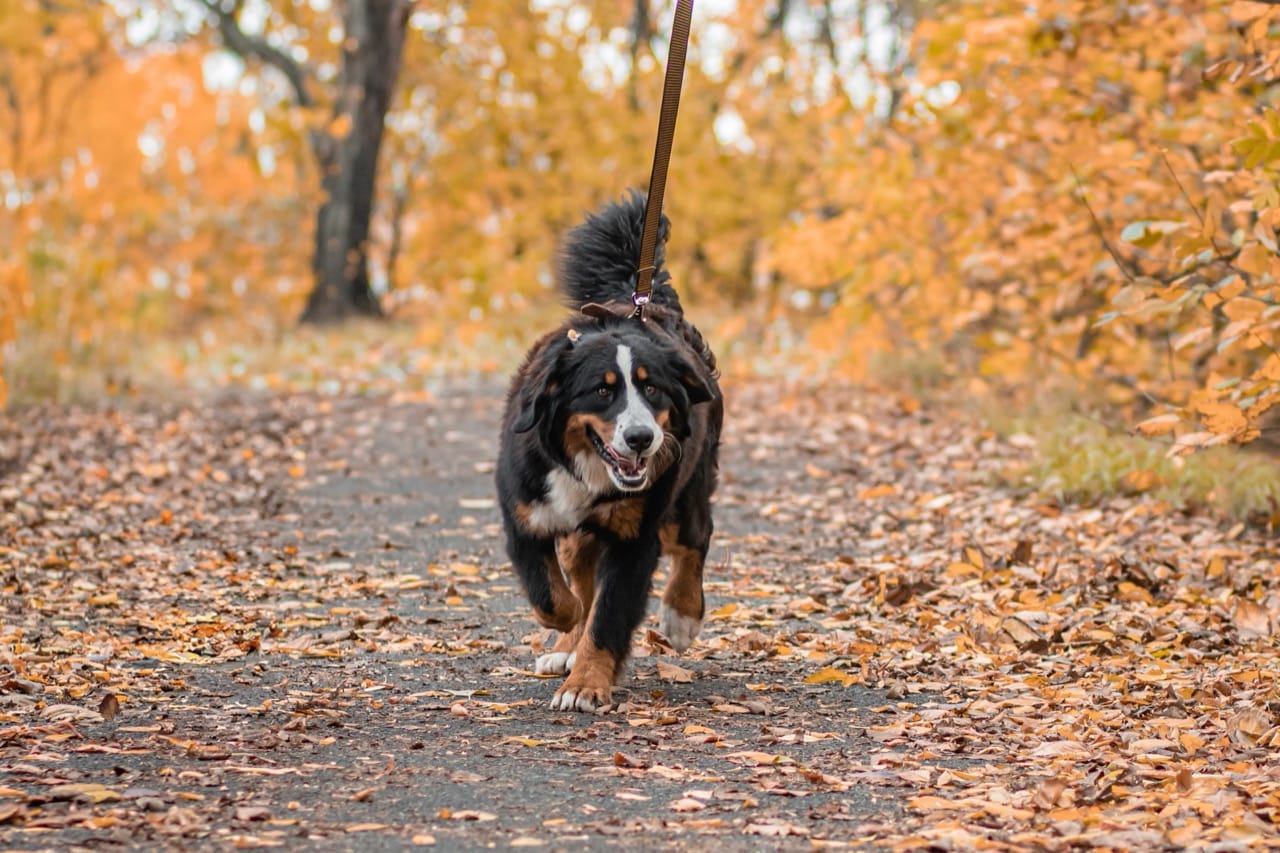
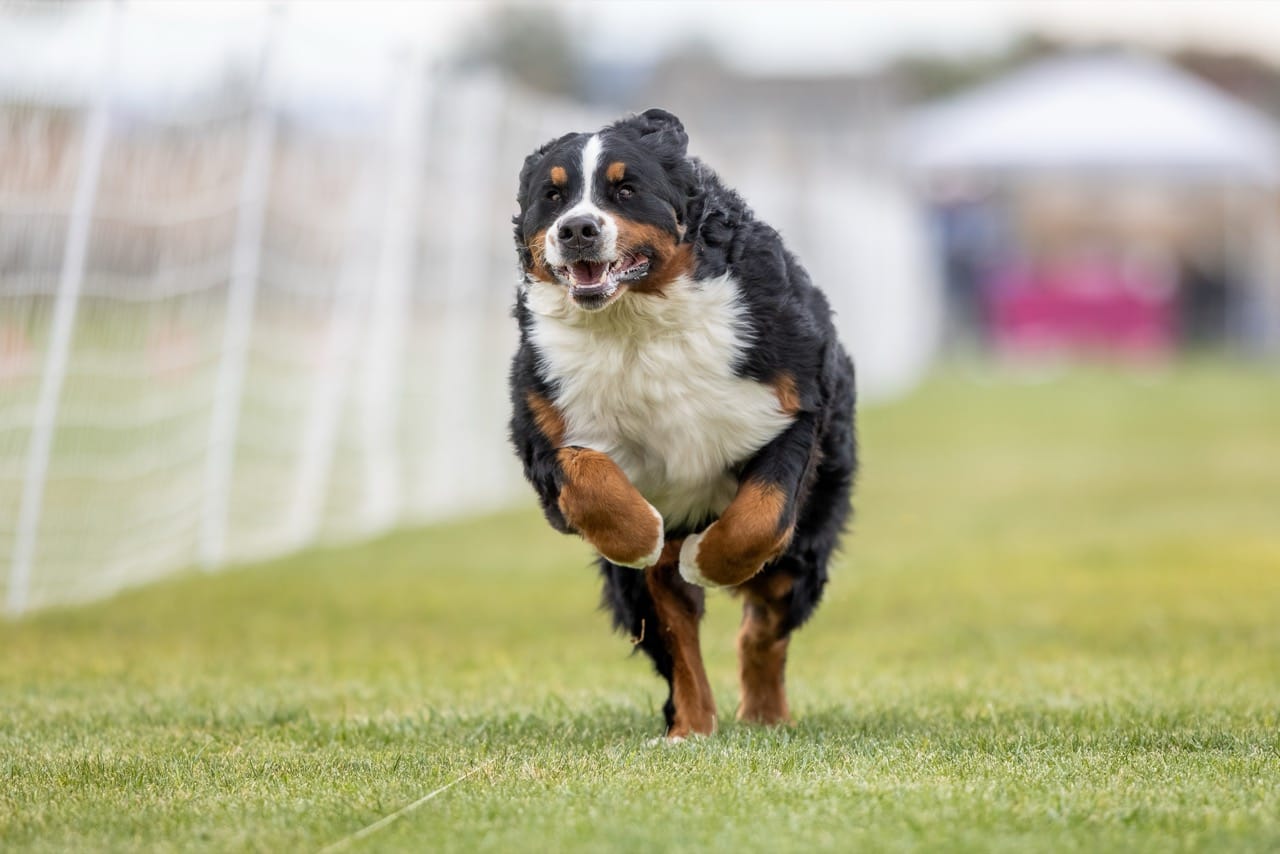
Color and markings are the Berner’s calling card. The breed is tri-colored: a jet black base with rich rust and clean white markings. The rust typically appears over the eyes as distinct “eyebrows,” on the cheeks, on the sides of the chest, on all four legs, and under the tail. White markings are especially memorable and are often the first thing people notice. Many Berners have a white blaze running up the muzzle and between the eyes, white on the chest that can form an inverted cross shape, and white on the feet. The AKC standard also calls for a white tail tip. While individual patterns vary, the overall effect is symmetrical and crisp, which helps the dog look striking even at a glance.
Small details can help confirm you are looking at a Berner rather than a similar Swiss mountain dog. The Greater Swiss Mountain Dog, for example, shares the tri-color pattern but has a short, dense coat instead of the Berner’s long, flowing one. If the dog looks smooth-coated and more sleekly outlined, it is more likely a Greater Swiss. The Appenzeller and Entlebucher Mountain Dogs are also tri-colored Swiss breeds, but they are smaller and more lightly built, and their coats are shorter. Size plus coat length is often the quickest combination of clues.
The tail is another helpful feature. A Berner’s tail is long and bushy, carried low when relaxed and rising when the dog is alert, but it is not typically curled tightly over the back. When the dog moves, the gait should look effortless and powerful, with good reach in front and drive behind, reflecting the breed’s history of pulling carts and working all day on mountain farms.
Put all of this together and the Bernese Mountain Dog becomes easy to picture: a big, balanced, strong dog with a thick, flowing double coat; a black, rust, and white tri-color pattern; and those distinctive white markings that frame a gentle, steady face. If you can visualize that combination, you will be well prepared for any look-and-build quiz that asks you to identify the classic Berner silhouette and the details that set it apart.