Border Collie Sheep Sense
Quiz Complete!
Why Border Collies Work the Way They Do
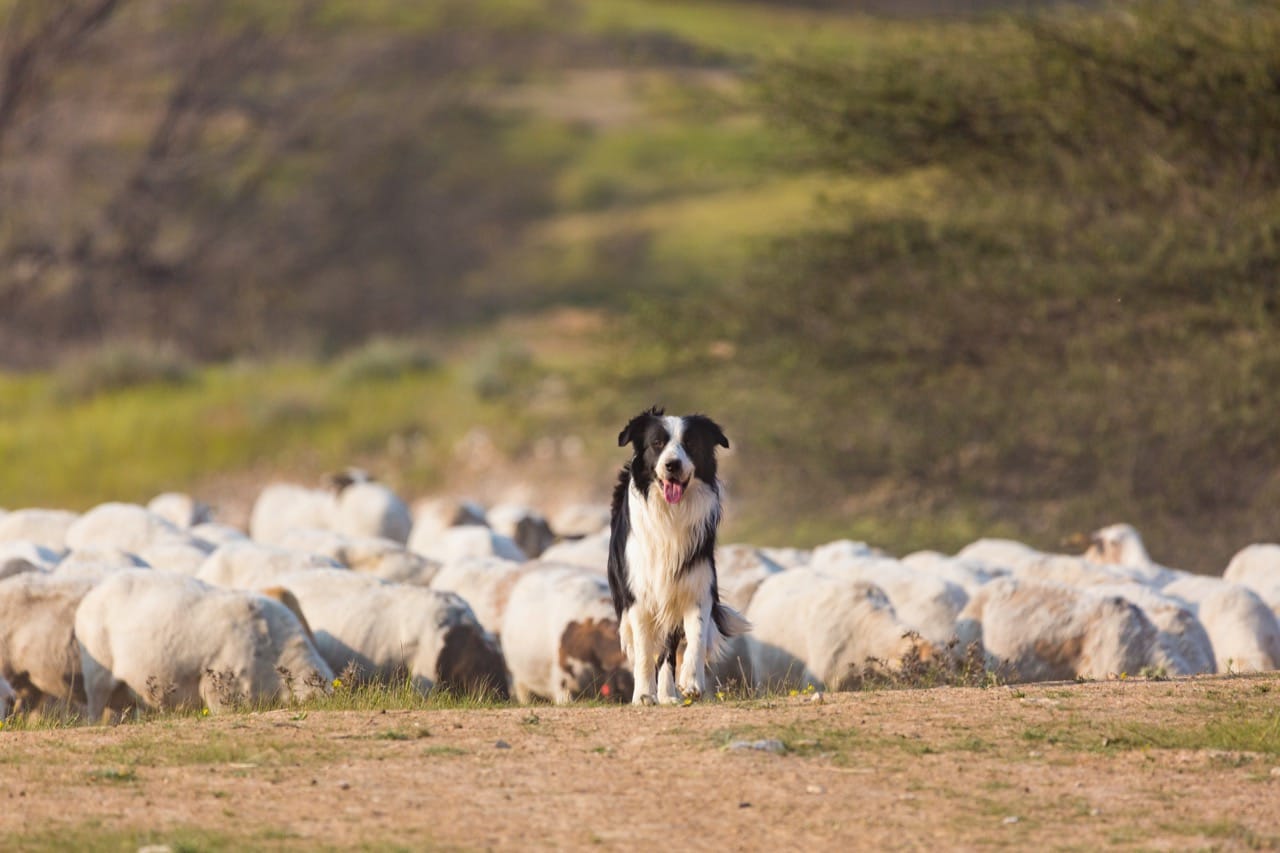
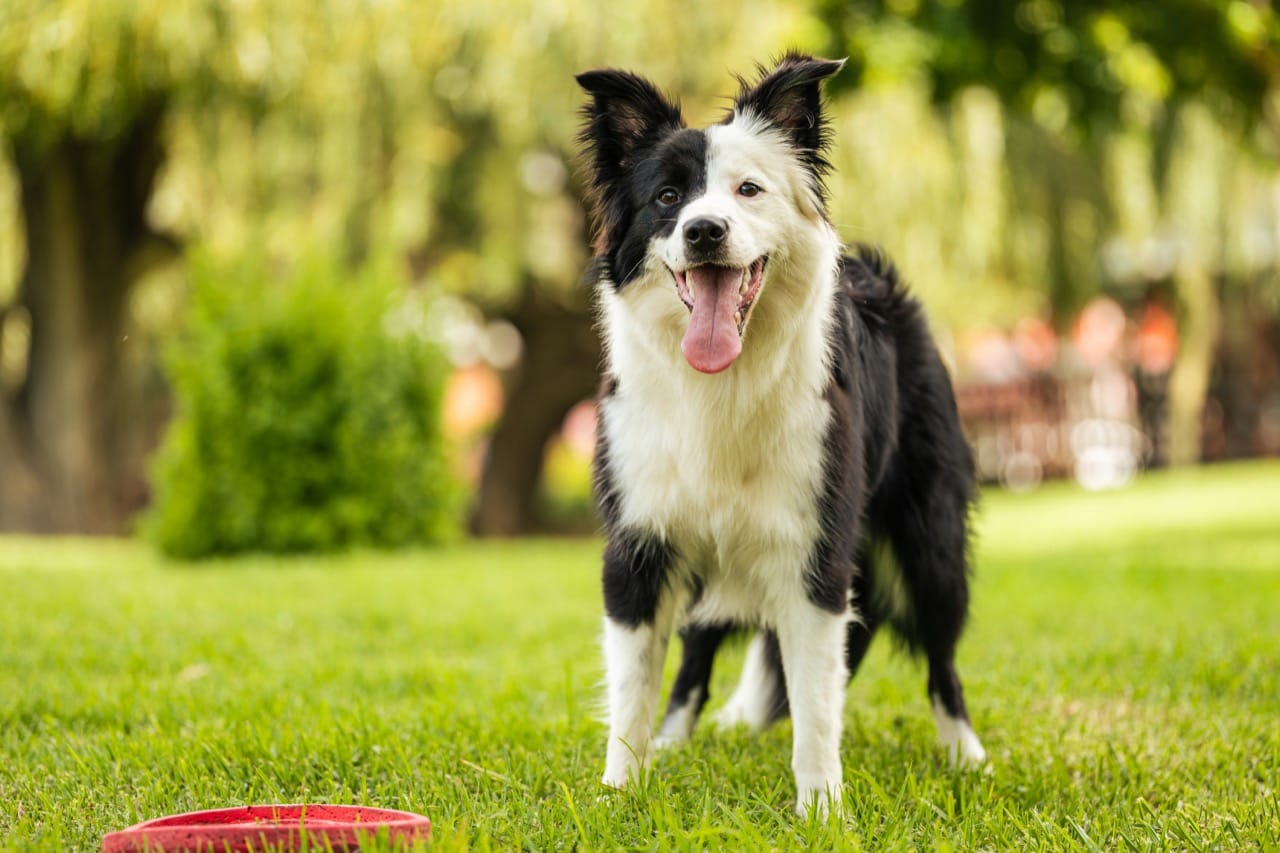
Border Collies were built by necessity, not fashion. In the rough border country between Scotland and England, shepherds needed a dog that could gather scattered sheep over long distances, hold them together, and move them with precision through open hillsides, narrow lanes, and farmyards. That job demanded a particular mix of brain, body, and temperament, and the modern Border Collie still carries those working instincts even when living as a pet.
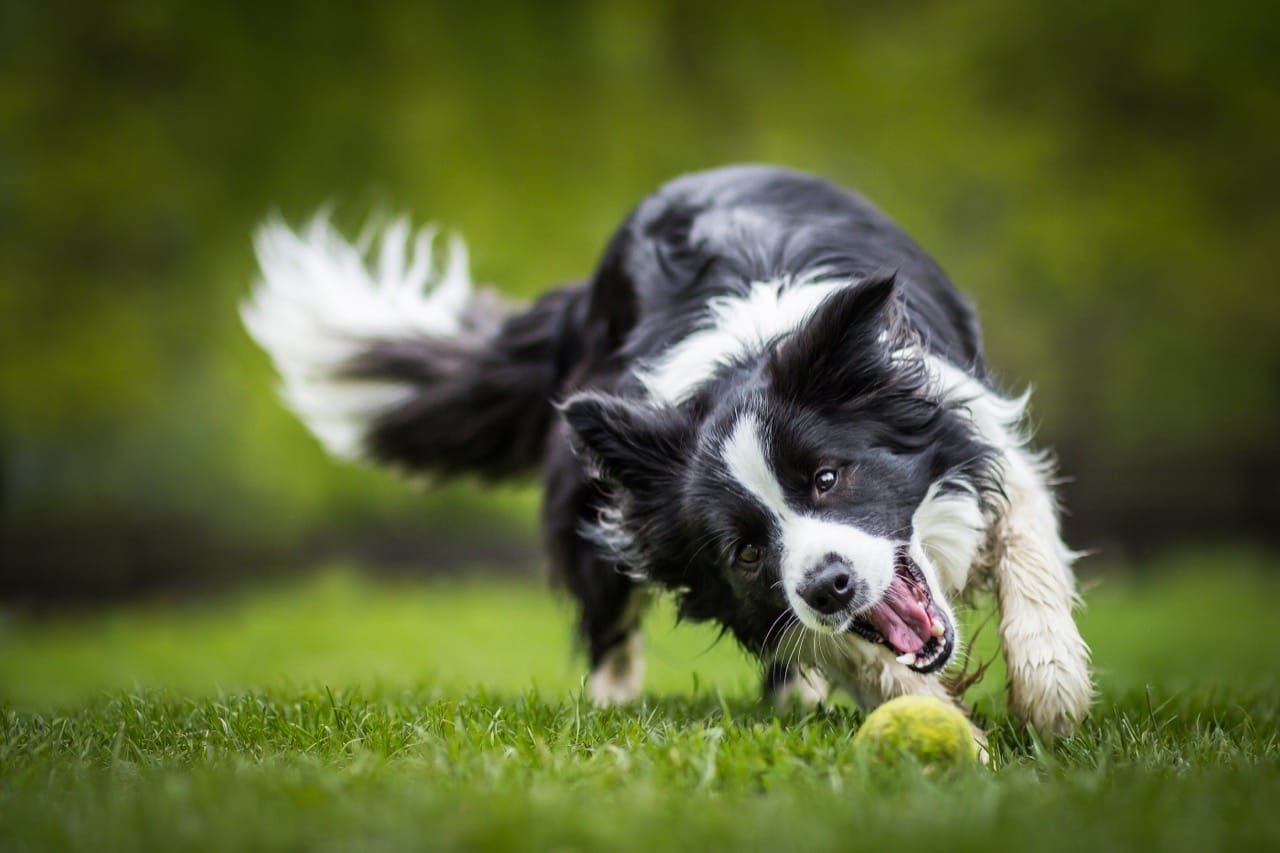
One of the most famous traits is the “eye,” the intense, focused stare that seems to pin livestock in place. Eye is not just drama; it is a tool. A dog that can influence sheep with posture and gaze can move them with less physical contact, which matters when you need calm, controlled motion instead of a panicked scramble. Border Collies often work in a crouched, catlike posture that lowers their profile and increases pressure without rushing. On the hill, that controlled pressure helps the dog keep sheep from breaking away while still allowing them to flow in the right direction.
Traditional herding terms make more sense when you picture the landscape. An outrun is the wide, sweeping path the dog takes to get around the sheep without disturbing them, ideally finishing behind the group at the right distance. The lift is the moment the dog starts the sheep moving, and a good lift is quiet and confident rather than explosive. The fetch is bringing sheep toward the handler, often over uneven ground where the dog must constantly adjust to keep the group together. Driving is moving sheep away from the handler, which is harder because the dog must hold a line and push from behind or the side without the natural draw of sheep wanting to come back to the person.
Border Collies are prized for balance, the instinct to place themselves where their presence best controls the flock. If a sheep drifts left, the dog shifts to cover that escape route, often before the handler says anything. That can look like mind reading, but it is really a fast feedback loop: the dog watches heads, shoulders, and the ripple of motion through the group, then predicts where the break will happen. This is why experienced handlers value a dog with “feel” or “stock sense,” meaning it reads the livestock and adjusts pressure and distance appropriately.
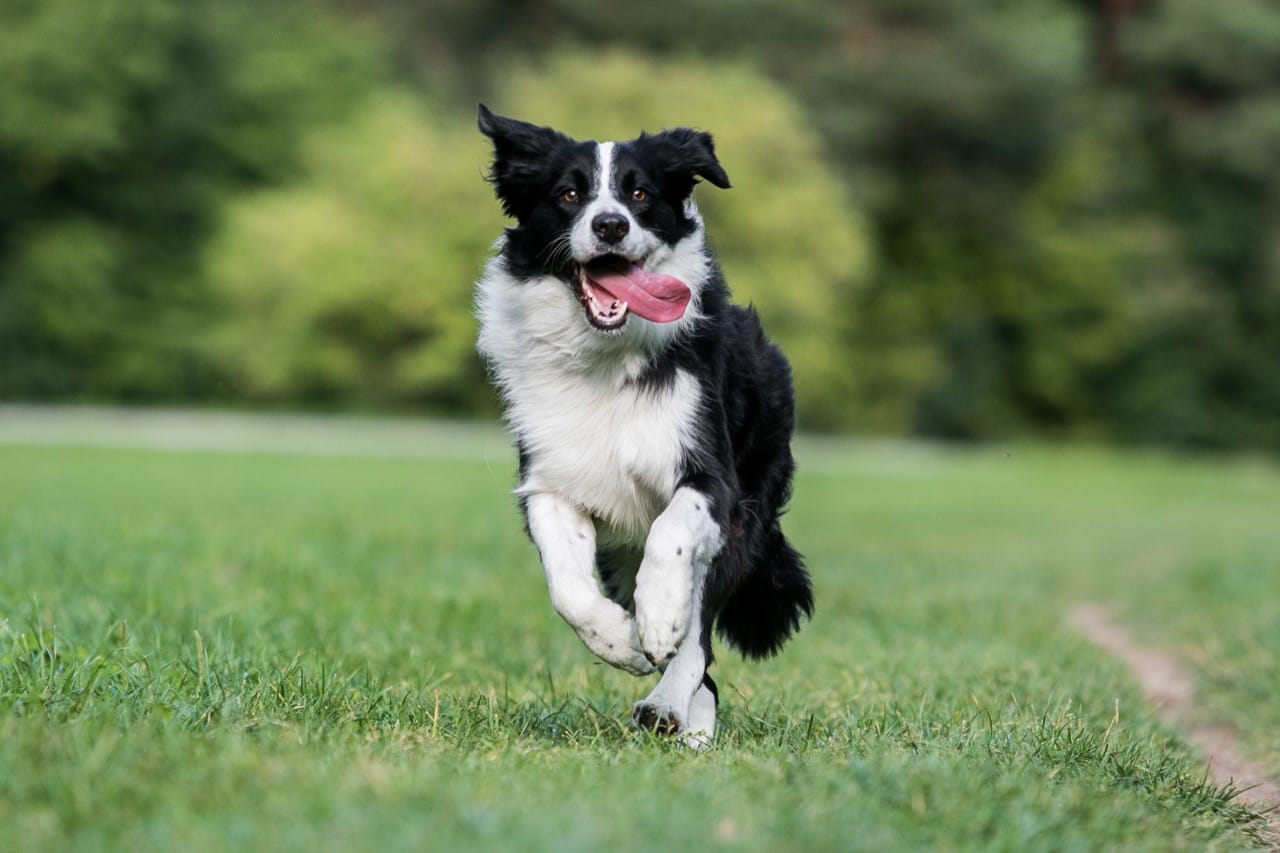
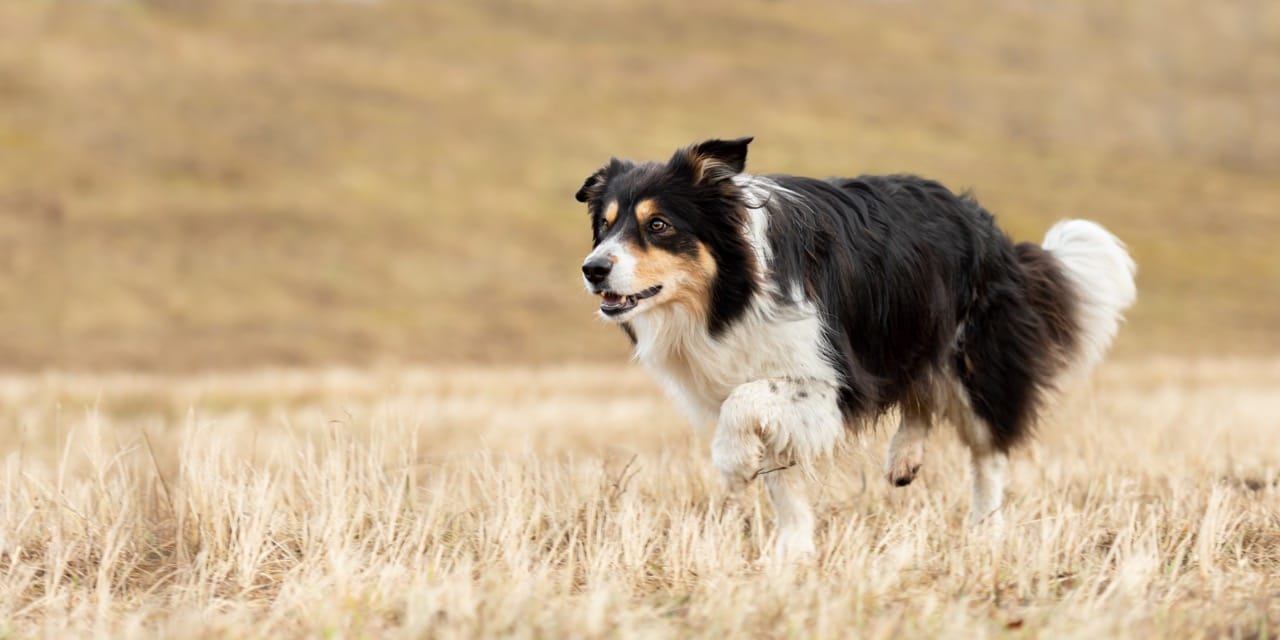
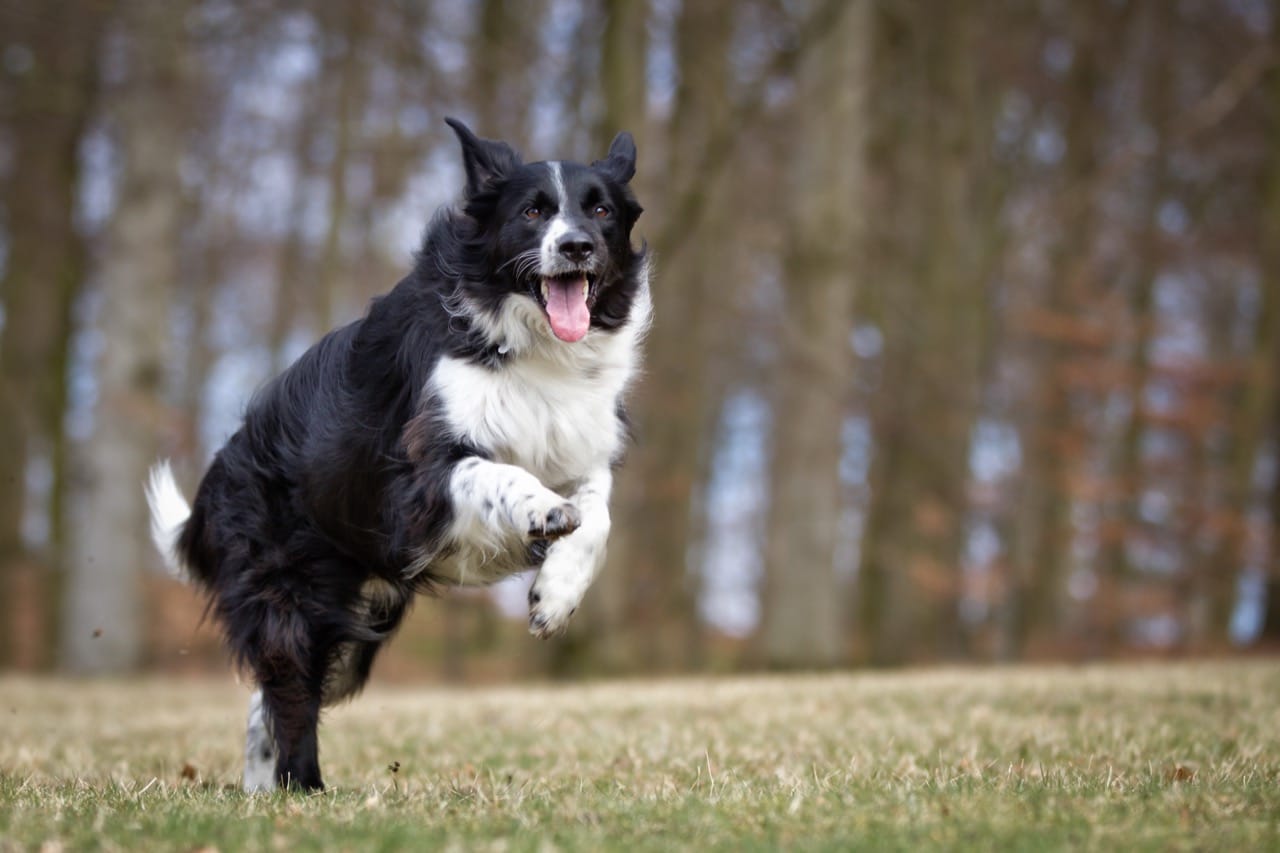
Their movement is equally purposeful. A working Border Collie needs efficient, ground-covering stride and the ability to turn sharply without losing footing. Stamina is not just about running; it is about staying mentally engaged for hours in wind, rain, and rough terrain. The breed’s problem-solving style comes from real work: finding the far sheep you cannot see, holding a gate while the handler sorts, or covering a blind spot where sheep might bolt. Many Border Collies naturally look for jobs, and if none exist, they may invent them by controlling motion in the household, such as circling children, stalking other pets, or becoming fixated on bikes and cars.
Good stock work also requires biddability, the willingness to take direction at a distance. Traditional commands like “come by” and “away to me” tell the dog to flank clockwise or counterclockwise. A stop or “lie down” is not just obedience; it is a safety feature that prevents over-pressuring sheep and allows the handler to reset the line. The best dogs combine initiative with responsiveness: they can make a smart choice when needed, yet still accept correction instantly.
Understanding these instincts helps explain why Border Collies thrive with training, structure, and meaningful activity. Their famous intensity is a working tool, and when it is channeled into herding, dog sports, or thoughtful enrichment, you see the same qualities that made them indispensable on the hills: focus, endurance, and a remarkable ability to shape movement with little more than a look and a well-timed step.