Dog Senses, Genes and Wolf Roots







Quiz Complete!
Dog Senses, Genes, and Wolf Roots: The Science Inside a Familiar Face

A dog experiences the world through a sensory toolkit that is both familiar and strangely alien to humans. Smell is the headline act. Inside a dog’s nose, air flows through bony, scroll-like structures called turbinates that create a large surface for odor molecules to stick to. The olfactory epithelium lining this region holds millions of scent-detecting neurons, and while exact counts vary by breed and individual, the overall design prioritizes sampling and sorting smells with remarkable sensitivity. Dogs also use a clever trick: when they sniff, the airflow patterns help separate breathing from scent analysis, and exhaled air can exit through side slits in the nostrils, stirring up more odor molecules from the ground.
Smell is not just about detection; it is about interpretation. Information from the nose travels along the olfactory nerve to the olfactory bulb, a brain structure that is proportionally larger in dogs than in humans. From there it connects to regions involved in memory and emotion, which helps explain why odors can guide a dog’s behavior so strongly. Dogs also have access to chemical messages that are not exactly “smells” in the everyday sense. The vomeronasal organ, located near the nasal cavity and connected to the mouth via ducts, is specialized for sensing pheromone-like compounds. This system can influence social and reproductive behaviors, and it is part of why dogs can glean detailed information from scent marks left by other animals.
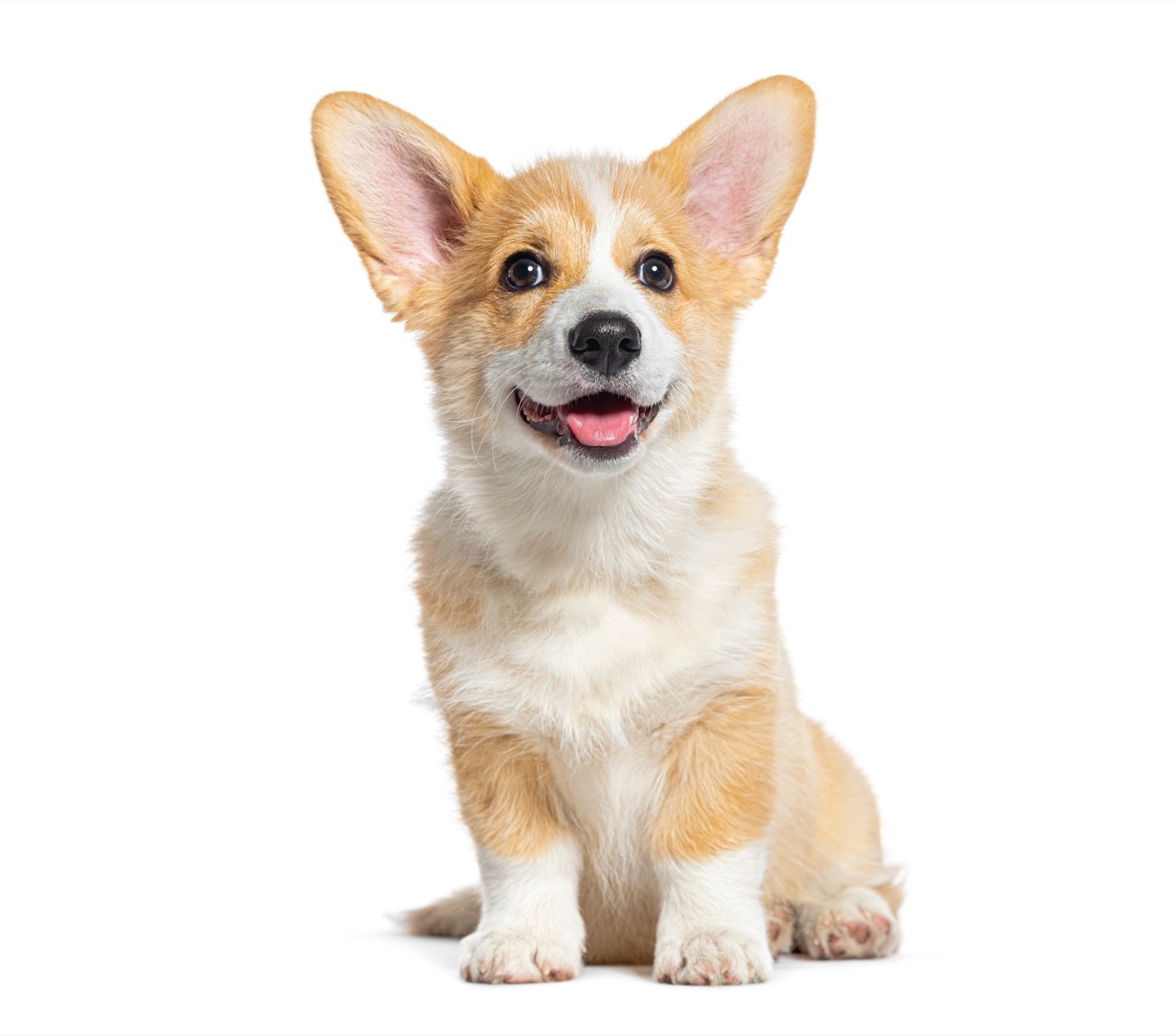
Hearing is another canine advantage, especially for quick, faint sounds. Dogs can generally detect higher-pitched frequencies than humans, and their mobile outer ears help them aim at a sound source like small radar dishes. Ear shape affects performance, so a dog’s breed traits can change how sound is funneled and how easily ear canals stay clean and ventilated. In the brain, rapid processing of auditory cues supports the quick reactions that make many dogs so responsive to whistles, rustling, or distant footsteps.
Vision in dogs is often misunderstood. Dogs are not simply seeing in black and white, but their color vision is limited compared with ours, with strongest sensitivity in blue and yellow ranges. Their eyes are built to favor motion detection and low-light performance. A key feature is the tapetum lucidum, a reflective layer behind the retina that bounces light back through photoreceptors, improving night sensitivity and producing the familiar eye shine in headlights. The tradeoff is that this reflection can reduce sharpness, and many dogs rely more on movement and contrast than fine detail.
All of these senses sit inside a brain shaped by social life and domestication. Dogs descended from gray wolves, and genetic studies show that domestication involved complex histories rather than a single simple event. Over many generations living alongside humans, selection favored individuals that were less fearful, more tolerant, and better able to read human cues. This shift did not just change behavior; it also influenced development. The domestication process is associated with a suite of traits sometimes called the domestication syndrome, which can include changes in coat patterns, ear shape, and facial structure, though researchers still debate how general this pattern is.
Genes help explain why dogs vary so widely in size, shape, and behavior. Many modern breeds were created relatively recently through intense selective breeding, which can amplify particular traits while also concentrating certain genetic risks. Yet underneath the diversity, dogs still carry the evolutionary legacy of wolves: a flexible social intelligence, a body built for endurance and sensory tracking, and a mind tuned to cooperation. Knowing the biology behind the wagging tail makes the everyday dog feel a bit more like what it truly is: a living blend of wild ancestry and human-guided evolution.