Inside the Canine Science Lab






Quiz Complete!
Inside the Canine Science Lab: What Makes Dogs So Special
Dogs can feel like mind readers, but much of their magic is built from biology you can actually measure. Start with the nose, which is less like a simple sensor and more like a chemical analysis lab. When a dog sniffs, air flows through a complex maze of bony scrolls called turbinates inside the nasal cavity. These structures increase surface area and help deliver odor molecules to olfactory receptor cells. Dogs also sniff in a way that keeps sampling efficient: rapid, repeated sniffs create airflow patterns that pull in new scent while pushing exhaled air out the sides of the nose, reducing interference. Once odor molecules bind to receptors, signals travel to the olfactory bulb, a brain structure that is proportionally large in dogs compared with humans. From there, information reaches brain regions involved in memory and emotion, which helps explain why a smell can instantly trigger a strong behavioral response.
Scent is not just about strength but about detail. Dogs can separate overlapping odors, track how a scent changes across space, and follow trails that are hours or days old depending on conditions like humidity, wind, and surface type. Their noses are also linked to a second chemical sensing system, the vomeronasal organ, which is specialized for certain social and reproductive cues. That does not mean dogs experience the world as a single superpower; it means their primary data stream is chemical, and their brains are built to interpret it.
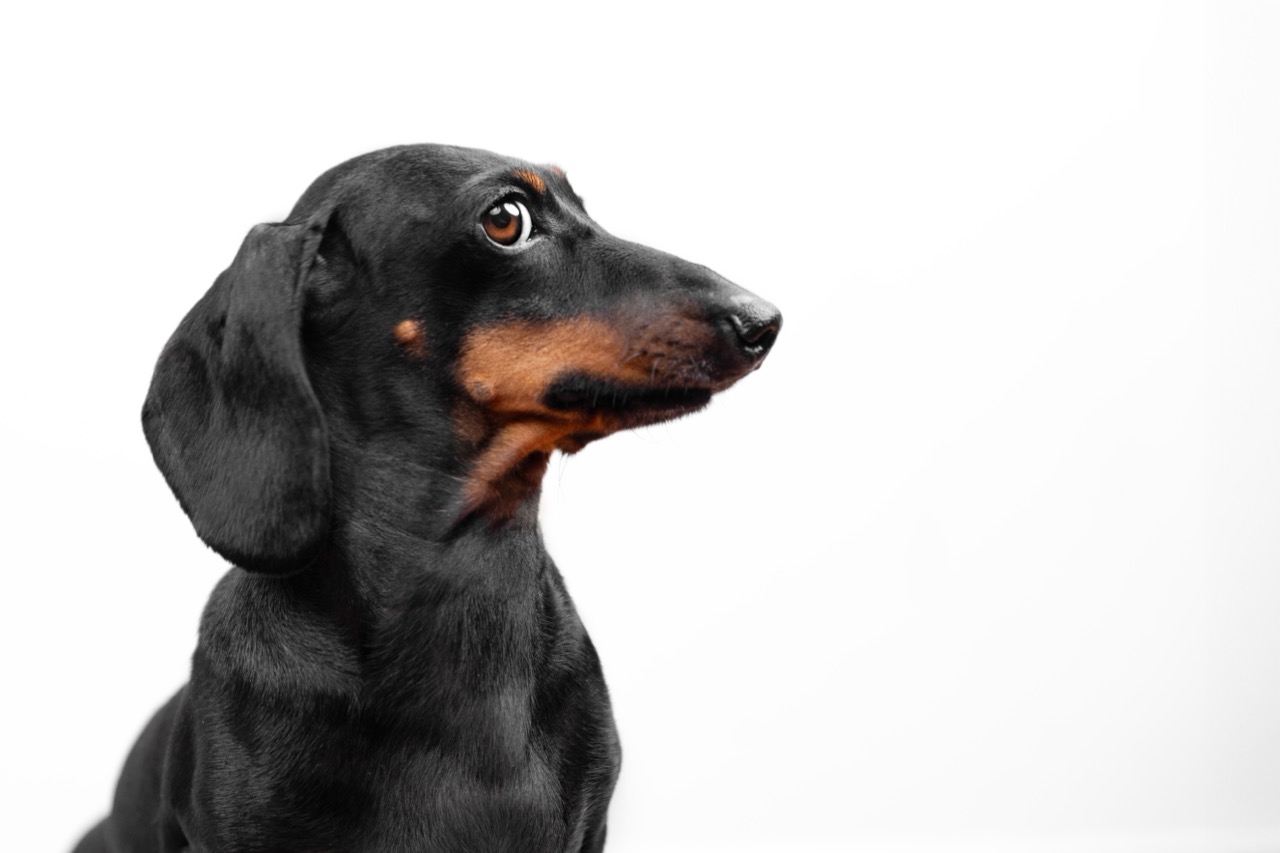
Hearing is another area where canine hardware differs from ours. A dog’s outer ear, or pinna, can swivel to help locate sounds, acting like a directional antenna. Sound waves travel down the ear canal to vibrate the eardrum, and then the middle ear bones transmit those vibrations to the inner ear. Inside the cochlea, tiny hair cells convert mechanical vibrations into nerve signals. Dogs generally detect higher frequencies than humans, which is why a high pitched squeak can grab their attention when you hear almost nothing. Their ability to pinpoint sound sources is also helped by subtle differences in timing and loudness between the two ears.
Vision often surprises people because it is not simply better or worse, but tuned for different tasks. The retina contains rods and cones. Rods are very sensitive to light and are important for low light vision and motion detection, while cones support color discrimination and fine detail. Dogs have more rods relative to cones than humans, which supports seeing in dim conditions and noticing movement quickly. Many dogs also have a reflective layer behind the retina called the tapetum lucidum, which bounces light back through the photoreceptors and contributes to the familiar eyeshine at night. Color vision in dogs is not black and white, but it is more limited than ours, with sensitivity shifted toward blues and yellows.
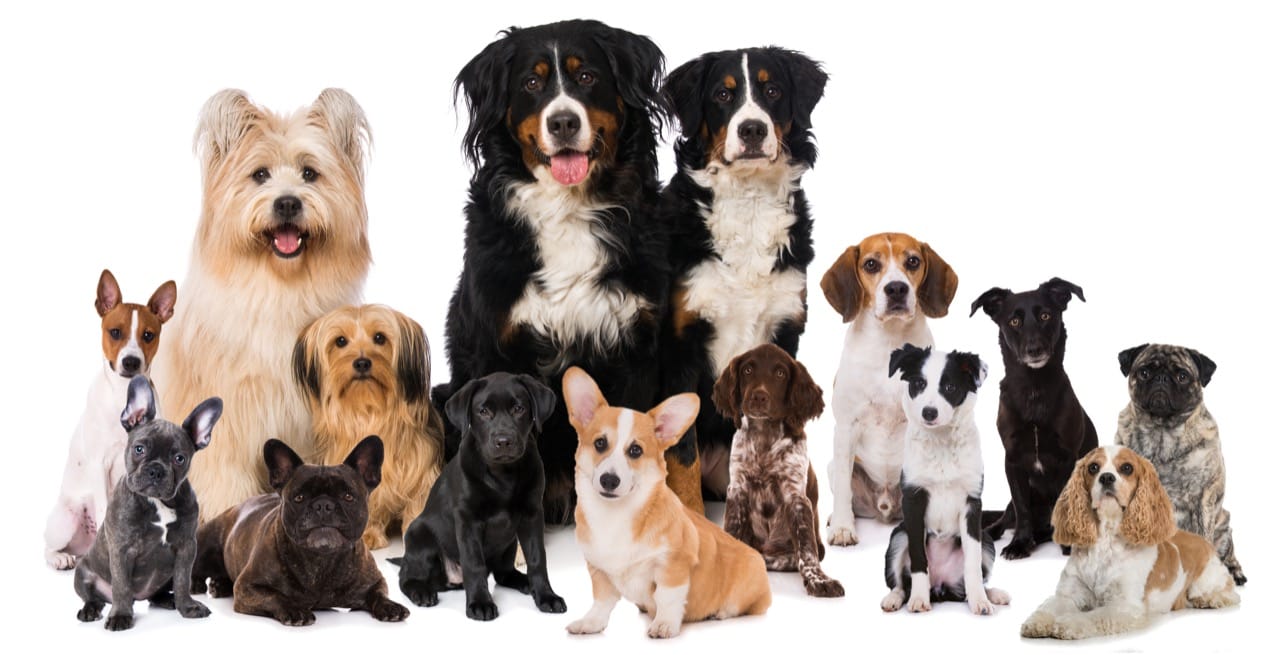
Under the skin, domestication shaped bodies and brains. Domestication is an evolutionary process driven by selection, often by humans, for traits that make animals easier to live with, such as reduced fear and increased social tolerance. Over generations, selecting for behavior can bring along physical changes because genes influence multiple traits at once. That is one reason dog breeds show such dramatic variation in skull shape, body size, and coat type. Modern genetics has identified regions of the genome associated with traits like size and certain coat patterns, and it has also helped trace how dog populations spread and mixed alongside people.
Brain imaging has added another layer to the story. Studies using noninvasive techniques have shown that dogs process voices and social cues in specialized brain areas, and that reward circuits respond strongly to signals associated with caregivers. None of this means dogs think exactly like humans, but it does show that their brains are deeply adapted for reading us. When you watch a dog tilt its head, follow a scent trail, or snap to attention at a faint sound, you are seeing a living demonstration of anatomy, evolution, and neuroscience working together in real time.