Long Live the Lhasa Apso


Quiz Complete!
Health Watch Outs for Lhasa Apsos: Eyes, Breathing, Bones, Skin, and Kidneys

The Lhasa Apso is a small but sturdy dog with a reputation for living a long time, and that longevity can be even better supported when owners know the breed’s most important medical watch outs. Many Lhasa health problems are not everyday occurrences, but when they happen they can move fast, so recognizing early warning signs matters.
Their eyes are one of the biggest practical concerns. Because a heavily coated, shorter face can leave them exposed, injuries from rough play, plant material, or even a bad grooming poke can become urgent quickly. A suddenly squinting eye, excessive tearing, pawing at the face, cloudiness, or a closed eyelid should be treated as an emergency until proven otherwise. Corneal ulcers can be intensely painful and may worsen rapidly. Dry eye can also occur, leading to thick discharge, redness, and recurrent irritation. Cherry eye, a pink swelling at the inner corner of the eye caused by a slipped tear gland, is also seen more often in Lhasas than in crossbreeds. Some Lhasas are prone to eyelid and eyelash issues that rub on the cornea, so chronic blinking or eye rubbing is not something to wait out.
Breathing and heat tolerance deserve respect. Many Lhasa Apsos have a shortened muzzle compared with longer nosed breeds. That does not automatically mean severe airway disease, but it can reduce their ability to cool themselves, especially in humid weather. Heat stress can show up as heavy panting that does not settle, bright red or very pale gums, weakness, vomiting, or collapse. Overheating can happen on a mild day if the dog is excited, overweight, or wearing a heavy coat. Keeping walks shorter in heat, providing shade and water, and avoiding strenuous exercise during warm hours can prevent a true emergency.
Orthopedic problems can affect this compact, low to the ground body type. Luxating patella, where the kneecap slips out of place, is a common small breed issue and can appear as skipping steps or a sudden hop on three legs that resolves as quickly as it started. Another important condition is intervertebral disc disease, which can cause back pain, reluctance to jump, a hunched posture, weakness, or dragging the rear legs. Any sudden trouble walking, yelping when picked up, or loss of bladder control is urgent and should prompt immediate veterinary care.
Kidney and urinary issues are also worth knowing about. Lhasas can be affected by inherited kidney problems in some lines, and chronic kidney disease can appear later in life. Early signs can be subtle: increased thirst, more frequent urination, weight loss, reduced appetite, nausea, or bad breath. Urinary tract infections or bladder stones may cause straining, frequent attempts to urinate, blood in the urine, or accidents in a previously housetrained dog. These signs are uncomfortable and can become dangerous if a blockage occurs.
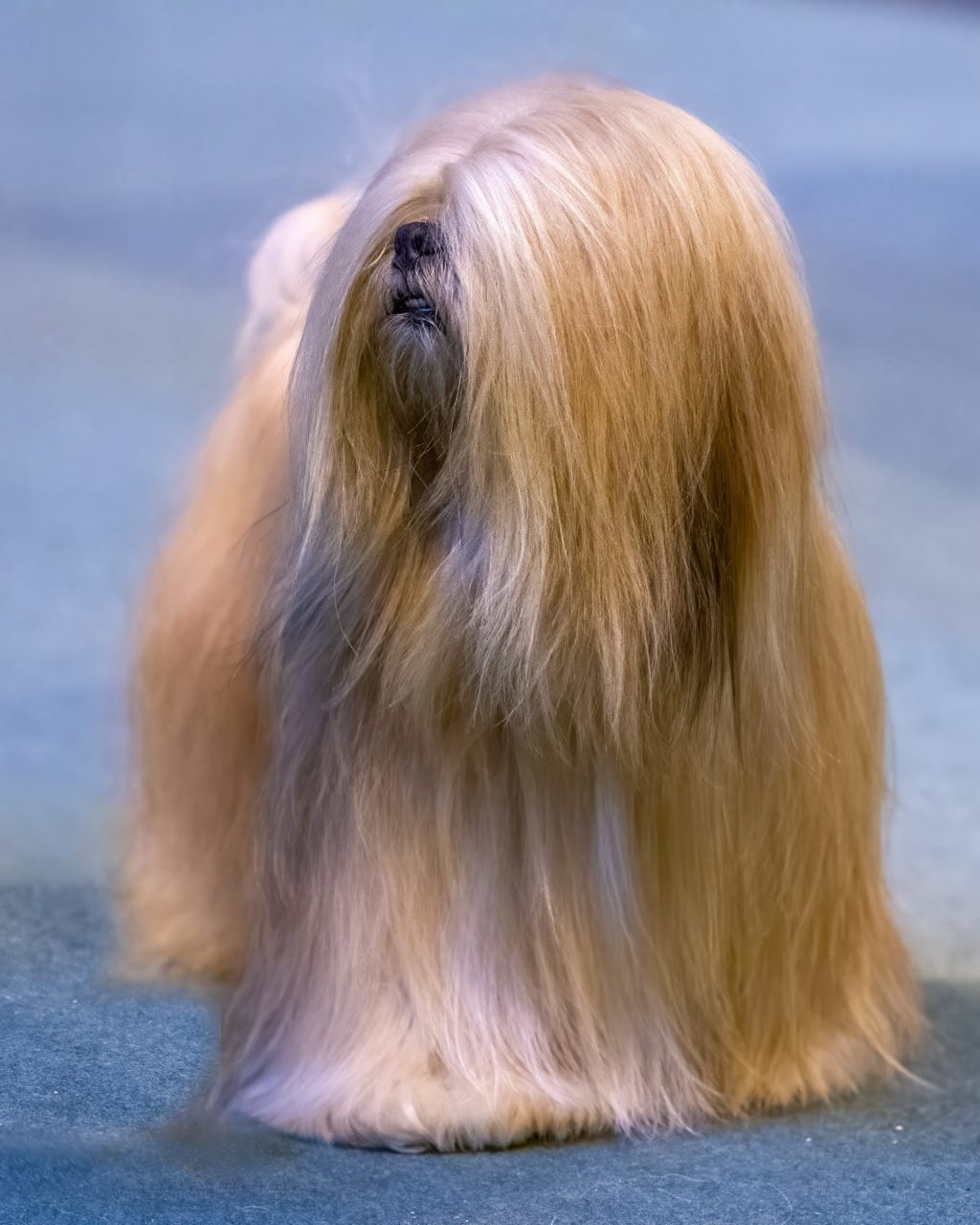
Skin and coat problems are part of real world Lhasa ownership. Their dense coat can trap moisture and debris, leading to hot spots, skin infections, and painful mats that pull on the skin. Regular brushing is not just cosmetic; it is a health practice. Watch for itching, redness, odor, flaky skin, hair loss, or recurrent ear problems, which can be linked to allergies. During grooming, it helps to check for lumps, parasites, and sore areas hidden under the coat.
Because Lhasas often live into their teens, preventive care makes a big difference. Keeping a lean body condition reduces stress on joints and improves breathing. Routine dental care is especially important in small breeds, since dental disease can cause pain and may affect overall health. Regular veterinary checkups, eye evaluations when symptoms appear, and prompt attention to sudden changes in mobility, breathing, urination, or behavior can turn breed risks into manageable realities. The goal is not to worry, but to notice the signals early so this tough little dog can keep thriving.