Lhasa Apso Myth Check










Quiz Complete!
Lhasa Apso Myths, History, and What the Breed Is Really Like

The Lhasa Apso often gets mislabeled as a simple lapdog, but the breed’s personality and design make a lot more sense when you trace it back to Tibet. For centuries, Lhasa Apsos lived in monasteries and homes where they served as close companion dogs with a serious side job: they were indoor sentinels. Rather than roaming fields like herders or tracking game like hunting breeds, they specialized in noticing what changed inside their territory. That background helps explain why many Lhasas are watchful, selective about new people, and surprisingly confident for their size.
One common half-truth is that the Lhasa Apso is “quiet and easygoing.” Many can be calm at home, but calm does not mean indifferent. A Lhasa is typically alert, and when something seems off, it may bark with purpose. This isn’t a flaw so much as a trait that was valued: an indoor watchdog that could raise the alarm. Another myth is that they love everyone instantly. A well-socialized Lhasa can be polite with strangers, but the breed is famous for being reserved and for taking its time deciding who is trustworthy. People sometimes mistake that caution for stubbornness, yet it can also be read as independence and discernment.
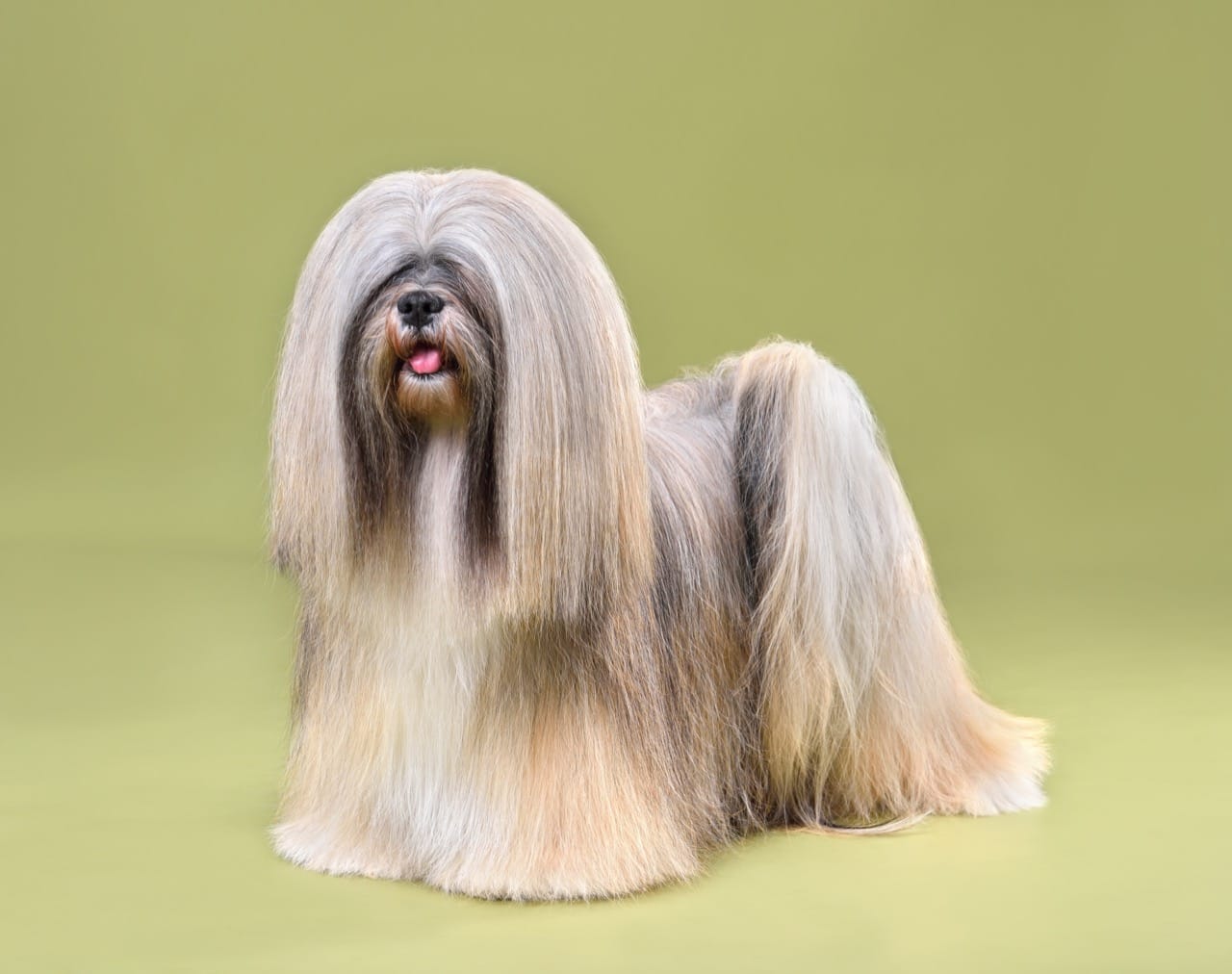
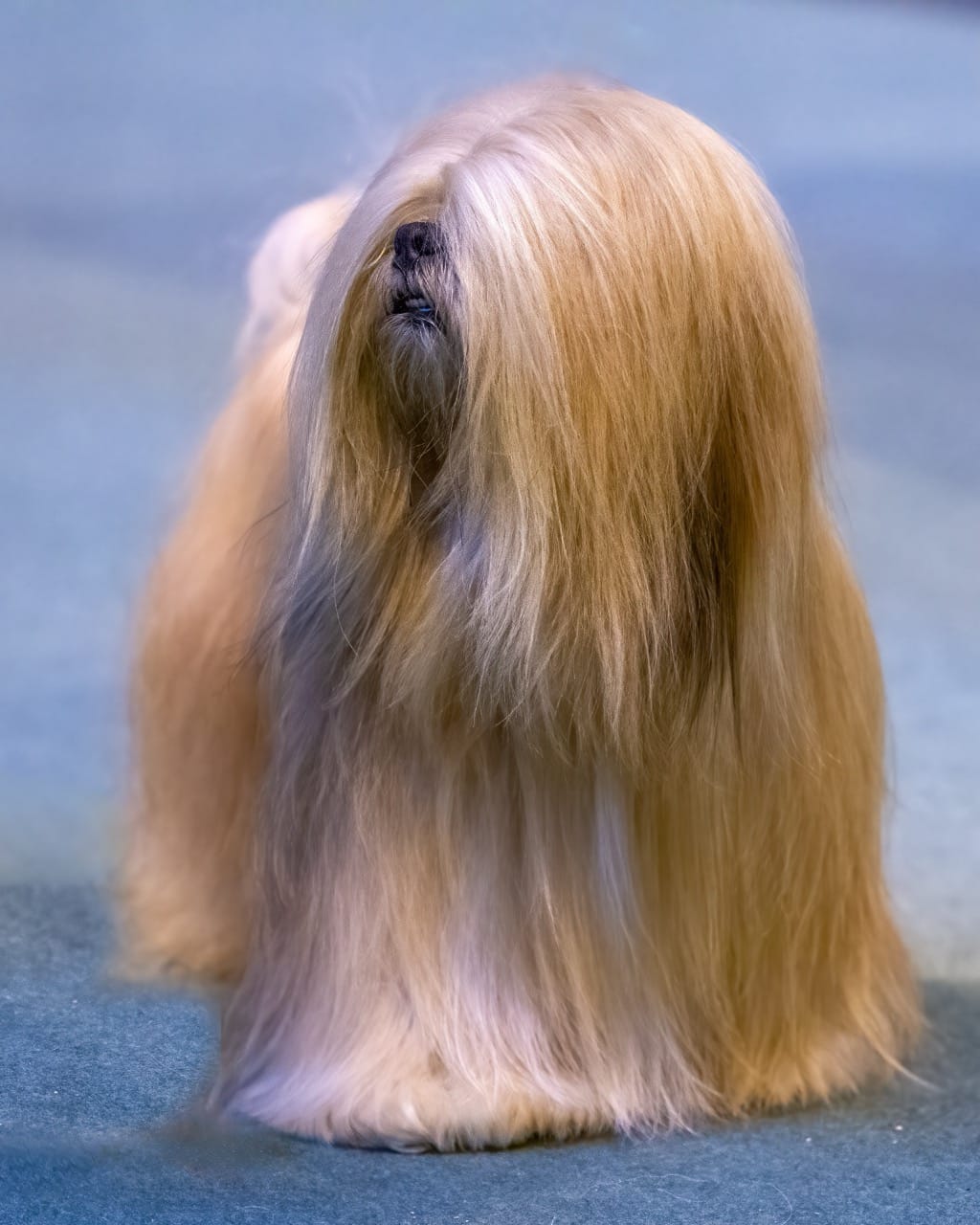
The coat is another magnet for misunderstandings. The long, heavy hair is often viewed as purely decorative, as if it exists for show-ring glamour. In reality, the Lhasa’s dense coat is tied to a harsh climate. It helped provide insulation and protection from cold and dry conditions. The coat’s practical origins do not mean it is effortless, though. Keeping a full-length coat clean and tangle-free takes consistent grooming. Many pet owners choose a shorter trim for comfort and easier maintenance, which does not change the dog’s underlying temperament.
Because they are small, some assume Lhasas need only minimal exercise. They do not require marathon runs, but they do benefit from daily walks, play, and mental stimulation. This is a smart breed that can become bored if life is too repetitive. Puzzle toys, short training sessions, and games that encourage sniffing and problem-solving can make a noticeable difference in behavior. Training itself can be interesting with a Lhasa Apso: they can learn quickly, but they often respond best when they see a reason to cooperate. Gentle consistency and rewards tend to work better than force. Harsh methods can backfire, especially with a dog that is naturally self-possessed.
Another misconception is that small dogs are automatically fragile or timid. Many Lhasas carry themselves like much larger dogs. That confidence can be charming, but it also means boundaries matter. Early socialization helps them distinguish between normal everyday events and true concerns. It also helps prevent overprotectiveness, which can show up when a dog is deeply bonded to its family.
Health myths pop up too, such as the idea that a long-coated dog is always hot or always hypoallergenic. Coat length alone does not determine comfort; temperature management depends on environment, grooming, and common sense, including shade and water. And while Lhasas may shed less than some breeds, no dog is truly allergy-proof. The real takeaway is that the Lhasa Apso is not a toy that happens to be alive. It is a compact, observant companion shaped by a specific job: staying close, watching carefully, and sounding the alarm when something is not right. Understanding that history makes the breed’s quirks feel less like surprises and more like the point.