Inside the Lhasa Apso Mind










Quiz Complete!
The Lhasa Apso Temperament: A Tiny Sentinel With a Big Personality
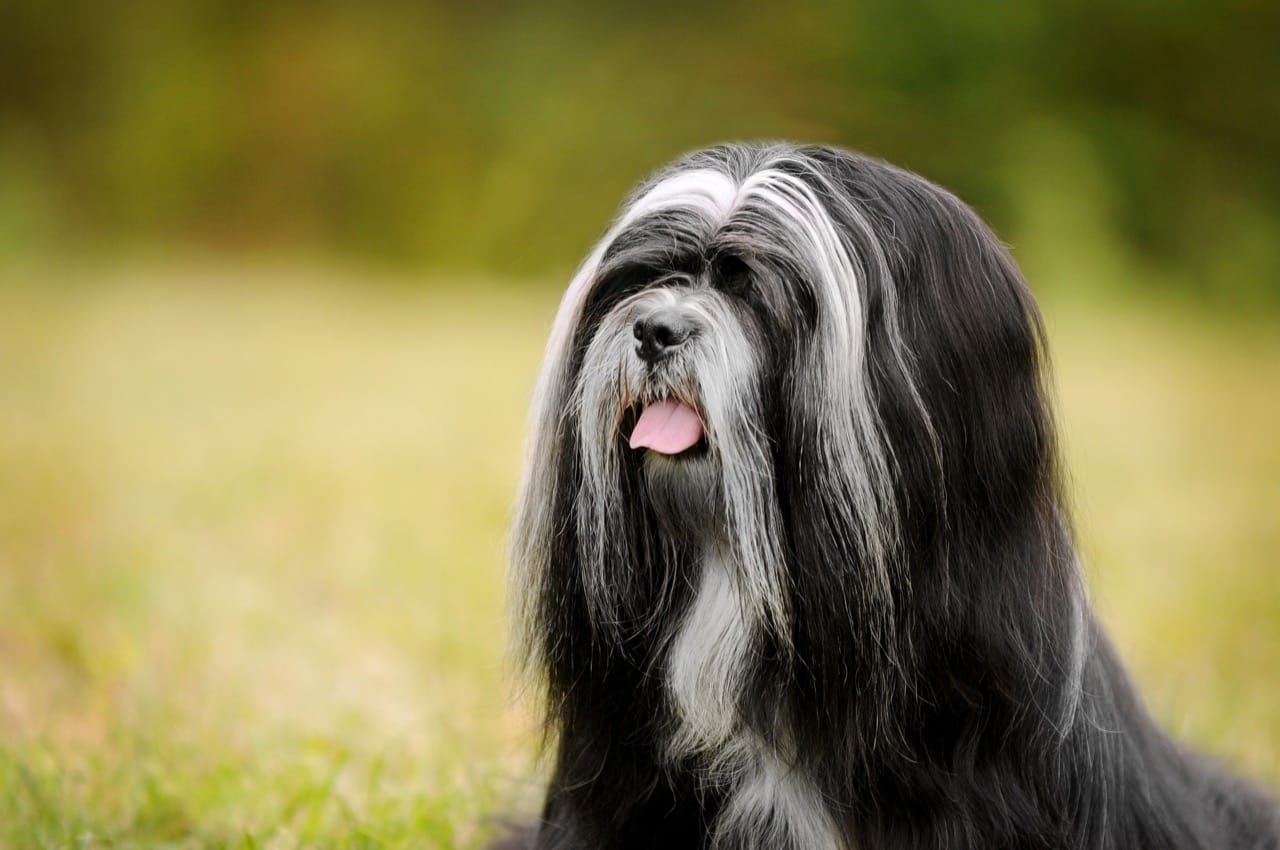
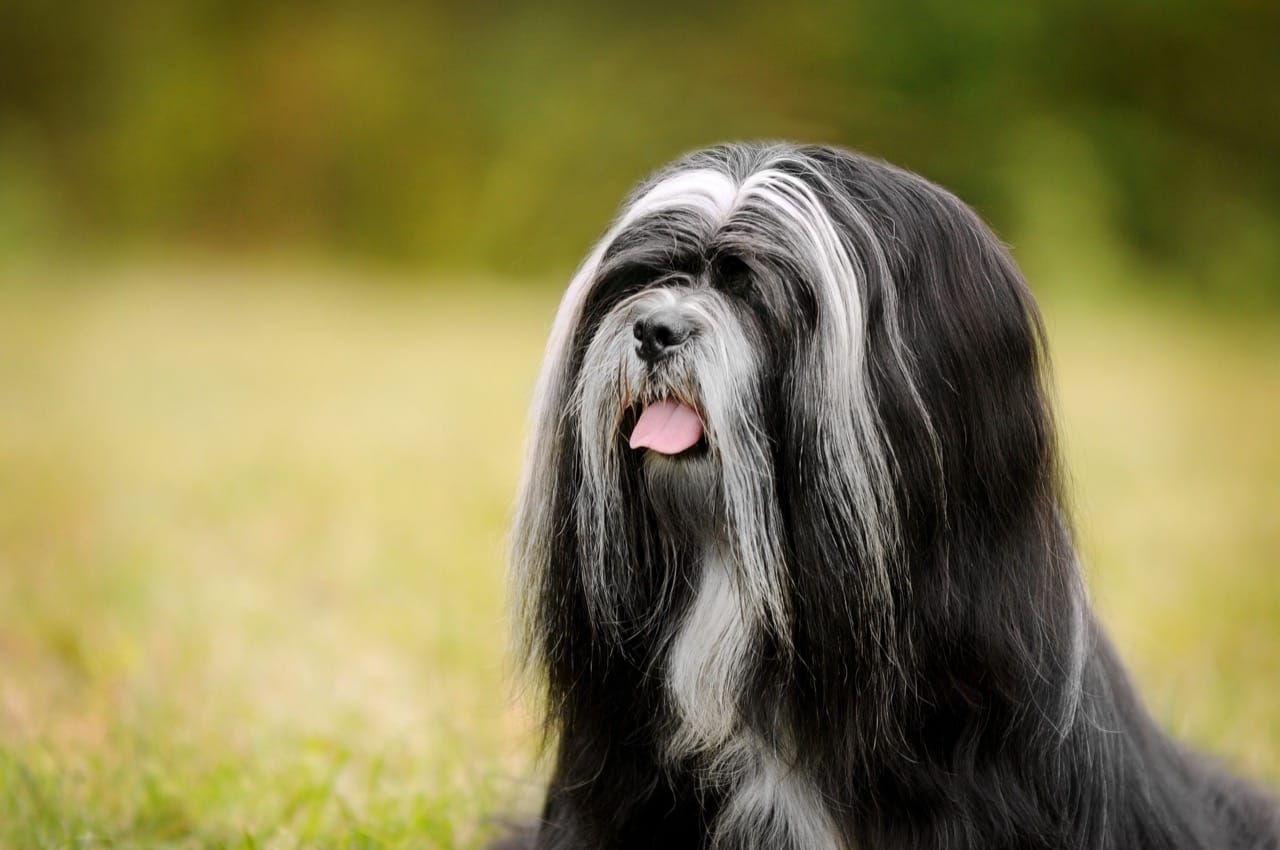
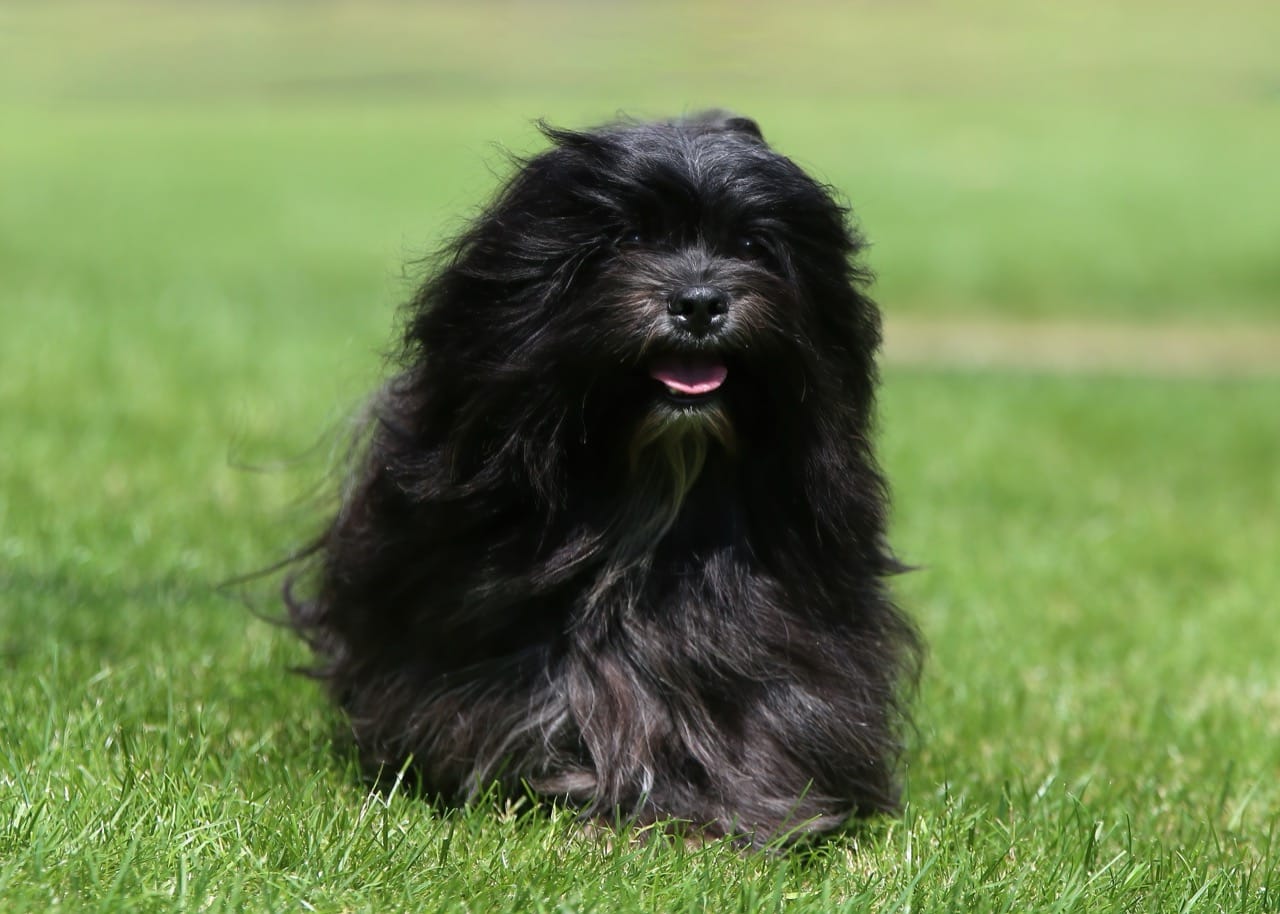
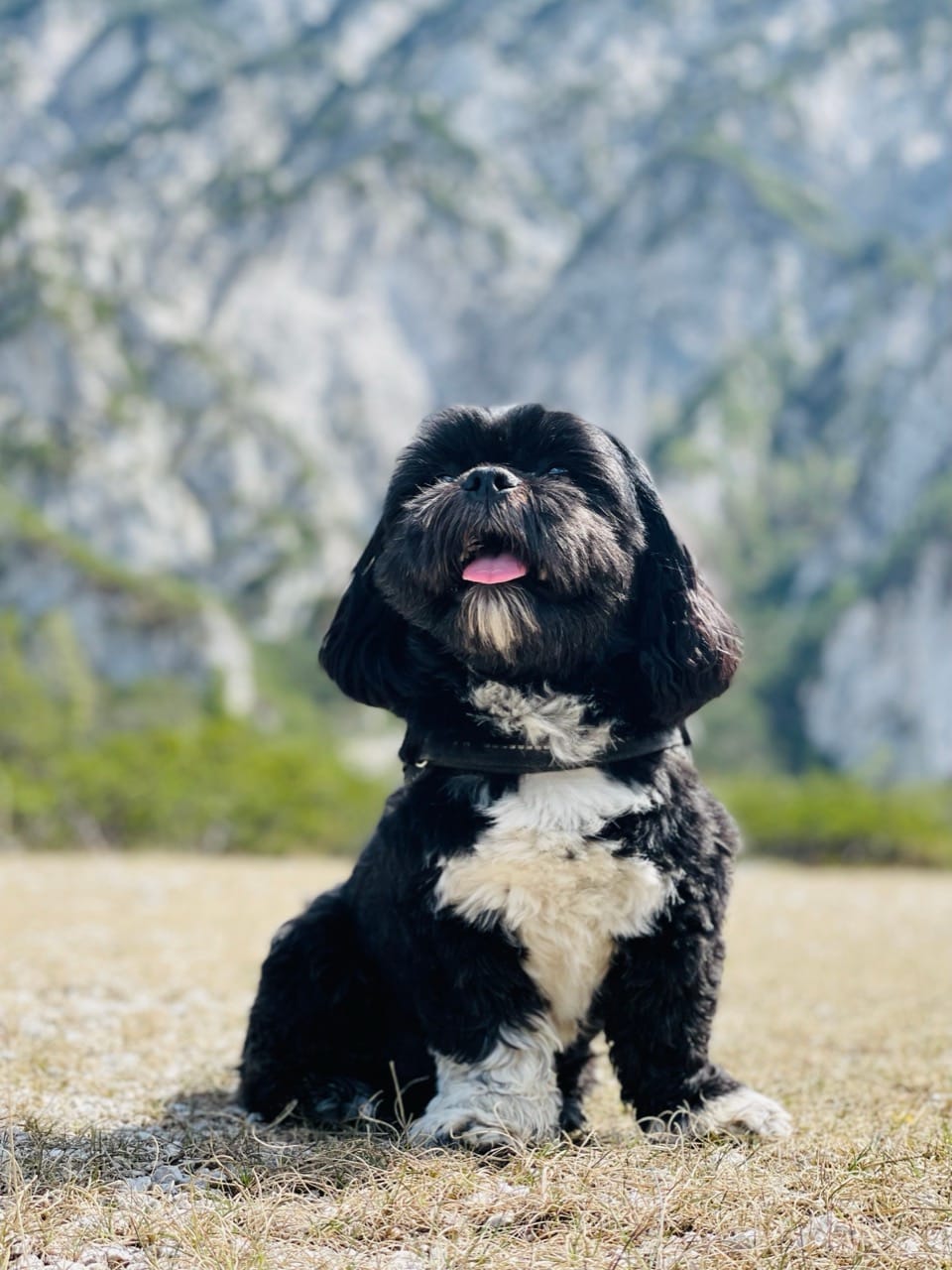
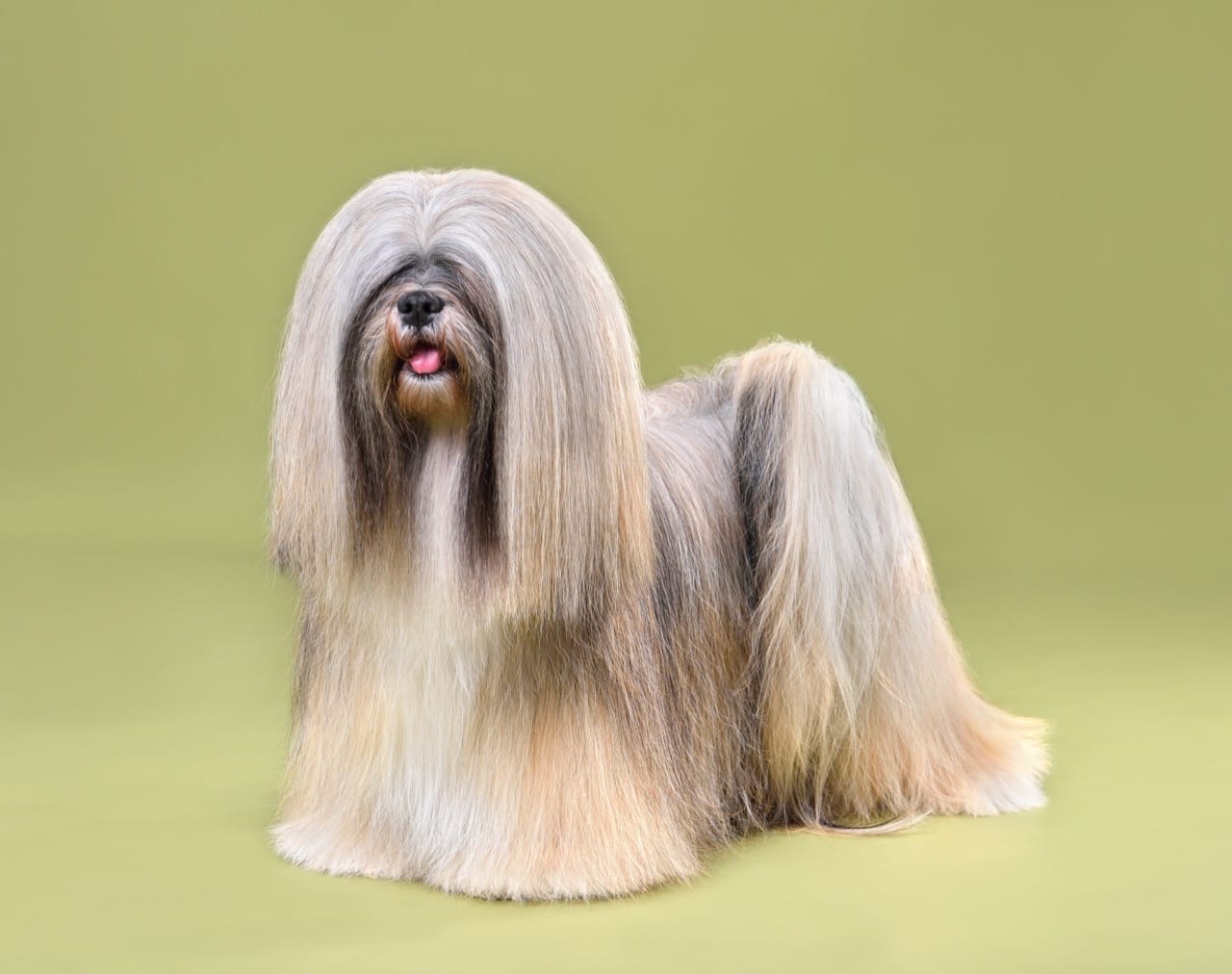
The Lhasa Apso often surprises people who expect a small dog to behave like a constant, eager-to-please lap companion. While many Lhasas enjoy cuddling and staying close to their favorite humans, they tend to do it on their own terms. Think of this breed as a confident roommate rather than a clingy shadow. They can be affectionate and funny, but also self-possessed, observant, and perfectly willing to entertain themselves. That independent streak is not a flaw in training or a sign the dog is unfriendly. It is a long-standing breed trait.
A big key to understanding Lhasa behavior is their history. For centuries, these dogs were kept indoors in monasteries and homes in Tibet, valued as alert watchdogs that would sound the alarm when something seemed off. They were not bred to greet every visitor with instant warmth. Instead, they were shaped to notice changes, evaluate strangers, and take their job seriously. In a modern home, that often shows up as alert barking, a strong awareness of door sounds, and a tendency to watch newcomers carefully before deciding whether they are worth befriending.
With family, many Lhasas are deeply loyal and form tight bonds. They may pick one or two people as special favorites and follow them from room to room, yet still resist being handled like a toy. Affection can look subtle: leaning against your leg, choosing to sit near you, or checking in from a distance. Some are enthusiastic snugglers, but many prefer short bursts of contact followed by a return to their own space. This can be charming once you realize the dog is not rejecting you; it is simply confident enough to regulate its own comfort.
Around strangers, aloofness is common. A Lhasa might hang back, observe, and only approach when they feel safe. Pushing a shy or skeptical Lhasa to be friendly can backfire, creating more suspicion. Calm introductions, letting the dog approach at its own pace, and rewarding relaxed behavior usually work better than forcing interaction. Early socialization helps, but even well-socialized Lhasas often retain a dignified reserve compared with more outgoing companion breeds.
Their intelligence is real, but it comes with opinions. Training tends to go best when it feels like a fair deal: short sessions, clear rules, and rewards that actually matter to the dog. Harsh corrections can make a Lhasa shut down or become more stubborn, while consistent, upbeat practice can produce a polite and responsive companion. Because they were bred to make decisions, they may pause and consider a cue instead of instantly complying. That moment of hesitation is often the dog thinking, not ignoring.
Alert barking is one of the breed’s most famous traits. It is useful when you want a dog that notices unusual sounds, but it can become excessive if it is unintentionally rewarded. Teaching a quiet cue, managing window access, and giving the dog appropriate outlets for mental stimulation can reduce nuisance barking while respecting their watchdog instincts.
In multi-pet homes, many Lhasas do fine, but they can be selective. They may prefer polite animals over rowdy ones and can be surprisingly bold for their size. With children, the best matches are usually kids who understand gentle handling and boundaries. A Lhasa that feels crowded or grabbed may respond defensively, so supervision and respectful interaction are important.
If you live with a Lhasa Apso, the payoff is a small companion with a big sense of loyalty, a sharp mind, and a guardian’s heart. They are not trying to be difficult; they are being exactly what they were bred to be: a tiny sentinel with a mind of its own.