Lhasa Apso Lore and Legends








Quiz Complete!
Lhasa Apso Lore and Legends: Temple Sentinels from Tibet
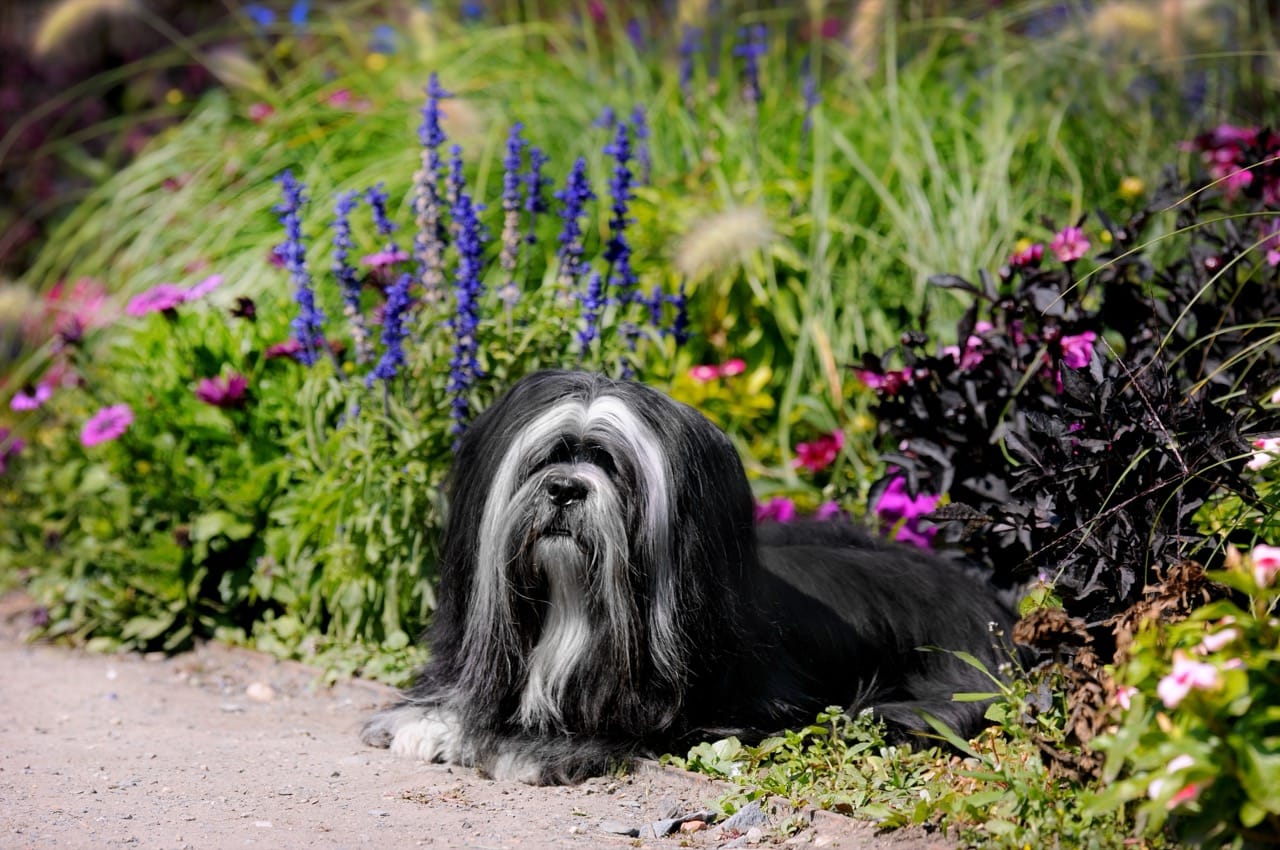
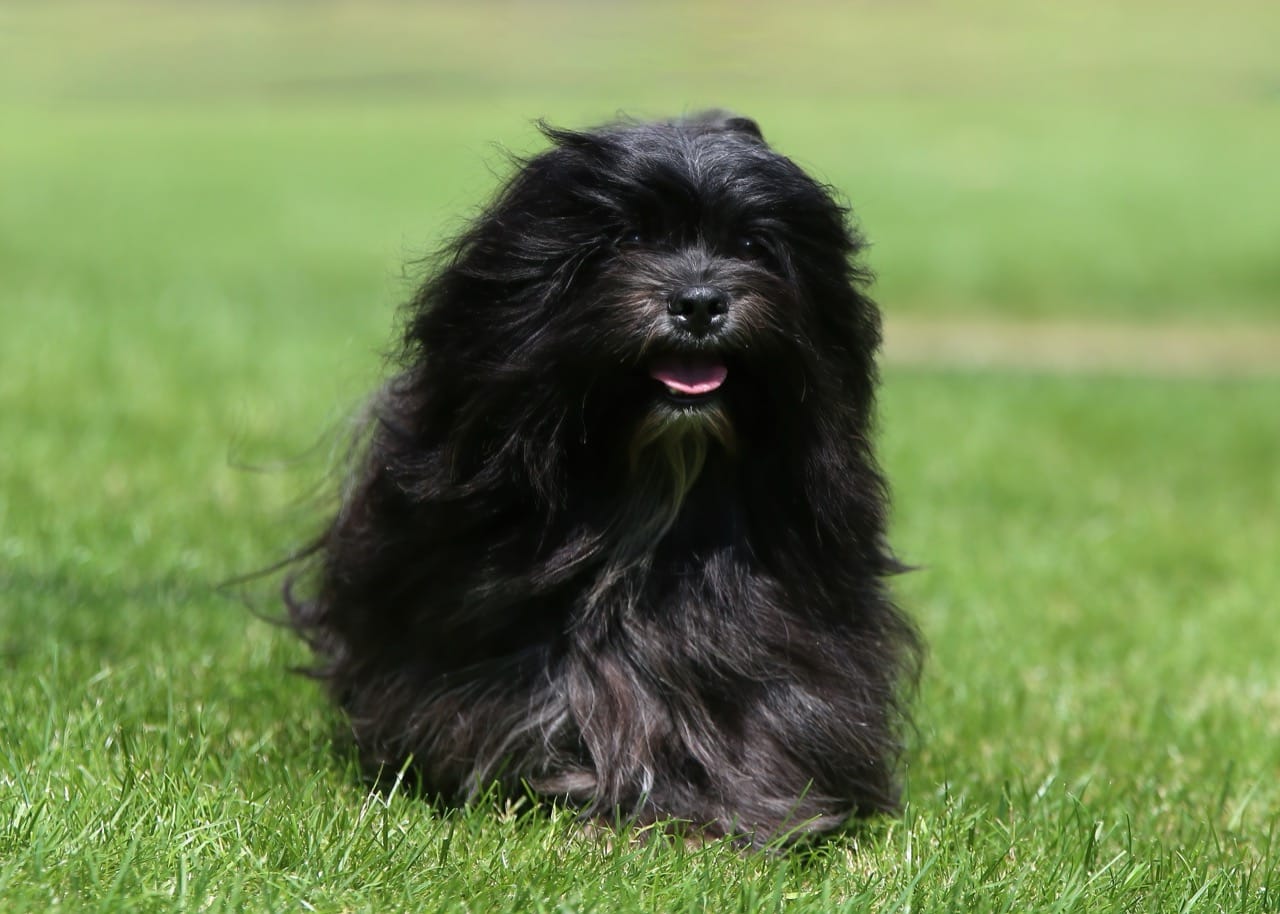
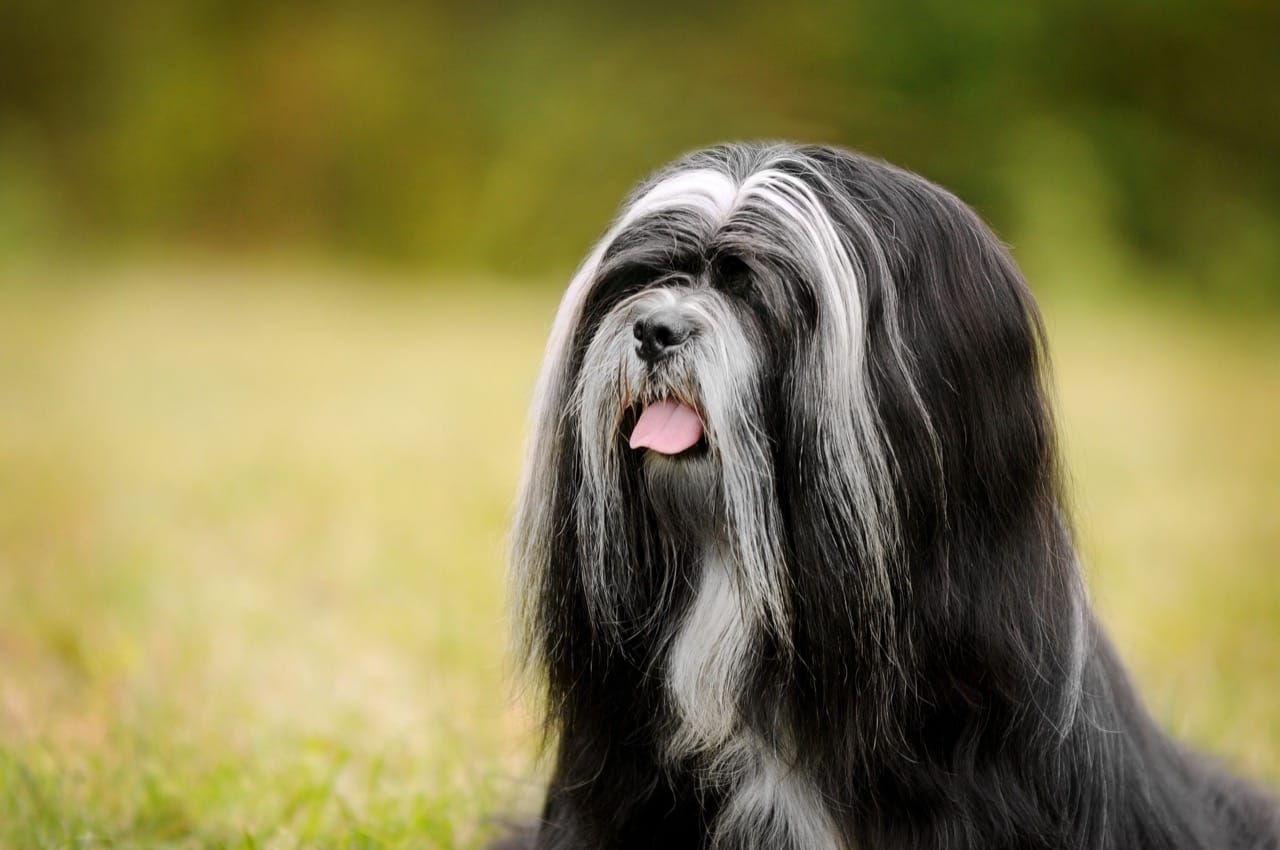
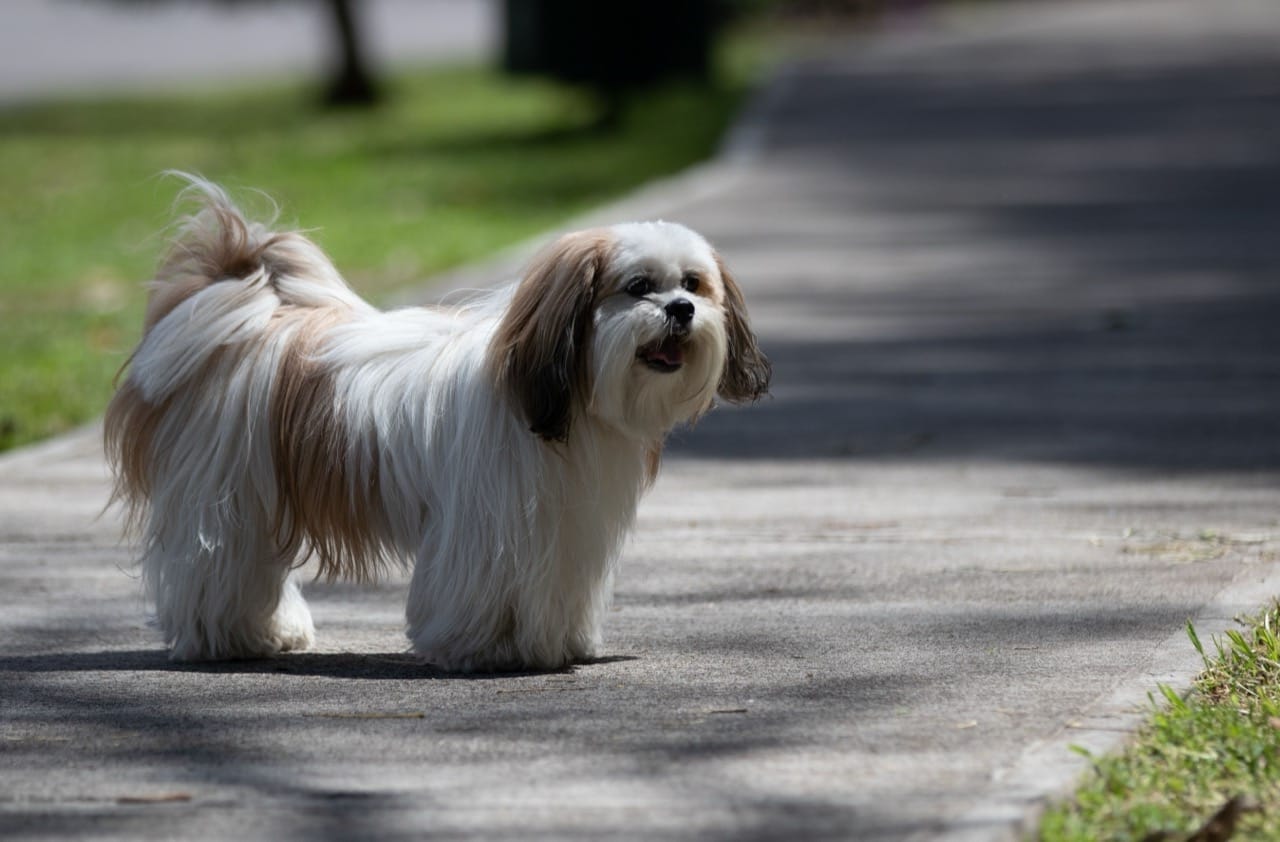
The Lhasa Apso may be small enough to sit neatly in a lap, but its story is rooted in the high plateau of Tibet and in the daily rhythms of monasteries and noble households. For centuries, these dogs were closely associated with Lhasa, the sacred city that served as a spiritual and political center. Their long, heavy coat was not a decorative afterthought. In a cold, high altitude climate, dense hair offered practical protection, and the breed’s compact, sturdy build suited life in stone compounds where a quick, alert dog could move easily through corridors and courtyards.
In Tibetan settings, Lhasa Apsos were valued less as hunters or herders and more as watchful companions. They are often described as indoor sentinels, stationed within temples and homes to raise an alarm when something unfamiliar approached. In many accounts, larger Tibetan Mastiffs guarded the outer perimeter, while smaller dogs like the Lhasa Apso served as early warning inside. This division of labor fits the breed’s reputation for keen hearing and a readiness to speak up. The dog that looks like a soft ornament on a cushion could, moments later, act like a living doorbell with strong opinions.
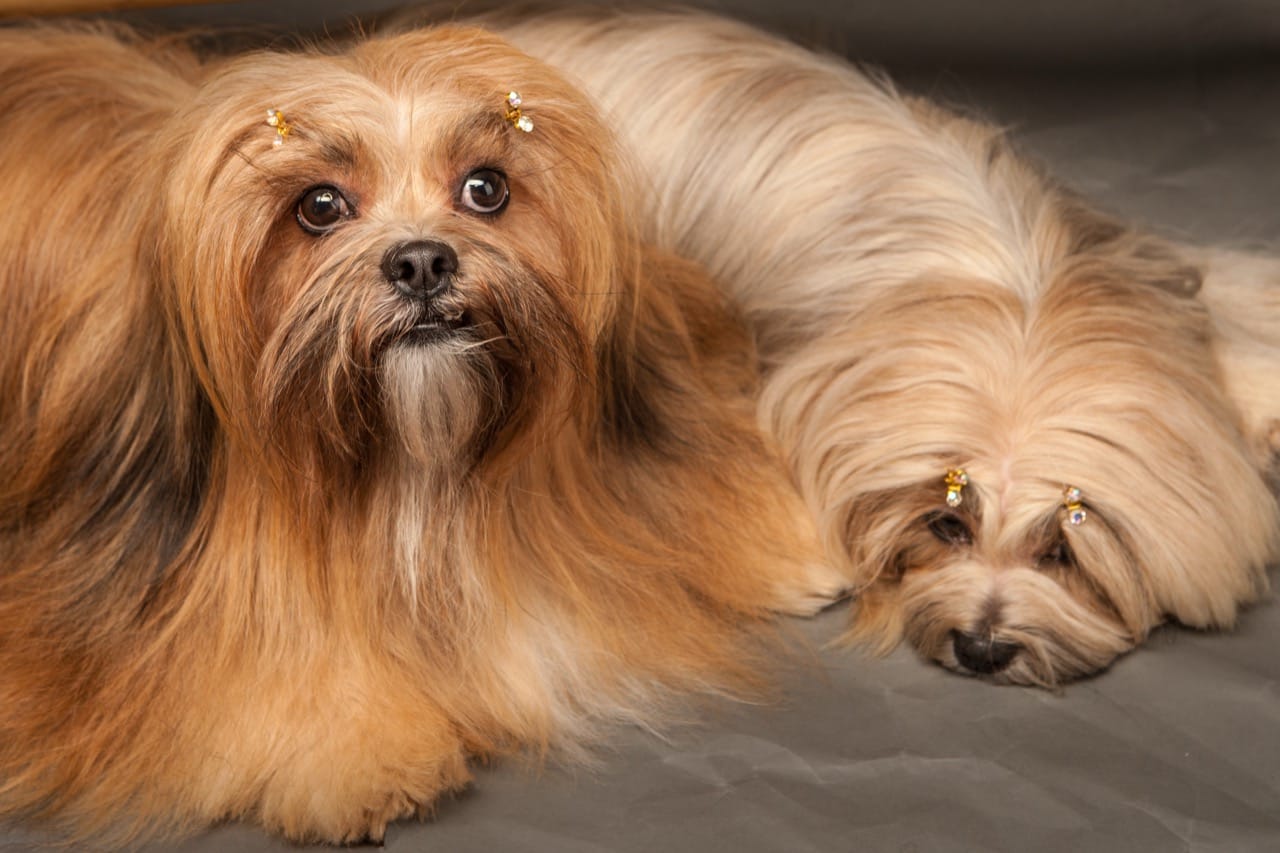
The breed’s name carries its own layers of meaning and debate. Lhasa clearly points to place, but the second half is commonly linked to Tibetan words and interpretations that vary in translation. The American Lhasa Apso Club renders the Tibetan name, Apso Seng Kyi, as “bearded lion dog,” reflecting the facial furnishings typical of the breed, while the popular spelling Abso Seng Kye comes with the grander translation “bark lion sentinel dog.” You will also encounter the older Western nickname Lhasa Terrier, which is misleading because the breed was not developed for terrier work. That label reflects how early outsiders tried to fit unfamiliar dogs into familiar categories rather than how Tibetans understood their roles.
Lhasa Apsos were more than household pets in the modern sense. They were tied to status, religion, and diplomacy. Tibetan leaders and lamas were known to give these dogs as gifts, a practice that helped carry the breed beyond Tibet’s borders. When a dog travels as a diplomatic present, it arrives with a story attached, and that story can be as influential as the animal itself. In the early twentieth century, such gifting and limited exports helped establish small populations abroad, especially in Britain and later in the United States. Because the flow of dogs was relatively controlled, early lines outside Tibet often trace back to a handful of notable imports, which increased interest in documenting pedigrees and preserving the breed type.
The Lhasa Apso’s cultural aura also encouraged mythmaking. Legend says the souls of departed lamas could shelter in a Lhasa’s body while awaiting rebirth, and an old saying claims the Snow Lion turns into a dog when it comes down to the valleys. Stories sometimes link the breed to spiritual symbolism, including tales that these little dogs were considered especially auspicious in sacred spaces. While sweeping claims can be exaggerated over time, what remains consistent is the breed’s long association with monastic life and with the idea of vigilant companionship. The temperament that many owners recognize today, affectionate with family yet discerning with strangers, aligns neatly with a dog shaped by generations of guarding quiet interiors.
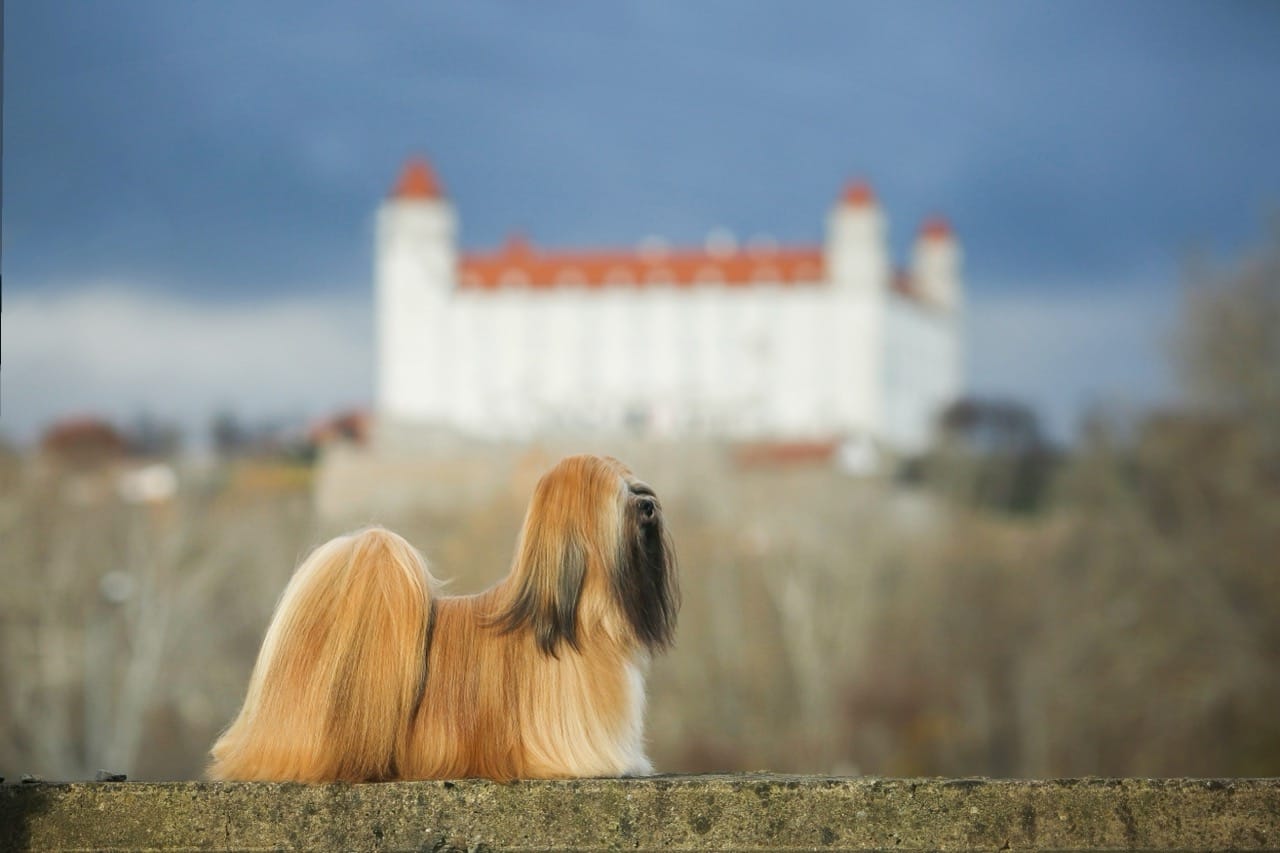
In the wider world, the Lhasa Apso is known first for its distinctive look: the floor length coat, the centered part, and the confident, almost self possessed stance. Yet behind the styling is a practical origin story: a small guardian bred to notice, to announce, and to stay close to the people and places that mattered. The Lhasa Apso endures not because it was ever the biggest or fastest dog, but because it was trusted inside the most important rooms.