The Lhasa Apso’s Long Road From Tibet





Quiz Complete!
Lhasa Apso Origins and the Long Road West
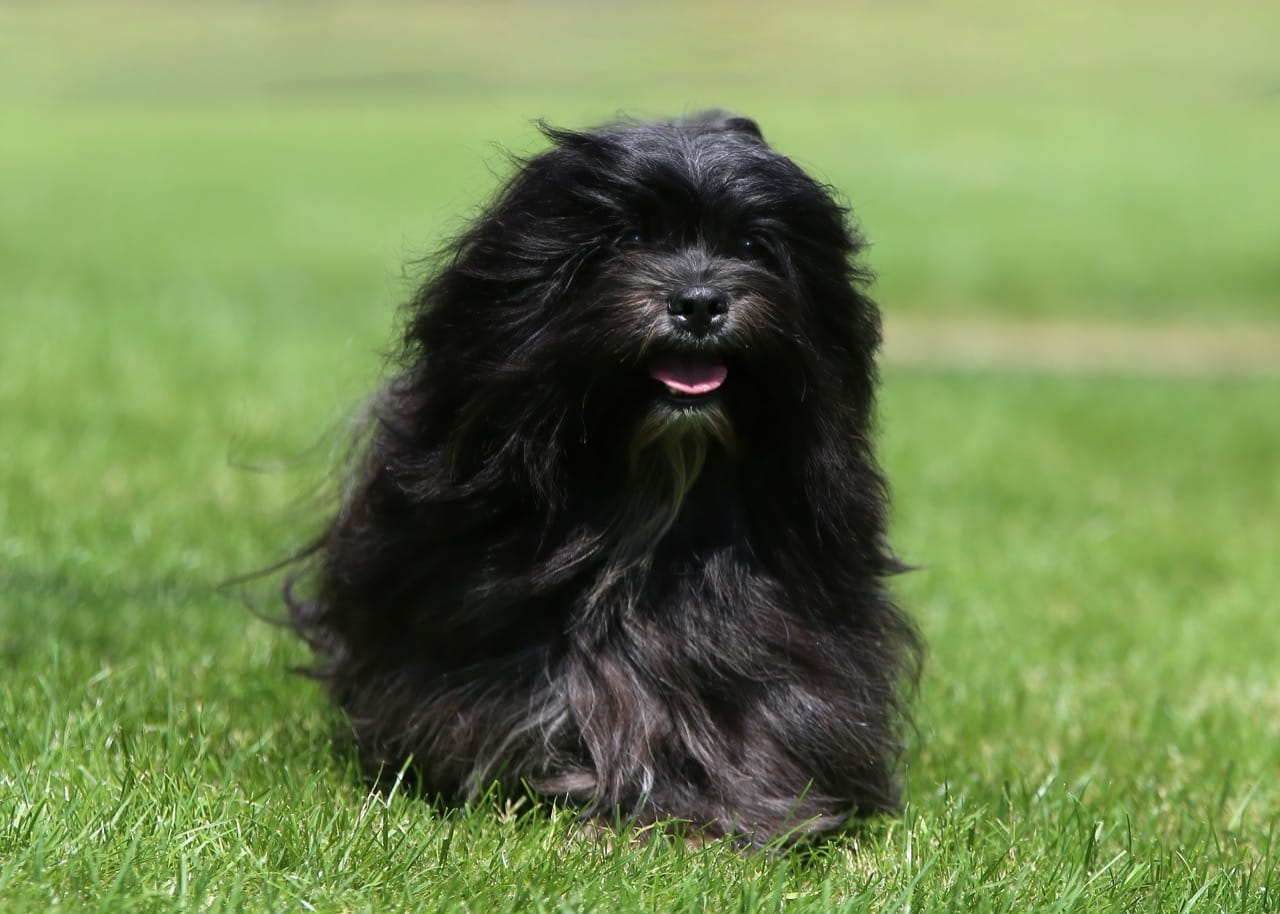
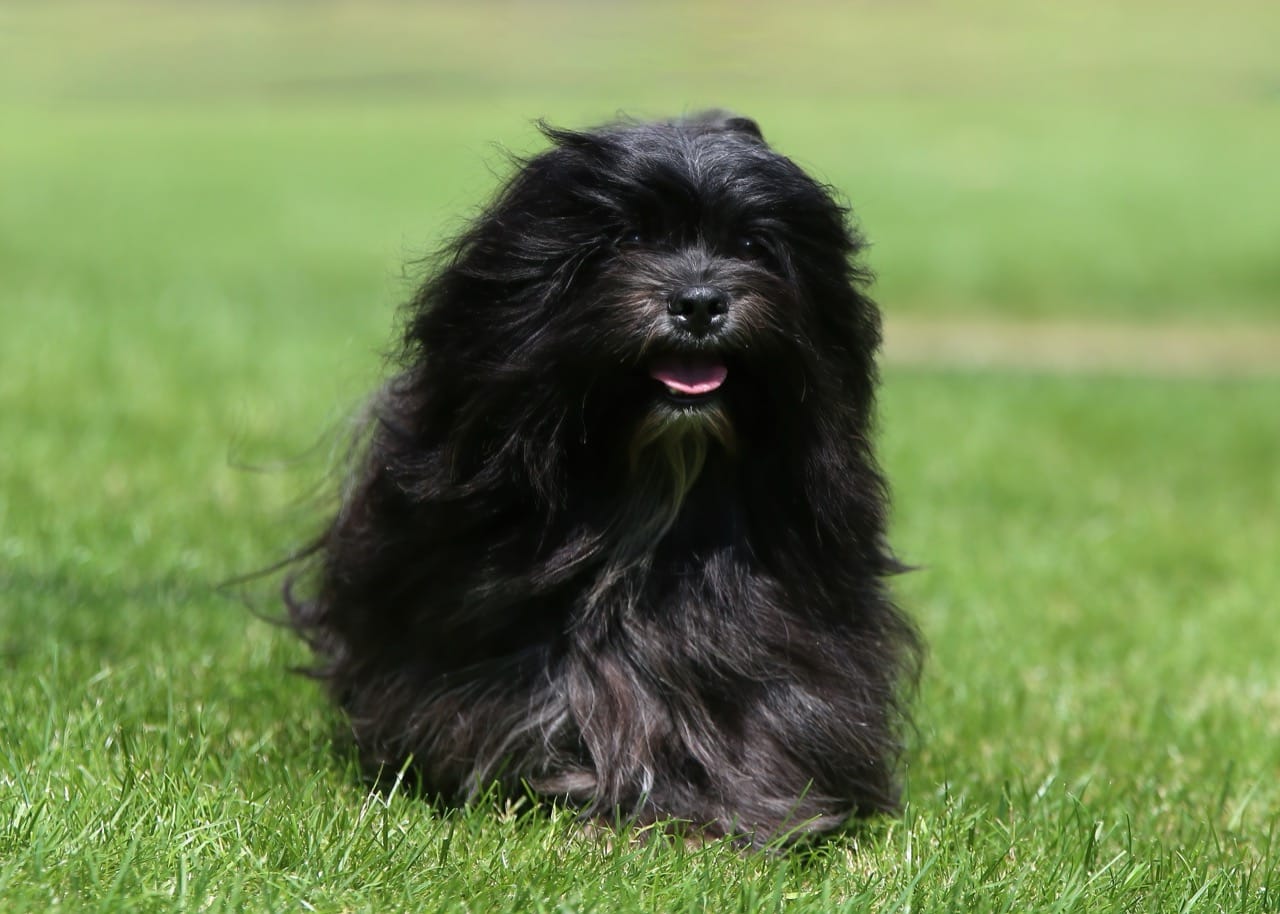
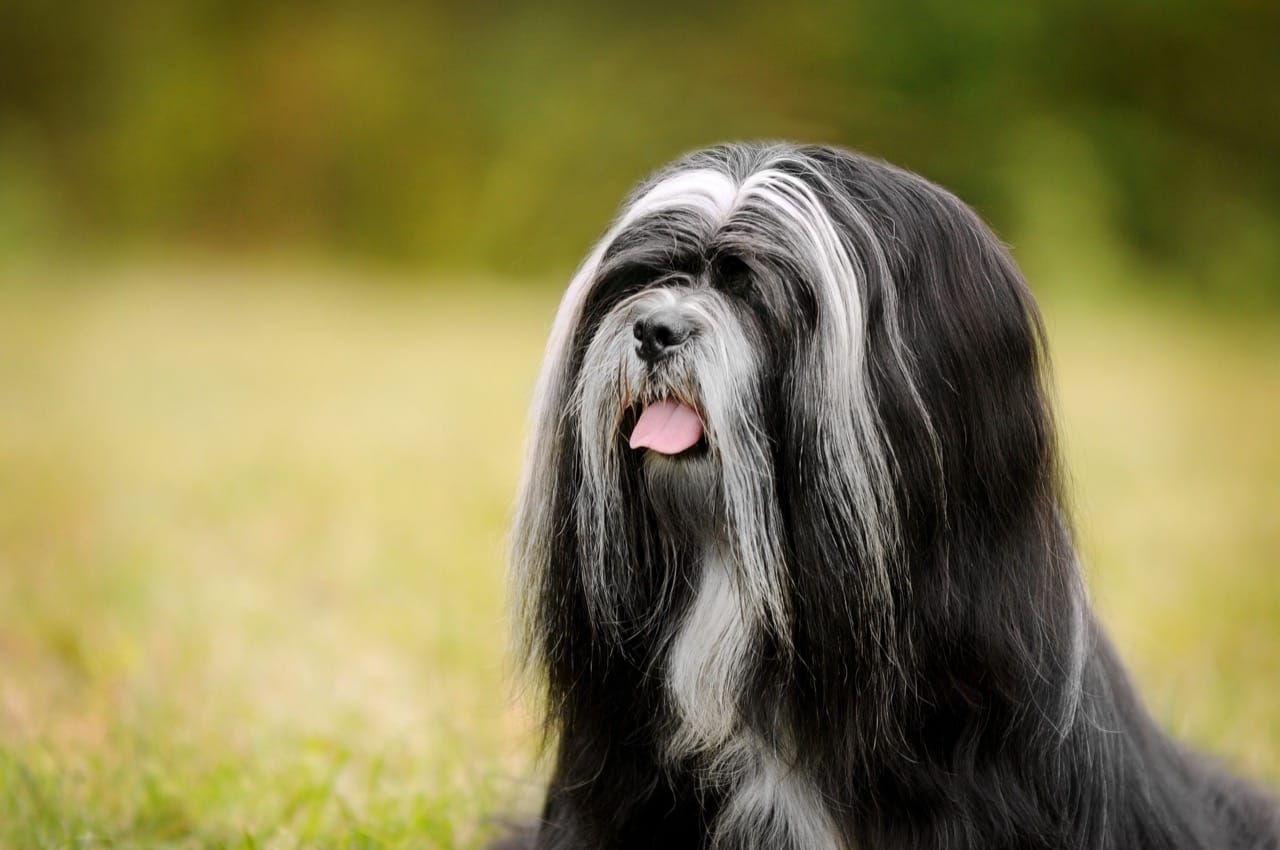
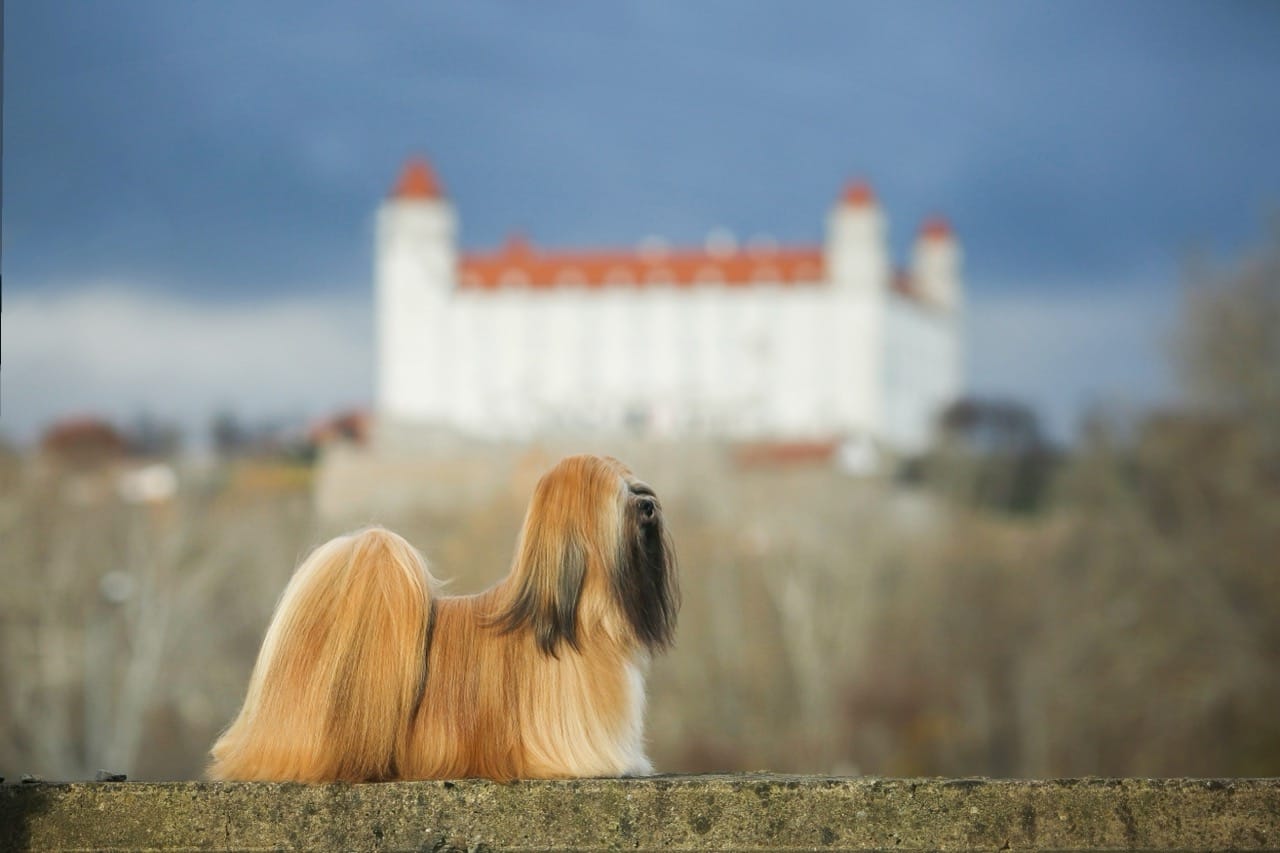
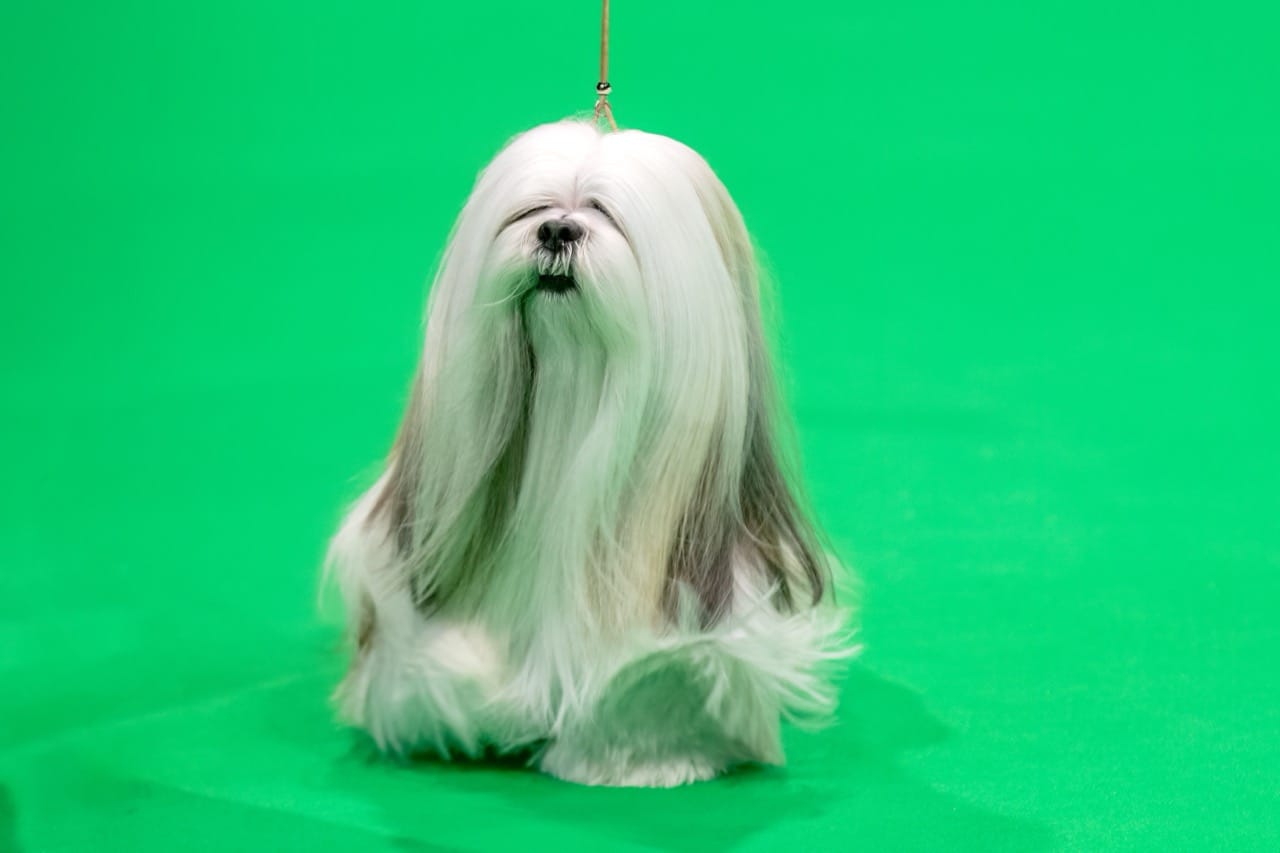
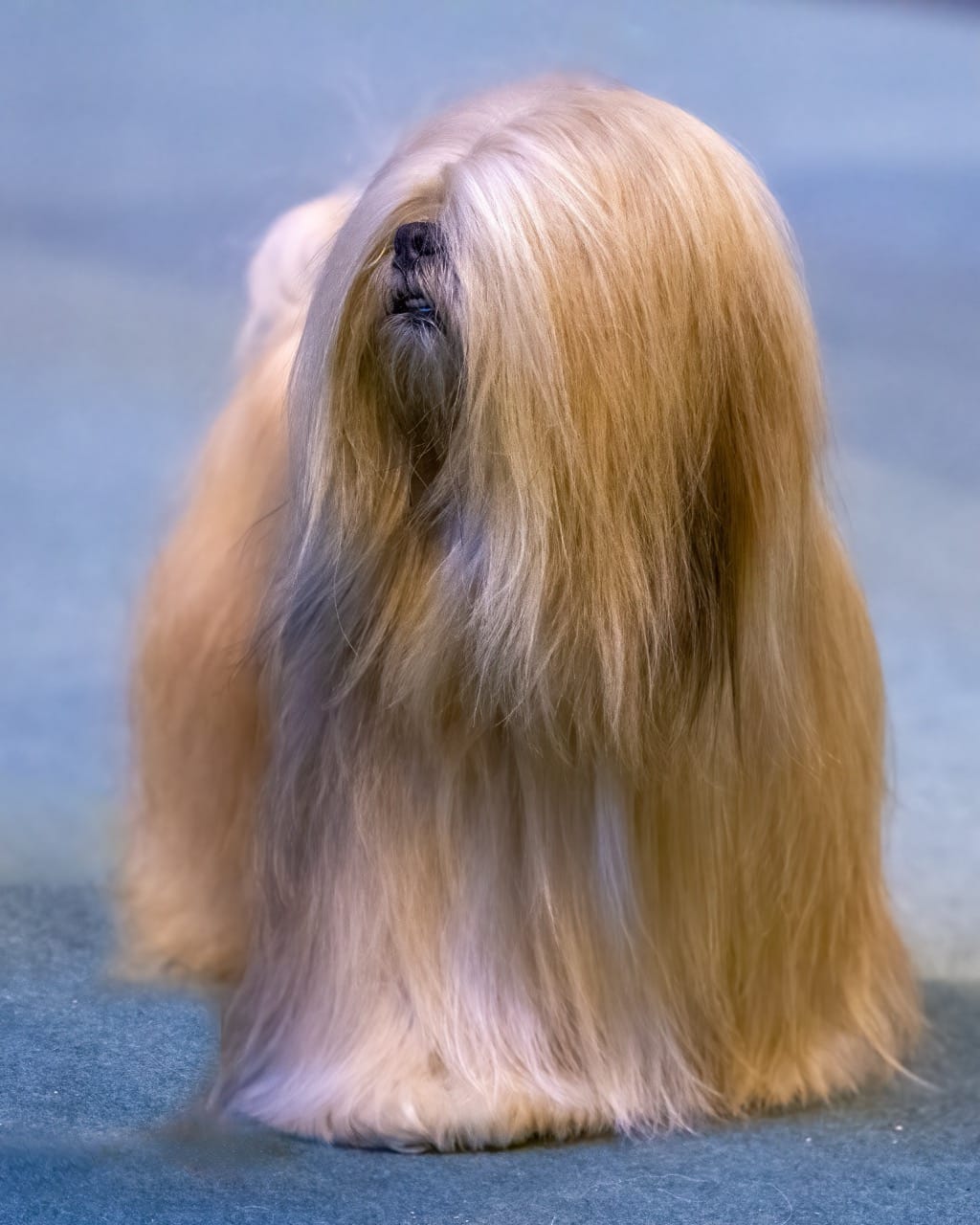
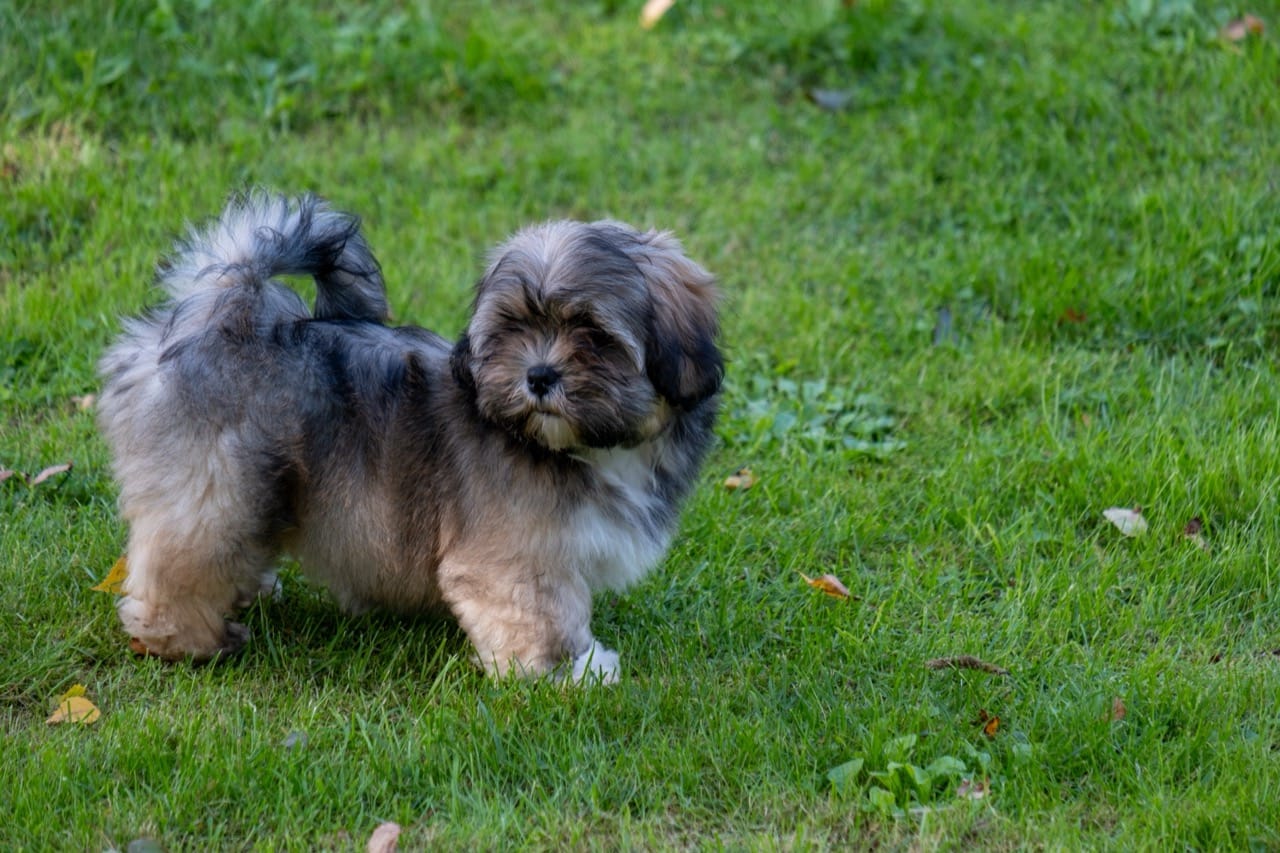
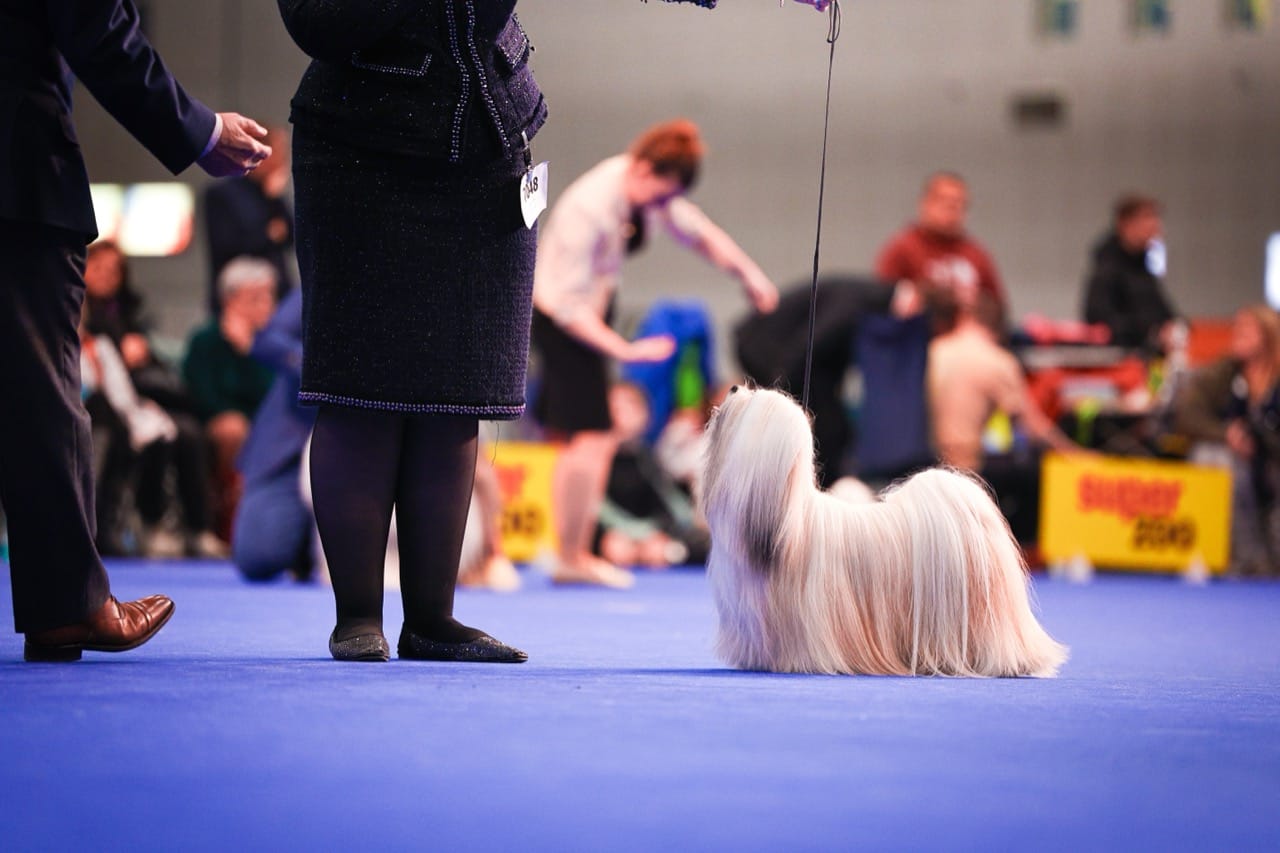
The Lhasa Apso may look like a lap-sized bundle of hair, but its story begins in one of the world’s most demanding landscapes. Its name points straight to Tibet: Lhasa is the historic capital city, long associated with major monasteries and religious life. The second part of the name is often explained as coming from a Tibetan word linked to bearded or shaggy appearance, a fitting description for a dog bred to carry a heavy coat in a cold, high-altitude climate. However you parse the language details, the name firmly ties the breed to a specific place and a distinctive look.
In Tibet, these dogs were valued less as cute companions and more as watchful indoor sentinels. Large mastiff-type dogs could guard outer walls, but within monastic compounds and homes, a smaller, alert dog with a sharp sense of hearing was ideal. The Lhasa Apso’s job was to notice movement, react quickly, and raise the alarm. That traditional role helps explain the breed’s famously self-possessed personality. Many owners today describe them as independent, observant, and selective with strangers, traits that make sense for a dog expected to judge unfamiliar sounds and visitors rather than greet everyone like a social butterfly.
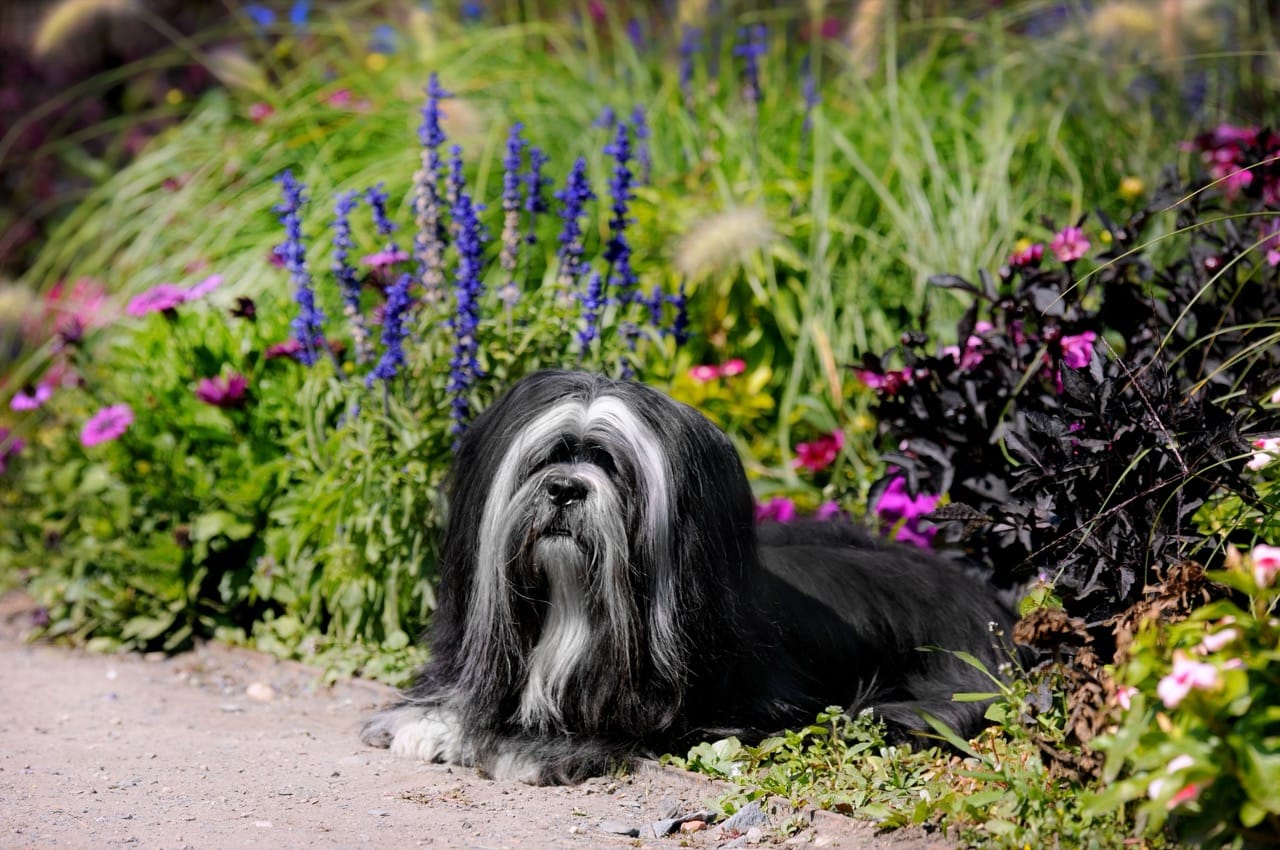
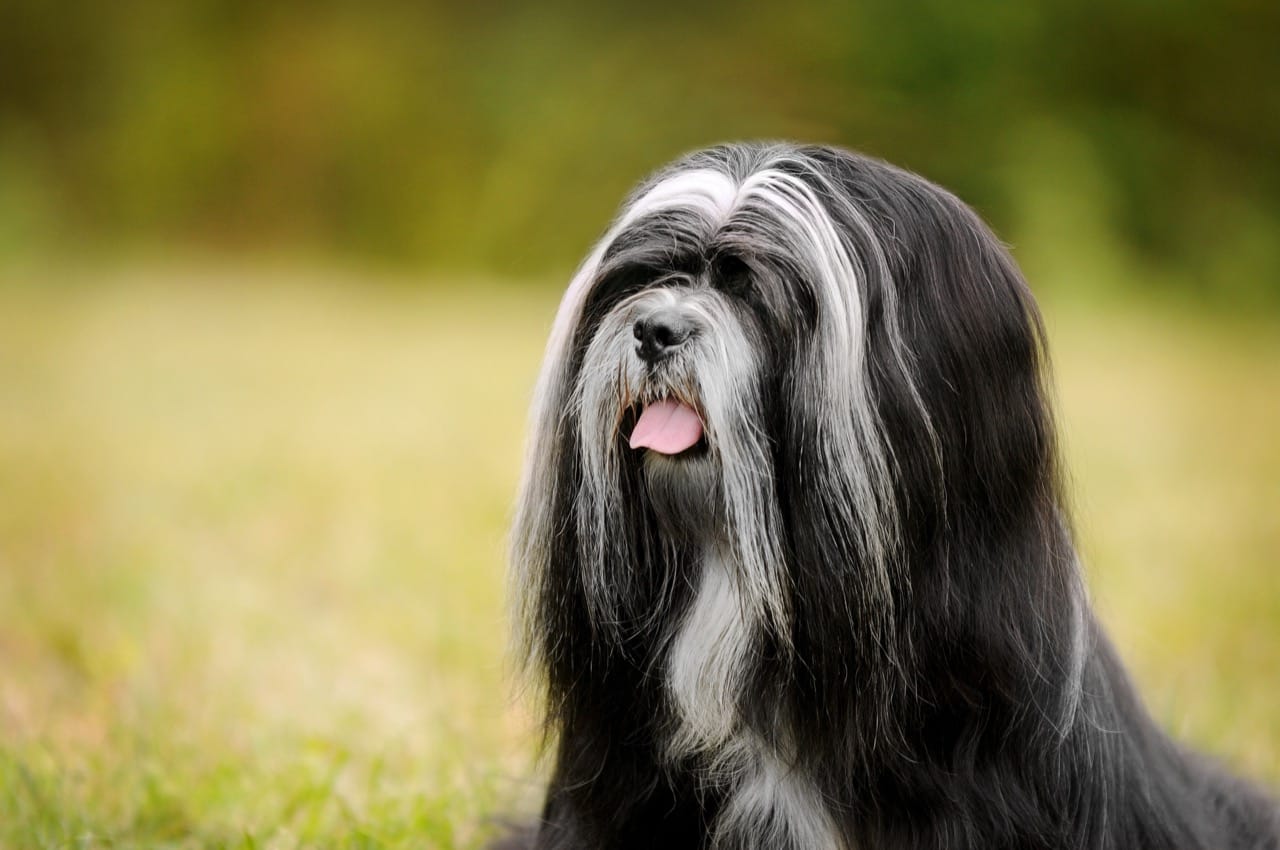
Life on the Tibetan Plateau shaped more than temperament. The dense, long coat offered insulation against cold and wind, and the hair that falls over the eyes can help shield from glare and dust. The breed’s sturdy build, despite its small size, reflects a dog meant to move confidently over uneven ground and through busy courtyards.
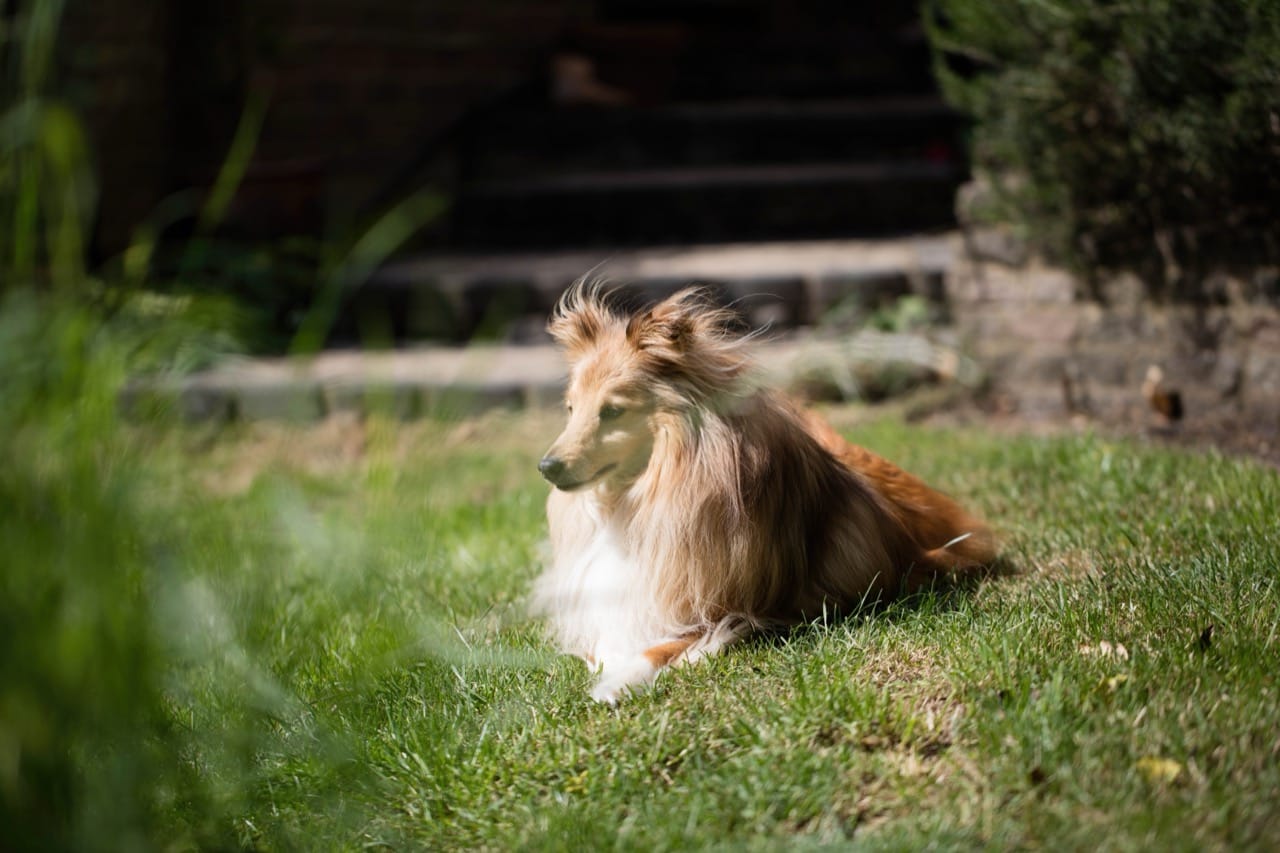
One of the most common misunderstandings is mixing up the Lhasa Apso with the Tibetan Terrier. Despite the name, the Tibetan Terrier is not a true terrier and developed for different work, often described as a more general-purpose dog in Tibetan communities. The Lhasa Apso, by contrast, is closely associated with guarding interiors and serving as an alert companion in religious and noble settings. They share Tibetan roots and shaggy coats, which is why casual observers confuse them, but their historical roles and overall type are distinct.
The Lhasa Apso’s journey to the West is closely tied to the way Tibetan dogs were exchanged as meaningful gifts. Rather than being routinely sold, they were often presented to visitors or dignitaries, which helped keep them rare outside the region for a long time. In the early twentieth century, dogs from Tibet began reaching Britain, where interest in Tibetan breeds was growing. The American story usually starts in 1933, when the first Lhasas arrived as a gift from the 13th Dalai Lama to C. Suydam and Helen Cutting of New Jersey, whose Hamilton Farms dogs helped establish the breed in the United States.
As the breed spread, Western audiences sometimes treated it as purely ornamental, but the classic Lhasa attitude never fully disappeared. Even in a modern living room, many still behave like tiny guardians, listening intently and announcing what they think you should know. Understanding the breed’s origin makes its quirks feel less like stubbornness and more like a job description written centuries ago in the thin air of the Himalayas.