Lhasa Apso Coat and Care Check
Quiz Complete!
Practical Grooming and Health Essentials for the Lhasa Apso
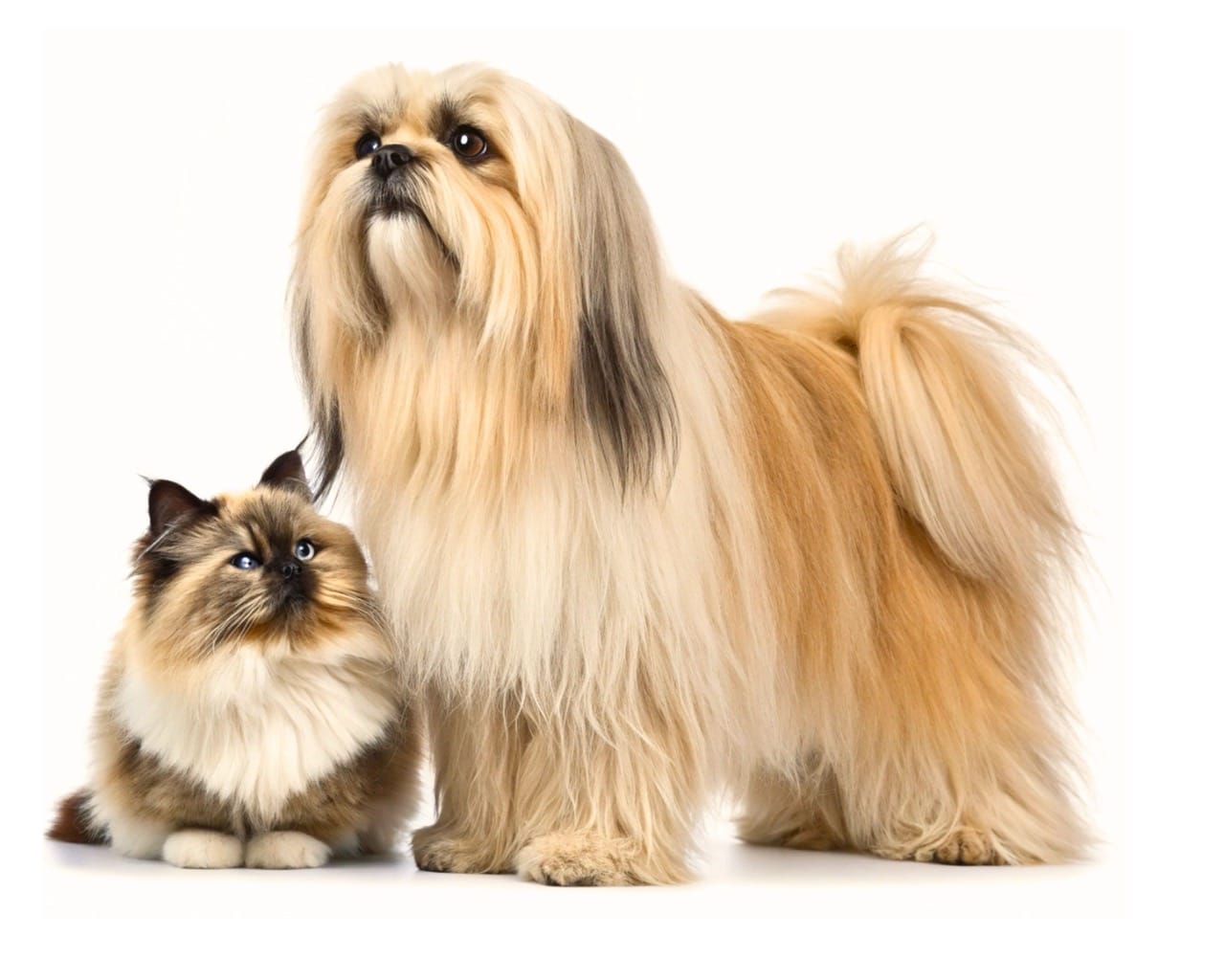
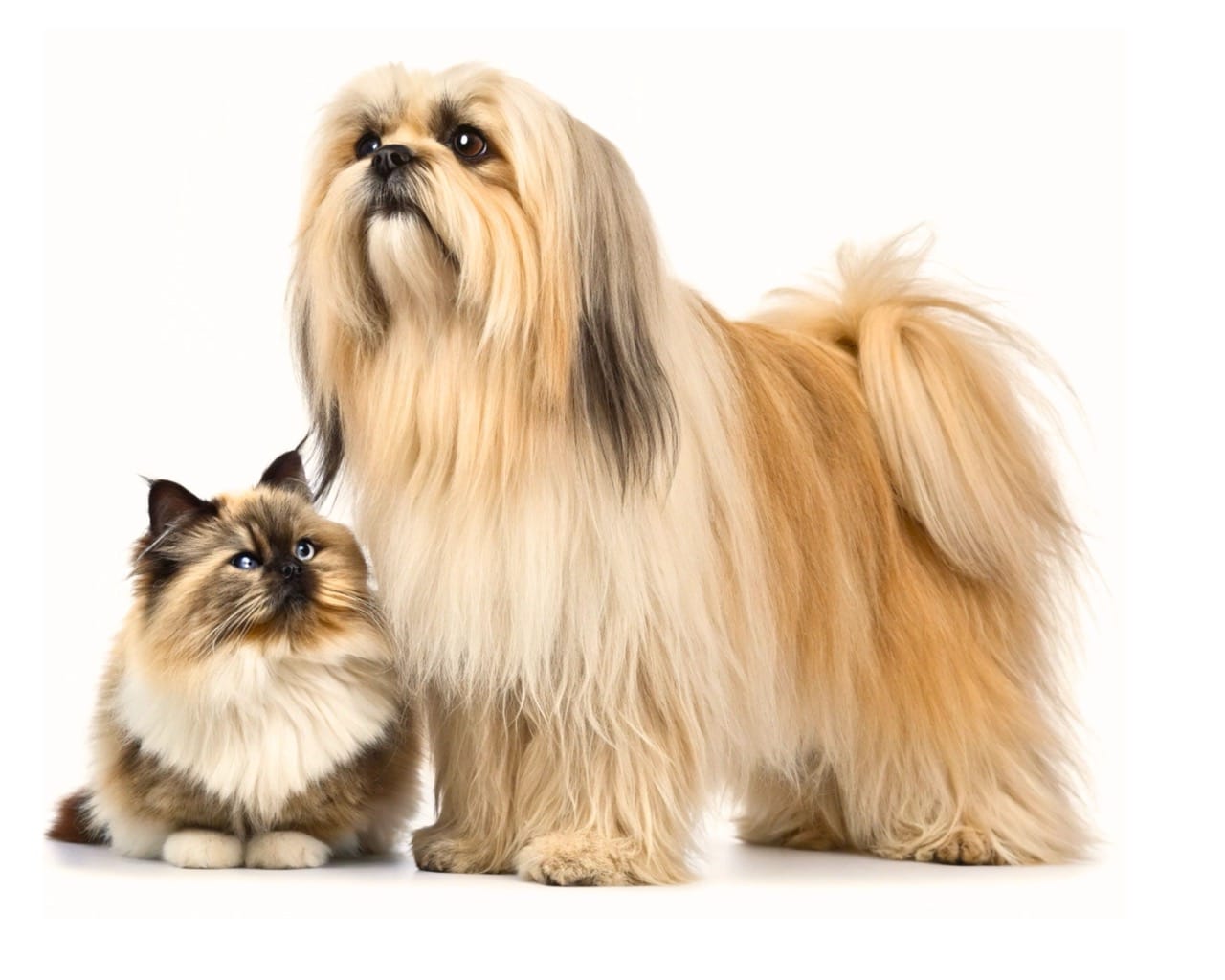
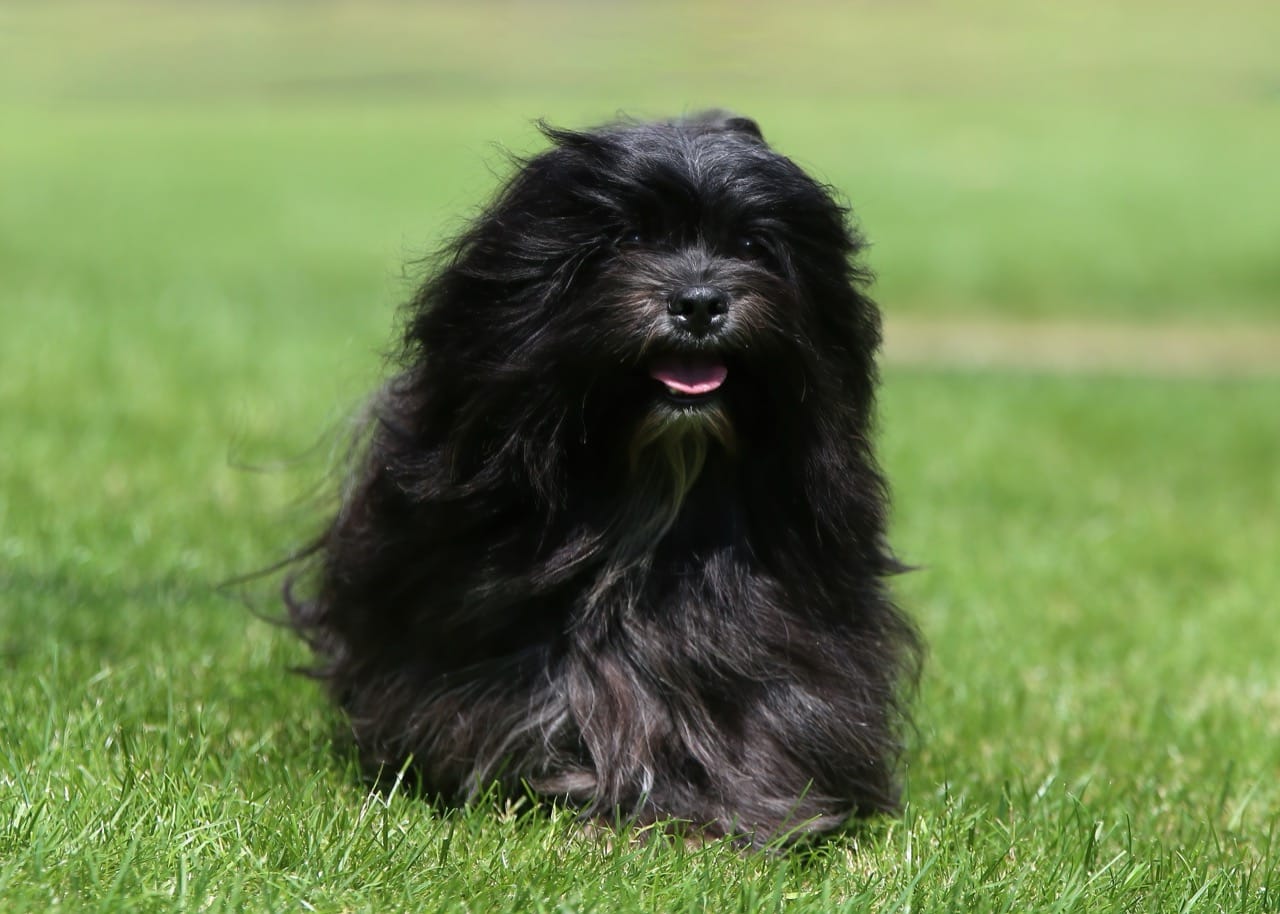
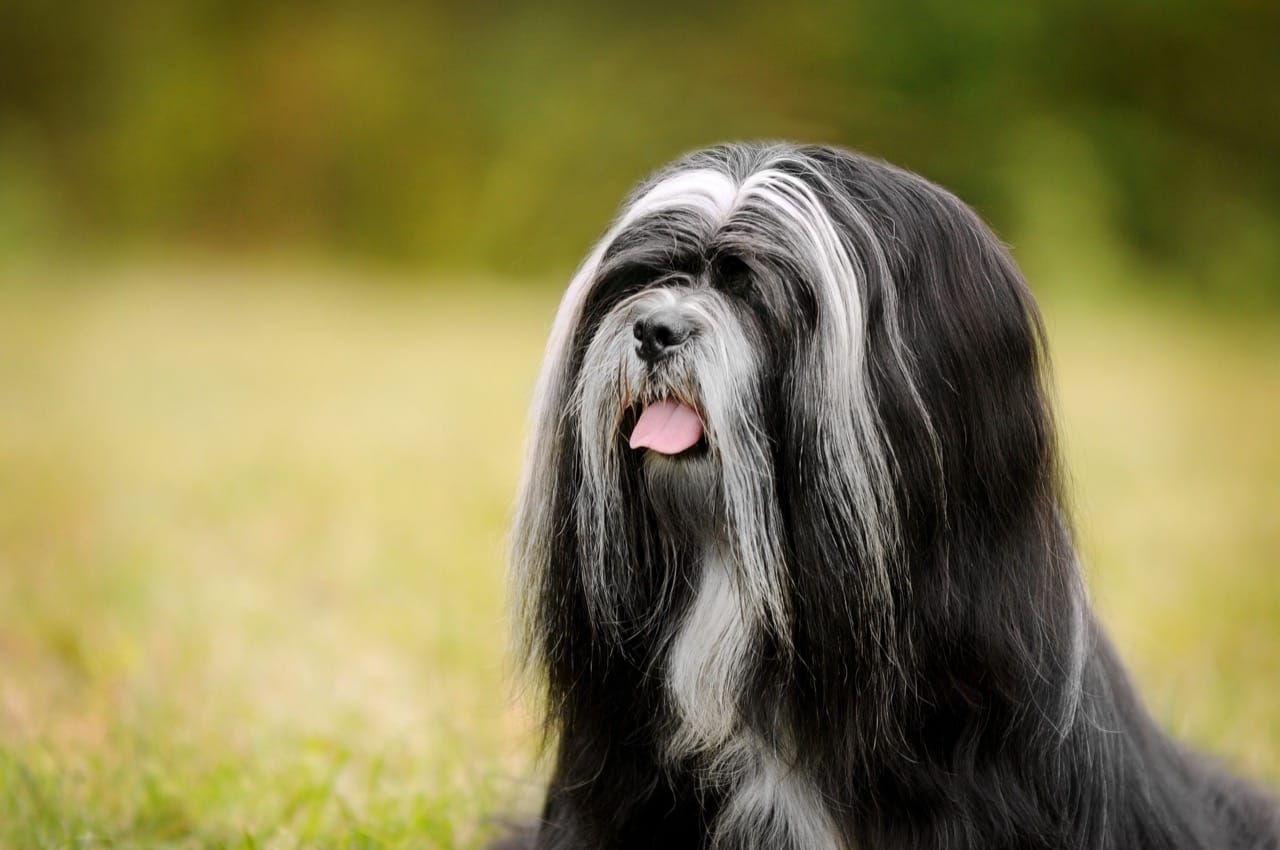
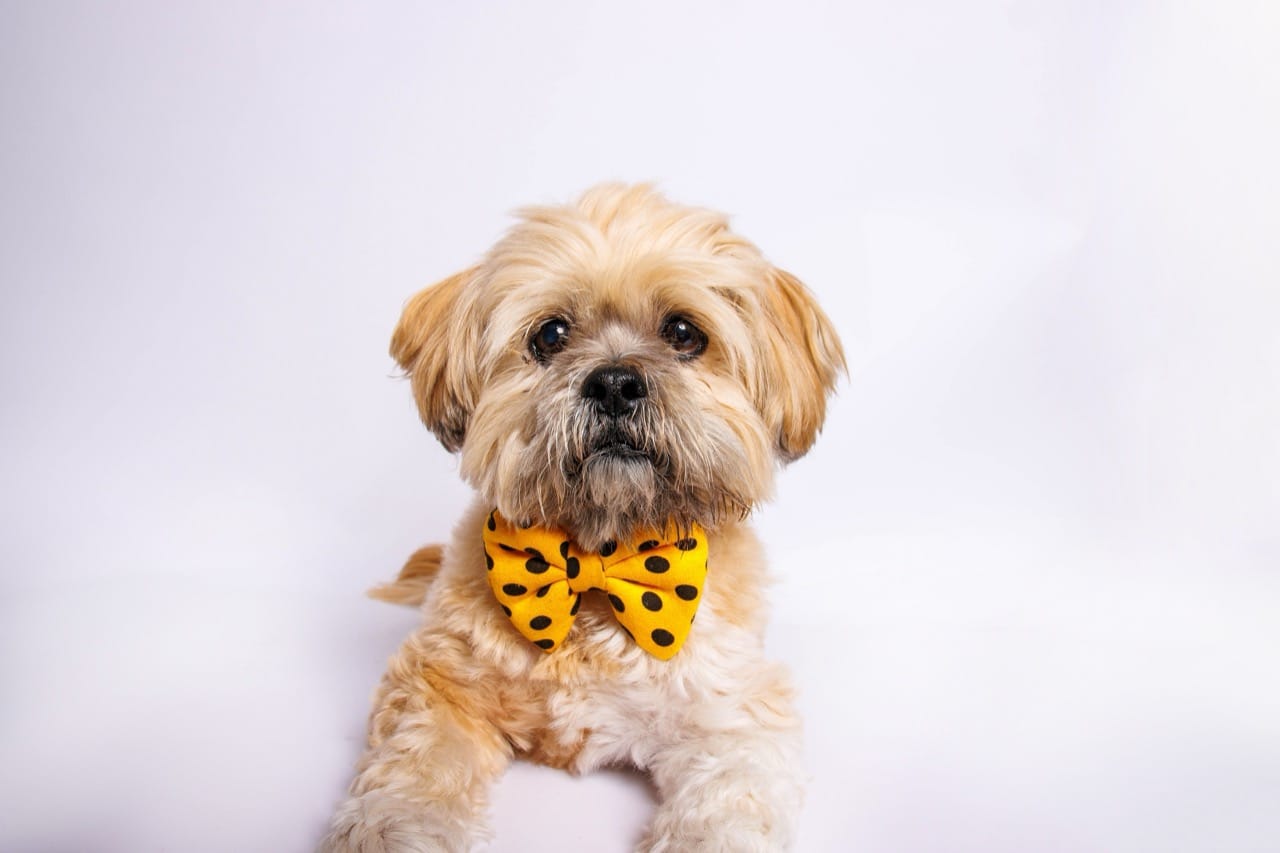
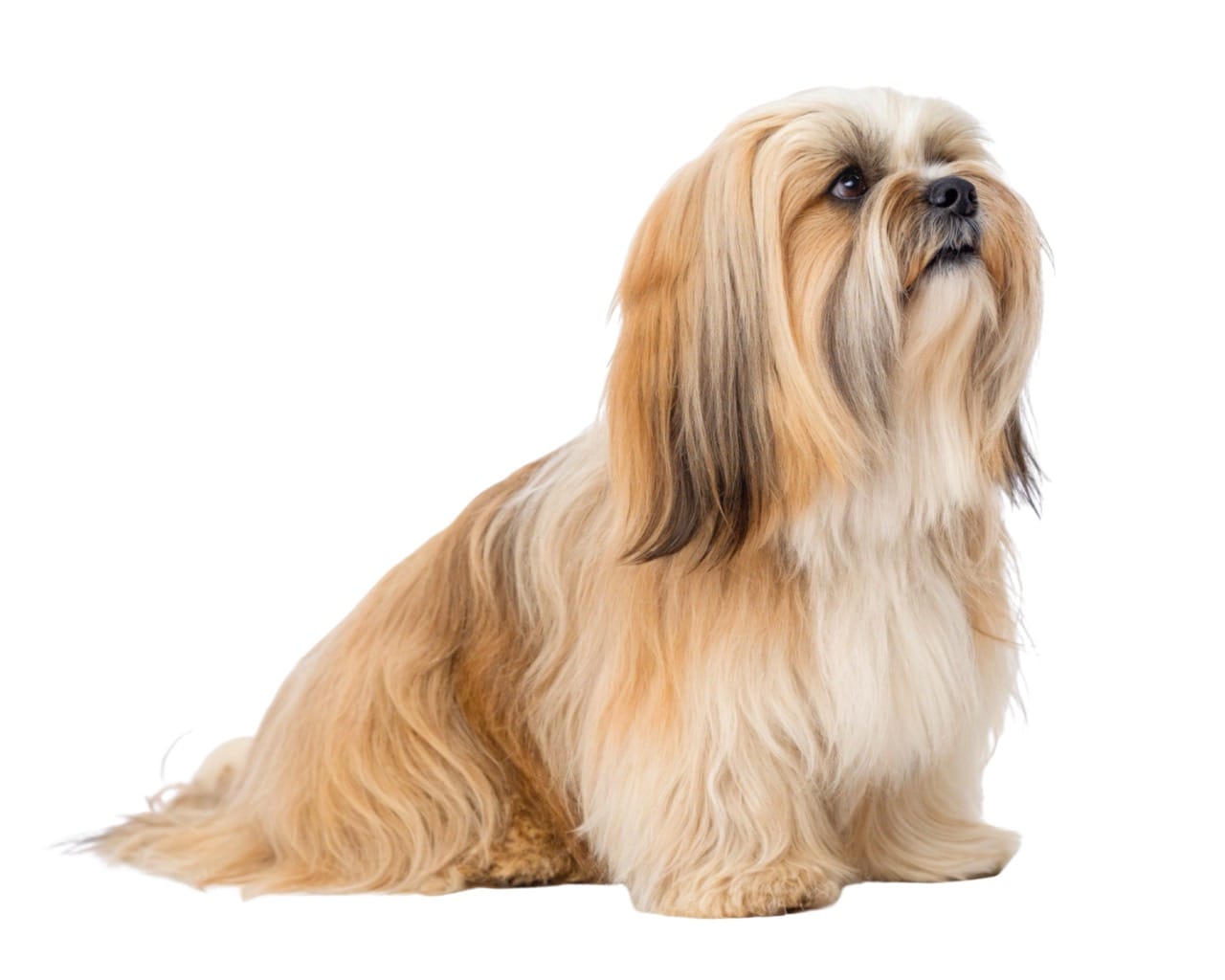
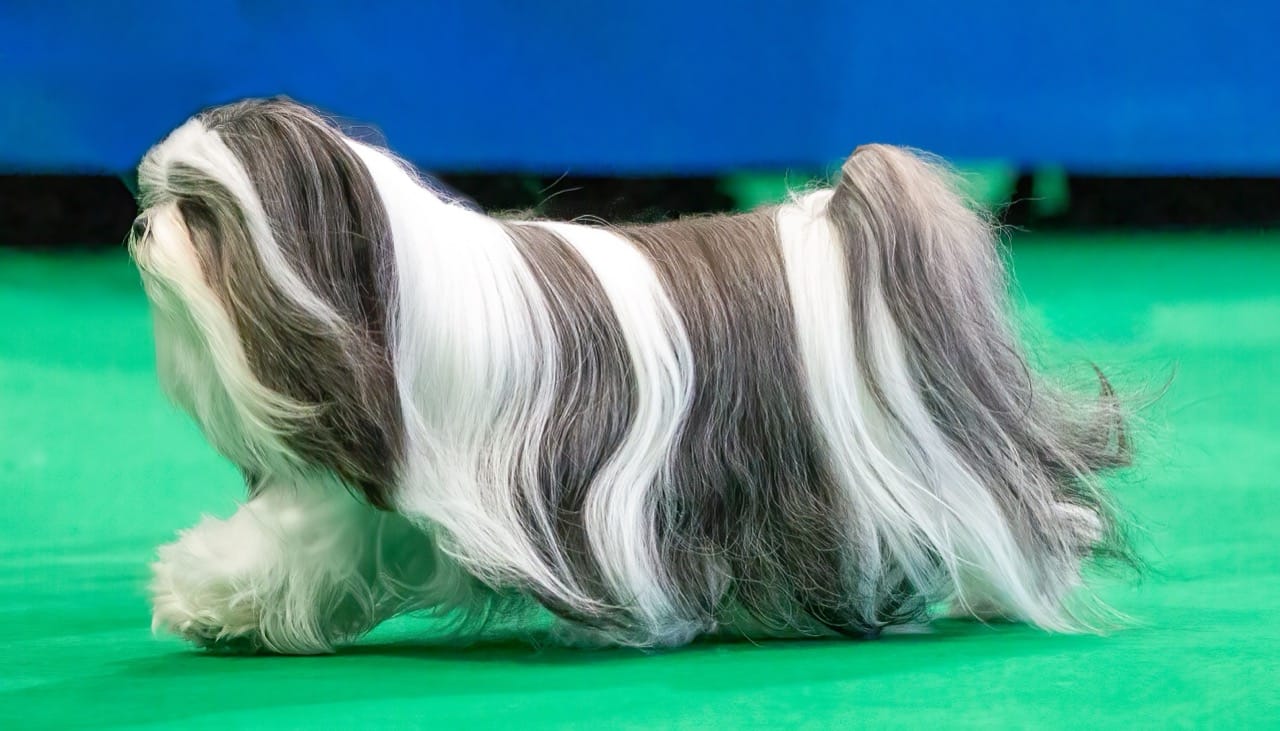
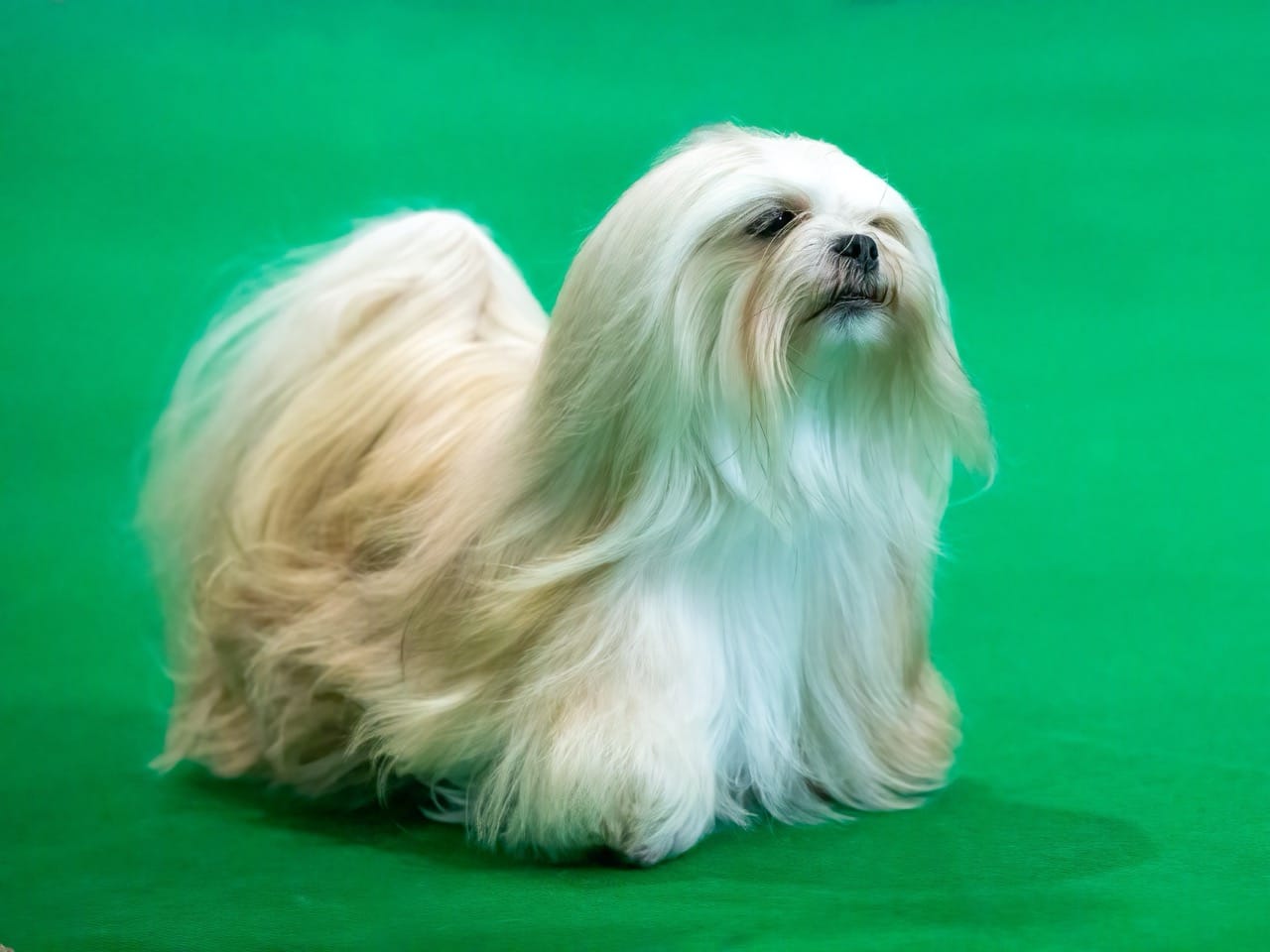
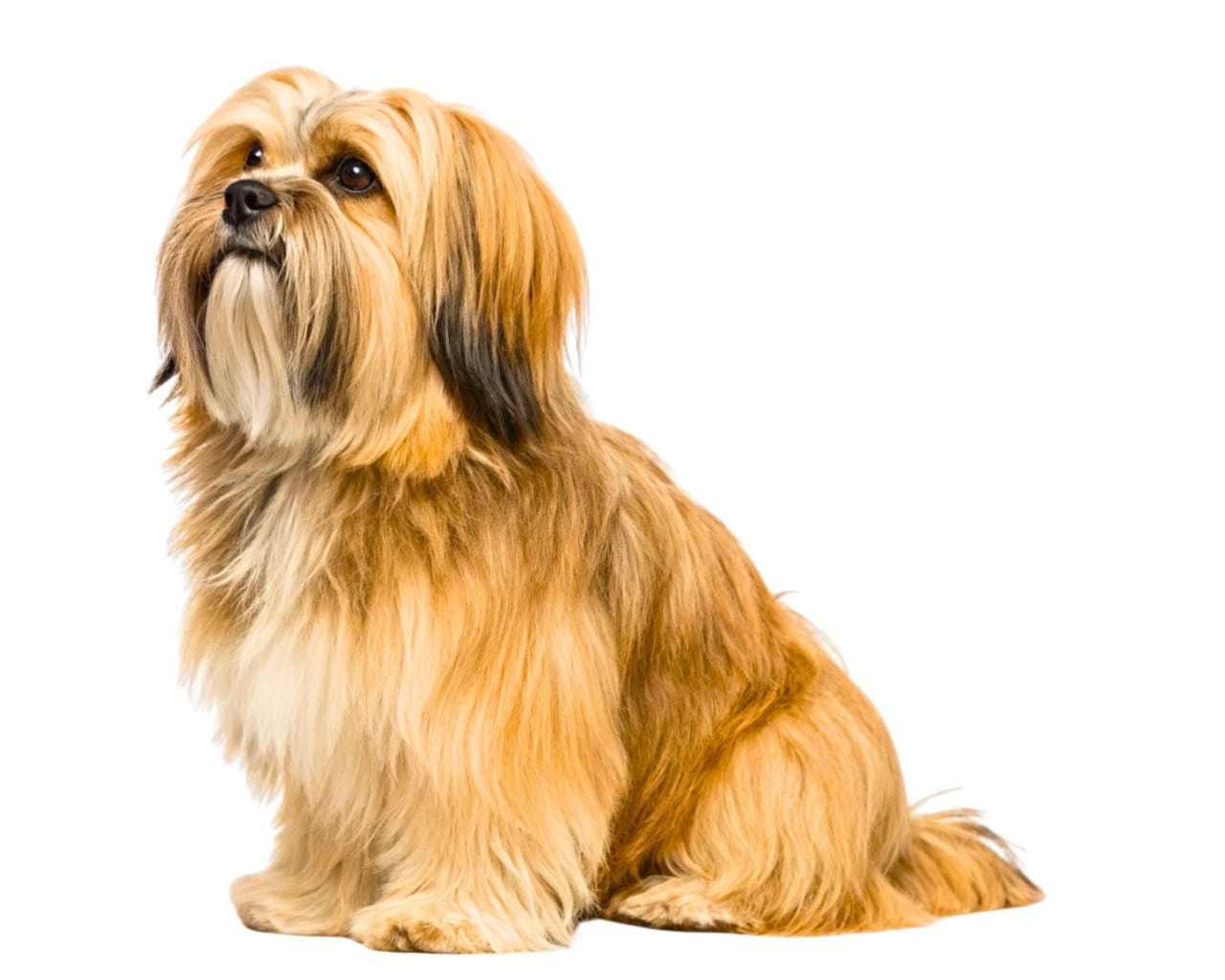
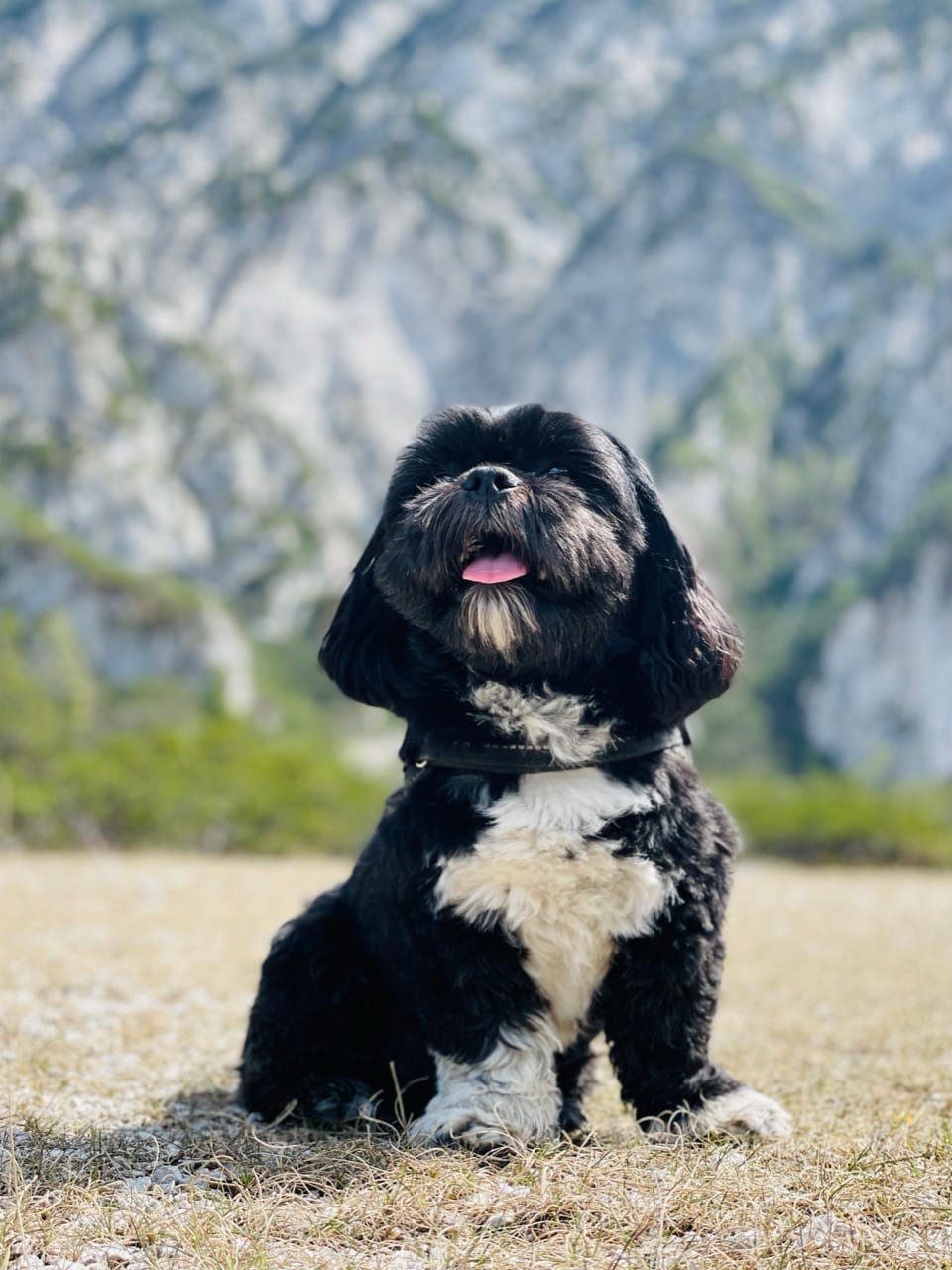
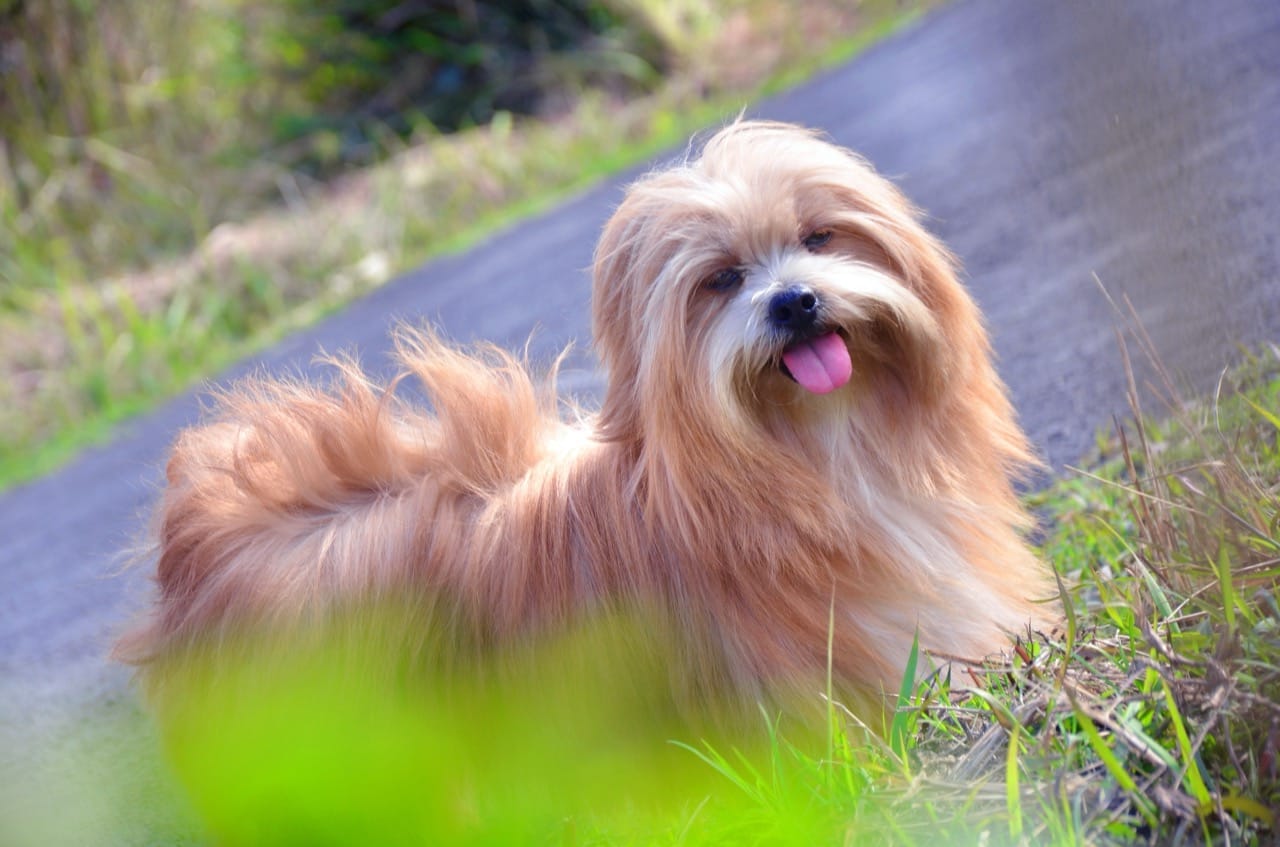
The Lhasa Apso is famous for a long, straight, heavy coat that can sweep the floor and a confident, almost regal way of moving through the house. That glamorous look comes with very real upkeep, and the best care routines are the ones that keep the dog comfortable first and stylish second. Understanding how the coat behaves, why the eyes need special attention, and which health concerns are most common can turn grooming from a struggle into a steady rhythm.
Although people often assume long-coated dogs must shed heavily, the Lhasa Apso is generally considered a lower-shedding breed compared with many other double-coated dogs. Hair still falls out, but it tends to get trapped in the coat rather than dropping all over the floor. The tradeoff is matting. Loose hairs, dust, and friction from collars or harnesses can quickly form tangles that tighten into mats, especially behind the ears, in the armpits, along the belly, and around the tail. Regular brushing is not just for appearance; it prevents painful pulling on the skin and reduces the risk of moisture and debris being trapped close to the body.
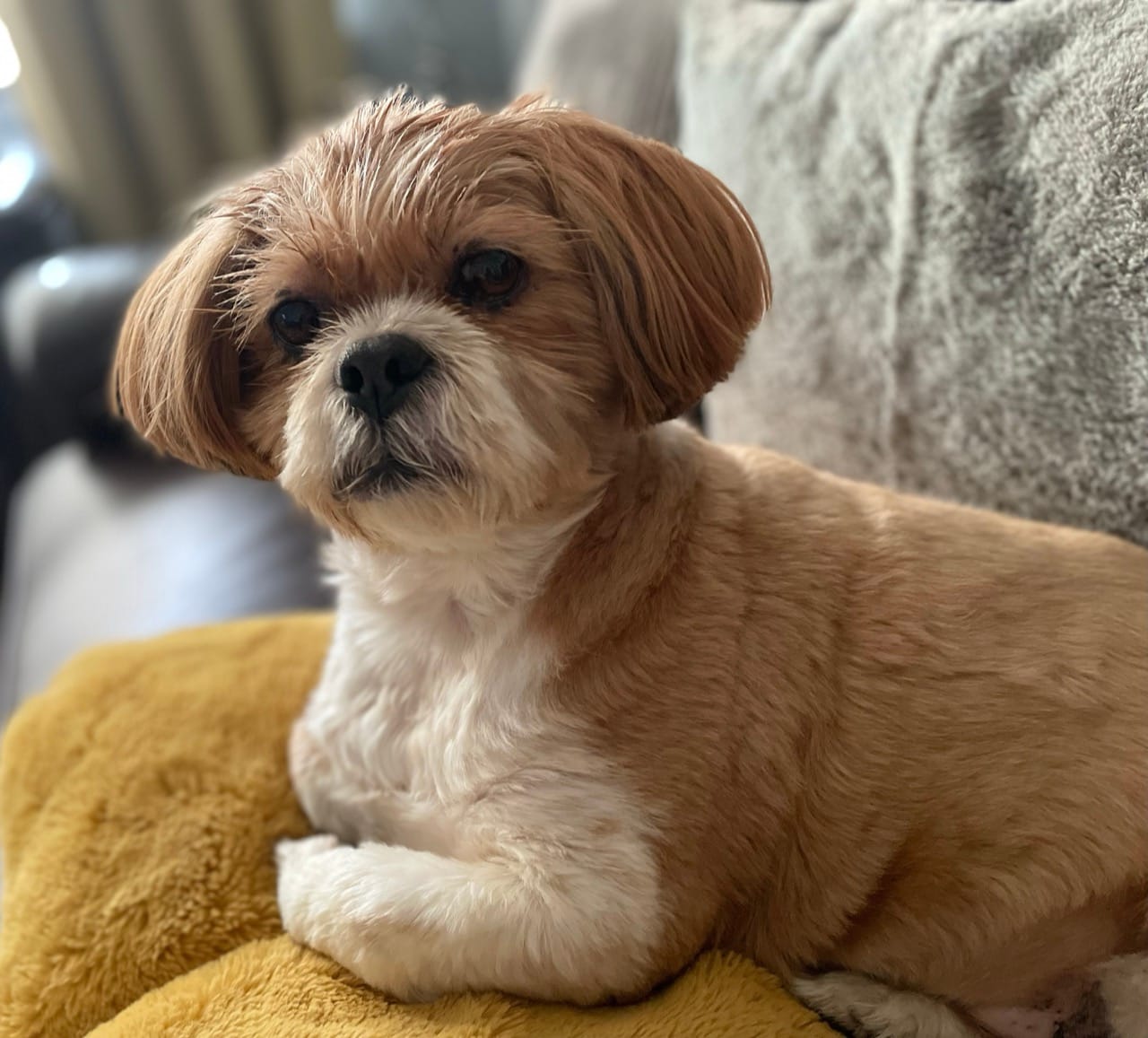
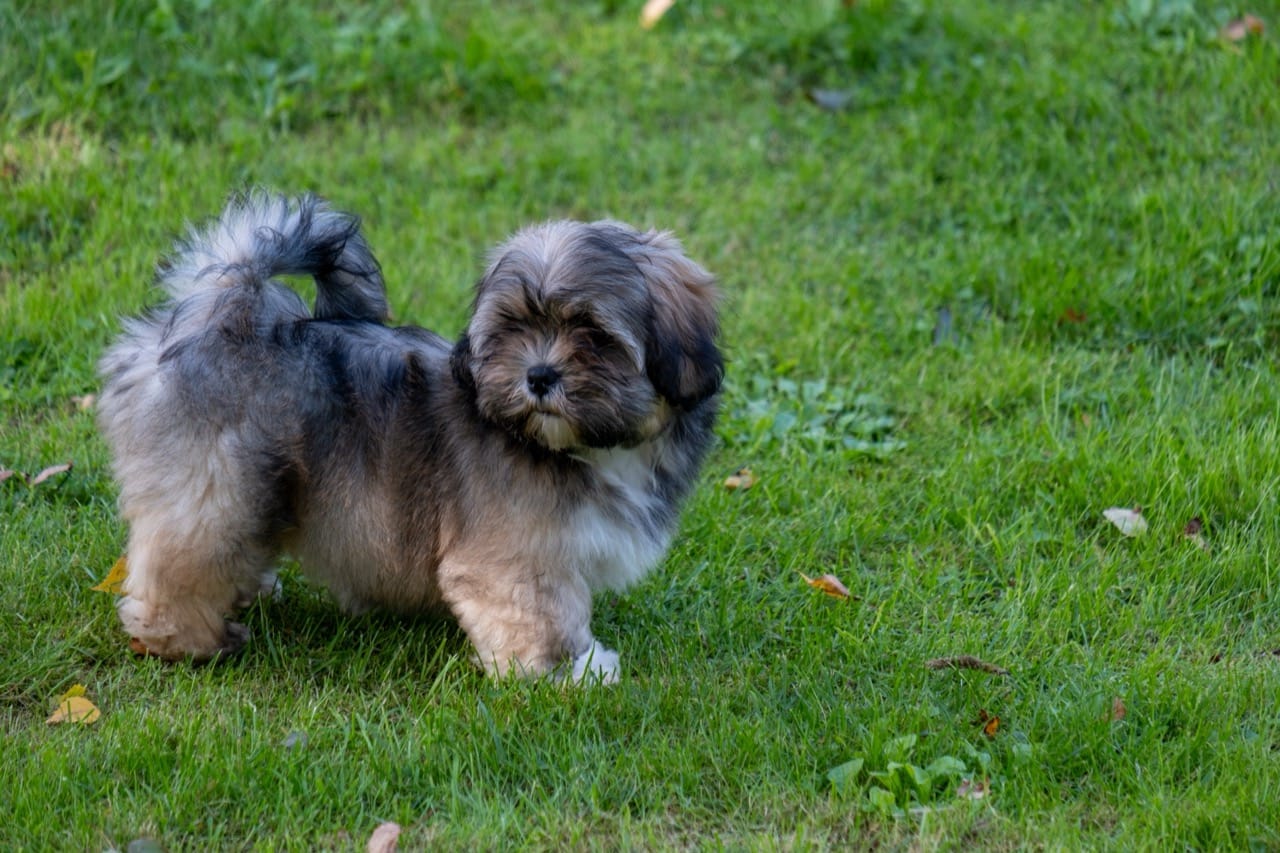
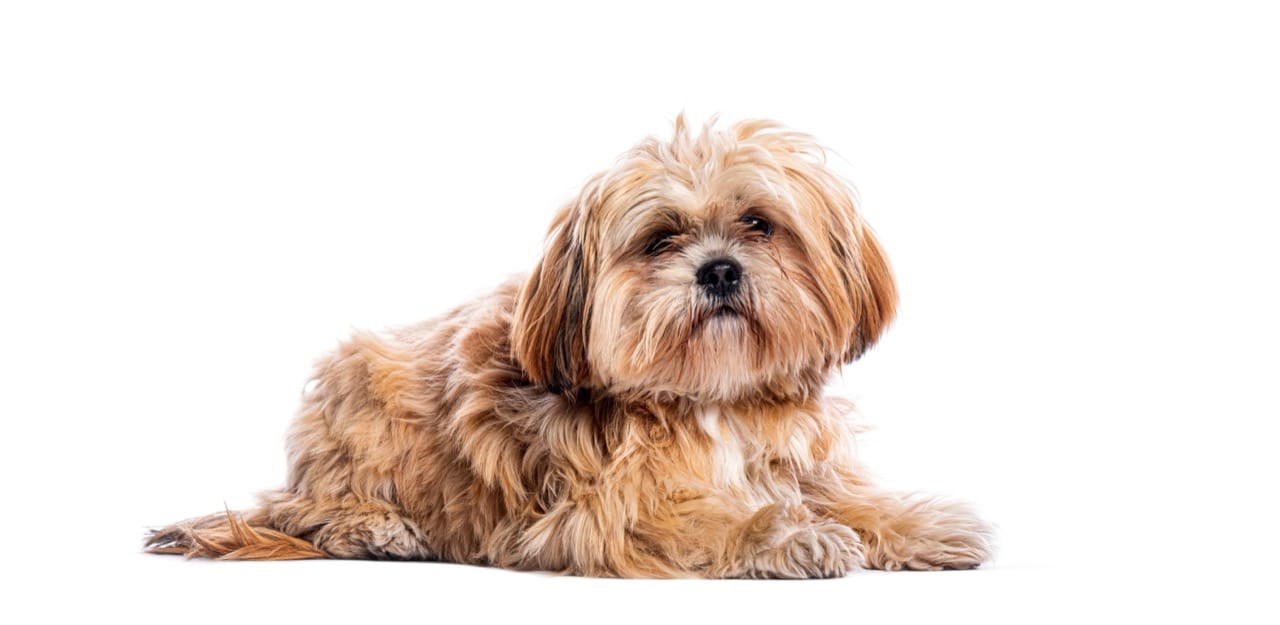
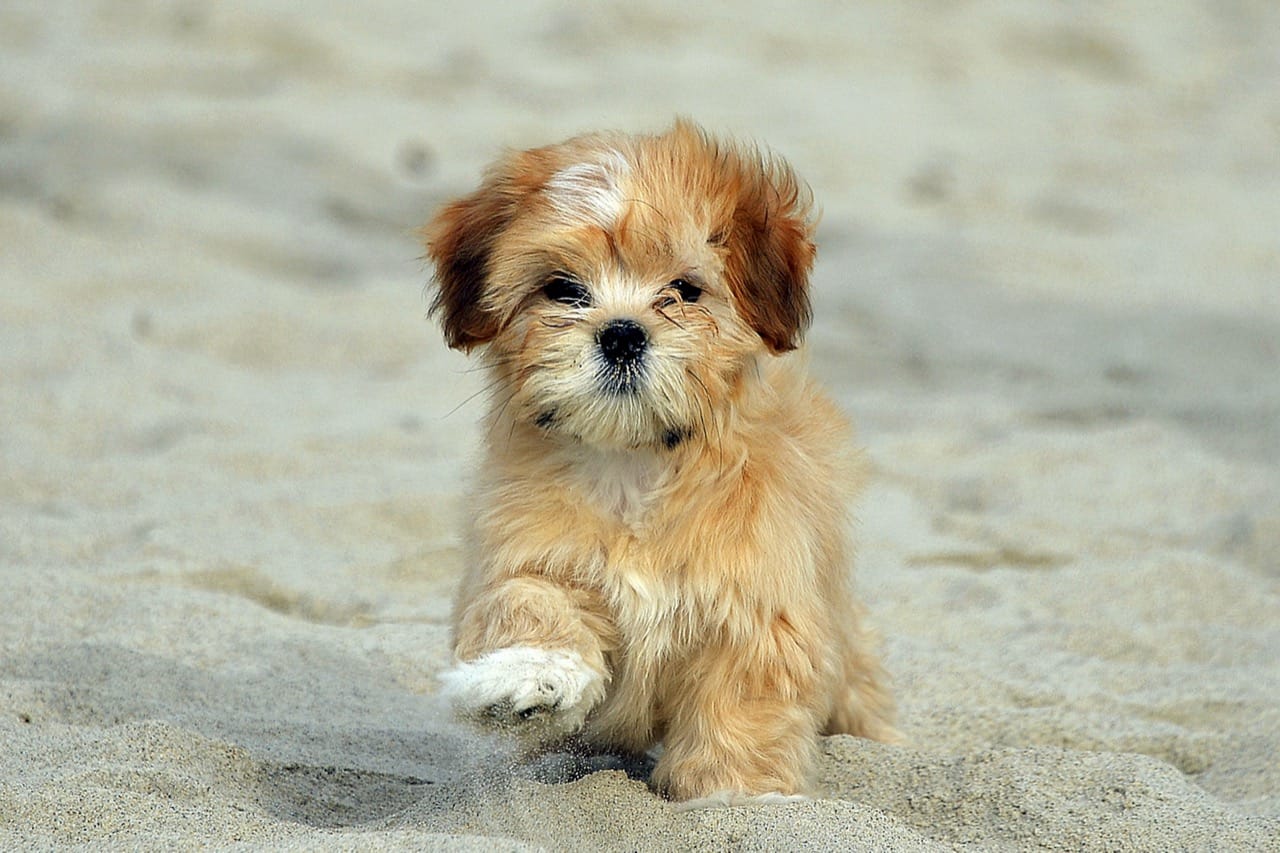
Effective brushing is more about technique than speed. Working in small layers down to the skin helps you find hidden tangles before they become solid mats. Many owners use a light mist of water or a coat conditioning spray to reduce breakage, because dry brushing can snap hair and make the coat look frizzy. If you hit a tangle, teasing it apart gently with your fingers or a comb is safer than yanking with a brush. For families who love the breed but not the daily coat work, a shorter pet trim is a practical option. A Lhasa Apso can still look like a Lhasa Apso without a floor-length coat.
Bathing is another milestone where comfort matters. A long coat can hold shampoo residue and, more importantly, hold water close to the skin. If the undercoat stays damp, it can contribute to irritation, hot spots, and a musty smell. Thorough rinsing and careful drying are essential. Towel drying alone rarely reaches the layers near the skin, so many owners rely on a low-heat dryer while brushing to separate the coat and prevent tangles from setting as it dries. Ears, feet, and the area under the collar are common places where moisture lingers.
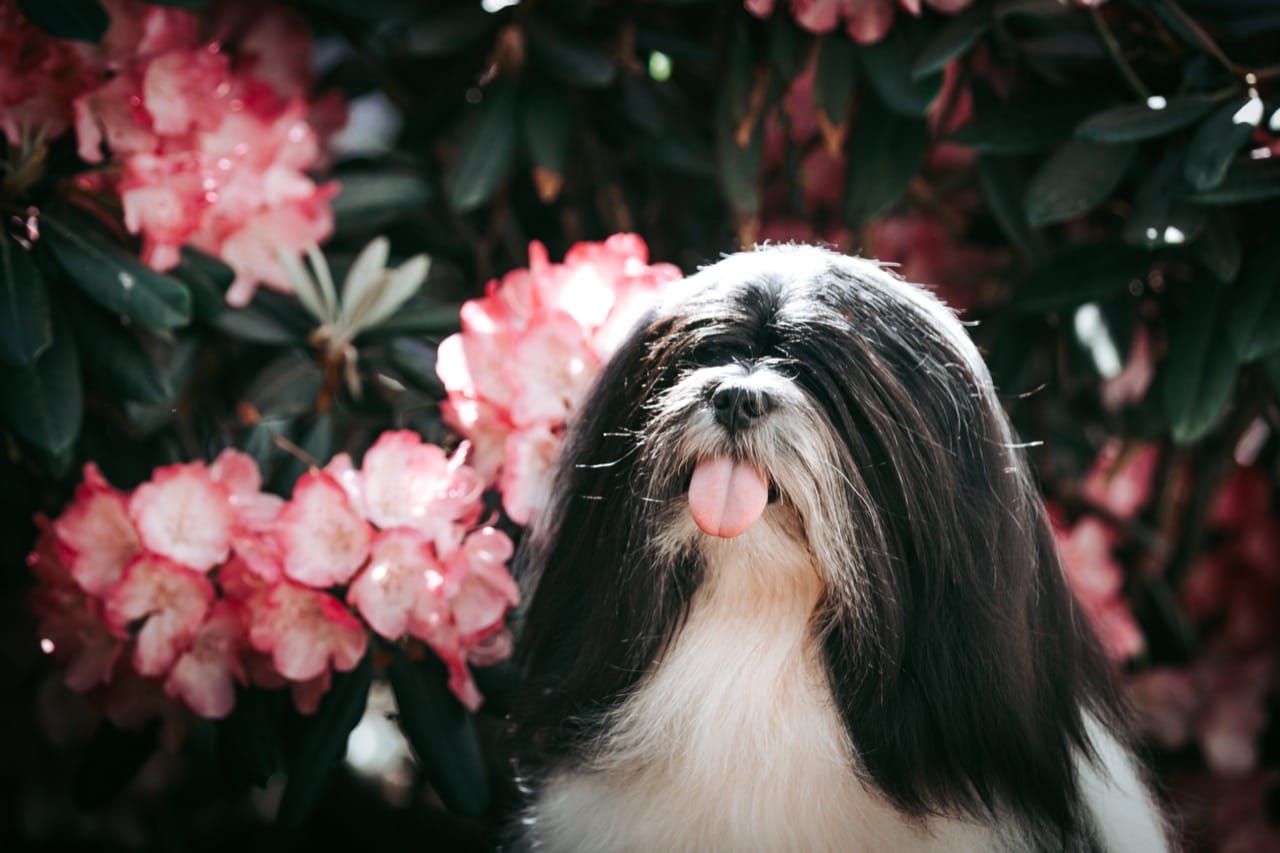
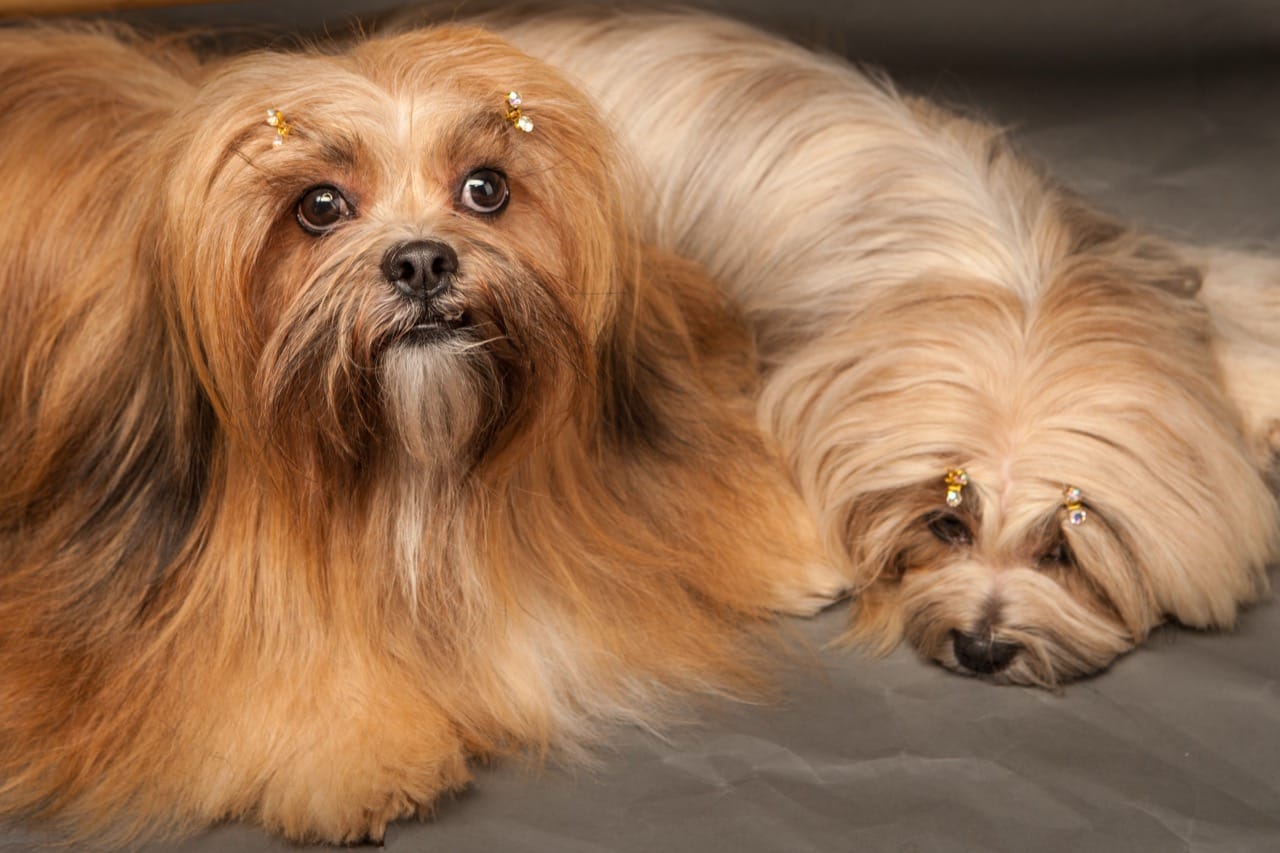
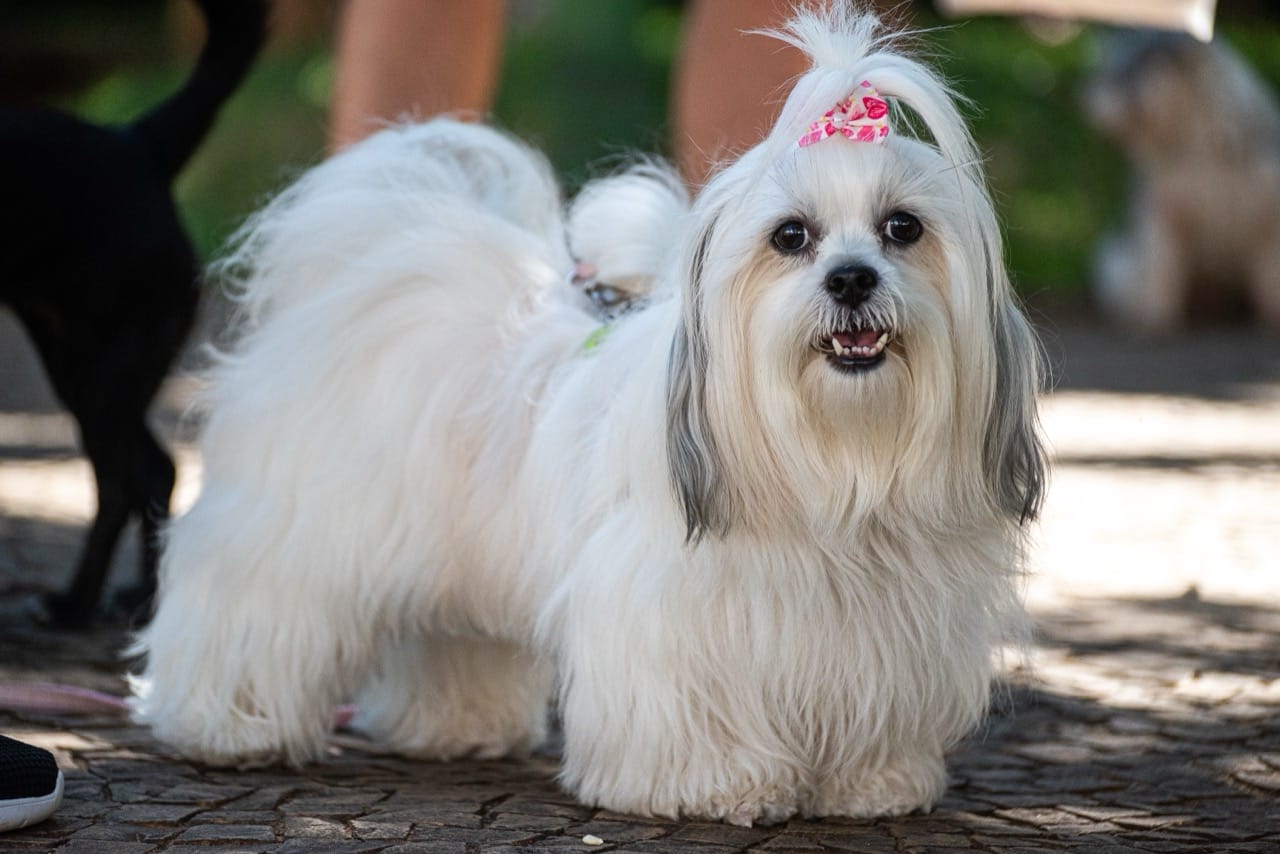
The classic topknot is not just a cute hairstyle. Lhasa Apsos often have hair that falls forward, and strands can poke or rub the eyes. Keeping facial hair tied up or neatly trimmed can help protect the eyes and improve visibility. Eye care is a recurring theme with this breed. Watch for redness, squinting, excessive tearing, or discharge, and keep the hair around the eyes clean. Because small dogs can be prone to dental disease, daily tooth brushing and regular professional cleanings can also make a huge difference in long-term comfort.
On the health side, Lhasa Apsos are not as extremely flat-faced as some breeds, but they can still have brachycephalic-style airway considerations. That can mean noisy breathing, snoring, or reduced tolerance for heat and heavy exercise. Keeping them at a healthy weight, avoiding overheating, and using a harness instead of a collar can reduce strain on the airway.
Patellar luxation, where the kneecap slips out of place, is another issue often discussed in small breeds including the Lhasa Apso. Signs can include skipping steps, sudden limping, or a hop that resolves quickly. Veterinary evaluation helps determine whether management, physical therapy, or surgery is appropriate.
If there is one theme that ties Lhasa Apso grooming and health together, it is prevention. A few minutes of brushing to stop mats, careful drying to keep skin healthy, a tidy topknot to protect sensitive eyes, and early attention to breathing or knee changes can keep this proud little companion feeling good. The result is a dog that not only looks impressive, but moves through life with the comfort and confidence the breed is known for.