Spaniel Health from Cavalier to Clumber










Quiz Complete!
Spaniel Health Quirks and Warning Signs Every Owner Should Know

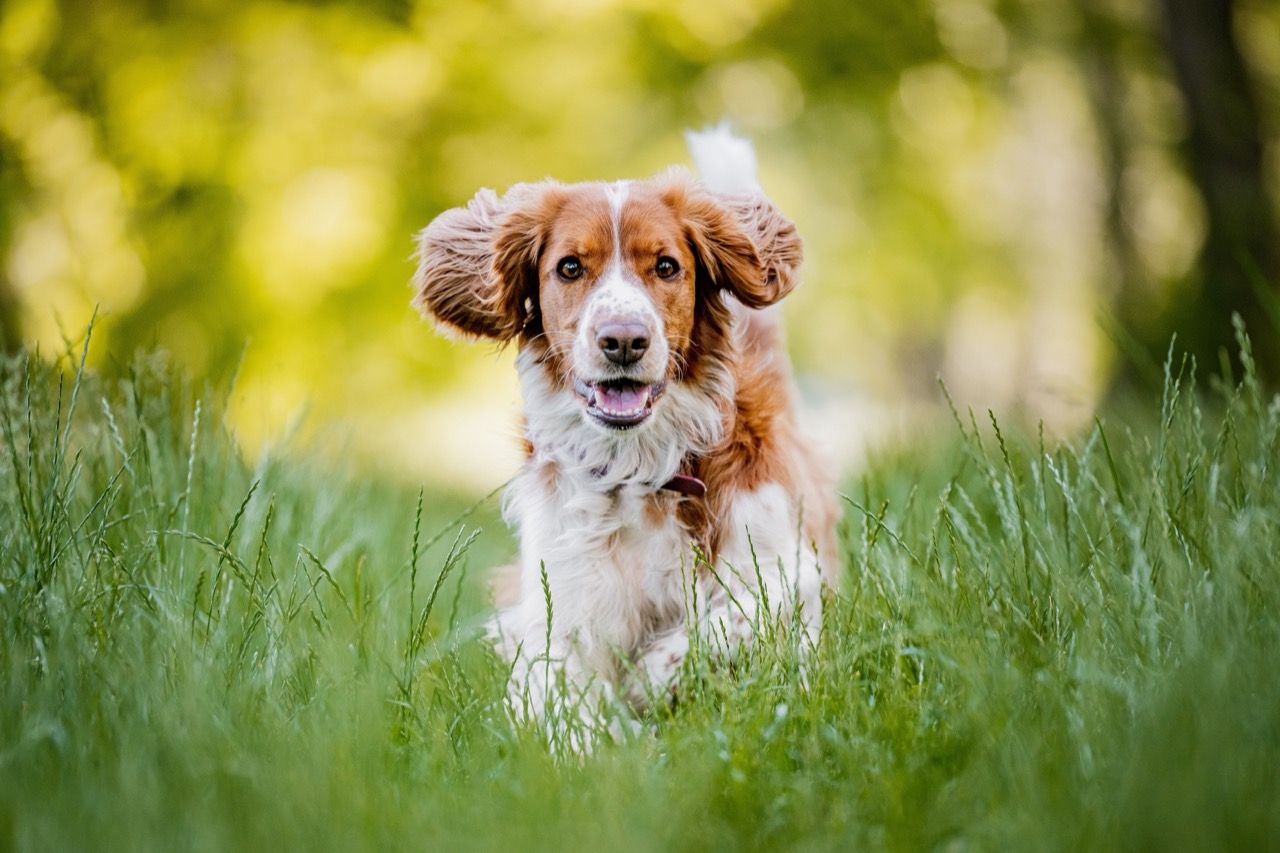
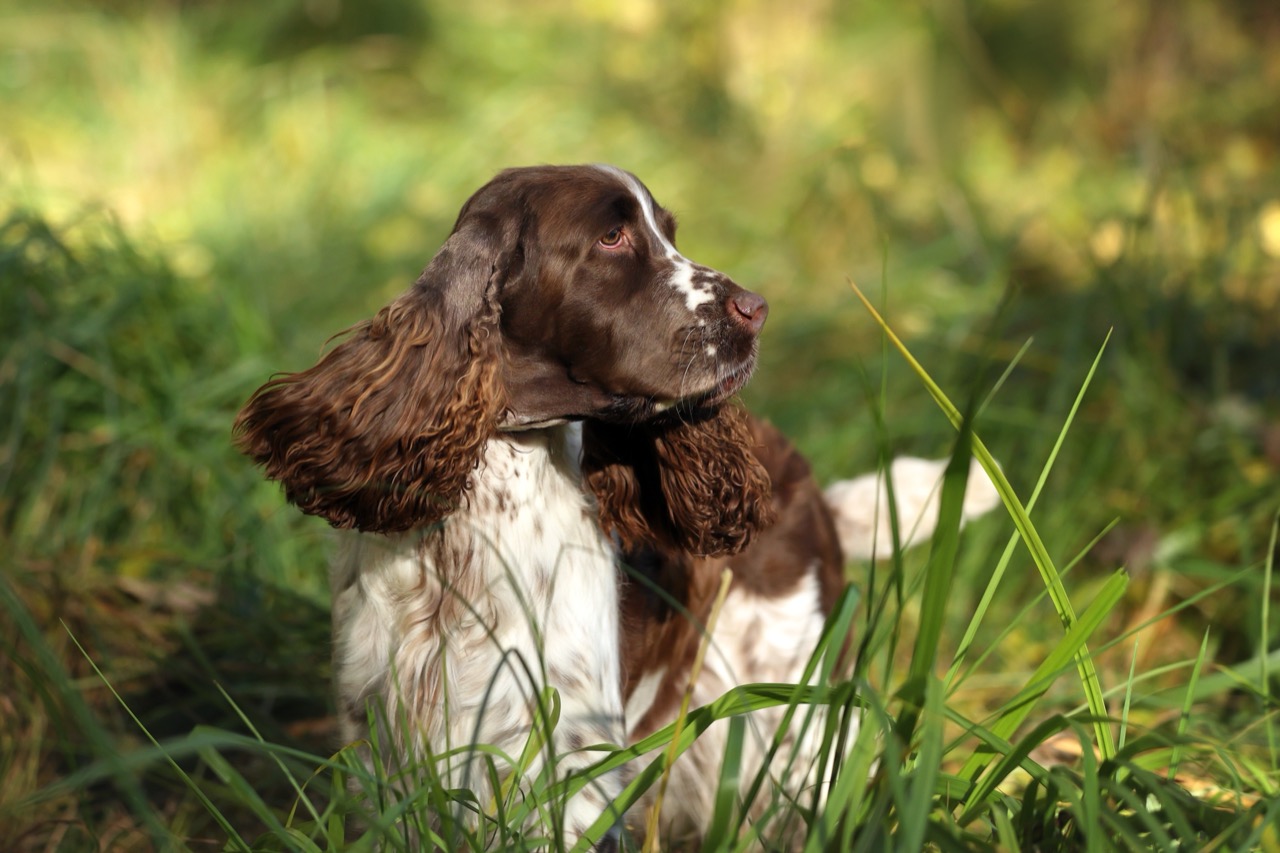
Spaniels are often described as gentle, cheerful dogs with soft ears and even softer eyes, but the same features that make them charming can also shape the health issues they are most likely to face. Many spaniel breeds share long, pendulous ear leather, feathered coats, and an energetic, scent-driven style of exploring the world. Those traits are not problems on their own, yet they create patterns that veterinarians see again and again. Knowing what is common in spaniels helps you notice when something is not normal for your dog.
The classic spaniel ear is often said to help with scent, but it also limits airflow inside the ear canal. Warmth, moisture, and reduced ventilation make yeast and bacterial overgrowth more likely, especially in dogs that swim, get bathed often, or romp through wet grass. Head shaking, ear scratching, a sour smell, redness, or sensitivity when you touch the ear are not quirks to ignore. Chronic infections can lead to thickened ear canals and painful flare ups that become harder to treat over time. Regular checks at home, prompt vet visits when signs appear, and sensible grooming around the ear opening can make a big difference.
Skin and coat troubles are another frequent theme. Feathering can trap burrs, pollen, and moisture close to the skin, which can aggravate allergies or trigger hot spots. Constant licking of paws, rubbing the face on carpets, recurring ear infections, or a musty odor can all point toward underlying allergic disease. Allergies are not just seasonal annoyances; they can set up a cycle of inflammation and infection that affects ears, skin, and even the anal glands.
Several inherited conditions are well known in the spaniel family. Cavalier King Charles Spaniels, for example, are closely associated with mitral valve disease, a heart condition that can progress silently before obvious symptoms appear. A soft cough, reduced stamina, faster breathing at rest, or fainting spells warrant veterinary attention, but routine checkups that include listening to the heart are just as important because early murmurs may be picked up before you notice anything at home. Some Cavaliers are also predisposed to syringomyelia, a disorder involving fluid filled cavities in the spinal cord. Signs can be subtle, such as sensitivity around the neck, yelping when picked up, or a strange scratching motion near the shoulder without actually touching the skin.
Eye issues are also common across multiple spaniel breeds. Dry eye, cataracts, and eyelid or eyelash problems can cause squinting, redness, discharge, cloudiness, or frequent blinking. Because spaniels often have expressive faces, it is easy to assume they are just being dramatic, but eye pain is serious and can worsen quickly.
Orthopedic concerns show up in active, enthusiastic dogs that love to sprint, jump, and twist. Patellar luxation, hip dysplasia, and cruciate ligament injuries can occur, and early warning signs may look like occasional limping, bunny hopping, stiffness after rest, or reluctance to climb stairs. Weight control is especially important for spaniels because extra pounds increase stress on joints and can worsen breathing and heart problems.
Finally, do not overlook the everyday warning signs that apply to any dog but can be masked by a spaniel’s eagerness to please. A dog that suddenly seems quieter, stops greeting you, drinks much more or less, has changes in appetite, or shows persistent vomiting or diarrhea deserves a call to the vet. Spaniels are famous for acting cheerful even when uncomfortable, so the best health tool you have is attention to small changes. The more familiar you are with your dog’s normal habits, the easier it is to spot the early hints that something is wrong.