Flush Hour: Spaniels in the Field
Quiz Complete!
Spaniels at Work: The Field Skills That Shaped a Family of Dogs
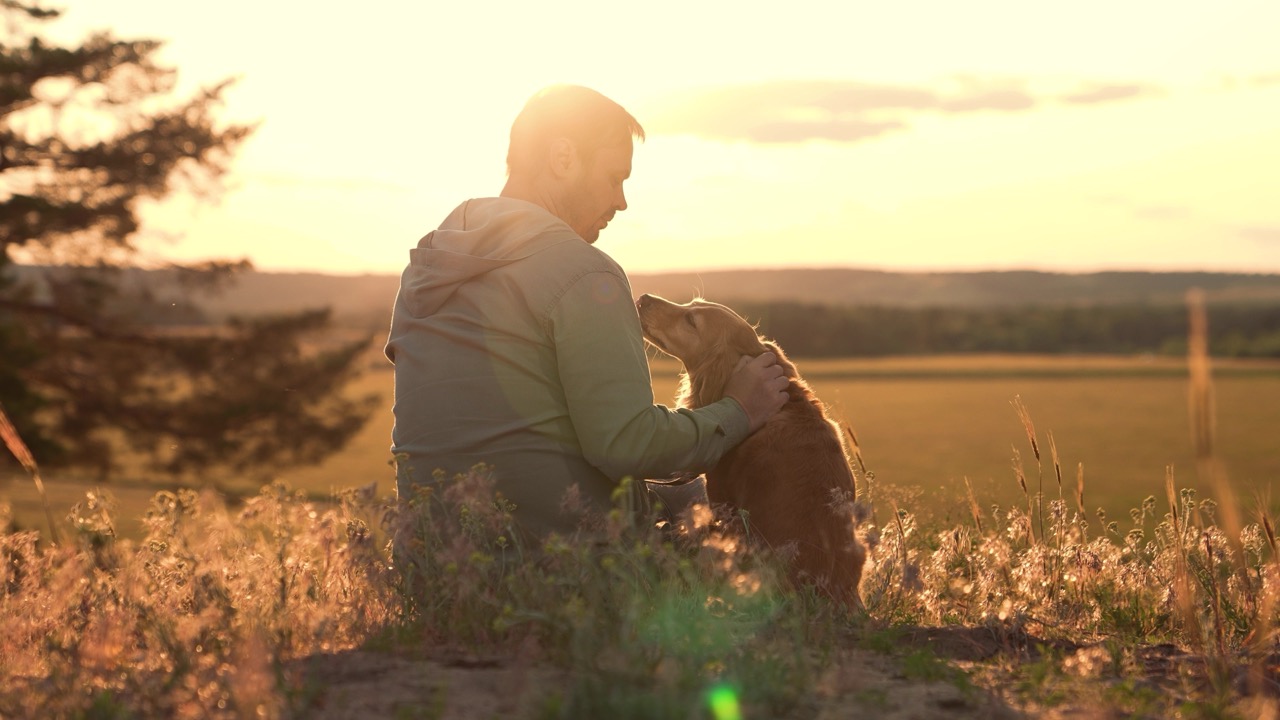
Spaniels did not become beloved companions by accident. They were built, refined, and prized for practical work in the field, where a hunter needed a dog that could find game hidden in thick cover, push it into the open at the right moment, and then stay connected to the person holding the gun. When you watch a spaniel suddenly brighten at a scent trail, or dive into brambles as if the scratches do not matter, you are seeing generations of selection for very specific tasks.
A classic spaniel job is flushing, which means driving birds or small game out of cover so they can be taken safely and cleanly. To do this well, a dog must hunt close rather than ranging far away. That close working style is one of the spaniel family’s signatures. Many pointing breeds were developed to search bigger areas and then freeze to indicate game, but a spaniel’s value was in weaving through likely spots within gun range, constantly checking back and responding to subtle cues. This is where the spaniel reputation for being people-focused comes from. In the field, cooperation was not just nice, it was necessary.
The way spaniels move is also tied to their purpose. A working spaniel often quarters, running a back-and-forth pattern in front of the hunter to cover ground efficiently. This pattern is not random excitement. It is an organized search strategy that keeps the dog close enough to be directed and close enough that a flushed bird will rise where it can be shot. The spaniel’s compact build, strong hindquarters, and energetic gait support this stop-and-go work through uneven terrain.
Their coats tell another part of the story. Feathering on the legs, chest, and belly is not just decorative. In many spaniels it offers protection when pushing into wet grass, thorny hedgerows, and dense undergrowth. The coat can shed water and help prevent scratches, while still being light enough for a dog that must move quickly. Of course, that same coat can collect burrs and seeds, which is why working handlers traditionally pay attention to grooming and checking ears, feet, and feathering after a day out.
Speaking of ears, spaniels are famous for them, and those long, soft ears have a working downside as well as a charm. They can trap moisture and debris, especially when a dog is crashing through wet cover or swimming for retrieves. Spaniels are scent-driven, and their enthusiasm for odor is central to both flushing and retrieving. In thick cover, vision is limited, so the nose becomes the main tool for locating game.
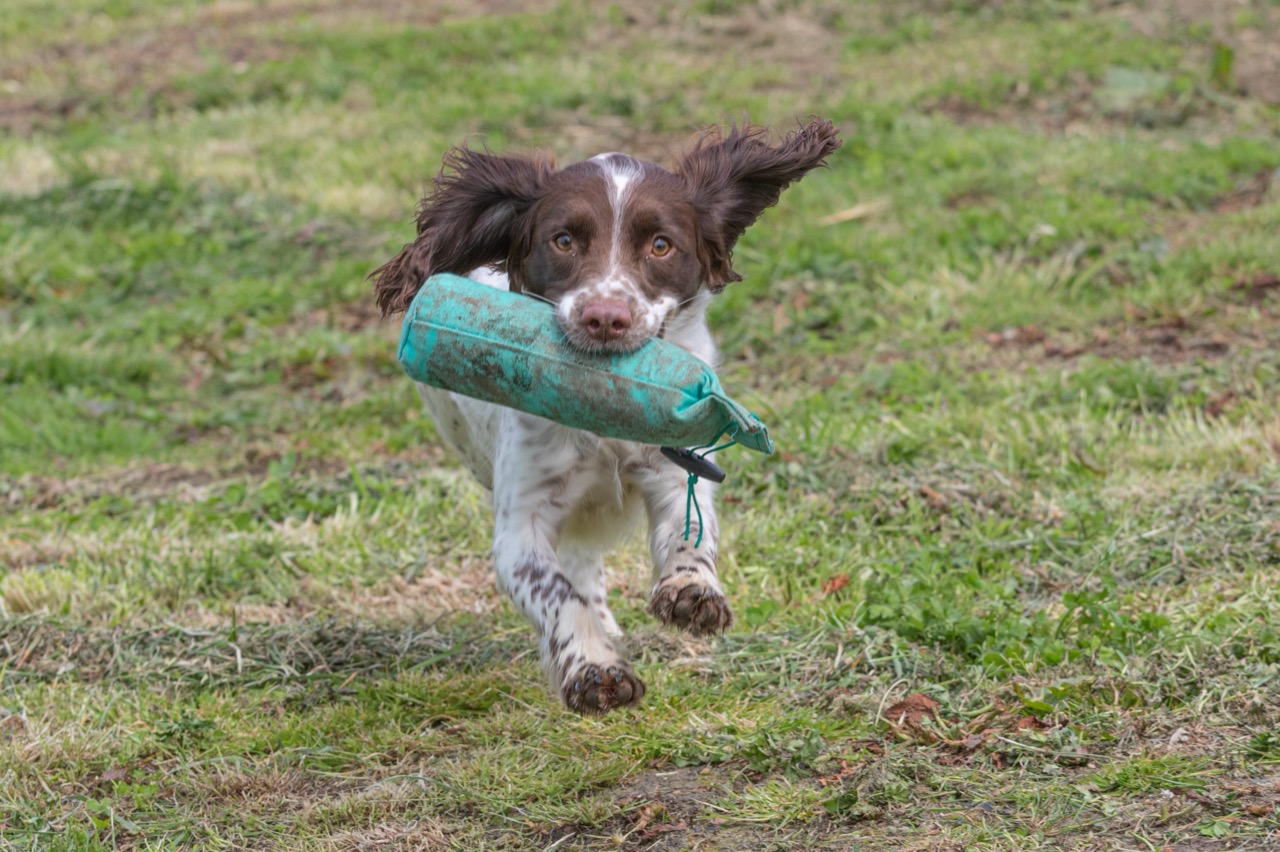
Some spaniels were expected to retrieve as well as flush, bringing back downed birds from land and sometimes water. Retrieving demands a soft mouth, meaning the dog carries game gently without crushing it. That careful carry is not a parlor trick. It is a practical feature for delivering an undamaged bird to hand. Many spaniels naturally like to pick things up and bring them back, which is one reason they can be so responsive to fetch games at home. In the field, that instinct is shaped into steadiness, so the dog waits until sent and returns directly.
Even the spaniel temperament makes more sense when you view it through work. A good spaniel is bold enough to enter thick cover, sensitive enough to take direction, and persistent enough to keep searching when scent is faint. Their joy in the job is not just high energy, it is a working mindset: find, flush, and stay connected. Watching a spaniel do what it was made to do is like watching history move through grass and hedgerow, tail wagging, nose down, ready for the next hidden scent.