Wet Ears and Burrs: Spaniel Life




Quiz Complete!
Everyday Spaniel Care: Small Habits That Make a Big Difference

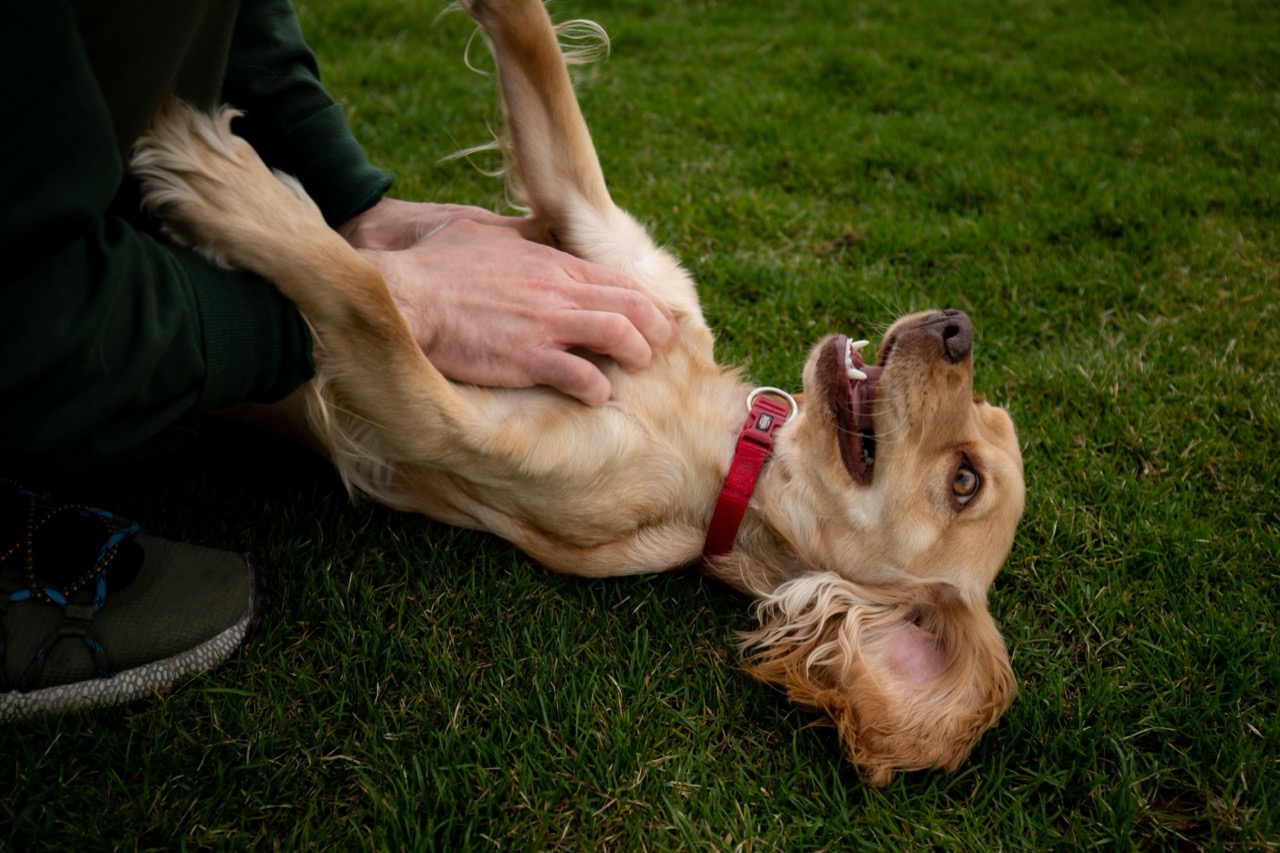
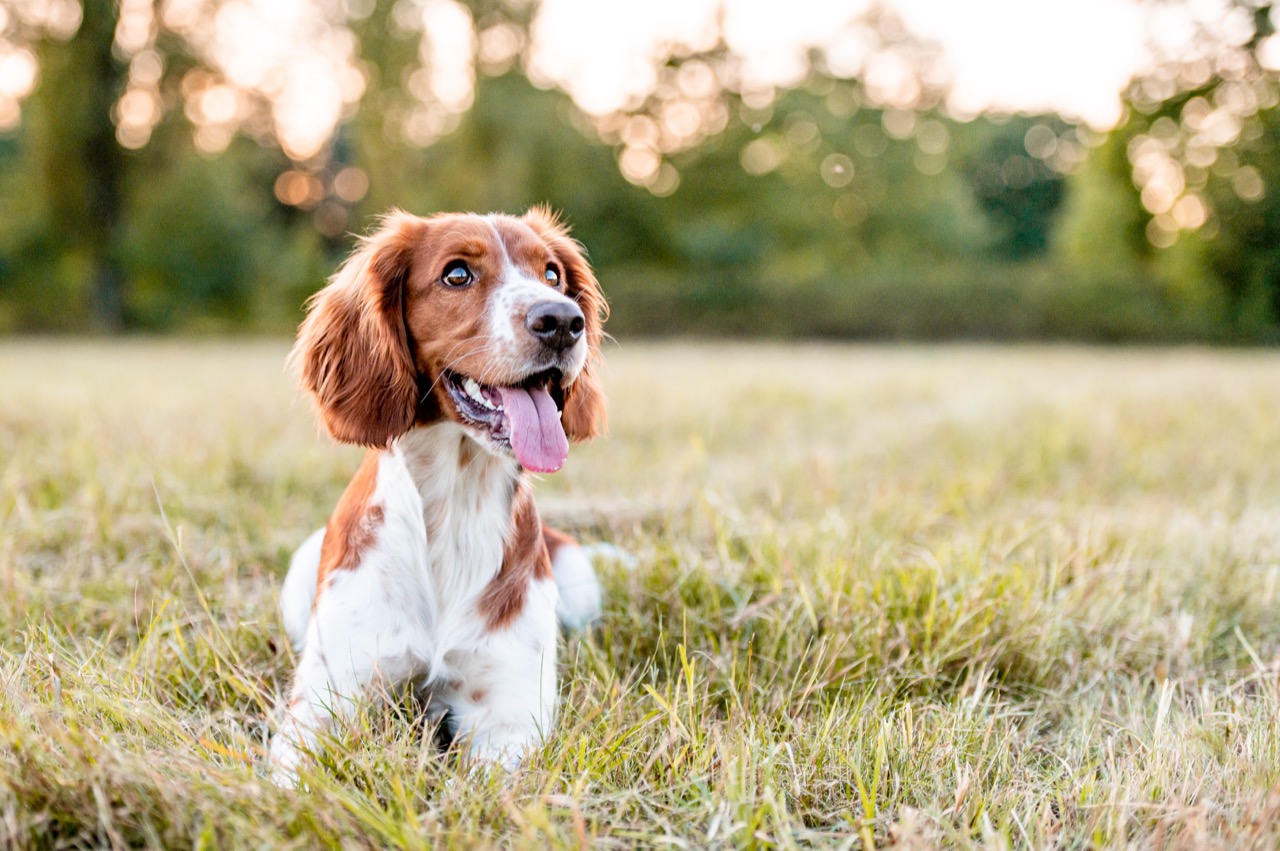
Living with a spaniel often feels like sharing your home with a cheerful coworker who is always ready for the next assignment. These dogs were shaped to work closely with people, flushing birds, retrieving gently, and staying tuned in to human cues. That history shows up in daily life: many spaniels shadow their owners from room to room, thrive on feedback, and can look genuinely puzzled when they are ignored. The upside is an affectionate, responsive companion. The challenge is that a people-focused dog can also become bored, noisy, or anxious if its needs are treated as optional.
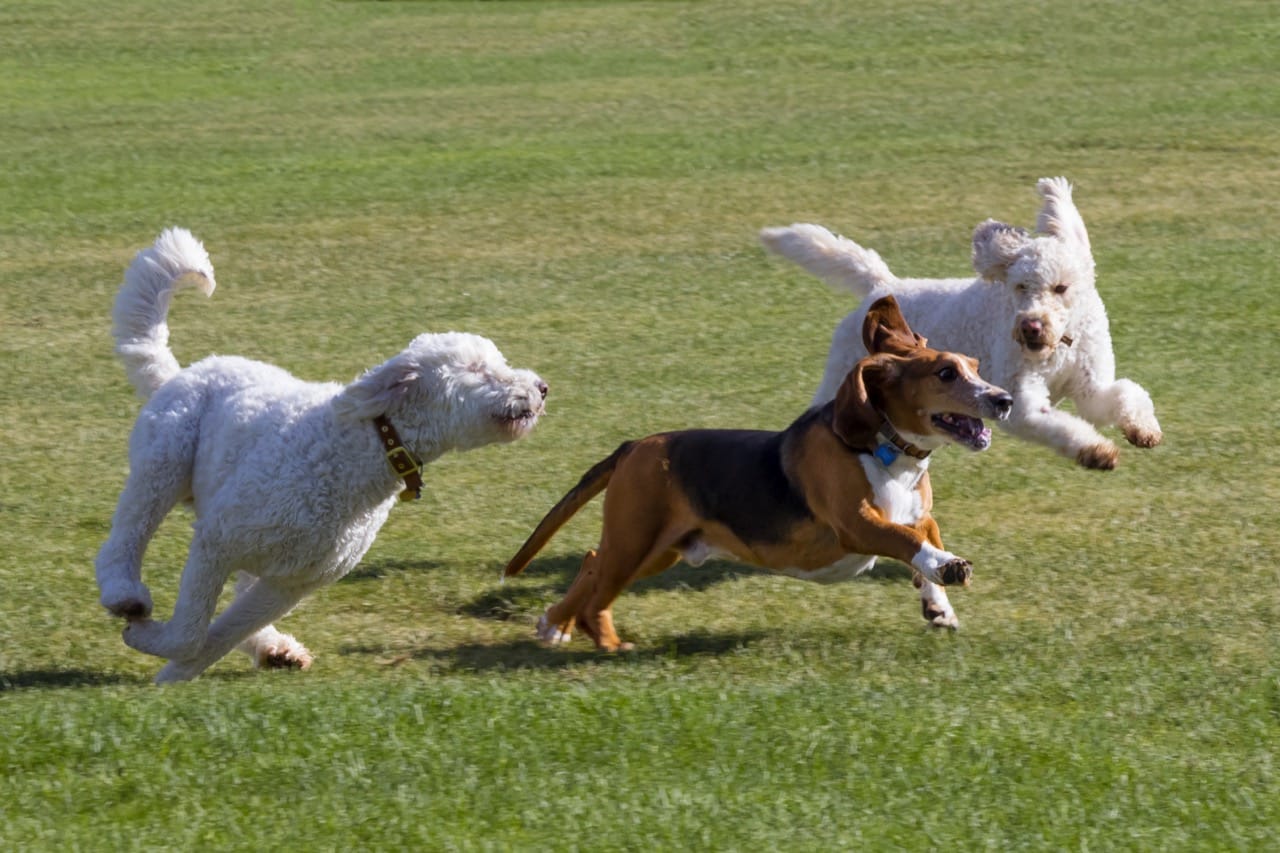
Exercise is the first practical turning point. Many spaniels are compact, so it is easy to underestimate how much activity they need. A brisk neighborhood stroll may cover bathroom breaks, but it rarely satisfies a sporting dog brain. The most successful routines mix steady movement with sniffing, searching, and short training games. A game of fetch, a short jog, or a hike is great, but adding “find it” with tossed treats in grass, practicing recalls, or doing a few minutes of scent work can take the edge off in a way miles alone do not. Because spaniels can be enthusiastic and distractible, especially around birds and squirrels, long lines and consistent recall practice keep freedom safe rather than risky.
Training priorities for spaniels are less about forcing obedience and more about channeling enthusiasm. Many have a famously soft mouth, meaning they can carry objects gently, but that does not automatically translate to impulse control. Teaching “drop it,” “leave it,” and polite greetings early prevents the classic spaniel habit of grabbing socks, kids’ toys, or the nearest interesting item. Short sessions work best. A spaniel that seems stubborn is often overstimulated or confused, not defiant. Clear cues, quick rewards, and ending on a win keep their confidence high.
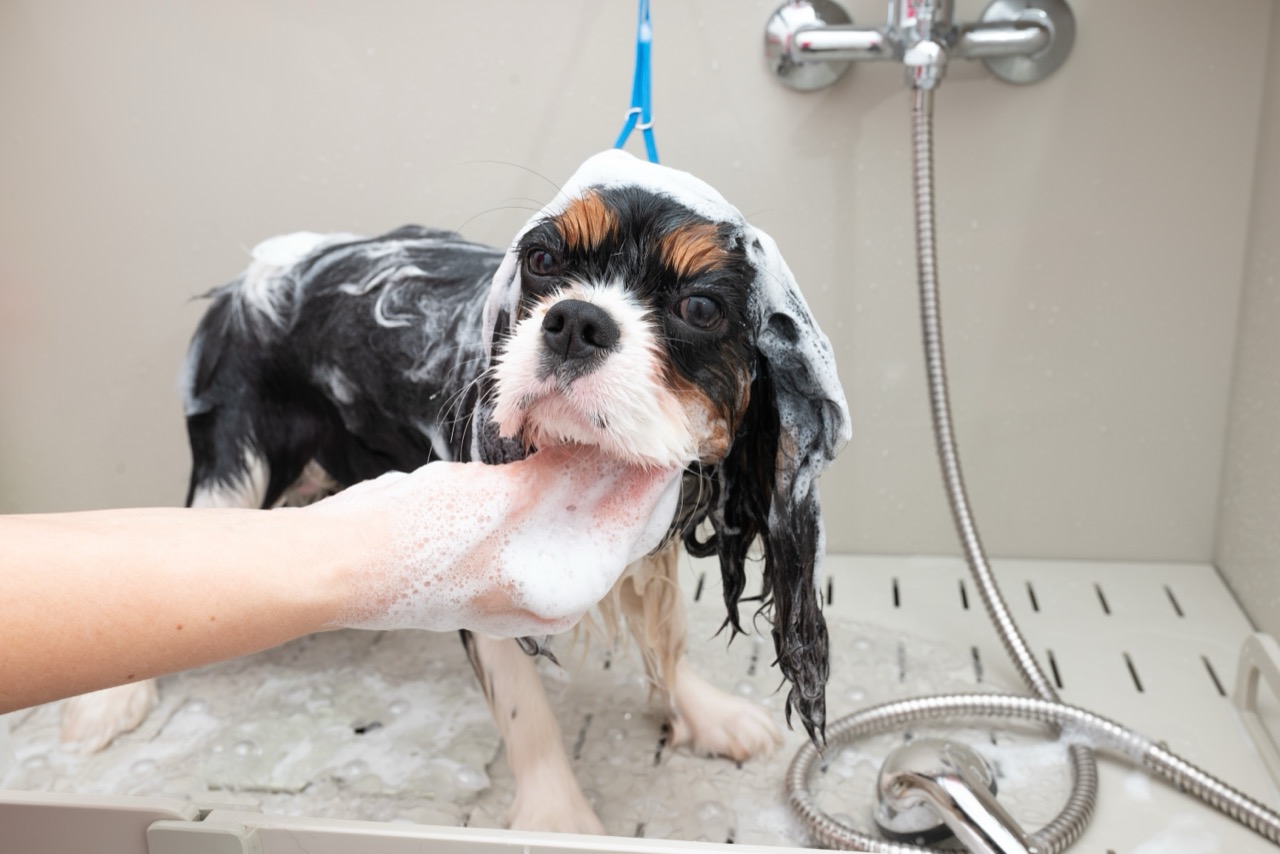
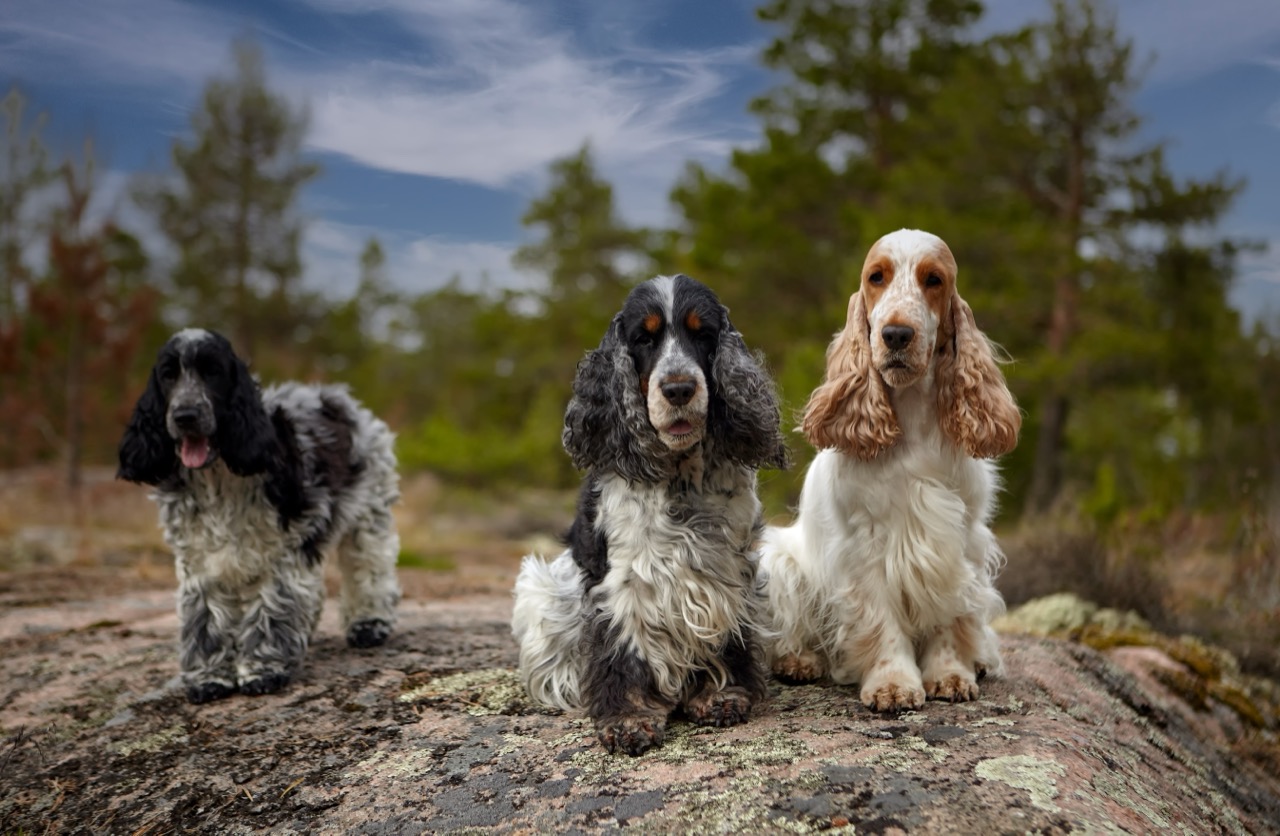
Grooming is where real life really shows. Those feathered ears are adorable, but they can trap moisture and reduce airflow, making ear irritation more likely. After baths, swimming, or rainy walks, gently drying the ear leather and the fur around the ear canal is a simple habit that can prevent a lot of trouble. Regular ear checks matter too. If you notice redness, a strong odor, frequent head shaking, or persistent scratching, it is time to talk to a veterinarian rather than trying to fix it with random home remedies.
Coats vary by breed, but many spaniels need routine brushing to prevent mats behind the ears, in armpits, and on feathering. Burrs and foxtails can hide in soft fur, so a quick post-walk scan saves discomfort later. Nails, teeth, and paw pads deserve the same steady attention. A dog that hates grooming is often just undertrained; pairing handling with treats from puppyhood turns care into a calm routine instead of a wrestling match.
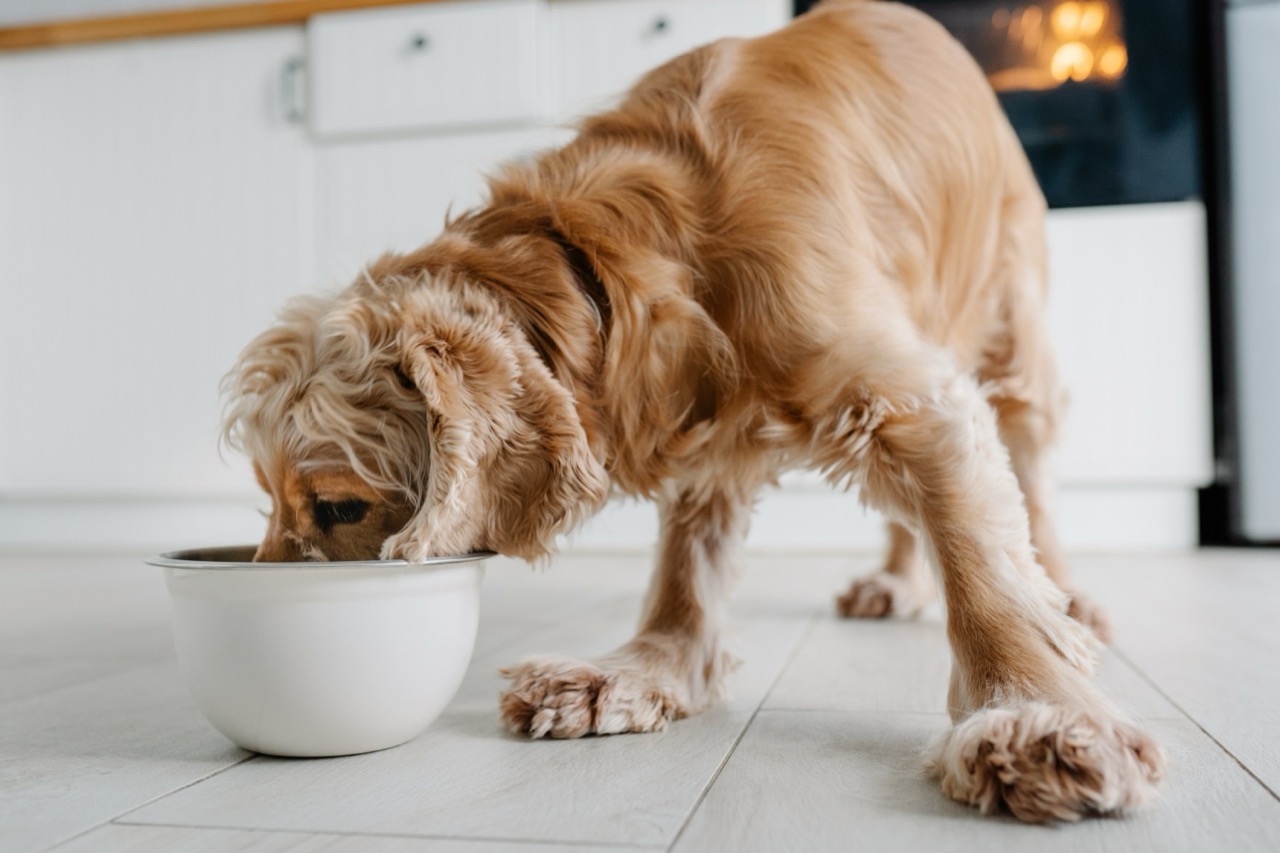
Food and weight management are another quiet spaniel issue. Many spaniels are talented at looking hungry even when they are not, and extra pounds can worsen joint stress and reduce stamina. Measuring meals, limiting table scraps, and using part of the daily ration for training treats helps keep them fit. Mental enrichment can also reduce food-seeking mischief. A spaniel that invents its own job, like counter surfing or trash inspection, is often asking for structured activities.
Finally, remember that spaniels tend to be emotionally sensitive. They do best with predictable schedules, kind training, and plenty of social connection. If your spaniel is clingy or vocal when left alone, gradual alone-time practice and enrichment can help. With consistent habits, a spaniel is not just a pet but a bright, funny partner who makes ordinary days feel like an outing.