Which Spaniel Is That?










Quiz Complete!
Spaniel Looks Under Close Scrutiny: What to Notice Before You Call It Just Floppy Ears
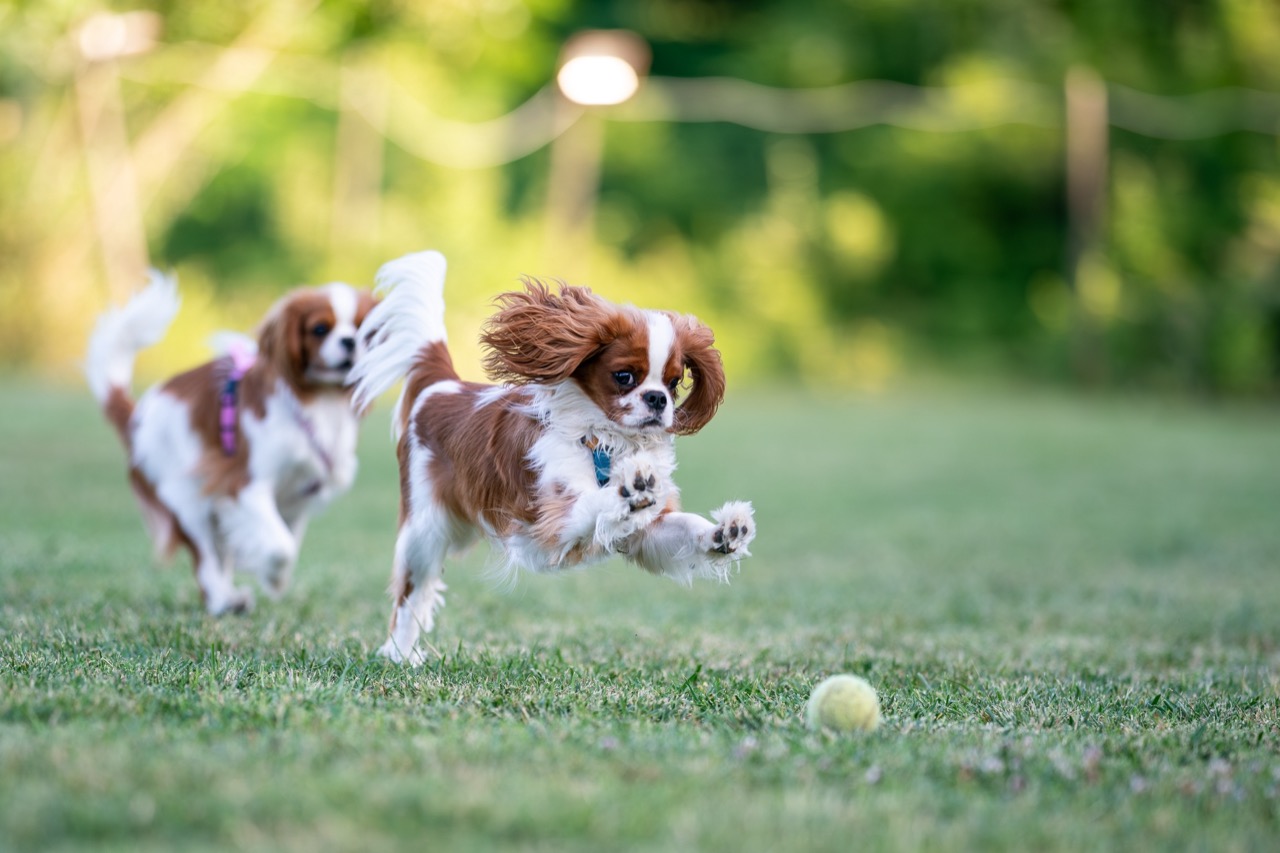
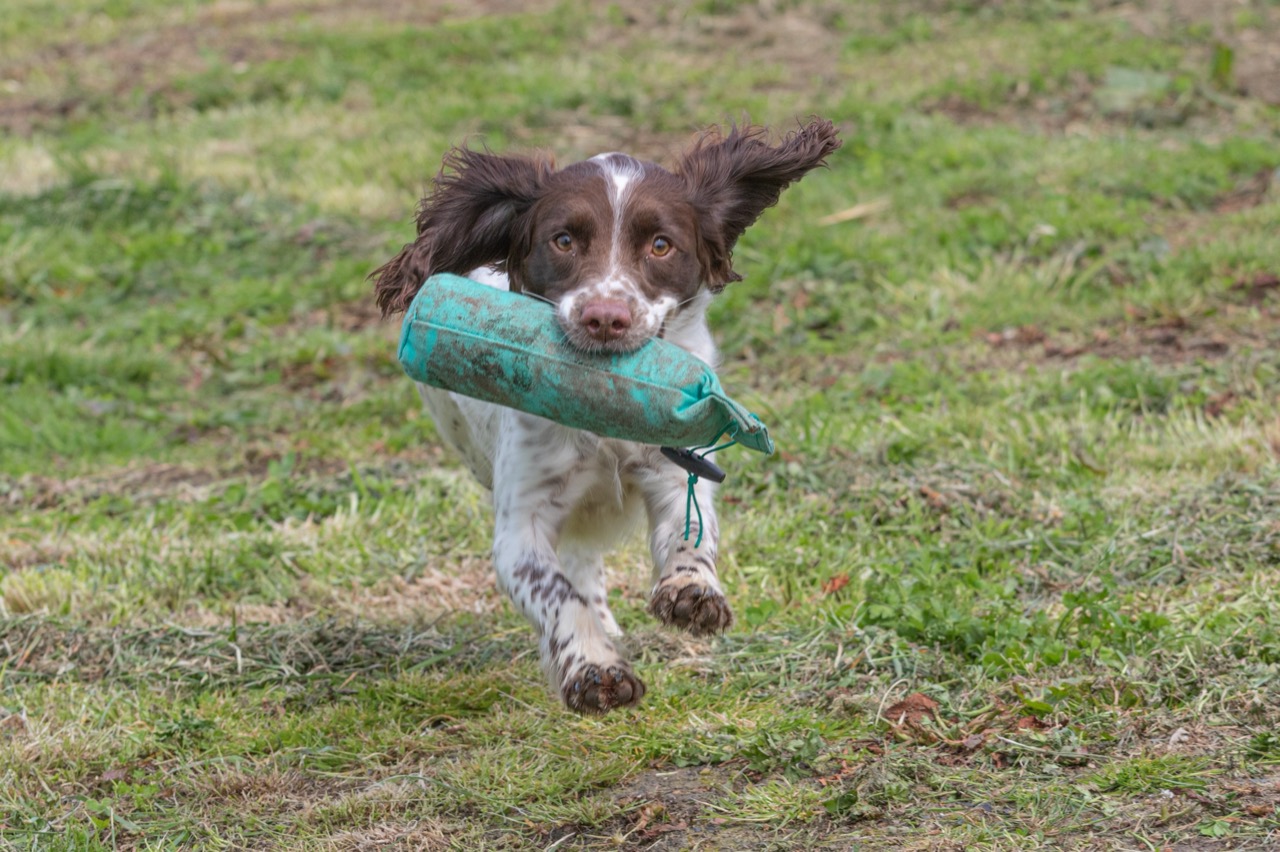
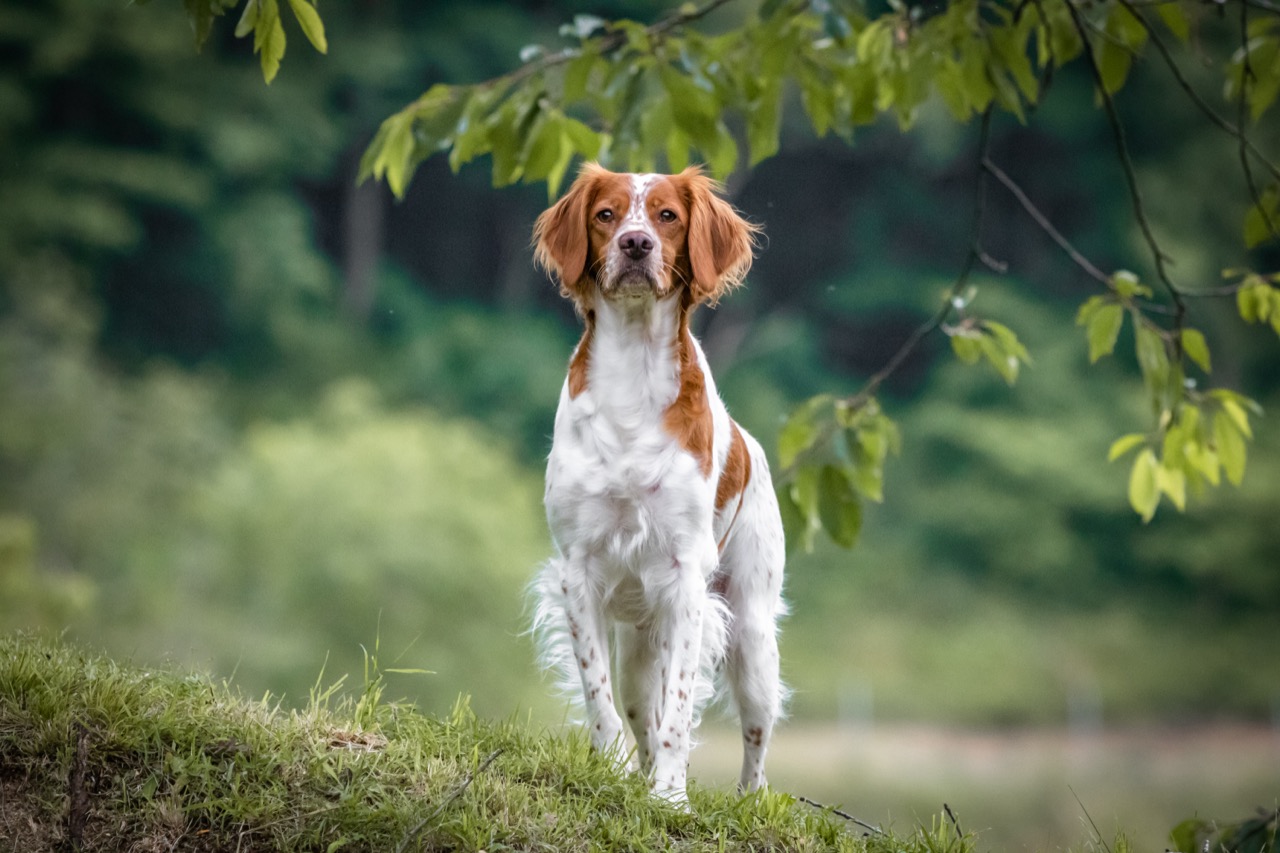
Spaniels share a family resemblance, but the details that separate one breed from another are exactly what sharp eyes look for at ringside. The most obvious feature is the ear, yet even that is a minefield. In many spaniels the ear is long and set low enough to frame the cheek, but the length, leather thickness, and how the ear blends into the head can signal the breed. A Cocker Spaniel’s ears are famously long and heavily feathered, while an English Springer Spaniel’s ears are a bit shorter and sit in a way that complements a longer, more athletic head. Clumber Spaniels also have long ears, but their overall expression is heavier and more substantial, with a broad skull and deep muzzle that reads very different from the lighter, sweeter look of a Cocker.
Coat is where people argue the most, because it changes with grooming, yet the underlying texture and distribution of feathering are real identifiers. Many spaniels have a medium-length, flat or slightly wavy coat with feathering on the ears, chest, belly, and legs. Feathering is not the same as volume. Show grooming can exaggerate outlines, but a correct coat should still move naturally and not look cottony or overly sculpted. Field-bred dogs often look cleaner and more practical, but the breed hallmarks remain: protective coat, noticeable feathering in the right places, and a silhouette that matches the dog’s job.
Topline and body shape help separate breeds that can look similar at a glance. English Springer Spaniels tend to have a balanced, slightly rectangular outline with a firm back built for stamina and ground cover. English Cockers are more compact and can appear more rounded through the rib, with a lively, merry look. American Cockers, developed with a stronger emphasis on a glamorous outline, typically show a more domed skull, a shorter muzzle, and a profuse coat that creates a softer, more sculpted appearance. Those head differences are among the quickest ways to avoid mixing them up: the American Cocker’s head often reads more “baby-faced,” while the English Cocker looks more workmanlike and less exaggerated.
Head shape is a quiet giveaway across the spaniel family. The Sussex Spaniel, for example, has a distinctive, somewhat serious expression with a broad skull and a strong brow, paired with a low, long body. The Field Spaniel is elegant and longer than tall, with a refined head and a coat that falls in a smooth sheet rather than a puff. The Irish Water Spaniel breaks the spaniel stereotype entirely: instead of silky feathering, it wears dense, tight curls and carries a smooth, hairless-looking tail often called a rat tail. Even if you know nothing else, that tail and curly coat combination is a strong clue.
Color patterns are another area where people rely on vague memory, but classic patterns are surprisingly specific. Many spaniels appear in solid colors, particolors, or roans, and roaning can be especially confusing. Roan is an even intermixture of white and colored hairs that creates a speckled look, often seen in English Cockers and Springers. Ticking, by contrast, is more like distinct spots on a white background. Some breeds are closely associated with certain shades, such as the Clumber’s predominantly white coat with lemon or orange markings, or the Sussex’s rich golden liver. Recognizing these typical palettes helps you narrow the options quickly, even though individual dogs can vary.
If you want to train your eye for the quiz, focus on what cannot be faked easily: proportions, head planes, ear set, and coat texture rather than just coat length. Ask yourself whether the dog looks built to push through cover all day or designed to float around a show ring with maximum drama. The best trick is to compare two similar-looking spaniels and identify three concrete differences, such as muzzle length, topline firmness, and the type and placement of feathering. Do that a few times and spaniels stop being a blur of ears and fluff and start looking like a family of distinct, purpose-built athletes with their own signatures.