Lhasa Apso Under All That Hair
Quiz Complete!
How to Spot a Lhasa Apso: Visual Clues That Set This Little Sentinel Apart
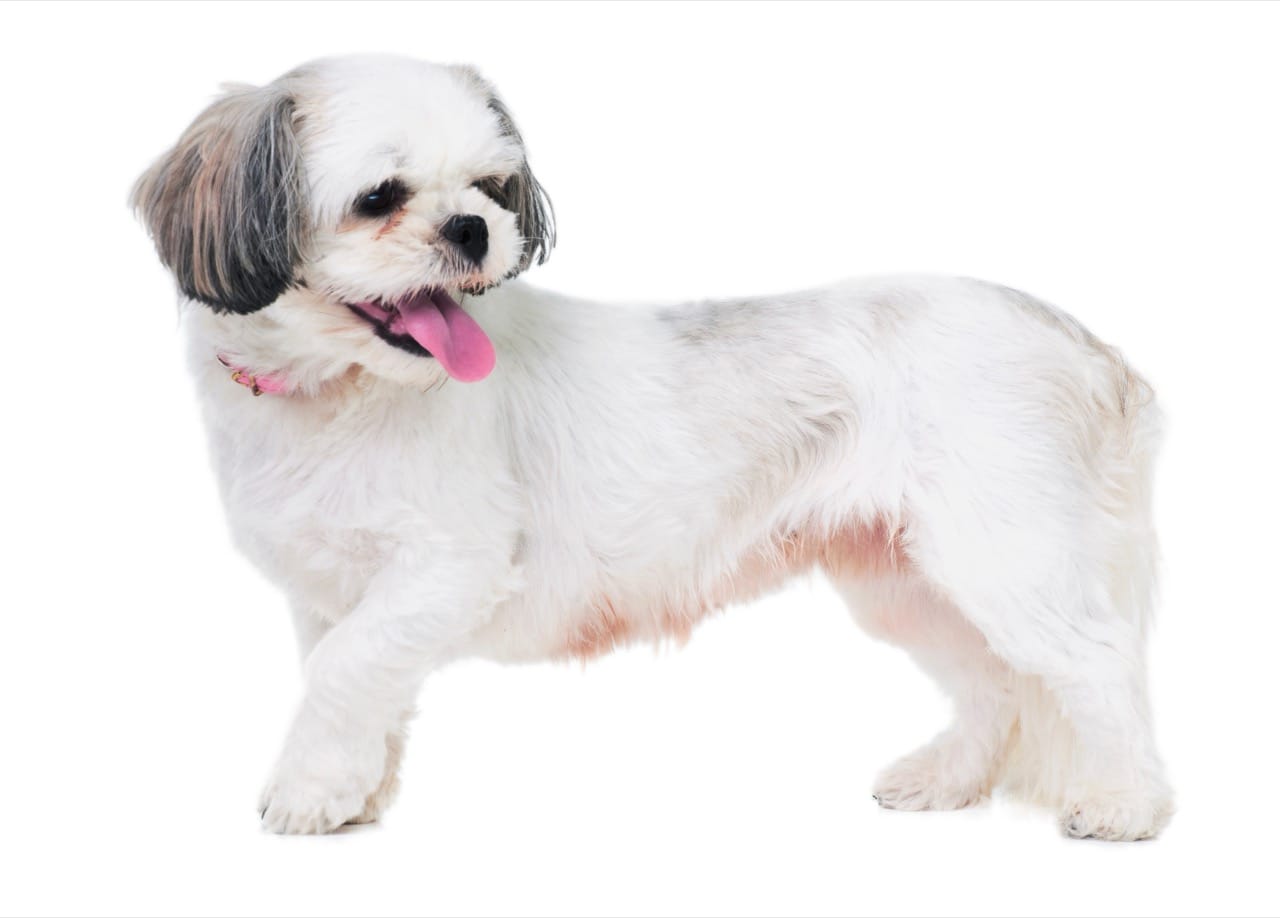
At first glance, a Lhasa Apso can look like several other small, long coated dogs, especially when it is freshly groomed and trotting along with hair swishing near the ground. Once you know what to look for, though, the breed has a distinct combination of coat texture, proportions, and facial details that make it easier to identify in real life.
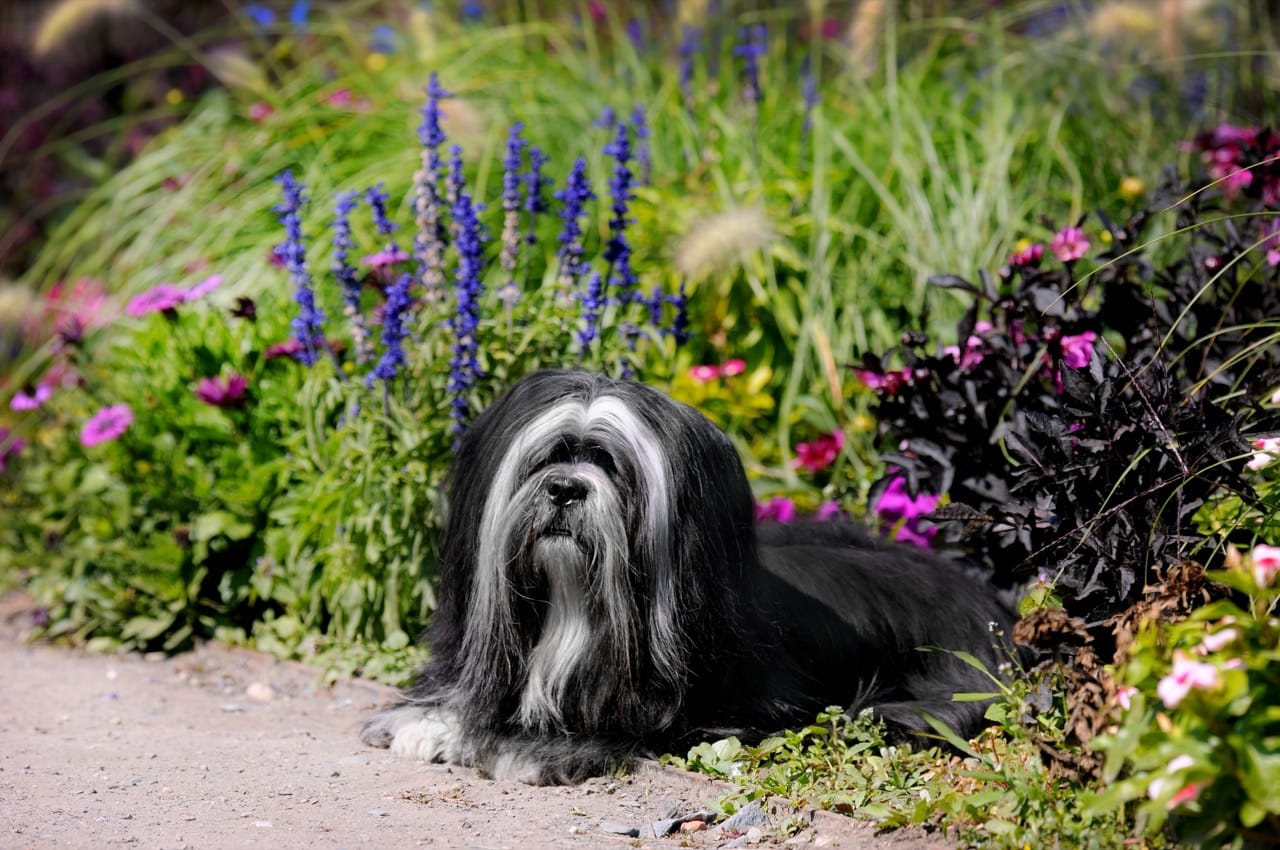
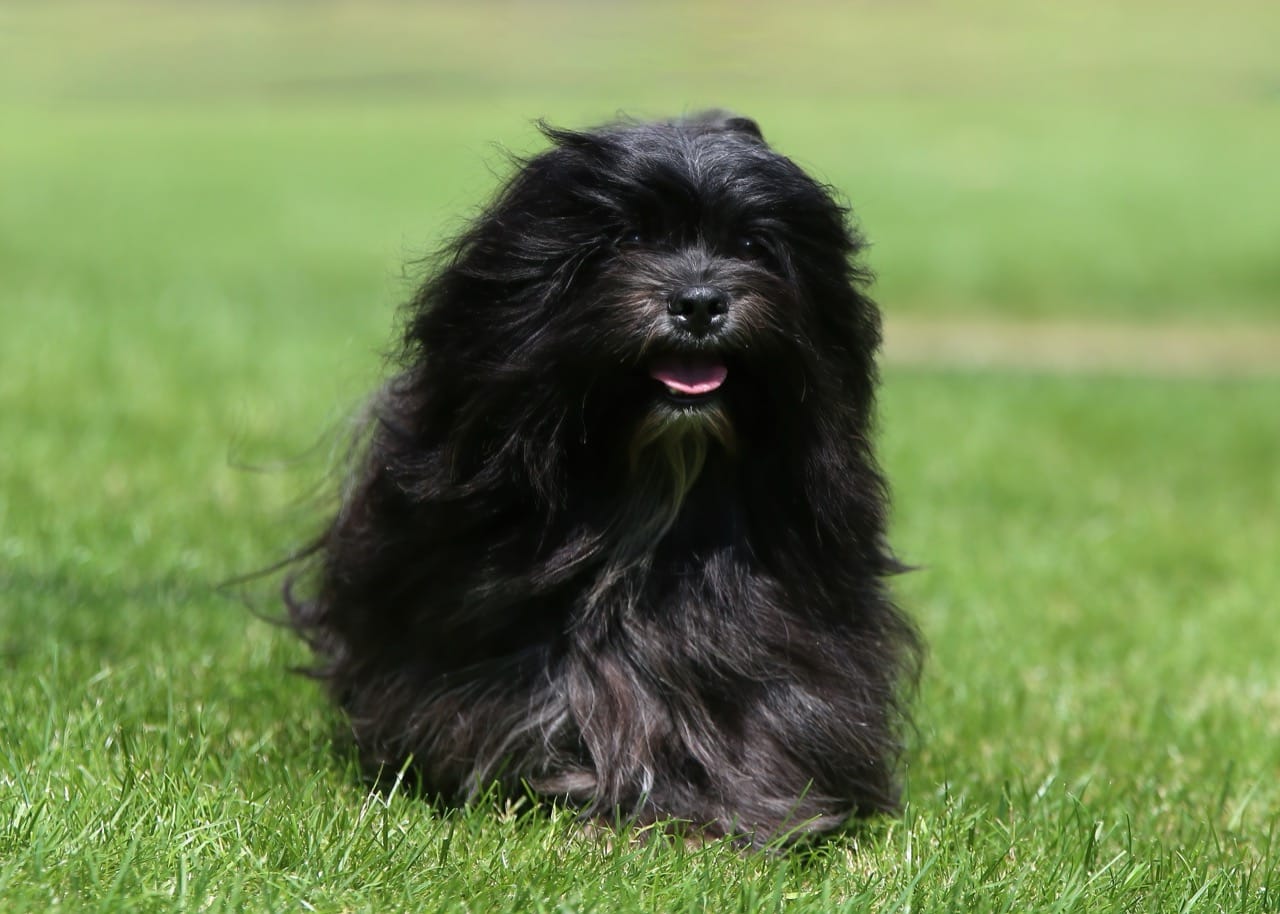
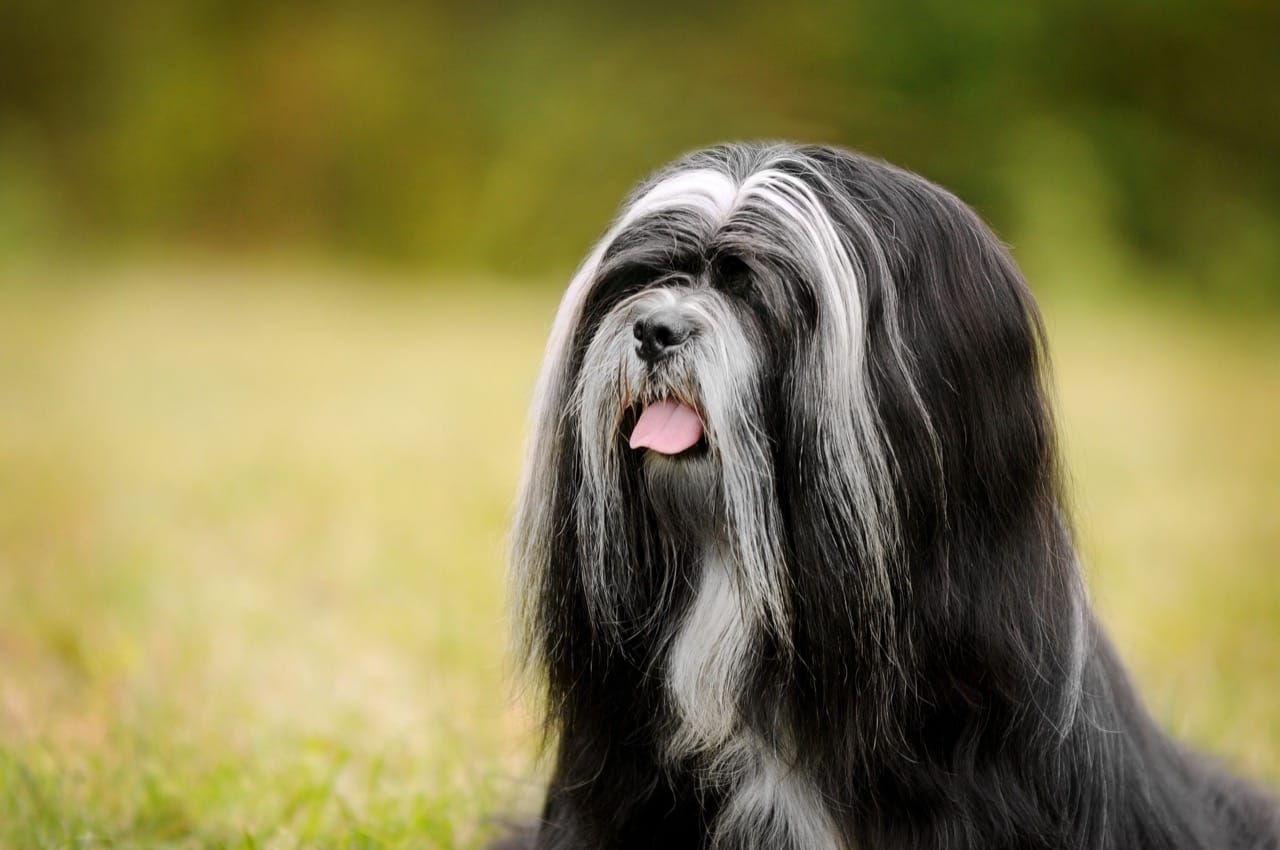
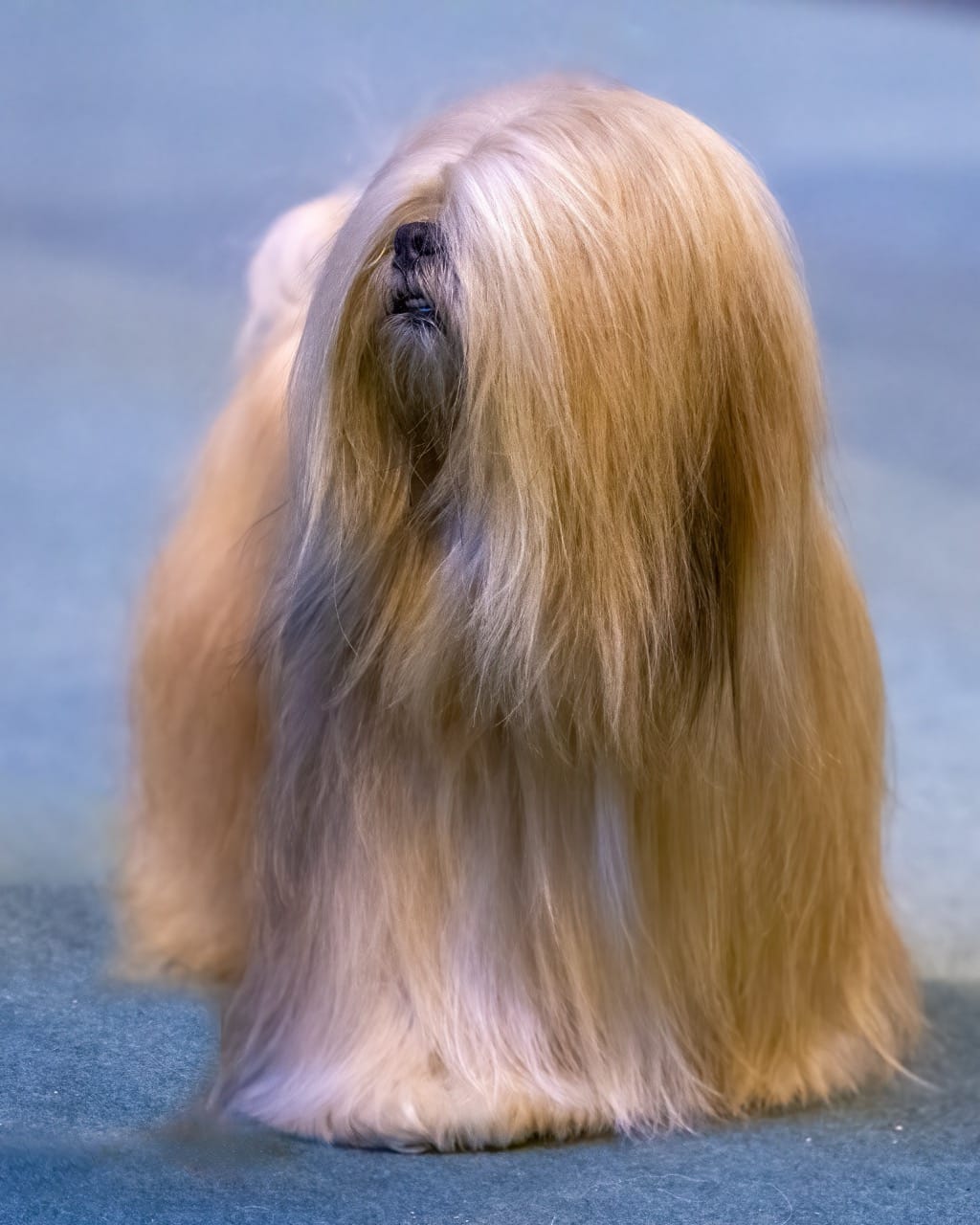
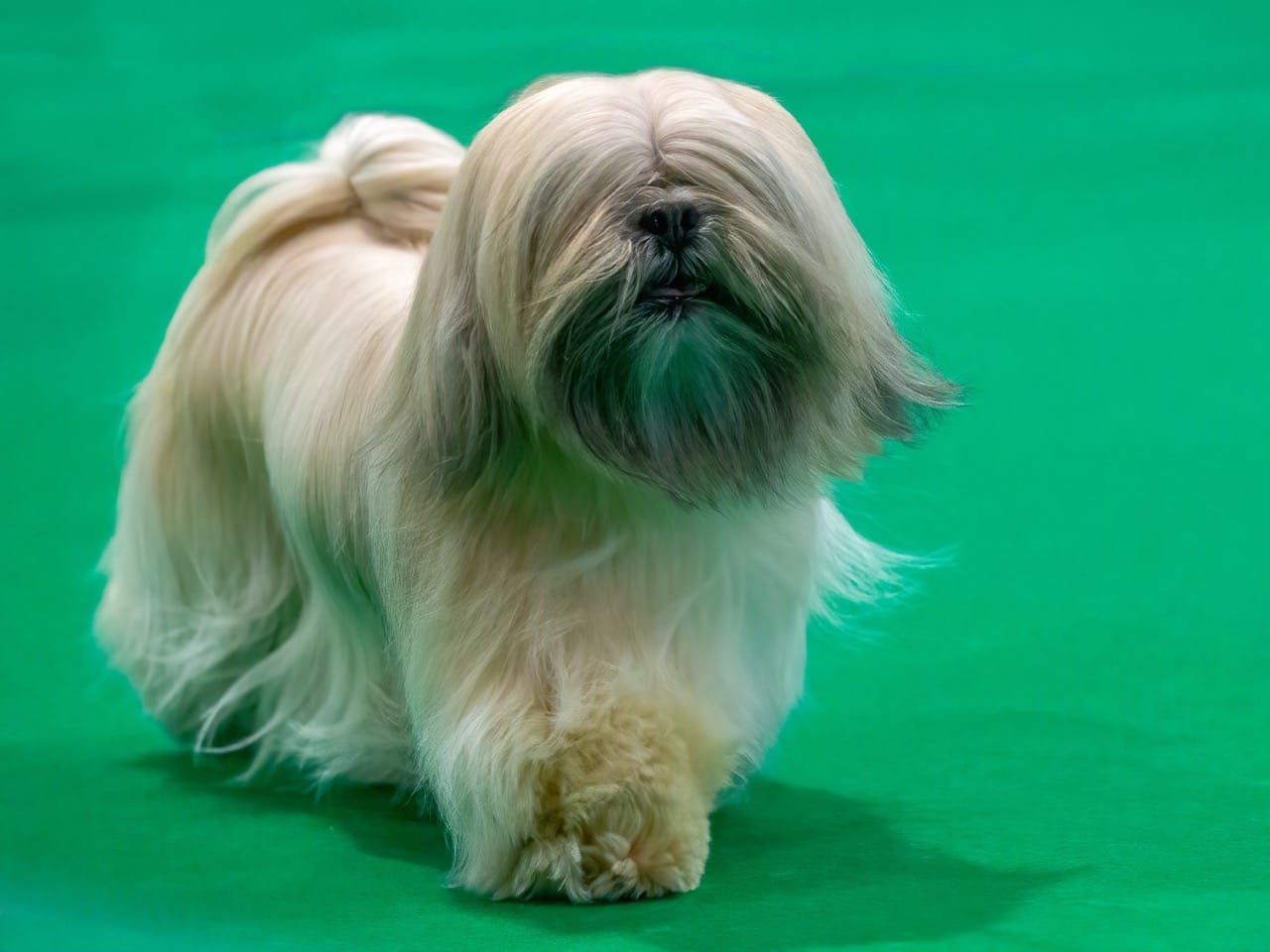
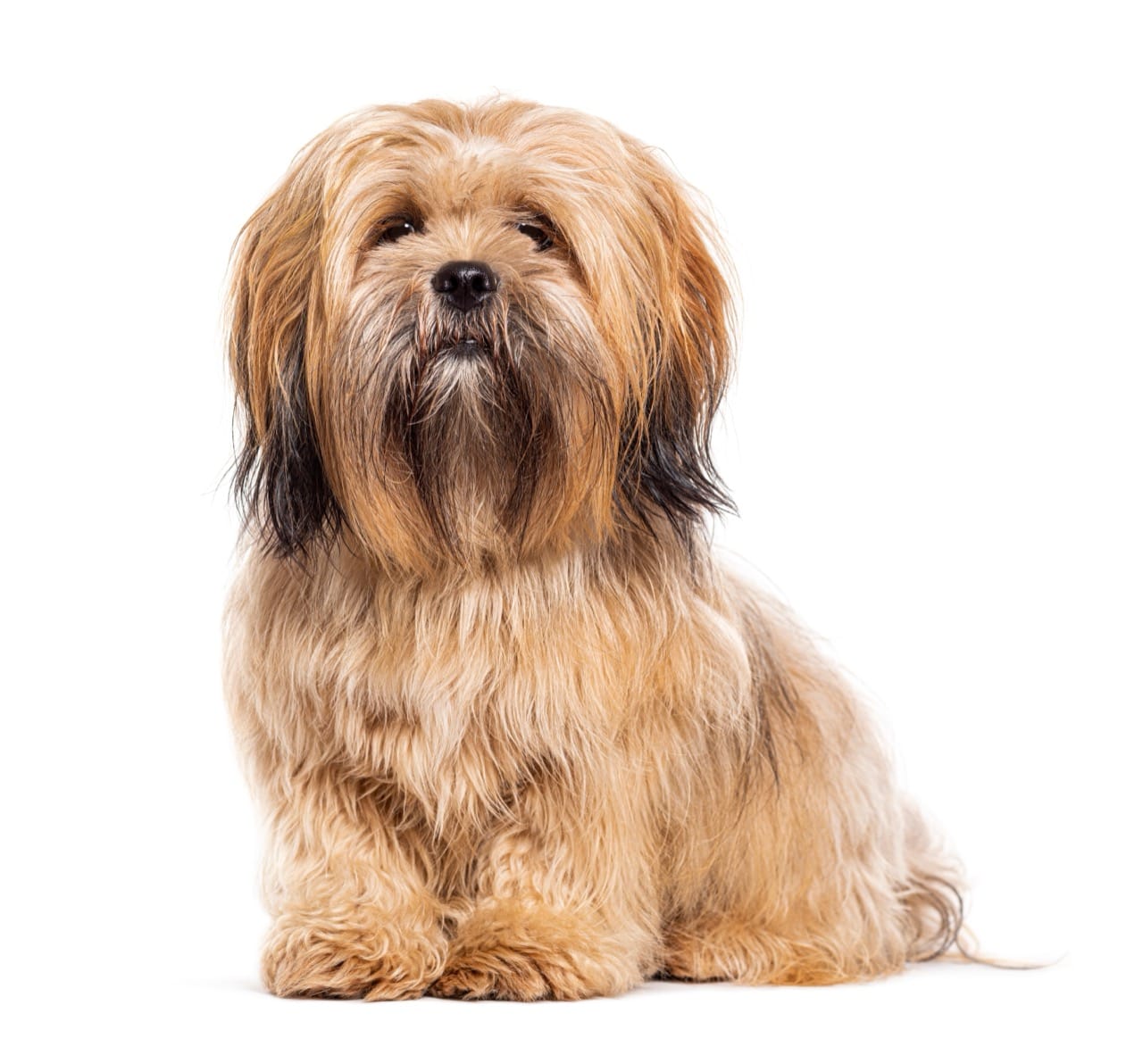
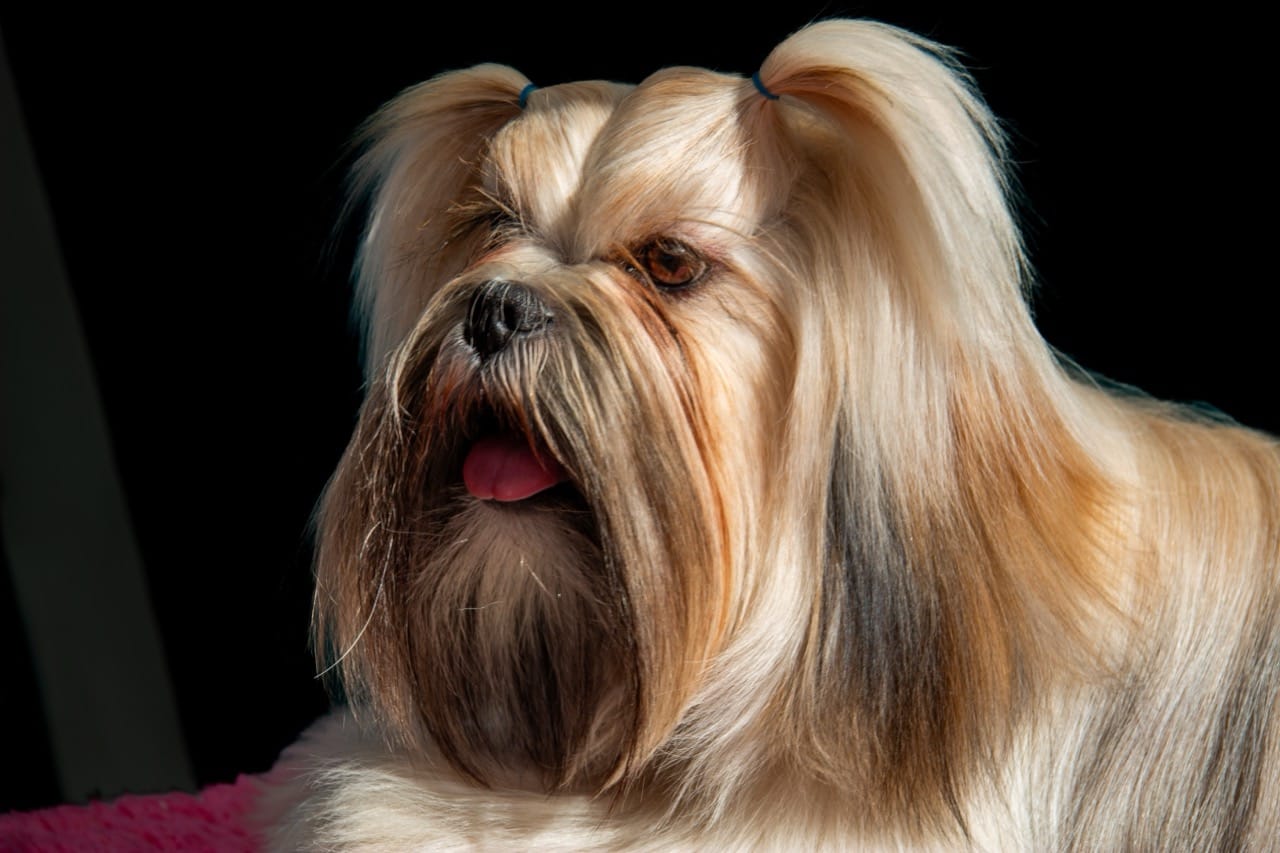
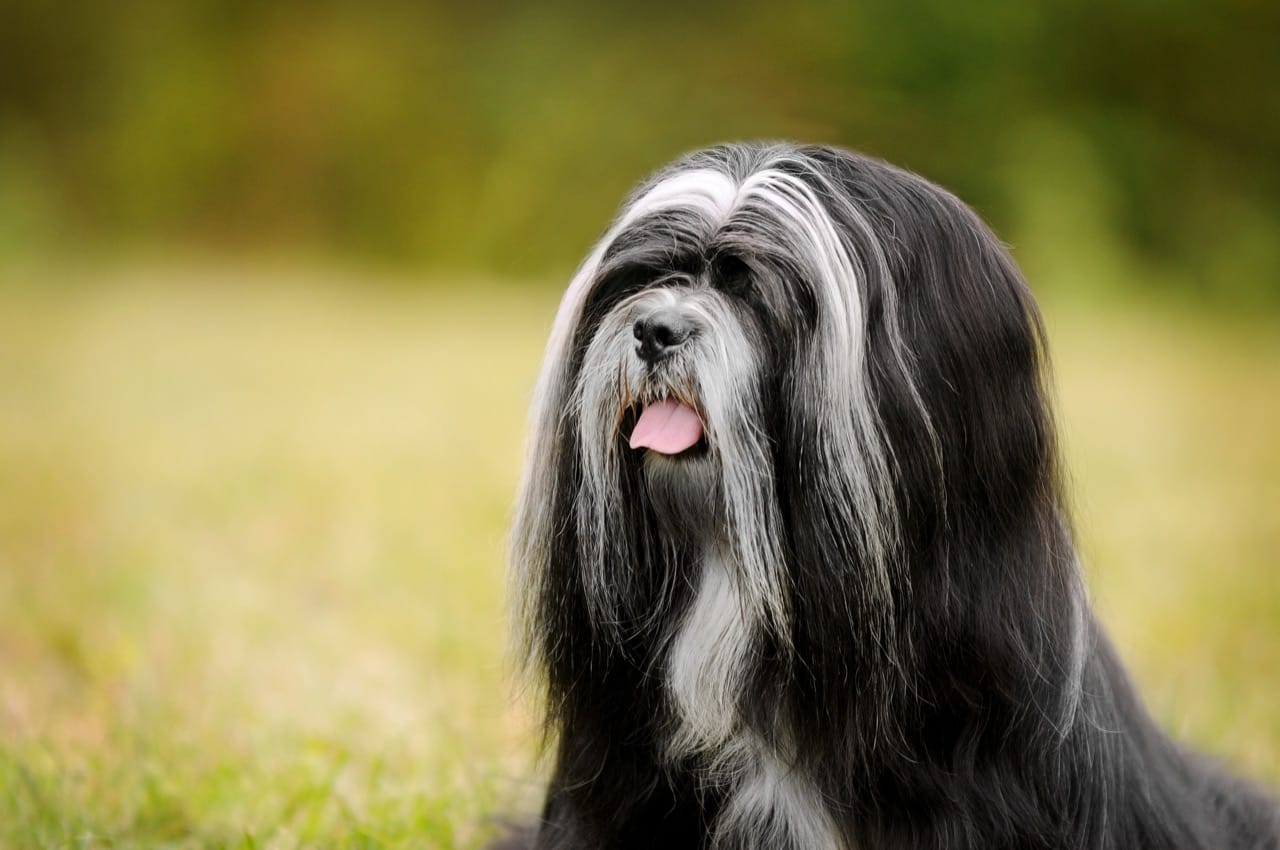
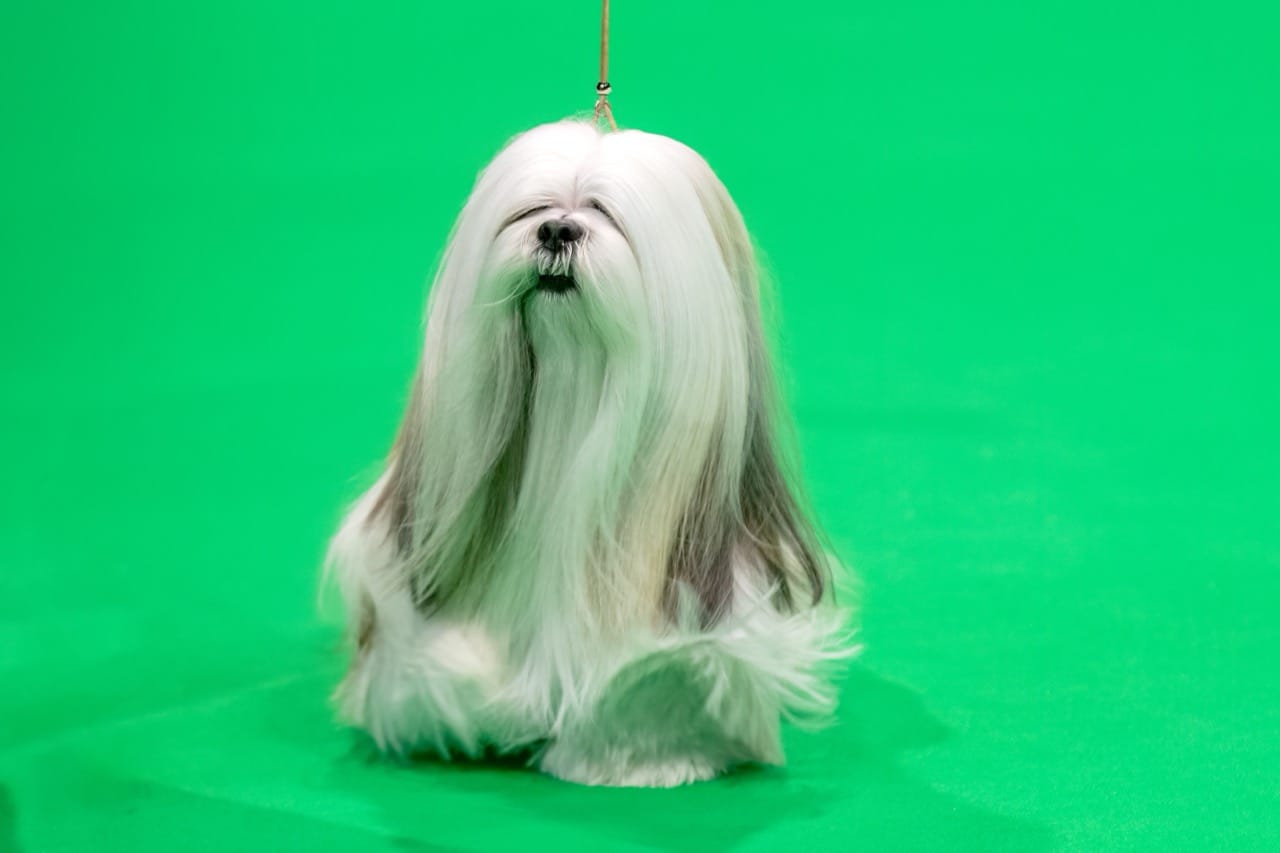
The hallmark is the coat. A true Lhasa Apso has a long, heavy, straight coat with a firm, slightly harsh outer texture rather than a soft, cottony feel. It is designed to protect the dog in a harsh climate, not just to look glamorous. When the coat is left long, it tends to hang straight down from a natural part along the back, creating a curtain effect on both sides. Even when the dog is kept in a shorter pet trim, you can often still see the dense, substantial coat and the way it falls rather than puffs.
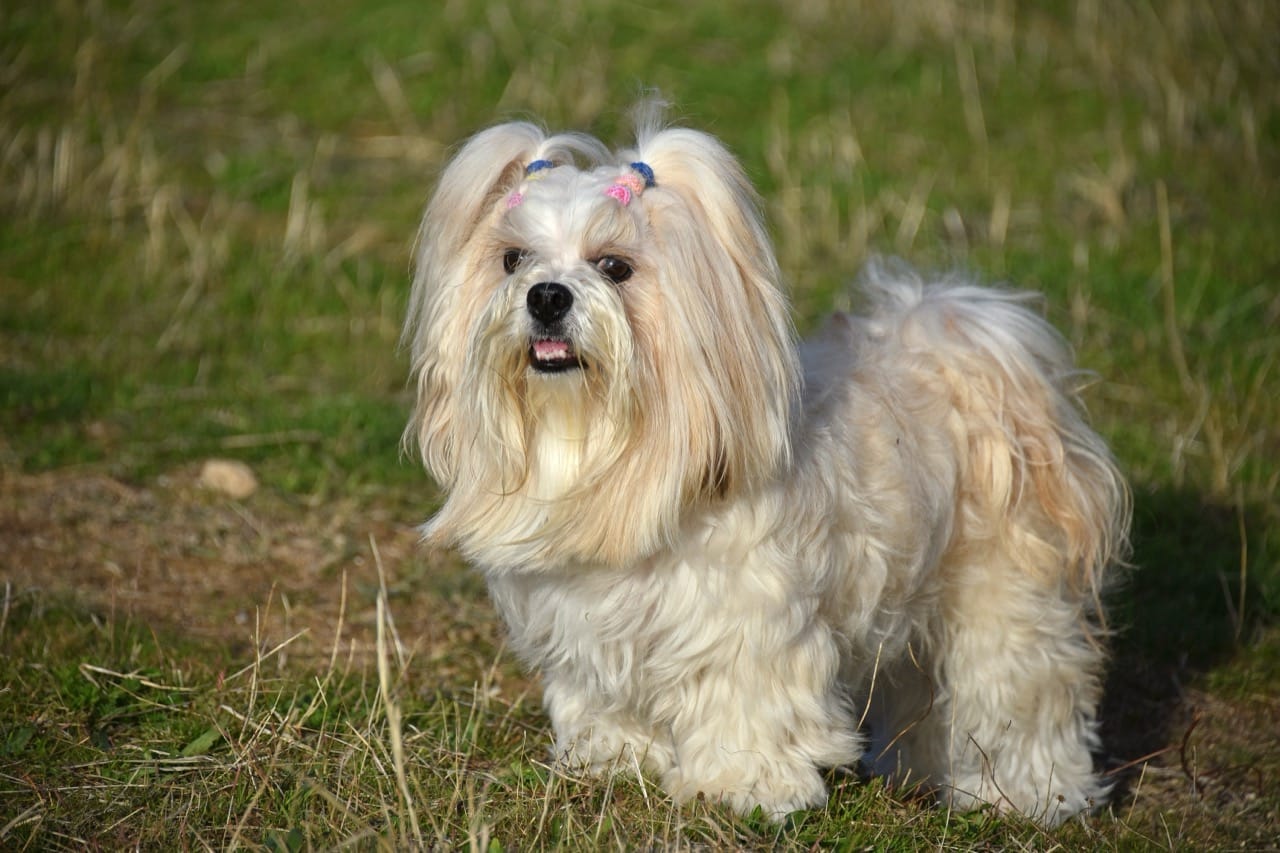
The AKC standard accepts all colors equally, which is why relying on color alone is a trap. You may see gold, cream, honey, grizzle, slate, black, white, parti colors, or combinations. Many have darker shading on the ears and muzzle or a mix of tones through the coat. Instead of asking what color it is, ask whether the coat looks straight and weighty, and whether the dog’s body seems compact and sturdy under all that hair.
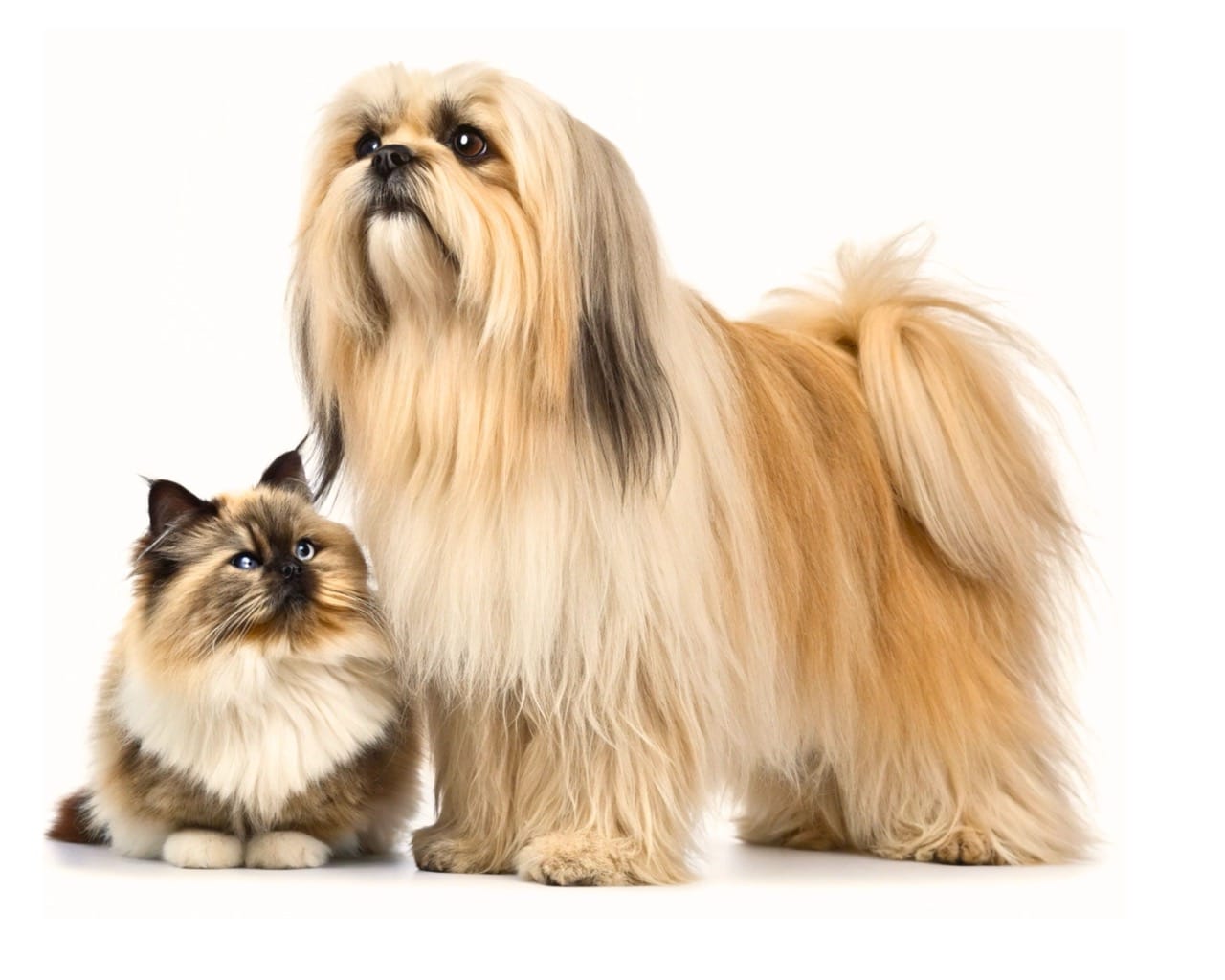
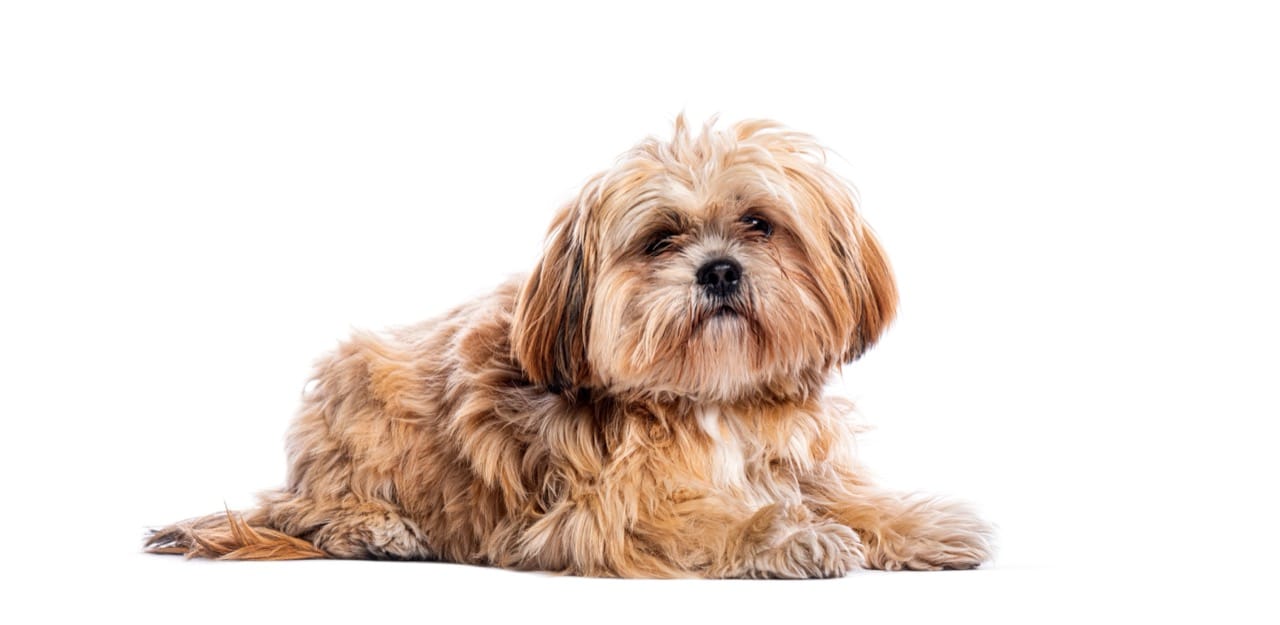
Proportion is another key. The Lhasa Apso is small but not delicate, with a noticeably longer than tall outline. Under the coat, the body is rectangular and solid, with a level back and a confident stance. This is one way to separate it from a Shih Tzu, which often gives a rounder, more compact impression, and from a Tibetan Terrier, which is typically larger and leggier with a more athletic outline.
The head helps confirm your guess. Lhasas have a distinctive fall of hair over the eyes and a beard and mustache that frame the muzzle. The muzzle itself is moderate in length, not extremely short and flat. A Shih Tzu commonly has a shorter, more pushed in face with a more pronounced stop, giving a flatter profile. On a Lhasa, the eyes are dark brown and, in the AKC standard, almond shaped, set under that heavy head furnishing, and the overall expression reads alert and slightly serious rather than purely sweet.
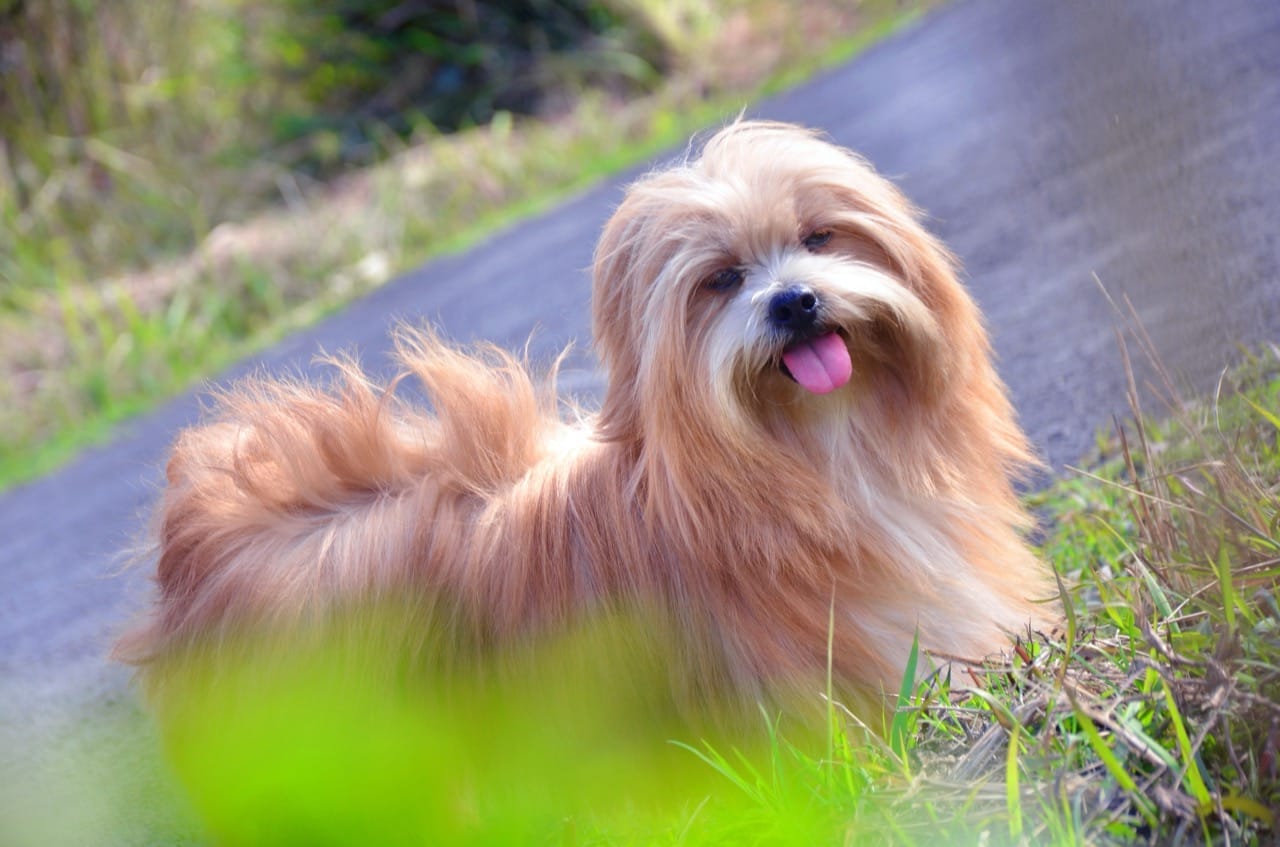
Look at the ears and tail, even if they are hidden by hair. The ears are pendant and heavily feathered, blending into the head coat. The tail is carried high and curled over the back, often with a plume that drapes to one side. In motion, many Lhasas carry themselves with a self possessed, purposeful air, which fits their history as indoor watchdogs in Tibetan monasteries. They were bred to notice what is happening and to sound the alarm, so a Lhasa Apso may be observant with a quick, confident gait rather than bouncy or overly busy.
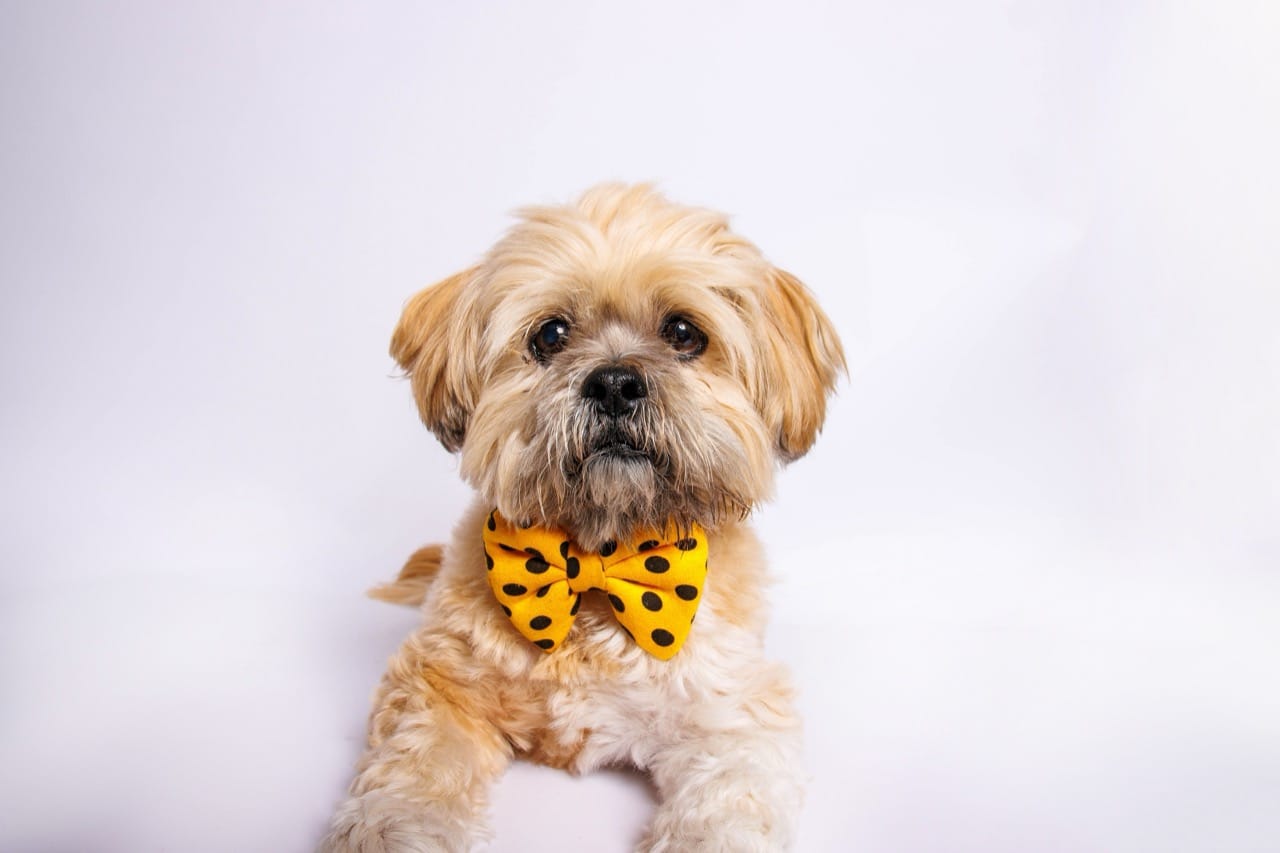
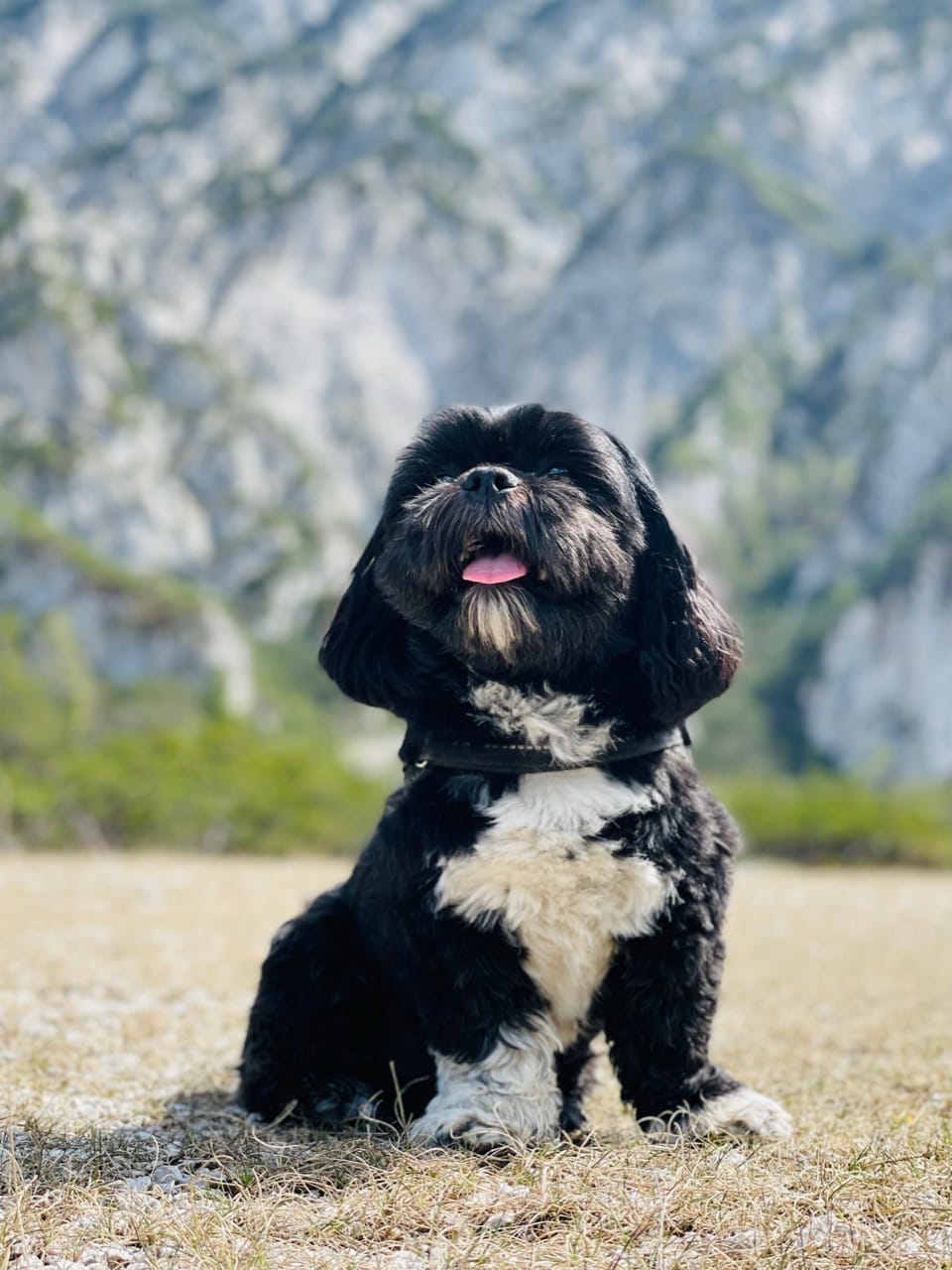
Grooming can disguise breed type, so it helps to focus on structure and texture. In a puppy cut, a Lhasa can resemble a generic small companion dog, but the longer body, the dense straight coat, and the moderate muzzle usually remain. If you are comparing a suspected Lhasa to a Tibetan Terrier, remember that Tibetan Terriers tend to have larger feet and more overall size, with a softer, more profuse coat that can look slightly wavier. If you are comparing to a Shih Tzu, look for the Lhasa’s longer muzzle, less flat face, and more rectangular silhouette.
With these practical cues in mind, the Lhasa Apso becomes easier to recognize: a compact, longer than tall little dog wrapped in a straight, heavy coat, wearing a signature curtain of hair and a confident expression that hints at its watchdog roots.