Blanket Burrowers: Dachshund Life





Quiz Complete!
Dachshund Quirks and Care Connections: Why They Do What They Do
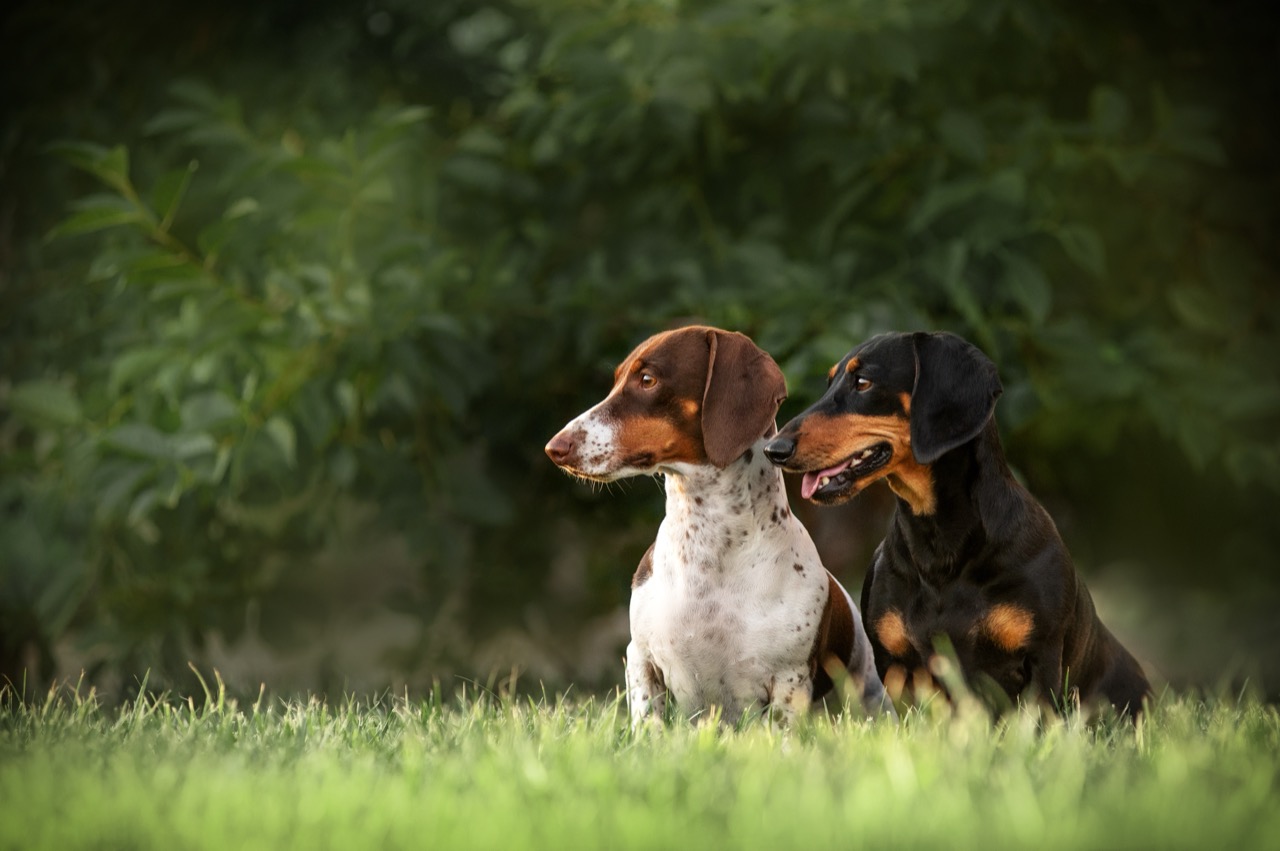
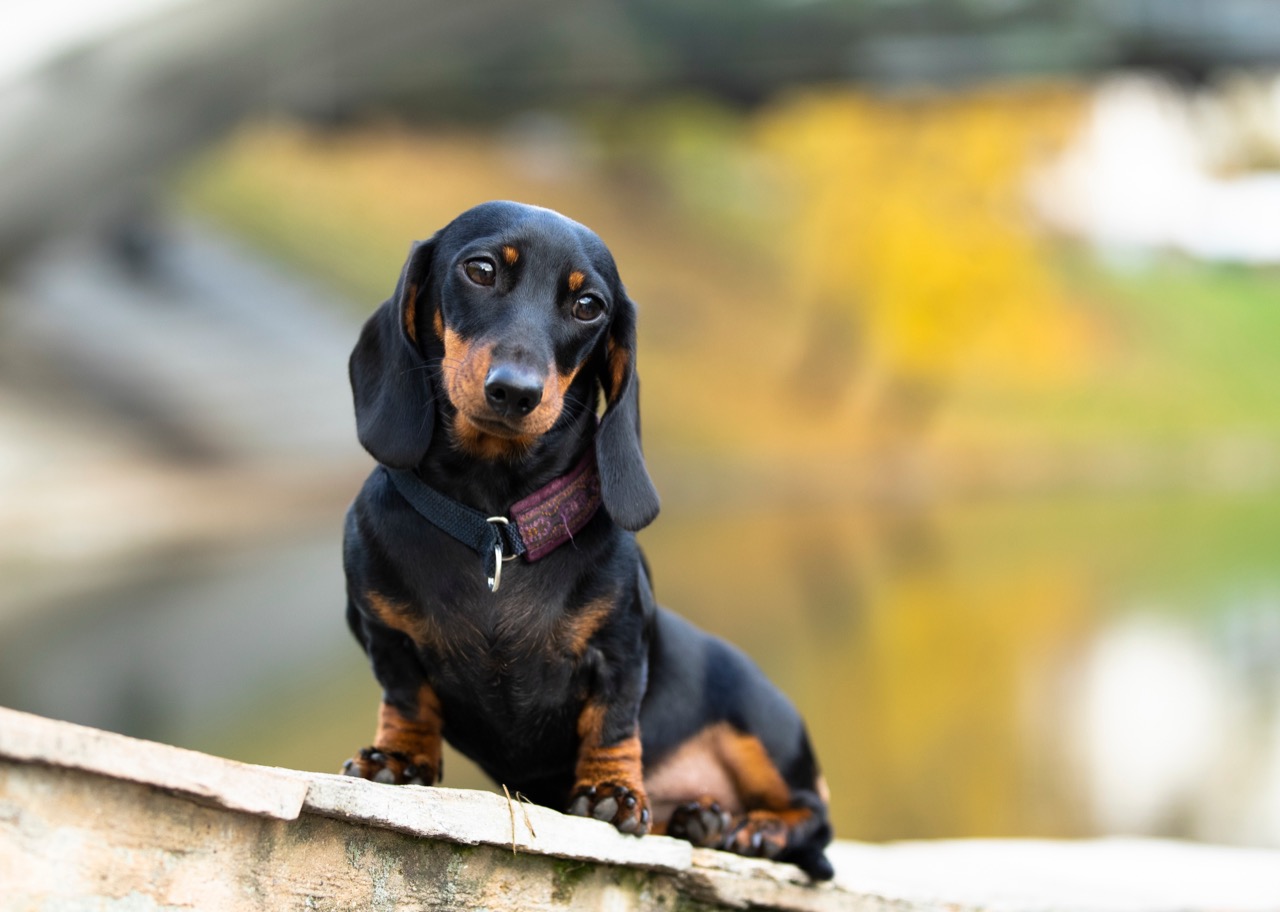
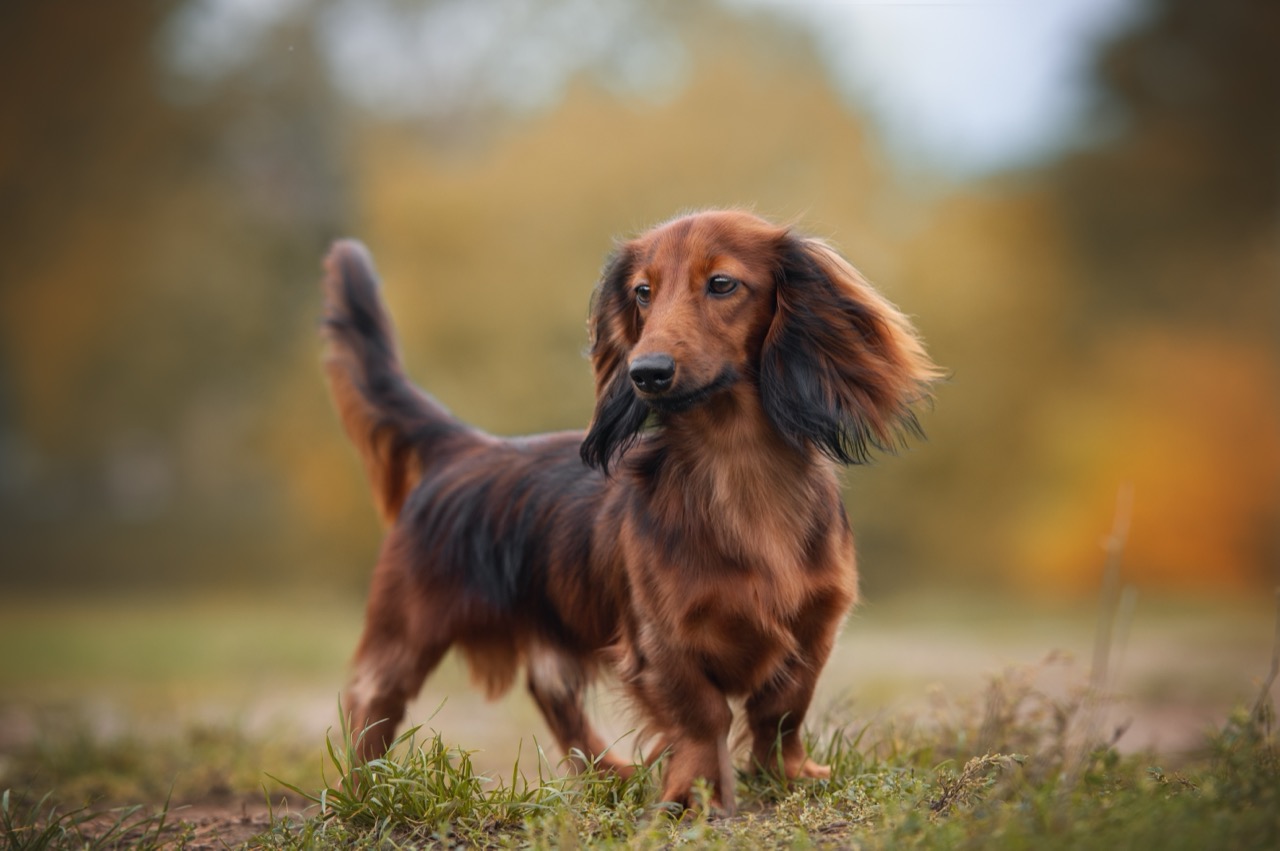
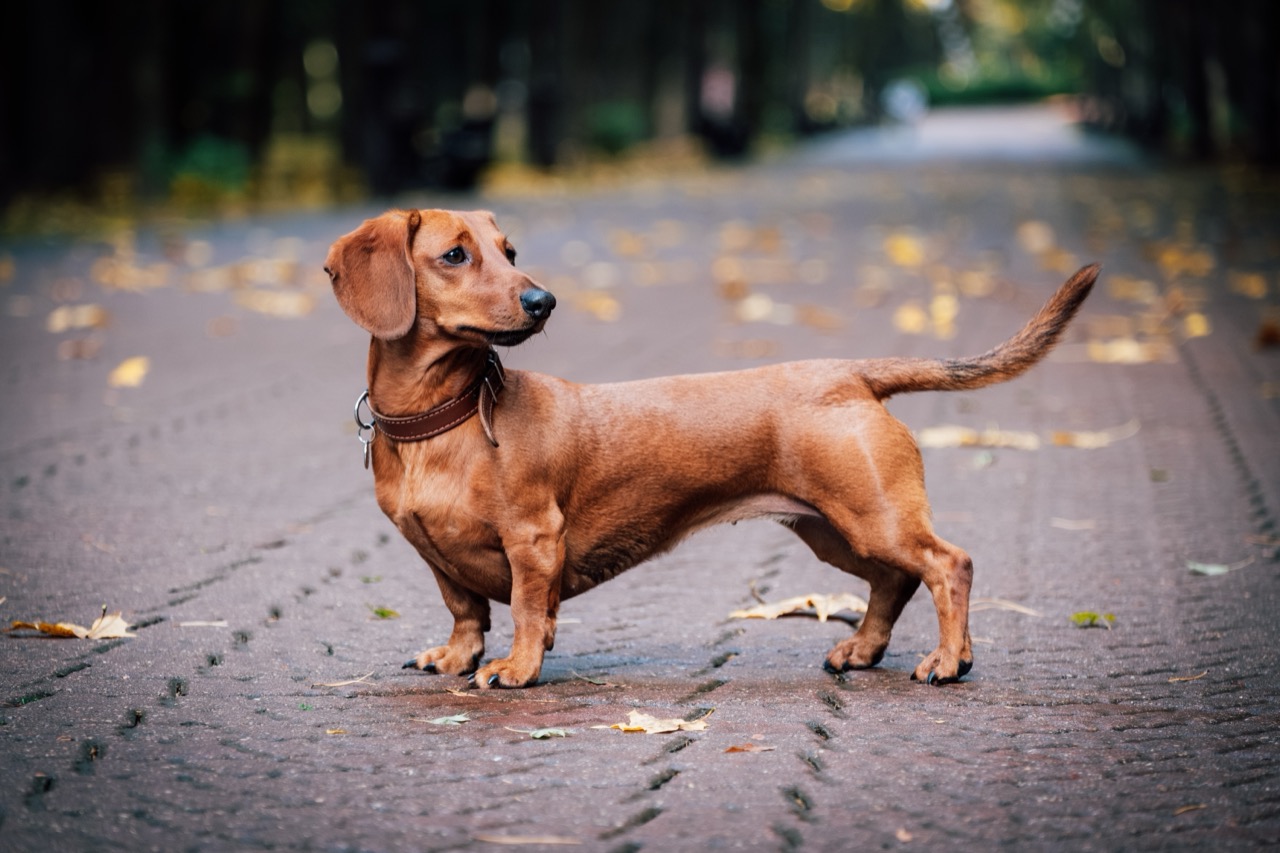
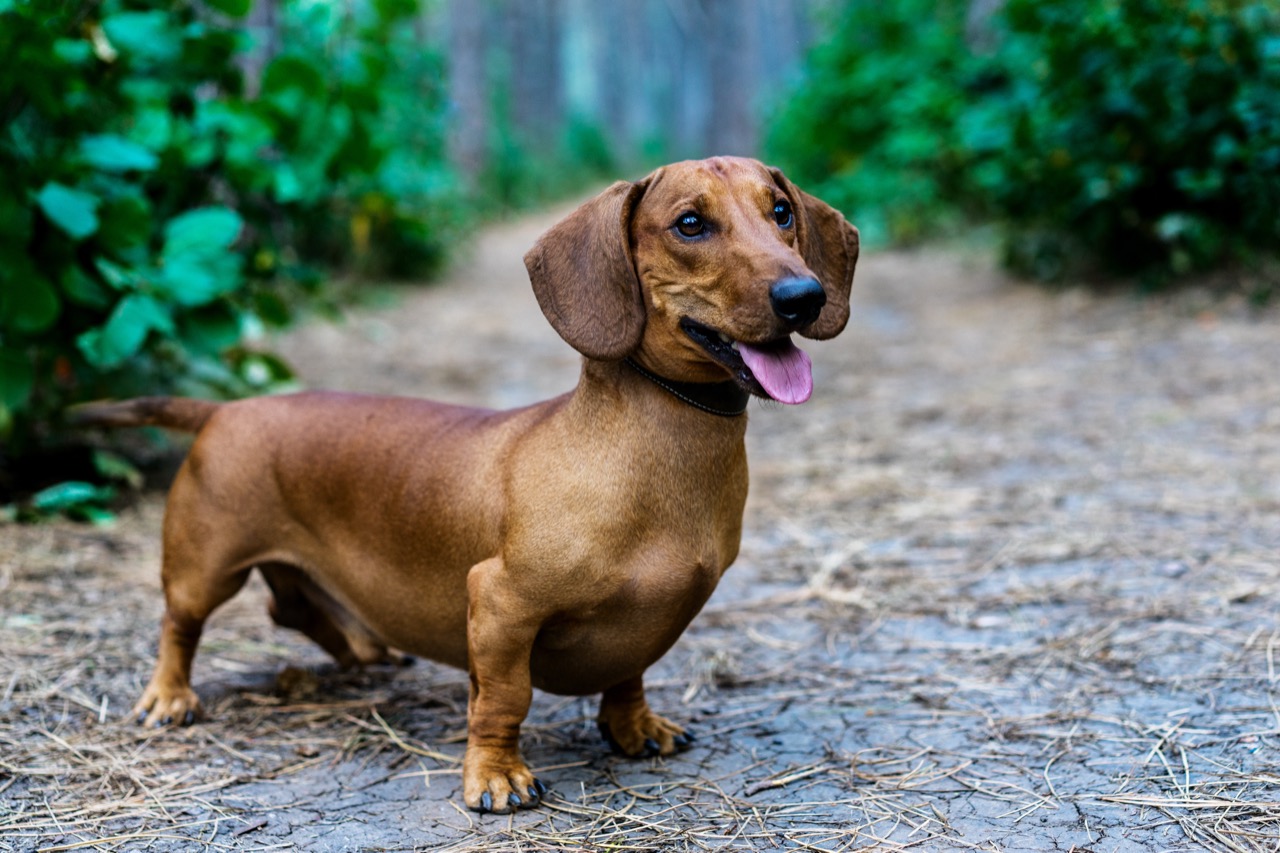
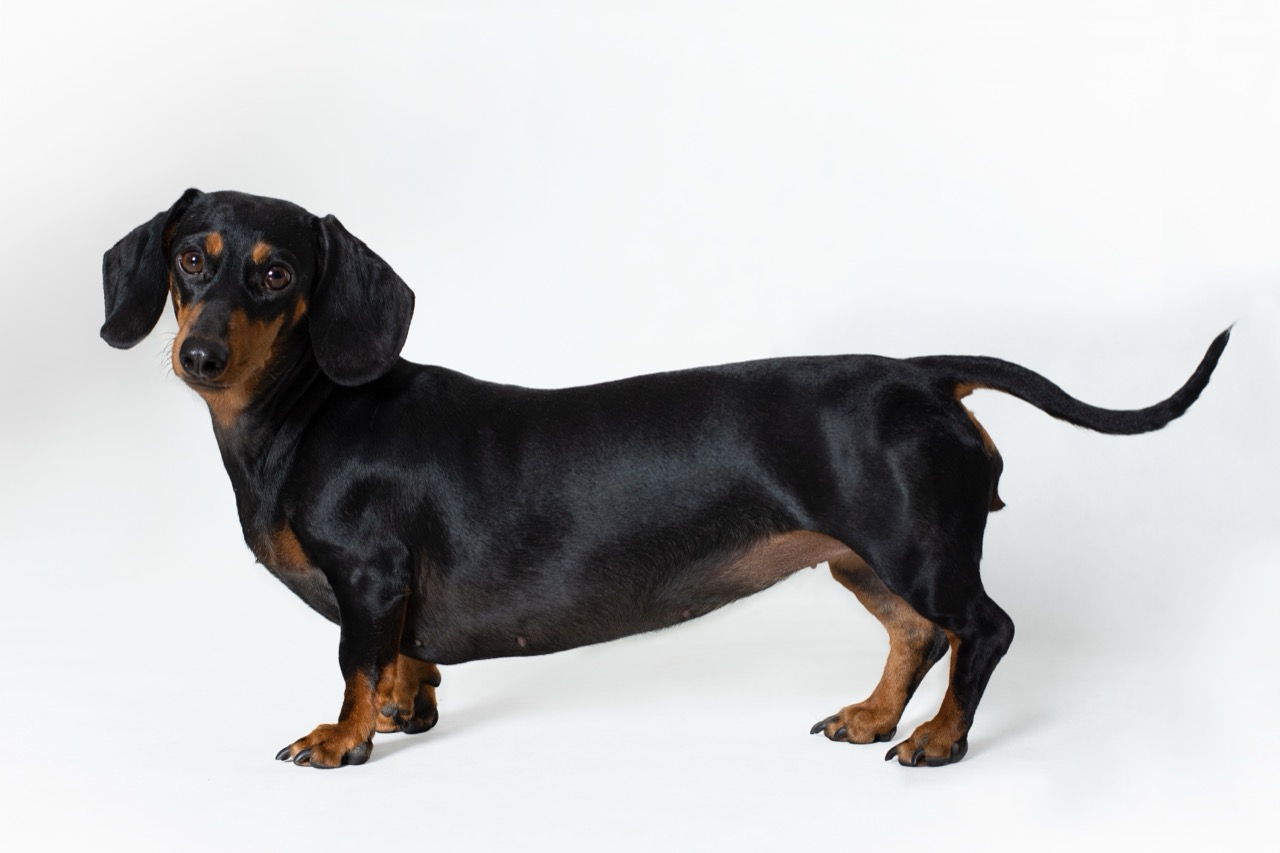
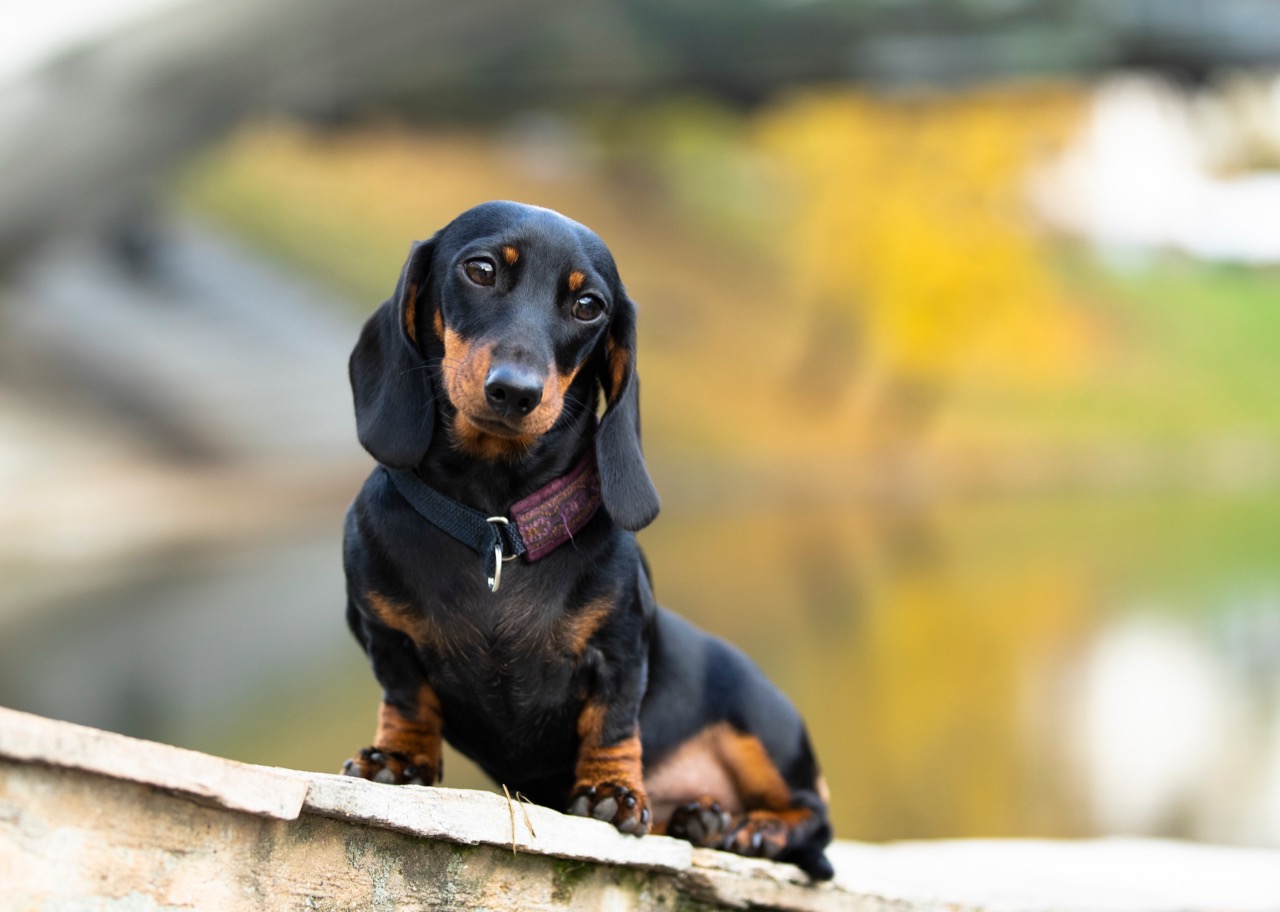
Dachshunds look like a playful design experiment: a long body on short legs with an alert face that seems ready to argue its case. Those features are not random. The breed was developed in Germany to hunt burrowing animals such as badgers, and that job still echoes in everyday life. When a Dachshund digs in the yard, wedges under a blanket, or insists on inspecting every hole and hedge on a walk, it is not being silly so much as following a blueprint built for underground pursuit. That history also explains why many Dachshunds are bold and stubborn. A dog expected to go into a tight tunnel after a defensive animal had to be brave and independent, which can translate today into a companion who loves you deeply yet does not automatically agree with you.
Training clicks faster when it respects that independent streak. Harsh corrections tend to backfire because many Dachshunds respond by shutting down or pushing back harder. Short sessions, clear rules, and high value rewards work better than long drills. They often excel when you make training feel like a game they chose to play, not a lecture they must endure. Their hunting background also helps explain why recall can be challenging: a nose that locks onto a scent may outrank your voice in the moment. Practicing recall on a long line, rewarding heavily, and avoiding off leash areas until the behavior is reliable are practical ways to respect instinct without giving up safety.
That famous long back is more than a cute silhouette. Dachshunds are prone to intervertebral disc disease, a spinal problem tied closely to the breed’s genetics and body shape. Breed health advice warns that sudden shocks, especially jumping down from furniture, add stress to the spine, and excess weight does not help. Many owners use ramps or steps to couches and beds, and they pick the dog up by supporting both the chest and the rear rather than lifting under the front legs alone. Keeping nails trimmed also matters because overgrown nails can change posture and gait.
Exercise needs are another cause and effect puzzle. Dachshunds still need regular activity to stay lean and mentally satisfied, and one large owner survey linked more than an hour of daily exercise with lower odds of back disease. The style of exercise matters too. Long, steady walks, sniffing time, and controlled play are usually better than repeated high jumps or frantic twisting games. Because their legs are short, they may tire on very long hikes or struggle in deep snow, yet their determination can hide fatigue. Watching for slowing down, lagging, or changes in movement helps prevent overdoing it.
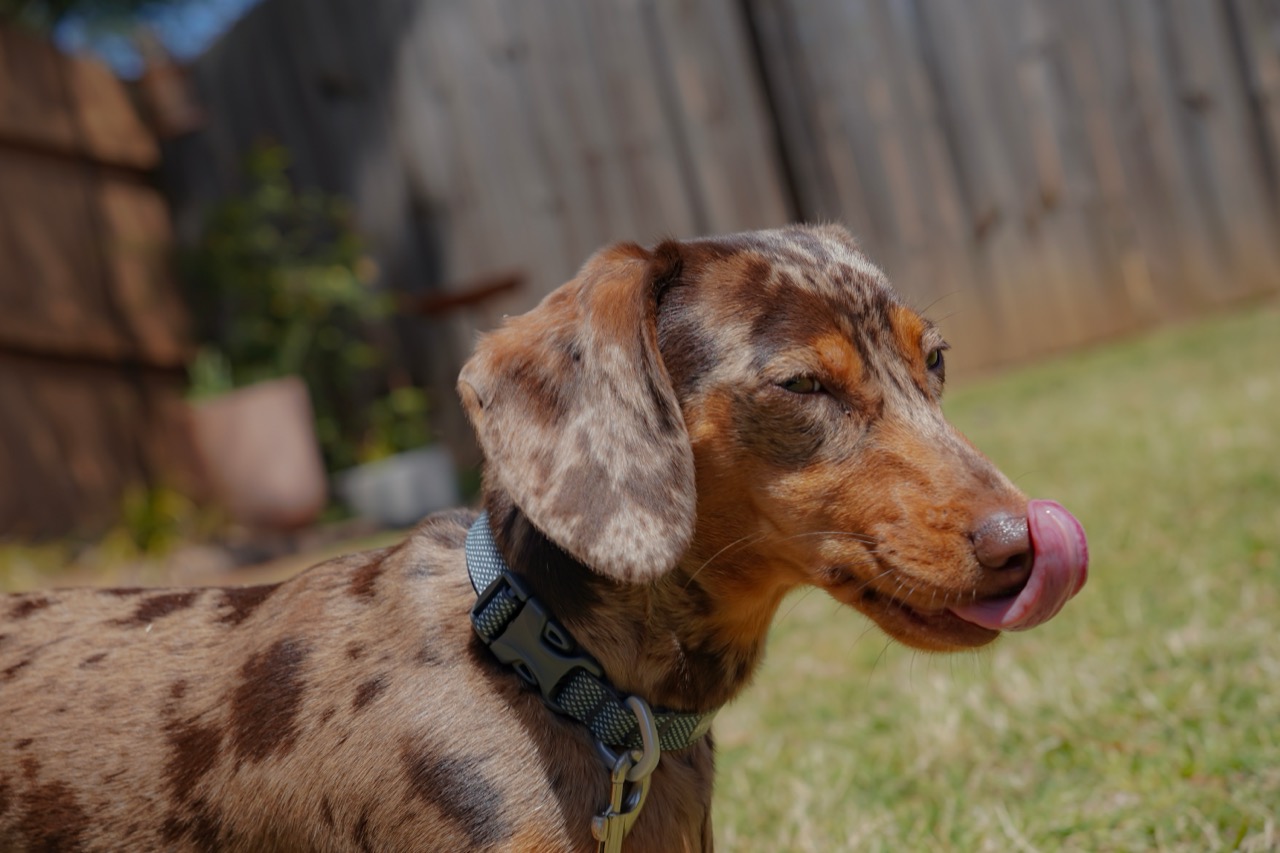
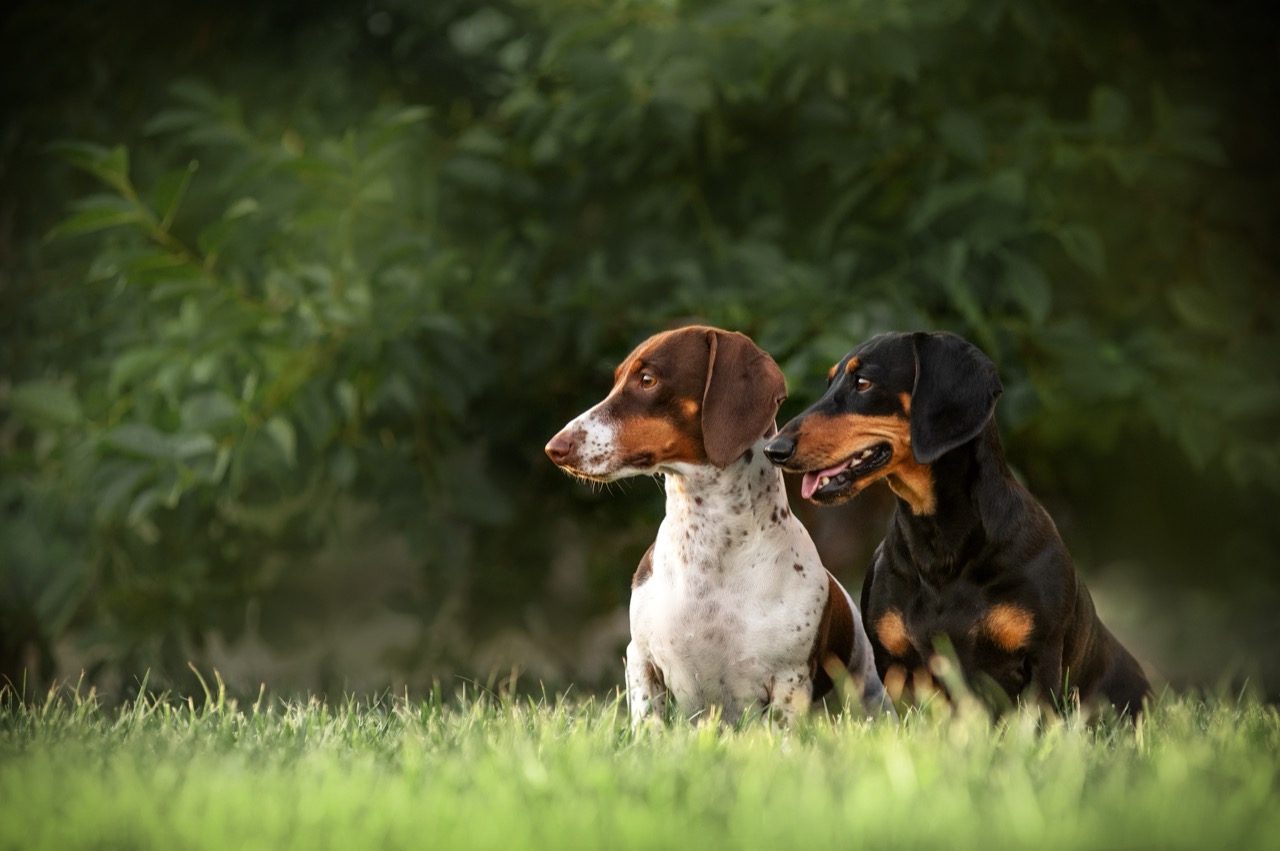
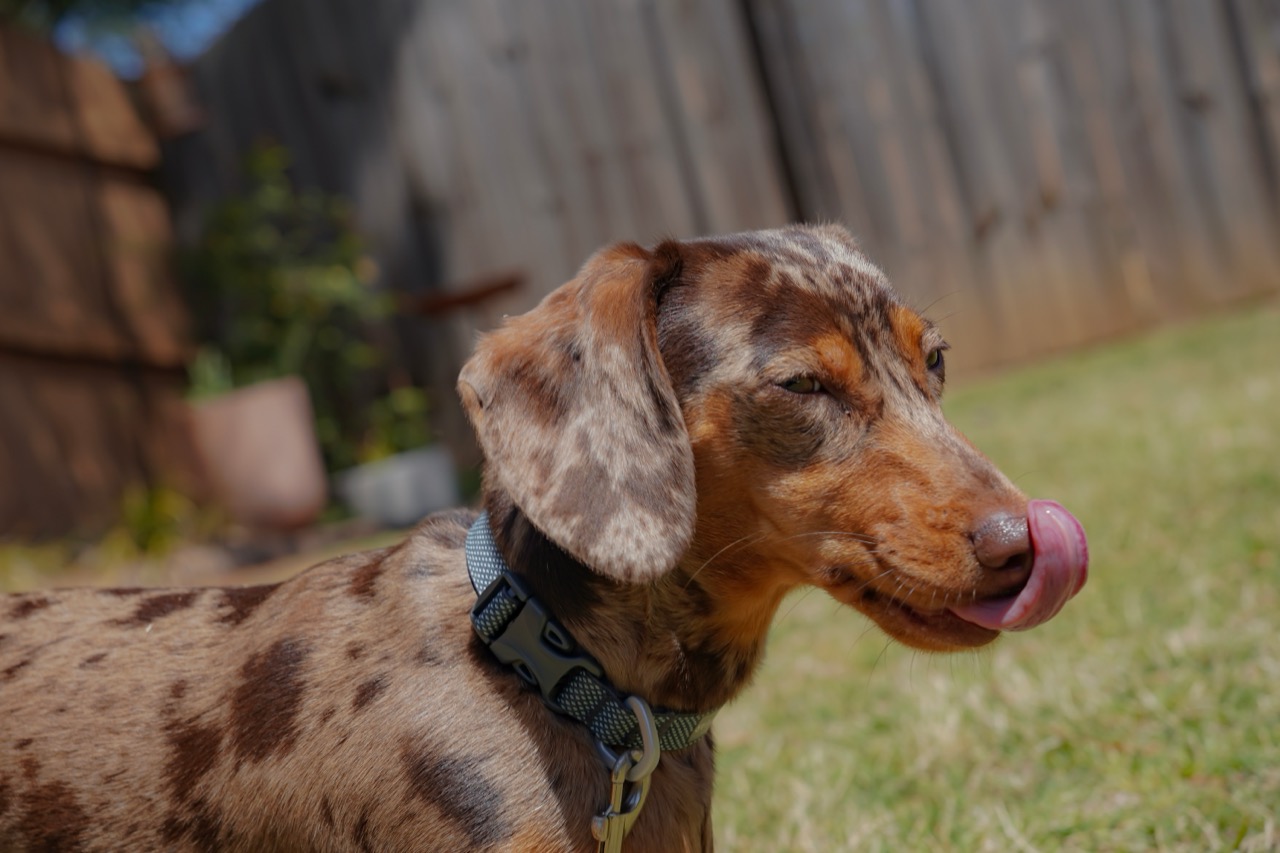
Their coat type affects grooming in very practical ways. Smooth coated Dachshunds shed more than many people expect and benefit from regular brushing to reduce loose hair. Longhaired Dachshunds need more frequent brushing to prevent mats, especially behind the ears, on the chest, and along the feathering on legs and tail. Wirehaired Dachshunds often have a harsher outer coat and may need hand stripping or specialized grooming to maintain texture and reduce tangles. Across all coat types, ear care is important because their floppy ears reduce airflow, which can contribute to wax buildup and ear infections if moisture gets trapped.
Household habits often make more sense once you connect them to their original purpose. Burrowing under blankets mimics tunneling and denning. Barking at noises can be a watchful, territorial response from a dog bred to work independently and alert a hunter. Many Dachshunds are selective with other dogs because they are confident and do not always read their own size correctly. Early socialization, calm introductions, and giving them a safe retreat space can prevent small disagreements from becoming big standoffs.
Living with a Dachshund is easier when you treat the quirks as clues. Their courage, curiosity, and stubborn charm are tied to a working past and a distinctive body plan. When training, exercise, grooming, and home setup match those realities, you get the best version of the breed: a funny, loyal companion with a huge personality and a surprisingly thoughtful set of needs.