Life With a Pit Bull Terrier



Quiz Complete!
Real World Care for the American Pit Bull Terrier: Training, Enrichment, and Everyday Management
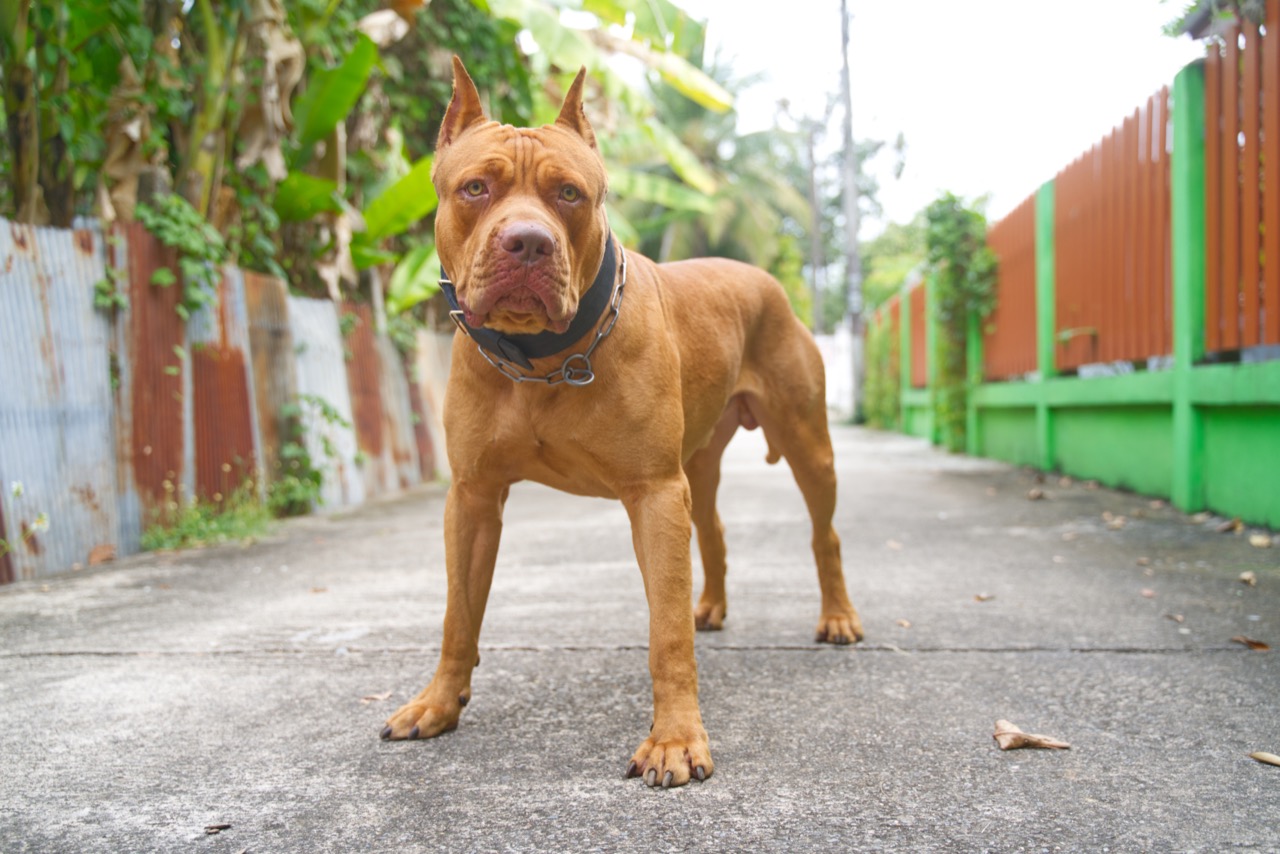
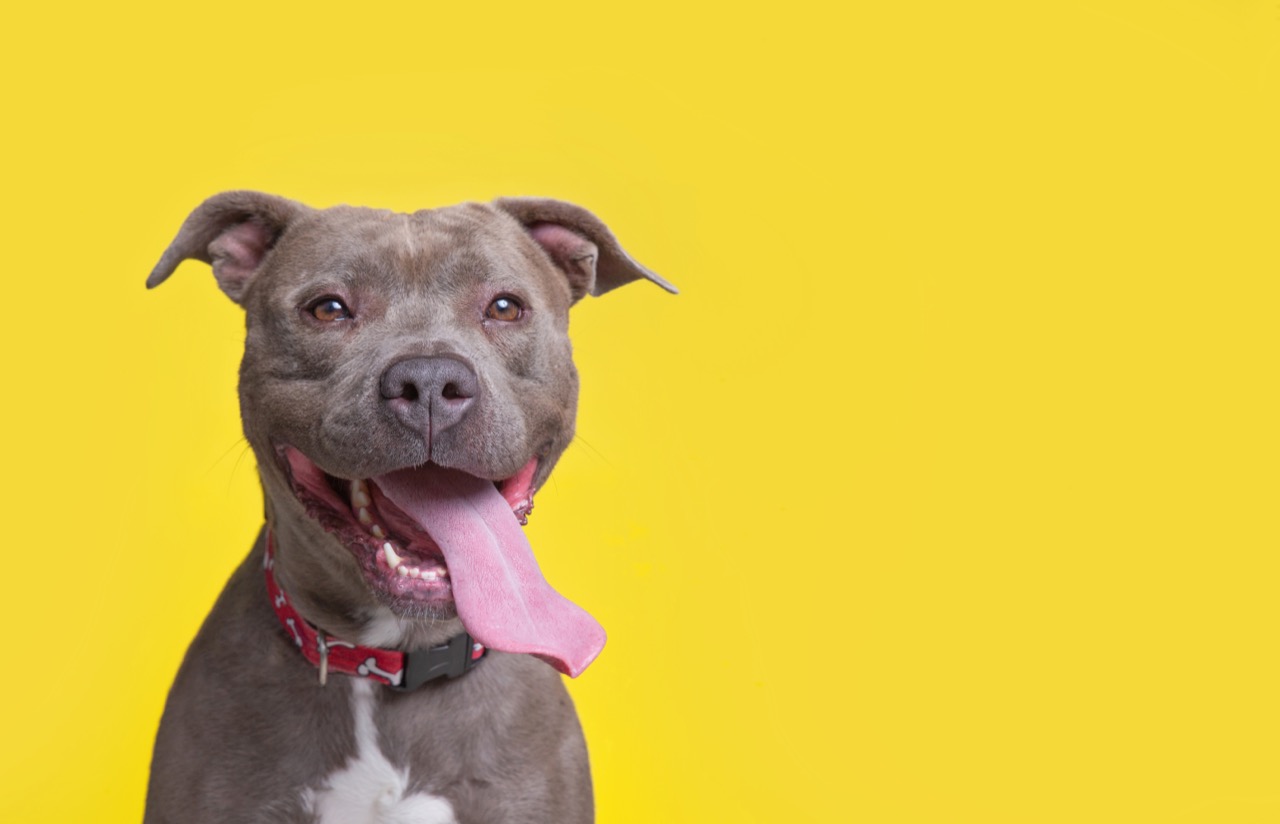
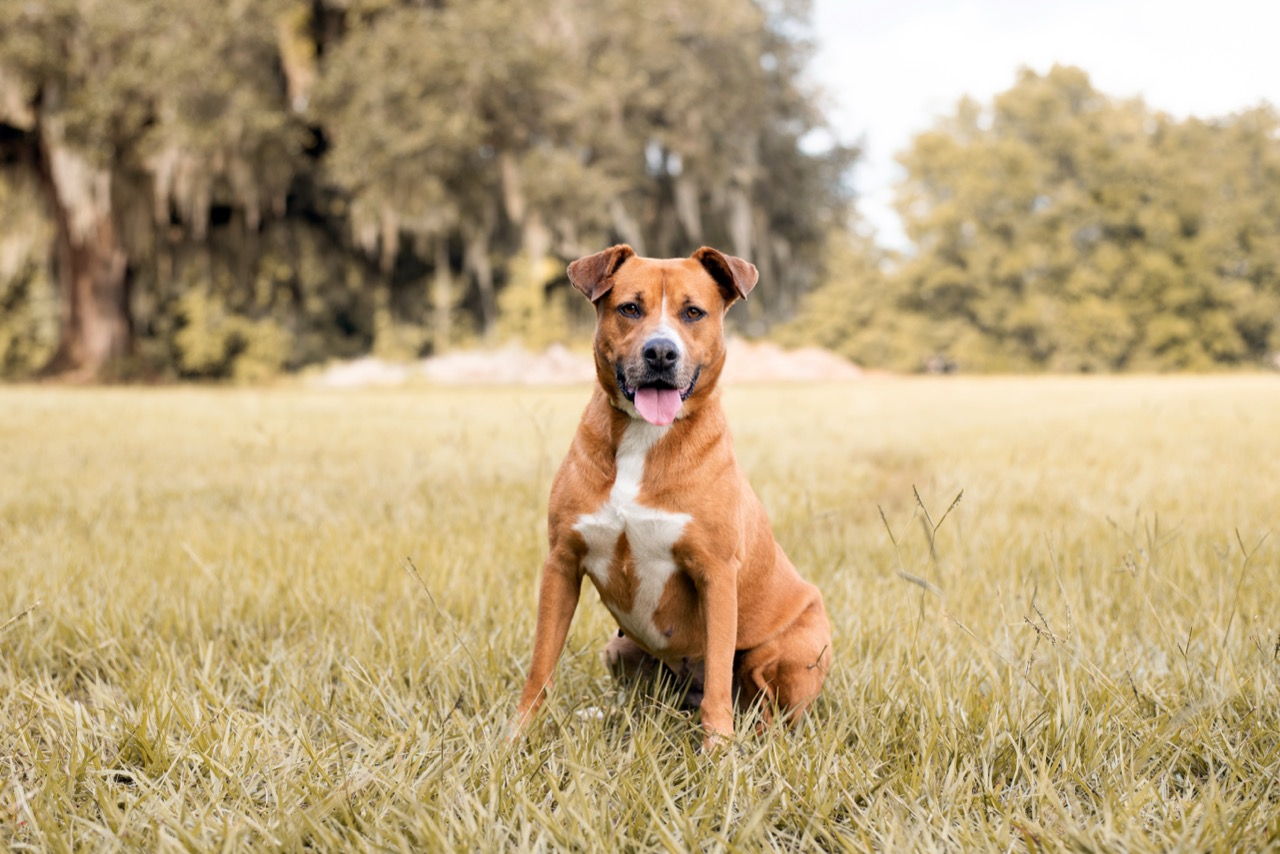
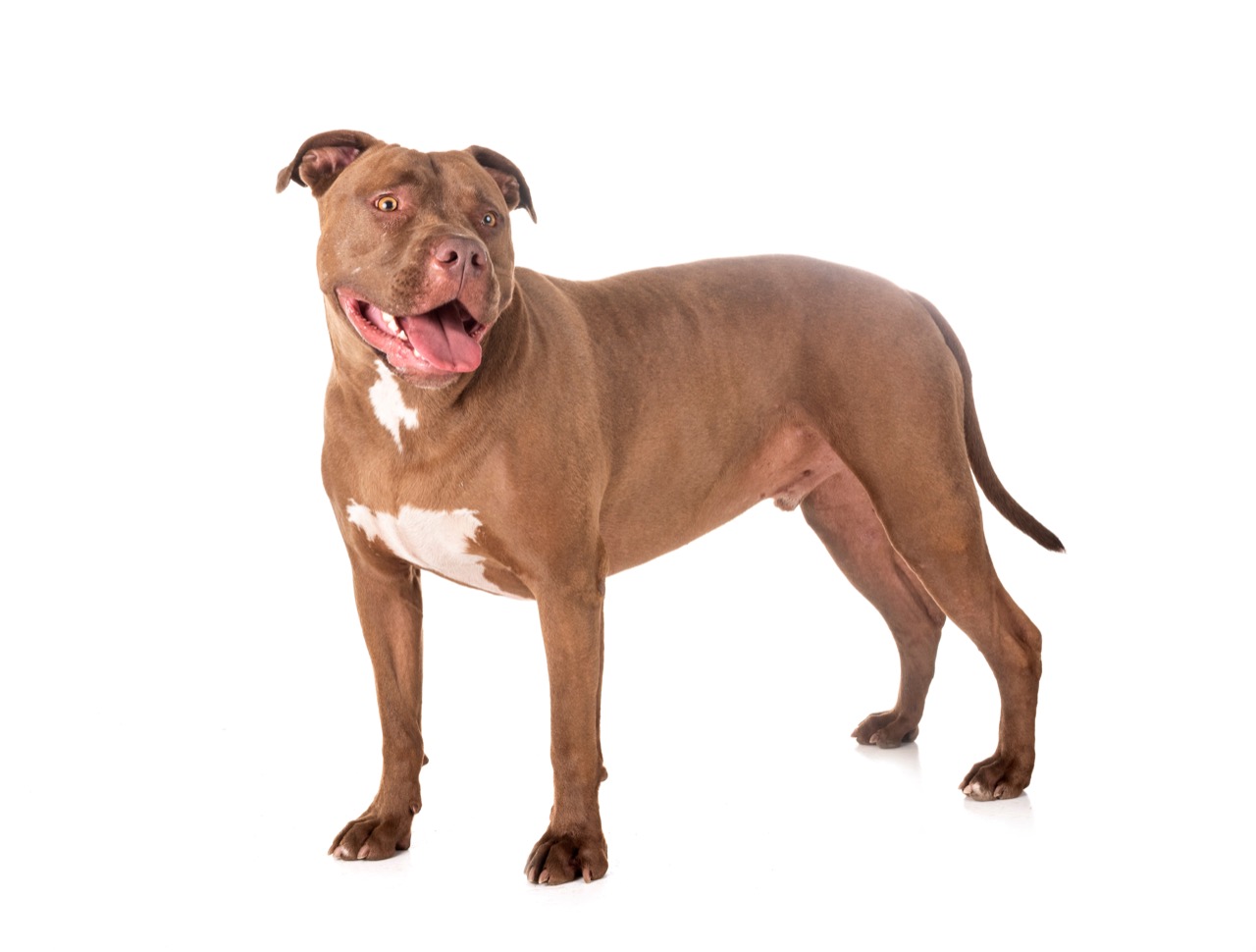
The American Pit Bull Terrier is often described as strong and athletic, but the most useful way to think about the breed is as a highly people-oriented dog with plenty of drive. In real homes, success usually comes down to management and training that build reliable habits. A well-cared-for Pit Bull Terrier is not made by hype or myths, but by consistent routines, clear boundaries, and enough outlets for energy and chewing.
Temperament is shaped by genetics, early experiences, and daily handling, so it helps to focus on what you can control. Many Pit Bull Terriers are social with people and thrive on attention, but that does not automatically mean they will enjoy every dog they meet. Some are dog-social, some are selective, and some are happier keeping their circle small. Responsible owners plan for that range. Safe introductions matter: use neutral territory, keep leashes loose enough to avoid tension, watch for stiff posture or hard staring, and end the interaction early while things are still calm. For households with multiple pets, controlled setups such as baby gates, crates, and structured rotations can prevent mistakes while relationships develop.
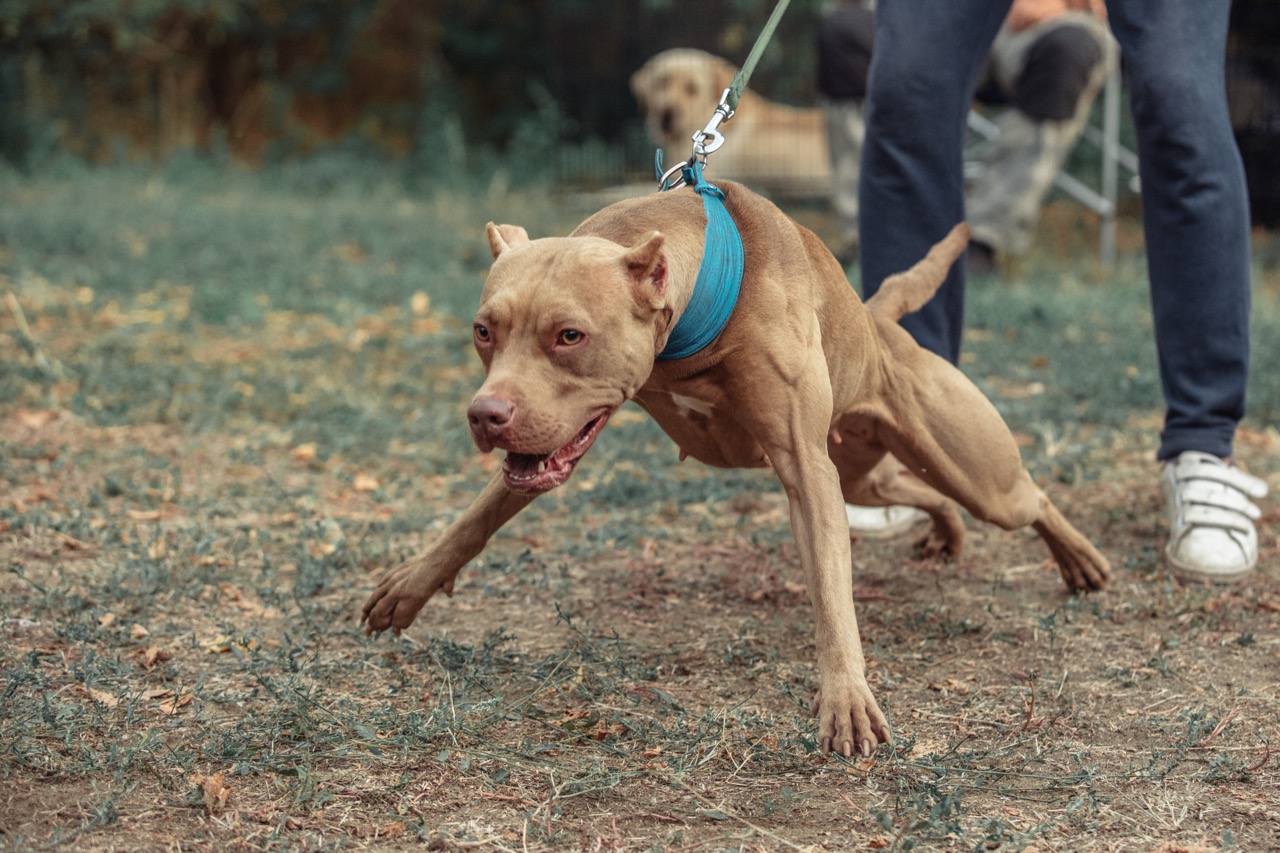
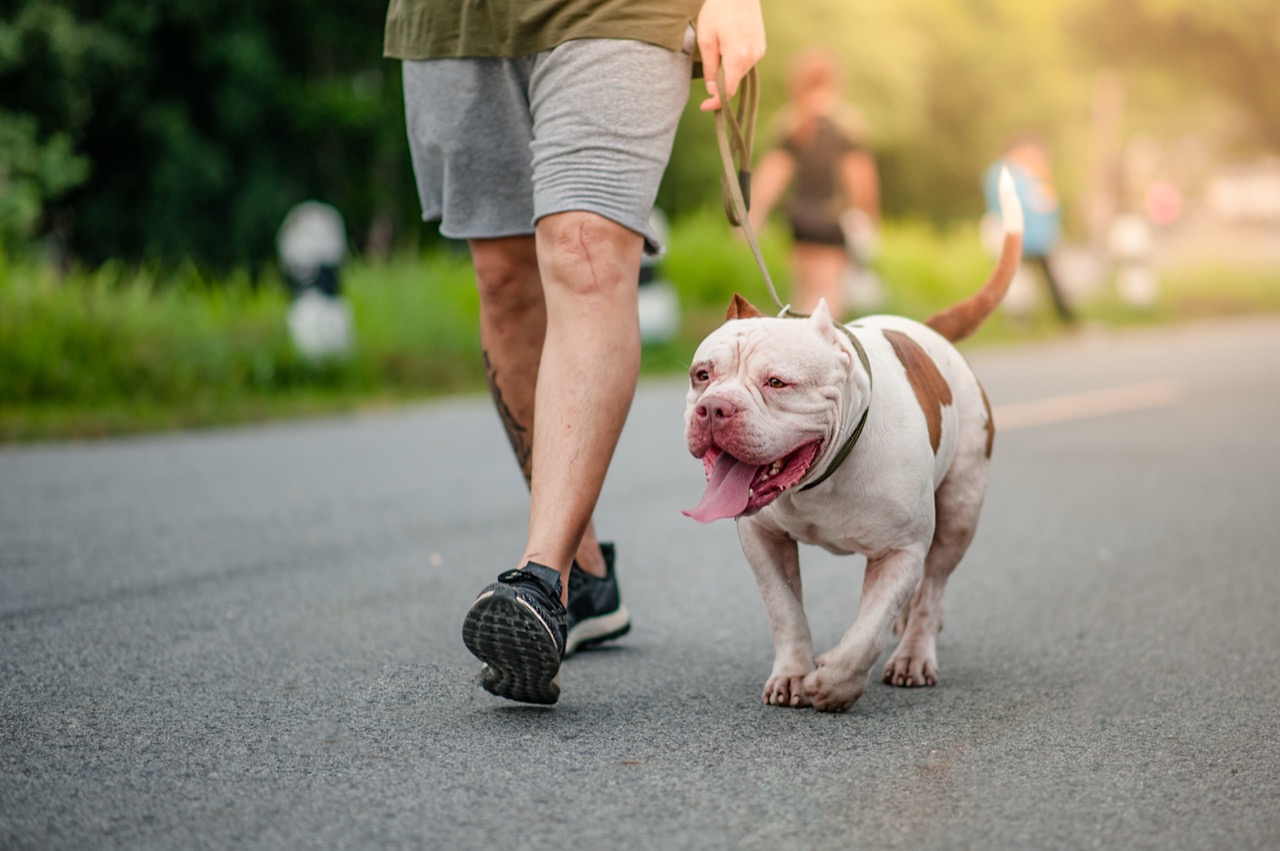
Training works best when it is practical and reward-based. These dogs often respond strongly to food, toys, and praise, so you can build behaviors you actually need: coming when called, walking on a loose leash, settling on a mat, dropping items, and staying calm around distractions. Short, frequent sessions beat long drills. A reliable recall is not just a trick; it is a safety skill. Practice in low-distraction areas, reward heavily, and avoid calling your dog for things they dislike, such as nail trims, because that teaches them that coming to you predicts something unpleasant.
Chewing is another real-world issue. Pit Bull Terriers can be powerful chewers, especially as young dogs. Chewing is normal, but it must be directed. Provide durable, appropriate chew options and rotate them to keep interest high. Prevent access to shoes, kids toys, and remote controls by using crates, pens, and closed doors when you cannot supervise. If chewing and restlessness spike, it is often a sign the dog needs more exercise, more mental work, or both.
Exercise is more than a quick bathroom break. Many individuals do well with a mix of brisk walks, structured play, training games, and problem-solving activities like scent work or food puzzles. Athletic does not mean endless stamina, though. Build conditioning gradually, watch for overheating in warm weather, and remember that excitement can mask fatigue.
Grooming is straightforward but not optional. The short coat benefits from weekly brushing to remove loose hair and distribute skin oils. Nail care is a frequent stumbling block because long nails change how a dog stands and moves and can contribute to discomfort. Start early with tiny steps: touch a paw, reward, release. Pair the clipper or grinder sound with treats before you ever trim. Many Pit Bull Terriers also have sensitive skin. Itching, redness, or recurring ear issues can be linked to allergies, parasites, harsh shampoos, or environmental triggers. Regular flea and tick prevention, gentle bathing when needed, and prompt veterinary advice for persistent skin problems can save a lot of misery.
Daily life with this breed is easiest when you plan ahead. Check local rules on pit bull-type dogs, use secure equipment, practice calm greetings so jumping does not become a habit, and teach a solid leave it for dropped food and tempting sidewalk finds. With thoughtful management, positive training, and enough appropriate outlets, an American Pit Bull Terrier can be a steady, affectionate companion and a genuinely good canine citizen.