Pit Bull History: Myth and Fact
Quiz Complete!
What the American Pit Bull Terrier Was Built to Do and Why It Still Matters
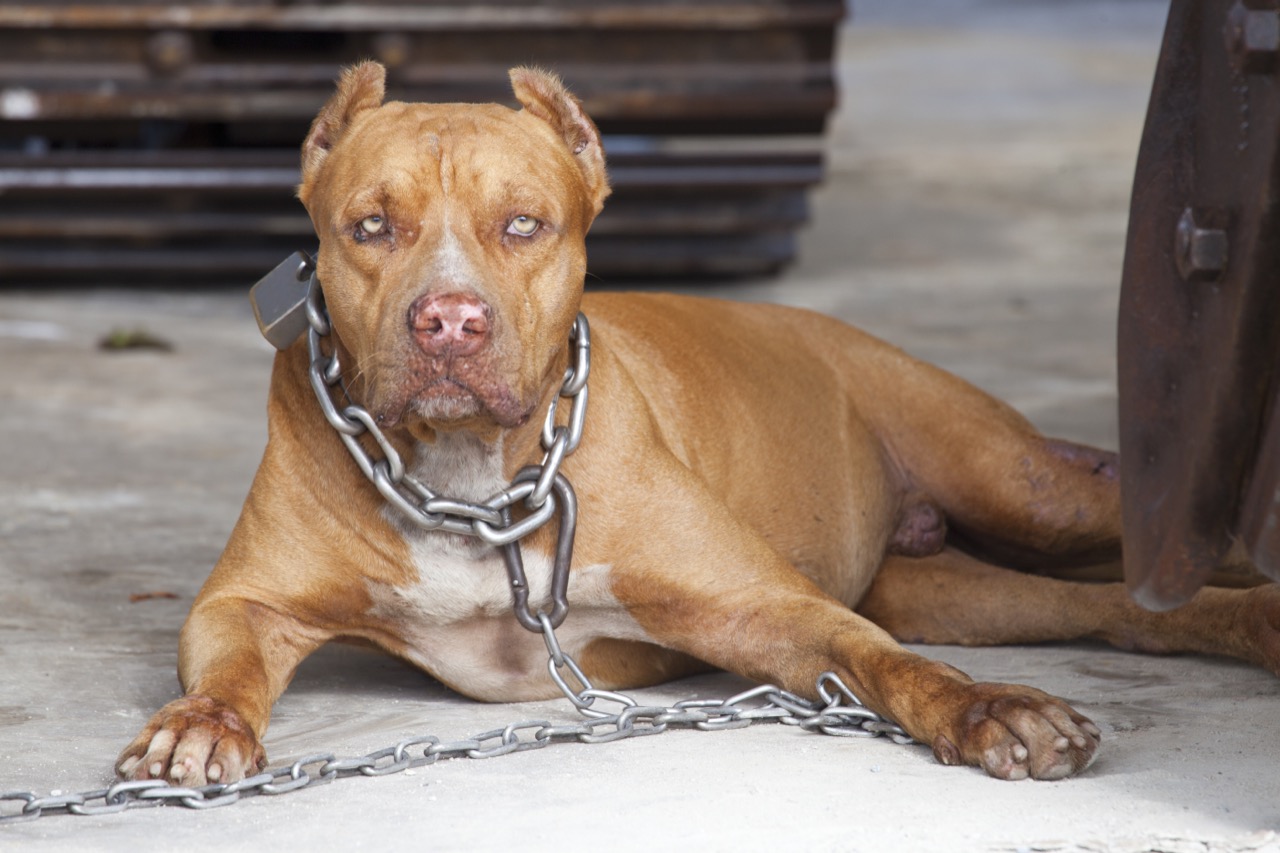
Strong opinions often surround the American Pit Bull Terrier, but the breed makes more sense when you start with its original purpose. Like many working dogs, it did not appear by accident. It was shaped by people who selected for specific physical tools and predictable behavior under pressure. Understanding that history helps explain why many modern dogs of this type can be intensely athletic, highly driven, and unusually people-oriented at the same time.
The American Pit Bull Terrier descends from bull-and-terrier crosses developed in the British Isles in the 1800s. Those early dogs were used in bull-baiting and, after baiting was outlawed in Britain in 1835, in dog fighting. Both are cruel and are now illegal in Britain and the US. The dogs were expected to be compact, powerful, and energetic, combining the strength of bulldog types with the speed and tenacity of terriers. Over time, in the United States, breeders refined a distinct type that emphasized athleticism, endurance, and a particular mental quality often described as determination. That word can be loaded, but in working-dog terms it simply means a willingness to keep trying when a task is difficult.
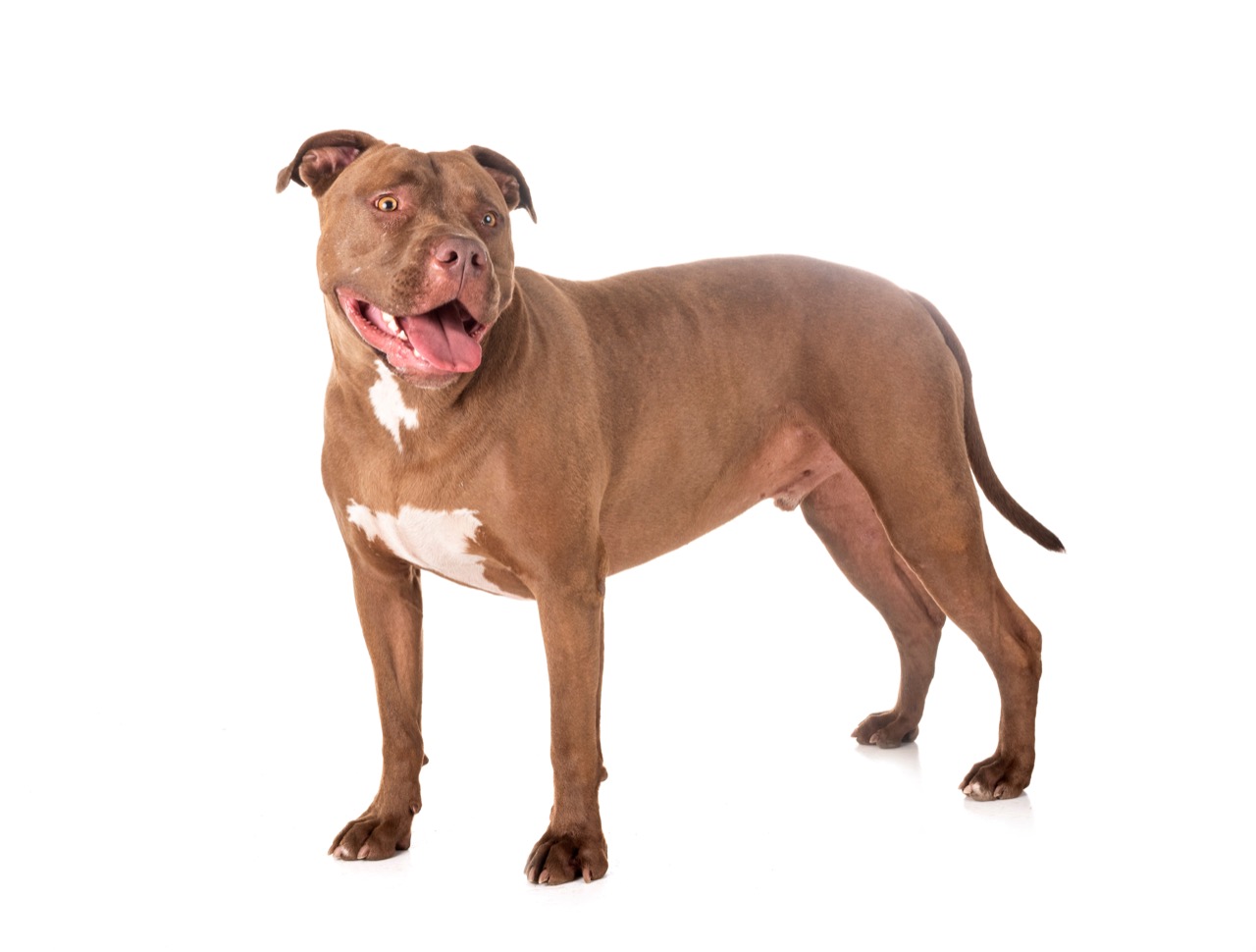
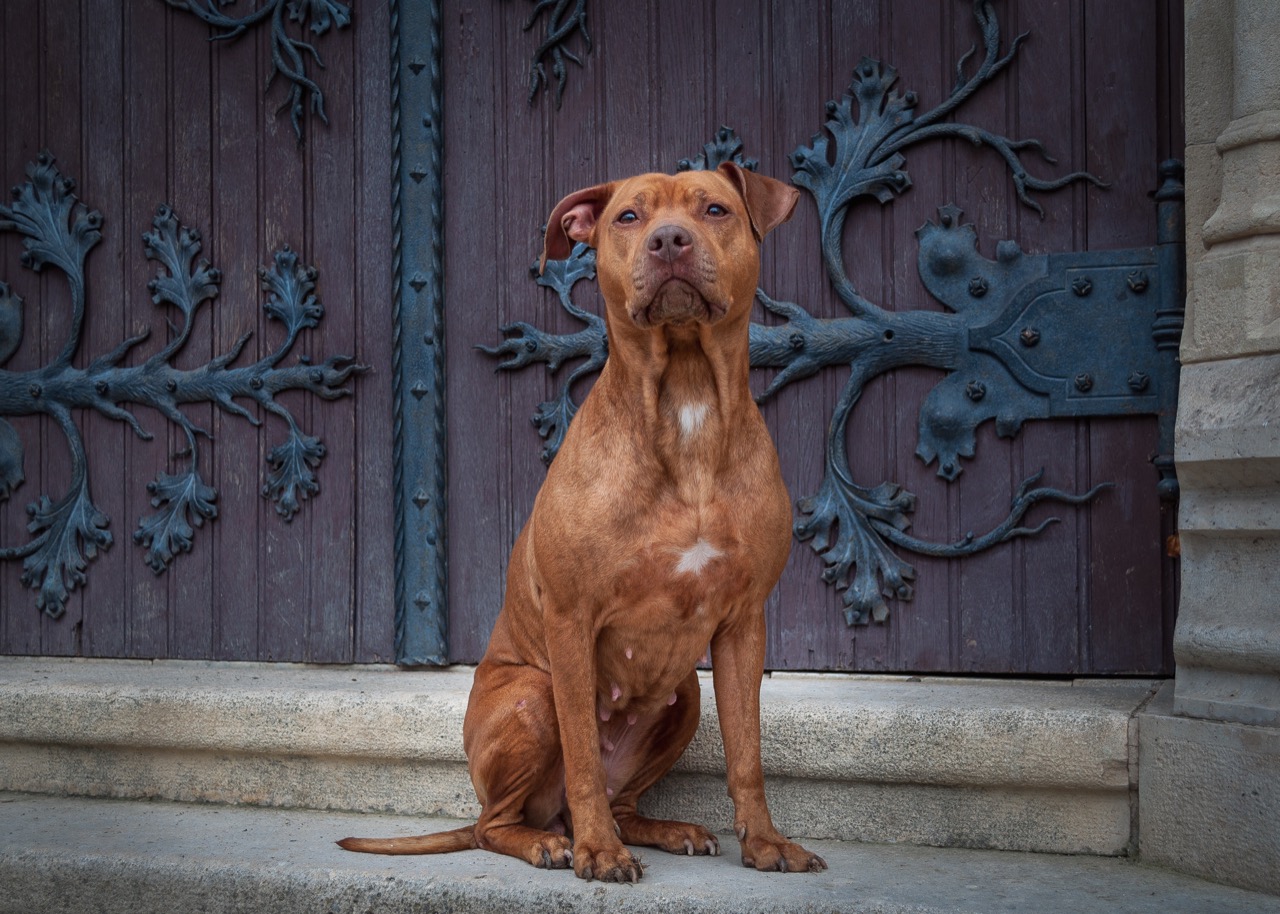
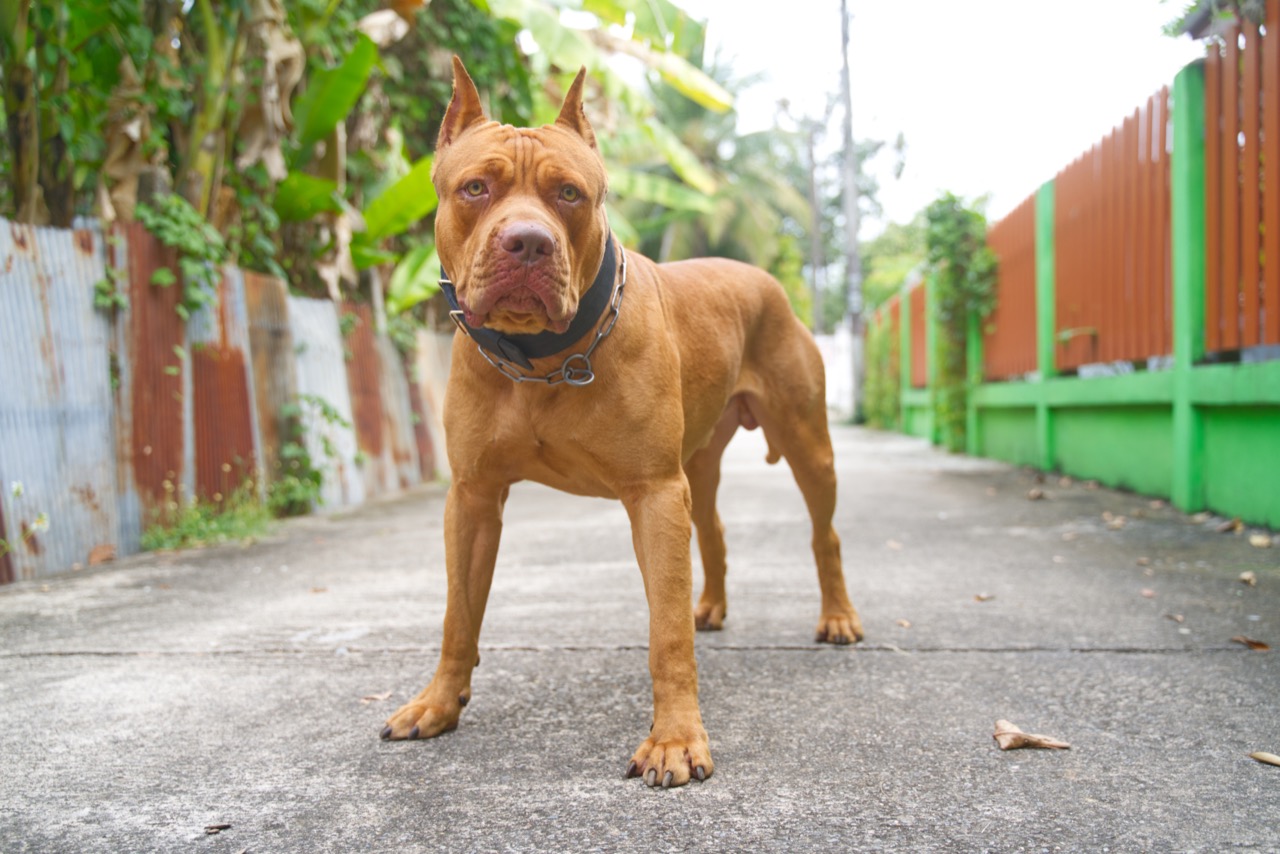
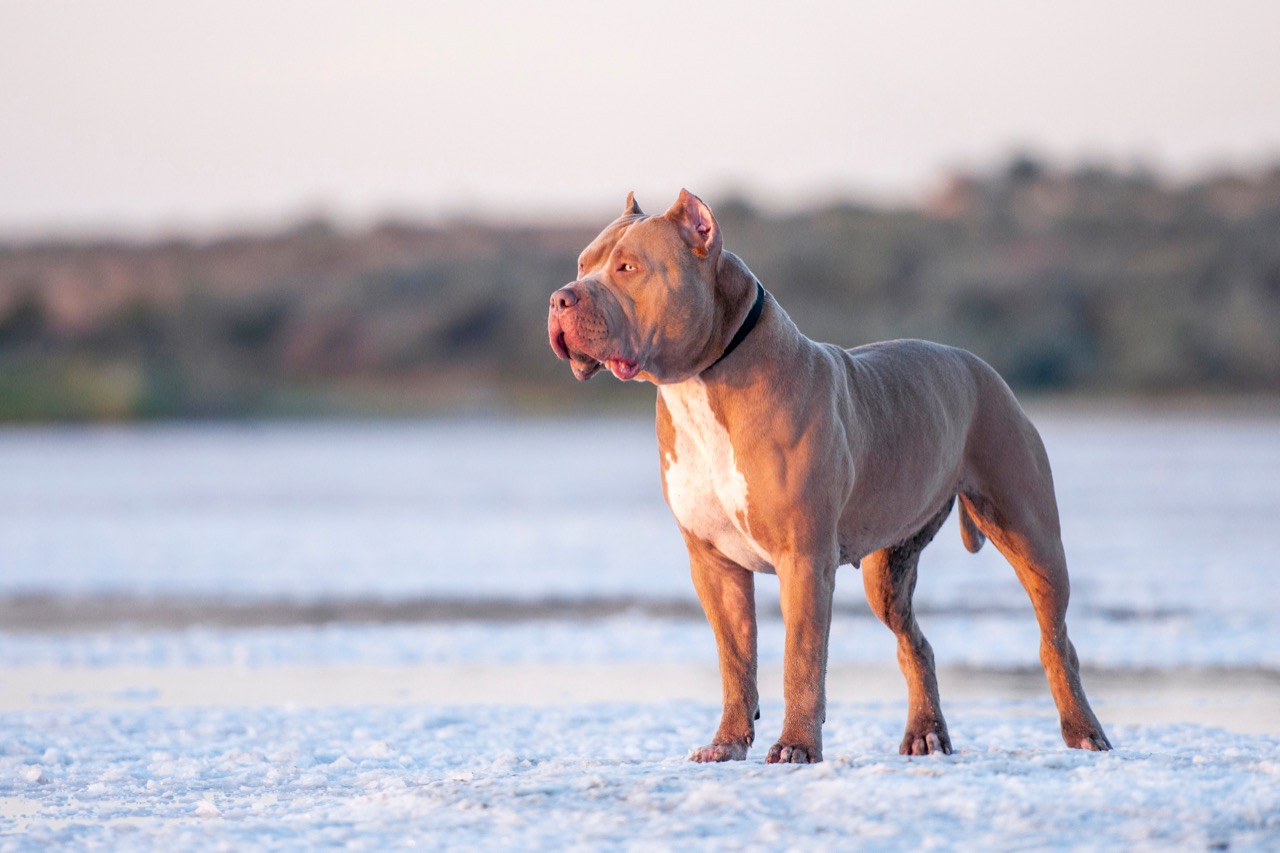
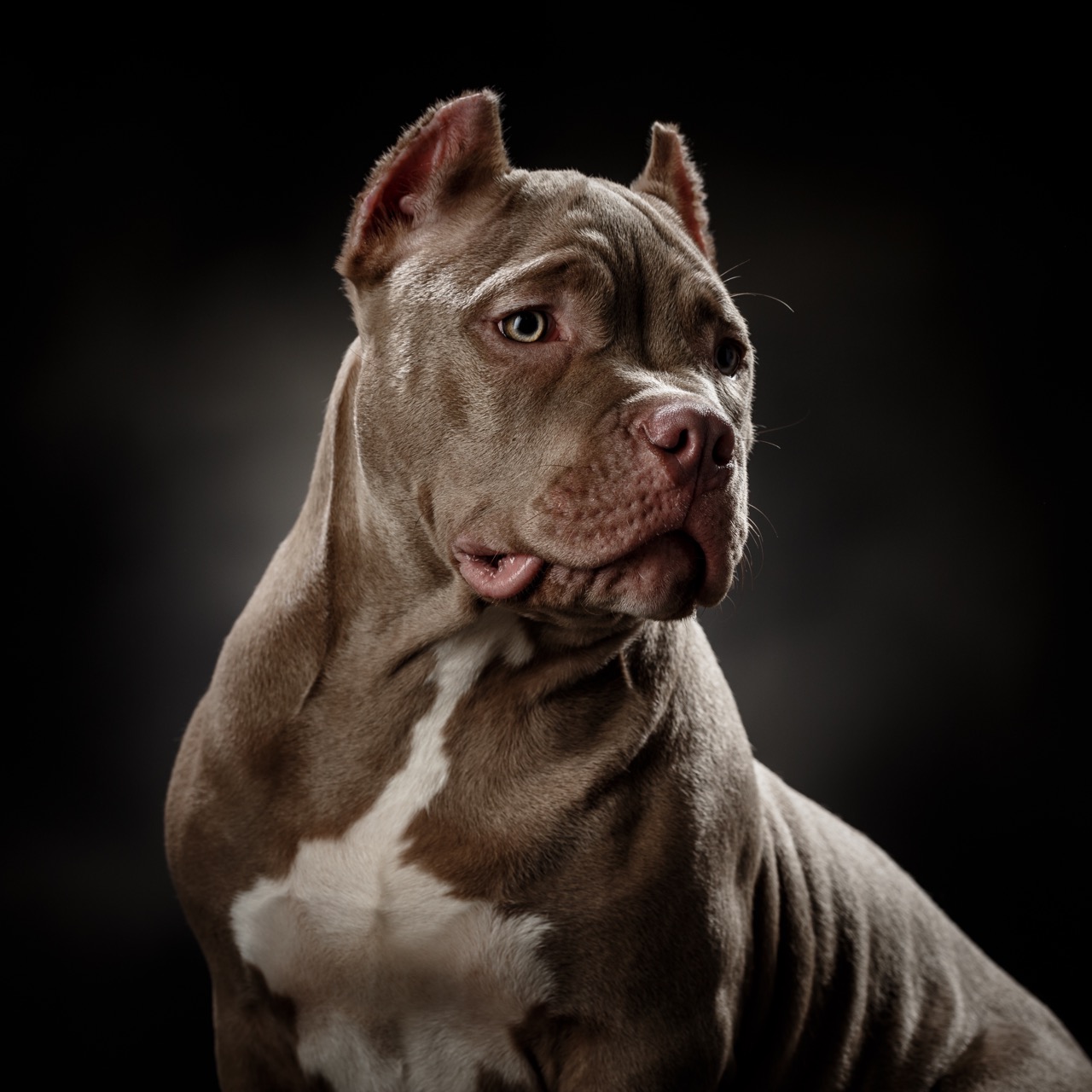
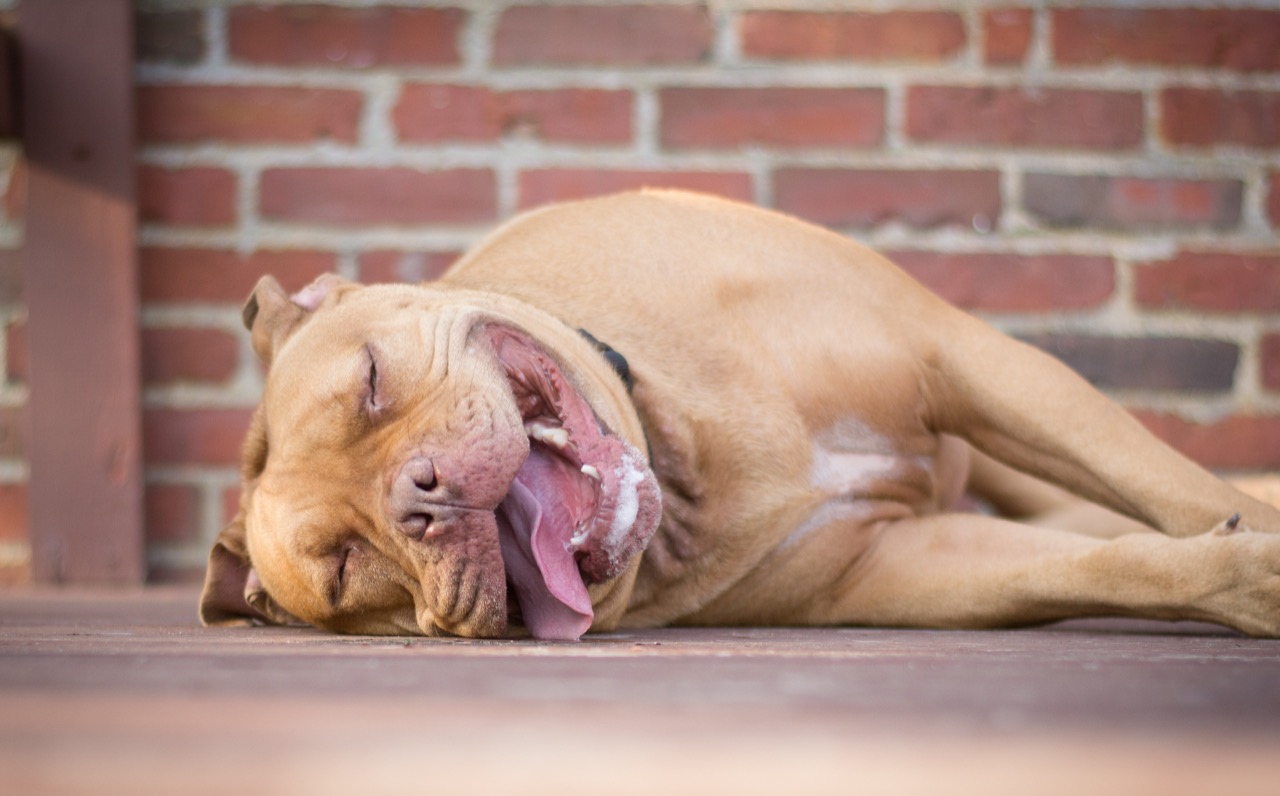
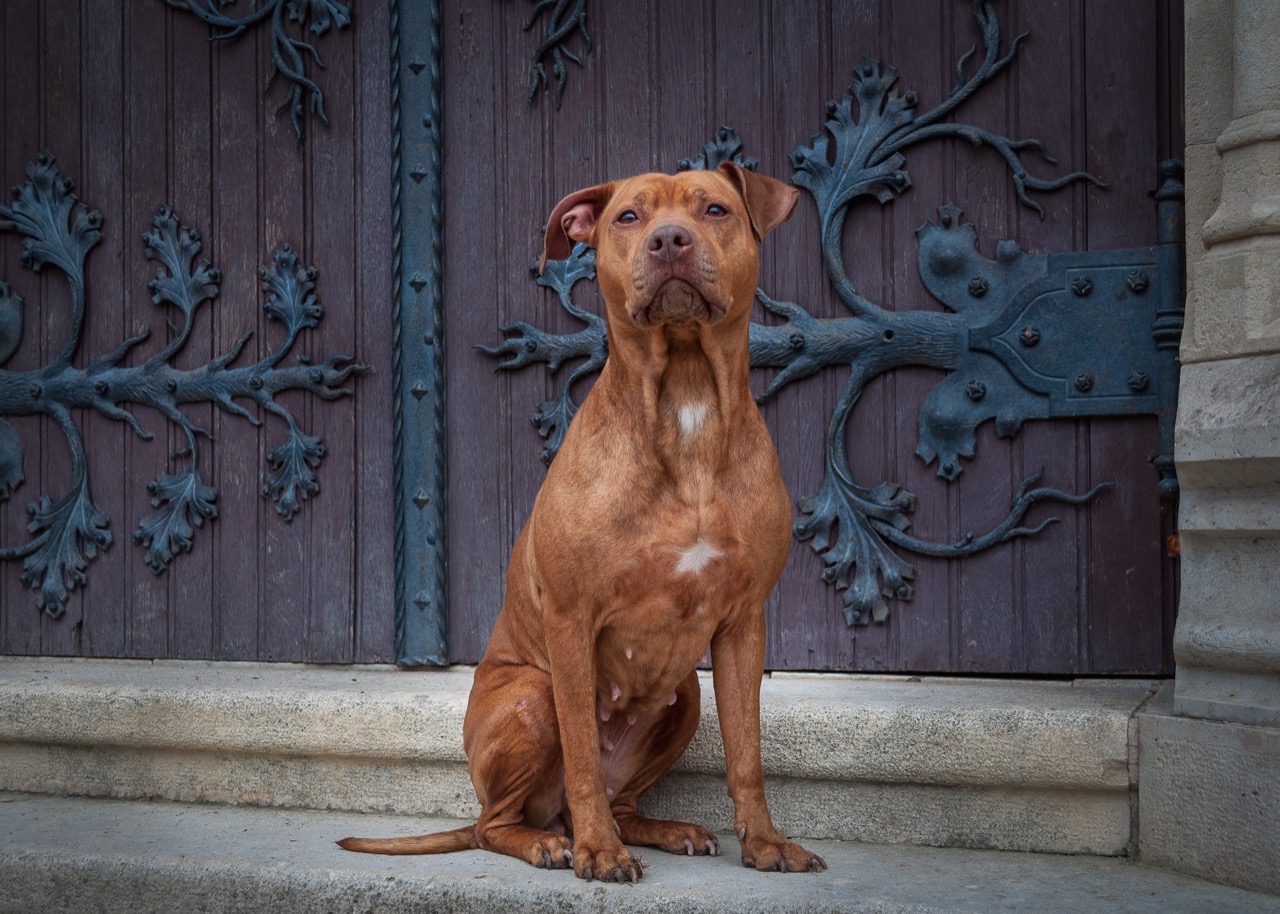
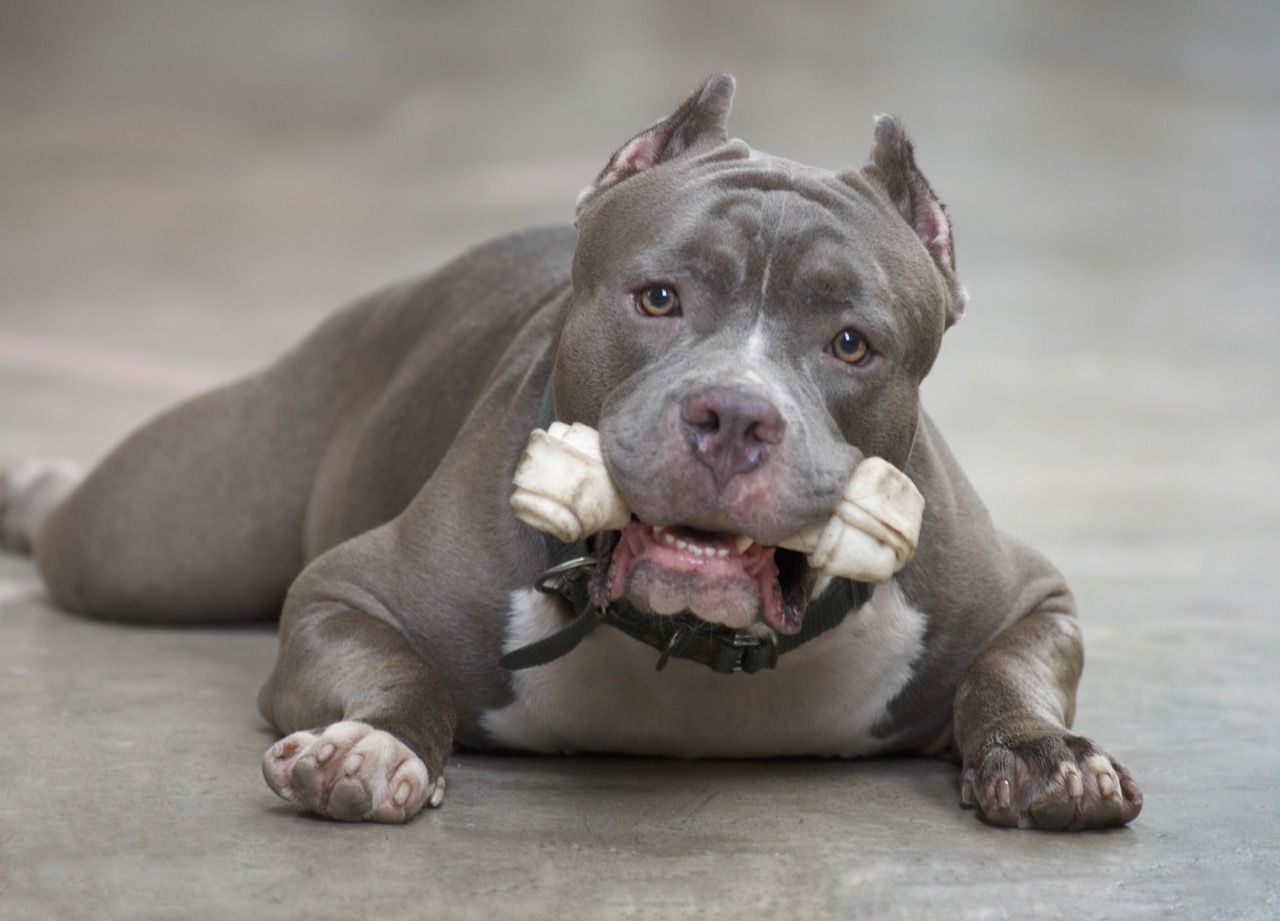
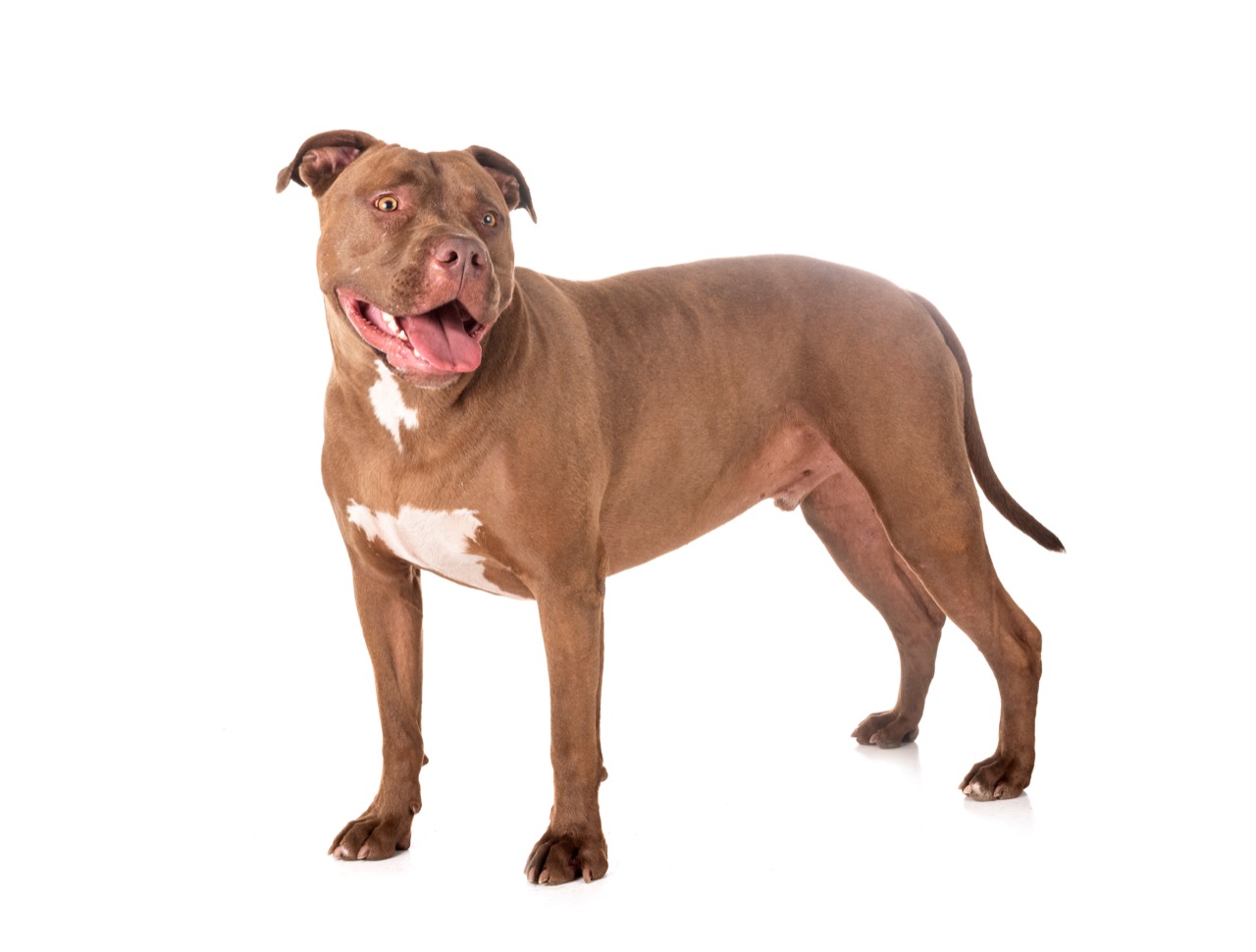
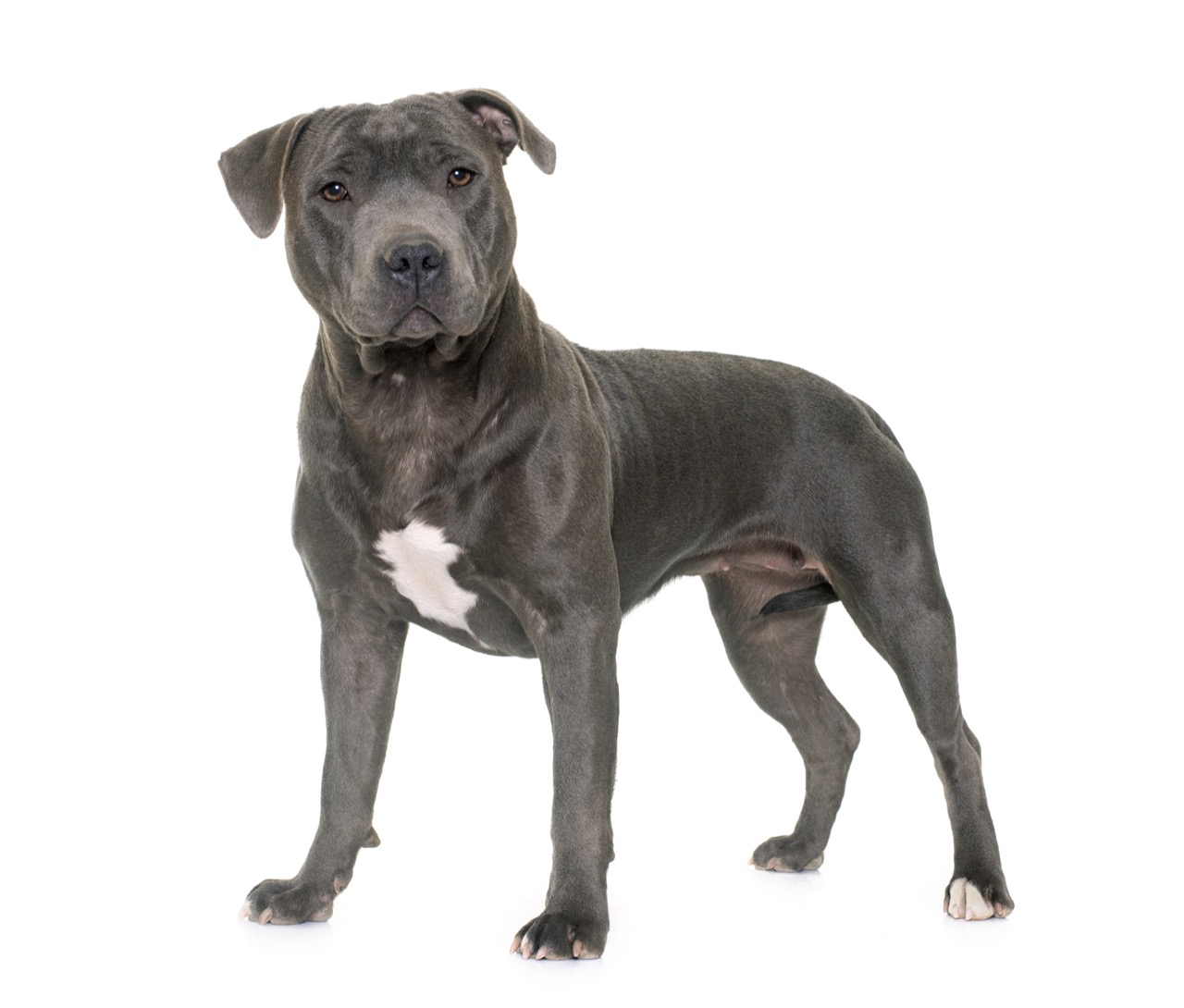
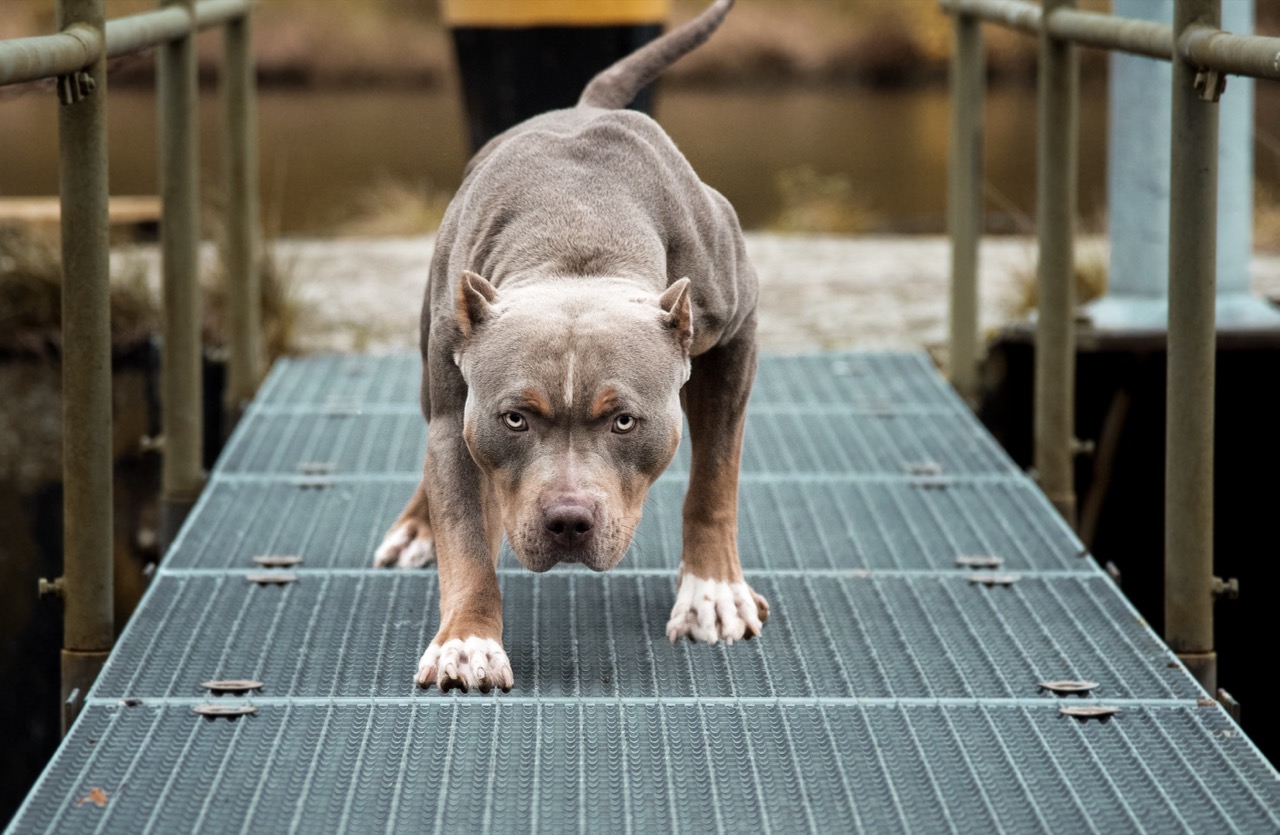
A lot of the breed’s most recognizable features are practical working design rather than a “tough” aesthetic. A medium-sized, muscular body supports quick direction changes and strong pulling and holding power. A broad chest and well-sprung ribs allow room for heart and lungs, supporting stamina. A thick neck and strong shoulders help with physically demanding work. Even the short coat is practical, requiring little maintenance. None of this implies a dog is automatically dangerous. It means the dog was built to be capable.
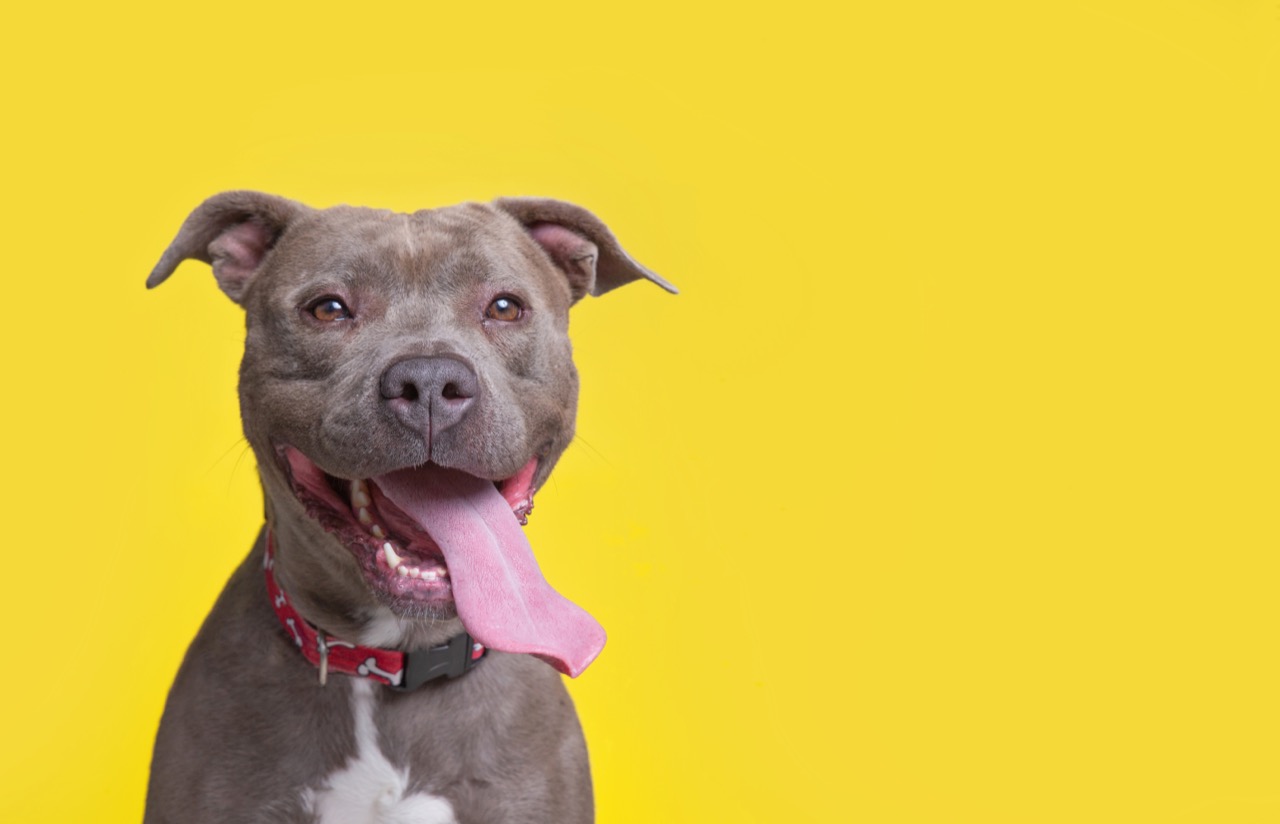
Behavior is just as important as structure. One of the most misunderstood points is the breed’s relationship to people. Historically, dogs used in baiting and fighting had to be manageable in close quarters. Handlers needed to separate, restrain, and control them safely, often in high-arousal situations. That favored dogs that were responsive to humans and tolerant of handling. Breed histories offer this as one reason many well-bred individuals are notably affectionate and eager to engage with people. People-focus is not a contradiction to high drive; in working dogs it can be a key feature.
Another frequent myth is that these dogs were bred to attack humans. That is not supported by the breed’s historical selection goals. Aggression toward people would have been a serious liability for anyone who had to handle the dog routinely. What was selected for was performance against other animals, along with the stability to be handled. That said, selection for intense determination and high arousal can influence modern behavior in everyday settings. A dog that was built to persist may pull hard on leash, fixate on moving objects, or struggle to disengage once excited. Those traits are not moral failings; they are management and training challenges.
Because of that working heritage, many American Pit Bull Terriers thrive with structured outlets. Regular exercise is important, but so is mental work that teaches self-control. Activities like obedience, scent work, flirt pole play with clear rules, weight pull in appropriate settings, and well-managed fetch can satisfy the desire to work while strengthening the dog’s ability to start and stop on cue. Just as important is teaching calm: settling on a mat, waiting at doors, and practicing impulse control around distractions.
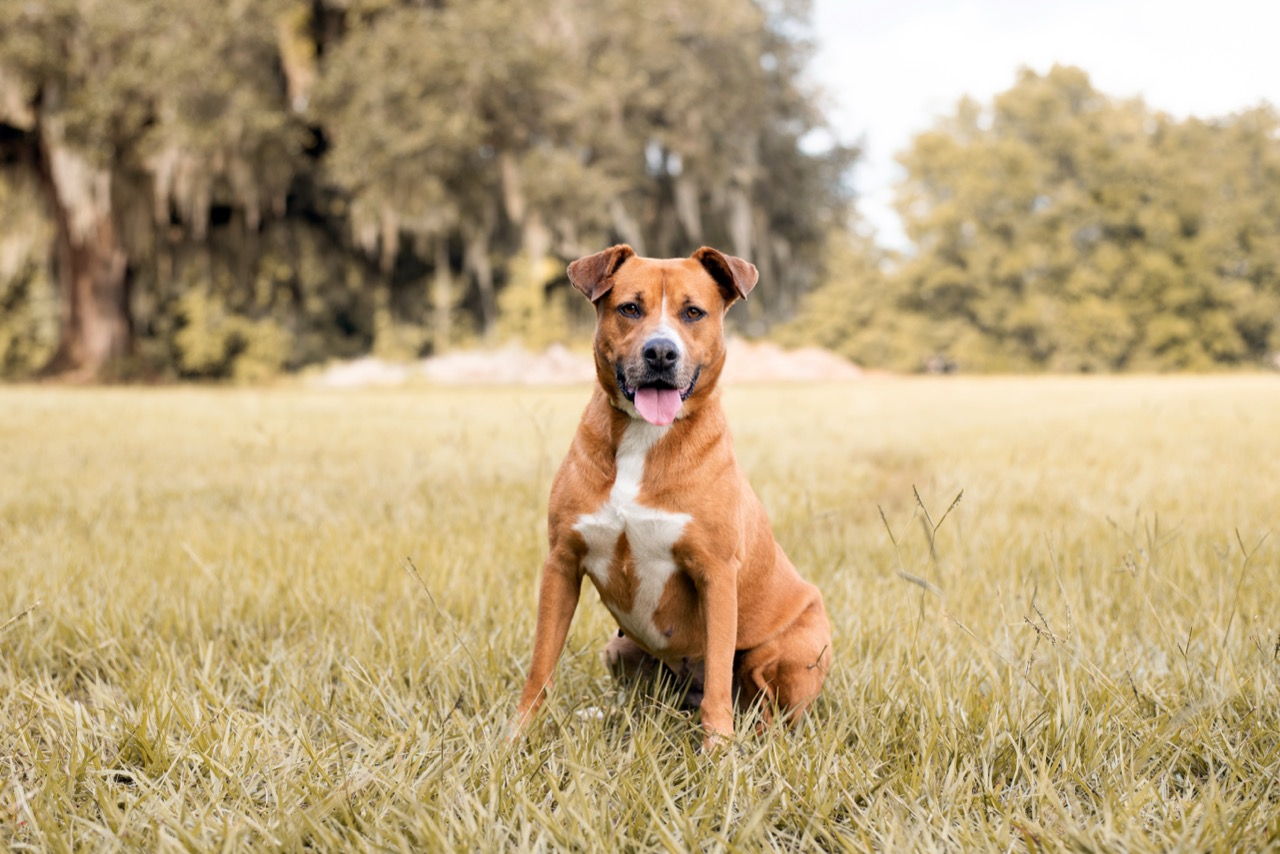
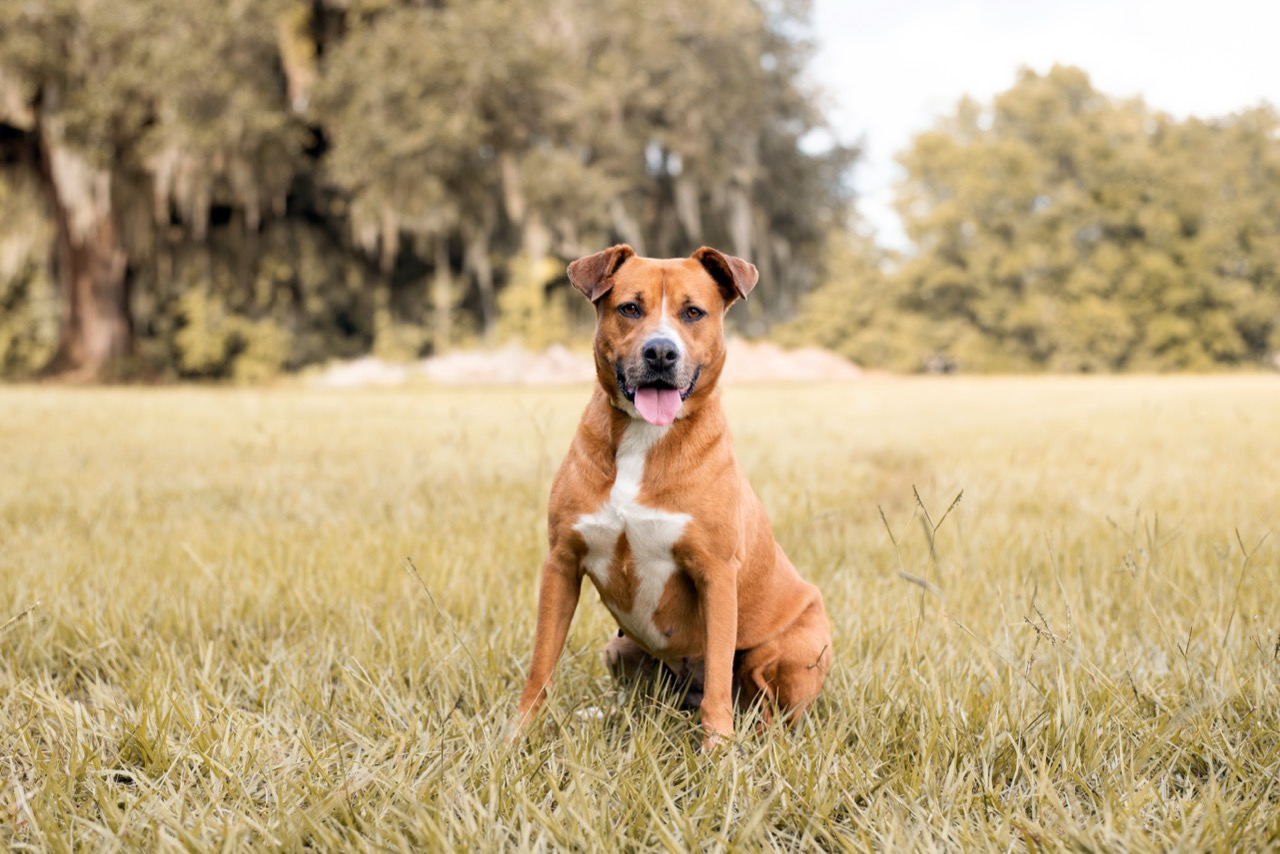
Responsible ownership is less about proving a point and more about matching the dog’s design to a safe lifestyle. A powerful, athletic animal needs secure containment, thoughtful socialization, and consistent training. Any dog can bite, and breed alone does not predict how an individual will behave. “Pit bull” is also a loose label that can cover several breeds and mixes. When people understand what the American Pit Bull Terrier was built for, the breed becomes easier to read: a capable working dog shaped by function, with strengths that can shine when guided well and instincts that require respect rather than hype.