Living With an Aussie Whirlwind




Quiz Complete!
Living With an Australian Shepherd: Smart, Busy, and Deeply People Focused
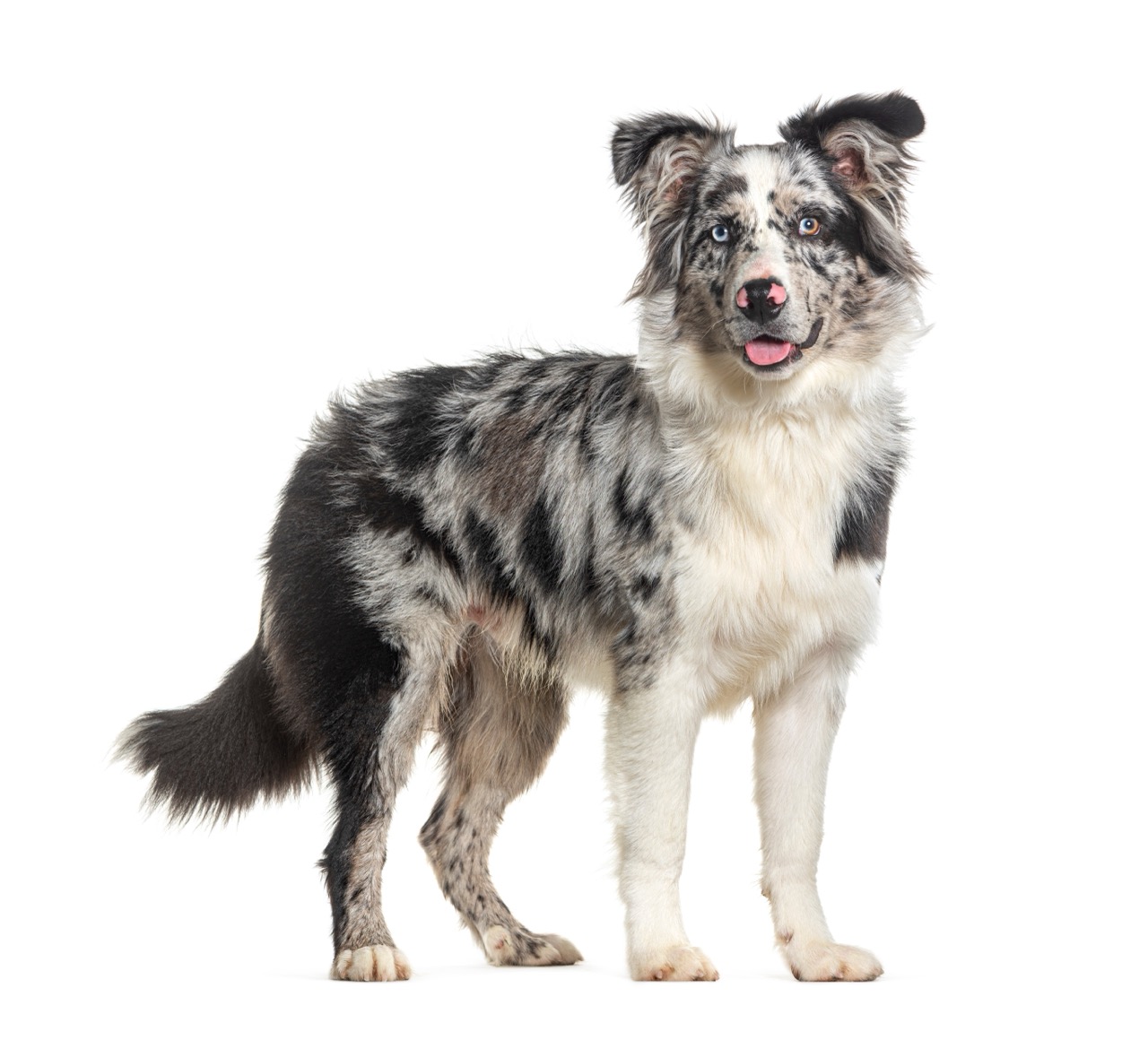
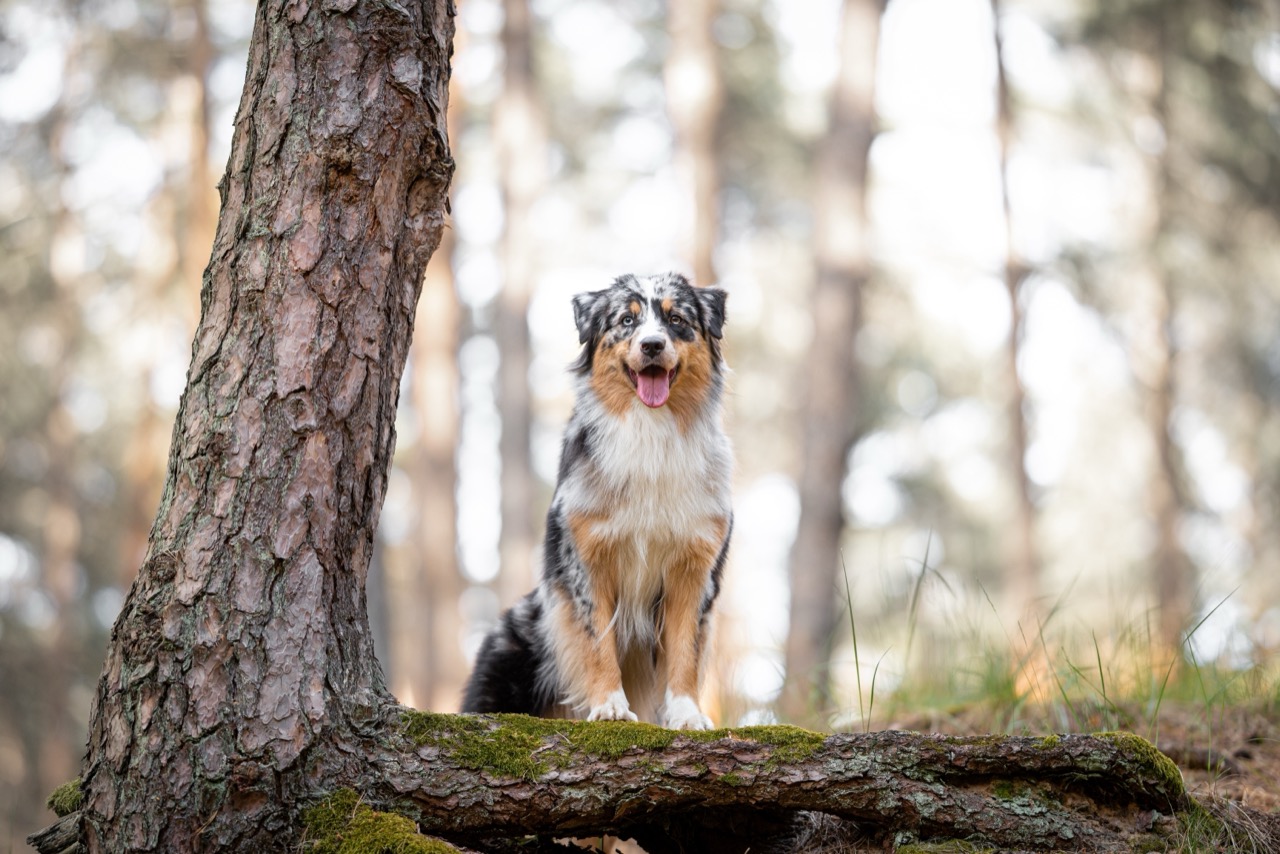
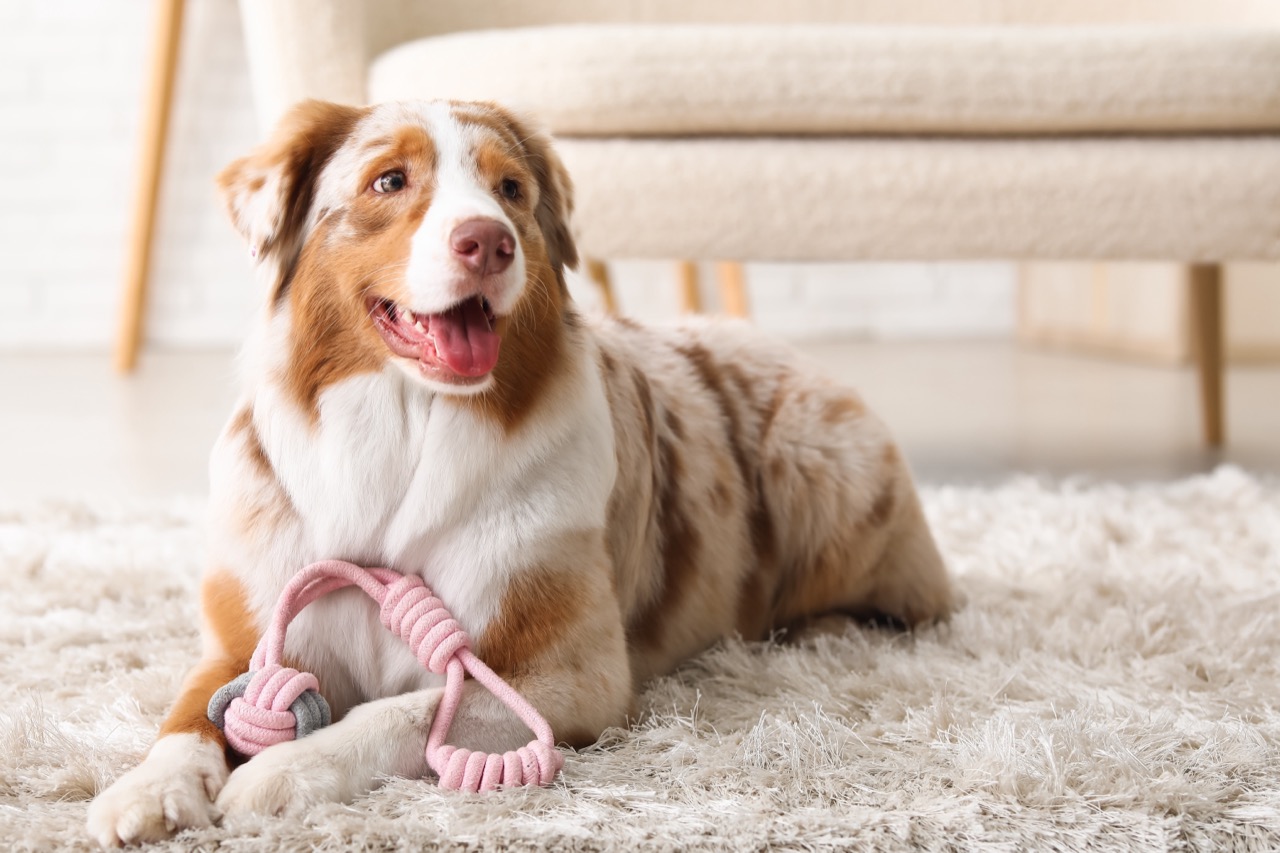
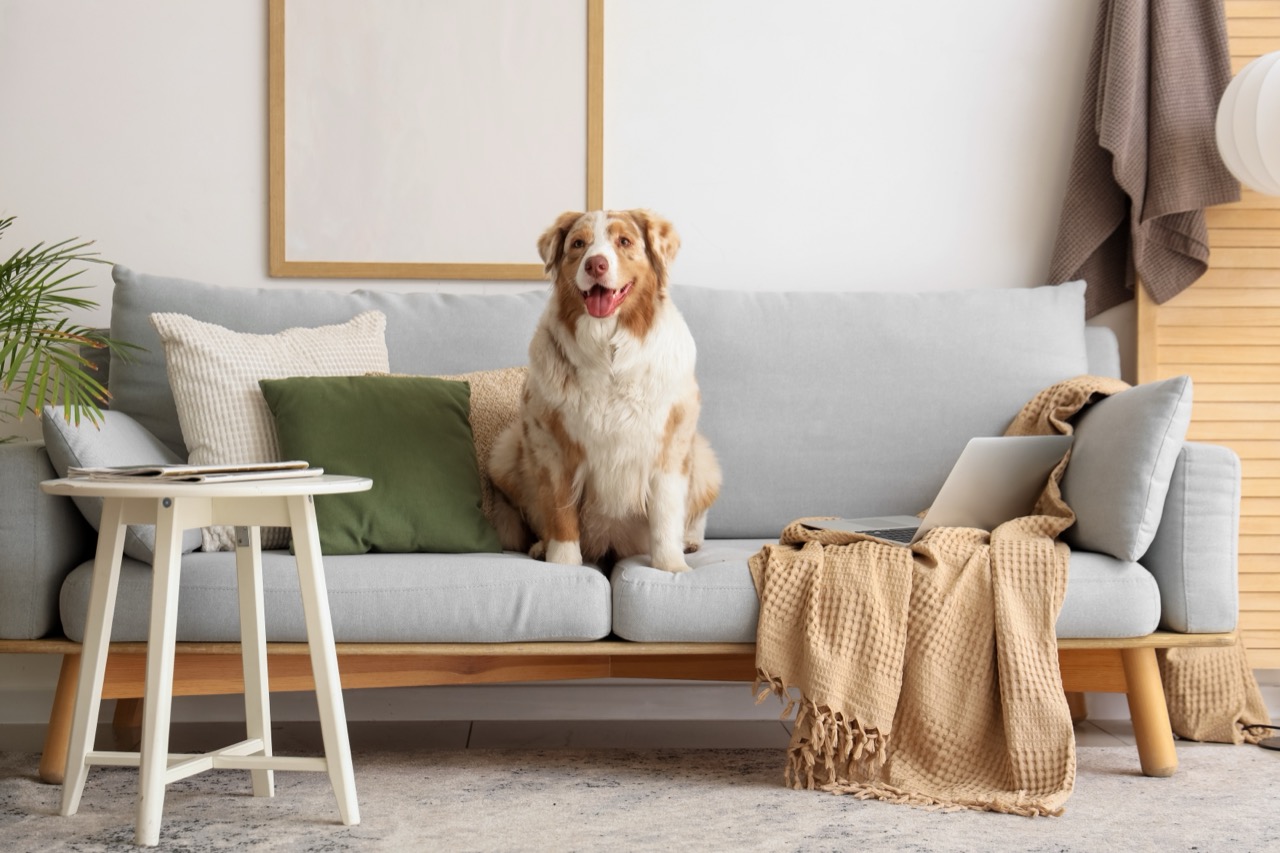
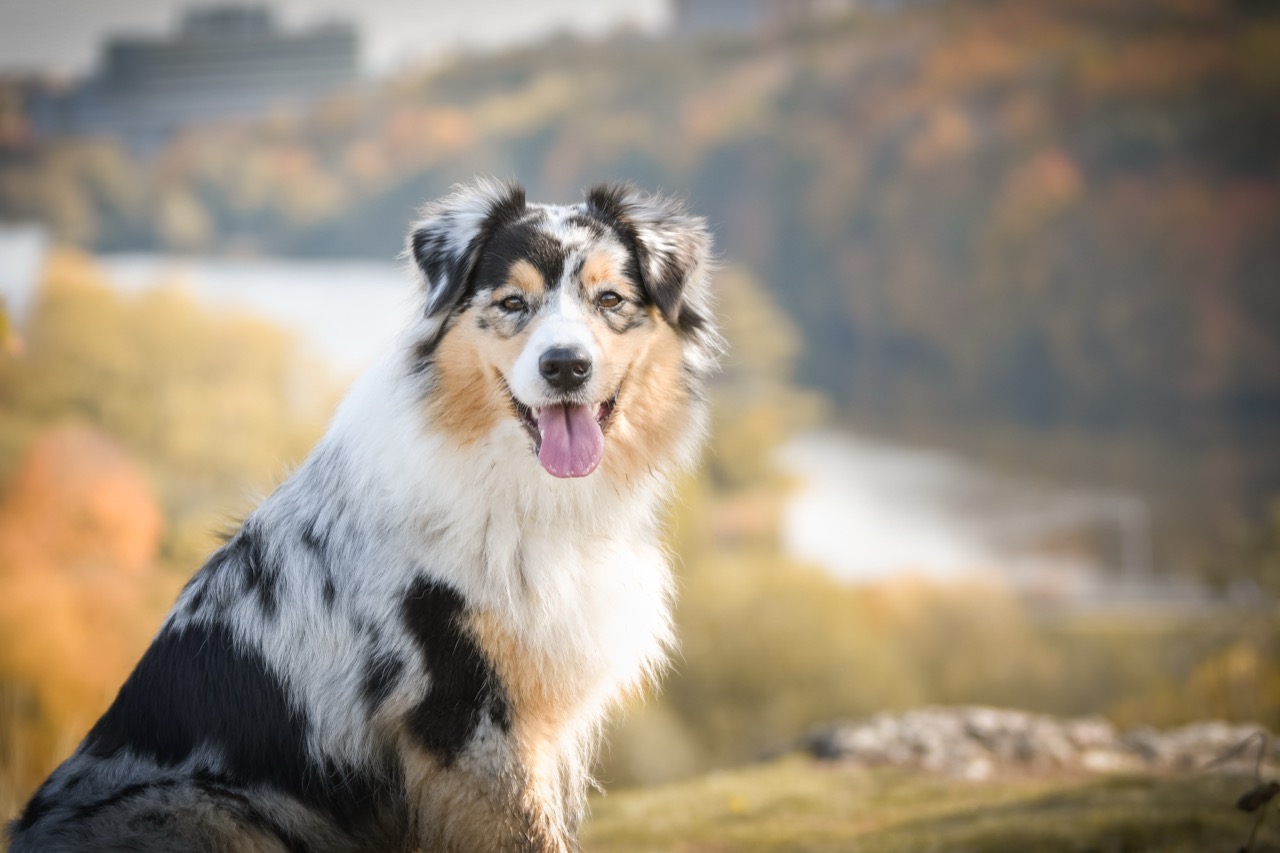
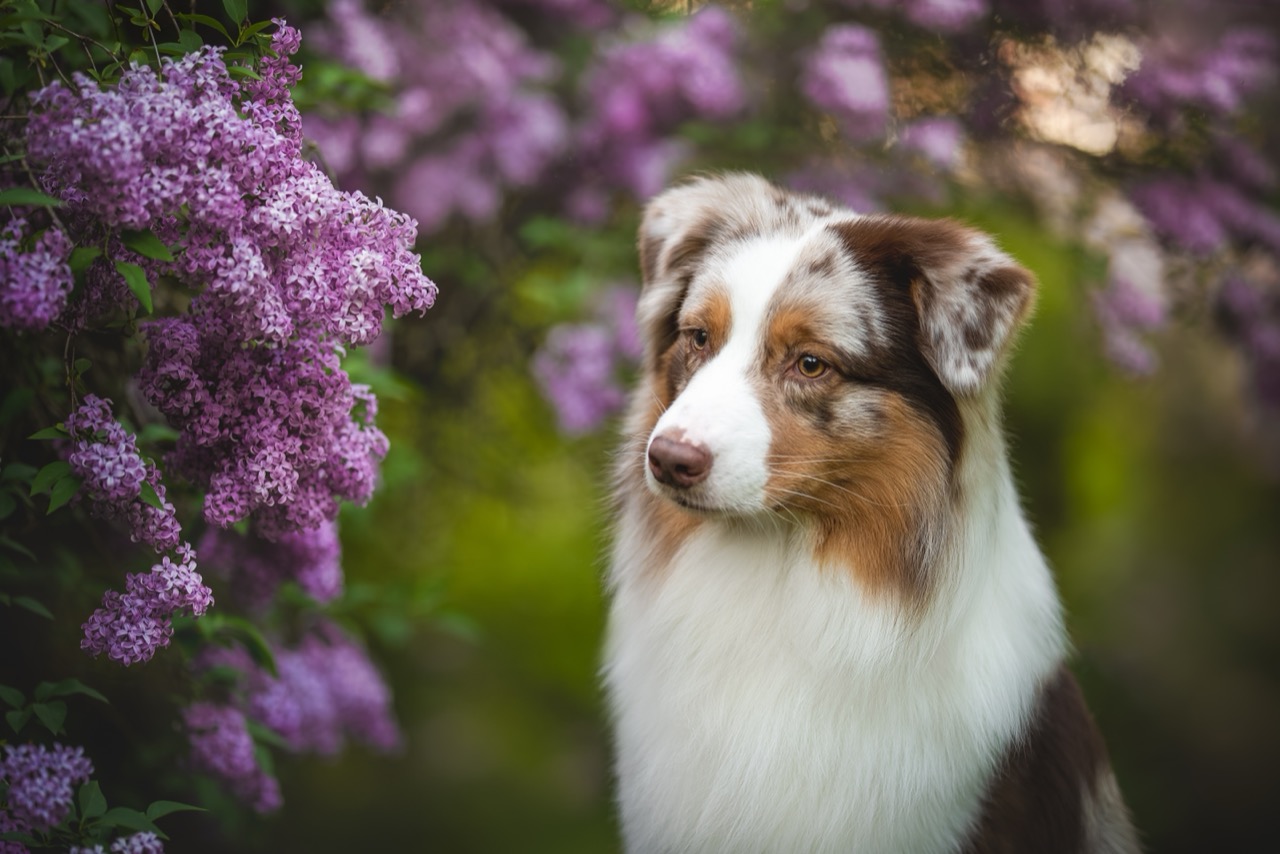
Australian Shepherds have a reputation for being brilliant, athletic dogs, and that reputation holds up in everyday home life. They were developed to work closely with people while moving livestock, and that heritage still shows in the way many Aussies think and behave. Living with one is less like owning a decorative pet and more like sharing a home with a clever teammate who is always looking for a job, a routine, and a reason to be involved.
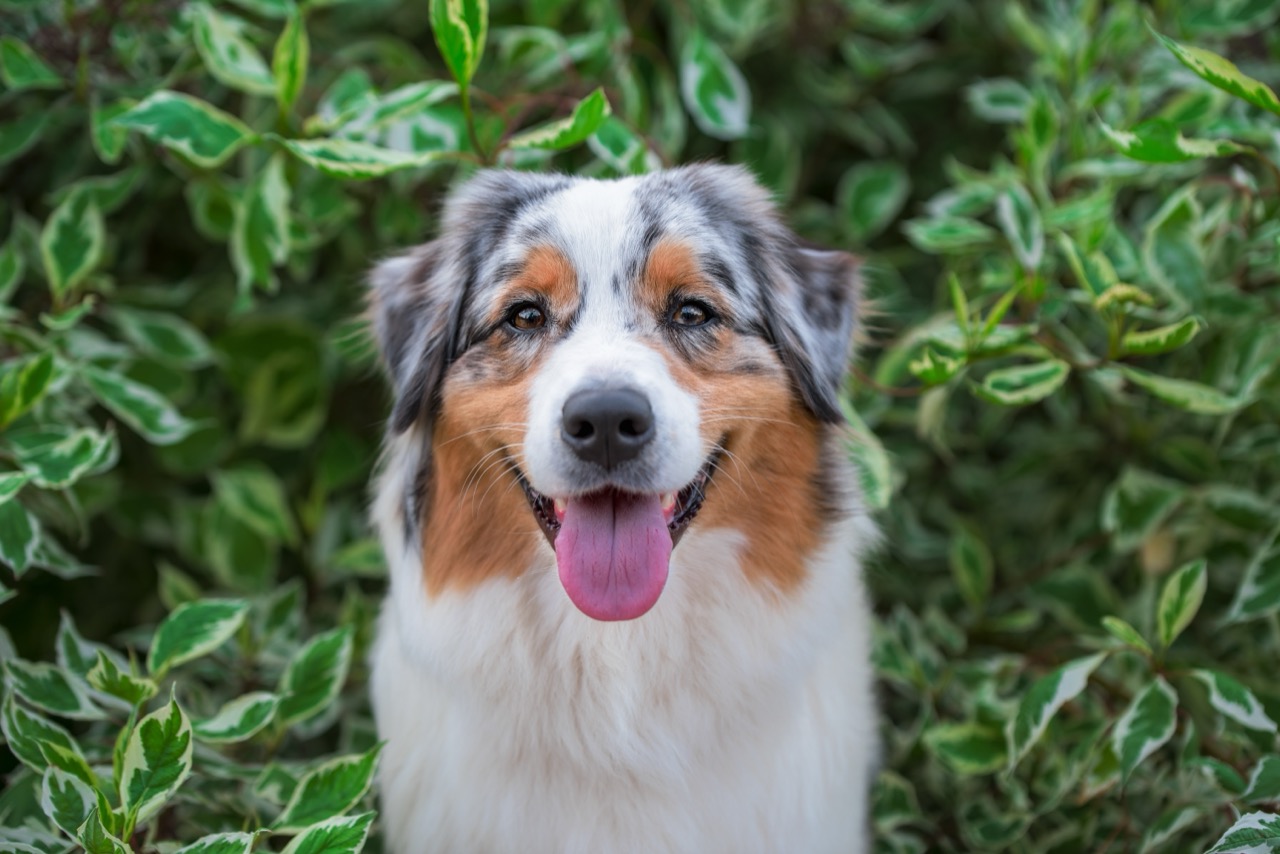
Temperament is often described as loyal and affectionate, but also alert and intense. Many Australian Shepherds form strong bonds with their families and prefer to stay near their people, following them from room to room and watching daily activities with interest. They are commonly reserved with strangers at first, which can be a normal breed trait rather than a problem, but early and ongoing socialization helps them stay confident and polite. Without that practice, their natural watchfulness can tip into excessive barking or nervousness in new situations.
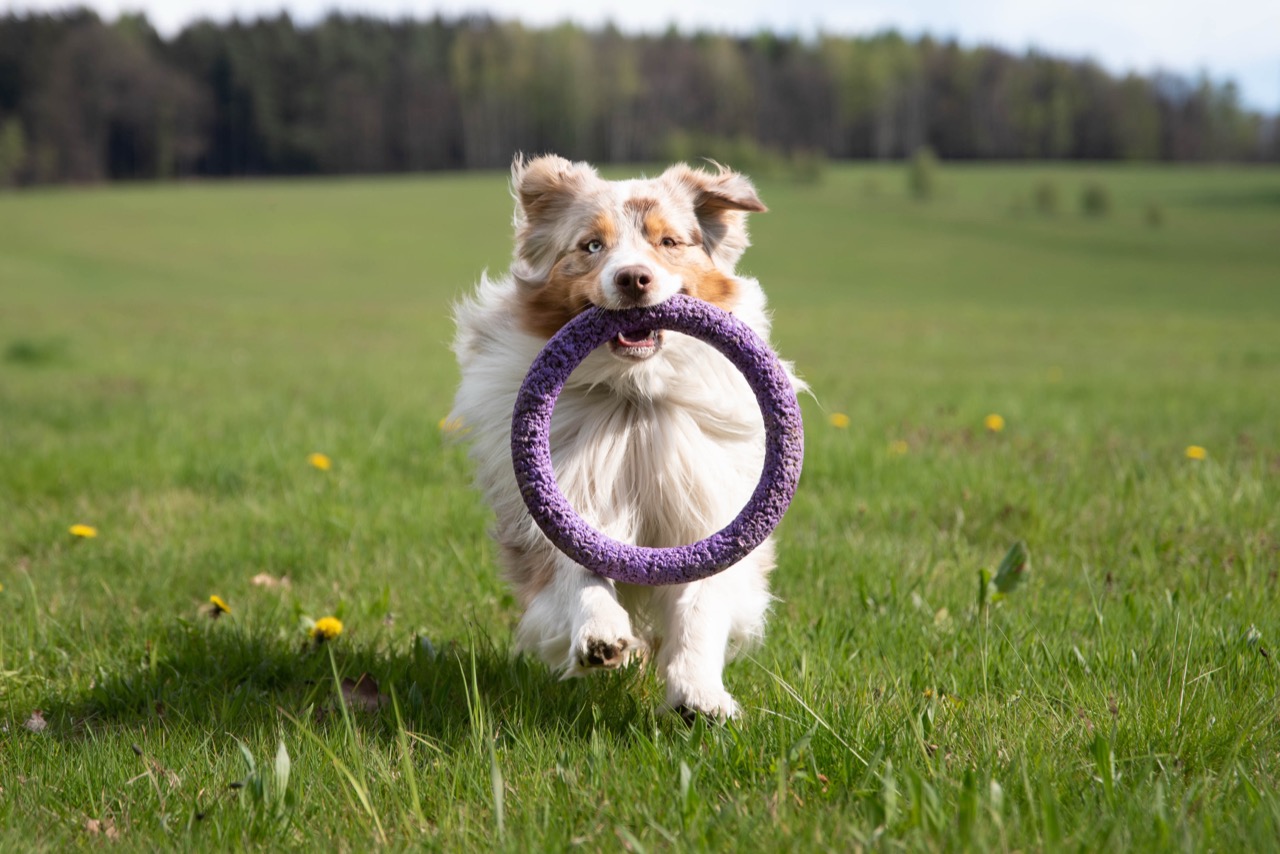
Their herding instincts can be charming and inconvenient at the same time. An Aussie may naturally try to control movement in the household by circling, staring, or darting in front of running children, bicycles, or other pets. Some will nip at heels if they get overexcited, not out of aggression, but because that is a classic herding behavior. The most practical approach is to teach clear rules and offer appropriate outlets. Training a solid recall, a reliable leave it, and calm behaviors around excitement goes a long way. Providing structured games such as fetch with rules, tug with a drop cue, or supervised play that includes breaks can help channel that urge to manage motion.
Training is where Australian Shepherds often shine. They tend to learn quickly because they are attentive and motivated by interaction. That speed can be a double edged sword, since they also pick up unwanted habits fast. Consistency matters more than harshness. Short, frequent sessions with rewards, clear boundaries, and variety usually work best. Many Aussies enjoy dog sports like agility, rally, obedience, and herding trials, but you do not need a competition schedule to keep them satisfied. Puzzle feeders, scent games, trick training, and rotating toys can provide the mental work that keeps their brains busy.
Exercise needs are real, but it is not only about wearing them out physically. A long run may create a fitter dog who still feels underemployed. The goal is balanced activity: daily movement paired with problem solving and calm practice. Many adults thrive with a brisk walk plus training and play, while younger dogs often need more structured outlets and careful management to prevent overstimulation. Teaching an off switch, such as settling on a mat, is just as important as teaching energetic skills.
Grooming is another daily life detail that surprises some first time owners. Australian Shepherds have a double coat designed to handle weather, which means they shed year round and often blow coat seasonally. Regular brushing helps prevent mats, reduces loose hair in the home, and lets you check for burrs or ticks after outdoor time. Pay attention behind the ears, along the ruff, and around the pants where tangles are common. Baths are occasional for most, but nail trims, ear checks, and dental care should be routine.
Health wise, responsible breeding and veterinary care matter. Like many purebred dogs, Aussies can be prone to certain inherited issues, including eye conditions and hip problems, and some lines carry a gene associated with sensitivity to certain medications. A good breeder screens for common concerns, and a good owner keeps up with preventive care, weight management, and age appropriate exercise.
At their best, Australian Shepherds are fun, responsive companions who make ordinary days feel more interactive. They thrive when their people provide structure, training, and meaningful engagement. If you enjoy an active routine and like teaching and communicating with your dog, an Aussie can feel like the perfect partner. If you want a low maintenance, independent pet, their busy mind and herding heart may be more than you bargained for.