Aussie Ranch Smarts
Quiz Complete!
Why Australian Shepherds Seem Like Motion With a Brain
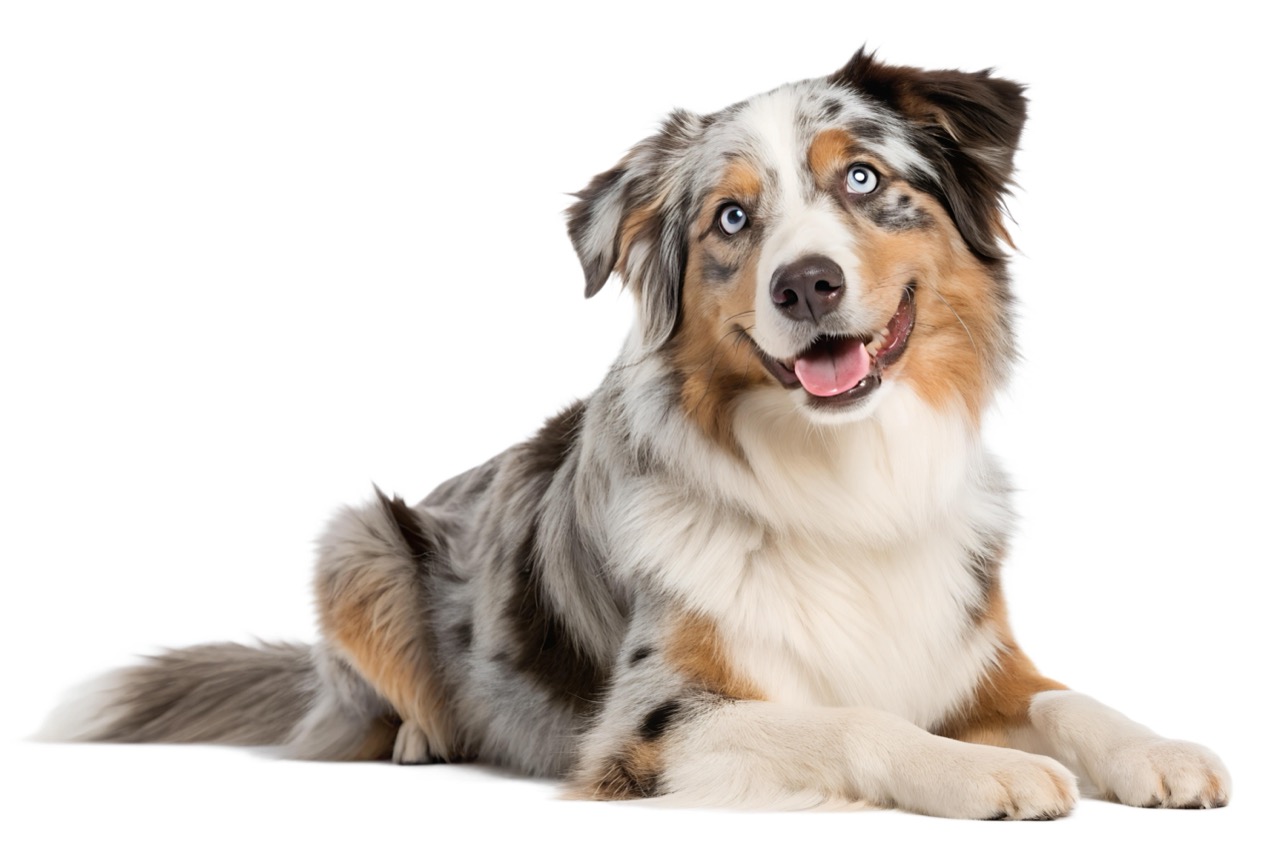
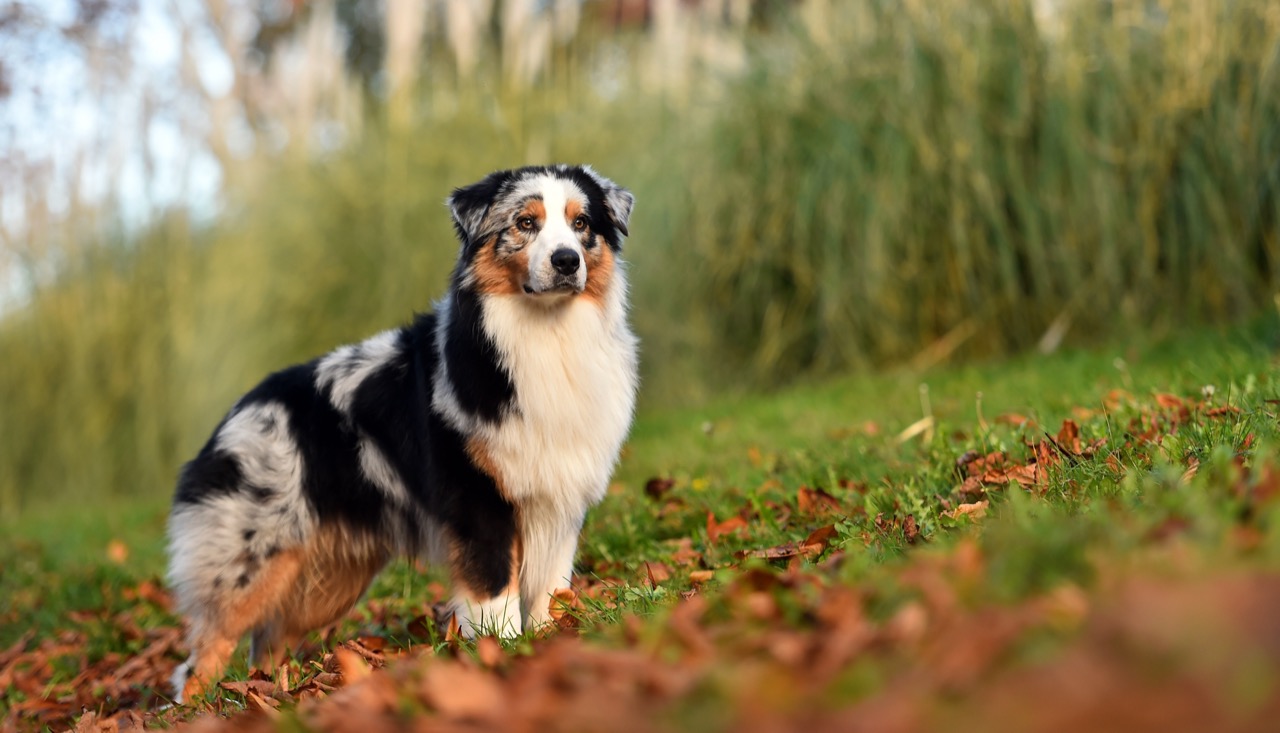
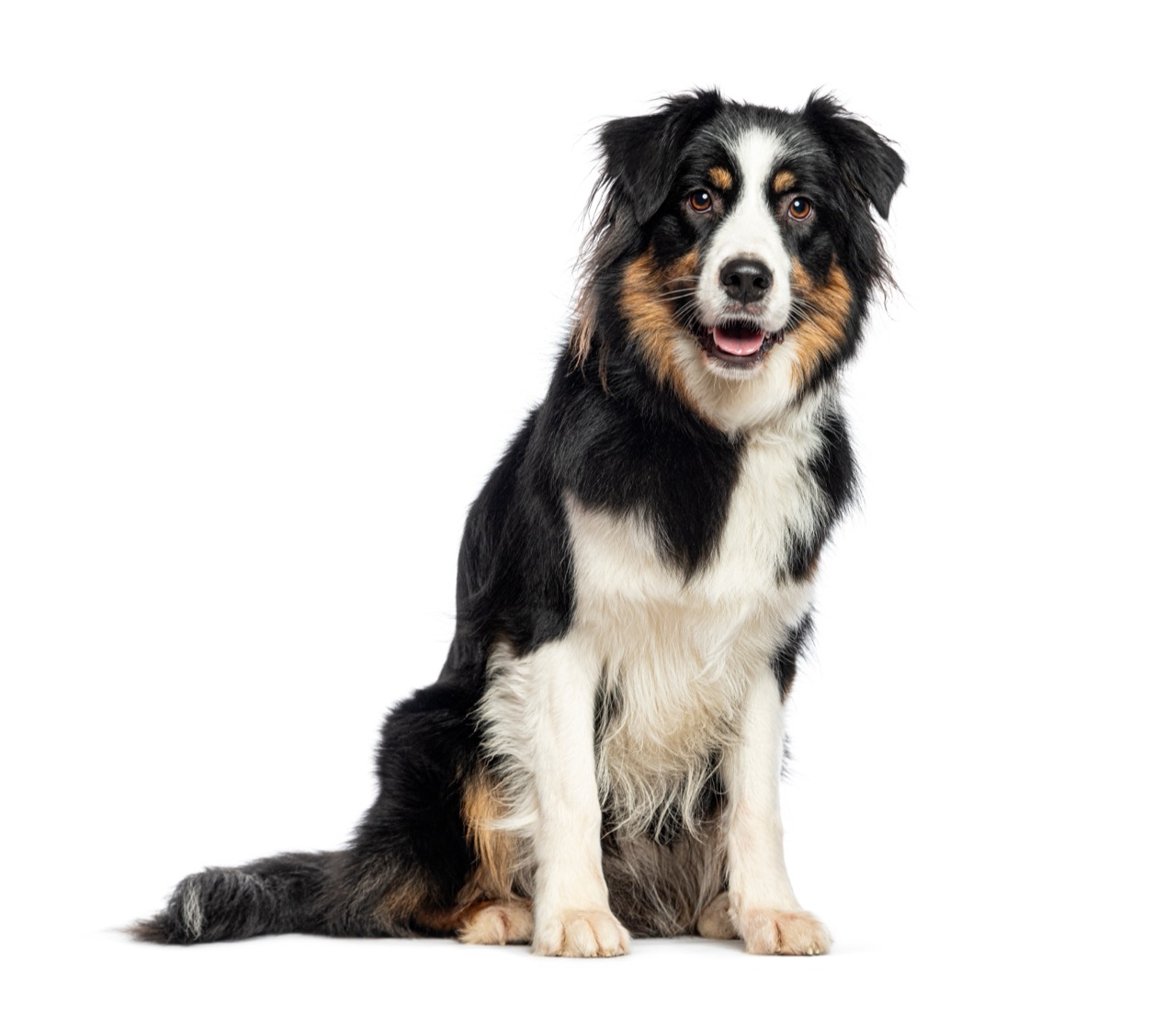
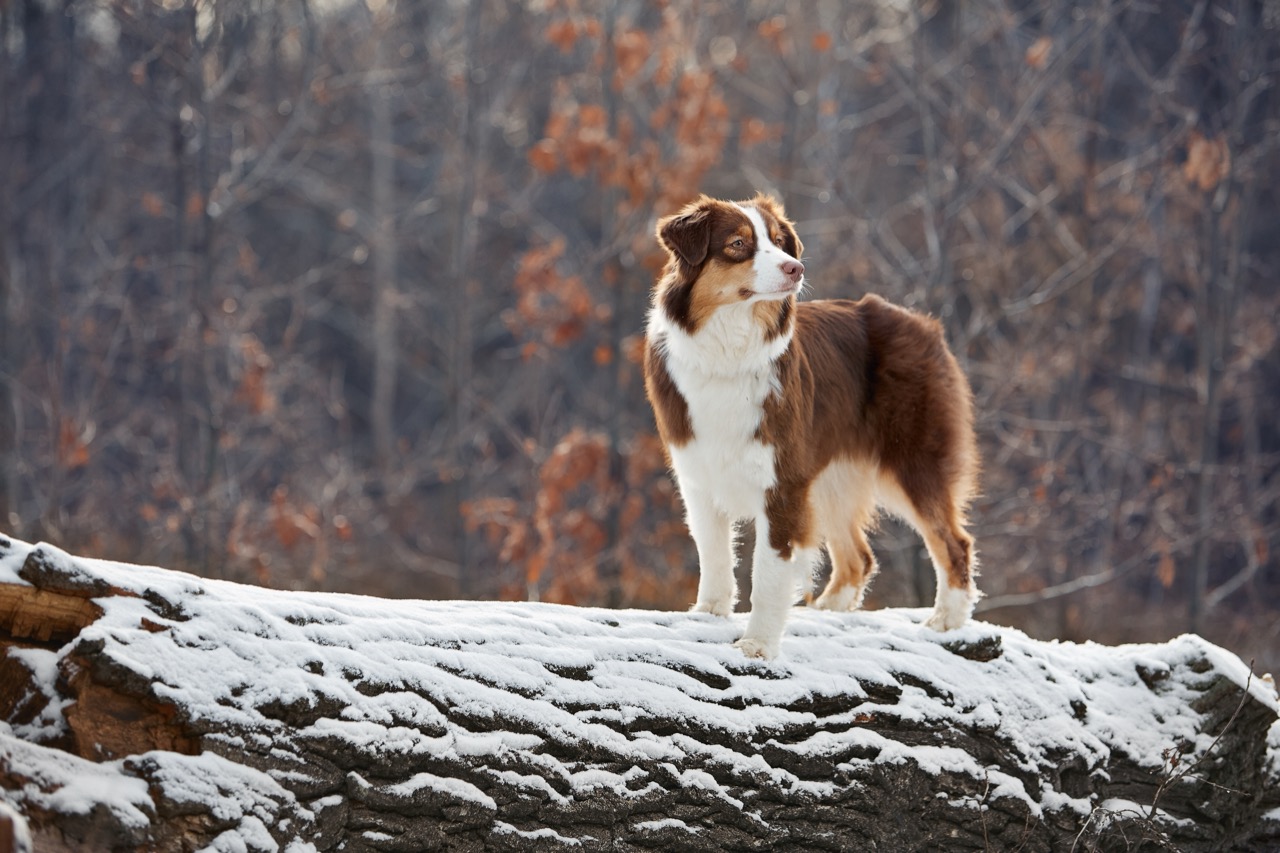
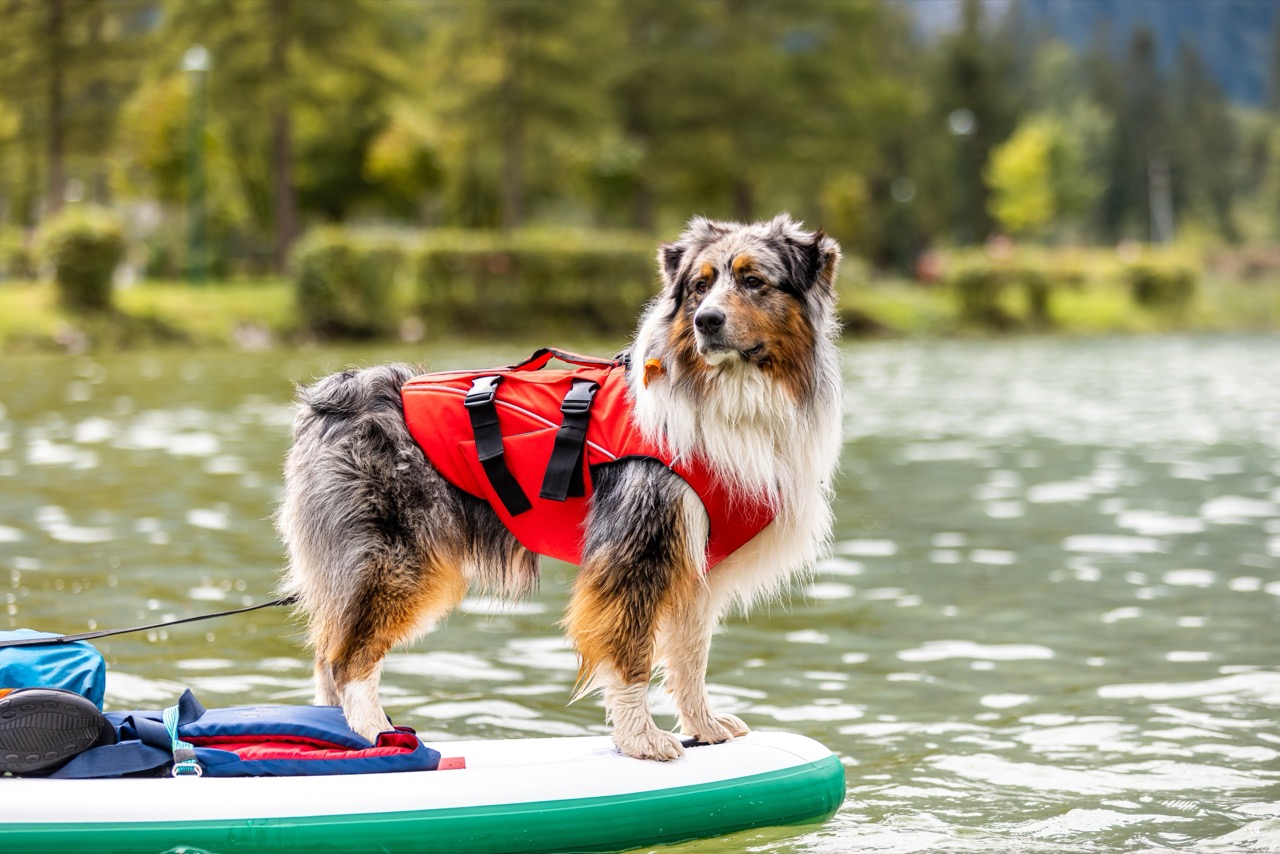
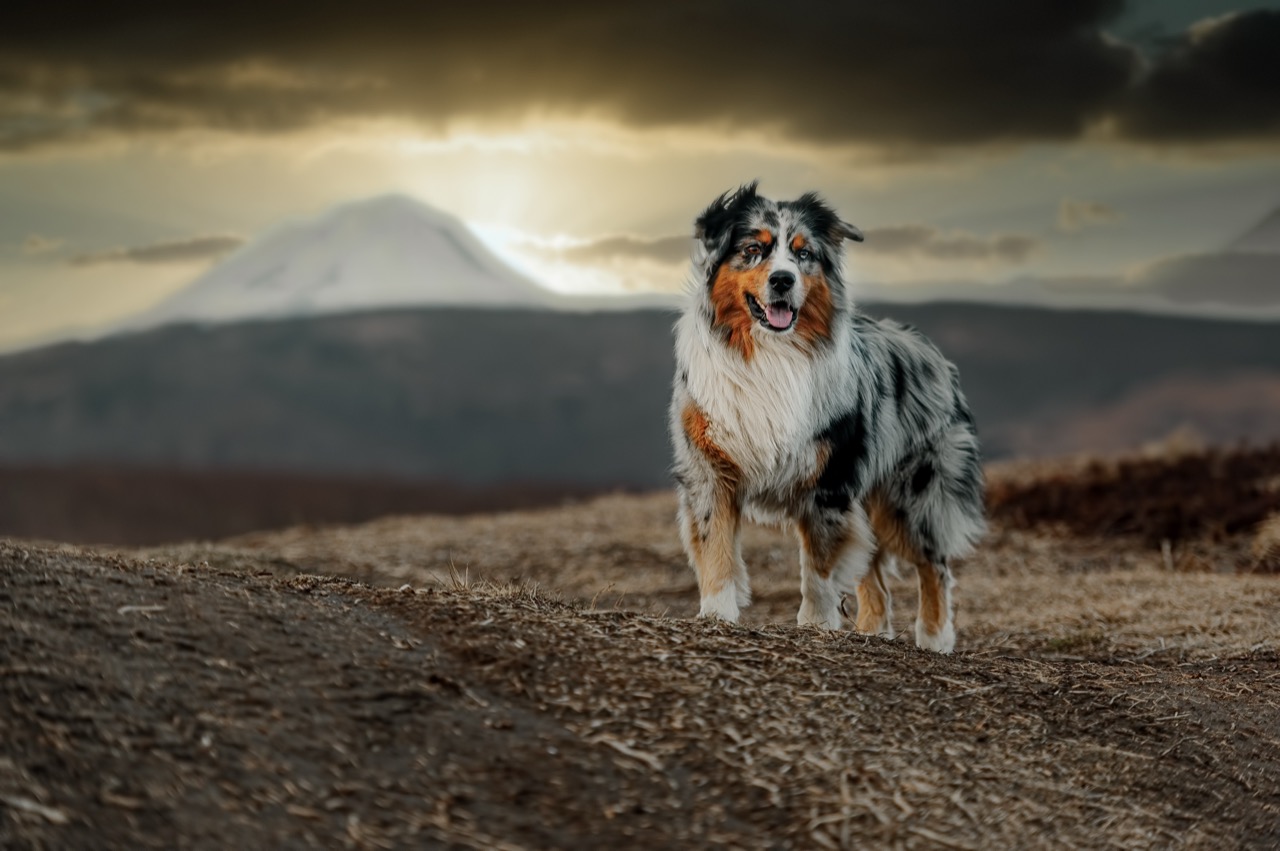
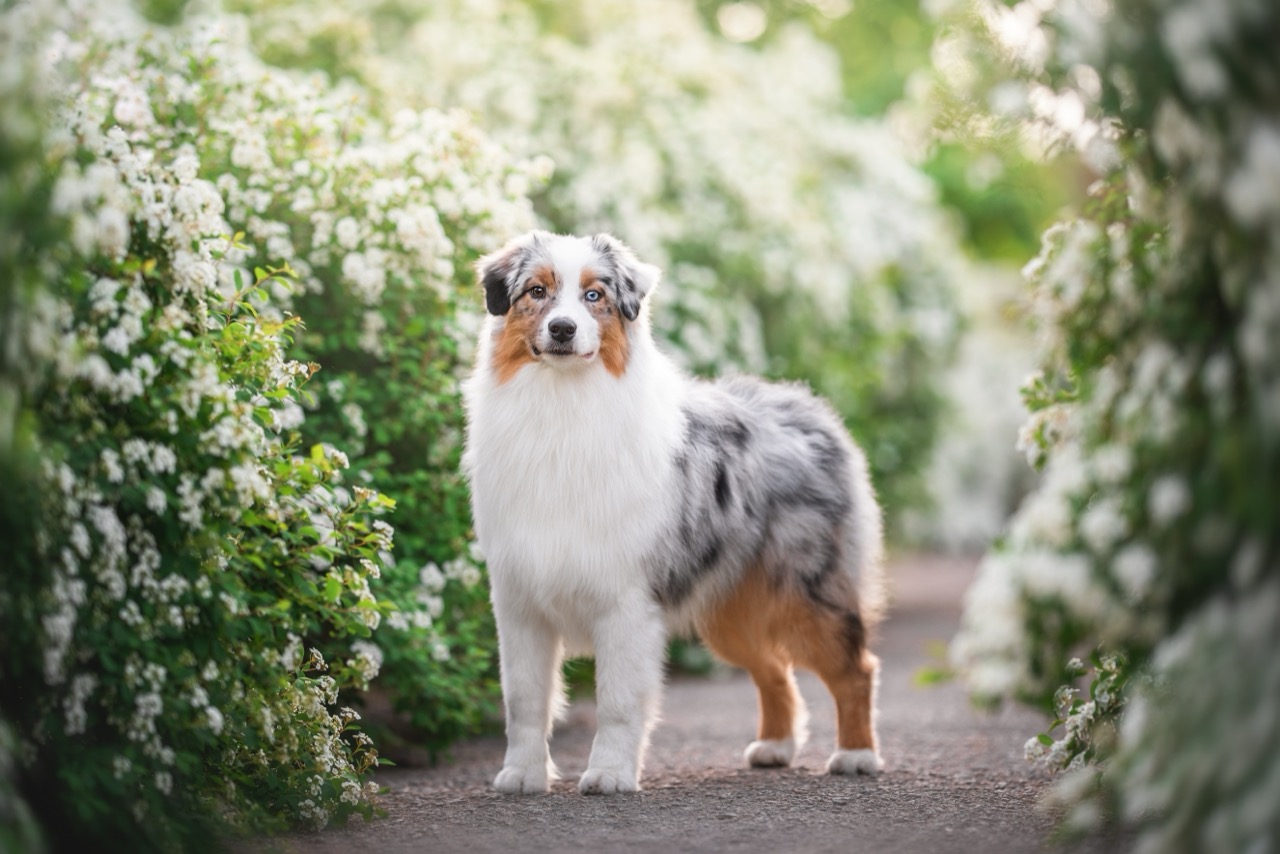
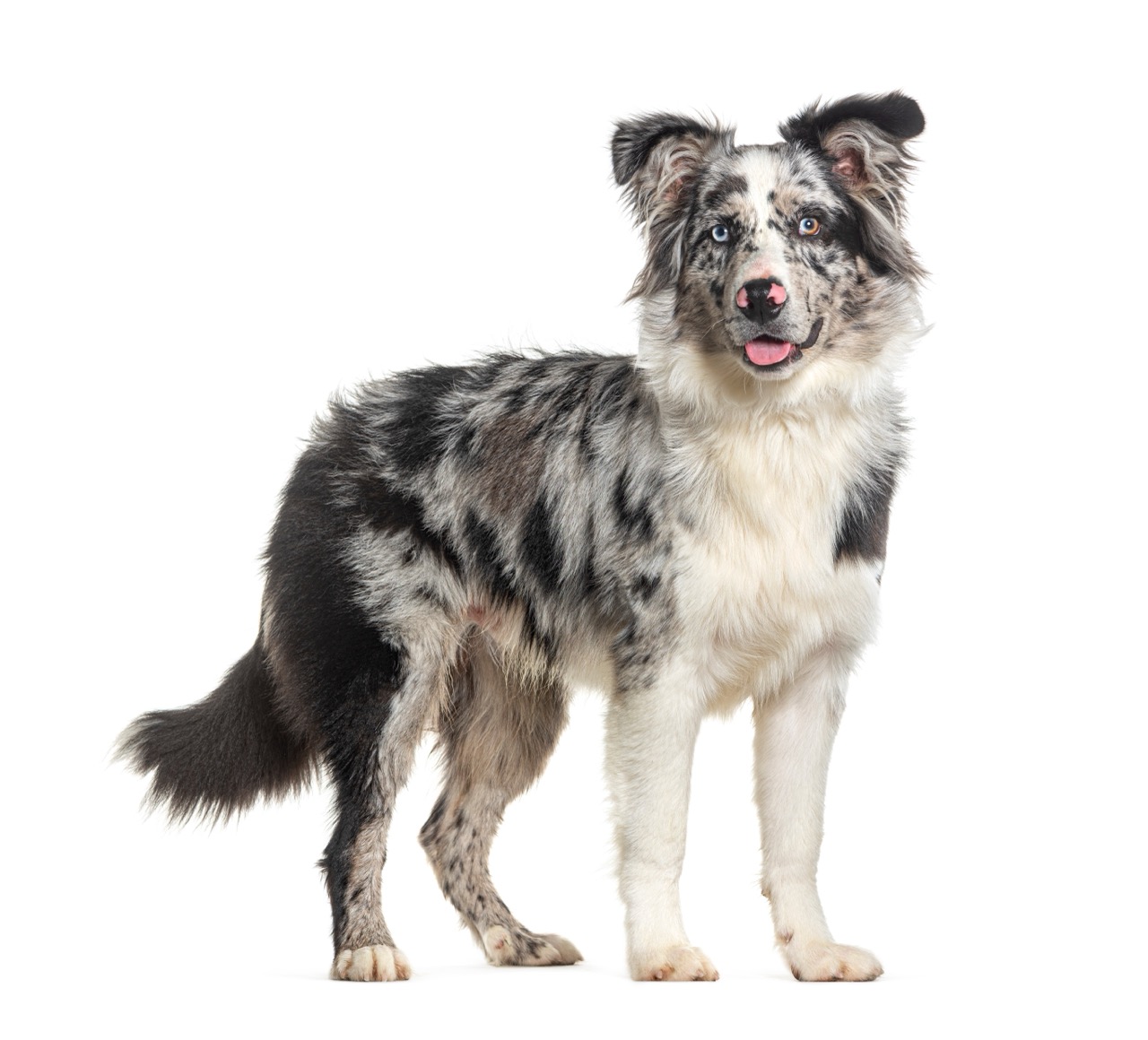
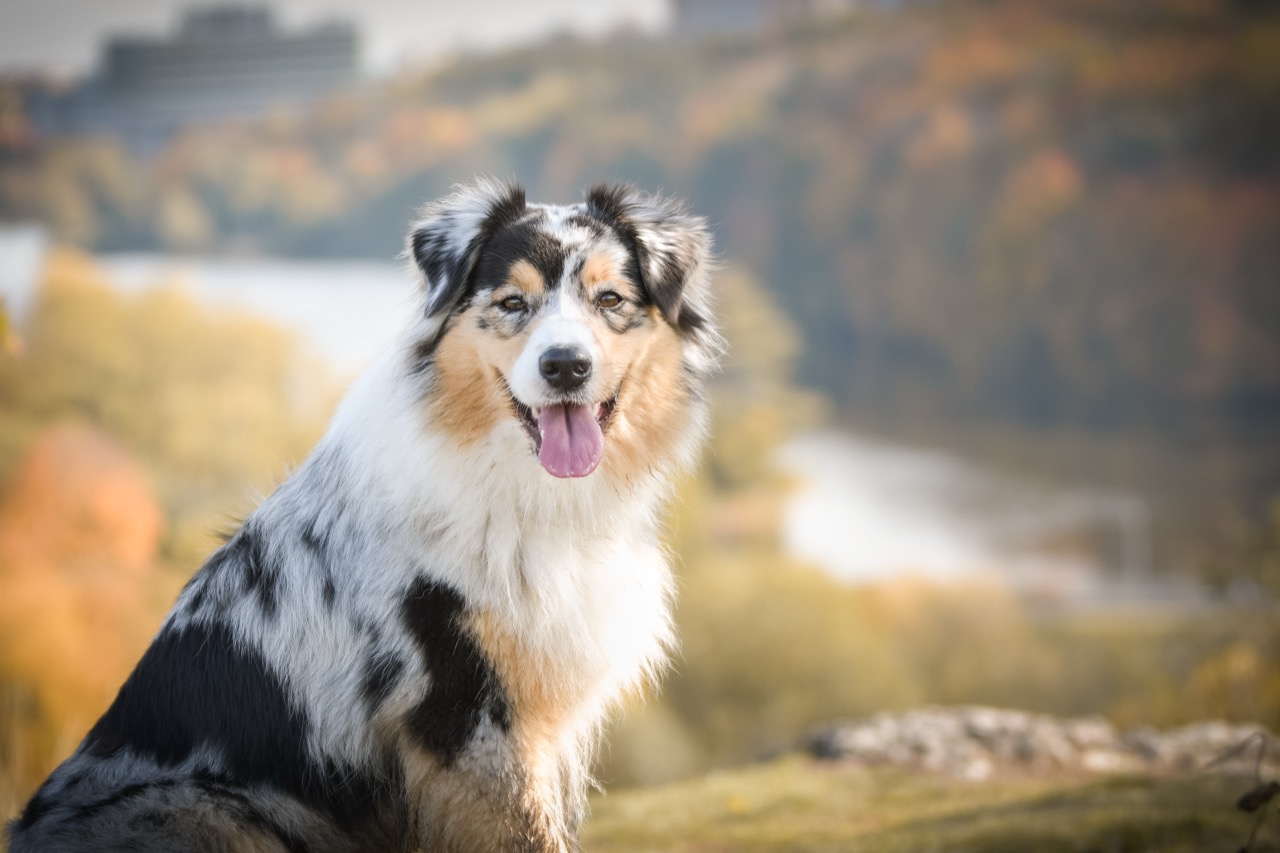
Australian Shepherds have a reputation for being smart, springy, and intensely tuned in to whatever is happening around them. Those traits are not random quirks. They are the result of generations of breeding for ranch work, where a dog had to think fast, move all day, and stay connected to people while managing unpredictable livestock. When you understand the purpose behind the breed’s instincts, many classic Aussie behaviors suddenly make perfect sense.
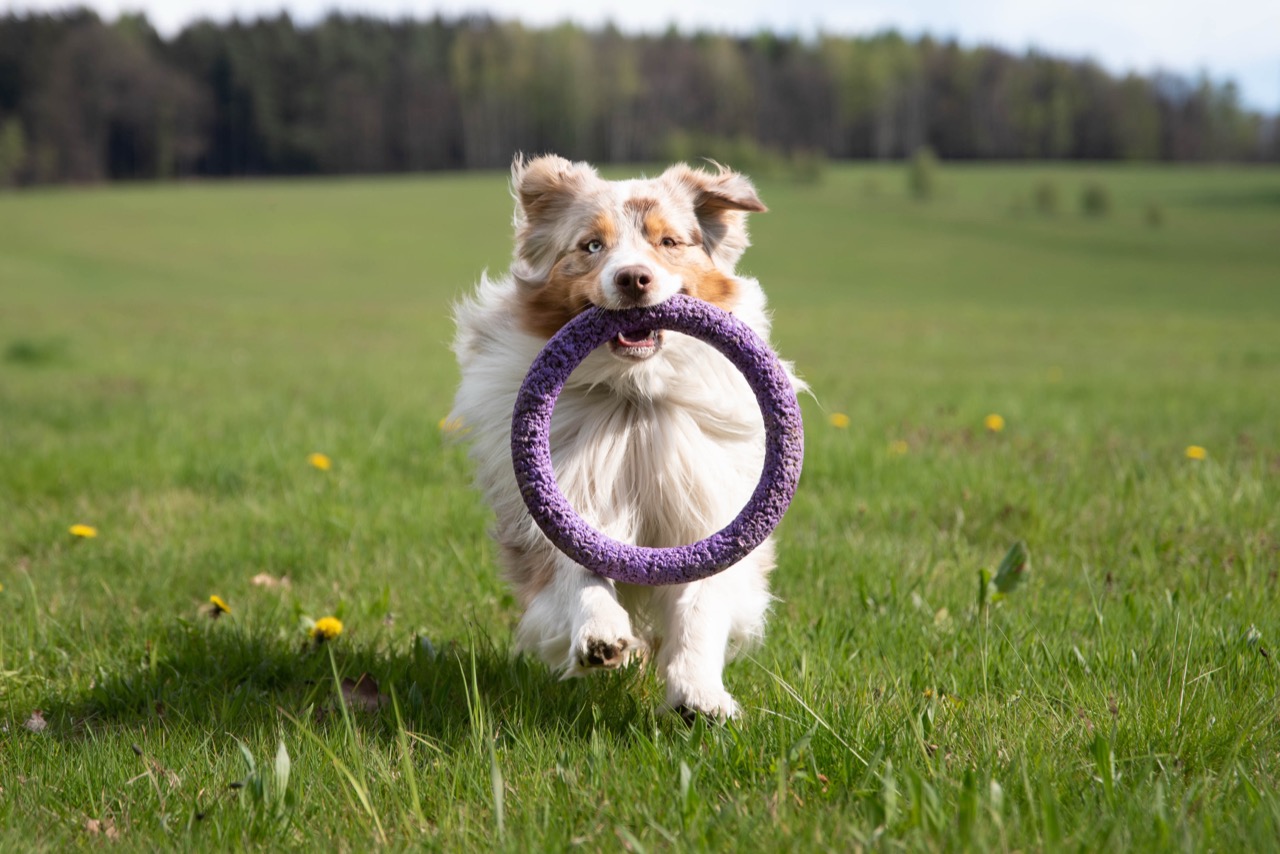
A working Australian Shepherd is built to be an all purpose partner. The body is athletic rather than bulky, designed for quick acceleration, sharp turns, and repeated bursts of speed. That nimble movement is not just about running fast. Herding often requires a dog to change direction in an instant, read an animal’s shoulder or head turn, and cut off an escape route without crashing into the stock. Many Aussies have a light, efficient trot that can cover ground for long periods, then shift into a sprint when a cow or sheep decides to test the fence line.
The breed’s famous focus is closely tied to herding style. Aussies are often described as upright, loose eyed herders compared to the intense, staring style seen in some other breeds. Instead of relying only on eye pressure, they tend to use body position, movement, and well timed presence to influence where animals go. You may notice an Aussie circling to gather, then stepping in to drive, constantly adjusting angles like a living gate. This is why they can look as if they are calculating geometry while running.
Many typical working behaviors show up in everyday life. The instinct to control motion can appear as shadowing kids, herding other pets, or trying to organize guests as they move through the house. Heel nipping can be part of stock work, especially when dealing with stubborn animals, but in a family setting it needs redirection into appropriate games and training. The desire to stay connected to a handler is another working trait. On a ranch, a dog that checks in naturally and responds quickly is safer and more useful than one that ranges off. In a home, that can look like a dog that follows you room to room and watches your face for the next cue.
What makes Australian Shepherds especially capable is the combination of drive and decision making. A good herding dog is not just energetic. It is able to notice small changes, predict what will happen next, and choose an action that helps the job. That is why Aussies often excel at tasks that reward problem solving such as agility, obedience, search games, and advanced trick training. It is also why boredom can be a real issue. A dog bred to work all day will invent its own projects if none are provided, and those projects may involve rearranging your household routines.
Temperament matters as much as athleticism. Aussies are typically confident, responsive, and ready to engage, but they can also be sensitive to pressure and easily overstimulated without structure. Early socialization helps them learn what is normal in the modern world, while consistent training gives their busy minds a clear framework. Many are naturally watchful and may be reserved with strangers, a trait that can be useful on a ranch but should be guided so it does not turn into constant suspicion.
Living happily with an Australian Shepherd often means honoring the working blueprint. Daily exercise is important, but so is mental work: learning cues, practicing calmness, playing scent games, or having a job like carrying a backpack on walks. When their instincts are understood and channeled, Aussies are not just energetic dogs. They are thoughtful partners built for teamwork, always ready to move, always ready to think, and happiest when they have something meaningful to manage.